Ultralight Day Hiking Without the Risk

Maya Lin
Maya Lin is a travel journalist and outdoor enthusiast who believes the best trips combine rugged adventures with urban comforts. After spending six years backpacking across four continents, she founded Trail & Town Guide to help fellow travelers navigate both hidden mountain passes and bustling city neighborhoods with confidence.
Ultralight day hiking is not a contest to see how uncomfortable you can be. It is a strategy: remove weight that does not change your outcome, and keep the small, high-leverage items that do. Done right, you walk farther with less fatigue, you make better decisions late in the day, and you still have a buffer when the weather pivots or someone turns an ankle.
This is also what ultralight is not: it is not an “essentials list” where you check boxes and call it good. Essentials are baseline. Ultralight is how you choose versions of those essentials, how you avoid duplicate functions, and how you tailor to conditions so you are not carrying “just in case” weight that never earns its place.
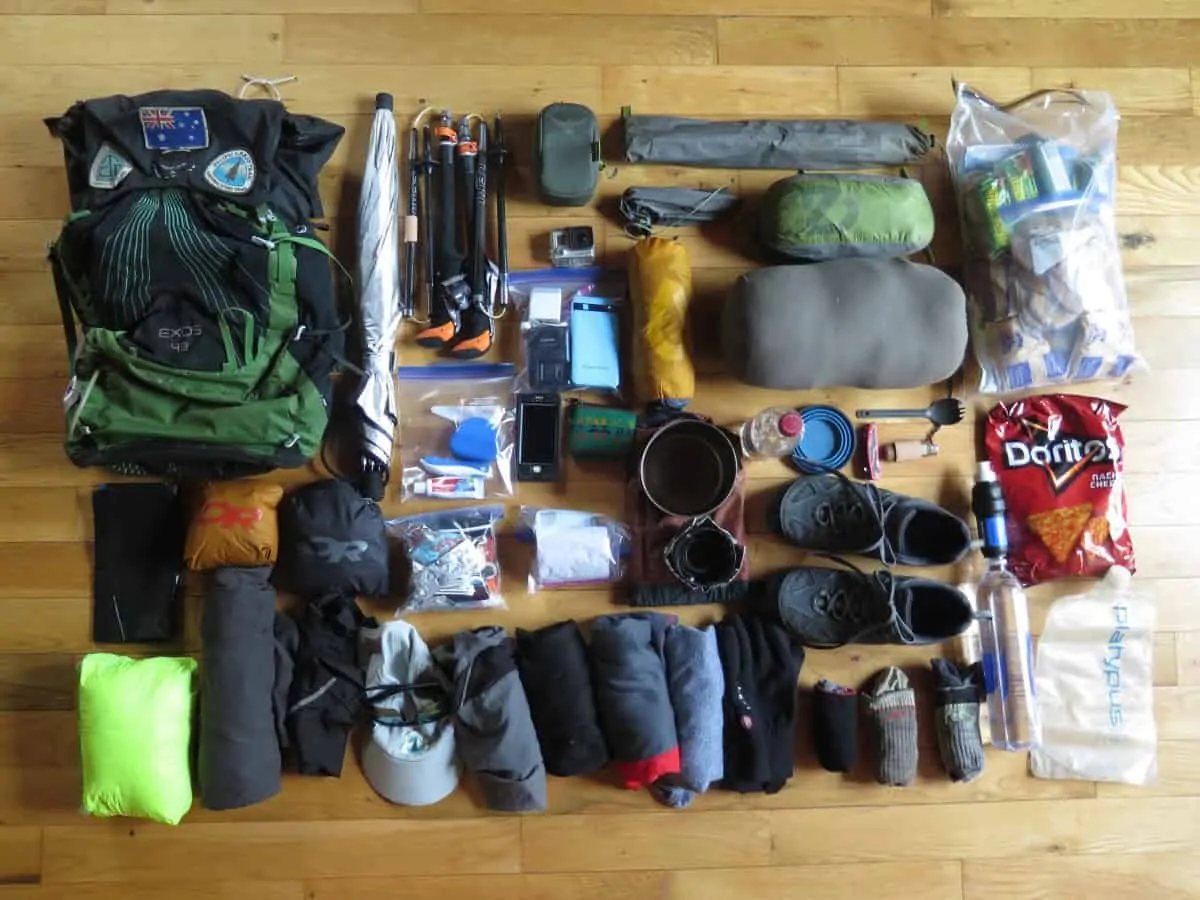
The ultralight mindset for day hikes
Backpackers love numbers, but for day hiking, the biggest gains usually come from a few decision rules. When I am packing carry-on only and still trying to be ready for mountain mood swings, these are the filters I use.
Rule 1: Cut duplicates, not capabilities
If two items do the same job, keep the lighter one. If one item can do two jobs well, that is your MVP. Examples: a wind shell that also boosts warmth, a phone that is both camera and navigation, trekking poles that also help stability on snowmelt-slick descents.
Rule 2: Build for delays, not disaster fantasies
On many established day hikes, the most likely worst case is slower-than-planned progress, a minor injury, a weather delay, or helping someone else. Your ultralight kit should keep you warm enough and calm enough to wait, self-rescue, or be found.
But be honest: the risk of an unplanned night is low, not zero. Injury, navigational errors, an unexpected whiteout, or a slow response can stretch “day hike” longer than your calendar intended. Pack so you can comfortably handle being stuck for a few hours, and not fall apart if those hours turn into an overnight.
Rule 3: Spend weight where it buys safety or speed
Safety weight is not just emergency gear. It is also traction for early-season mud or microspikes for hard-packed snow. It is water capacity on exposed ridgelines. It is a layer that prevents hypothermia from a surprise squall. Ultralight is choosing the smallest version that still does the job, not skipping the job.
What redundancies you still keep
There is a certain kind of ultralight advice that reads like a dare. In real life, redundancy is how you absorb human error. The trick is keeping redundancy that is compact, multi-use, and time-saving.
Navigation: two ways to know where you are
- Primary: offline map on your phone (download before you leave, not at the trailhead).
- Backup: a tiny printed map snippet in a zip bag or a second app with cached tiles. Paper weighs almost nothing and does not care about dead batteries.
If you love “just following the trail,” keep in mind that snow, blowdowns, and low visibility are equal-opportunity sign thieves. Also, treat your phone like navigation gear: a simple waterproof case or zip bag, and keeping it warm in cold weather, can prevent a bad day from becoming a weird one.
Light: one real light, not phone-only
Yes, your phone has a flashlight. Still bring a small headlamp. Hands-free light is a safety tool, and headlamps are often more efficient than running your phone LED at high brightness. If you are trimming grams, go small, but go real.
Fire: only when legal and appropriate
A mini lighter can be cheap insurance where legal and appropriate, mainly for emergency warmth in truly cold or wet scenarios. In high fire danger or restricted areas, follow local rules, including any restrictions on possession or use. For signaling, prioritize safer tools like a whistle, a bright headlamp, and (when it fits the route) a satellite messenger.
Warmth: one “I can stop now” layer
Ultralight hikers get into trouble when their system only works while moving. Bring a layer that is warm enough to stand still. In mild conditions this can be a light synthetic puffy. In shoulder season it might be a warmer midlayer plus a shell. The point is to have a margin when you stop sweating and the wind finds you.
Luxuries to drop (without feeling deprived)
Luxuries are not bad. They just need to justify their weight. Here are common “it seemed small at home” items that balloon a day pack fast.
- Big camera kit: If the goal is memories, your phone is already excellent. If you truly want a camera, pick one lens, not a full lineup.
- Spare clothing “options”: Extra shirts and extra pants are rarely the day-hike win you think they are. Build a layering system instead.
- Full-sized towel: Swap for a small microfiber cloth or a bandana that can also be sun protection and a quick sediment pre-filter (it does not make water safe).
- Hardback guidebook: Save pages as a PDF or screenshot key sections.
- Kitchen sink food: Choose calorie-dense snacks you will actually eat. A zip bag of mixed nuts and dried fruit can replace three bulky “maybe” snacks. As a simple heuristic, many hikers feel good aiming for roughly 150 to 250 calories per hour, adjusted for heat, effort, and appetite.
My favorite ultralight comfort hack is not an item. It is a plan: know where the good coffee is for after the hike. The promise of a perfect cortado does more for morale than a heavy “just in case” hoodie.
Layering discipline: the biggest weight saver
Most day packs get heavy because layers become emotional support items. The fix is a simple clothing system where every piece has a job and none are duplicates.
Use the move and stop split
- Move layer: what you hike in. Breathable, not too warm. Think sun shirt or light base layer.
- Stop layer: what you add when you rest or an injury slows you down. Think light puffy or warm midlayer.
- Shell layer: wind and rain protection. A good shell makes your other layers feel warmer, which can let you carry less insulation.
Swap heavy for smart
- Swap: bulky fleece + bulky rain jacket
- For: lighter grid fleece or alpha-style midlayer + truly windproof rain shell
The goal is not to chase exotic fabrics. The goal is to avoid carrying two midlayers that both serve the same temperature band.
Don’t forget the small warmth multipliers
In cold or windy conditions, a thin beanie and light gloves can beat a heavier jacket for warmth-to-weight. They also keep dexterity for zippers, laces, and first aid. Tiny items, big payoff.
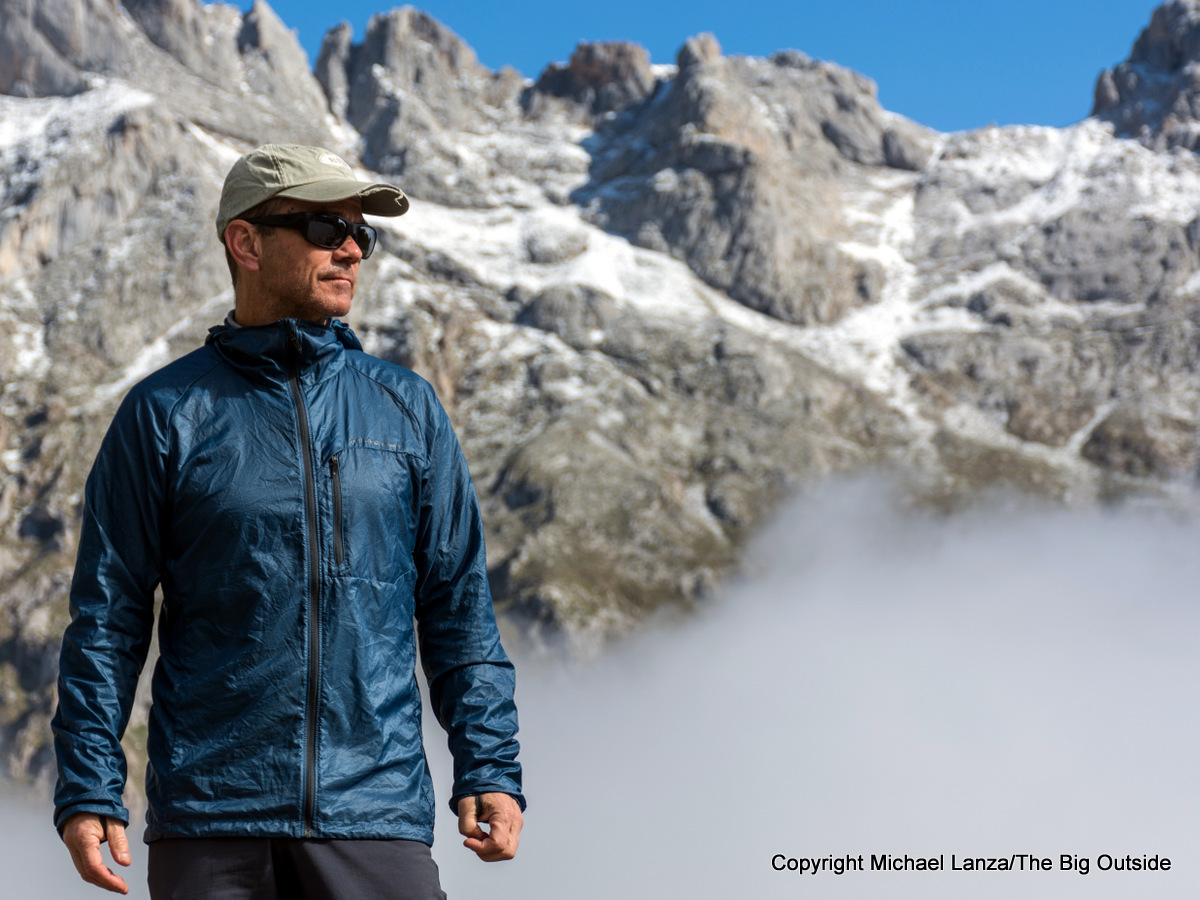
Compact safety kit: small items, real capability
Safety gear gets labeled “extra” because it is rarely used. That is exactly why it should be compact, not absent. Build a micro-kit you will always carry.
A minimalist but serious kit
- First aid: blister care (tape or hydrocolloid), a few bandages, a small gauze pad, one elastic wrap or cohesive wrap, pain relief you tolerate, any personal meds.
- Repair: a short wrap of tape on a trekking pole, a tiny safety pin, and a couple zip ties if you use them often.
- Emergency warmth: an ultralight emergency bivy or blanket. Choose one and learn how to use it without tearing it.
- Light: a small headlamp plus fresh battery or a known-charged rechargeable.
- Signal: a whistle. It weighs almost nothing and is more effective than yelling.
- Communication: if you hike solo, go off-trail, travel in winter, or have unreliable cell coverage, a lightweight satellite communicator can be one of the highest-leverage safety items you carry. It is not a substitute for judgment, but it can turn a bad situation into a coordinated one.
Water: capacity is part of safety
Ultralight hikers sometimes under-carry water because it is heavy. True, water is heavy. It is also non-negotiable. Instead of gambling, right-size your plan:
- Carry enough capacity for the longest dry stretch plus a buffer.
- Use collapsible bottles or a soft flask to save space when empty.
- If you will refill, bring a simple treatment method you actually trust and will use. Tablets are usually the lightest, but they require contact time. A small filter is often faster in practice and can improve taste, but it needs basic maintenance and a workable flow rate.
Refill plans only count if your sources are reliable. In late summer, “seasonal stream” can mean “dry trench.”
Navigation power: be honest about your battery
If your phone is your map, treat it like critical gear. Airplane mode, low power mode, and a brightness check can extend life dramatically. For longer days, cold weather, or heavy GPS use, a small power bank earns its weight quickly.
Hot climates: where ultralight can backfire
Heat is sneaky because you can feel fine until you do not. The ultralight tradeoff in hot climates is that the “lightest” kit is sometimes less breathable, less sun-safe, and less water-capable.
Prioritize sun and water
- Sun: a sun shirt or light long sleeve plus hat often beats “minimal clothing” for comfort and burn prevention.
- Electrolytes: a couple packets are tiny and can help on long, sweaty climbs.
- Water capacity: this is the big one. In desert or exposed routes, carrying more water is the smart “heavy.”
Smart swaps for heat
- Swap: heavy insulated bottle
- For: lightweight bottle and a plan to start early, seek shade, and refill
- Swap: thick cotton tee
- For: breathable synthetic or merino blend that dries fast
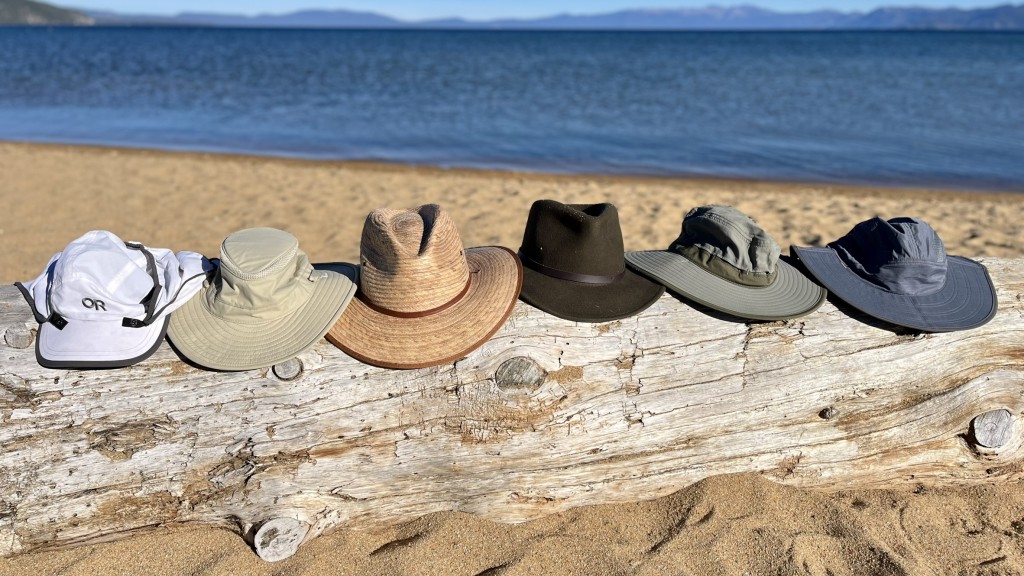
Cold climates: the margin matters
Cold and wind punish optimism. In chilly conditions, ultralight is less about removing layers and more about choosing pieces that stack efficiently and protect you if you stop.
Keep one reliable insulation piece
If you have to choose, keep the insulation that still works when damp. For day hikes where sweat, drizzle, or wet snow are likely, light synthetic insulation is a pragmatic choice. Down can be fantastic in dry cold, but it needs more attention to moisture management.
Wind is the hidden weight multiplier
A truly windproof shell can make a lighter midlayer feel significantly warmer. If you cut weight anywhere, do not cut the shell quality. “Good enough” rain gear that wets out quickly is not ultralight. It is just light.
Hands and feet matter
- Hands: light gloves plus a warmer backup in shoulder season can be smarter than one bulky pair.
- Feet: dry socks are a luxury until they are a safety item. If conditions are wet and cold, a spare pair can be worth the grams.
Weight-cutting swaps that work
Here are practical swap ideas that reduce weight without turning your kit into a fragile science experiment.
Pack and carry
- Swap: oversized daypack “because it is comfortable”
- For: the smallest pack that fits your required layers and water. A smaller pack also prevents overpacking.
- Swap: multiple stuff sacks
- For: one waterproof liner or a single lightweight dry bag for critical items
Footwear
- Swap: heavy hiking boots by default
- For: trail runners or lighter boots when the terrain and your ankles agree. Many hikers find that reducing weight on the feet cuts fatigue faster than trimming a few ounces from the pack. Trail runners are not a magic answer for every route, but they are one of the biggest, most noticeable ultralight upgrades.
- Keep: whatever you choose, make sure it is broken in, has traction that matches conditions, and plays nicely with your sock system. Blisters are heavy in their own special way.
Food and hydration
- Swap: bulky energy bars you do not love
- For: calorie-dense favorites you will reliably eat (nuts, nut butter packets, jerky, dried mango)
- Swap: extra water “just in case” with no plan
- For: planned capacity plus a refill strategy, when safe and available
Clothing
- Swap: thick hoodie
- For: lightweight midlayer plus wind or rain shell
- Swap: heavy “waterproof” jacket that feels clammy
- For: a breathable shell you will actually wear, which keeps you from carrying redundant layers
Common ultralight mistakes
If you want to pack lighter without adding risk, avoid these classic traps. I have personally done all of them, usually on days when I was trying to make it back in time for dinner in town.
- Cutting warmth instead of cutting options: keep one dependable warmth plan for stops, then streamline everything else.
- Relying on phone-only light and maps: a headlamp and a tiny backup map are lightweight sanity.
- Not testing layers while moving: if you start your hike slightly cool, you are usually doing it right.
- Over-minimizing first aid: blister care and an elastic wrap can prevent small issues from becoming rescue scenarios.
- Ignoring weather nuance: “10 percent chance of rain” in the mountains can still mean you meet that 10 percent.
Pre-hike checklist
Before you zip the pack, ask yourself these five questions. They keep the ultralight philosophy grounded in real conditions.
- Where could I get stuck? Ridge, river crossing, exposed descent, snowfield.
- What happens if I have to stop for a few hours? Do I have warmth, water, and light? If it turns into an overnight, do I have enough margin to stay safe?
- What is my worst weather window? Wind, storms, heat index, or temp drop after sunset.
- What am I duplicating? Two midlayers, two navigation tools that both rely on batteries, three “maybe” snacks.
- What is my non-negotiable comfort? For some people it is coffee after. For others it is dry socks. Pick one, and let the rest be lighter.
Ultralight is freedom, not fragility. Pack with intention, keep your margins where they matter, and you will finish your hike with energy left for the best part: wandering back into town, finding the local bakery, and reliving the trail miles over something warm.