Waimea Canyon: Lookouts vs Ridge Trails (Half Day)
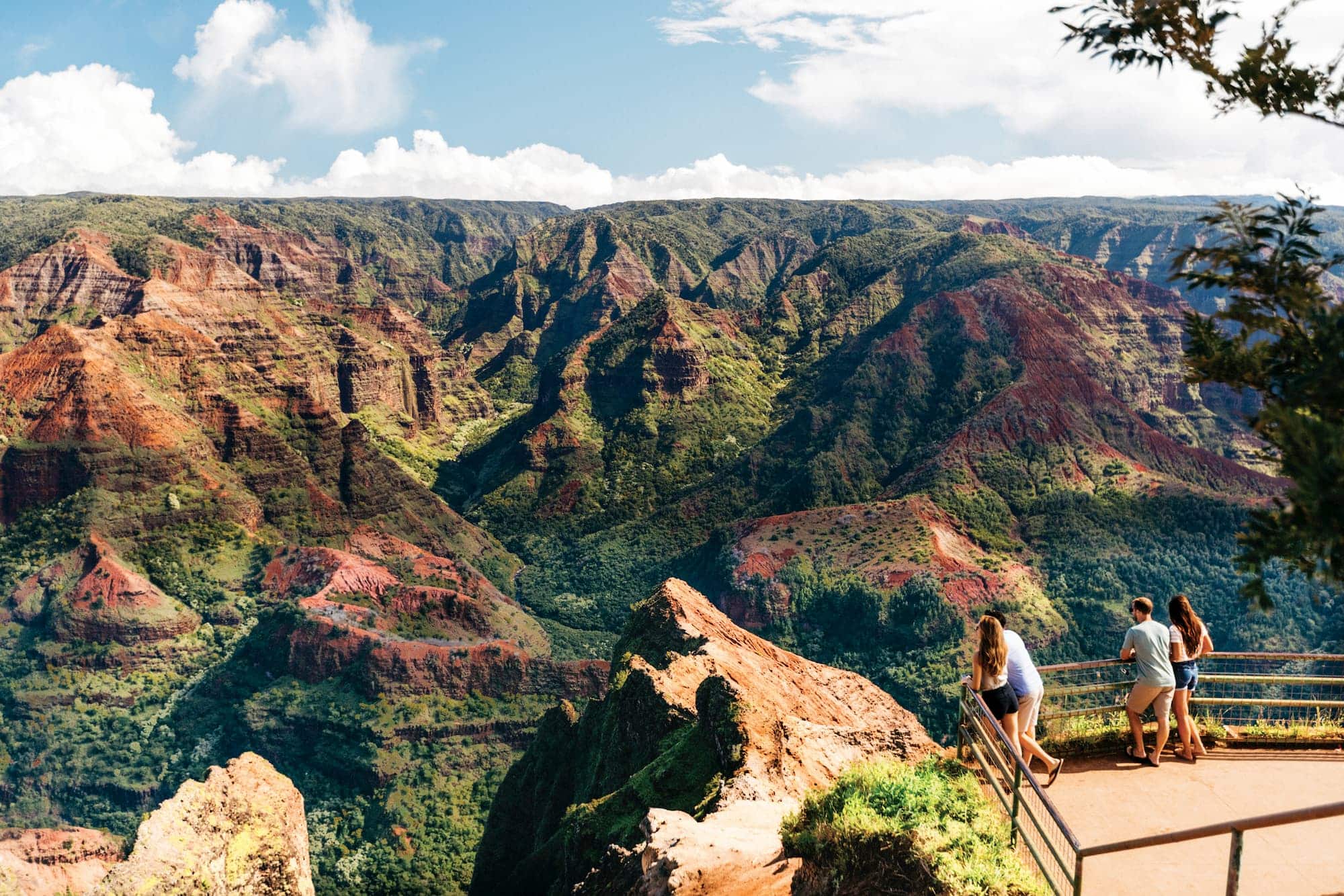
Waimea Canyon has a way of making you overconfident. You pull into the first viewpoint, see that rust-red gorge drop away, and think, I can definitely squeeze in a few more lookouts and a quick hike. Then the clouds roll in, the wind picks up, the red clay turns to frosting, and you realize you have exactly a half day and a finite amount of dry socks.
This is your choose-your-own-adventure for a half day on Kauaʻi’s west side: sequence the rim drives and lookouts for maximum wow per minute, or commit to a short ridge trail when conditions are right. You can mix both, but the trick is knowing what to prioritize when time is thin.

Lookouts vs trails
If you only remember one thing, make it this: lookouts are reliable; ridge trails are rewarding but condition-dependent.
- Choose lookouts-only if you have less than 3 hours, you are traveling with toddlers or anyone with limited mobility, it rained recently, or you are seeing low clouds sitting in the canyon. Think: Waimea Canyon Lookout and Puʻu Hinahina Lookout, with quick in-and-out views.
- Choose a short ridge trail if you have 3 to 5 hours, the ground is mostly dry, you want fewer crowds, and you can handle wind exposure and uneven footing. Good “half-day friendly” options include the Cliff Trail (Kōkeʻe) or an out-and-back portion of Pihea Trail (start early, turn around timed).
- Do both if you have about 4 to 5 hours, start early, and keep your hike short and “turnaround-timed” rather than “destination-timed.”
Rim drive order
On a half day, your best strategy is to drive uphill and stop on the way back down. Morning often brings clearer skies at lower elevations, while afternoons can build fog and rain higher up in Kōkeʻe. But weather flips fast here, so think in terms of flexibility, not rules.
A simple lookout route
- Start with the classic canyon stops at lower to mid elevations, like Waimea Canyon Lookout and Puʻu Hinahina Lookout. Fewer layers of cloud can obscure the canyon early, and the color contrast tends to pop when the light is softer.
- Continue toward Kōkeʻe for the higher-elevation viewpoints and forest feel. If conditions look promising, aim for Kalalau Lookout (often the headline view when it is clear).
- Turn around at the first fog wall where visibility drops and stays low. If you cannot see the next ridge, you will not see the next lookout either.
- Stop again on the descent because clouds often lift in patches, giving you second chances at the same viewpoints.
Practically, this sequencing reduces the stress of feeling like you must “push to the end,” which is how half-day itineraries become full-day slogs.
Short spur trails
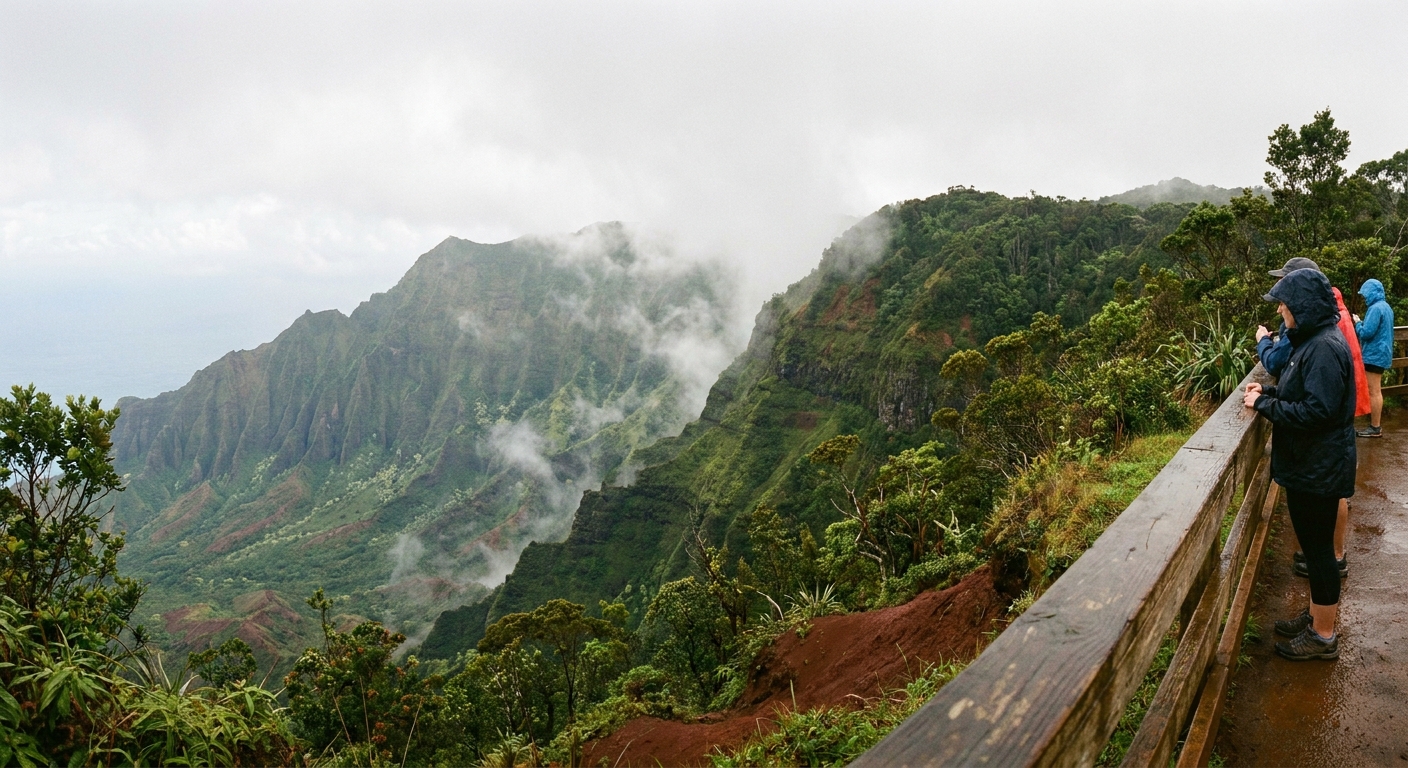
Waimea and Kōkeʻe are full of short trails that feel like a backstage pass: within 10 to 30 minutes you can step away from parking-lot chatter and get a more personal view angle.
Two easy-to-slot-in examples:
- Cliff Trail (Kōkeʻe): a great “I want a real trail, not a roadside pullout” option. Even a partial out-and-back gives you quieter viewpoints without committing to a long hike.
- Canyon Trail (first section): the full Canyon Trail is longer than most half-day plans want, but the beginning can work as a quick out-and-back when it is dry, especially if you want to feel the terrain rather than just observe it.
Choose a spur trail when you want
- More depth in your photos: foreground plants, a ridge line, and the canyon beyond, instead of a single wide vista.
- Less wind: sometimes a trail that dips into trees is calmer than an exposed lookout.
- A “real hike” feeling without committing to a long out-and-back.
Skip it when you see
- Shiny, slick red clay on the first few steps. If the start is slippery, the rest will not improve.
- Low cloud ceiling already sitting on the ridges. A ridge trail in fog is mostly a trust fall with extra mud.
- Time compression: if you are watching the clock, hiking tends to expand. You will stop more than you think, even on a “quick” trail.
Footing reality
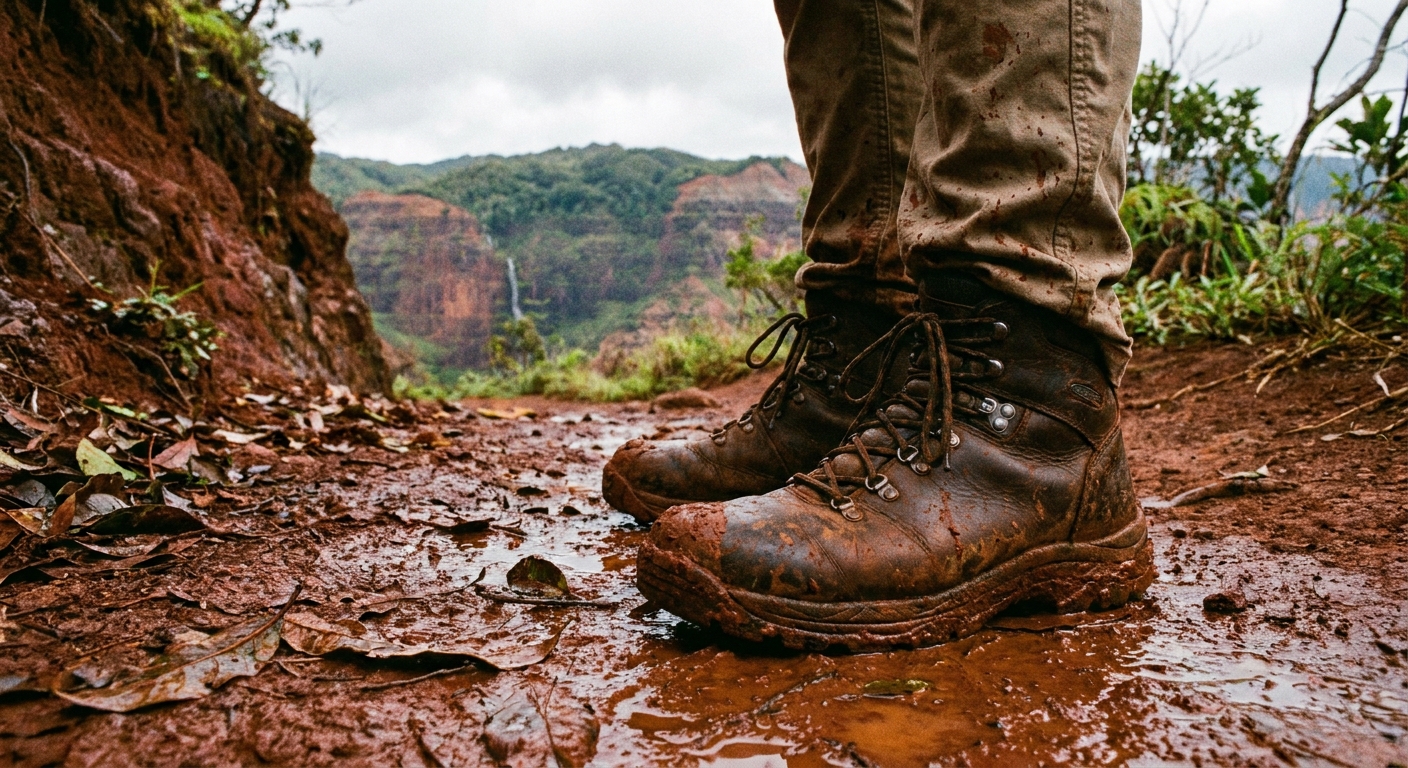
Let’s talk about the signature Waimea soil: red clay. Dry, it is grippy and pleasant. Wet, it becomes a skating rink that clings to shoes and turns downhill steps into slow-motion decision making.
If it rained recently
- Prioritize lookouts and paved or compacted areas. Your half day stays fun instead of stressful.
- Wear shoes with real tread. Smooth-soled sneakers get humbled fast.
- Shorten your hike goal: choose a 10 to 20 minute out-and-back and turn around the moment you feel your footing change.
- Expect mess: pack a plastic bag for muddy shoes in the car.
If you are traveling carry-on only like me, this is also your reminder that one pair of “hike capable” shoes matters more than the second cute outfit.
Fog vs sun
Sun feels like the obvious winner, but fog has its moments. The best choice depends on what you want from the half day.
On clear days
- Go for a ridge trail if you are up for it. Clear conditions turn even short hikes into big-reward experiences. Pihea Trail and the Cliff Trail both feel significantly more “worth it” when visibility is crisp.
- Expect more people at major lookouts like Waimea Canyon Lookout and Kalalau Lookout. Arrive early or lean into lesser stops and quick spurs.
On foggy days
- Focus on quick-access lookouts. When visibility opens for two minutes, you want to already be there, not halfway down a slippery trail. Puʻu Hinahina Lookout is perfect for this style of timing.
- Embrace the mood in the forest at Kōkeʻe. Even if Kalalau is hidden, the mossy greenery can still feel like a different world from the beach towns.
One practical trick: if the canyon is fully socked in, wait 10 to 15 minutes at a promising viewpoint. Kauaʻi weather often breathes in and out. If nothing changes, move on rather than hoping for a miracle.
Wind exposure
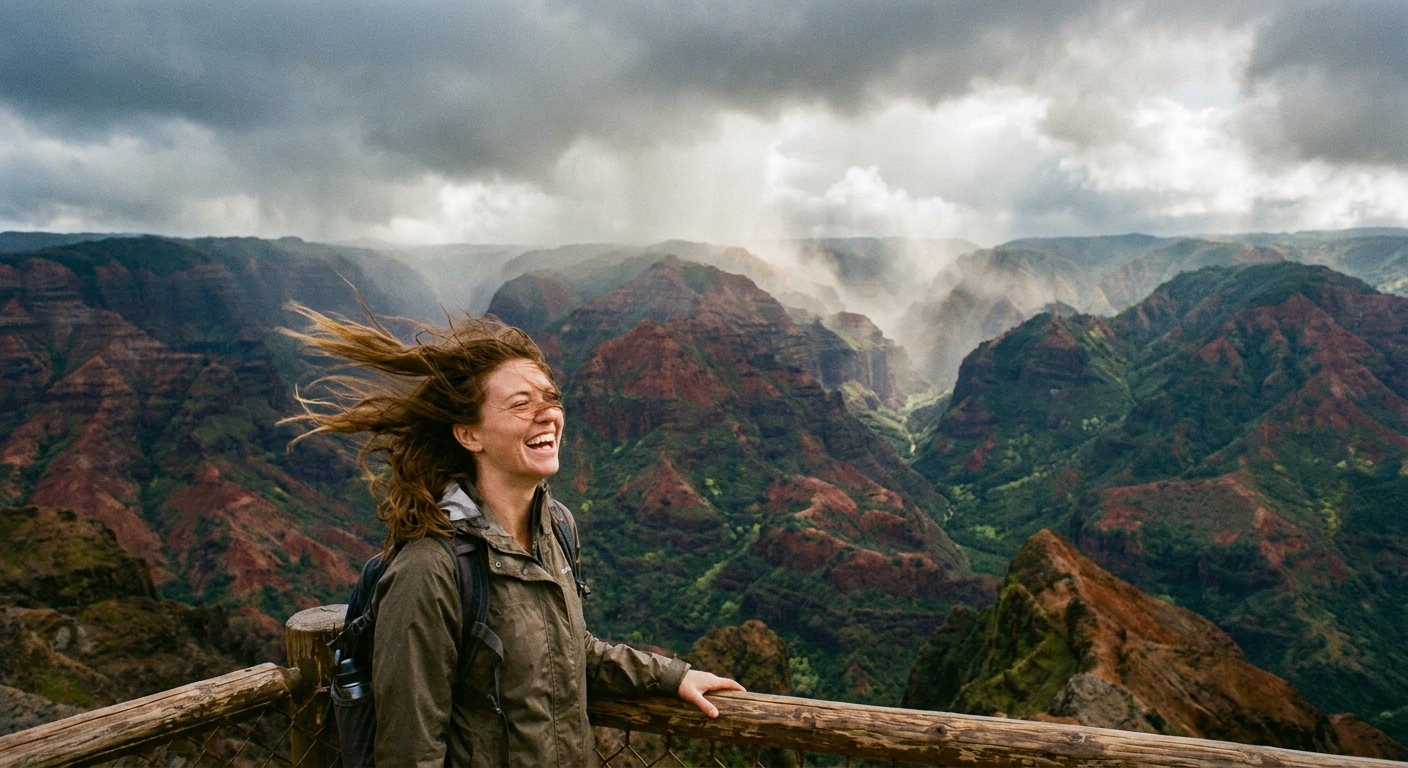
Wind is not just an annoyance here. On exposed viewpoints and ridges, it can change your comfort level quickly, especially if you are sweaty from a short climb.
Plan for wind
- Bring a light layer even on warm days. A thin rain jacket or windbreaker earns its keep.
- Secure hats and loose items. If it can fly, it will.
- Know your group: if anyone is uncomfortable near edges, stick to established lookouts with rails and skip narrow ridge sections on trails like Cliff or Pihea.
Strollers and mobility
Waimea Canyon is doable with kids, but it is not stroller-friendly in the way a city park is. Think of it as a scenic drive with short walks, not a roll-everywhere destination.
Stroller-friendly-ish
- Major roadside lookouts where you can park close and walk a short paved or packed path. Waimea Canyon Lookout and Puʻu Hinahina Lookout tend to be the easiest “quick win” stops.
- Picnic areas with flatter surfaces.
Not stroller-friendly
- Most ridge and dirt trails, especially after rain. Roots, steps, and ruts show up immediately.
- Any trail with narrow drop-offs. Even if you can push a stroller, you may not want to.
If you are traveling with a baby, a carrier is usually the best compromise: you can do a short spur trail if conditions are dry, then pivot back to lookouts when the weather shifts.
Hydration and pacing
Because you are driving between stops, it is easy to under-drink and overdo it in bursts. Add wind and sun exposure and you can feel more wiped out than expected.
A simple plan
- Drink before you feel thirsty, especially if you are doing even a short hike.
- Snack between stops instead of waiting for a full meal. A half day goes fast, and hunger sneaks up.
- Set a hard turnaround time for any trail. My rule: turn around when you have used half of your hiking time budget, not when you reach a certain landmark.
And yes, bring more water than you think you need. The “it’s just a lookout day” mindset is how people end up cranky by stop number three.
Half-day plans
Plan A: Lookouts-only
Ideal for: 2 to 3 hours total, wet weather, families with strollers, or anyone who wants maximum views with minimal effort.
- Drive up, stopping at key Waimea Canyon viewpoints like Waimea Canyon Lookout and Puʻu Hinahina Lookout.
- Continue toward Kōkeʻe only if visibility is decent, with Kalalau Lookout as your “if it is clear, go” target.
- Turn around at sustained fog and work your way back down, hitting any missed stops.
If you have to choose, choose the lookouts. Waimea is one of the rare places where the parking-lot view is still genuinely world-class.
Plan B: Lookouts + one short trail
Ideal for: 3.5 to 5 hours, mostly dry conditions, and travelers who want a quick dose of “real hiking.”
- Start with 1 to 2 major canyon lookouts for the big reveal, like Waimea Canyon Lookout and Puʻu Hinahina.
- Do one short trail while conditions are good: Cliff Trail is a great default, or do a timed out-and-back on Pihea Trail if you want a more ridge-forward feel.
- Finish with Kōkeʻe viewpoints if the cloud line allows, then descend with a couple final stops.
Plan C: Trail-first
Ideal for: confident walkers, no stroller, and visibility that makes the extra effort pay off.
- Drive to your chosen trailhead first while you are fresh. Pick Pihea Trail for big ridge energy, or start Canyon Trail if you want to be closer to the canyon walls.
- Hike with a strict turnaround time.
- Use the rest of the half day for a few fast lookouts on the way down, especially Puʻu Hinahina and Waimea Canyon Lookout.
What to pack
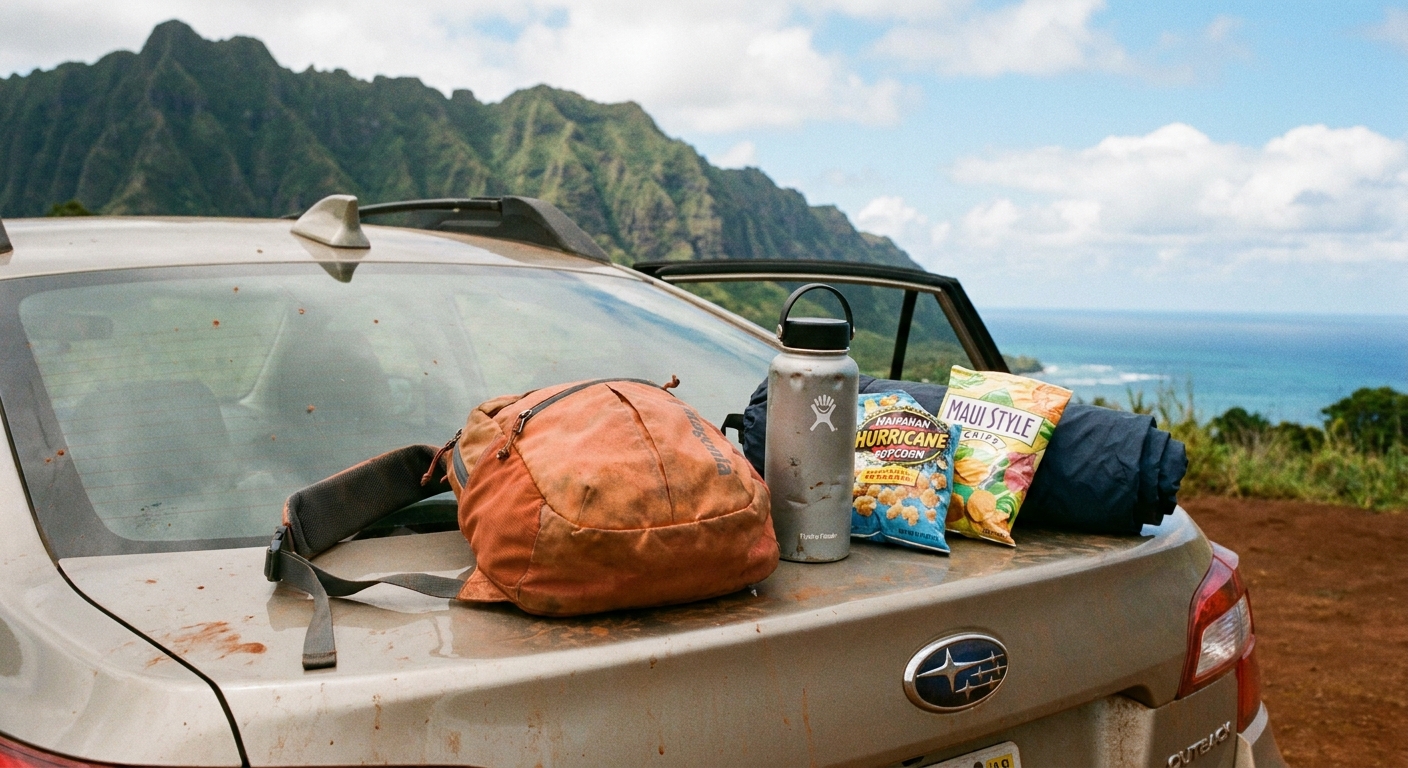
- Trail shoes with tread (non-negotiable if you plan to step off pavement)
- Light rain layer or windbreaker
- Water plus a small snack
- Sun protection (hat, sunscreen) for exposed viewpoints
- Small towel or wipes for red-clay cleanup
- Phone battery backup if you are navigating and taking photos
Bottom line
If the forecast is iffy or the ground is damp, do the rim drive and lookouts and call it a win. If the sun is out, visibility is crisp, and you have the time buffer, add one short ridge trail for that heart-thumping, breeze-in-your-ears Waimea feeling. Cliff Trail and a short out-and-back on Pihea are the two easiest upgrades.
Either way, the goal for a half day is not to “complete” Waimea Canyon. It is to catch a few perfect windows, feel the scale of the island from up high, and still have enough energy left for a great coffee stop afterward.