Watching El Capitan Climbers From El Capitan Meadow

Maya Lin
Maya Lin is a travel journalist and outdoor enthusiast who believes the best trips combine rugged adventures with urban comforts. After spending six years backpacking across four continents, she founded Trail & Town Guide to help fellow travelers navigate both hidden mountain passes and bustling city neighborhoods with confidence.
My first time trying to “watch climbers on El Cap,” I expected to see tiny figures moving like ants across a clean granite face. Reality check: El Capitan is so big and so far away that without the right spot, the right light, and at least some basic optics, you will spend a lot of time saying, “Wait, is that a climber or a pine cone?”
The good news is that Yosemite makes this surprisingly easy once you know where to stand. El Capitan Meadow and the nearby river crossing are the classic viewing areas for a reason: open sightlines, room to spread out, and a straight shot to some of the Valley’s most famous routes. This is the year-round version of that “stare at El Cap and be amazed” experience, minus the late-February Horsetail Fall “firefall” glow and other seasonal highlights that deserve their own dedicated planning pages.
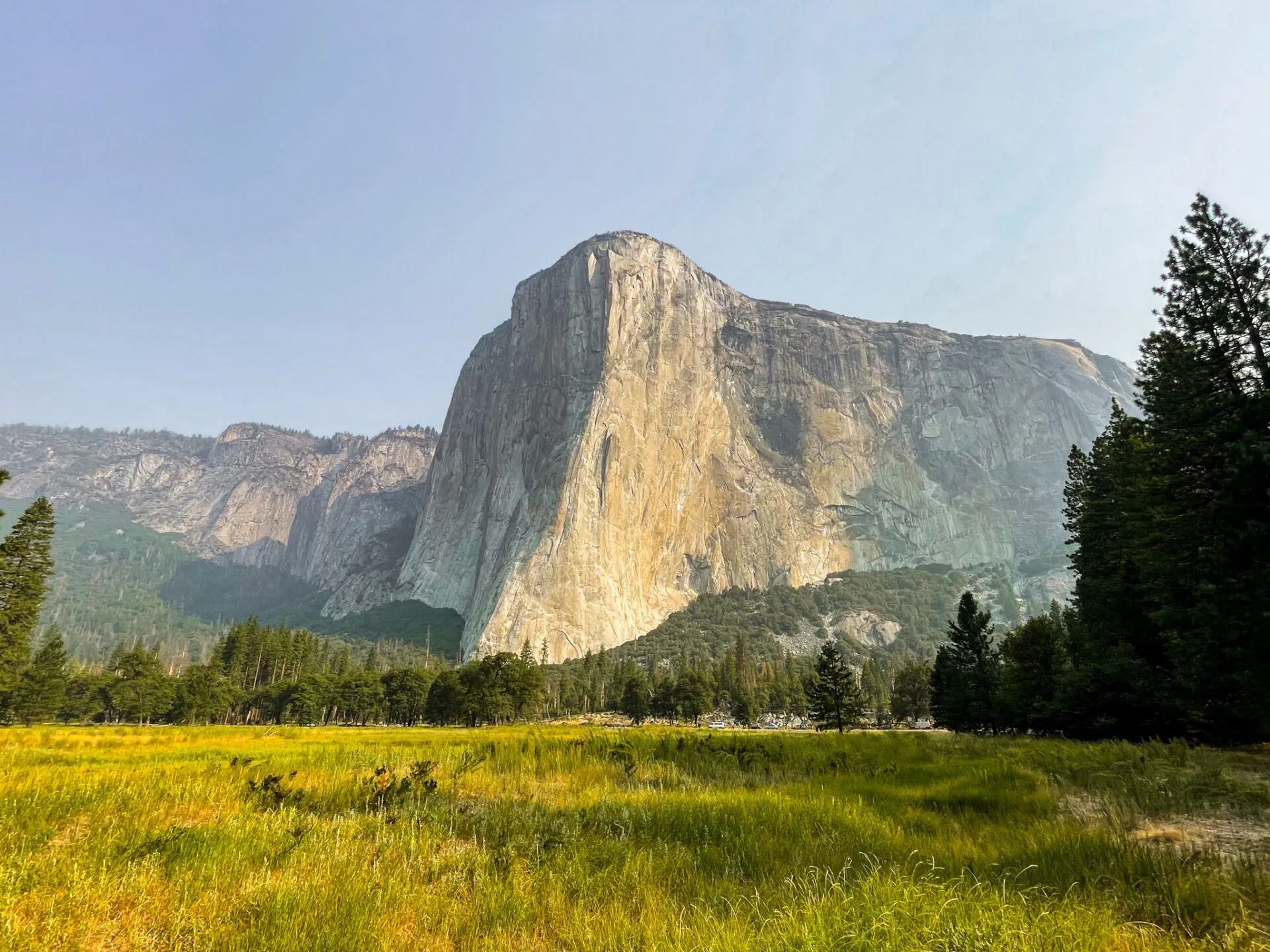
Where to stand in El Capitan Meadow
El Capitan Meadow runs along Northside Drive and gives you a long, unobstructed look at El Cap’s main Valley-facing wall. For climber-watching, the trick is to choose a vantage that lines up with the big route features and keeps you out of the fragile meadow.
Best meadow viewing: roadside pullouts and trail edges
- Stay on established surfaces. Use pullouts along Northside Drive and any hardened path edges. The meadow itself is sensitive, and stepping off-trail causes real damage.
- Pick a spot with a clear “toe-to-summit” view. You want to see the base where teams start early, plus enough of the mid-wall to catch movement.
- Look for a clean sightline past trees. A few yards left or right can mean the difference between a perfect view and a branch slicing the wall in half.
If you are arriving midday and the roadside pullouts are packed, walk a short distance along the meadow edge. Even a 2-minute reposition can open up a much better angle.
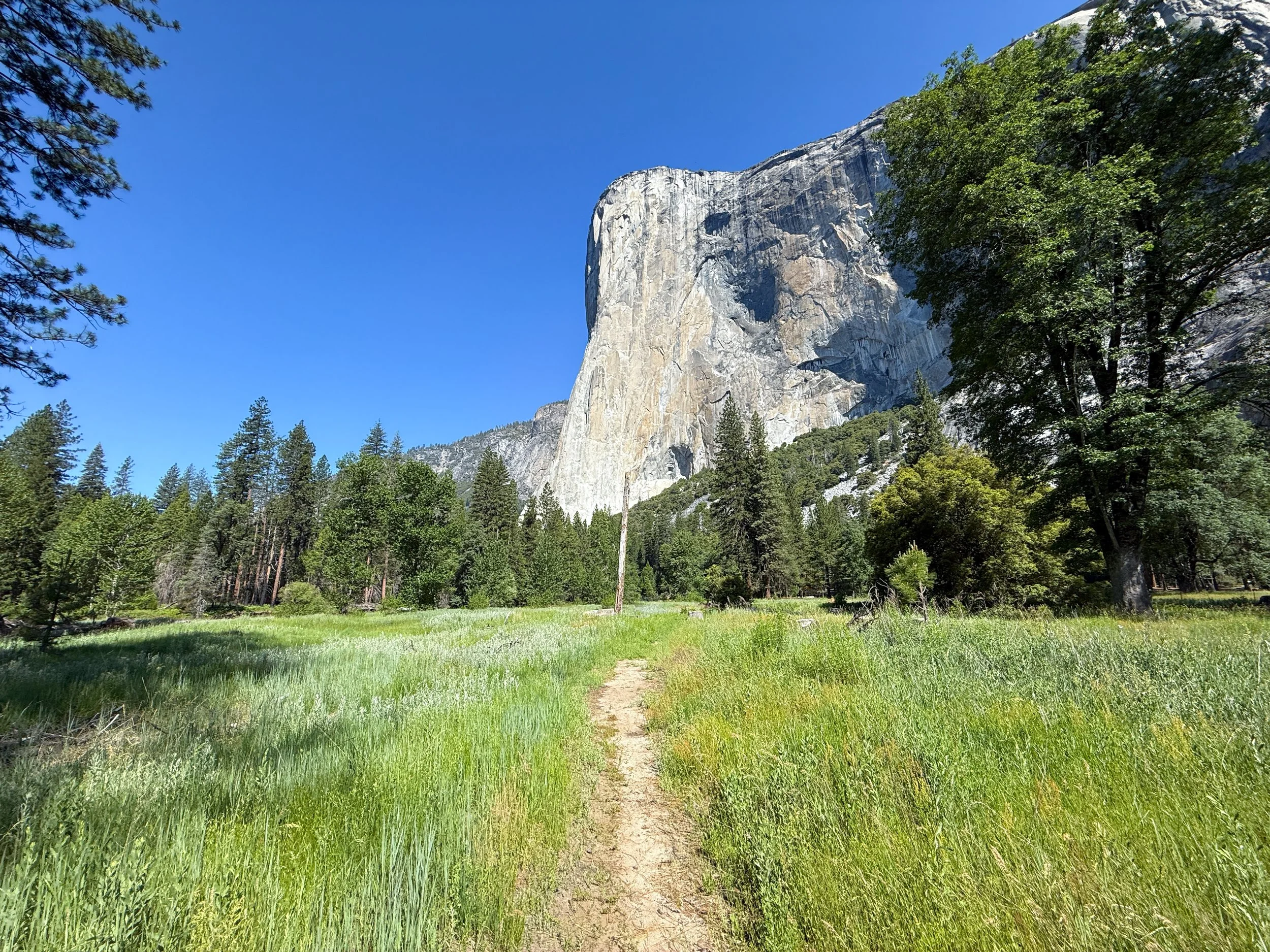
Getting here without overthinking it
In plain terms, you are aiming for Northside Drive in Yosemite Valley, between Yosemite Valley Lodge and the western end of the Valley. As you drive, you will see pullouts with obvious views of the massive granite wall across the meadow. If you see people standing with binoculars, you are probably in the right place.
Cell service can be spotty, so I like to keep it simple: follow signs for Yosemite Valley, get on Northside Drive, then start looking for the El Capitan Meadow pullouts once El Cap fills your windshield.
The bridge viewpoint
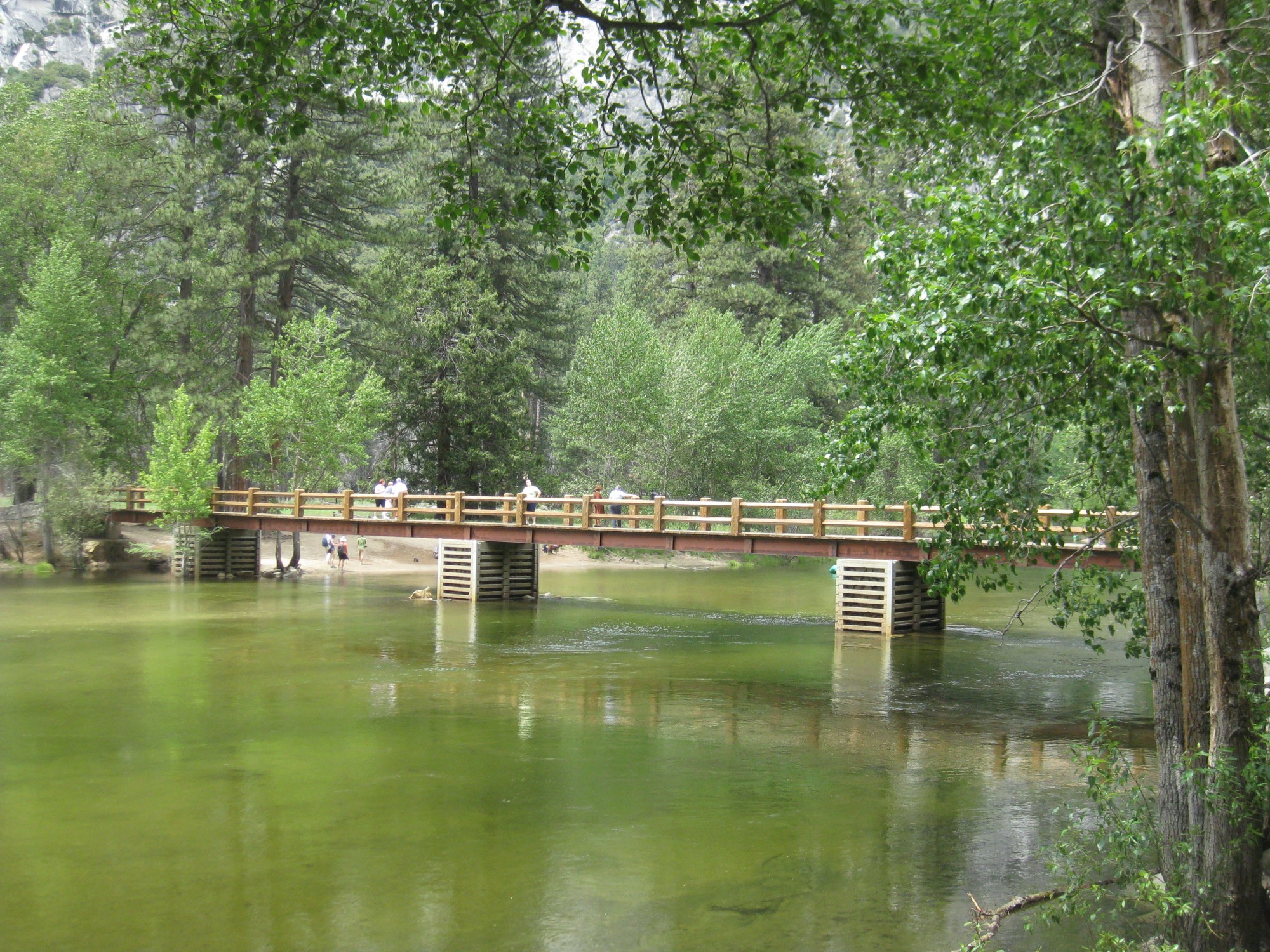
El Capitan Bridge (the bridge over the Merced River near the meadow) is one of the easiest “walk up and immediately see the wall” spots in the Valley. It is popular for a reason: you often get fewer trees in the way, and the river corridor can create a clean viewing lane straight to the wall.
How to use the bridge well
- Stay to the side. People use the bridge to move through the area, so keep the middle clear.
- Use the rail as a tripod substitute. Resting binoculars or a small spotting scope against the railing can steady your view. If you use a tripod, tuck it tight to one side.
- Start by scanning the lower third. Your eyes lock in faster if you begin near the base and work upward. Look for a tiny moving dot, a rope line, or a bright speck that could be a helmet.
- Give yourself 10 minutes. Your eyes need time to adjust to the scale. Climbers are easiest to spot once your brain stops seeing the wall as a single slab.
Best season and time of day
You can watch climbers year-round, but conditions change what you can actually see and how comfortable you will be while you are watching.
Seasonal reality check
- Spring: Longer days return, temperatures are usually comfortable, and you tend to get a lively mix of teams. Afternoon glare can be a factor, so aim for morning or late afternoon viewing.
- Summer: Peak visitor season means packed pullouts and more heat shimmering off the Valley floor. Optics still work, but you will notice distortion in the warmest part of the day.
- Fall: One of my favorite times for this. Crisp air often equals clearer views, and the Valley feels calmer once summer crowds fade.
- Winter: Fewer people, dramatic light, and surprisingly good visibility on clear days. Dress for standing still, which feels much colder than hiking.
Time of day that helps your eyes
- Morning: Often the clearest viewing, with less heat haze. Great for spotting teams starting early and moving out of belay stations.
- Midday: Usually the toughest because of glare and heat shimmer, especially in warm months.
- Late afternoon: Can be excellent as the air cools and contrast improves, but shadows may hide climbers depending on where they are on the wall.
My rule: if you want the best odds, show up in the morning with coffee in hand and patience in your pocket.
Binoculars and spotting scopes
El Capitan is not the place to test whether you have “pretty good eyesight.” If you want to see climbers as actual humans and not occasional specks, bring optics.
Binocular tips that work in the field
- 8x or 10x is the sweet spot. Higher magnification sounds better, but it is harder to hold steady.
- Brace your elbows. Tuck your elbows into your ribs, or lean against a car, railing, or tree to reduce shake.
- Use your phone as a notepad. When you find a team, jot down where they are relative to obvious features so you can re-find them later.
- Set expectations for phone zoom. At this distance, most phone zoom photos look like digital mush unless you are pairing your phone with a spotting scope.
Spotting scope tips (if you want the wow factor)
- A scope turns specks into stories. You can sometimes make out haul bags, ledges, and partner movement.
- Bring a tripod. Handholding a scope is an exercise in frustration.
- Expect a learning curve. At high zoom, it is easy to “lose” the wall. Start zoomed out, find a landmark, then zoom in.
If you do not own optics, ask around. Yosemite is one of the rare places where someone nearby may happily let you take a quick look through their scope, especially if you ask politely and keep it brief.
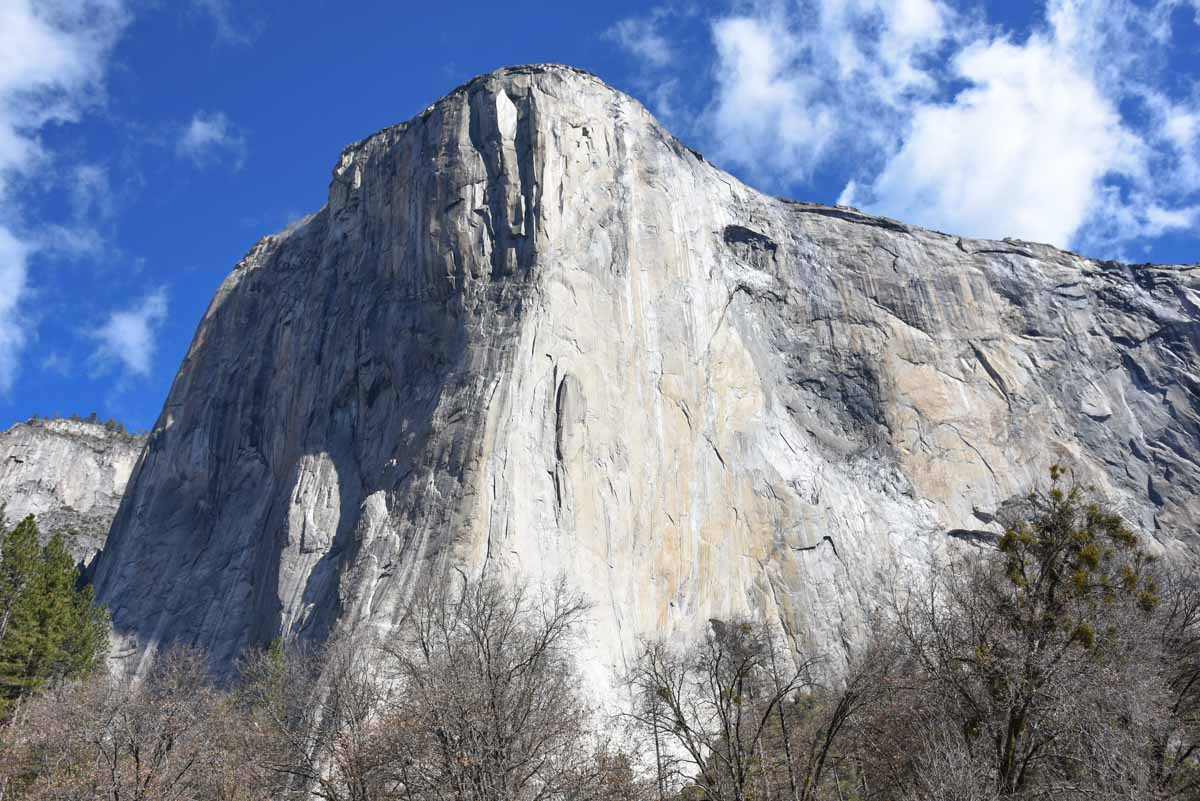
Finding The Nose and other routes
You do not need to be a climber to enjoy this, but having a basic route “map” in your head makes the wall come alive. Most visitors start with The Nose because it is iconic, heavily traveled, and sits right in the main viewing zone from the meadow.
Finding The Nose from the meadow
- Start near the center of the wall. From El Capitan Meadow, The Nose generally follows prominent features up the broad central face.
- Look for big corner and ledge systems. Even from far away, the line is defined by obvious changes in texture and shadow.
- Scan for clusters. Popular routes can have multiple teams spread out. If you see several “dots” in a rough vertical progression, you might be on it.
A practical spotting method
- Pick a landmark (a major corner, a lighter patch of granite, a roof line).
- Scan slowly left to right with binoculars and minimal shake.
- Pause on anything geometric that looks too straight to be natural: a tiny bright fleck (helmet), a hanging line, a bag shape.
- Re-check after 5 minutes. Movement is the giveaway. The wall is busy with shadows and texture, but climbers change position.
Do not stress about naming routes perfectly. Half the fun is the watching itself, and you will learn the wall’s “faces” over time.
And if you stick around toward evening, keep an eye out for the big-wall tells: a hanging haul bag that never seems to move, a portaledge, or (on some nights) a pinprick headlamp far above the deck.
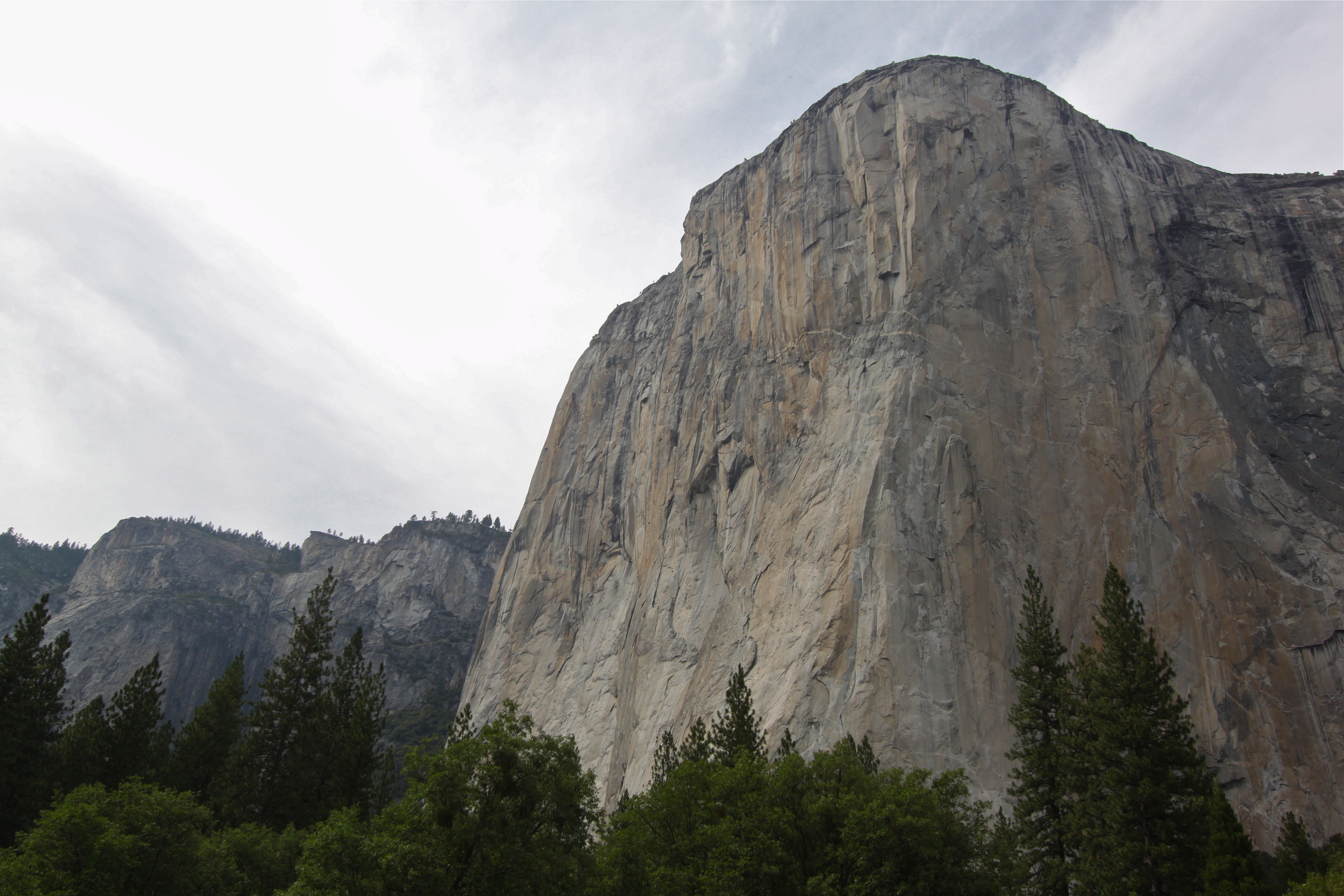
Parking on Northside Drive
Parking near El Capitan Meadow is straightforward but competitive, especially in peak seasons and midday. Northside Drive is the main access road along the meadow, and you will see multiple pullouts used for quick stops.
A parking strategy that saves sanity
- Go early or go late. Morning and late afternoon generally mean better odds of finding a legal pullout spot.
- Use designated pullouts only. Avoid stopping in the travel lane or on vegetation edges. Rangers patrol, and it is genuinely dangerous.
- Plan for a short walk. If the closest pullouts are full, park where you can and walk along the road shoulder carefully to a clearer view.
- Keep valuables out of sight. Standard national park advice, but worth repeating.
Roadside safety
- Do not stand in the roadway. Traffic, bikes, and buses move through here, and drivers get distracted by the view.
- Watch for doors and kids. Pullouts can feel chaotic when cars are coming and going.
If you are visiting during a busy stretch, consider using the Valley shuttle system for other stops and treating El Capitan Meadow as one of your early-morning or evening “drive-by with intention” moments.
Meadow etiquette
El Capitan Meadow looks tough, but meadow ecosystems are delicate. Yosemite also has a long history of climbers and visitors sharing space. A little respect keeps this place magical.
- Do not walk into the meadow. Stay on established paths and durable surfaces.
- Keep noise low. Sound carries across the Valley, and people are here for the calm as much as the spectacle.
- Leave no trace, including food scraps. Crumbs invite wildlife, and that spirals fast in Yosemite.
- Tripods to the side. Set up so others can pass and also enjoy the view.
- Be considerate with kids and dogs. Keep dogs leashed and stick to roads and other developed areas where pets are allowed. Yosemite’s pet rules are specific and not especially flexible, so it is worth checking current regulations before you go.
One of my favorite things about this viewpoint is how it quietly connects everyone. Hardcore climbers, first-time visitors, photographers, retirees with scopes, families eating snacks in the shade. We are all just staring up at a wall that makes the rest of life feel very small in the best way.
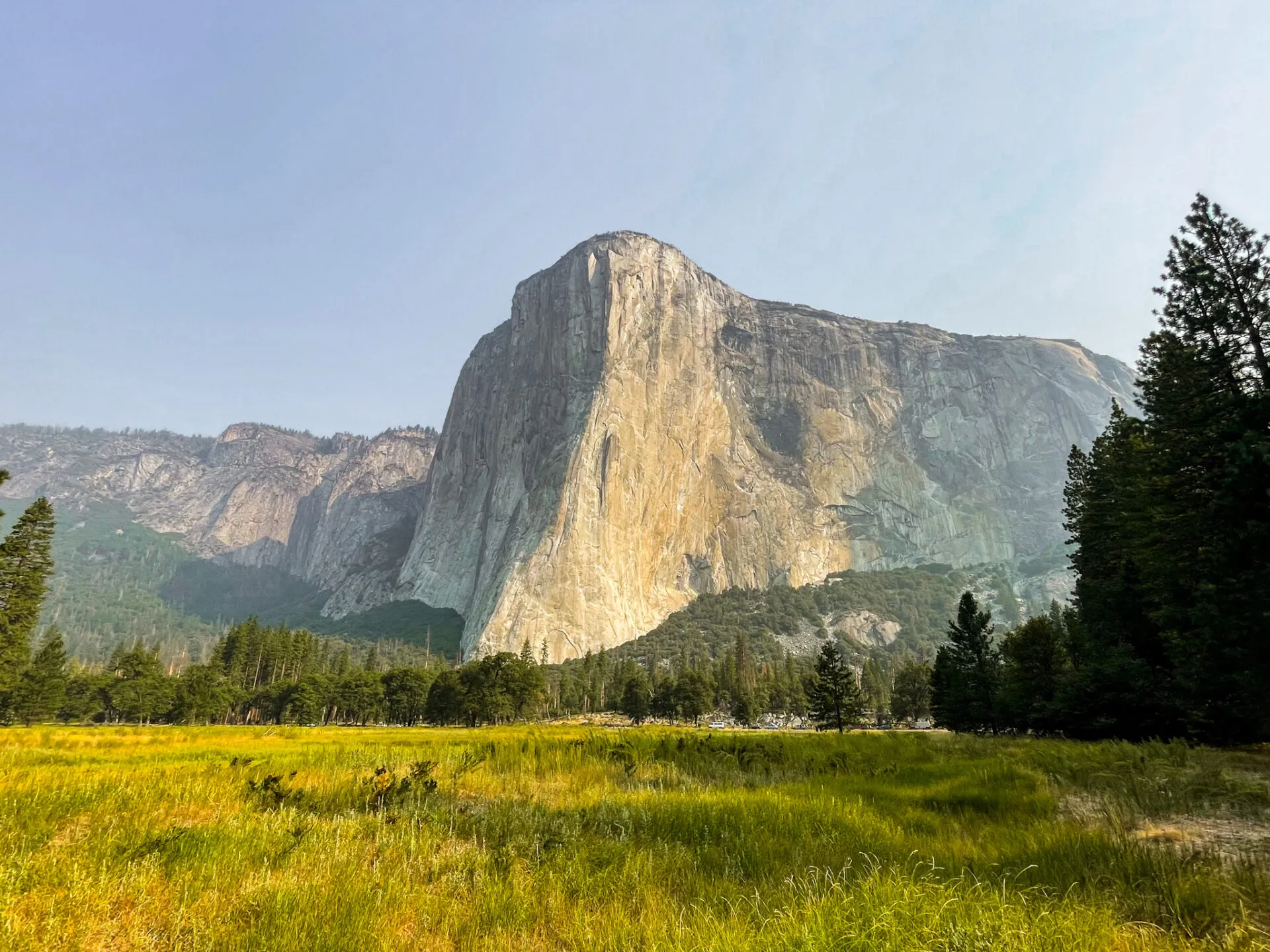
Quick checklist
- Binoculars (or a spotting scope plus tripod)
- Layers, even in summer (standing still gets chilly)
- Water and a snack
- Sunscreen and hat (the meadow offers limited shade)
- Patience and a willingness to scan slowly
FAQ
Can you see climbers on El Capitan without binoculars?
Sometimes, but it is hit-or-miss. On a clear day you might spot a moving dot, especially if a team is clustered at a belay. Binoculars dramatically increase what you can see and how fun it is.
Is the bridge or the meadow better?
Both are excellent. The meadow gives you flexibility to shift your angle, while El Capitan Bridge can provide a cleaner line of sight and an easy place to steady optics. If you have time, do both and compare.
What should I look for to spot a climber?
Movement, bright helmet colors, and shapes that look too straight to be natural rock. If you see a tiny bright speck that changes position over a few minutes, you probably found someone.
How long does it take climbers to get up El Capitan?
It varies widely depending on route, strategy, and skill. Some parties climb in a day, many take multiple days, and big-wall teams may sleep on the wall. From the meadow, you are watching a slice of a much bigger effort.