Weeping Rock Trail in Zion

Maya Lin
Maya Lin is a travel journalist and outdoor enthusiast who believes the best trips combine rugged adventures with urban comforts. After spending six years backpacking across four continents, she founded Trail & Town Guide to help fellow travelers navigate both hidden mountain passes and bustling city neighborhoods with confidence.
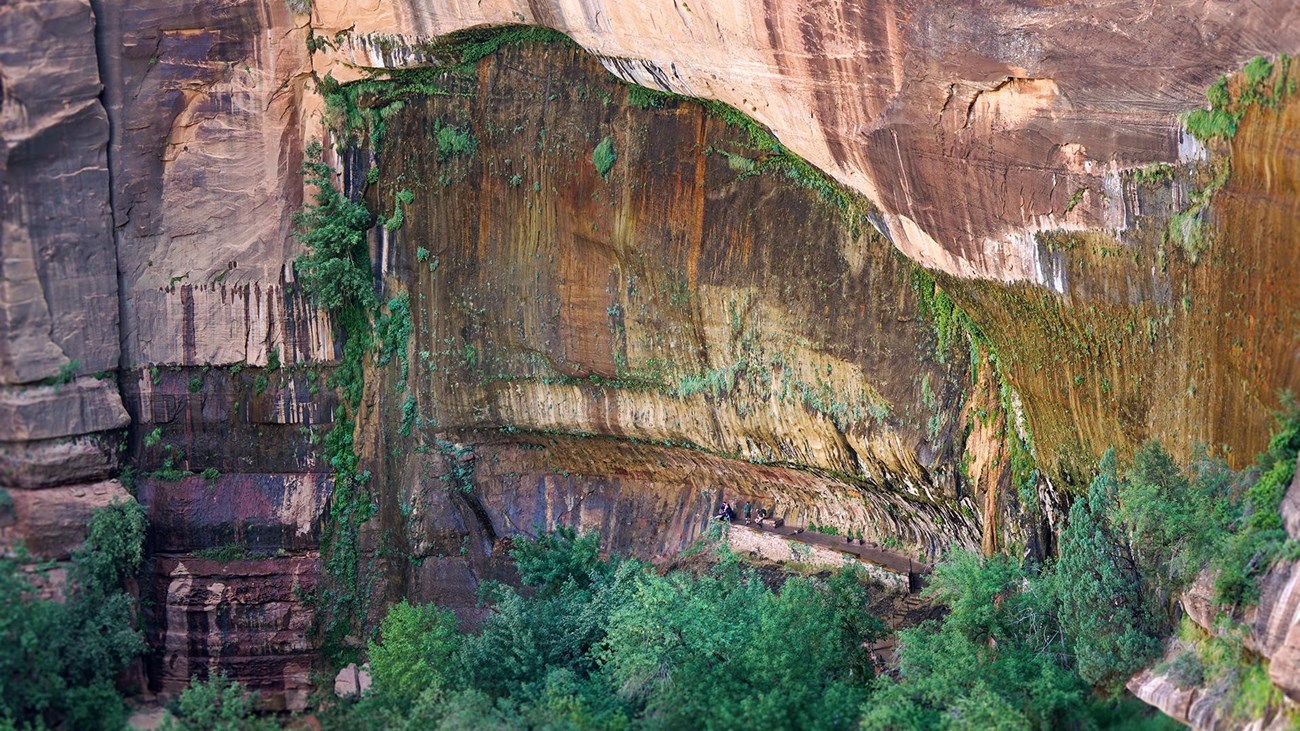
Weeping Rock used to be my favorite “big payoff, tiny effort” stop in Zion Canyon. You step off the shuttle, climb a short paved path, and suddenly you are standing beneath a sandstone alcove that drips and glows green, like the canyon decided to keep a secret garden behind a curtain of water.
There is one catch: this area has seen significant rockfall, and access can change. In fact, it has been closed for long stretches in recent years. Below is the simplest way to plan it from the Weeping Rock shuttle stop if it is open, what the walk feels like underfoot, what you are actually looking at in those hanging gardens, and how to build it into a low-stress morning in Zion Canyon.
Status note: Trail access can change quickly. Check Zion National Park alerts before you go and consider adding a “last checked” note in your own trip plan so you do not accidentally rely on outdated info.
At a glance
The Weeping Rock Trail is short, paved, and steep enough to make you notice it, especially in midday heat. It is often treated as a fast stop, but the best way to enjoy it is to slow down and let your eyes adjust to the cool shade and the green tucked into the rock.
- Start: the Weeping Rock shuttle stop (stop number can vary by season and shuttle operations)
- Stop name: shuttle routes and stop lists change sometimes, so confirm that “Weeping Rock” is currently a named stop on the shuttle map before you build a plan around it
- Distance: roughly 0.4 miles round trip (commonly listed by NPS and park guides, but confirm current postings if exact numbers matter to you)
- Elevation gain: about 100 feet (often cited; treat as approximate)
- Grade: a steady climb on pavement with stone retaining walls and steps in places
- Time: around 15 to 30 minutes, longer if you linger for photos and the gardens
- Footing: can be slick where water crosses the pavement and where algae grows
If you are traveling with kids, someone easing back from an injury, or you just want something scenic that does not require a full hiking commitment, this used to be the perfect choice. Because “used to be” is doing a lot of work in Zion, the next section matters.
Closures and rockfall
The Weeping Rock area experienced major rockfall in 2019, and the trail and nearby connectors have been subject to closures for safety and repairs since then. Treat any plan involving Weeping Rock as conditional until you confirm the current status the day you visit.
One plain reality check: in Zion, safety closures in rockfall zones can last months or even years.
How to check status
- Check the official Zion National Park website for current alerts, trail status, and shuttle updates.
- Ask a ranger at the Zion Canyon Visitor Center.
- Look for signage at the stop before you reorganize your day around it.
Even if the trail is open, follow posted guidance and do not enter closed areas. In a canyon with active rockfall history, the rules are not suggestions.
Getting there
If Weeping Rock is open, the logistics are refreshingly simple. The trail starts right by the Weeping Rock shuttle stop in Zion Canyon, so you are not hunting for a hidden trailhead or navigating a maze of parking pullouts. Step off the shuttle, look for the signed paved path, and you will feel the climb right away.
One practical note: shuttle operations, stop names, and stop numbers can change by season. I plan by stop name first, number second, and I double-check the current shuttle map the same morning.
Footing and comfort
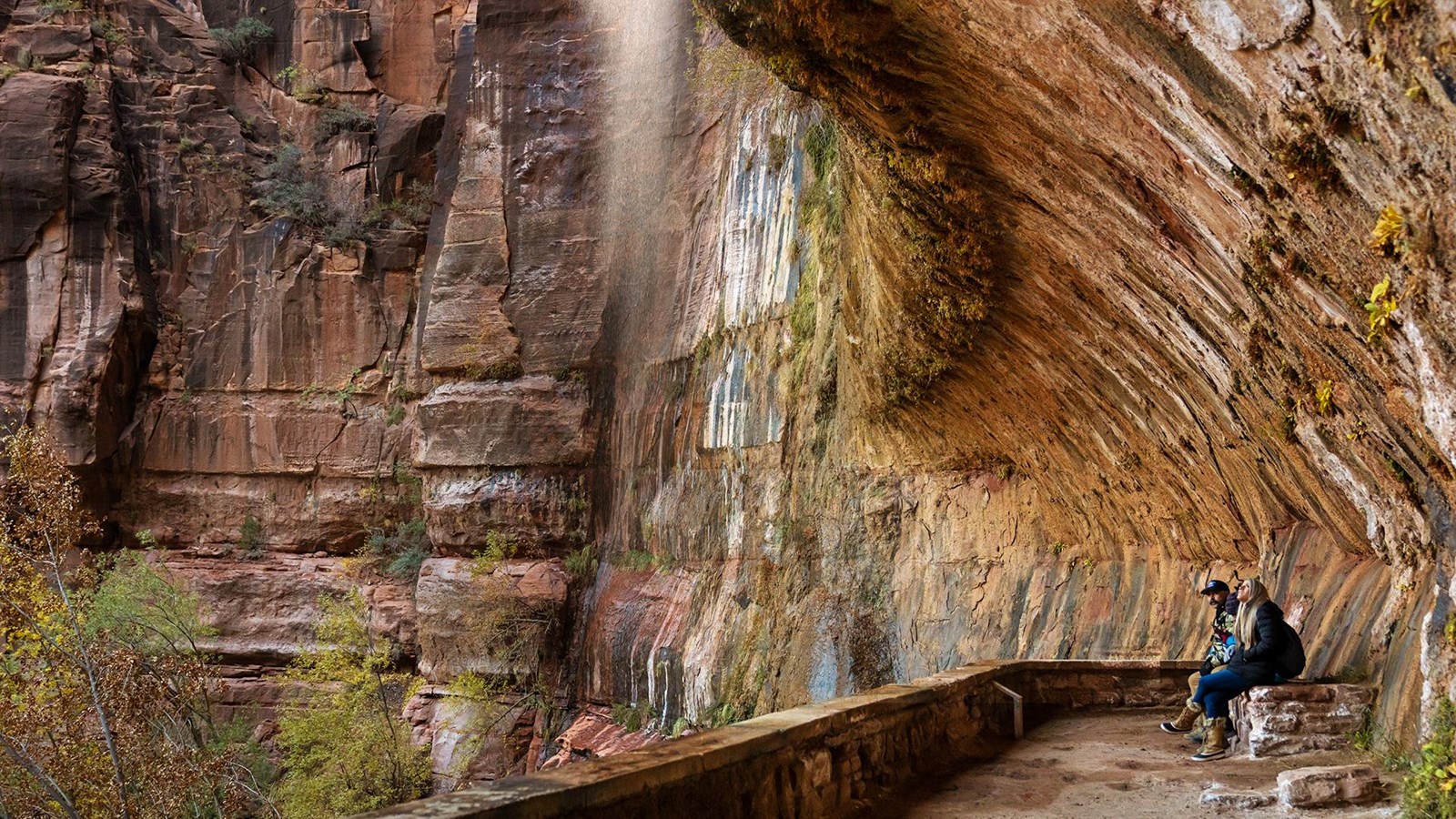
Weeping Rock is famous because the sandstone literally seeps. That moisture is what feeds the hanging gardens, and it is also what makes the path feel surprisingly slippery for such a short walk.
What makes it slick
- Thin sheets of water can cross the pavement, especially closer to the alcove.
- Algae thrives in consistently damp patches and can feel like stepping onto a wet tile.
- Overspray and drips can keep shaded areas wet even when the canyon is baking.
What I do
- Wear shoes with real tread. Smooth-soled sneakers are the easiest way to turn a mellow walk into an awkward shuffle.
- Go slowly on the wettest sections and use the walls and railings where available.
- Bring a light layer even in summer. The alcove shade plus water can feel cool compared to the exposed canyon road.
- If you want photos, wipe your phone lens. Mist and drips love to soften everything.
The hanging gardens
That bright green fringe is not random. Zion’s hanging gardens form where groundwater moves through porous sandstone and then hits less permeable layers, forcing it to seep out along ledges and alcoves. Over time, mosses and moisture-loving plants take hold in a place that looks impossible from the canyon floor.
You may also spot ferns in the dampest sections, including maidenhair-type ferns, depending on season and seep conditions.
How to see them
- Pause before the alcove and look up and across the wall. The green patches are easier to appreciate when you are not directly under them.
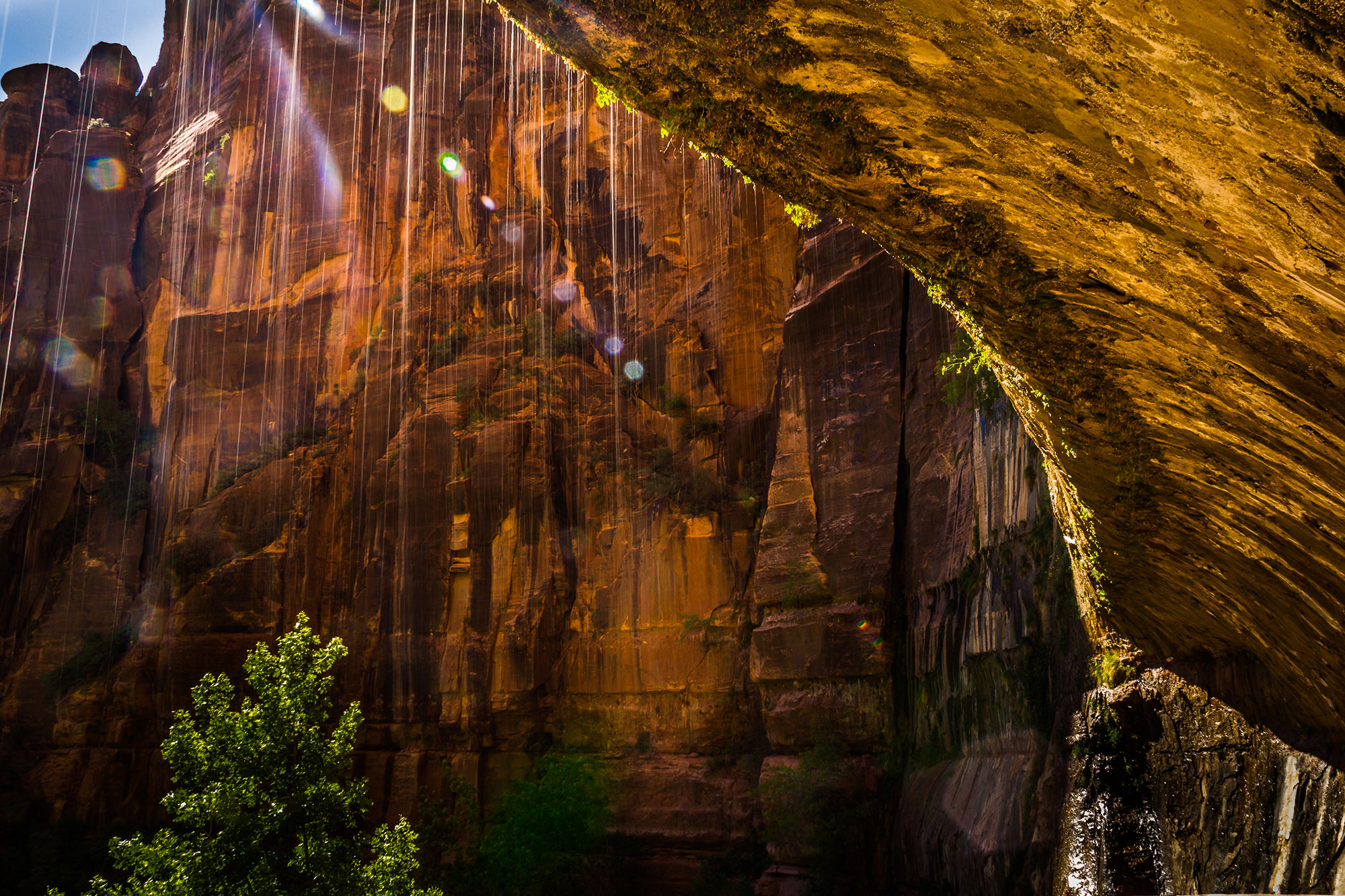
- Listen for the drip pattern. On quieter mornings you can hear the water ticking down into the sand and leaves.
- Look for contrast between the sunlit canyon and the shaded alcove. This is one of Zion’s best microclimate moments.
It is a small stop, but it is a great reminder of how much of Zion’s drama is about water, even when the sky is perfectly blue.
Best timing
If you can, make Weeping Rock a morning stop. Zion Canyon fills fast, and this particular trail feels better when you can hear water dripping instead of a cluster of conversations echoing under the overhang.
My timing tips
- Earlier is better for cooler temperatures on the uphill walk and fewer people in the alcove.
- After rain can mean more water and more slick spots. If you go, take it slow and expect damp shoulders if you hug the wall for photos.
- Midday heat makes the climb feel steeper than it looks on paper.
If it is closed
If Weeping Rock is closed, do not force it. Zion has plenty of other ways to get that “wow” without gambling on a rockfall zone.
- Riverside Walk: a mostly flat, scenic stroll at the back of the canyon with constant river views and lots of shade.
- Emerald Pools area: when open, a popular option with water-and-greenery vibes. Conditions and closures vary by segment, so check NPS alerts before you commit.
- Canyon Overlook: short and high impact, but it is outside the main canyon shuttle route and involves uneven footing and drop-offs. Great at sunrise, and not the same cool, dripping alcove mood.
Whatever you choose, run the same quick check you would for Weeping Rock: current alerts, current shuttle plan, then go.
Easy morning plan
I like to use Weeping Rock as a quick scene-setter in Zion Canyon. It is brief, memorable, and it helps you calibrate the day: how crowded the shuttles feel, how hot the canyon is getting, and how your legs are responding before you commit to something longer.
Option A: Warm-up then longer hike
- Start early, ride the shuttle into the canyon.
- Hop off at the Weeping Rock stop if it is open.
- Then continue deeper into the canyon for a longer trail of your choice, ideally before heat and crowds build.
Option B: Reset stop
- Use it as a leg stretch between viewpoints and riverside walks.
- Expect damp conditions and a brief uphill burn.
- If the alcove is busy, keep it moving. This is a better sip-and-savor stop when it is quiet.
If you are balancing rugged and relaxed, this is one of those perfect in-between moments: a mini hike that still feels like you earned a hidden corner of the canyon.
What to bring
- Bring: grippy shoes, water bottle, a light layer, and a small towel or bandana for mist and phone lenses.
- Consider: a rain shell if the forecast is unsettled, since the alcove can drip more than you expect.
- Skip: trekking poles unless you rely on them, since the trail is short and often busy, and pavement plus crowds can make pole tips awkward.
Quick FAQ
Is Weeping Rock worth it for a half day?
If the trail is open, yes. It is one of the fastest ways to see a totally different side of Zion’s ecosystem without spending a full morning on the trail. Just go in knowing it is not reliably available year to year.
Is it accessible?
The path is paved but includes a noticeable uphill grade and can be slick due to water and algae. Accessibility can also change with closures and repairs, so check current conditions with the park before counting on it.
Do I need a permit?
No permit is typically required for this short walk, but access depends on current safety closures in the area.
What is the biggest mistake people make?
Treating it like a sidewalk instead of a damp trail. Slow down near the alcove, watch for slick patches, and respect closure lines and hazard signs.