West Fork Oak Creek Trail in Sedona
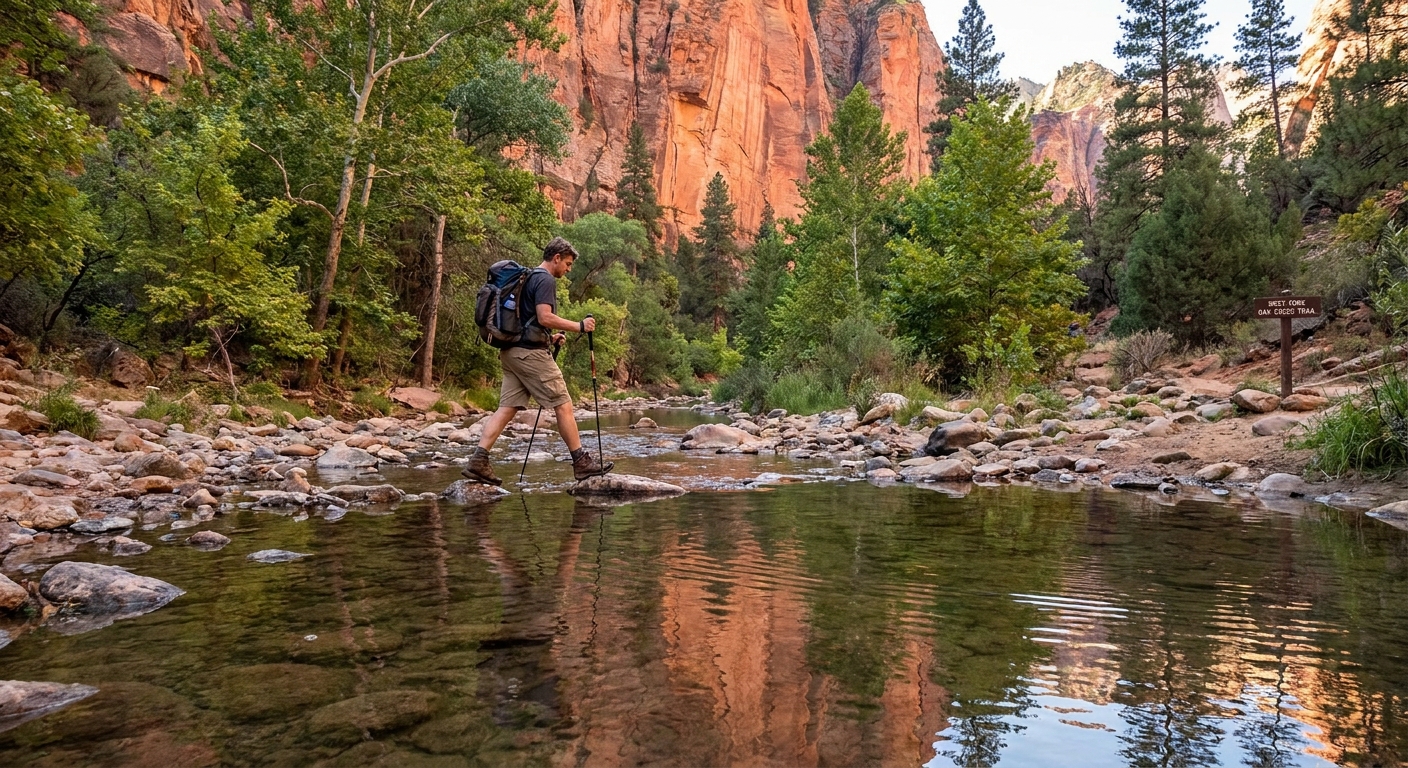
West Fork Oak Creek Trail is the Sedona hike I recommend when you want that signature red rock canyon feeling without committing to an exposed summit slog. The payoff is constant: cottonwoods and maples shading the path, a ribbon of creek you cross again and again, and sheer walls that make the air feel cooler even on bright Arizona days.
It is also one of Sedona’s most popular trails, which means the difference between “magical” and “why did I do this” often comes down to timing, parking, and whether you came prepared to get your feet wet. This guide covers the practical stuff I wish every first-timer knew.

Quick facts
- Location: West Fork of Oak Creek, along State Route 89A in Oak Creek Canyon between Sedona and Flagstaff
- Route type: Out-and-back
- Distance: About 6.5 miles round trip to the usual end point near the “subway” style narrows, depending on conditions
- Elevation gain: Roughly 500 to 600 feet, mostly gentle
- Time: 2.5 to 4.5 hours for most hikers
- Difficulty: Easy to moderate, but creek crossings can make it feel more adventurous
- Creek crossings: Commonly 13 each way, depending on water level and the exact route you follow at each crossing
- Best for: Shade, water, fall color, and families who want a memorable canyon walk
Reality check: mileage and how far you can comfortably go depends on water level, trail conditions, and how willing you are to wade. Many people turn around earlier and still have an excellent day.
Parking and how to actually get a spot
The trailhead parking is attached to the Call of the Canyon day-use area, right off 89A. It is convenient, scenic, and small. It fills early and stays full for long stretches on weekends, holidays, and peak seasons.
When to arrive
- Best odds: arrive early morning. In busy months, “early” often means before 8 am, and earlier on Saturdays.
- Most crowded window: late morning through mid-afternoon. Midday is when you will see the most groups and the most “waiting your turn” at crossings.
- Plan B timing: late afternoon can open up spots, but watch daylight and monsoon forecasts.
What if the lot is full?
Oak Creek Canyon has limited shoulders and it is heavily patrolled for unsafe parking. If you do not have a legal space, do not try to invent one. Instead:
- Loop once, then decide: if the lot is full, give it a single pass and move on rather than stacking cars on the highway shoulder.
- Shift your day: do a short morning city loop in Sedona or a café stop, then come back later.
- Choose a nearby alternative: if you are set on water and shade, consider other Oak Creek Canyon pullouts or shorter walks in the corridor, but keep expectations realistic.
Drive note: 89A in the canyon is curvy and narrow in places. Budget extra time and keep your focus on the road, not the scenery.
Fees and passes
West Fork is accessed via the Call of the Canyon day-use area, and here is the crucial detail: it is managed by a concessionaire, so it does not work like a standard Sedona trailhead.
- Expect a per-vehicle day-use fee: the most common setup is a $12 per vehicle fee at the entrance. Prices can change, so treat the posted sign as the final word.
- Red Rock Pass: not accepted here in the way many visitors expect. You can have a Red Rock Pass and still need to pay the day-use fee at Call of the Canyon.
- America the Beautiful Pass: typically provides a 50% discount at this site rather than full coverage. Confirm the current policy at the booth when you arrive.
Tip: Bring a payment method that works quickly at the entrance so you are not fumbling while cars stack up behind you.
Seasonal closures and conditions
West Fork’s biggest curveball is that it can close or become a very different hike depending on season and weather. Even when it is open, conditions can change fast.
Common reasons access changes
- High water and storms: during monsoon season or after heavy rain, creek levels can rise and crossings can become unsafe. Flash flooding is a serious risk in canyon terrain.
- Winter conditions: Oak Creek Canyon can be colder and icier than Sedona proper. Trail sections can be slick, and the drive can see snow or ice near the top of the canyon.
- Occasional management closures: day-use areas may close for maintenance, storm damage, wildfire impacts, or resource protection.
How to check before you go: look up current conditions on the Coconino National Forest channels and confirm day-use area status the morning you plan to hike. If storms are in the forecast, choose a non-canyon alternative.
Crowds
This is not a “you will have the canyon to yourself” trail, especially in spring weekends and during fall color season. The path is narrow in places, and creek crossings create natural bottlenecks.
My crowd-tested strategy
- Go early and walk with purpose for the first mile. You will outpace the stroller-and-selfie cluster and earn quieter sections sooner.
- Take longer breaks deeper in. Most visitors turn around earlier, so the back half often feels calmer even on busy days.
- Be patient at crossings. People stop to take photos. If you want to keep momentum, wait for a clear moment, cross, and move a few steps past the landing area before adjusting shoes.
Leave No Trace in crowds: stay on the main path to protect fragile creekside plants. Cutting corners or creating new side trails does real damage in a riparian corridor.
Water crossings and wading
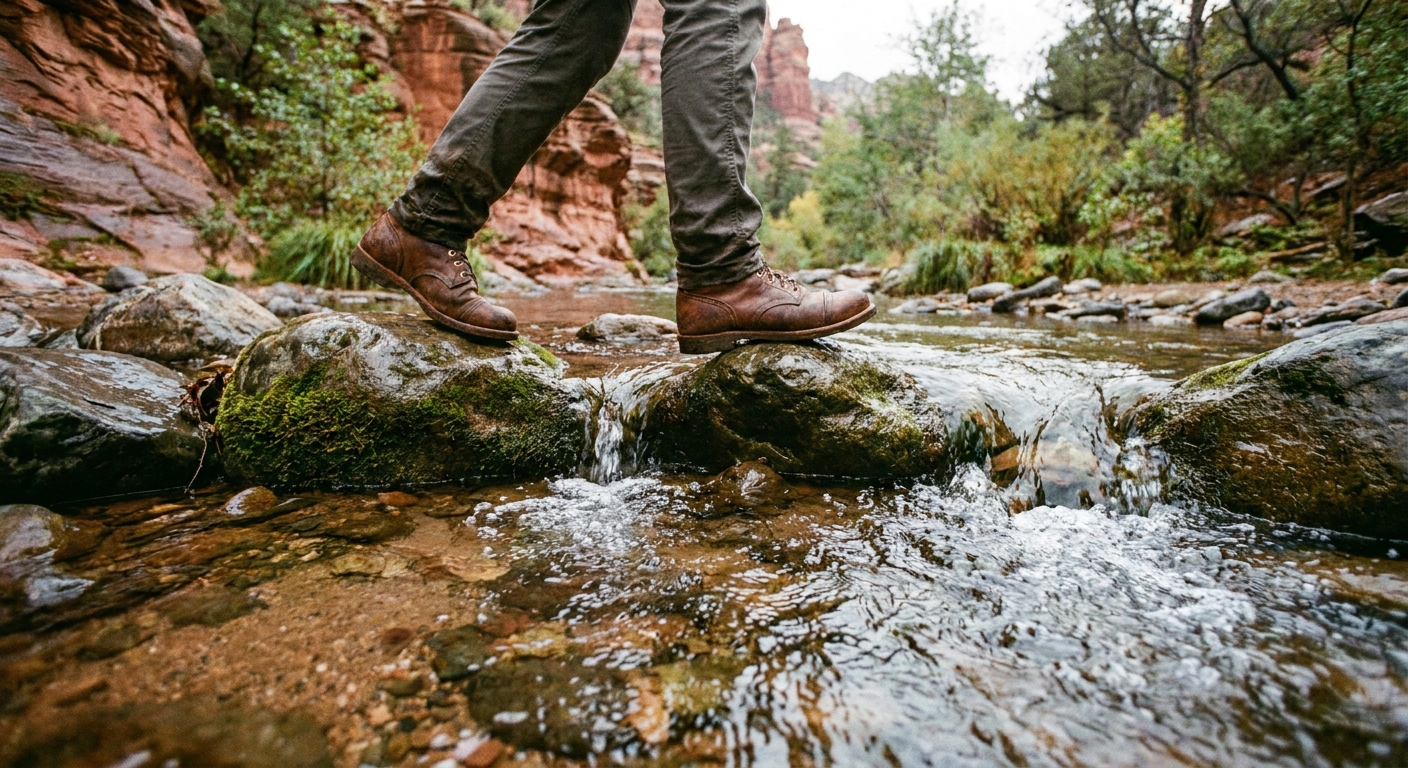
West Fork is famous for its creek crossings. In typical conditions, you will do about 13 crossings each way, and yes, people love counting them like it is a little trail game. Some you can rock-hop. Others may require a shallow wade, especially after rain or in cooler seasons when rocks are slick.
Are you allowed to wade?
In normal conditions, hikers wade and rock-hop as part of the trail experience. The key “rule” is really a safety and stewardship combo:
- Do not cross if it is unsafe. If water is fast, opaque, or above mid-calf, turn around.
- Cross where the trail crosses. Avoid widening the crossing by trampling banks and vegetation.
- Keep it clean. Do not wash dishes, shoes, or yourself with soap in the creek. Even biodegradable soap is not creek-friendly.
Footwear that works
I’m a big fan of “bring comfort, not bravado” on this trail. Your feet will decide whether you love this hike.
- Best option: closed-toe hiking sandals or water shoes with good grip and toe protection.
- Also works: trail runners that you do not mind getting wet, paired with quick-dry socks. Expect squishy miles.
- Less ideal: heavy waterproof boots. They can trap water after a wade and feel like ankle weights.
- Avoid: smooth-soled sandals or flip-flops. Slick rocks are the whole game here.
How to cross without drama
- Unbuckle your pack’s hip belt so you can ditch it quickly if you slip.
- Face slightly upstream and take short steps.
- Use trekking poles if you have them, especially in cooler months.
- Assume rocks are slippery even if they look dry.
What to pack
This is one of those hikes where a few small items make the day smoother.
- Water: at least 1.5 to 2 liters per person in warm months
- Electrolytes: especially if it is hot or you sweat easily
- Sun protection: the trail is shaded, but you will get sun at openings and at the trailhead
- Footwear plan: either wear water-friendly shoes or bring a lightweight pair to change into for crossings
- Small towel or bandana: for drying feet before putting socks back on
- Light layer: the canyon can feel cool in morning shade
- Snacks: something you actually want to eat when you are damp and hungry
- Trash bag: pack out everything, including fruit peels
Optional but excellent: trekking poles for stability at crossings and a phone lanyard or dry pouch if you are prone to butterfingers.
On-trail highlights
Shaded canyon walking
The first section is a gentle cruise under big trees. If you are hiking in summer, the shade feels like a gift.
Classic creek scenes
Expect clear pools, reflections, and that soundtrack of moving water. It is the kind of place that makes you slow down without trying.
Fall color
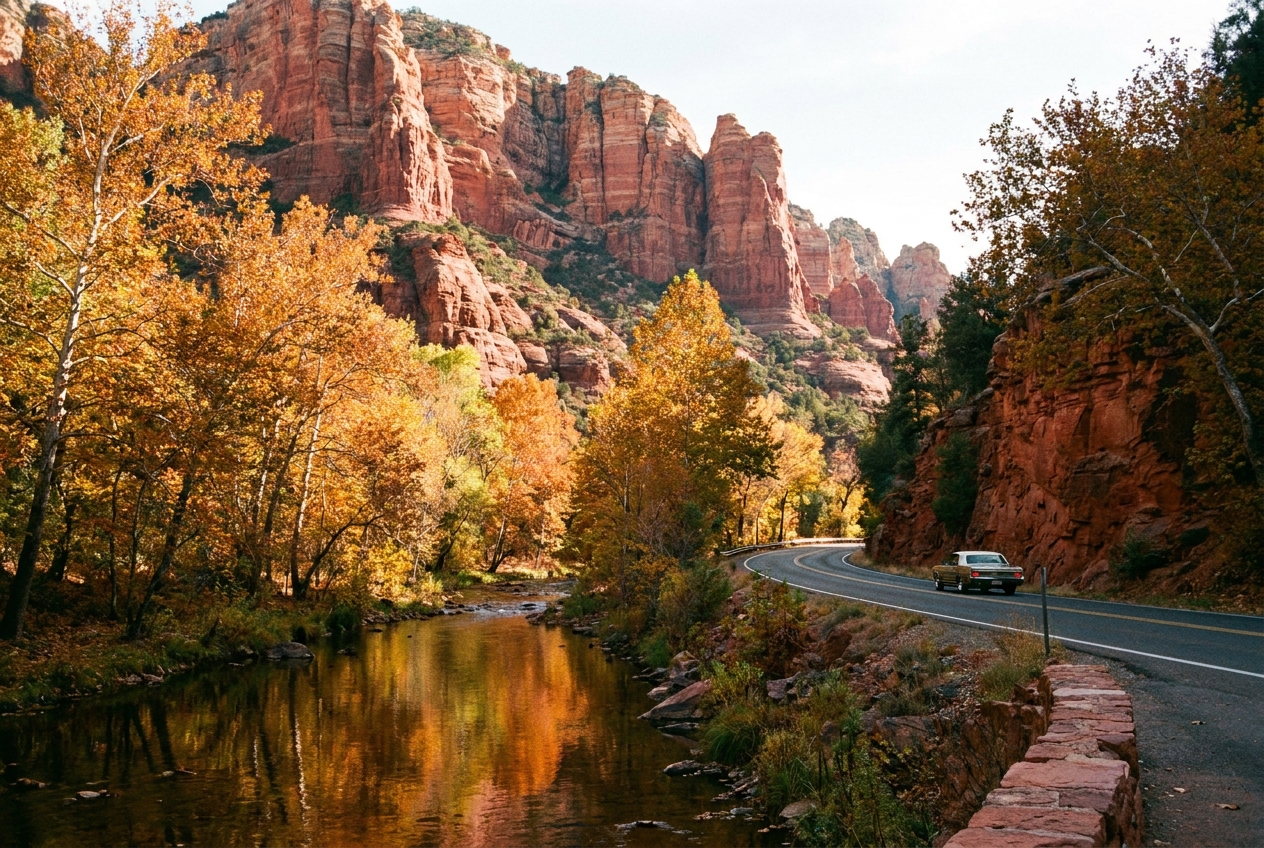
If you hit it right, West Fork is one of the most vivid autumn spots in Arizona. The canyon walls amplify the color and the creek doubles it in reflections. It is also peak crowd season, so go early and pack patience.
Half-day plan
If you want a balanced day that hits both trail and town, here is a half-day plan that feels distinctly Sedona and does not repeat the Devil’s Bridge scene.
Option A: Post-hike mellow town time
- Lunch in Uptown Sedona: keep it easy and refuel. Choose somewhere you can sit and let your feet air out if they got soaked.
- Art and design wander: spend an hour in the Tlaquepaque Arts and Shopping Village for galleries, courtyards, and shade.
- Sunset viewpoint: finish with an easy-access sunset stop like Airport Mesa (arrive early, it is popular) or a quieter roadside view if you are crowd-averse.
Option B: Add a short walk
If you still have energy after West Fork, choose something short and non-technical:
- Cathedral Rock viewpoint (not the full climb): enjoy the scenery from lower areas if you want the icon without the steep scramble.
- Bell Rock Pathway: wide, flexible out-and-back sections with big views and easy turn-around options.
Why this pairing works: West Fork gives you cool shade and water. These town and viewpoint add-ons give you the open red rock vistas that the canyon hides.
Safety and stewardship
- Flash flood awareness: if storms are possible, skip canyon hikes. Turn around at the first sign of rising water or thunder.
- Wildlife and plants: admire from a distance, and stay on the trail to protect creek banks.
- Dogs: dogs are allowed on West Fork as long as they are leashed. Repeated crossings can be hard on paws, and wet dogs plus crowds is a lot, so bring water, a towel, and a realistic plan.
- Bathrooms: use facilities at the day-use area before you start. Do not treat the canyon like a restroom.
If you only take one tip: treat West Fork like a timed-entry experience you control. Go early, bring shoes that can get wet, and you will understand why people keep coming back.
FAQ
How long is West Fork Oak Creek Trail?
The common out-and-back hike is about 6.5 miles round trip, though exact distance can vary depending on where you turn around and conditions near the end.
Is West Fork hard?
The grade is generally gentle. The challenge comes from creek crossings and slippery rocks, especially if water is higher or you are hiking with kids.
Do you have to get wet?
Sometimes you can rock-hop most crossings, but it is smart to expect at least one shallow wade. If you strongly prefer dry feet, choose another Sedona trail on the day.
When is it least crowded?
Early morning on weekdays is your best bet. Midday, especially weekends and fall color season, is the busiest.
Is there shade?
Yes, more than many Sedona hikes. That is a big part of its appeal in warm months.