What to Bring Camping: Beginner Checklist

Maya Lin
Maya Lin is a travel journalist and outdoor enthusiast who believes the best trips combine rugged adventures with urban comforts. After spending six years backpacking across four continents, she founded Trail & Town Guide to help fellow travelers navigate both hidden mountain passes and bustling city neighborhoods with confidence.
Camping is basically a small, temporary move outdoors. The good news is you do not need a garage full of gear to have a great first night under the stars. You just need the right basics, packed in the right order, with one simple question in mind: Are you sleeping next to your car or carrying everything on your back?
Below is a categorized, printable-style checklist with clear car camping vs. backpacking callouts in every section. Print it, screenshot it, or copy it into your notes app and check items off as you go.
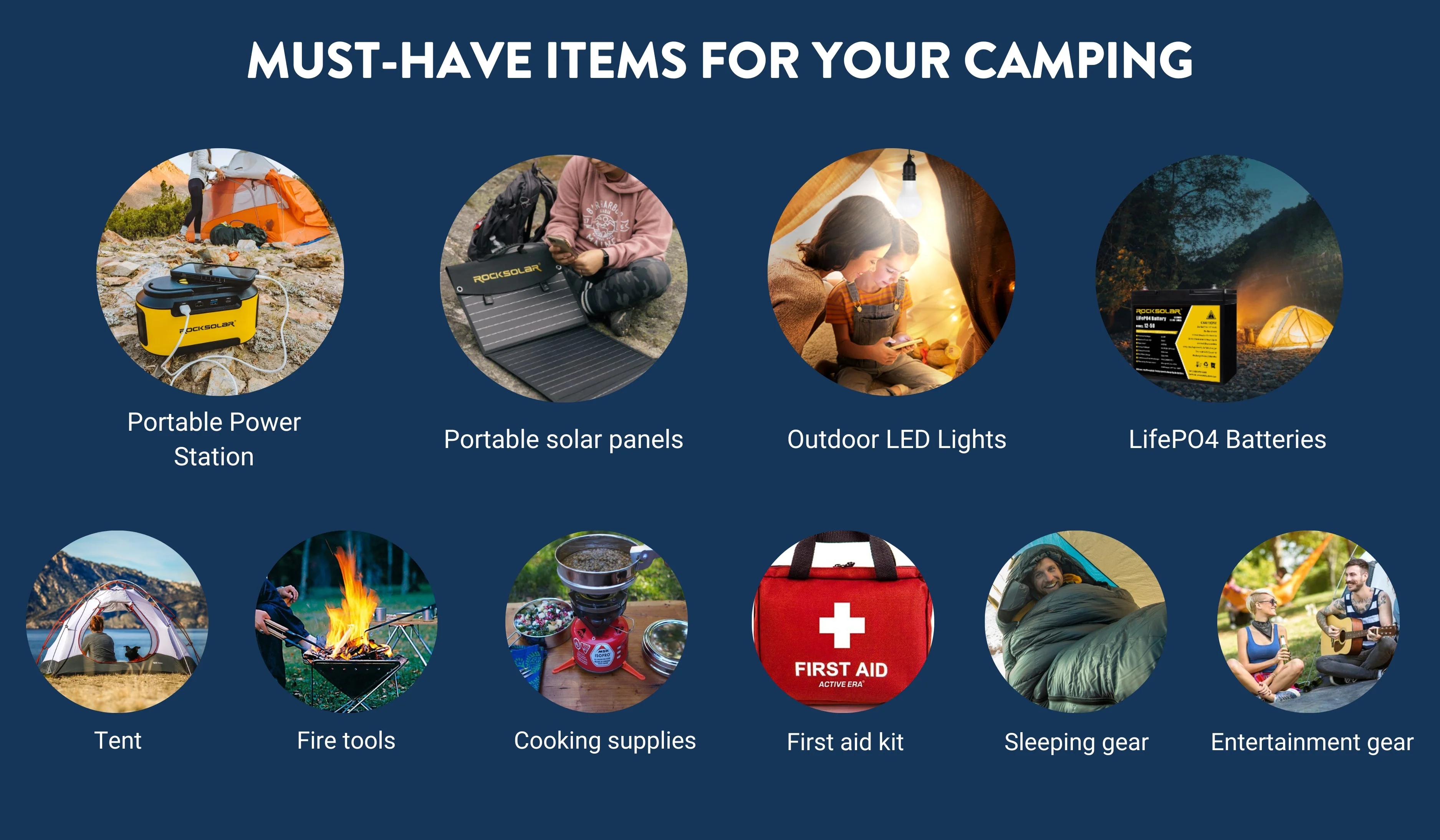
How to use this checklist
- Start with the big three: shelter, sleep system, food and water.
- Then add safety: light, first aid, and a weather plan.
- Finally add comfort: only after the essentials are covered.
Quick rule: If you are backpacking, weight and bulk matter. If you are car camping, durability and comfort matter more.
One more rule that saves trips: pack systems matter. The right bag or bin setup keeps your gear usable, not just owned.
Pack and storage checklist
This is the part people forget until they are holding an awkward pile of gear in the driveway. Your pack, duffel, or bins are what make packing feel simple instead of chaotic.
Must-pack
- If you are backpacking: backpacking pack that fits you (plus rain cover or pack liner)
- If you are car camping: duffel bags and/or storage bins (one per category works great)
- Small zip bags or pouches for organizing: toiletries, batteries, first aid, fire starters
Skip or swap
- If you are car camping: hard-sided bins make it easy to keep a clean camp. Label them: kitchen, sleep, tools, food.
- If you are backpacking: skip extra organizers and use a simple system: one waterproof liner inside the pack, plus 2 to 3 stuff sacks.
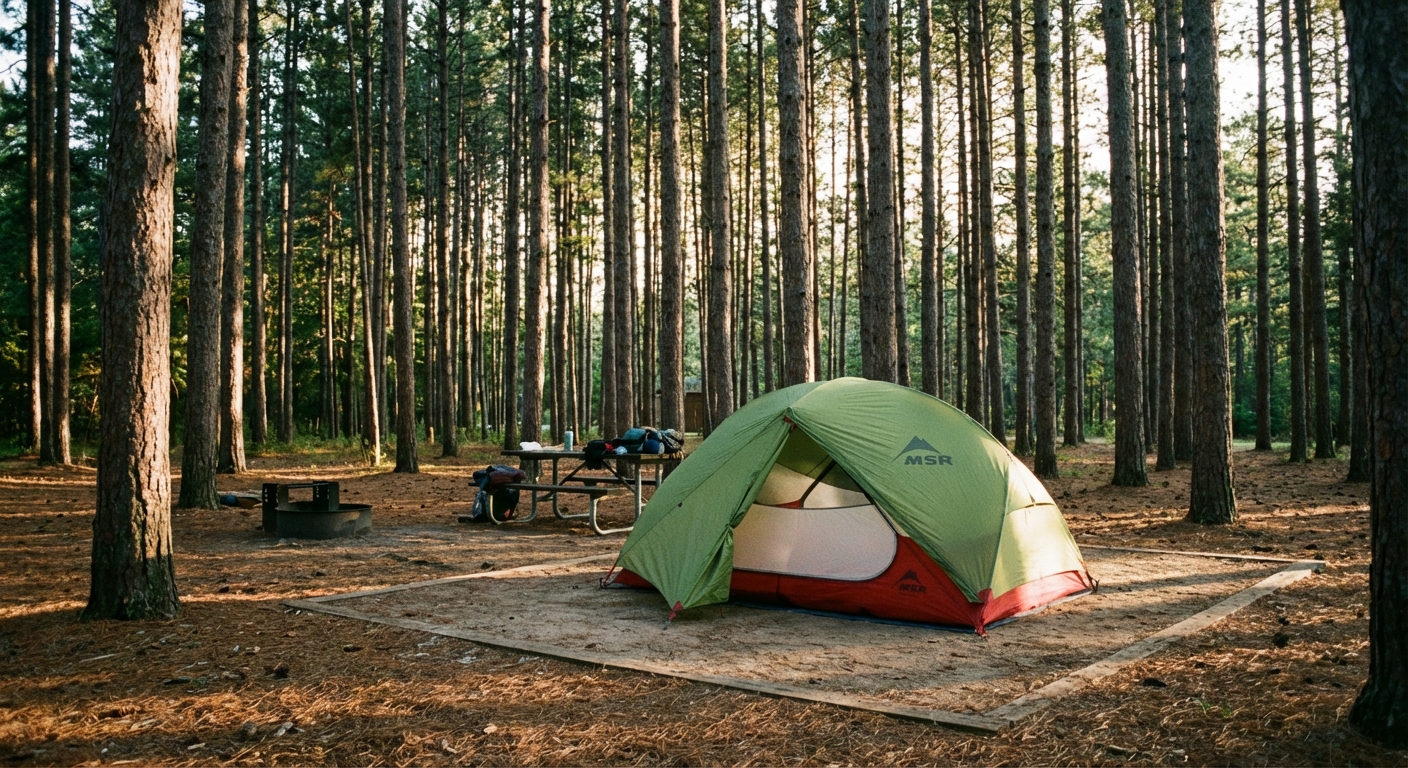
Shelter checklist
Your shelter is your weather insurance. Even on a clear forecast, dew, wind, and unexpected drizzle are common first-trip surprises.
Must-pack
- Tent (with poles, stakes, guylines)
- Rainfly (confirm it is in the tent bag)
- Footprint or groundsheet (optional but helpful)
- Small repair kit: duct tape wrap, extra stake, patch kit (nice-to-have)
Skip or swap
- If you are car camping: bring a larger tent for comfort, a doormat for grit, and extra stakes. Weight is not the enemy.
- If you are backpacking: consider a lighter tent, trekking-pole shelter, or tarp setup. Skip the bulky footprint if your tent floor is durable, or use a lightweight polycro sheet.
Sleep system checklist
If you only upgrade one thing for your comfort, upgrade sleep. Beginners often blame camping when it is really a too-cold sleeping bag or not enough insulation under their body.
Must-pack
- Sleeping bag rated for the expected lows
- Sleeping pad (foam or inflatable)
- Pillow (camp pillow, inflatable, or a stuff sack with a fleece)
- Sleep clothes (dry base layer and warm socks)
Optional comfort
- Sleeping bag liner (adds warmth and keeps bag cleaner)
- Earplugs (campgrounds get loud)
- Eye mask (sunrise comes early)
Skip or swap
- If you are car camping: bring thicker pads, a bigger pillow, and even a blanket. A cot is a game-changer if you have the space.
- If you are backpacking: choose a packable bag or quilt and a pad with enough R-value for the season. Skip bulky blankets and oversized pillows.
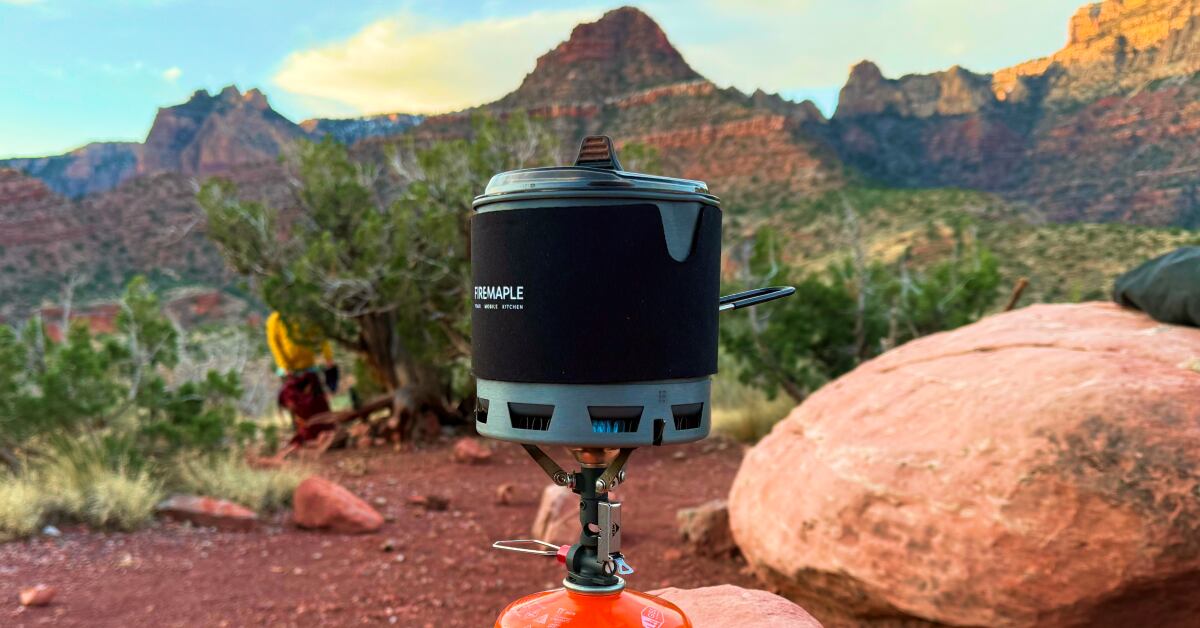
Cooking gear checklist
For your first trip, simple meals beat ambitious meals. Your goal is hot coffee, something warm to eat, and minimal cleanup.
Must-pack
- Stove (camp stove or backpacking stove)
- Fuel (plus a little extra)
- Lighter and backup matches in a waterproof bag
- Cook pot (plus lid if possible)
- Utensil (spork or spoon)
- Mug or insulated cup
- Knife (small camp knife)
- Trash bags (pack it in, pack it out)
- Cleanup kit: small sponge, biodegradable soap, quick-dry towel
Quick note on soap: “Biodegradable” does not mean “safe for lakes.” Use small amounts, strain food bits, and dispose of dishwater at least 200 feet from lakes and streams (or follow local campground rules).
Nice-to-have
- Cutting board
- Pan (car camping)
- Windshield for stove (especially backpacking, if compatible)
- Wash basin (car camping makes cleanup easier)
Skip or swap
- If you are car camping: bring a two-burner stove, cooler-friendly ingredients, real utensils, and a wash basin. You can also pack a coffee setup you actually love.
- If you are backpacking: keep it minimal: one small stove, one pot, one utensil. Skip heavy cookware and complex meals that require lots of simmering and fuel.
Food and water checklist
Most camping stress is either hunger, thirst, or the fear of running out of either. Overestimate slightly, then simplify.
Must-pack (water)
- Water bottles or hydration reservoir
- Water storage (collapsible jug for camp is great for car camping, especially for dishes)
- Water treatment (filter, purifier, tablets) if you will not have reliable potable water
Must-pack (food)
- Meals (breakfast, lunch, dinner)
- Snacks (more than you think)
- Salt, spices (tiny kit)
- Cooking oil (small container)
Food storage (important)
- Bear canister if required
- Bear-resistant bag or hang kit (only where allowed and accepted)
- Bear locker (use it if provided)
- Hard-sided cooler (car camping)
Local rules win: some areas require an approved bear canister and do not accept bear hangs or bear bags. Always follow local regulations and posted guidance.
Skip or swap
- If you are car camping: cooler meals are easy. Fresh food is fine. You can bring more water, drinks, and a bigger jug for dishes.
- If you are backpacking: favor dehydrated meals, instant oats, tortillas, nut butter, and snacks you will actually eat. Skip glass containers, heavy cans, and bulky packaging.
Beginner-friendly meal formula: one hot meal, one no-cook meal, and snacks all day. Repeat.
Clothing checklist
Pack for the weather you have, plus the weather you might get at 2 a.m. The key is layers, not multiple outfits.
Must-pack
- Base layer (top and bottom if cold)
- Mid-layer (fleece or light insulated jacket)
- Outer layer: rain jacket and rain pants (or at least rain jacket)
- Hiking pants or shorts
- Sleep clothes (dry)
- Socks (plus an extra pair)
- Underwear
- Hat: sun hat or warm beanie depending on season
- Shoes appropriate for the terrain
Nice-to-have
- Camp shoes (sandals or slides)
- Gloves (shoulder season)
- Buff or neck gaiter
Skip or swap
- If you are car camping: bring extra layers and a warmer jacket. You can also pack an extra hoodie as insurance.
- If you are backpacking: skip cotton if conditions are cool or wet. pack fewer duplicates and focus on versatile layers that dry fast.
Rule of thumb: if the forecast says “mild,” still pack one warm layer. Mountains and deserts love to change the subject.
Safety and first aid checklist
This is the unglamorous category that makes a first trip feel confident instead of chaotic.
Must-pack
- Headlamp (plus spare batteries) or rechargeable with a backup power source
- First aid kit (blister care, bandages, antiseptic)
- Personal medications
- Sun protection: sunscreen, sunglasses, lip balm with SPF
- Bug protection: repellent and after-bite option
- Fire safety: follow local restrictions. If fires are allowed, bring what is required to extinguish (water bucket, shovel, or dirt) and never leave a fire unattended.
- Emergency whistle
Strongly recommended
- Emergency blanket (space blanket)
- Multi-tool
- Hand sanitizer
Skip or swap
- If you are car camping: you can bring a fuller first aid kit and extra comfort items like a bigger bug shelter or citronella lantern.
- If you are backpacking: keep first aid streamlined but complete. Skip bulky “just in case” duplicates. Do not skip blister care.
Navigation and essentials checklist
Even in a well-marked campground, it is easy to wander to the wrong loop after dark. And once you are on trail, navigation stops being optional.
Must-pack
- Phone with offline maps downloaded
- Charging cable
- Power bank
- Printed reservation details or screenshot
- ID and payment method
Recommended for backpacking
- Paper map and compass (and know how to use them)
- GPS device or satellite communicator (especially solo or remote)
Skip or swap
- If you are car camping: offline maps still matter if cell service is spotty, but you can rely more on campground signage and your car charger.
- If you are backpacking: always have a non-phone backup plan. Phones break, batteries die, and cold drains power faster than you expect.
Campsite comfort checklist
These are the items that turn camping from “surviving outside” into “I could do this every weekend.” Add them after you have the essentials covered.
Nice-to-have
- Campsite lighting (lantern or string lights)
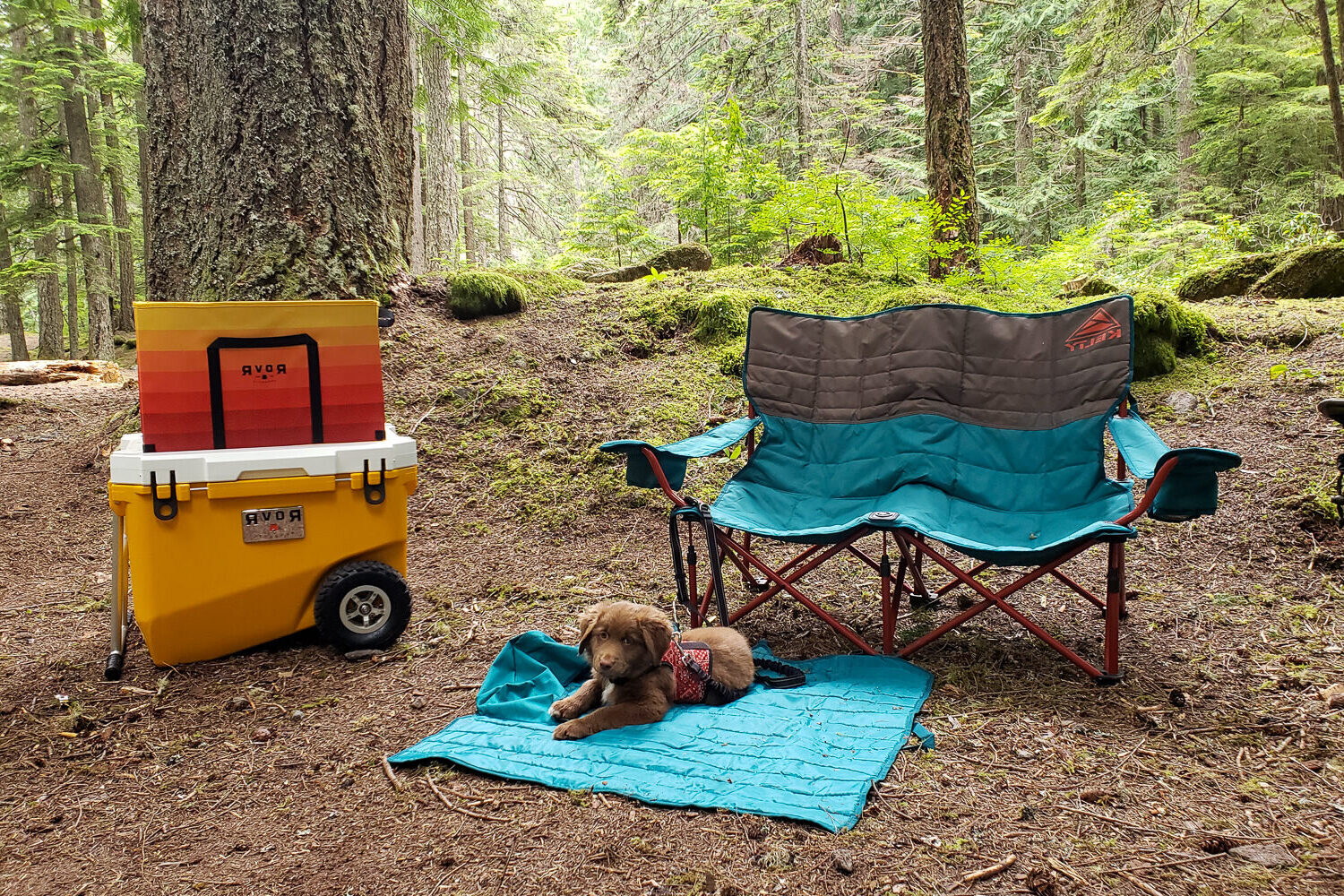
- Camp chairs (car camping)
- Small tablecloth or clips for a picnic table
- Tarp for shade/rain cover (car camping)
- Cordage (utility line for drying gear, tarps, and general camp fixes)
- Cooler organization: bins or reusable bags
- Hammock (if allowed)
- Book, cards, journal
- Reusable hand warmers (cold nights)
- Stake mallet (car camping, if your ground is stubborn)
Hygiene
- Toilet paper (even if the campground “has it”)
- Wipes (pack out used wipes)
- Toothbrush and toothpaste
- Small trowel (backpacking and dispersed camping)
- Waste bags (where required)
- Menstrual products if needed
Skip or swap
- If you are car camping: bring chairs, a bigger lantern, and extra cozy layers. Comfort is the point.
- If you are backpacking: skip chairs and big lanterns. Consider a tiny sit pad or ultralight chair only if you know you will use it.
Common beginner mistakes to avoid
Overpacking
If you are backpacking, overpacking turns a fun trip into a slog. If you are car camping, overpacking turns setup into chaos. Use this checklist to pack intentionally, not emotionally.
Forgetting headlamp batteries
It always gets dark faster than you think. Pack spare batteries in the headlamp case, not “somewhere in your bag.”
No rain plan
“Chance of rain” is not “won’t rain.” Bring a rain jacket, use your rainfly, and keep one set of clothes dry for sleeping. If your tent site is in a low spot, move it before the storm does it for you.
Not insulating from the ground
New campers often bring a warm sleeping bag and skip a real sleeping pad. Cold comes from below. Your pad’s insulation matters as much as your bag.
Messy food storage
Leaving snacks in your tent is the fastest way to have a wildlife problem. Follow local rules for bear lockers, canisters, and food storage methods. What “works” in one area may be illegal or unsafe in another.
No packing system
A perfect checklist does not help if your gear is loose in the trunk or exploding out of your pack. Car campers: bins and duffels keep things sane. Backpackers: a pack liner plus a few stuff sacks is usually enough.
Ignoring Leave No Trace basics
Pack out all trash (including food scraps). Keep soap and dishwater out of waterways. For bathroom breaks, follow posted rules, and in the backcountry use a proper cathole method where allowed.
Minimal budget-friendly starter kit
If you want the simplest setup that still works, start here. You can slowly upgrade as you learn what you care about most: sleep, cooking, or convenience.
Budget starter kit for car camping
- Affordable 3-season tent (2 to 4 person)
- Duffel bags and/or storage bins for organizing gear
- Sleeping bag rated to local nighttime temps
- Thick foam pad or basic inflatable pad
- Headlamp plus spare batteries
- Simple two-burner stove or single-burner camp stove
- One pot, one mug, one utensil
- Large water jug (also for dishes)
- Basic first aid kit
- Cheap camp chair (optional, but morale-boosting)
Budget starter kit for backpacking
- Used or entry-level backpacking pack that fits you (fit matters more than brand)
- Lightweight tent or shared tent with a partner
- Sleeping bag or quilt appropriate for the season
- Sleeping pad with enough insulation
- Small stove and fuel
- One pot and one spoon
- Water filter (plus an optional dirty water bag if your filter setup uses one)
- Headlamp plus spare batteries
- Small first aid kit with blister care
Money-saving tip: Borrow or rent the big items for your first trip, especially a backpacking tent and sleeping bag. Once you know your style, you will buy smarter and waste less.
Printable-style master checklist
Copy and paste this into a note, then check items off.
Pack and storage
- [ ] Backpacking pack (backpacking)
- [ ] Pack liner or rain cover (backpacking)
- [ ] Duffel bags and/or storage bins (car camping)
- [ ] Small pouches or zip bags for organization
Shelter
- [ ] Tent body
- [ ] Rainfly
- [ ] Poles
- [ ] Stakes
- [ ] Guylines
- [ ] Footprint or groundsheet
- [ ] Repair tape or patch kit
- [ ] Stake mallet (car camping, optional)
- [ ] Tarp (car camping, optional)
- [ ] Cordage (optional)
Sleep system
- [ ] Sleeping bag or quilt
- [ ] Sleeping pad
- [ ] Pillow
- [ ] Sleep clothes
- [ ] Warm socks
- [ ] Beanie (cold nights, optional)
- [ ] Gloves (shoulder season, optional)
Cooking
- [ ] Stove
- [ ] Fuel
- [ ] Lighter
- [ ] Backup matches
- [ ] Pot
- [ ] Mug or insulated cup
- [ ] Utensil
- [ ] Knife
- [ ] Trash bags
- [ ] Sponge and small soap
- [ ] Quick-dry towel
- [ ] Wash basin (car camping, optional)
Food and water
- [ ] Water bottles
- [ ] Water storage jug or bladder
- [ ] Extra water for camp/dishes (car camping, optional)
- [ ] Water treatment (if needed)
- [ ] Meals
- [ ] Snacks
- [ ] Salt and spices
- [ ] Food storage system (cooler, bear canister, bear locker, or approved bear bag)
- [ ] Dirty water bag (backpacking, optional for squeeze filters)
Clothing
- [ ] Base layer
- [ ] Mid-layer
- [ ] Warm jacket (seasonal)
- [ ] Rain jacket
- [ ] Rain pants (recommended)
- [ ] Hiking pants or shorts
- [ ] Extra socks
- [ ] Hat (sun or warm)
- [ ] Sunglasses
- [ ] Camp shoes (optional)
Safety and first aid
- [ ] Headlamp
- [ ] Spare batteries
- [ ] First aid kit
- [ ] Personal meds
- [ ] Sunscreen
- [ ] Lip balm with SPF
- [ ] Bug repellent
- [ ] Whistle
- [ ] Emergency blanket
- [ ] Hand sanitizer
Navigation and essentials
- [ ] Phone with offline maps
- [ ] Power bank
- [ ] Charging cable
- [ ] Reservation details
- [ ] ID and payment method
- [ ] Paper map and compass (backpacking recommended)
Comfort and hygiene
- [ ] Lantern (optional)
- [ ] Camp chair (car camping)
- [ ] Toilet paper
- [ ] Toothbrush and toothpaste
- [ ] Wipes (pack out)
- [ ] Trowel (backpacking and dispersed)
- [ ] Waste bags (where required)
- [ ] Small towel
If you want, tell me where you are camping (region), season, and whether it is car camping or backpacking, and I can tighten this list into a perfectly sized packing plan for that exact trip.