What to Do in Yosemite Valley When It Rains

Maya Lin
Maya Lin is a travel journalist and outdoor enthusiast who believes the best trips combine rugged adventures with urban comforts. After spending six years backpacking across four continents, she founded Trail & Town Guide to help fellow travelers navigate both hidden mountain passes and bustling city neighborhoods with confidence.
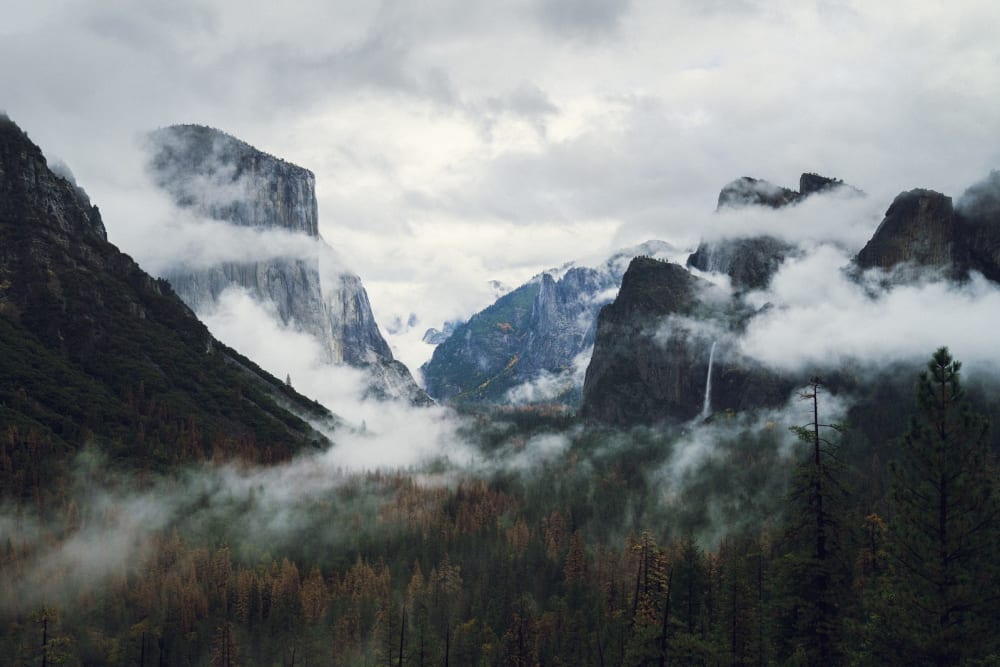
Rain in Yosemite Valley can feel like a trip plot twist, especially if you drove hours for big views and blue skies. I get it. But some of my favorite Valley days have been the drizzly ones, when the granite turns charcoal-dark, the pine scent gets louder, and the waterfalls suddenly look like they drank three espresso shots.
The key is choosing activities that stay rewarding without pushing your luck on slick steps, swollen rivers, or rockfall-prone areas. Here’s a rainy-day lineup I use to keep the day cozy, scenic, and low-risk.
Start indoors: visitor center and museum
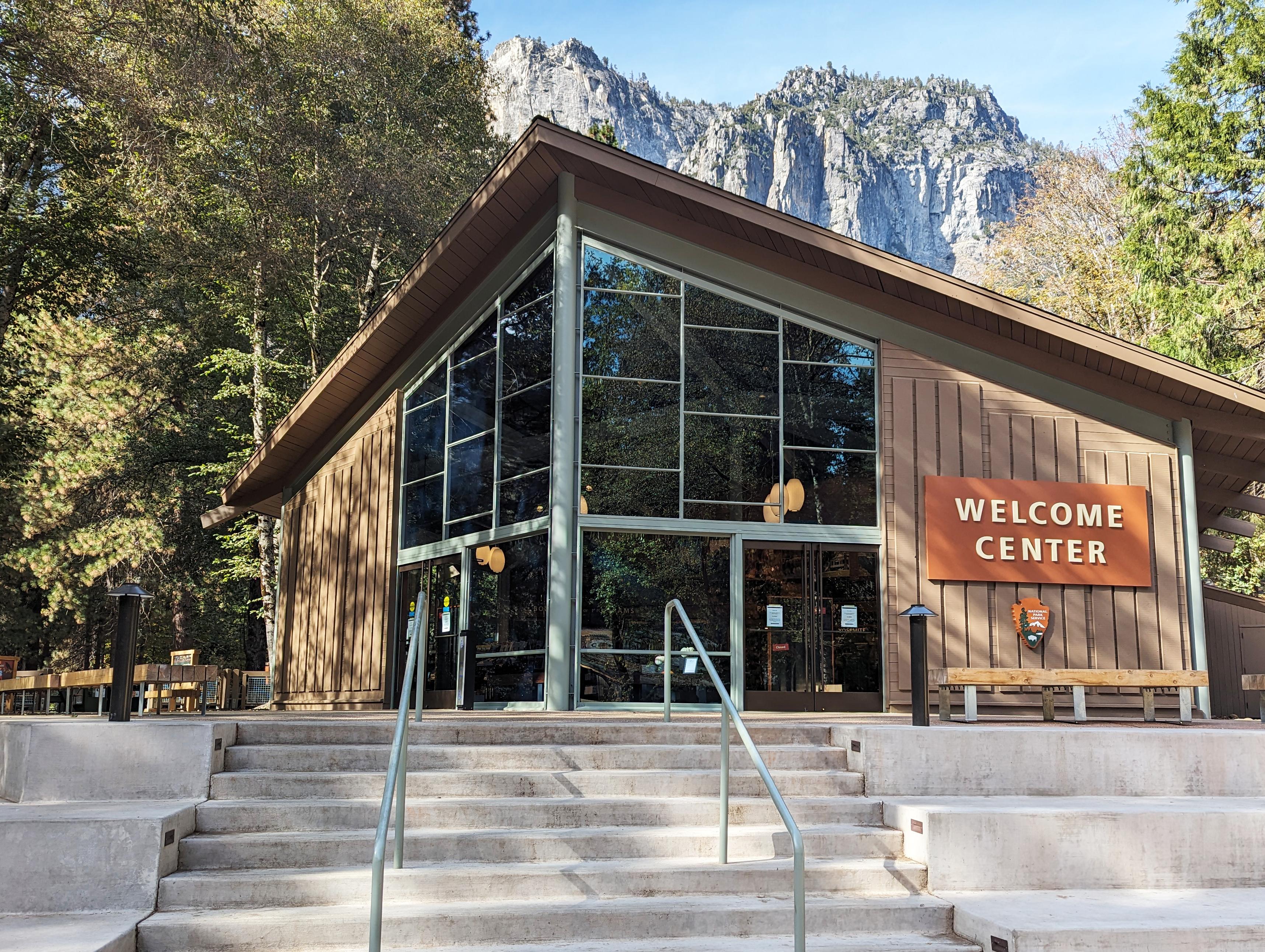
If you want one move that instantly makes a rainy day feel purposeful, go straight to the Yosemite Valley Visitor Center area. It’s practical, interesting, and it helps you make smarter choices for the rest of the day.
Quick heads up: hours and programming can shift by season, storm impacts, and staffing, so treat posted hours as the starting point, not a promise.
Yosemite Valley Visitor Center
Pop in for current conditions and ranger guidance. On rain days, I ask two questions:
- Which paved paths are best right now? (Conditions change fast with pooling water and ice in shoulder seasons.)
- Any closures or active advisories? (High water, downed trees, rockfall areas, you name it.)
You can also pick up maps, learn the basics of Valley geology, and adjust your plan if higher elevations are getting snow or if visibility is poor.
Yosemite Museum
Nearby, the Yosemite Museum is a solid rainy-day anchor. The exhibits give you context for everything you’re seeing outside, from Indigenous history to the natural forces that built the Valley. If the clouds are hanging low and the cliffs feel mysterious, this is the place that helps you understand what you’re looking at. (Like everything, what’s open can vary, so I keep my expectations flexible and still enjoy whatever rooms I can see.)
Ansel Adams Gallery: art and a warm reset
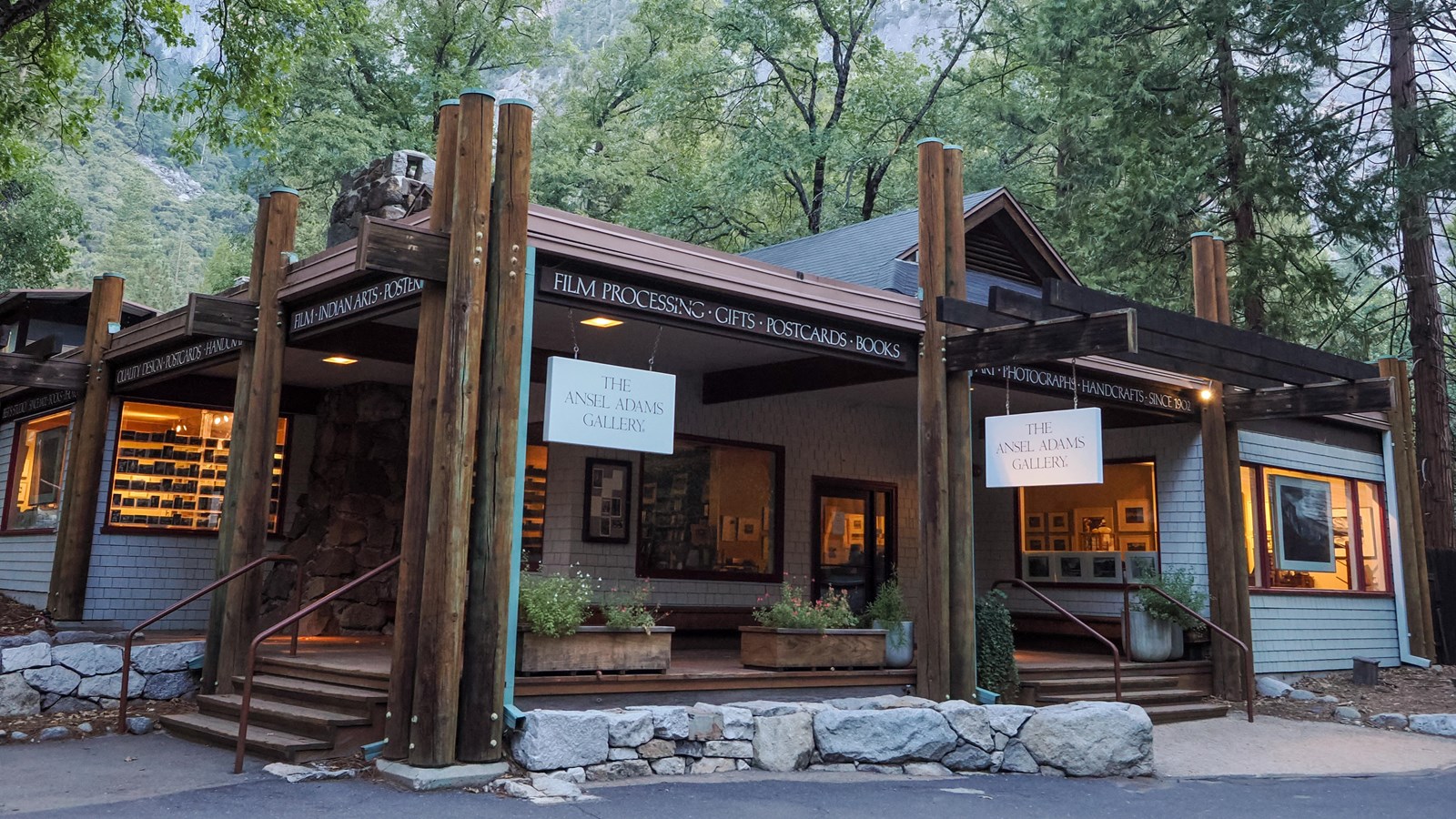
If you love Yosemite even a little, you’ll probably end up at the Ansel Adams Gallery. On rainy days, it’s one of the best indoor stops in the Valley: inspiring photography, great browsing, and that calm, gallery hush that makes the weather outside feel like part of the experience.
I like to treat this as a reset stop. Warm up, browse prints and books, and if you’re traveling with someone who is not thrilled about hiking in the rain, this is where morale tends to improve.
Lean into lodge life: Ahwahnee and Valley Lodge
When the Valley is soaked, I pivot into what I call lodge comfort mode. You’re still in one of the world’s great landscapes, but you experience it from somewhere warm with a good chair and a view.
The Ahwahnee: classic cozy
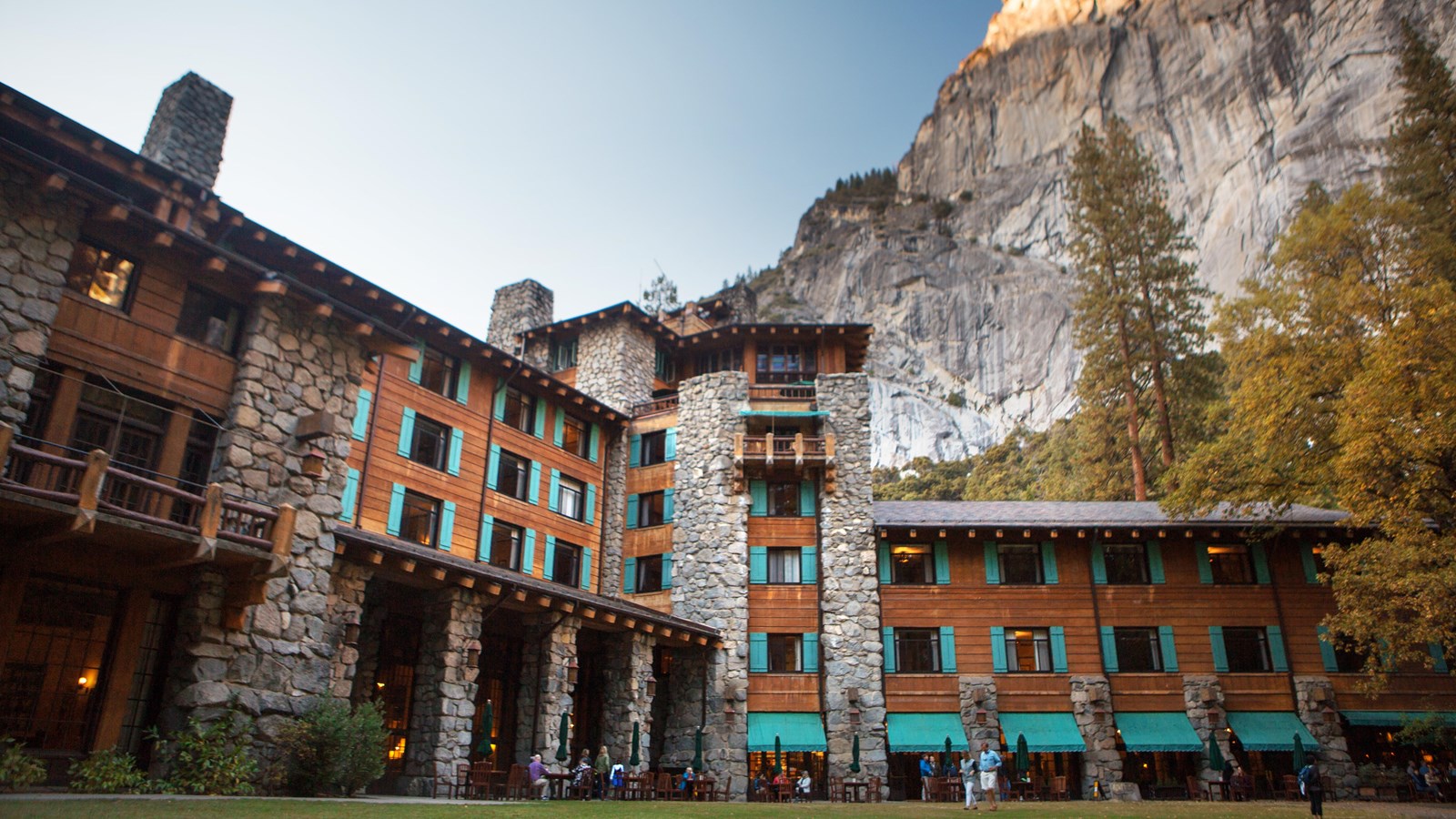
The Ahwahnee is an iconic stop for atmosphere. Even if you’re not staying there, you can step inside and enjoy the grand public spaces. It’s a great rainy-day place to slow down and let the storm pass through.
- Best move: bring a book, grab a hot drink if the bar or lounge is open, and give yourself 30 to 60 minutes to simply exist.
- Why it works: it turns a “weather delay” into a memory.
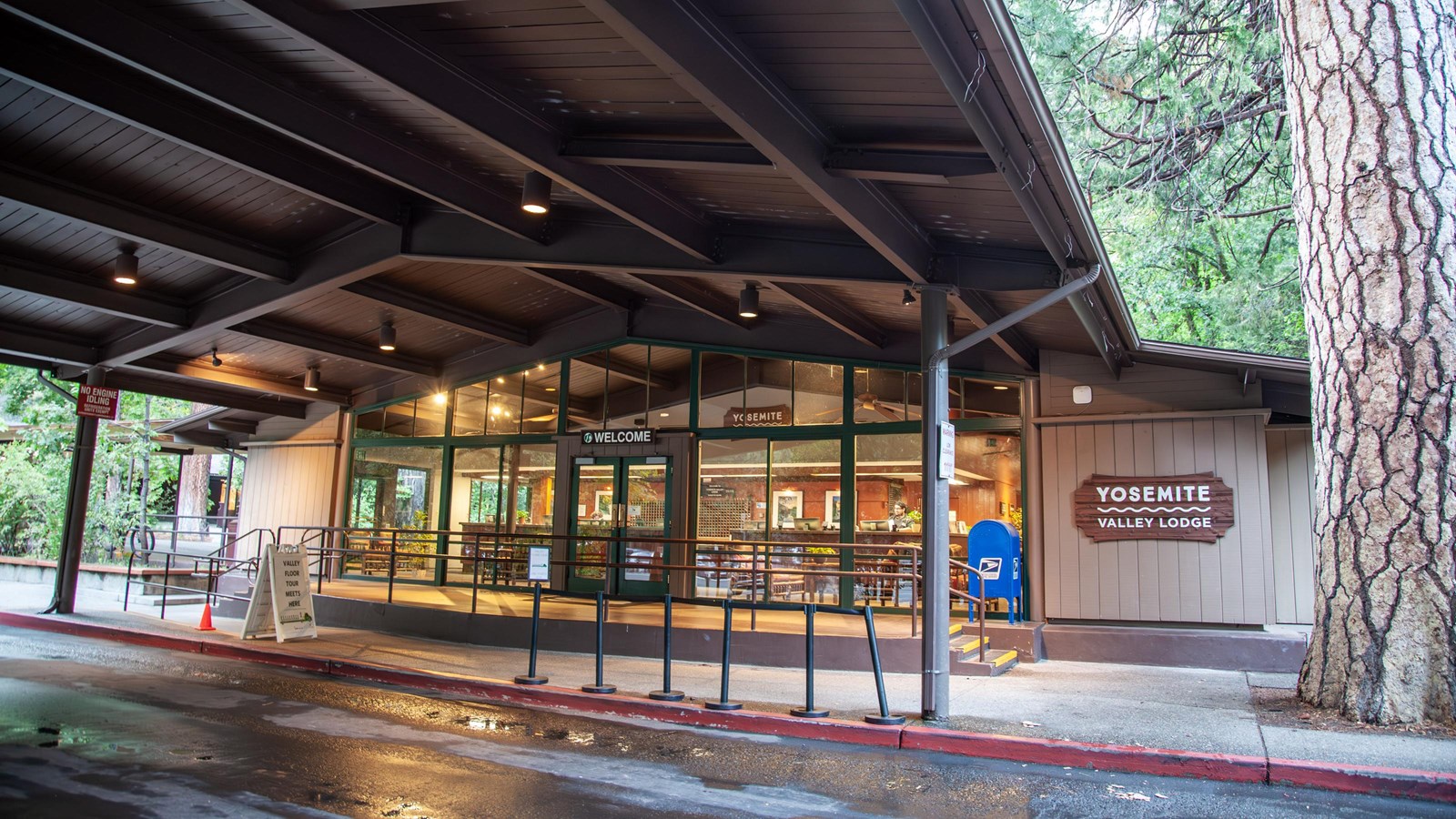
Yosemite Valley Lodge: casual and close to the falls
If you want low-effort comfort with easy access to viewpoints, Yosemite Valley Lodge is a reliable rainy-day hub. It’s also close to the Lower Yosemite Fall area, which can be a great short outing between rain bursts.
My rainy-day rhythm here is simple: warm drink, a quick look at updates (ranger desk, posted notices, or NPS alerts), short walk when the rain lightens, then back indoors before you get cold and damp.
Short walks that still feel like Yosemite
Rain doesn’t have to mean zero time outside. In Yosemite Valley, you can string together a few short, mostly flat, turn-around-when-you-want walks that keep risk low and reward high.
These are the outings I prioritize when it’s wet:
Paved Valley paths and meadow edges
The Valley has paved multi-use paths that are great when dirt trails turn to slick mud. They’re not “wilderness immersion,” but you still get granite walls, waterfalls, and that fresh-rain smell.
- Go for: short strolls near developed areas and meadow edges where you can bail out quickly if the weather changes.
- Avoid: standing under trees in active wind and rain, since falling branches can be a hazard.
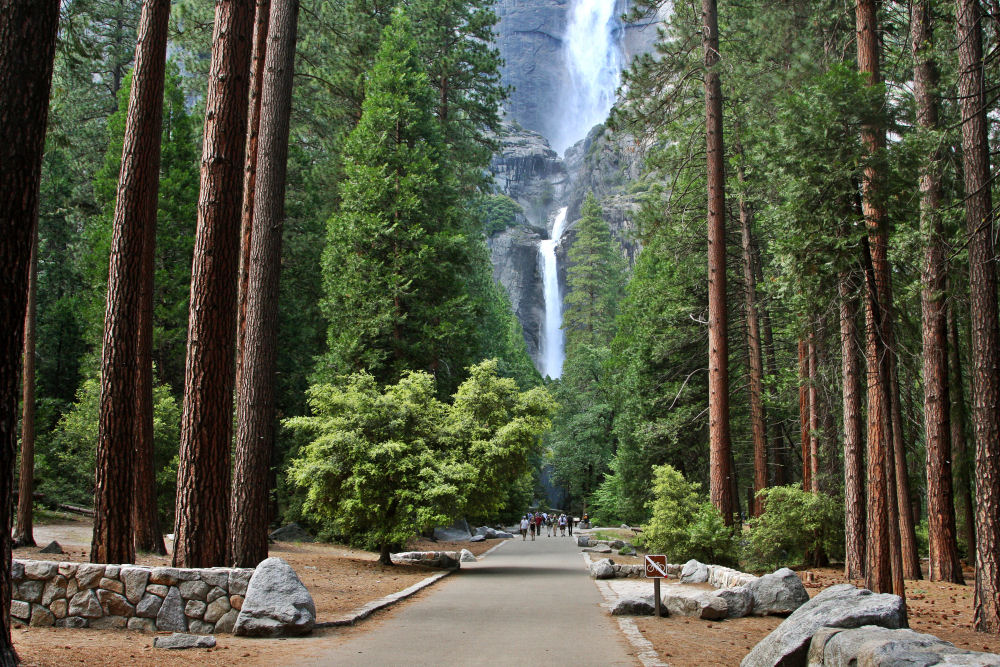
Lower Yosemite Fall viewpoint (when safe)
If you can time it between heavier squalls, a quick visit to Lower Yosemite Fall can be fantastic in rainy conditions. Just keep seasonality in mind: Yosemite Falls is highly seasonal, and late summer into early fall can be underwhelming or even dry even if a storm rolls through. The biggest flows are typically during spring snowmelt.
Stick to maintained routes and keep your expectations flexible. If it’s pouring sideways, save it for later.
Bridalveil Fall viewpoint area (check status)
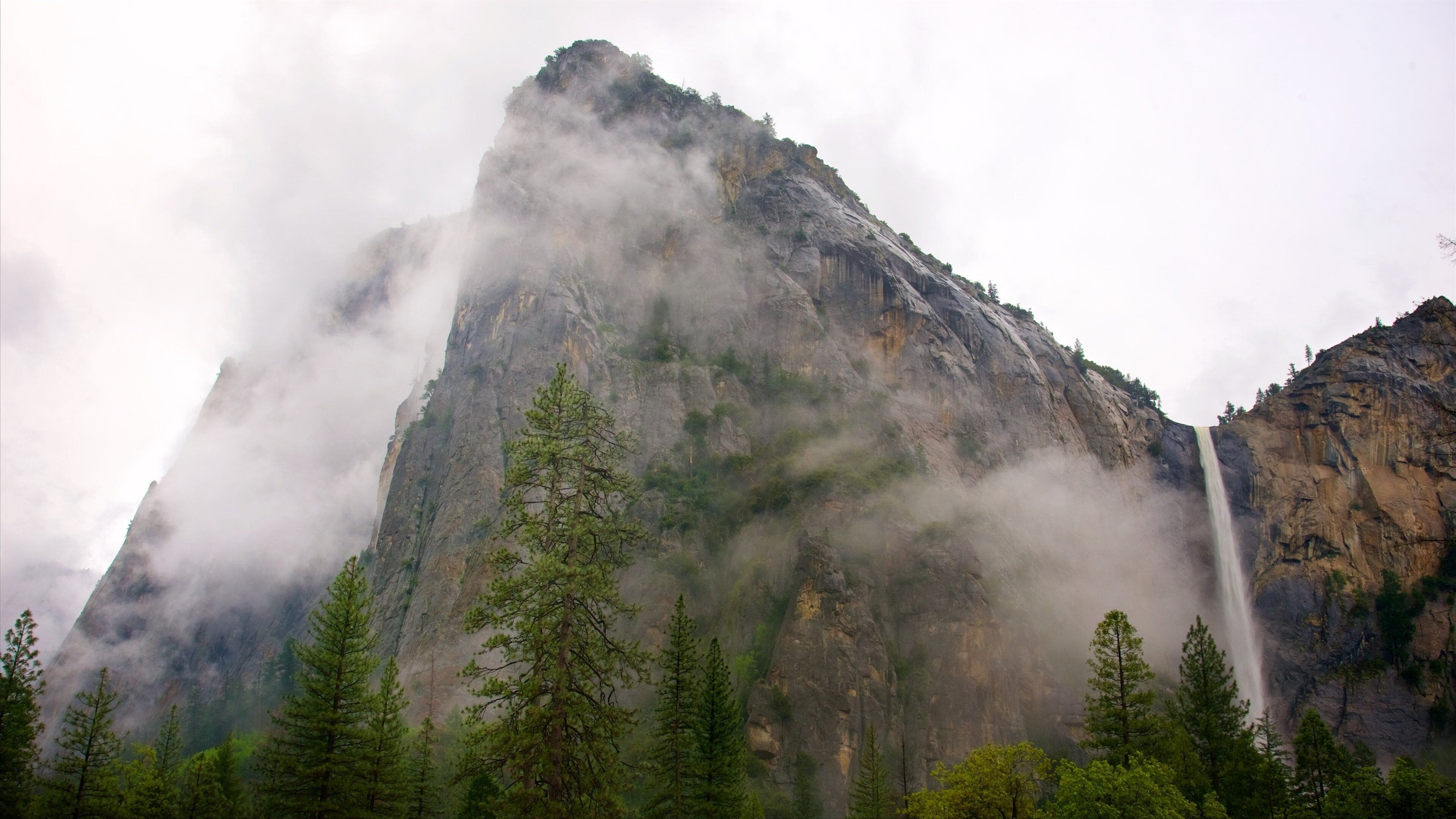
Bridalveil Fall is famous for blowing mist even on calm days. In rain, you may get soaked quickly. If the area is open and conditions feel comfortable, it can be dramatic. This spot has also seen periodic construction and closures in recent years, so I always check the current status before I drive over and commit.
Rain boosts the mood, with trade-offs
Here’s the good news: rain can supercharge Yosemite’s drama. Waterfalls often look fuller, the cliffs take on richer color, and clouds can create those moody, layered views that photographers love.
Here’s the trade-off side, the part I take seriously:
- Wet granite and stone steps get slick fast. Traction matters more than ambition.
- High water near rivers and creeks changes the risk equation. Stay well back from fast-moving water and don’t step onto wet rocks near the river’s edge.
- Visibility drops. If you cannot clearly see where you’re walking, especially near drop-offs or steep edges, it’s time to turn around.
Rainy-day safety: rockfall, trees, lightning, driving
Yosemite is a living landscape. Rain and storms change how it behaves. The goal is not to be scared, just to be smart and conservative with your choices.
Rockfall awareness
Yosemite Valley’s cliffs are massive and dynamic. Storms and seasonal freeze-thaw cycles can increase hazards in certain areas. What I do on rainy days:
- Don’t linger directly below cliff faces longer than necessary, especially in narrow areas where you cannot quickly move away.
- Follow closures and warning signs without negotiating with them.
- Ask a ranger about any active advisories before committing to longer routes.
Trees and wind
In storms, falling branches can be a real hazard. If wind picks up:
- Choose indoor stops or open areas away from large trees.
- Avoid hanging out under heavy limbs, especially near parking areas and picnic spots.
Lightning and thunder
If you hear thunder, simplify your plan. I avoid exposed viewpoints, open meadows during active lightning, and any urge to “just wait it out” under the tallest tree around. Get to a substantial building or your vehicle and give the storm time to move through.
Driving and shuttle notes
Roads in the Valley can be wet, dark, and crowded. Add fog and it’s not the moment for rushed decisions.
- Slow down. Hydroplaning can happen, and wildlife can still appear near the road.
- Plan fewer moves. The safest rainy-day itinerary is the one with minimal driving and parking stress.
- Use pullouts responsibly. Do not stop in travel lanes for a view, even if it’s gorgeous.
Shuttle operations and routes can be seasonal and can change with conditions, so I check the official NPS updates the same day instead of assuming the shuttle is running like normal.
What to pack for wet and cold
I’m a carry-on-only traveler, which means my rain kit is always about small upgrades that change the whole day. If you already have these, you’re set. If not, Yosemite Valley’s shops often have basics, but inventory can be limited and availability varies.
- Rain jacket with a real hood (not just a flimsy shell that wets out in 10 minutes).
- Water-resistant shoes with tread. If you only brought smooth-soled sneakers, keep walks shorter and stick to paved paths.
- Wool or synthetic socks. Wet cotton is a mood killer.
- Small umbrella for village strolling and short walks, especially if wind is mild.
- Dry bag or zip-top bag for phone, camera, and car keys.
- Microfiber cloth for wiping lenses and glasses.
If temperatures are cool, add one warm layer you can wear under your shell. Rain plus wind can feel surprisingly cold in the Valley, and getting chilled can sneak up on you faster than you think.
A simple rainy-day itinerary
If you want a plan that feels full but never overcommitted, this is my go-to loop.
Morning
- Visitor Center for current conditions and closures
- Yosemite Museum
- Quick coffee or warm drink nearby
Midday
- Ansel Adams Gallery browse
- Short paved walk if the rain lightens (Lower Yosemite Fall area works well)
Afternoon
- The Ahwahnee for a cozy break
- Valley viewpoints only if visibility is decent and roads feel calm
Evening
- Dinner near your lodging
- Early night, especially if you want to catch clearer skies the next morning
Rainy-day Yosemite FAQs
Is Yosemite Valley worth visiting in the rain?
Yes, as long as you adjust expectations and keep your choices low-risk. Rain deepens colors on the granite, brings out that clean forest smell, and can thin out crowds. Treat it like a different version of Yosemite, not a ruined one.
Are the waterfalls better when it rains?
Often, yes, but it depends on the waterfall and the season. Storms can add drama and sometimes boost flow, but many waterfalls are driven by snowmelt, with peak flows usually in spring. In late summer and early fall, some falls can be reduced or dry even if it rains.
What should I avoid when it’s raining in Yosemite Valley?
Avoid slick granite slabs, steep stair routes if you are not confident on wet stone, lingering under cliff faces, and hanging out under large trees in wind. Also avoid driving more than you need to, especially in poor visibility.
Can I still hike?
You can do short walks if conditions are reasonable and you have decent traction, but I treat rainy days as “stroll days” in the Valley. Save bigger hikes for a dry window.