What to Eat on a Day Hike

Maya Lin
Maya Lin is a travel journalist and outdoor enthusiast who believes the best trips combine rugged adventures with urban comforts. After spending six years backpacking across four continents, she founded Trail & Town Guide to help fellow travelers navigate both hidden mountain passes and bustling city neighborhoods with confidence.
Nothing tanks a hike faster than the classic combo: a too-sweet granola bar, not enough water, and the sudden realization that your “lunch” is a squished banana living in the same pocket as your sunscreen.
Fueling a day hike does not need to be complicated, but it does need to be intentional. Your goal is steady energy, a happy stomach, and food that can survive a few hours in a pack. Below is exactly what I eat (and what I have learned the hard way) for everything from a casual two-hour loop to a long, steep summit day.
Start with the basics: calories, carbs, protein, fat
You do not need to count macros on the trail, but knowing what each one does makes snack-picking wildly easier.
- Carbs = your main hiking fuel. Fast carbs hit quickly (fruit, chews, white bread), and slower carbs feel steadier (oats, tortillas, crackers, rice).
- Protein = helps you stay satisfied and supports muscle repair (jerky, tuna packets, tofu, Greek yogurt before the hike).
- Fat = dense calories that last (nuts, nut butter, cheese). Great for longer hikes, but can feel heavy if you are pushing hard in heat.
Easy rule: the harder and longer the hike, the more you lean on carbs plus a little protein, and the more often you eat.
How much to eat by hike intensity
Every body is different (size, pace, temperature, and stomach tolerance matter a lot), but hikers tend to under-eat on day hikes and then wonder why the last mile feels like a personal vendetta. Use these as starting ranges and adjust based on how you feel.
Easy day hike (1 to 3 hours, mild elevation)
- Before: normal meal or snack
- On trail: about 100 to 200 calories per hour (or just bring a snack and actually eat it)
- Macro focus: mostly carbs, a little fat or protein for fullness
Moderate hike (3 to 6 hours, steady climbing)
- Before: carb-forward meal plus some protein
- On trail: about 150 to 250 calories per hour
- Macro focus: carbs + protein in small doses
Strenuous hike (6+ hours, big elevation, fast pace)
- Before: full breakfast, and consider a small snack right at the trailhead
- On trail: about 200 to 300 calories per hour, eaten consistently (some people do best a bit lower or higher)
- Macro focus: carbs are king, protein in small amounts, fats as “slow burn” add-ons
If you are new to longer hikes, set a timer and eat every 45 to 60 minutes. It is the simplest way to prevent bonking.
What to eat before a day hike
Your pre-hike meal sets the tone. The sweet spot is carbs for energy + protein for staying power, without a lot of greasy or unfamiliar foods.
2 to 3 hours before
- Oatmeal with banana and peanut butter
- Eggs and toast with fruit
- Greek yogurt with granola and berries
- Rice bowl with eggs or tofu (especially good if you hike early and want something easy on the stomach)
30 to 60 minutes before (if you need a top-off)
- A banana or orange
- A small energy bar you have tested before
- Toast or half a bagel with nut butter
- A handful of pretzels plus a few seeds or jerky
Coffee note from a mildly obsessed person: caffeine is fine, but pair it with water. Coffee plus a dry morning trail is a fast track to a headache.
Best trail snacks for steady energy
Great hiking snacks do three things: they pack easily, you will actually want to eat them, and they do not melt into a science experiment by noon.

Energy bars and chews
- Best for: quick calories on steep climbs, easy-to-eat breaks
- Look for: 200 to 300 calories, not too much fiber if your stomach is sensitive
- Tip: bring at least one “boring” bar you know you can eat even when you are tired
Nuts, nut butter, and seed mixes
- Almonds, cashews, pistachios
- Trail mix with dried fruit for faster carbs
- Single-serve nut butter packets (peanut, almond, sunflower)
- Pumpkin seeds or sunflower seeds if you want a nut-free option
Dried fruit and fruit leathers
- Apricots, mango, raisins, dates
- Apple chips or banana chips (watch for heavy oils if heat bothers you)
- Fruit leather rolls for low-mess carbs
Jerky and savory protein
- Beef, turkey, salmon jerky
- Vegan jerky (soy, mushroom, seitan)
- Roasted chickpeas or fava beans for plant-based crunch
Salty snacks (do not underestimate these)
- Pretzels, salted crackers, popcorn
- Olives in a pouch
- Electrolyte drink mix plus a simple carb snack
My go-to “I just want to keep moving” snack combo: a salty carb (pretzels) + something sweet (dried mango) + a little protein (jerky or seeds). It hits fast and sticks around.
If your stomach is sensitive
- Keep fiber moderate on big exertion days (save the ultra-seedy bar for your desk, not the summit push)
- Avoid sugar alcohols and “keto” style bars on hike day if they mess with you
- Go simpler when it is hot: tortillas, bananas, plain crackers, basic electrolyte mix
- Do not try a brand-new gel for the first time at mile six
How to pack a trail lunch that will not spoil
Lunch is where people either thrive or end up nibbling crumbs because everything is crushed, warm, or unappetizing. The trick is building around stable ingredients and packing them smart.
The best no-soggy lunch bases
- Tortillas (more durable than bread, less crushing)
- Pita (great pocket for fillings)
- Bagels (dense, travel well)
- Cooked grains (rice or quinoa salad only if you can keep it genuinely cold)
Quick food safety note on grains
Cooked rice and quinoa are surprisingly risky if they sit warm for hours. They can grow bacteria like Bacillus cereus. If you pack grains, treat them like a perishable: chill fast at home, keep them in an insulated bag with a frozen bottle, and keep them cold the whole time. If you cannot do that, go with tortillas, crackers, or other shelf-stable lunches.
Fillings that hold up
- Shelf-stable proteins: tuna or salmon packets, chicken packets, shelf-stable tofu, nut or seed butter
- Hardy add-ins: hard cheese, pickles, sun-dried tomatoes, roasted peppers in a pouch
- Crunch: sliced cucumber packed separately, snap peas, carrots
Three simple trail lunch ideas
- Tortilla wrap: tuna packet + single-serve mayo packet or olive oil + relish + spinach (spinach is surprisingly sturdy if it is dry). Mix and eat soon after, or keep it cold if you are carrying it for hours.
- PB and banana “deconstructed”: tortilla + nut or seed butter packet + banana eaten on the side (less squish, same joy)
- Snack-box lunch: jerky + nuts or seeds + crackers + hard cheese + an orange (feels like a picnic, packs like a dream)
Packing tip: put lunch in a firm container or at the top of your pack. Gravity is not your friend. Also, keep your “eat while walking” snacks in an easy-to-reach pocket so you actually use them.
Hydration and electrolytes
Food and hydration work together. On longer or hotter hikes, drinking only water may leave you feeling wiped out if you are sweating a lot and losing sodium. On the flip side, pounding water without food or sodium can also make you feel bad. The goal is steady sipping, steady snacking, and paying attention to your own signals.
General hydration ranges
- Cool to mild conditions: roughly 0.3 to 0.5 liters per hour for many hikers
- Hot conditions or heavy sweating: roughly 0.5 to 1 liter per hour, depending on your sweat rate
Safety note: more is not always better. Overdrinking can contribute to hyponatremia (low blood sodium), especially on long efforts if you only drink plain water. Let thirst, conditions, and how you feel guide you, and include sodium on longer or sweatier days.
When to add electrolytes
- Hikes longer than about 90 to 120 minutes in heat, or longer efforts in general
- High heat or humidity
- Very salty sweaters (salt crust on clothes or hat)
- If you get headaches, cramps, or feel unusually weak despite drinking
Simple system: alternate bottles, or do one bottle of water and one bottle with electrolyte mix. Pair salty snacks with water, and sweeter snacks with electrolytes if you are sweating a lot.
Quick reality check: urine color can be a helpful clue, but it is not perfect (vitamins can make it neon). If you feel dizzy, confused, nauseated, or get a pounding headache, stop and address hydration, electrolytes, and calories before you push on.
Plan water, too
Before you leave, know whether there is refill water on route and whether you will need to treat it. If you plan to filter, actually bring the filter and a backup method if the route is remote.
Hot-weather food safety
Heat changes what is safe and what is appetizing. Anything with mayo, dairy, or cooked meats can move into risky territory quickly if it sits warm for hours.
Hot-day safer choices
- Nut or seed butter, nuts, dried fruit, crackers
- Tortillas with shelf-stable tuna or salmon packets (mix on the spot)
- Jerky, roasted chickpeas
- Whole fruit with peels like oranges
About “shelf-stable” items
Some items are shelf-stable only until opened, and some are “refrigerated” no matter what the marketing says. For things like hummus cups or ready-to-eat meals, follow the label. If it says keep refrigerated, keep it cold on trail or skip it.
If you bring perishables, do this
- Use an insulated lunch bag or small cooler insert
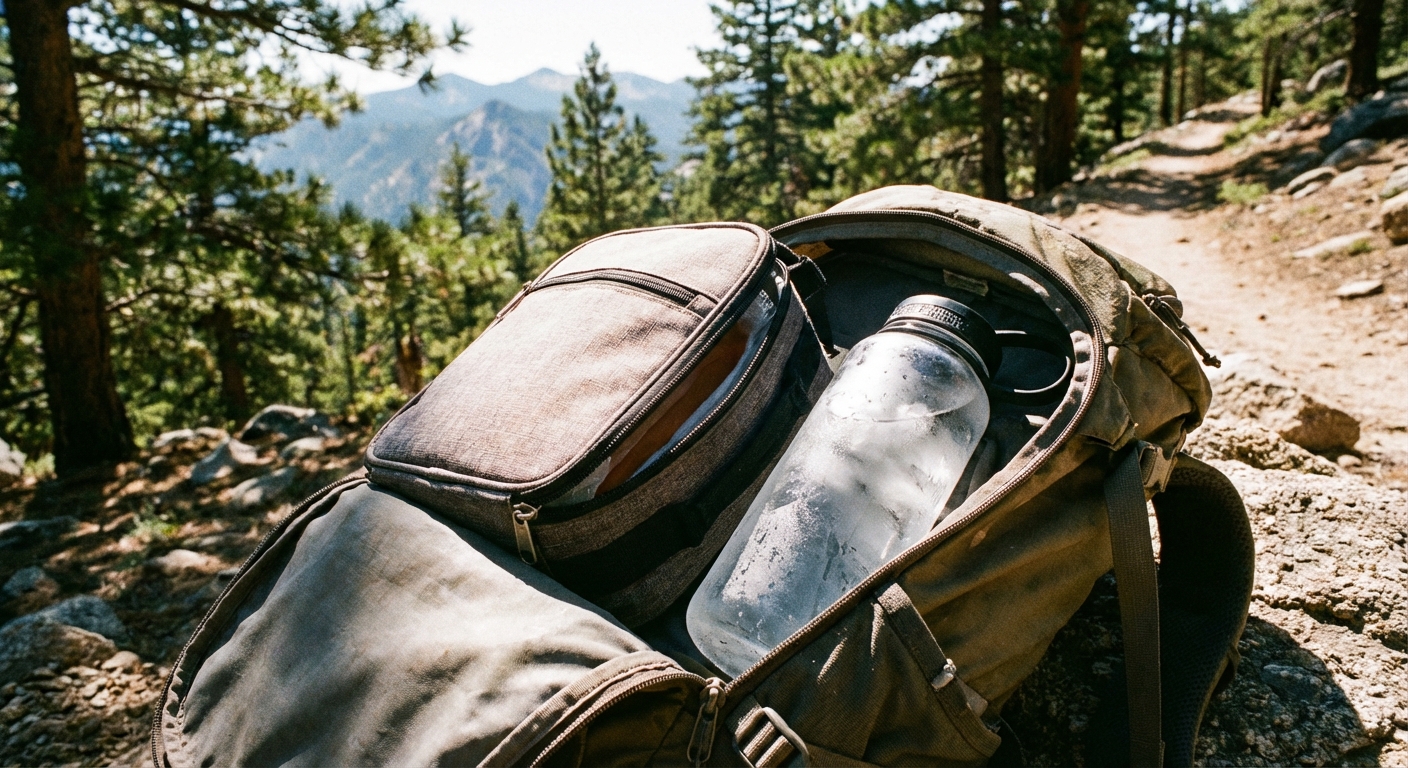
- Add a frozen water bottle as an ice pack (bonus: cold drink later)
- Keep lunch in the middle of your pack, away from direct sun
- When in doubt, follow the 2-hour rule (1 hour if it is very hot): do not let perishable food sit warm for long
Cold and high-altitude notes
Two quick things that sneak up on people: in cold weather you often under-drink, and at altitude some folks lose their appetite. Keep sipping even when you do not feel thirsty, and pack foods you can eat when you are not in the mood.
Also, bars can get rock-hard when it is cold. If that is your reality, keep one bar in a pocket close to your body, or bring softer options like tortillas, fruit leather, or a sandwich.
After the hike: recovery foods that actually help
Post-hike eating is not about being perfect. It is about getting carbs to refill energy, protein to support recovery, and fluids plus electrolytes to feel human again.
Within 60 minutes (especially after hard hikes)
- Chocolate milk or a protein smoothie plus a banana
- Rice or potatoes + eggs
- Greek yogurt + fruit + granola
- A burrito bowl with beans and rice
Later meal ideas
- Big salad plus bread and salmon or tofu
- Pasta with veggies and chicken or lentils
- Stir-fry with rice and extra sauce for sodium
And yes, this is when I go hunting for a local coffee shop if I am near town. Urban comforts are part of the magic.
Dietary restriction swaps
Trail food can be inclusive without being fussy. Here are easy swaps that keep the same “job” of the food intact.
Vegetarian and vegan
- Protein: vegan jerky, roasted edamame, roasted chickpeas, shelf-stable tofu, nut or seed butter packets
- Lunch: tortilla with peanut butter + jam, or a snack-box style lunch with beans or roasted chickpeas
- Recovery: soy milk chocolate drink, lentil bowl, tofu scramble
Gluten-free
- Carbs: rice cakes, GF tortillas, popcorn, potatoes, certified GF oats
- Lunch: snack-box style lunch with GF crackers, or a rice-and-tuna bowl kept genuinely cold
Dairy-free
- Fat and protein: nuts, seeds, nut or seed butter, avocado (short hikes), dairy-free protein bars
- Recovery: smoothie with plant milk, rice bowl with eggs or tofu
Nut-free
- Swap: sunflower seed butter packets, pumpkin seeds, roasted chickpeas, pretzels, jerky
- Tip: check labels carefully on bars, many are processed with nuts
Low-FODMAP or sensitive stomach
- Keep fiber moderate on big exertion days
- Try: rice cakes, bananas, oats, plain tortillas, simple electrolyte mix
- Avoid experimenting with new bars or sugar alcohols on hike day
Leave No Trace reminder
This is the not-fun but very real part of trail food: pack out every wrapper and every crumb of trash.
And yes, that includes “natural” items. Orange peels, banana peels, and nut shells can take years to break down. They also attract animals and teach them to patrol trailheads like tiny, furry lunch thieves. Bring a zip bag for trash, toss it in an outside pocket, and leave the place looking like you were never there.
My simple packing checklist for a day hike
If you want one quick system you can repeat without overthinking:
- Breakfast: carb + protein (oats + nut butter, eggs + toast)
- On-trail snacks: 2 sweet options + 1 salty option + 1 protein option
- Lunch (for 4+ hour hikes): tortilla-based wrap or snack-box lunch
- Hydration: enough water for the route + electrolytes if hot, long, or very sweaty
- Emergency: one extra bar or gel you do not touch unless you need it
- Trash: one small zip bag so packing out wrappers is automatic
Pack what you will genuinely eat, not what you think a “hiker” should eat. The best trail food is the food that still sounds good at mile eight.