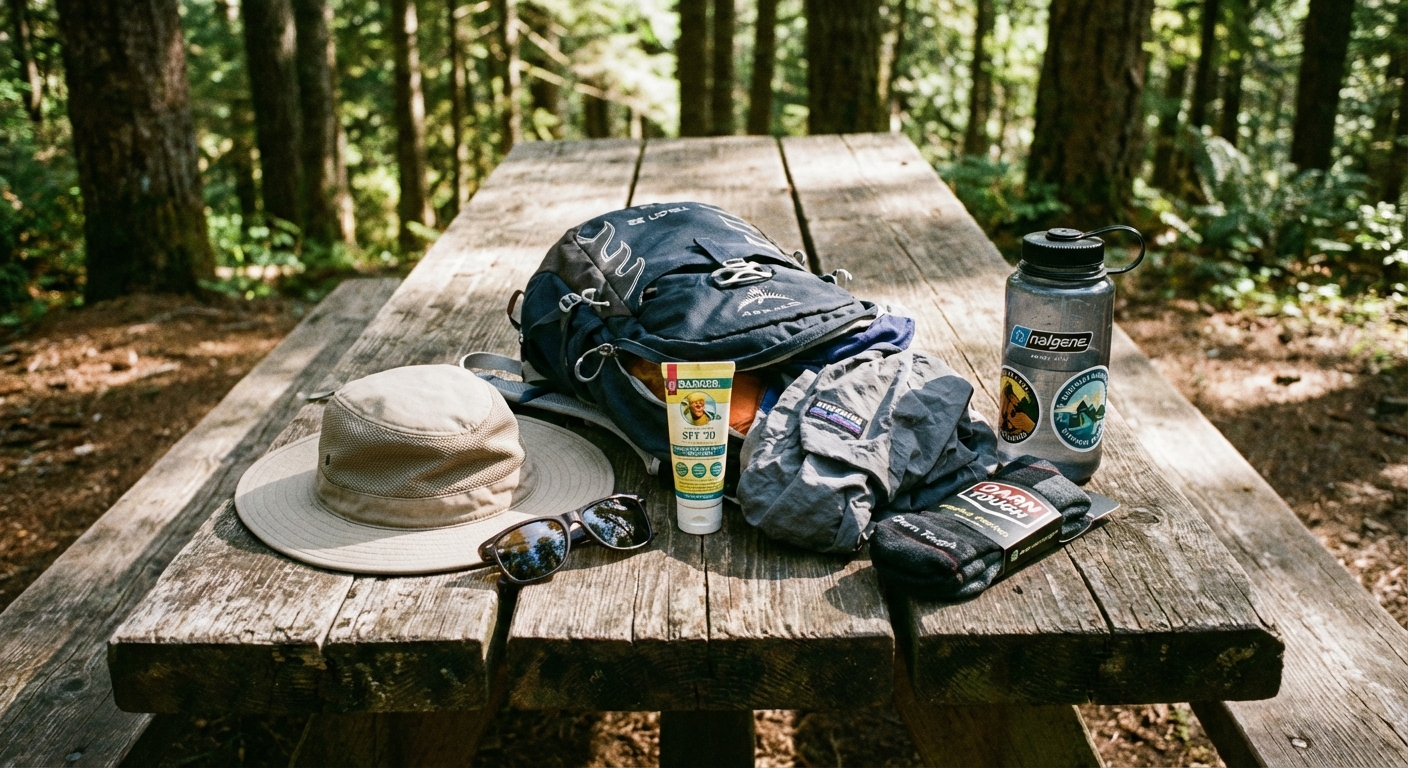
What to Wear Hiking in Summer

Maya Lin
Maya Lin is a travel journalist and outdoor enthusiast who believes the best trips combine rugged adventures with urban comforts. After spending six years backpacking across four continents, she founded Trail & Town Guide to help fellow travelers navigate both hidden mountain passes and bustling city neighborhoods with confidence.
Summer hiking outfits look simple until you are an hour in, sweaty, sunbaked, and realizing your “cute tee and gym shorts” plan is turning into chafing, blisters, and a surprising amount of misery.
The goal is not to look like you are summiting Everest on a local trail. It is to stay cooler, drier, sun-protected, and comfortable from trailhead to post-hike coffee. Here is a head-to-toe system that works for beginners and experienced hikers alike.
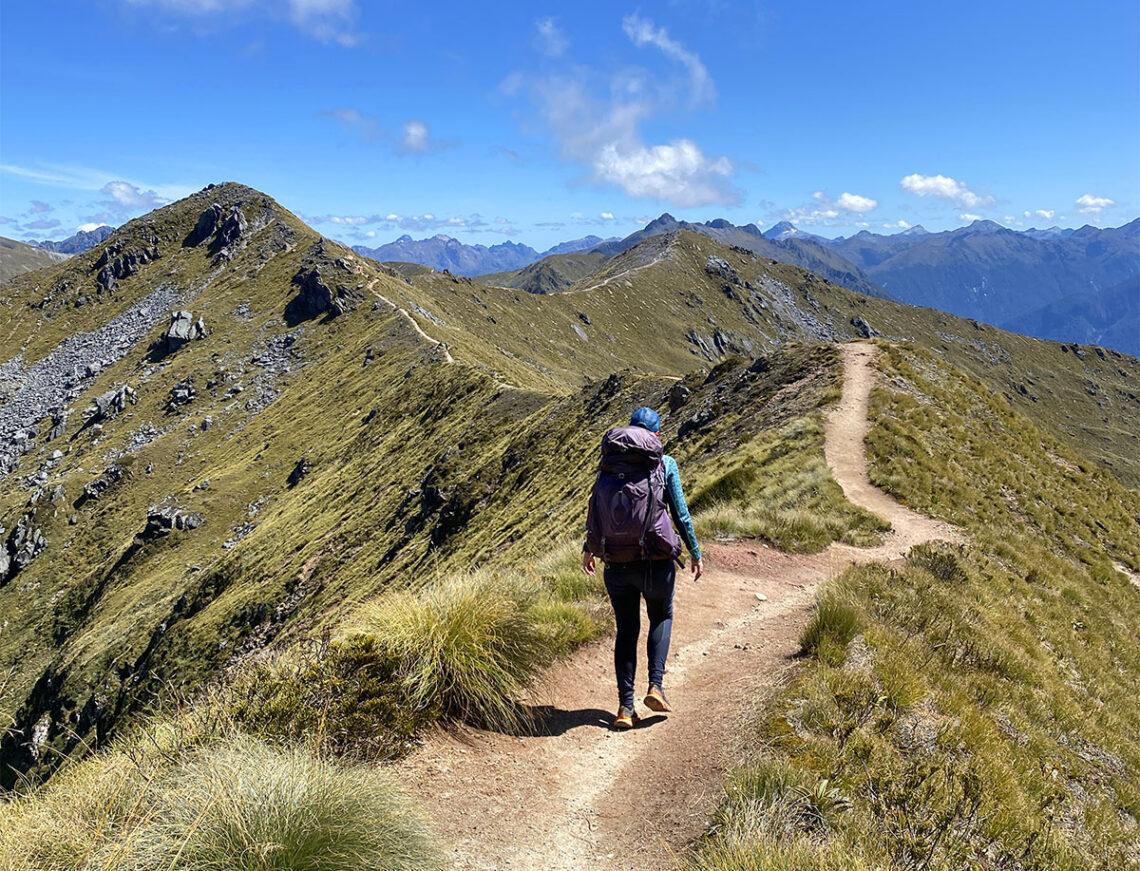
The golden rule: avoid cotton
You will hear hikers say “cotton kills.” That line is mainly about hypothermia risk in cold or wet conditions, but cotton is still a problem in summer. It holds moisture, dries slowly, and stays clammy against your skin. That combo can lead to chafing, hot spots, and yes, you can still get surprisingly chilled if you stop in shade or a breeze after sweating.
Better fabrics for summer hiking
- Polyester or nylon blends: Light, fast-drying, durable.
- Merino wool (lightweight): Breathable, odor-resistant, comfortable across temperature swings.
- Elastane/spandex (small percentage): Adds stretch and mobility. A little goes a long way.
Fabric don’ts
- 100% cotton tees for longer hikes or hot, humid weather.
- Heavy denim or thick casual joggers.
- Non-breathable rain shells as a “wind layer” in heat. They trap sweat fast.
Base layer: what touches your skin
In summer, your base layer is usually just your shirt and underwear. Choose pieces that wick sweat, minimize friction, and play nicely with pack straps.
Tops
Best default: a thin synthetic or merino tee. If the trail is exposed or high UV, a long-sleeve sun shirt can feel cooler in dry heat or breezy, exposed conditions, and it saves you from reapplying sunscreen every hour. In humid, still air, some people prefer a tee for maximum ventilation.
- Look for: UPF rating (30 to 50+), mesh panels, a looser cut for airflow, and a soft interior to reduce rubbing under pack straps. Flat seams are a bonus if you wear a hip belt.
- Skip: thick “performance” shirts made for winter training. If it feels substantial in your hands, it will feel hot on the climb.
Sports bras and underwear
- Sports bra tip: look for a breathable, moisture-wicking under-band with a soft edge (and ideally a wider band) so sweat does not turn it into a chafe strip under your pack straps.
- Choose: seamless or flatlock seams, quick-dry fabric, and a fit that does not shift when you lift your arms or step up rocks.
- Anti-chafe win: boxer-brief style underwear or hiking underwear designed with longer legs to prevent thigh rub.
If you are prone to chafing, carry a small anti-chafe balm. Summer hiking is basically a friction management sport.
Mid layer: optional, but smart
Even in summer, a light mid layer can be the difference between comfortable and miserable when you hit a windy ridge, a shaded canyon, or a surprise temperature drop at elevation. Mountain weather also loves an afternoon plot twist, so check the forecast and plan for wind and storms.
Bring one of these
- Low-bulk fleece or breathable hoodie: Great for high altitude mornings and breezy descents.
- Thin wind shirt: Extremely light, blocks wind without the sauna effect of a rain jacket.
Rule of thumb: if your hike has big elevation gain or starts early, pack a layer even if the forecast looks “hot.”
Sun layer: your real summer shell
Yes, we already talked about sun shirts in base layers. That is because in warm weather, “weather protection” is often sun protection. Think of this section as the strategy: coverage, sunscreen, and a couple of small add-ons that make a big difference.
Color matters
In full sun, lighter colors usually feel cooler because they reflect more heat. Dark colors can feel hotter, but they sometimes hide sweat and can be useful in buggy areas (less visual contrast). If you are unsure, go light on exposed hikes.
Sun-protective shirts
- Button-up sun shirt: Excellent ventilation and easy temperature control.
- Hooded sun shirt: Great for neck and ear coverage, especially above treeline.
Neck gaiter or buff
A light neck gaiter is underrated. It protects your neck, blocks wind and dust, and you can soak it in water for evaporative cooling in dry heat.
Quick reminder: UV exposure increases with altitude and reflection off rock, sand, and water. If you burn easily, treat high alpine days like a beach day that is trying to hurt your feelings.
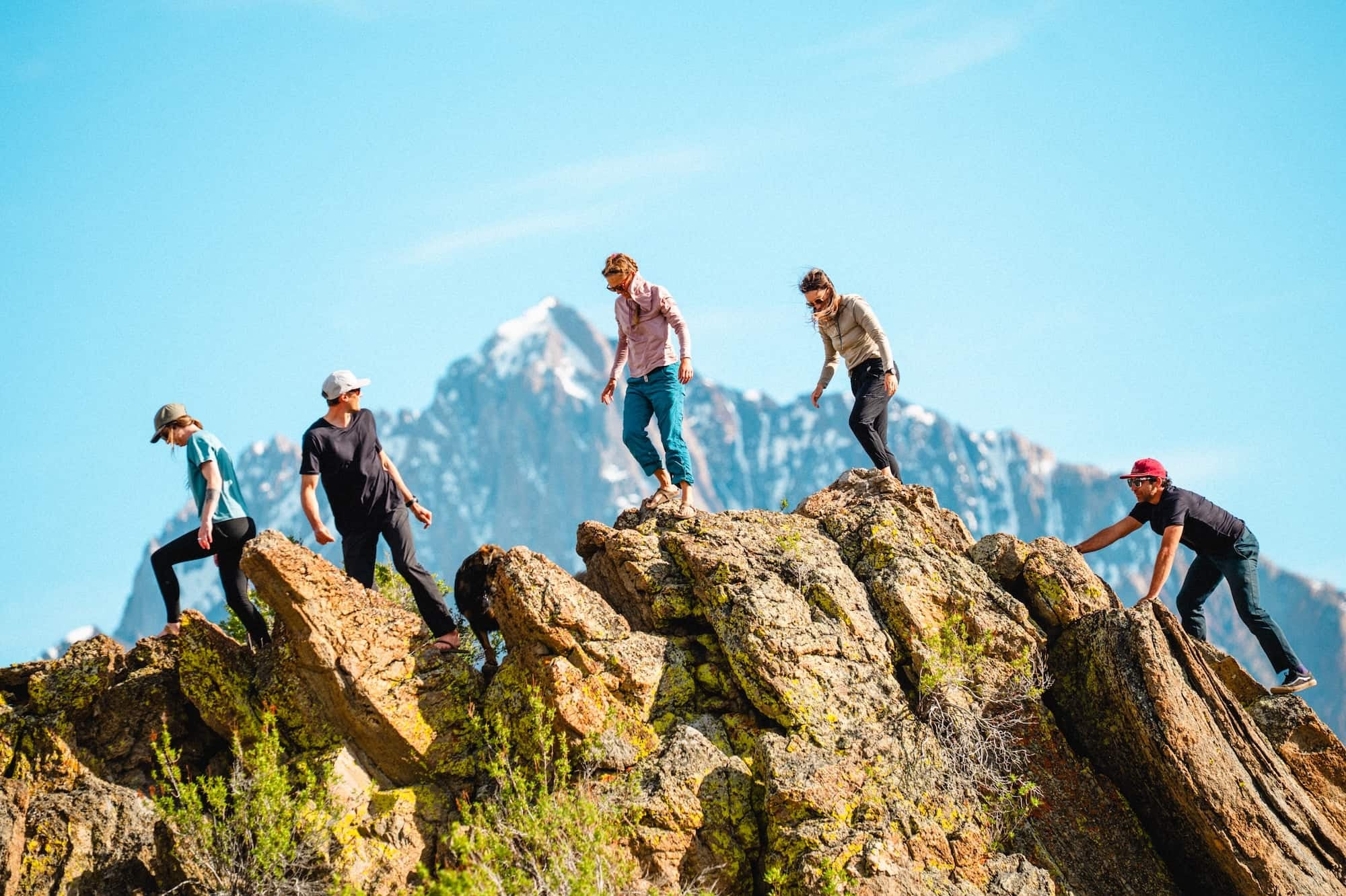
Bottoms: pants vs. shorts
Your legs take a beating in summer: sun, brush, bugs, dusty trail, and the occasional “why is that plant sticky?” moment.
Shorts: when they are ideal
- Hot, humid conditions where ventilation matters most.
- Well-groomed trails with minimal brush and bugs.
- People who overheat easily and do not mind sunscreen on legs.
Choose: hiking shorts with a gusseted crotch (better mobility), quick-dry fabric, and a length that prevents inner-thigh chafe.
Light hiking pants: when they win
- High sun exposure for long hours.
- Brushy trails or off-trail routes.
- Buggy areas where you want a physical barrier.
- Desert hikes where covered skin can actually feel cooler.
Choose: breathable nylon or nylon blend pants, ideally with venting or a looser cut for airflow.
Convertible pants: honest verdict
Convertible pants are not the most stylish item you will ever own, but they are very practical for variable days.
- Pros: adaptable, great for hikes that start cool and end hot, useful for travel when you pack light.
- Cons: zippers can rub, fit is sometimes odd, and they are not always as airy as true shorts.
If you are a beginner building your first kit, convertible pants are a solid “one purchase, lots of trails” option.
Socks: blister prevention starts here
If you only upgrade one thing from your everyday wardrobe, make it your socks. Good hiking socks reduce friction, move sweat, and help your feet stay stable inside your shoes.
What to look for
- Material: merino blend or synthetic blend, not cotton.
- Cushioning: light to medium for most summer day hikes.
- Height: no-show can work, but many hikers prefer crew height to prevent grit and shoe rubbing.
Sock fit tips
- Snug but not tight. Loose fabric creates wrinkles, and wrinkles create blisters.
- Match sock thickness to your footwear. Thick socks in snug shoes can compress your toes and cause hot spots.
Quick blister system
- Stop early: if you feel a hot spot, address it right then. Do not “walk it off.”
- Carry basics: blister tape (or leukotape), a small alcohol wipe, and a tiny bit of foot powder if your feet sweat a lot.
- Optional upgrade: liner socks can help if you blister between toes or on long, hot descents.
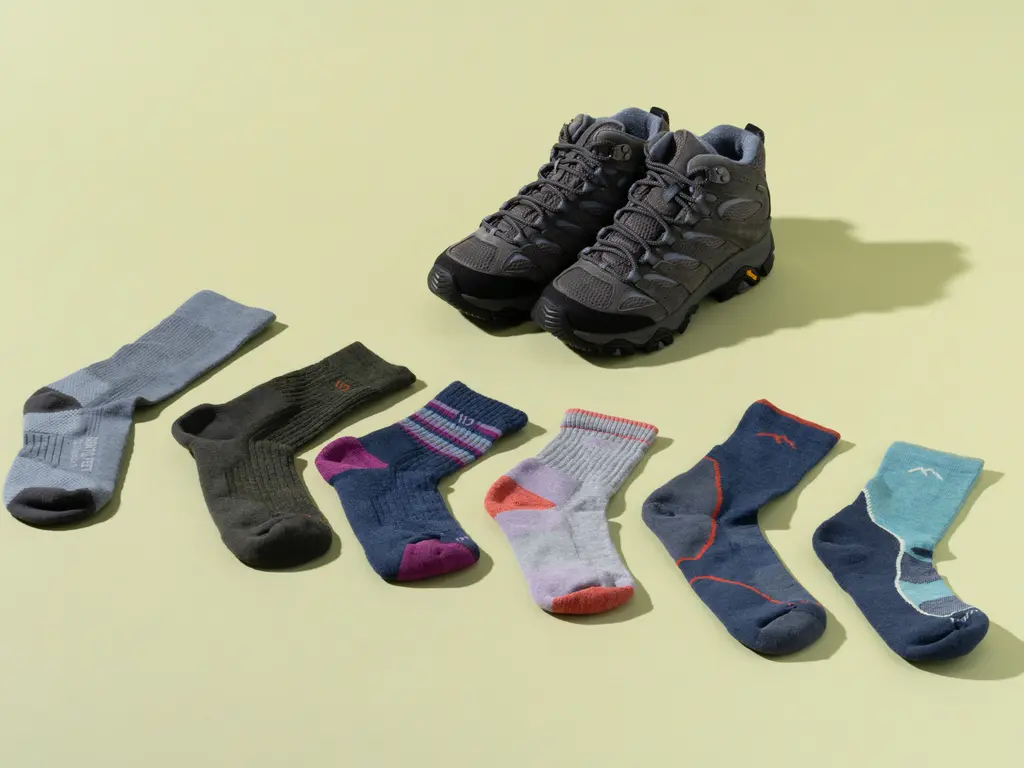
Footwear: trail runners vs. boots
Summer is prime season for lighter footwear, but the best choice depends on trail conditions, pack weight, and your ankles.
Trail runners
- Best for: most day hikes on maintained trails, warm weather, fast drying.
- Why people love them: breathable, lightweight, comfortable right away.
- Watch for: less underfoot protection on sharp, rocky terrain unless you choose a rock-plate style.
Hiking boots
- Best for: rocky terrain, off-trail travel, heavier packs, and people who prefer a stiffer platform.
- Watch for: heat and slower drying. In peak summer, non-waterproof boots often feel better than waterproof ones.
Sandals?
Hiking sandals can work on mellow trails, but they are a foot safety tradeoff. If the route has loose rock, prickly plants, or lots of toe-stubbing potential, closed-toe shoes are the safer call.
Fit check: leave a thumb’s width in front of your longest toe, and test downhill. If your toes hit the front on descents, you will regret it.
Hat and sunglasses: big payoff
Hats
- Baseball cap: good ventilation, great with sunglasses, limited neck protection.
- Wide-brim hat: best sun coverage for face, ears, and neck.
- Cap plus neck cape: a very practical option for desert and high UV days.
Look for breathable fabric, a dark under-brim to reduce glare, and an adjustable fit that will not fly off in wind.
Sunglasses
- UV protection: 100% UVA/UVB is non-negotiable.
- Lens color: gray for true color, brown/amber for contrast on trails.
- Fit: enough coverage to block side glare, especially in bright alpine environments.
Ticks and bugs: do not donate blood
Clothing is part of bug strategy. The other part is repellent and a few simple habits.
- Repellent: DEET or picaridin works well on exposed skin. Follow label directions.
- Tick visibility tip: light-colored socks and pants make it easier to spot ticks before they latch on.
- Sock and pant interface: wearing crew socks and pulling pants over them helps reduce tick access.
- Permethrin (for clothing only): treat pants, socks, and shirts, then let them dry fully before wearing. Keep permethrin away from cats while wet, because it is toxic to them until it dries.
Humid heat vs. dry heat
In humid heat
- Prioritize ventilation: lighter fabrics, looser cuts, mesh panels.
- Shorts often win: unless bugs or brush demand pants.
- Bring a spare top: changing into a dry shirt for the last mile or the drive home can feel incredible.
In dry heat
- Coverage can be cooler: a UPF long-sleeve and light pants protect from sun and reduce sunscreen dependence.
- Use evaporative cooling: wet your hat or neck gaiter if water is abundant.
- Mind the wind: desert breezes can dehydrate you quickly even when you “do not feel sweaty.”
Easy summer outfit formulas
Most day hikes (moderate temps, mixed sun)
- Moisture-wicking tee or UPF long-sleeve
- Hiking shorts or breathable pants
- Merino or synthetic hiking socks
- Trail runners
- Cap, sunglasses
- Light layer in pack if elevation or wind is likely
All-day exposed sun (alpine or desert)
- UPF hooded long-sleeve or airy button-up
- Breathable hiking pants
- Wide-brim hat, sunglasses
- Neck gaiter
- Trail runners or breathable boots depending on terrain
Buggy, brushy trails
- Long-sleeve sun shirt
- Light pants (optionally treated with permethrin)
- Crew socks
- Closed-toe shoes
Quick packing list: summer day hike
Clothing is only part of staying comfortable in heat. This is my simple “do not regret it later” list for most summer day hikes.
Wear
- Wicking tee or UPF long-sleeve
- Shorts or breathable pants
- Hiking socks
- Trail runners or hiking boots
- Hat and sunglasses
Pack
- 1 light layer (wind shirt or thin fleece)
- Rain jacket if storms are possible (common on summer mountain afternoons)
- Extra socks (optional but nice for longer days)
- Water: often 2 liters for a 2 to 4 hour moderate hike, then increase for heat, exposure, altitude, or longer mileage. If you are unsure, bring more.
- Electrolytes
- Sunscreen and lip balm with SPF
- Anti-chafe balm
- Basic first aid and blister care
- Snacks you will actually eat when it is hot
Clothing helps, but it does not replace smart pacing, shade breaks, and knowing heat illness signs. If you get dizzy, unusually chilled, or stop sweating, treat that as a red flag and take action.
If you want one mantra: dress for sun, plan for sweat, and pack one layer for surprises. That is summer hiking comfort in a sentence.