When Does Tioga Road Open?

Maya Lin
Maya Lin is a travel journalist and outdoor enthusiast who believes the best trips combine rugged adventures with urban comforts. After spending six years backpacking across four continents, she founded Trail & Town Guide to help fellow travelers navigate both hidden mountain passes and bustling city neighborhoods with confidence.
Every spring, I watch Yosemite’s Tioga Road like it’s a highly anticipated café opening in my neighborhood. Not because I love refreshing status pages (I do not), but because Tioga Road is the switch that flips Yosemite from “Valley-centric” to “high country sampler platter.” When it opens, Tuolumne Meadows, alpine lakes, and those big-sky granite views suddenly become day-trip easy instead of logistics-heavy.
So when does Tioga Road open? The honest answer is: it depends. The helpful answer is: you can understand what it depends on, which gates actually matter, and what to do with your trip if the road is still buried under spring snow.
The short answer
Tioga Road most often opens sometime between late May and early July. In light-snow years it can open earlier; in heavy-snow years it can push later. Extremes do happen, too: an unusually early spring can bring an opening in late April or early May, while very heavy snow years can push openings into mid or even late July.
The opening date changes every year because the road crosses high elevation terrain, topping out near Tioga Pass at about 9,945 feet, where winter holds on stubbornly.
If you only remember one planning rule, make it this: do not build a must-do itinerary that requires Tioga Road until it is officially listed as open.
Why the date changes
Tioga Road is not a “they forgot to unlock the gate” situation. The opening is a moving target because mountain conditions have to line up.
1) Snowpack and storms
Snow depth varies massively year to year, and spring storms can add feet of new snow even when the calendar says it is time for wildflowers. A warm week can speed progress, then one cold system can slow it right back down.
2) Avalanche and rockfall hazards
Even after plows carve a corridor, crews evaluate avalanche paths and unstable slopes. In some sections, a road that is technically “plowed” is not yet safe to open to the public.
3) Road conditions and repairs
Freeze-thaw cycles, damaged guardrails, downed trees, and spring runoff can create extra work. Sometimes the road needs patching or cleanup before it can handle traffic.
4) Staffing and readiness
Opening a high mountain road is also about readiness. Once Tioga opens, it triggers services, visitor management, and emergency response needs that are very different from a winter or early-spring Yosemite.
Which gates matter
When travelers say “Is Tioga open?”, they are often mixing up a few different barriers. Here are the ones that matter most for planning.
Crane Flat gate
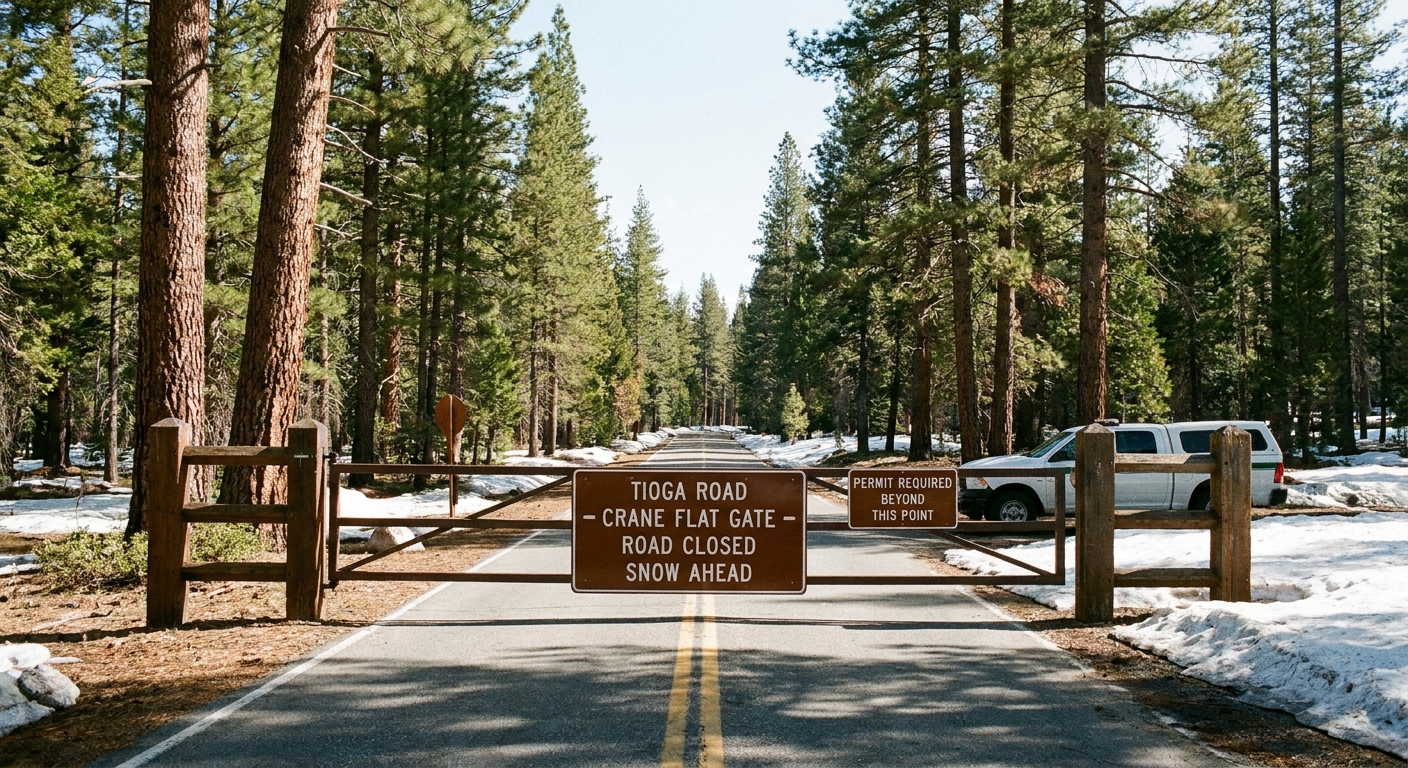
This is the big one for most visitors coming from Yosemite Valley. The closure gate is near Crane Flat, where Tioga Road branches off from Big Oak Flat Road. If it is closed, you cannot drive from the Valley up to Tuolumne Meadows.
One nuance that matters in shoulder season: the exact closure point can shift depending on conditions and operations. If you are trying to gauge how close things are to opening, rely on the official road status (open or closed), not secondhand “the gate is at X” updates.
Tioga Pass Entrance
This is the Yosemite entrance station on the east side near Lee Vining. Even if you are staying in the Eastern Sierra, a closed Tioga Pass Entrance means you cannot drive into Yosemite via Highway 120 over the pass.
Bikes-only windows
Some years, there is a brief window when the road is plowed but not yet open to cars and Yosemite allows bicycle access. This is not guaranteed and policies vary year to year. If it happens, it can be an unforgettable ride, but it is also weather-dependent and can change quickly. Treat it as a bonus, not a plan.
How to check status
I use a two-step approach that keeps me from spiraling into hourly refresh mode.
- Check the official Yosemite National Park road conditions update for “Tioga Road (Highway 120 through the park)” and confirm it is listed as open.
- Cross-check with Caltrans District 9 for Highway 120 conditions outside the park, especially if you are coming from the Eastern Sierra side near Lee Vining. A park opening is great, but you still need the approach roads to cooperate.
One more sanity tip: if you are planning a trip weeks out, track the trend, not the rumor. “Plows are at X location” is interesting, but it is not the same as an opening announcement.
If Tioga is closed
If you planned your trip around the high country and Tioga is closed, it can feel like showing up to a trailhead and realizing you left your boots at home. But you can still have a great Yosemite trip. The move is to shift your focus to experiences that do not require crossing the pass.
Base yourself smart
- Staying in or near Yosemite Valley makes sense if your priority is classic viewpoints, big waterfalls in peak flow season, and easy access to Valley trailheads.
- Staying on the west side (Groveland, Oakhurst, Mariposa) can give you more lodging options and a calmer evening scene, with a longer drive into the Valley.
- Staying on the east side (Lee Vining, Mammoth Lakes) is best if your trip is more Eastern Sierra-focused and you are willing to treat Yosemite as “if the pass opens” rather than the centerpiece.
Plan a two-track itinerary
When I travel in shoulder season, I write two versions of my plan in my notes app:
- Plan A (Tioga Open): Tuolumne Meadows days, high-country stops, and scenic drives across the park.
- Plan B (Tioga Closed): Valley days, Wawona and Glacier Point Road options (if open), plus nearby foothill towns for food and recovery.
This way, a closure does not ruin your trip. It just chooses your itinerary for you.
One important clarification
If Tioga Road is closed, there is no alternate drive into Yosemite that gets you to Tuolumne Meadows by car via Highway 120 through the park. You can, however, still have a fantastic high-elevation trip outside Yosemite on the Eastern Sierra side (and then enjoy Yosemite’s lower-elevation areas that are open on the west side).
Right after it opens
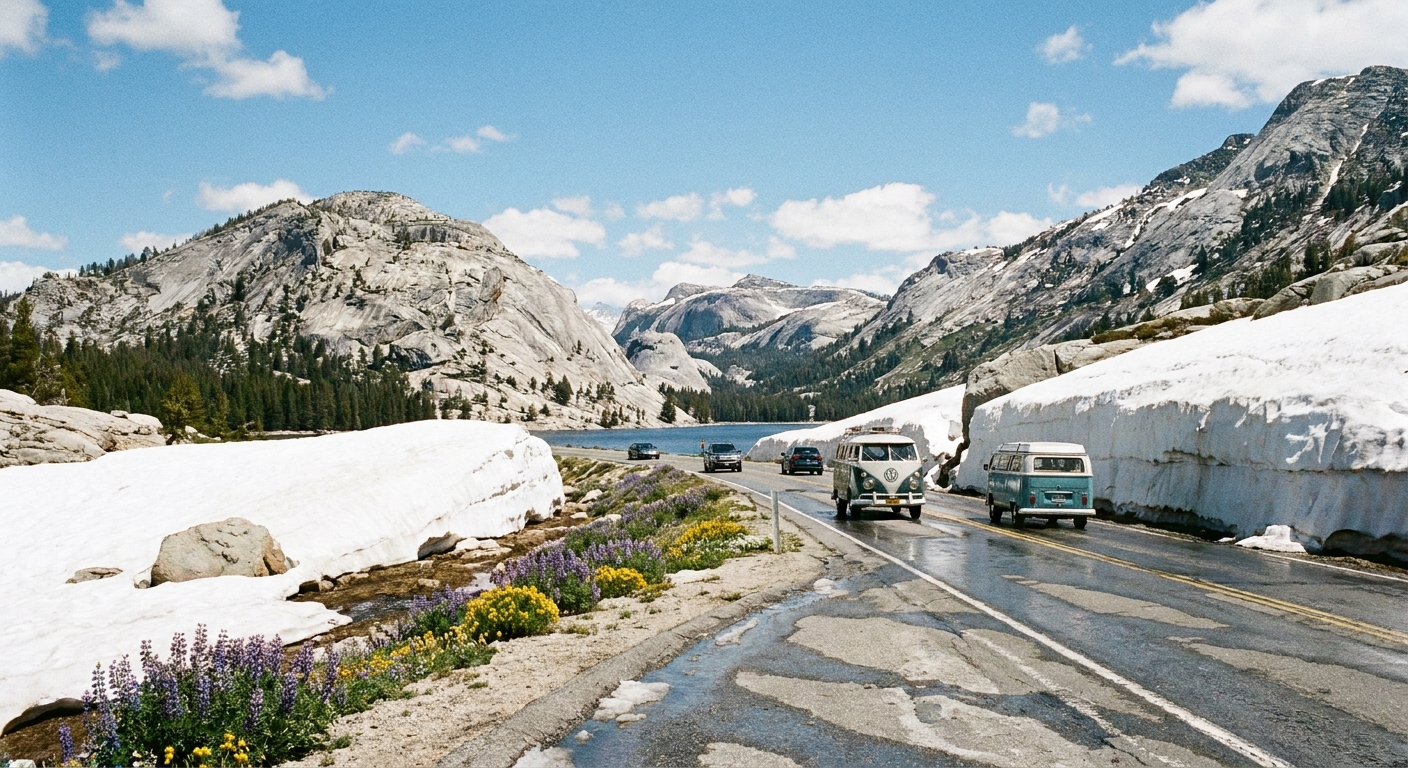
The first days and weeks after opening are magical and a little chaotic. Think: bright sun, tall snowbanks, and everyone acting like they just discovered a secret door into the mountains.
Early-season realities
- Cold mornings even when afternoons feel warm. Pack layers.
- Limited services at first. Some facilities ramp up gradually.
- Fast-changing trail conditions. Snow can linger in shaded areas and on north-facing slopes.
- Epic photo light bouncing off snow and granite. Bring sunglasses and extra water.
And here is the part people miss: road open does not always mean everything up there is fully running. Campgrounds, grills, visitor services, and even basic conveniences can lag behind the plows. Go in expecting fewer food options and have a restroom plan that does not depend on one specific building being open.
If you are the carry-on-only type like me, the MVP items are simple: a warm layer, a rain shell, sun protection, and microspikes or other traction devices if you plan on walking anywhere that might still be icy.
Easy high-country sampler stops
Once Tioga is open, these are the “low-effort, high-payoff” stops I point first-timers toward:
- Olmsted Point for that classic, can’t-believe-this-is-real granite view.
- Tenaya Lake for shoreline wandering and wide-open alpine scenery.
- Tuolumne Meadows area for meadows, river views, and short walks that can be as mellow or as ambitious as you want.
- Tioga Pass area pullouts for the highest-elevation views and the most dramatic snowbank backdrop early in the season.
Common questions
Is Tioga Road the same as Highway 120?
Inside Yosemite, Tioga Road is the segment of Highway 120 that crosses the park from Crane Flat to Tioga Pass. Outside the park, Highway 120 continues west toward Groveland and east toward Lee Vining.
Does Tioga open before Glacier Point Road?
It varies. These roads are plowed and managed differently, and each has its own snow and maintenance challenges. Check each road status separately rather than assuming they move together.
Can I drive around the closure to reach Tuolumne Meadows?
No. If Tioga Road is closed, you cannot drive into Yosemite’s high country and reach Tuolumne Meadows by car via Highway 120 through the park. Your best move is to pivot to areas that are open inside Yosemite, or build a separate high-elevation plan outside the park in the Eastern Sierra.
What is the best timing if my dates are flexible?
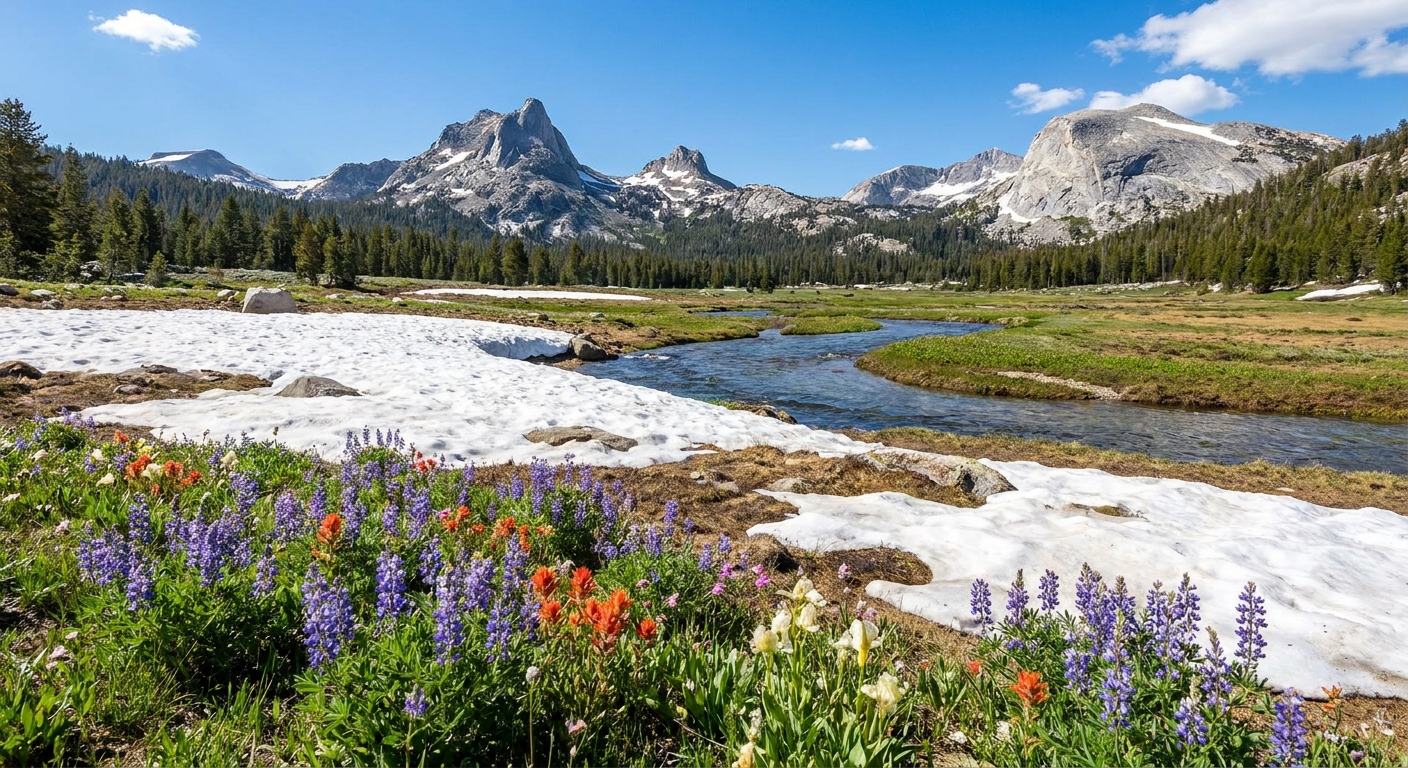
If Tioga access is your top priority, aim for mid-June through September for the best odds. Late June and July tend to be the sweet spot for “open road” plus lingering snow scenery, depending on the year.
Will my phone work on Tioga Road?
Expect patchy to no service in many stretches. Download offline maps before you go, and do not rely on streaming for navigation.
Do I need reservations or permits once it is open?
Maybe. Yosemite’s rules can change year to year, so check the current requirements for any timed-entry system and for any wilderness permits if you plan to hike or backpack beyond the basics. Even when the road is open, paperwork can be the thing that shapes your day more than snow.
My planning rule
I love high country Yosemite, but I have learned not to gamble my whole trip on a single gate swinging open. My rule is simple: book the trip for what will be great either way, then treat Tioga Road as the upgrade.
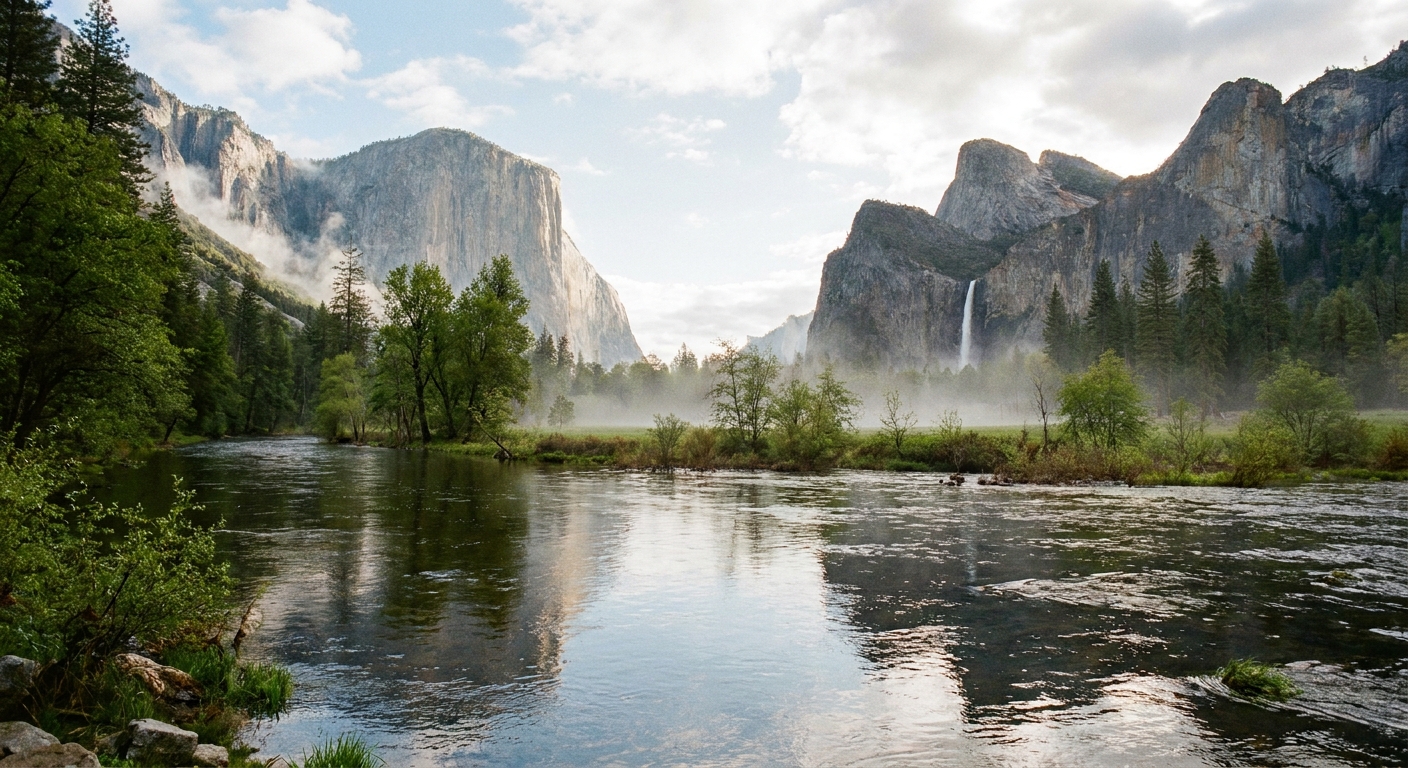
If it opens while you are in the park, you get that electric feeling of possibility. If it does not, you still have granite walls, roaring water (in the right season), and some of the most iconic scenery in the country. Either way, bring a reusable water bottle, take it slow, and make time for one excellent local coffee stop before you hit the park roads.