White Sands National Park: Short Hikes, Sledding, and Safety

Maya Lin
Maya Lin is a travel journalist and outdoor enthusiast who believes the best trips combine rugged adventures with urban comforts. After spending six years backpacking across four continents, she founded Trail & Town Guide to help fellow travelers navigate both hidden mountain passes and bustling city neighborhoods with confidence.
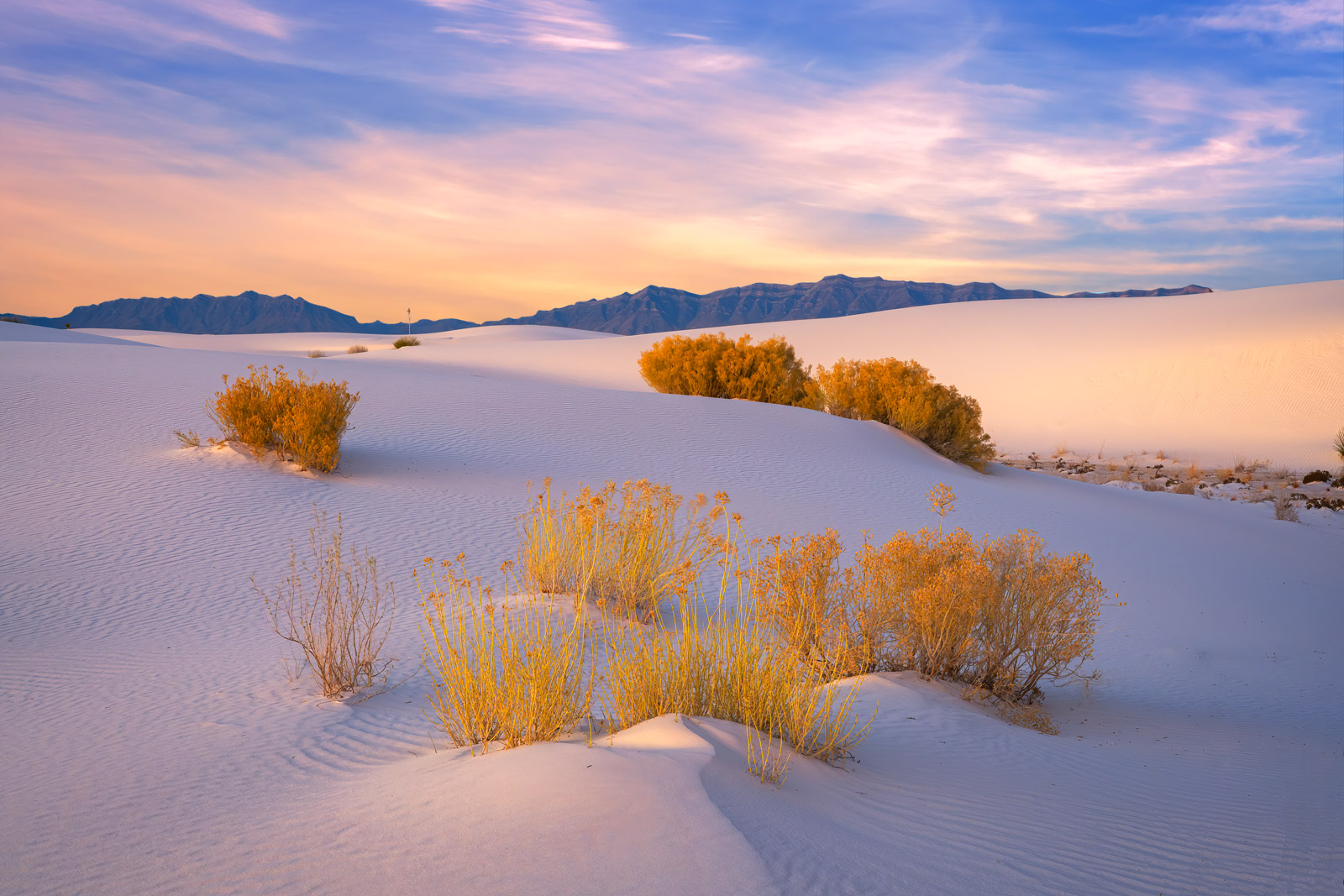
White Sands National Park feels like someone dropped a slice of the Arctic into the Chihuahuan Desert. The dunes are bright, soft, and shockingly white, made of gypsum crystals instead of the tan quartz sand you might expect. It is mesmerizing and also deceptively intense. There is very little shade, the landscape can look identical in every direction, and even “short” walks can feel longer once you are climbing dunes.
The good news: White Sands is perfectly built for a road trip stop. You can do it as an easy half-day, or slow down into a full day with a sunset program, a picnic on the dunes, and yes, sledding. Here is how to plan it like a pro, pick the best short hikes, and stay safe in the desert.
Quick planning: what to know before you go
Where it is and why it works on a Southwest road trip
White Sands National Park sits in southern New Mexico near Alamogordo. It pairs naturally with a loop that includes Las Cruces, Organ Mountains-Desert Peaks National Monument, Carlsbad Caverns, or even a longer swing toward Tucson or Santa Fe. Many travelers treat it as a “drive and wander” stop, but giving yourself a little structure makes the dunes feel magical instead of chaotic.
Half-day vs full-day game plan
- Half-day (3 to 5 hours): Visitor Center, one short trail, a longer dune wander, sledding if you want it, and a scenic drive with photo stops.
- Full-day (6 to 9 hours): Add a picnic, more time off-trail in the dunes, a ranger-led program, and aim for golden hour or sunset.
Entrance, facilities, and the simple logistics that matter
Start at the Visitor Center for current conditions, closures, and program times. Restrooms and water access are concentrated near the front of the park, so treat that as your last “city comfort” stop before heading deeper into the dunes. Cell service can be inconsistent, and the dunes can disorient even confident hikers, so plan like you will not have a signal.
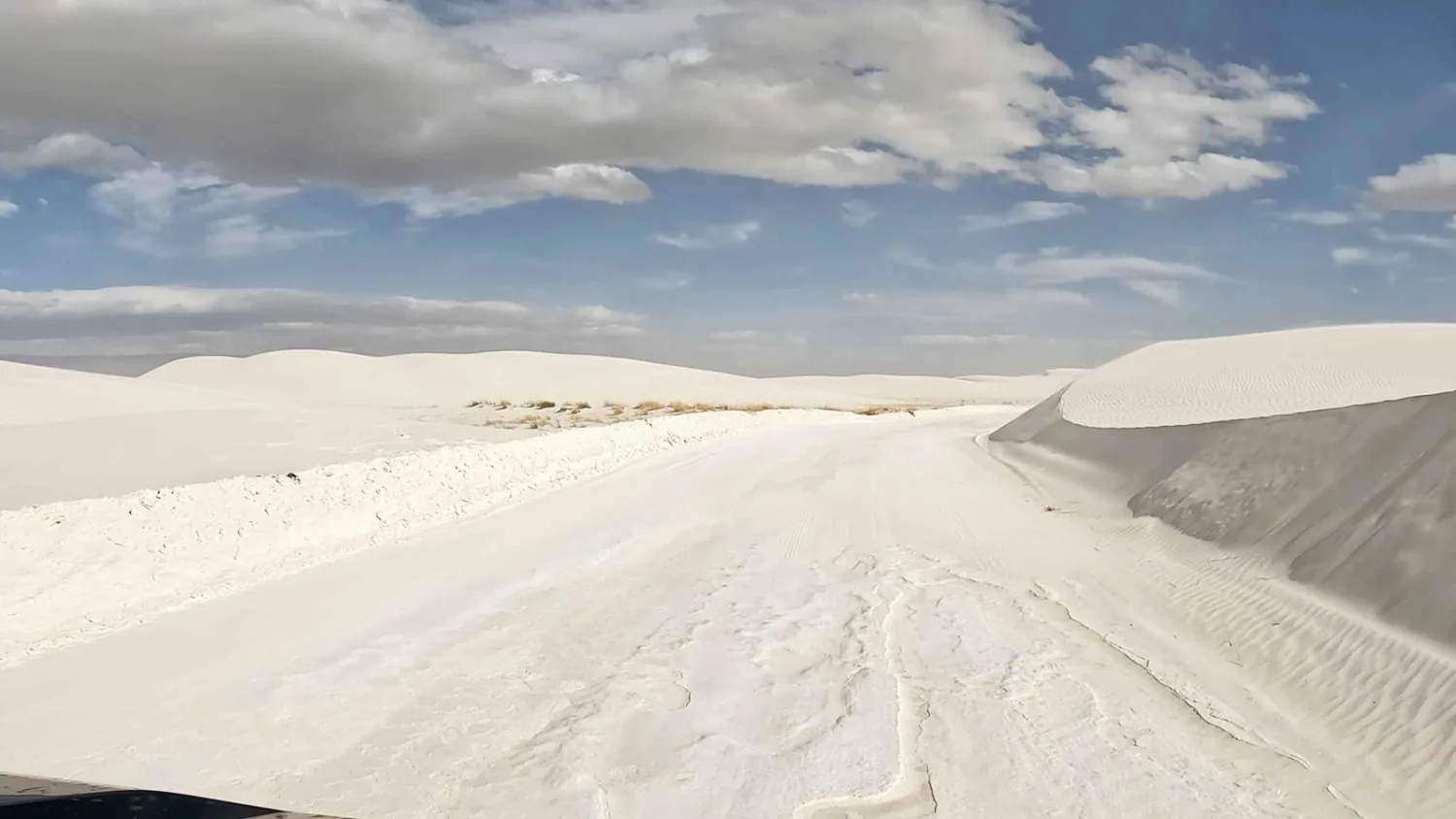
One crucial heads-up: This park sits next to White Sands Missile Range. The park and nearby Highway 70 can close for missile testing, sometimes for hours. Check the NPS site before you go (and again day-of) so you are not surprised by a closed gate when you are trying to catch sunset.
Best time to visit for comfort and photos
For cooler temps
Early morning and late afternoon are your best friends. The sand reflects sunlight and the exposure is nonstop, so midday can feel punishing even in shoulder seasons. If you are traveling in summer, prioritize sunrise and sunset windows, and keep midday for the visitor center, a picnic in a designated area, sledding near a pullout, or a shorter walk close to the road.
For the iconic white-on-white photos
- Sunrise: Quiet dunes, soft light, long shadows that show texture.
- Golden hour: The dunes glow and footprints look sculptural.
- After a wind event: Ripples look freshly combed and footprints disappear faster. Ask rangers about recent conditions.
Wind, weather, and why it changes everything
Wind can be a gift for photos and a challenge for comfort. Blowing gypsum can sting and get everywhere. Bring eye protection if the forecast looks gusty, and consider a lightweight buff or face covering. Also note that storms can develop quickly in the region, and lightning is a serious hazard in open dunes.
Dunes hiking basics: heat, exposure, and navigation
Heat and sun exposure
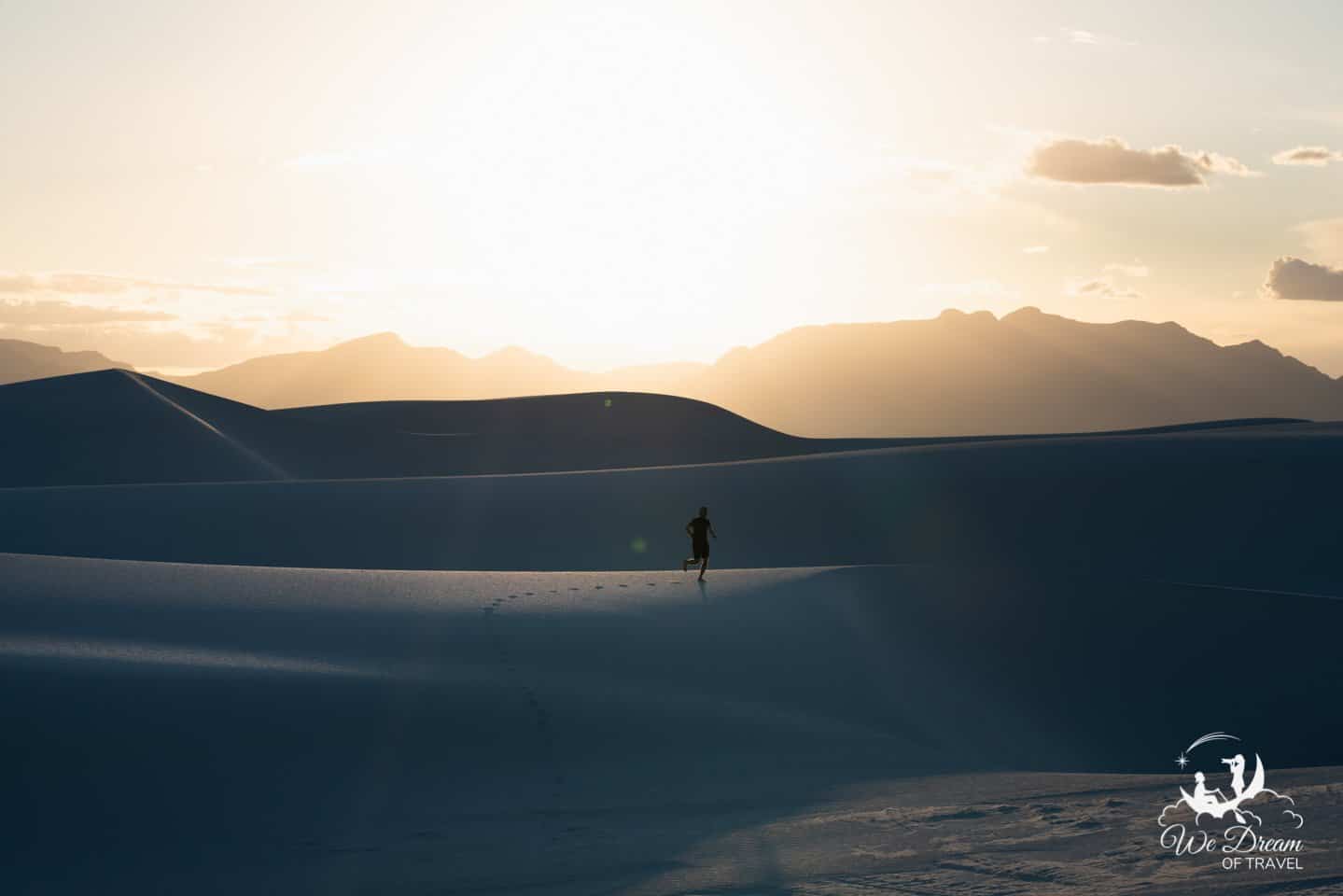
White sand is reflective, which means you get sunlight from above and bounce-light from below. Translation: you can burn faster than you expect. Plan to carry more water than you think you need for a short outing, and pace yourself. If you are used to forest trails, the lack of shade here can be the biggest surprise.
- Hydration rule of thumb: Bring enough water that you can sip regularly, not just “save it for later.” If you are hiking with kids, assume they will need reminders.
- Take micro-breaks: Stop on the leeward side of a dune for a moment of wind relief.
- Watch for heat illness: Headache, dizziness, nausea, confusion, and unusual fatigue are red flags. Turn back early.
Navigation in a landscape with few landmarks
Dunes can scramble your sense of direction because every crest looks like the next. On marked trails, follow the official markers carefully and do not assume you can “shortcut” straight back.
- Know your anchor points: Identify where you parked and note a few fixed references like the road, a mountain line in the distance, or visible structures.
- Stay within your comfort radius: If you go off-trail to explore, set a time limit and turn back before you feel even slightly unsure.
- Do not rely on footprints: Wind erases them, and other tracks can lead you the wrong way.
What to do if you feel disoriented
Stop, breathe, and avoid the panic-walk that takes you farther from where you need to be. Reorient using the trail markers, road direction, and distant mountains. If you cannot confidently re-find your route, return toward a known point like the road corridor rather than pushing deeper into the dunes.
Short hikes and easy loops worth your time
White Sands is not about chasing mileage. It is about moving slowly, feeling the texture of the dunes underfoot, and letting the light change the entire landscape. These shorter options give you a strong “dunes experience” without turning your stop into an all-day trek.
Interdune Boardwalk
If you want an easy, accessible option that still feels immersive, start here. You get a close look at the interdune ecosystem and a quick orientation to the park’s unique environment. It is a great first stop if you are arriving in midday heat or traveling with a mixed group.
Playa Trail
This short walk leads to a normally dry lakebed, a nice change of texture and a good place to talk about how water shapes this landscape. It is straightforward, beginner-friendly, and easy to pair with another trail.
Dune Life Nature Trail
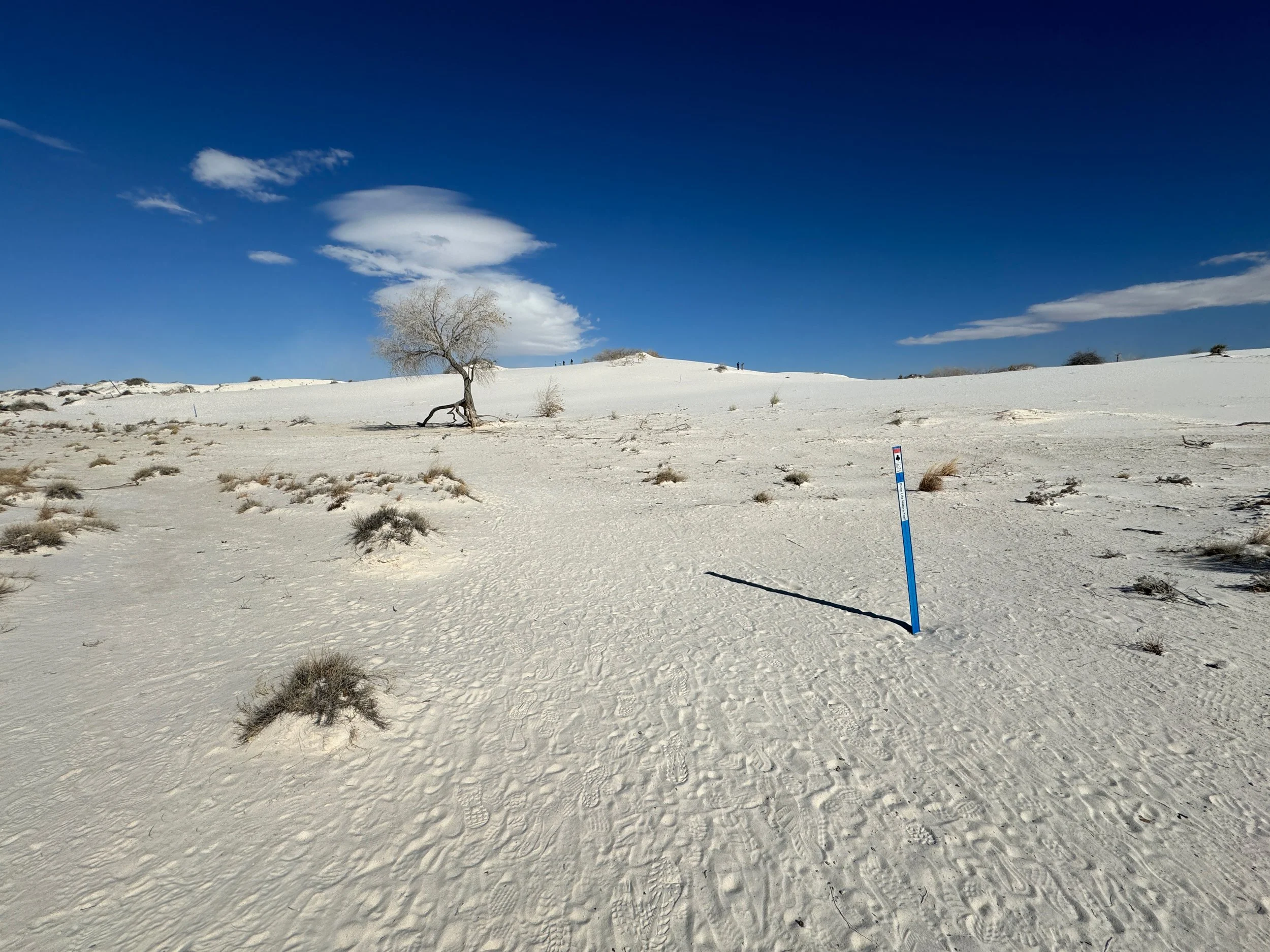
This is the one I recommend for travelers who want a short loop that actually teaches you something. Keep an eye out for animal tracks, especially in cooler hours, and take your time reading the interpretive elements. It is a small effort for a big payoff in understanding what survives here.
Alkali Flat Trail (go as far as you like)
This is the iconic “walk into the dunes” experience. While the full loop is longer than a quick stroll, it is very doable to treat it as an out-and-back for a shorter adventure. Go far enough to get away from the road sounds, then turn around while you still feel fresh. The dunes do not look steep until you climb a few in a row.
My personal strategy: If you are visiting in the afternoon, do a shorter loop first, then return for a longer dune wander closer to sunset when the light gets dreamy and the heat eases.
Sledding: the classic White Sands move
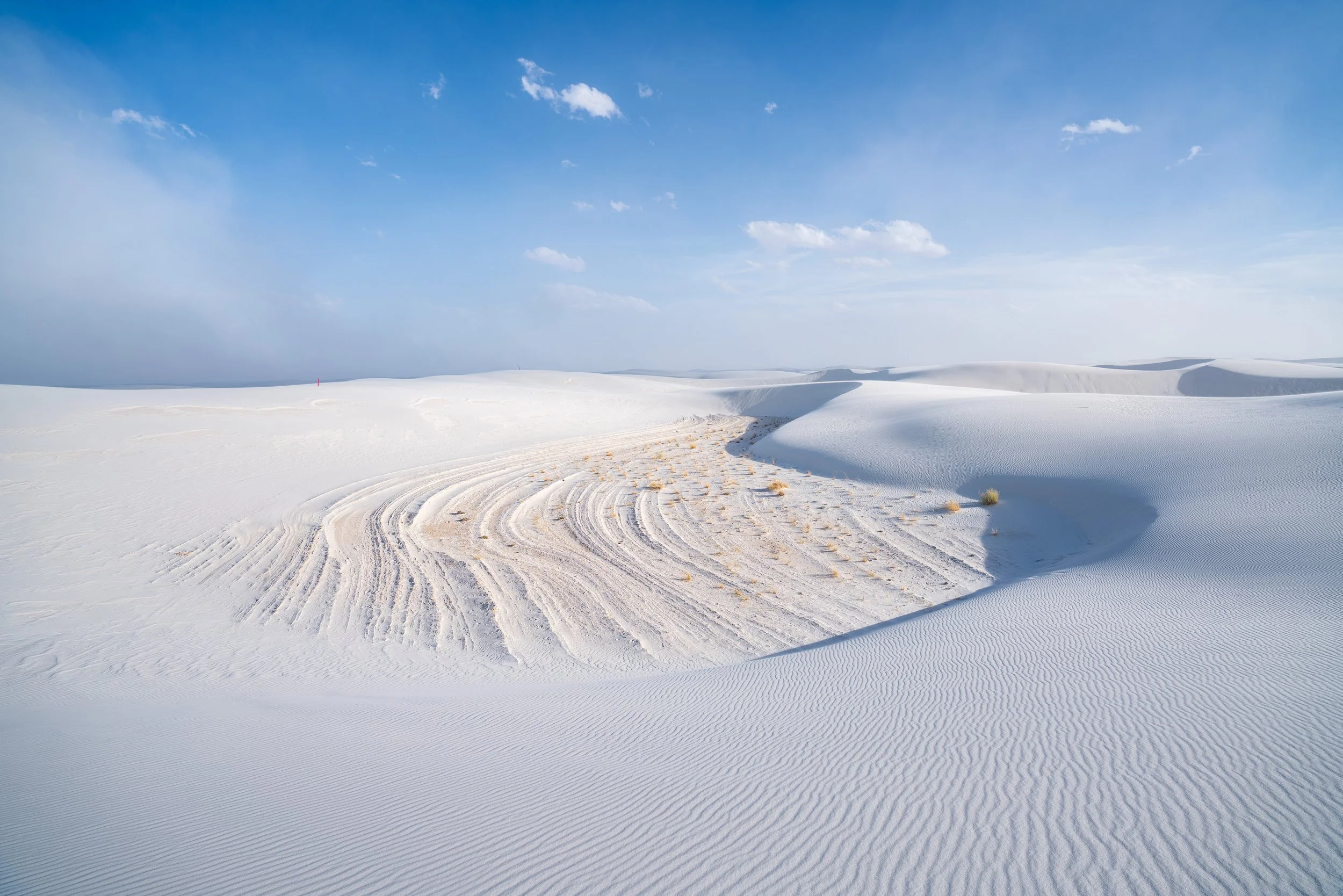
If you have ever looked at these dunes and thought, “This place needs a sled,” you are correct. Sand sledding is one of the most popular things to do here, and it is genuinely fun for kids and adults.
- Bring or buy a sled: Plastic saucer-style sleds (think snow sleds, not inflatable pool toys) work best. You can often buy sleds and wax in the park gift shop, but do not assume availability during busy weekends.
- Wax helps: A quick rub with wax can make a noticeable difference in speed, especially when the sand is a bit soft.
- Pick a smart hill: Start small, avoid crowded slopes, and keep plenty of space between riders. Walking up is the real workout.
One more fun fact that surprises people: gypsum sand stays remarkably cool to the touch compared to typical quartz sand. Even on hot days, it is often comfortable enough for bare feet for short stretches. You still want sun protection and common sense, but the dunes are not the scorching frying pan you might be picturing.
Ranger-led programs and how to use them well
Ranger programs are one of the easiest ways to turn White Sands from “cool photo stop” into “I finally understand this place.” Offerings vary by season, weather, and staffing, so check at the Visitor Center when you arrive.
What to look for
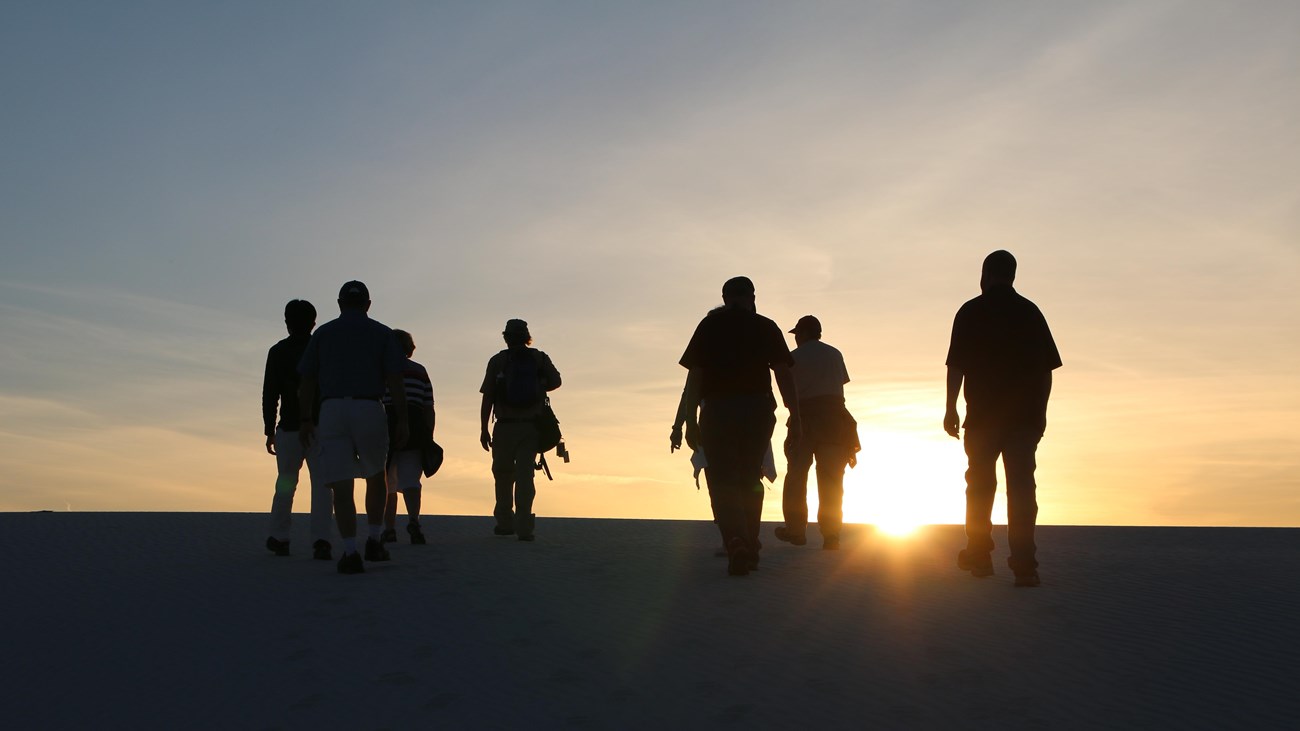
- Sunset strolls: Often the most popular and the most photogenic timing.
- Nature and ecology talks: Great for understanding gypsum dunes, wildlife tracks, and desert survival adaptations.
- Night sky programs: When available, this park can deliver seriously memorable skies thanks to the open horizon.
Why it is worth building your day around a program
Rangers will clue you into current conditions, the best places for safe off-trail exploring, and where dunes are most dynamic right now. It is also a smart choice if you are visiting during a hotter stretch and want to be extra conservative about route-finding. They can also confirm any testing-related closures that may affect your timing.
What to wear on gypsum sand
Footwear that actually works
Gypsum sand is softer than it looks. You will sink a bit, and fine sand will find its way into anything. Choose footwear based on your tolerance for sand and your plan for distance.
- Closed-toe trail shoes or lightweight hikers: Best balance for traction, comfort, and toe protection.
- Gaiters (optional but underrated): If you hate sand in your shoes, bring short gaiters.
- Sandals or barefoot: Unlike darker sands, gypsum stays surprisingly cool even in summer, and many visitors are comfortable in sandals or barefoot for casual dune wandering. The trade-off is protection. Wind-blown sand and occasional sharp bits (like twigs or debris near parking areas) can make closed-toe shoes the more comfortable choice for longer walks.
Sun protection: treat it like beach rules plus altitude vibes
- Wide-brim hat: Better than a cap because there is no shade anywhere.
- Sunglasses: The glare off white dunes is real.
- Sunscreen: Apply early and reapply often. Do not forget ears, backs of hands, and the underside of your nose.
- Light long sleeves: My favorite desert hack. Breathable fabric can feel cooler than bare skin under direct sun.
Comfort extras I always pack
- Wind layer: Even when it is warm, wind across open dunes can feel sharp.
- Bandana or buff: Helpful for wind-blown sand.
- Small brush or spare socks in the car: You will appreciate it later.

Desert safety checklist for White Sands
This is the section I wish more people read before they step into a sea of white dunes with one half-empty bottle of water.
Carry and do
- Bring plenty of water: More than you think for your distance and the temperature.
- Eat something salty: Especially if you are sweating. Pair water with snacks.
- Tell someone your plan: If you are traveling solo, at least let a friend know your general timing.
- Stay weather-aware: Wind and storms shift the experience fast.
- Respect closures and signs: They are often about safety, not inconvenience.
- Check for test closures: If you are threading a tight itinerary, build a buffer in case the park or Highway 70 closes for missile testing.
A note on kids and first-time desert visitors
White Sands looks soft and forgiving, which can make it deceptively easy to wander too far. If you are with kids, set simple boundaries like “we always see the trail marker” or “we turn around when we finish half our water.” It keeps the outing fun instead of stressful. If you are sledding, add one more rule: wait until the slope is clear before you go.
Wildlife and plants
Most wildlife stays hidden during the hottest parts of the day, but you may see tracks and occasional sightings in cooler hours. Give animals space, watch where you put your hands, and keep to established areas where possible. The park ecosystem is fragile, and the dunes shift constantly.
Easy itineraries: copy, paste, enjoy
Half-day White Sands stop (morning or late afternoon)
- Arrive, check conditions, program times, and any testing-related closure updates at the Visitor Center
- Interdune Boardwalk or Playa Trail for an easy warm-up
- Dune Life Nature Trail for context and wildlife track spotting
- Drive Dunes Drive with short photo stops
- Optional: sled for 20 to 40 minutes at a nearby dune pullout
- Optional: quick out-and-back on Alkali Flat Trail until you reach quieter dunes
Full-day version (best for slower travel and sunset)
- Morning: one short loop plus a longer dunes wander while it is cool
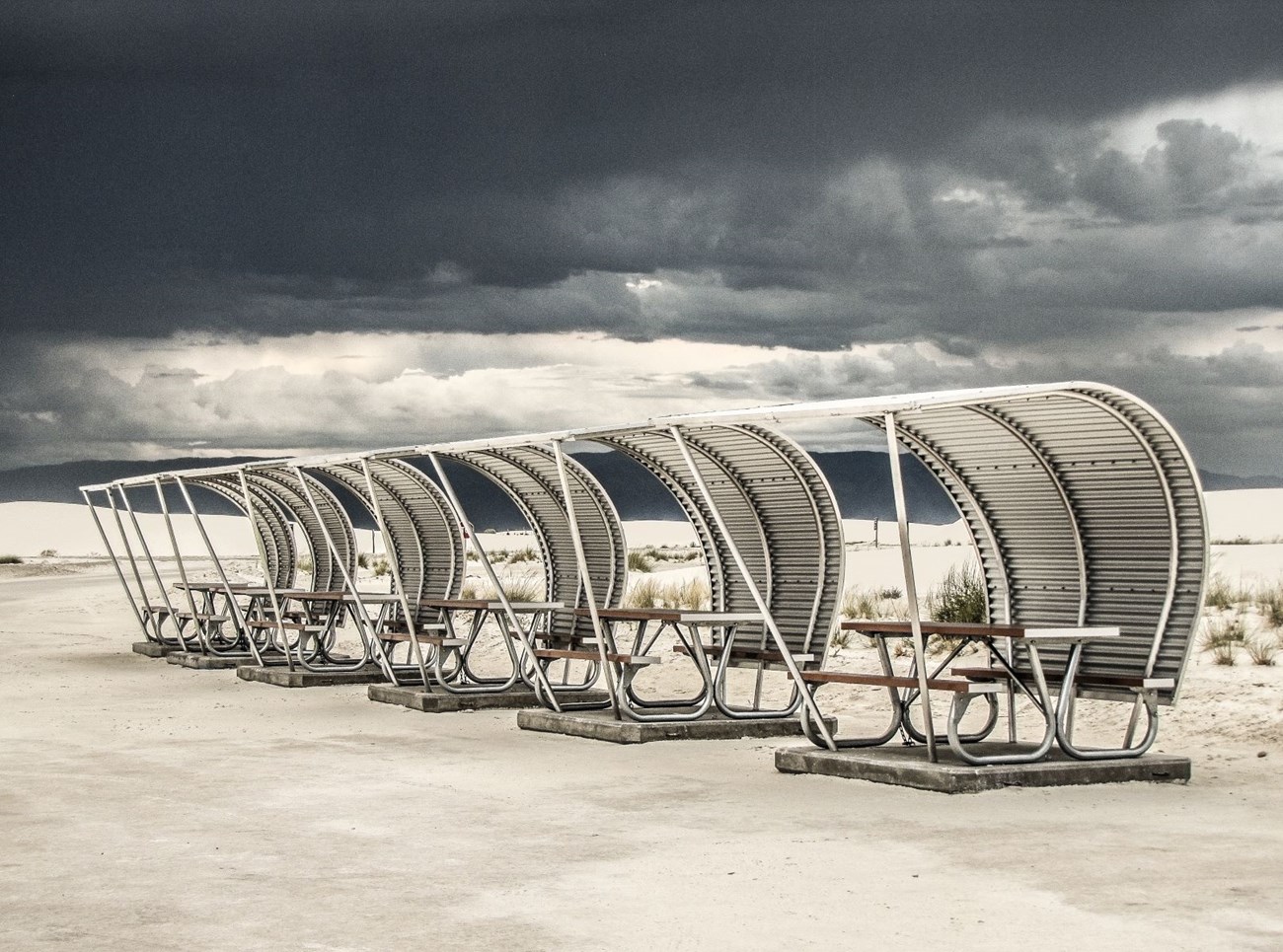
- Midday: picnic break, visitor center exhibits, and sledding or a conservative short walk close to the road
- Late afternoon: return to deeper dunes for golden hour
- Evening: ranger-led sunset stroll or night program if available
Final notes from a carry-on-only traveler
White Sands is one of those places where minimalism works, as long as you are smart about the basics. Bring water, sun protection, and a layer. Pick one short loop, then give yourself permission to just wander, sled a little, and watch the light slide across the dunes. It is a rare landscape that feels both otherworldly and accessible, which is exactly why it deserves a little planning.
If you are building a Southwest road trip, White Sands is the perfect reset button between mountain drives and city nights. A few hours here and your whole trip suddenly feels bigger.