Wind Cave vs Jewel Cave: Your South Dakota Cave Day

Maya Lin
Maya Lin is a travel journalist and outdoor enthusiast who believes the best trips combine rugged adventures with urban comforts. After spending six years backpacking across four continents, she founded Trail & Town Guide to help fellow travelers navigate both hidden mountain passes and bustling city neighborhoods with confidence.
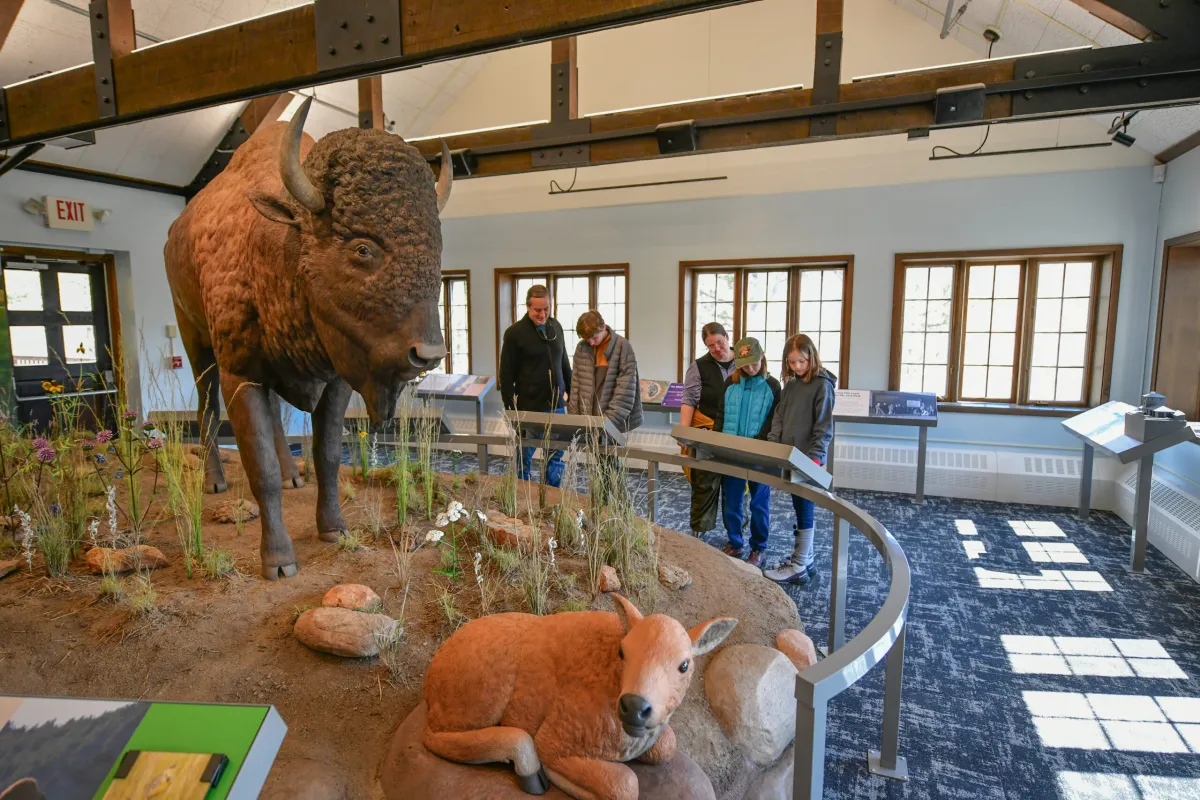
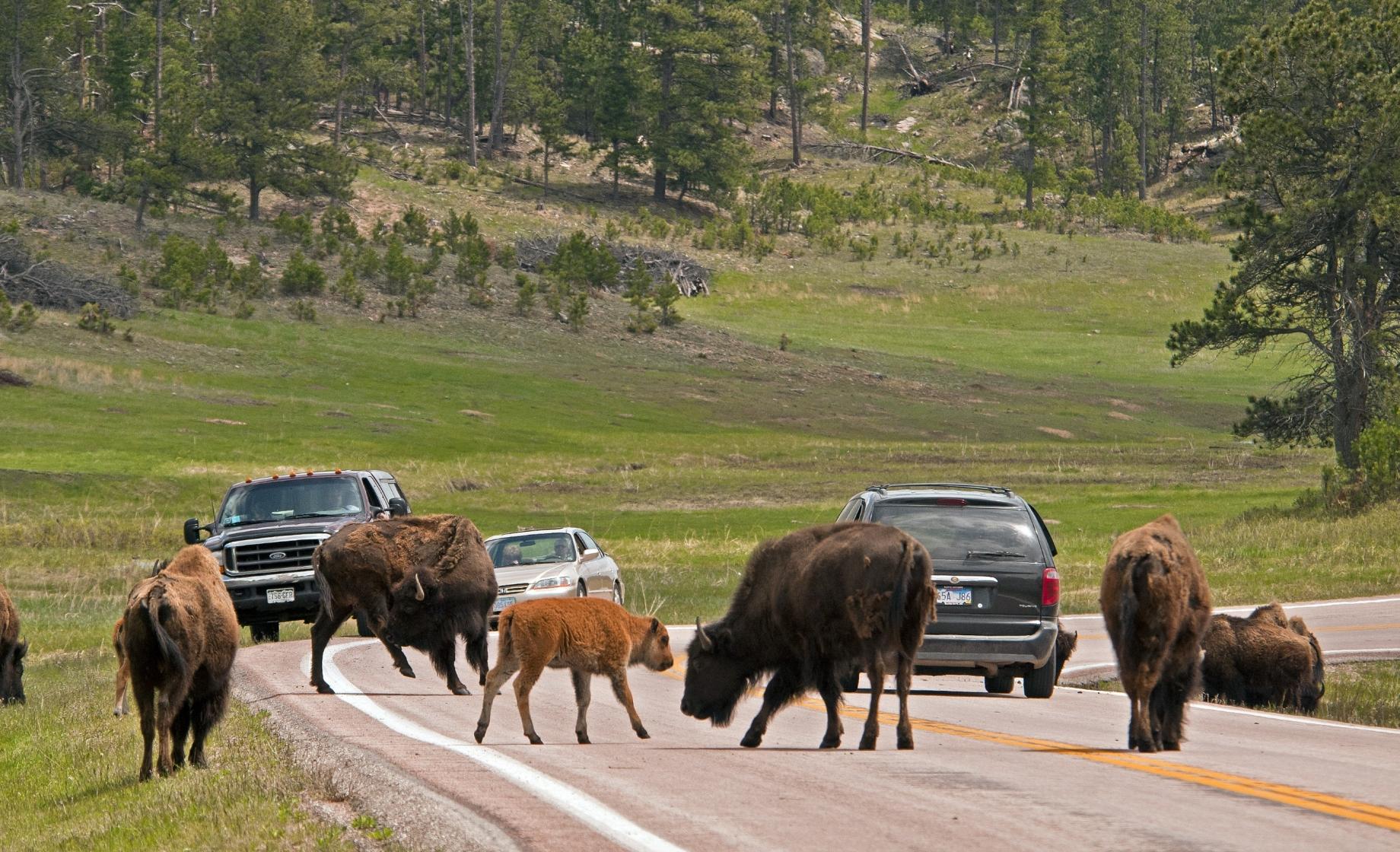
South Dakota does caves in two very different moods. One is a living, breathing labyrinth with strong barometric airflow at the natural entrance, plus a surface park where bison are often seen on the roads and sometimes near the visitor center area. The other is a glittering underground puzzle box with delicate formations and a longer, steeper path into the dark. If you are trying to choose between Wind Cave National Park and Jewel Cave National Monument, the best decision is less about which is “better” and more about what kind of day you want.
This guide breaks it down the way I plan my own trips: ticketed tour reality, above-ground payoff, time budgets from Custer and Badlands loops, and accessibility considerations.
At a glance: choose your cave day
Pick Wind Cave if you want
- A strong above-ground day with wildlife watching and scenic drives even if tours are sold out.
- Shorter tour options that can slot into a Black Hills loop.
- Big payoff with less driving if you are staying around Custer, Hot Springs, or the southern Hills.
- A national park feel with prairie, ponderosa forest, and a sense of space.
Pick Jewel Cave if you want
- Classic cave “wow” with sparkling calcite and dramatic chambers.
- A more cave-forward day where the underground tour is the main event.
- A quieter surface experience and you are fine with fewer wildlife guarantees.
- To pair it with Custer State Park or a scenic drive through the central Hills.
Wind Cave: the best backup-plan cave day
Wind Cave is famous for its boxwork, a rare honeycomb-like formation that looks like stone latticework. But what makes Wind Cave uniquely easy to love is that the park delivers even if your underground plans change. You can show up, pivot to a wildlife drive, and still feel like you had a full day.
Ticketed tours: what to expect
Wind Cave tours are ranger-led and ticketed. Tour offerings and schedules can change by season and operational needs, so treat the visitor center and official alerts as your source of truth. In general, Wind Cave is a good choice if you prefer shorter, approachable tours and a park where the surface experience is part of the point.
- Vibe: educational, historic, and a little wild. The cave’s airflow is real, and rangers will explain how barometric pressure makes the cave “breathe.”
- Physical feel: expect stairs and cool temps. Even shorter tours involve steps.
- Strategy: arrive early, especially in peak summer. If tours are full, shift to the scenic drive and trails rather than forcing the schedule.
Above-ground: wildlife drives and easy wins
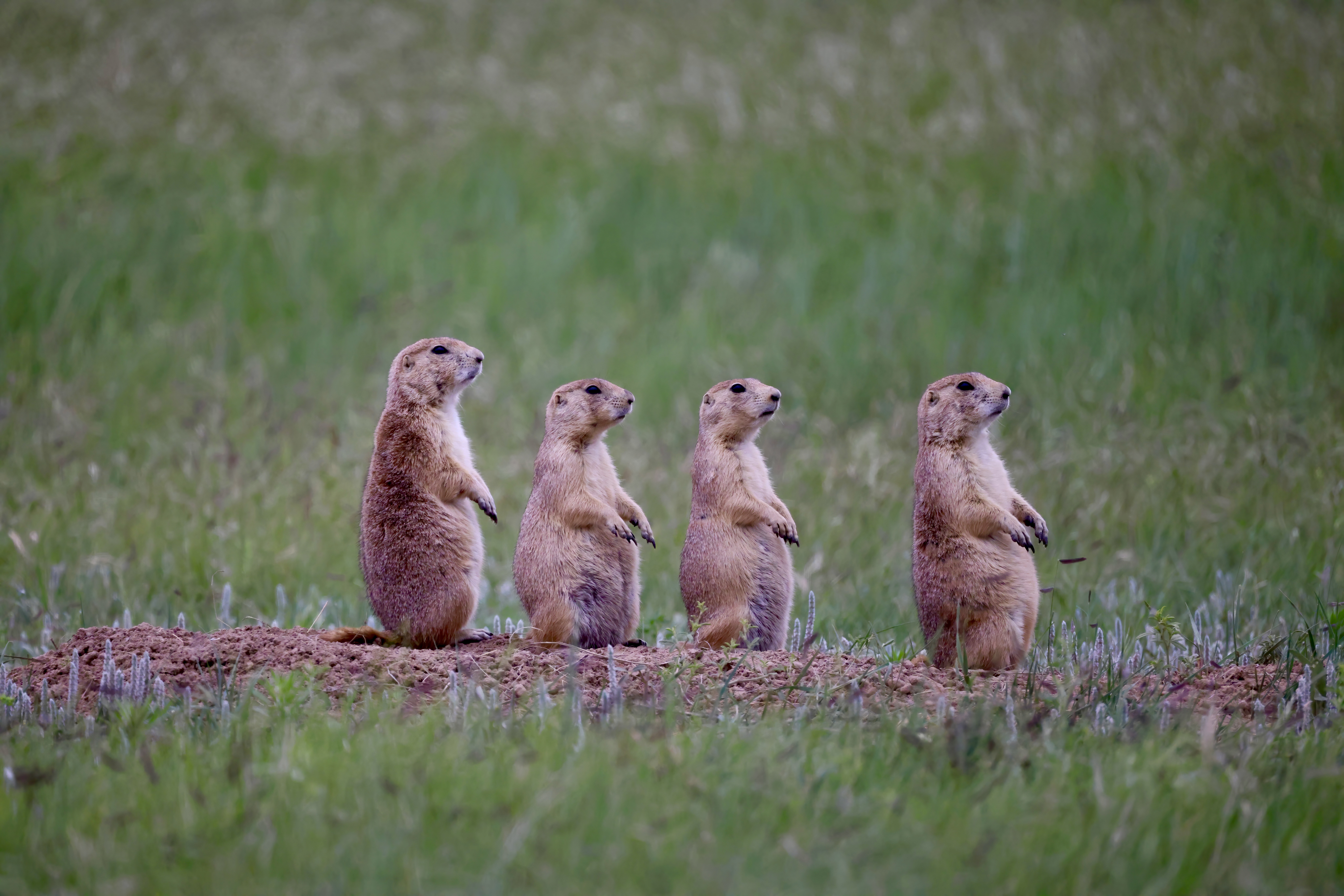
If you have one day and want the highest chance of seeing big animals without committing to an all-day hike, Wind Cave is the better bet. The park’s prairie and mixed forest habitat supports bison, prairie dogs, pronghorn, and plenty of birds.
- Do this: drive the park roads slowly with patience, especially in the morning or late afternoon.
- Add a short walk: try the Prairie Vista Trail for a quick, classic Wind Cave prairie view, or the Prairie Wind Trail if you want a slightly longer, quieter stroll with big-sky payoff.
- Coffee-person tip: plan your caffeine stop in Custer or Hot Springs first, then roll into the park with your thermos and no urgency.
Jewel Cave: the cave-first choice
Jewel Cave leans into the drama. It is among the longest cave systems in the world by mapped passageways, and it has a different visual character than Wind Cave. Think more sparkle and flowstone, with rooms that feel like they were designed for a flashlight beam.
Ticketed tours: what to expect
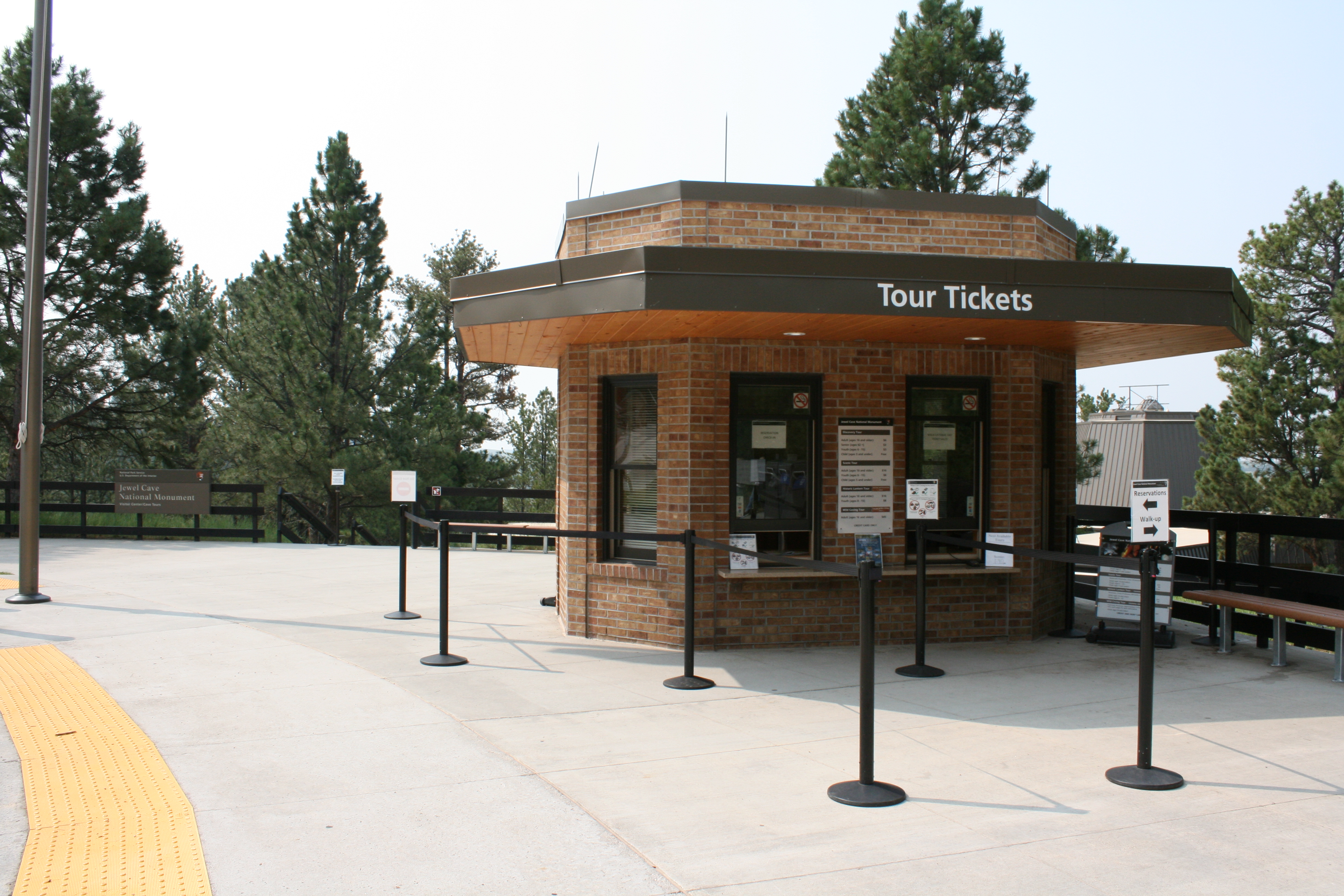
Jewel Cave tours are also ranger-led and ticketed, and they are the core reason to visit. If your group is motivated by “I came to see a cave,” Jewel delivers. The tradeoff is that if tours sell out or a schedule does not line up, the surface options are more limited than at Wind Cave.
- Vibe: cave spectacle and geology deep-dive.
- Physical feel: expect stairs and a longer time underground for many tour options. The climb back out can sneak up on you.
- Strategy: plan your day around the tour time. Build in buffer for parking, check-in, and a slower pace if you are traveling with kids or anyone who needs breaks.
Above-ground: quiet forest and viewpoints
On the surface, Jewel Cave sits in the Black Hills forest. It is pretty and peaceful, but it is not the same wildlife-drive playground as Wind Cave. This is a good thing if you are craving calm. It is less ideal if your crew needs constant “something to see” outside the cave.
- Quick leg-stretcher: the Roof Trail is a short, visitor-center-adjacent loop that gives you a fast hit of pine forest and fresh air between drive time and tour time.
Timing: real-world time budgets
The Black Hills look close on a map until you add real roads, summer traffic, and the fact that cave tours happen at specific times. Here are the practical time budgets I use when building a day. Think of these as planning numbers, not promises.
Drive times (approximate)
- Custer to Wind Cave visitor center: about 30 to 40 minutes.
- Custer to Jewel Cave visitor center: about 20 to 30 minutes.
- Badlands (near Wall) to Wind Cave: about 1 hour 45 minutes to 2 hours 15 minutes.
- Badlands (near Wall) to Jewel Cave: about 2 hours 15 minutes to 2 hours 45 minutes.
How long to budget on site
- Tour time: many standard tours run roughly 60 to 90 minutes, plus time for check-in and staging. Longer specialty tours may be offered seasonally.
- On-site cushion: I like to arrive 30 to 45 minutes early for parking, restrooms, and not doing the stressed-out speed walk.
- Total “cave stop” block: plan 2.5 to 4 hours if you want the tour plus a little surface wandering.
If you are based in Custer
- Wind Cave day: usually the easiest cave day from Custer. You can do a morning tour, a midday wildlife drive, and still be back in town for dinner.
- Jewel Cave day: also very doable, especially if you pair it with Custer State Park, a scenic drive, or a quick stop at a viewpoint.
If you are looping from Badlands National Park
This is where many travelers overbook themselves. Badlands mornings are incredible, but caves add distance and fixed tour times.
- Badlands to Wind Cave: feasible as a long day if you start early and treat the cave as your main afternoon anchor. Better if you overnight in the southern Hills (Custer or Hot Springs area).
- Badlands to Jewel Cave: possible but typically a longer haul, and the day works best if your cave tour time is not too early. Consider making it a travel day that ends in the Hills rather than a pure out-and-back.
My rule: if you are coming from the Badlands and you only have one cave day, choose the cave that requires the least schedule stress. The best cave tour is the one you are not sprinting into.
Tickets: how to avoid sold out
Cave tours in summer can fill fast. And unlike a hiking trail, you cannot just wander in whenever you feel like it.
- Book in advance on Recreation.gov: for much of the season, a large share of tour tickets are released online weeks to months ahead. If you have a specific day in mind, this is the move.
- Check official sites the night before: tour schedules, seasonal offerings, and any alerts can shift due to staffing, maintenance, or weather.
- Arrive early: even with tickets, you want time to park, use restrooms, and get lined up.
- Build a Plan B: Wind Cave’s Plan B is excellent (wildlife drive plus short trails). Jewel Cave’s Plan B is more limited, so your Plan B should be “do something else in the Hills” rather than “hang around the monument all day.”
Accessibility and comfort
Both sites involve underground environments that can be challenging for some travelers. The biggest factors are stairs, lighting, cool temperatures, and tight spaces depending on the tour.
One important clarification: elevators are part of the standard tour logistics at both parks. Depending on the tour, an elevator may take you down into the cave, up out of the cave, or both. That said, the tour routes themselves still include lots of stairs and can involve long stretches of stepping up and down underground. So the elevator helps, but it does not erase the stair reality.
Accessibility varies a lot by specific tour route, so it is worth reading the current tour description closely and asking a ranger if you are trying to match a tour to your comfort level.
What “cool” means
- Wind Cave: about 54°F (12°C) year-round.
- Jewel Cave: about 49°F (9°C) year-round.
Questions to ask before you book
- Stairs: How many, and are they continuous? Many visitors underestimate the climb, especially after time underground.
- Claustrophobia: Are there narrow sections on your selected tour?
- Mobility needs: Is there a tour that minimizes stairs relative to others, and how does the elevator factor into entry and exit for that specific route?
- Kids: Is everyone comfortable in dim spaces for the full tour length?
- Air and temperature: Both caves feel chilly even when it is hot outside. Bring a light layer.
My packing mini-list
- Light jacket or long-sleeve layer
- Closed-toe shoes with grip
- Water bottle for before and after the tour
- A small snack for the car
Pairing ideas: make it a full day
Wind Cave pairing
- Morning: cave tour
- Midday: picnic lunch and scenic drive in the park
- Afternoon: Prairie Vista Trail or Prairie Wind Trail, then a quick stop in Hot Springs or back to Custer for coffee and a slow wander
Jewel Cave pairing
- Morning: scenic drive through the Hills, then lunch near Custer
- Afternoon: cave tour as the anchor
- Evening: Roof Trail if you want a calm reset after the tour, or golden-hour wildlife loop in Custer State Park if you have the energy
So, which one should you choose?
If you want the most forgiving itinerary with great odds of wildlife and a satisfying day even if tickets do not work out, go with Wind Cave.
If your priority is a classic cave experience and you are happy to build the whole day around a scheduled tour time, choose Jewel Cave.
And if you can swing it, the real Black Hills flex is doing both on separate days. One for the breathing prairie park, one for the glittering underground cathedral.
Quick FAQ
Can I do both caves in one day?
It is possible on paper, but it usually feels rushed because tours are timed and you will spend more time driving and waiting than enjoying. If you only have one day, pick one cave and do it well.
Which is better for wildlife?
Wind Cave is typically better for above-ground wildlife watching, especially bison and prairie dogs.
Which is better if I cannot do lots of stairs?
Both caves can involve significant stair climbing, and tour options vary by season. Elevators can help with part of the in-and-out, but they do not eliminate the stair-heavy nature of the underground routes. Check the current tour descriptions and ask rangers for the most accessible choice. If stairs are a dealbreaker, consider making your day a scenic drive and surface trails instead.