Yellowstone Gateway Towns: Where to Stay, Eat, and Explore

Maya Lin
Maya Lin is a travel journalist and outdoor enthusiast who believes the best trips combine rugged adventures with urban comforts. After spending six years backpacking across four continents, she founded Trail & Town Guide to help fellow travelers navigate both hidden mountain passes and bustling city neighborhoods with confidence.
Yellowstone is big enough to humble even the most confident trip planner. Distances add up fast, wildlife slows traffic, and the “quick loop” you imagined becomes an all-day affair with a few geyser stops and one bison jam. That is why choosing the right gateway town matters as much as choosing the right hikes.
Below, I break down five classic bases around Yellowstone: West Yellowstone, Gardiner, Cooke City, Jackson Hole, and Cody. You will get the vibe check, which entrance each town serves, where to stay, where to eat, and a handful of day hikes you can realistically do without spending your entire vacation in the driver’s seat.
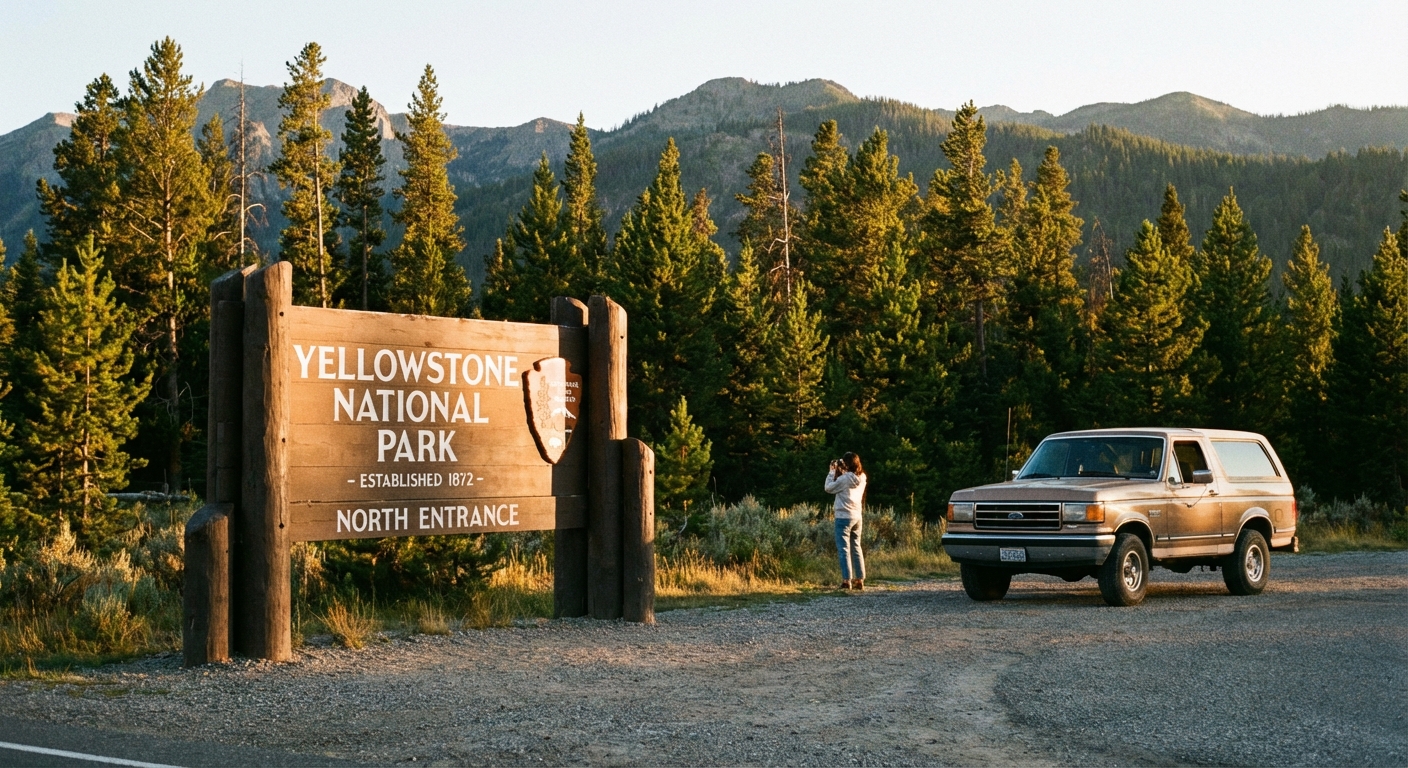
Quick comparison
If you want a fast pick, start here. Then scroll for the details, including hikes.
- Best for first-timers who want convenience: West Yellowstone (easy summer access to the Old Faithful corridor)
- Best for wildlife and the Lamar Valley: Gardiner or Cooke City
- Best for pairing Yellowstone with Grand Teton and a real town scene: Jackson Hole
- Most low-key and sunrise-friendly for Lamar: Cooke City
- Best for the East Entrance and a classic Western road trip vibe: Cody
| Town | Closest entrance(s) | Best for | Tradeoffs |
|---|---|---|---|
| West Yellowstone, MT | West Entrance (summer access; winter closed to regular vehicles) | Old Faithful, Grand Prismatic, family-friendly logistics | Busy in summer, more “gateway” than “mountain town” |
| Gardiner, MT | North Entrance (often the most dependable year-round road access, but closures can still happen) | Mammoth, wildlife, quick access to Lamar Valley drives | Fewer big-box conveniences, smaller lodging inventory than West |
| Cooke City, MT | Northeast Entrance via Lamar Valley (Beartooth Highway access is highly seasonal) | Lamar Valley dawn and dusk, solitude, wolf-watching vibes | Remote, limited services, shoulder seasons can feel very quiet |
| Jackson, WY | South Entrance (via Grand Teton) and close to Moose/GTNP | Comfort, food scene, Tetons plus Yellowstone combo trips | Pricy, longer drive to Yellowstone’s main geyser basins |
| Cody, WY | East Entrance (scenic approach through Shoshone and near Yellowstone Lake) | Road trip logistics, museums, East-side sightseeing | Longer drives to the park’s core loops, early starts required |
Packing tip: No matter which town you pick, pack layers like you mean it. Yellowstone mornings can feel like winter, and afternoons can swing warm and bright. A light puffy, rain shell, and a beanie earn their seat in your daypack. Flying in? You cannot bring bear spray on planes, so plan to buy it locally.
Map tip: Yellowstone planning gets easier when you think in two chunks: the Lower Loop (Old Faithful, Grand Prismatic, Canyon) and the Upper Loop (Mammoth, Lamar). Trying to “see it all” every day is how you end up living in your car.
West Yellowstone, Montana
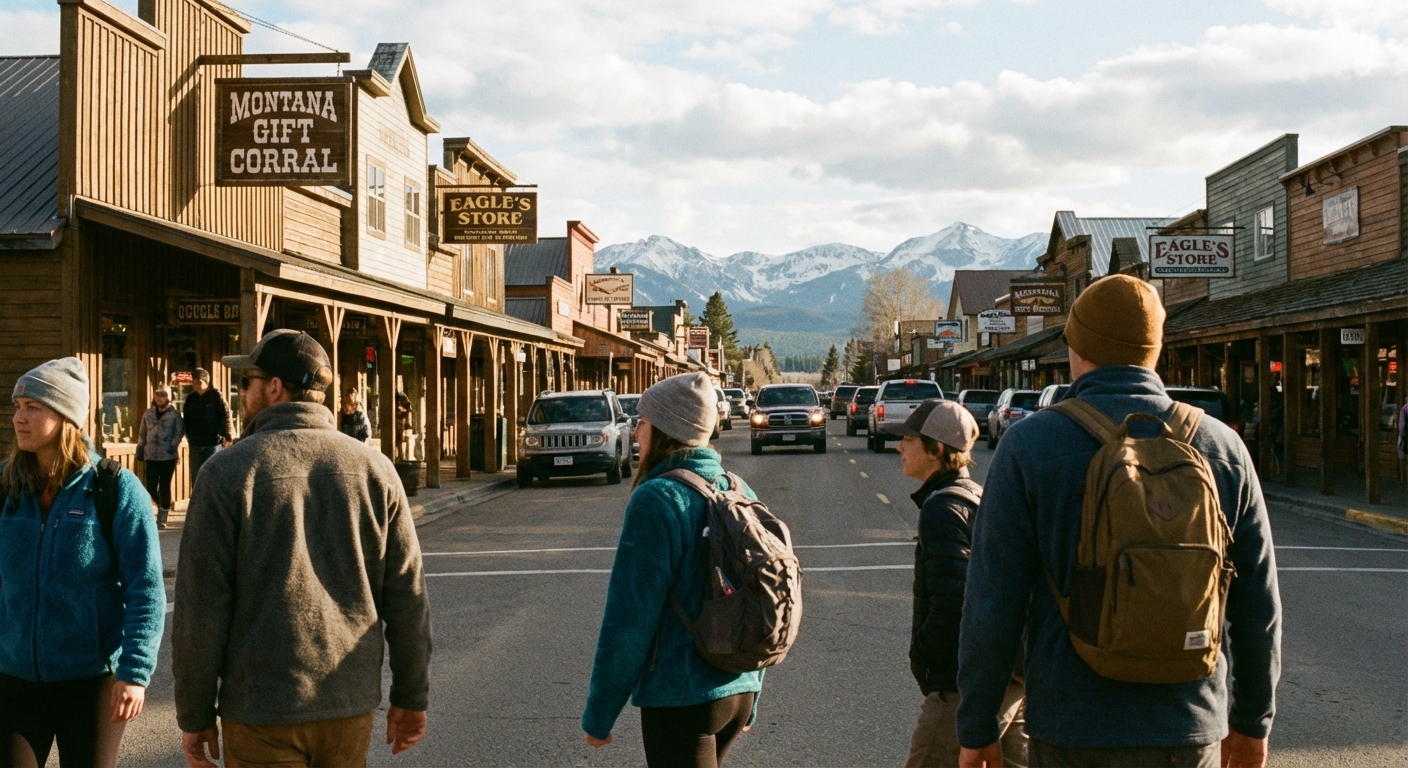
The vibe: Classic park-town energy: walkable strips of motels, pizza places, souvenir shops, and tour operators, all built around getting you into Yellowstone fast. If you want a straightforward base where everything is set up for visitors, this is it.
Which entrance it serves
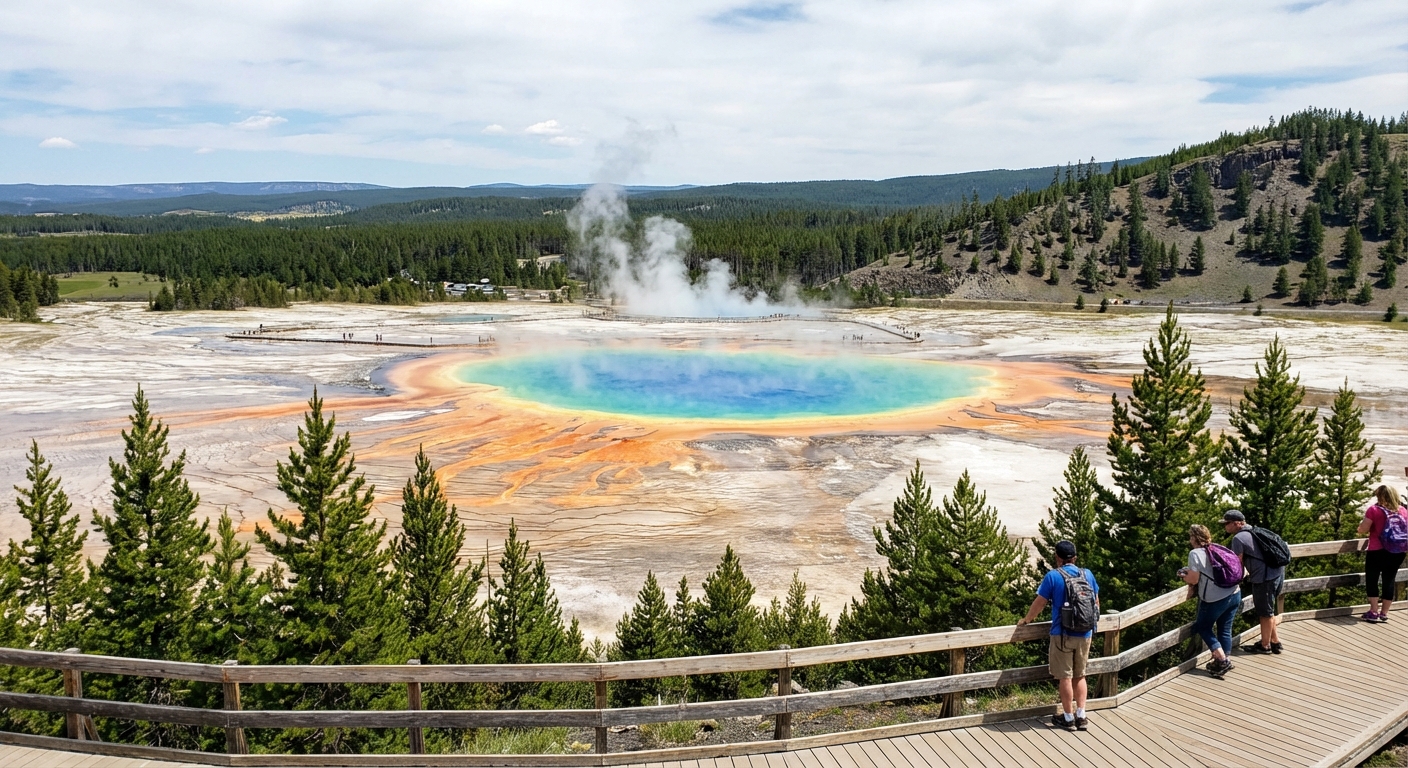
West Entrance. You are well positioned for the geyser basins, including Old Faithful and the Grand Prismatic area. Season note: this entrance is typically open to regular vehicles in summer, and closed to cars in winter (snowmobile and snowcoach access varies by season and conditions). Always check the current NPS road status before you lock in lodging.
Where to stay
- Comfort-forward hotels: Look for newer builds or renovated properties with solid soundproofing and good breakfast. This town is built on lodging, so you have options across budgets.
- Cabins and vacation rentals: Great for families or friend groups who want a kitchen and early nights before dawn wildlife drives.
- Camping: If you are doing the “town shower, tent sleep” routine, book early. In summer, anything close to the park is competitive.
Where to eat and caffeinate
West Yellowstone is not trying to be a culinary capital, but it is reliable in the way you want after 9 miles on the trail.
- Breakfast: Diner-style pancakes, omelets, and grab-and-go sandwiches for early starts.
- Lunch: Packable sandwiches and hearty salads you can take into the park.
- Dinner: Pizza, burgers, and trout specials are common. Aim for an earlier dinner to beat the tour-bus rush.
- Coffee: You will find espresso stands and cafes that open early, which is gold if you are chasing sunrise at the geysers.
Easy day hikes
These are all reachable as day trips from town, and they pair well with the big hydrothermal sights. Trail access and parking can change with construction, so treat trailheads as “verify before you go,” especially in peak season.
- Fairy Falls (and Grand Prismatic Overlook spur): A relatively mellow hike through lodgepole forest to a waterfall, with an optional spur to the famous overlook. Great big-payoff route.
- Mystic Falls (Biscuit Basin area): A short to moderate hike with a waterfall and classic Yellowstone forest scenery. Often done as a loop via the overlook, but routing can shift with area conditions.
- Geyser Hill and Old Faithful walks: Not a “hike” in the strict sense, but the boardwalk network is a must for easy miles with nonstop geothermal drama.
Town-to-trail pairing: Do a dawn Old Faithful visit, hike Mystic Falls mid-morning, then reward yourself with a late lunch back in town when the parking lots start to get spicy.
Gardiner, Montana
The vibe: Rugged little river town with a front-row seat to wildlife. Gardiner feels more like a real place that happens to sit beside Yellowstone, with local bars, guide services, and an anything-can-happen energy when elk wander through.
Which entrance it serves
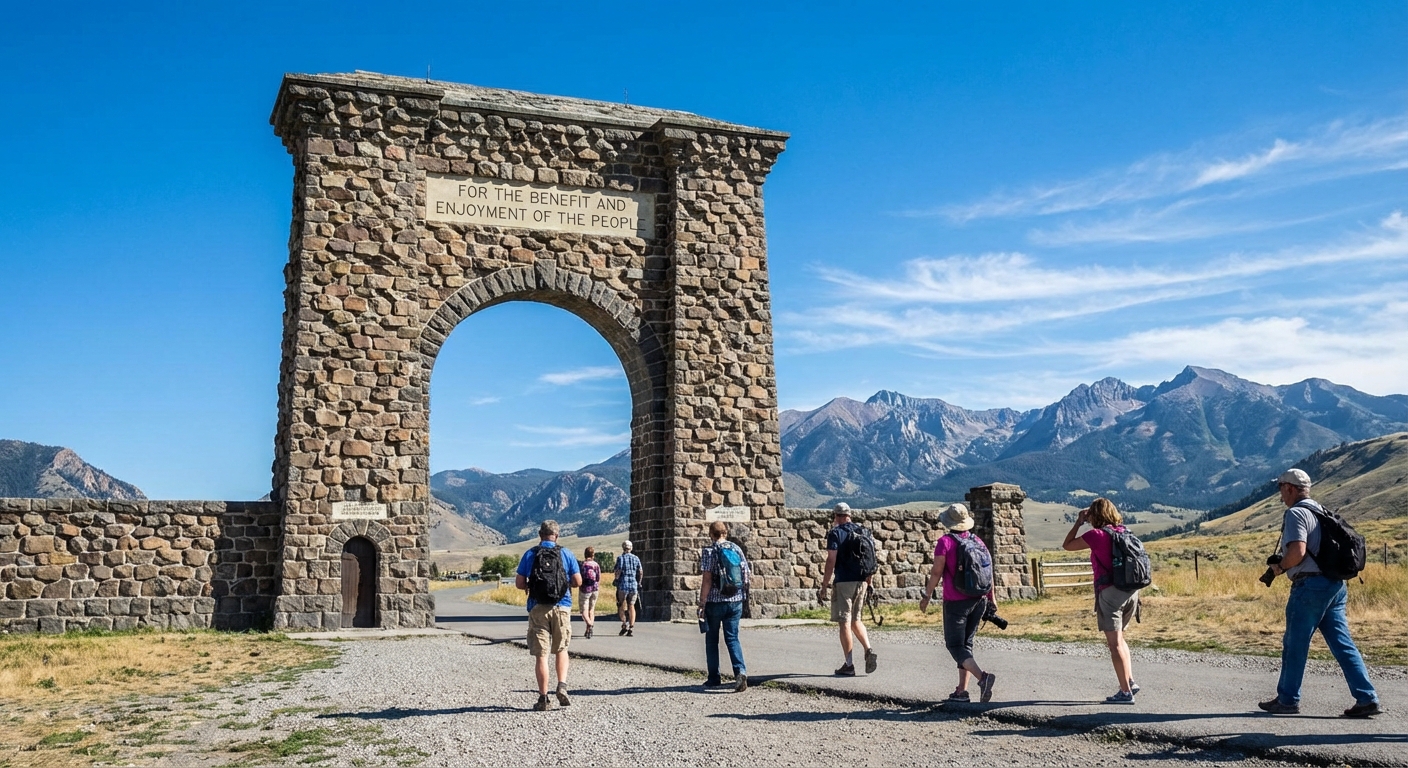
North Entrance, near Mammoth Hot Springs. This is a major advantage in shoulder seasons because it is often the most dependable year-round access point for driving into the park. That said, it is not a guarantee. Weather, flooding, construction, and incidents can still trigger closures, so keep the NPS road status page bookmarked.
Where to stay
- Historic inns and small motels: Expect character, straightforward rooms, and quick access to the entrance.
- River-adjacent cabins: Ideal if you want quiet evenings and coffee with a view.
- Camping nearby: You are close to park campgrounds and National Forest options, but always verify current rules and fire restrictions.
Where to eat and caffeinate
Gardiner punches above its weight for post-hike meals.
- Breakfast: Strong diner culture plus coffee shops that cater to guides and early risers.
- Dinner: Think bison burgers, trout, steaks, and comfort food. It is the kind of town where you can order something hearty and not regret it.
- Drinks: A classic saloon stop works well after a long day of thermal features and wildlife spotting.
Day hikes
- Mammoth Terraces and nearby trails: Boardwalks plus connecting trails make it easy to stitch together a half-day on foot. The landscape here looks almost like it belongs on another planet.
- Beaver Ponds Loop (Mammoth area): A solid, moderate loop with a chance of wildlife and sweeping views back toward Mammoth.
- Bunsen Peak: A steeper climb with big views if you want a workout and a panorama.
Town-to-trail pairing: Do Mammoth early, then commit to an afternoon wildlife drive toward Lamar Valley. Gardiner keeps you positioned for those golden-hour animal sightings.
Cooke City, Montana
The vibe: Remote, wild, and wonderfully simple. Cooke City feels like the last outpost before the mountains take over. If you want to prioritize Lamar Valley wildlife and quiet nights, this is your town.
Which entrance it serves
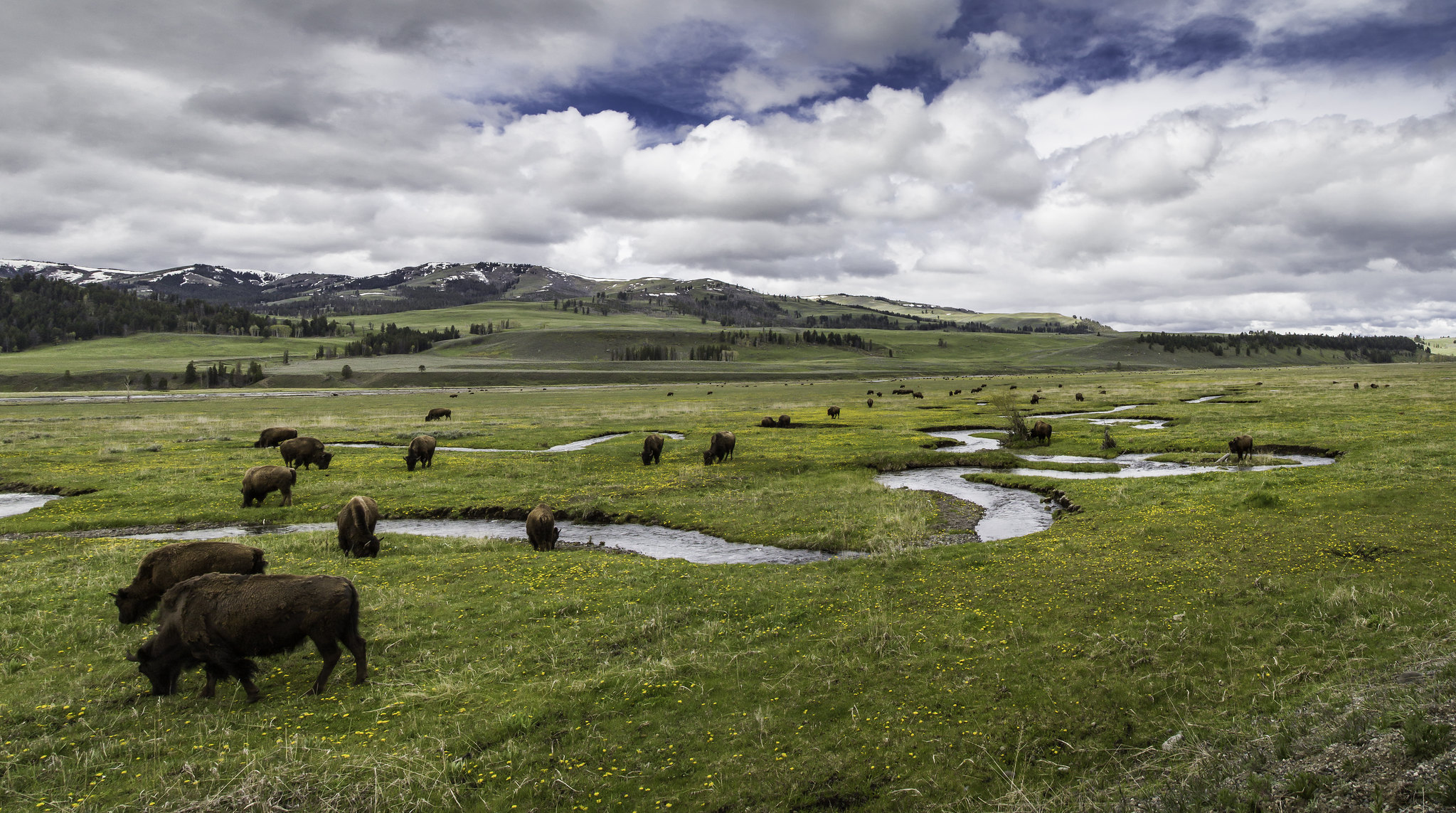
Northeast Entrance. This is your best setup for early and late day time in Lamar Valley, the place many travelers call America’s Serengeti.
Important nuance for winter and shoulder season planners: The road inside Yellowstone through Mammoth and Lamar Valley to Cooke City is the only park road open to wheeled vehicles year-round (conditions and temporary closures can still happen). What is highly seasonal is the Beartooth Highway (US-212) outside the park, which is an iconic summer drive but typically closes for winter.
Where to stay
- Cabins and lodges: Cozy, practical, often family-run. Book early for summer and early fall.
- Small motels: Limited inventory, so last-minute options can disappear quickly.
- For campers: You are close to incredible country, but weather swings can be intense. Bring a warm sleep setup even in summer.
Where to eat and caffeinate
Options are fewer here, but that is part of the charm. Expect hearty breakfasts, burgers, chili, and the kind of pie that tastes better after a cold morning scanning for wolves through binoculars.
- Plan ahead: Some places have limited hours or close seasonally.
- Pack snacks: This is not the town for “we will just see what sounds good at 9:30 pm.”
Day hikes
Cooke City gives you access to both Yellowstone and surrounding mountain terrain. The exact best pick depends on conditions and trail status, but these are classic day-trip ideas.
- Lamar River and Soda Butte area walks: Lower-elevation rambles that pair perfectly with sunrise wildlife viewing. Keep your distance from animals and carry bear spray.
- Trout Lake: A short hike to a beautiful lake with great birding and occasional wildlife sightings. Otters are possible, but not guaranteed, so treat them as a bonus.
- Short alpine-style hikes near Cooke City: In summer, nearby trails climb quickly to big views. Ask locally about current conditions because snow can linger.
Wildlife note: This area is prime habitat for bears and wolves. Stay on trail, hike in groups when possible, carry bear spray, and know how to use it. Give animals space even if everyone else is crowding the roadside.
Signal note: Cell service can be spotty to nonexistent around Lamar and Cooke City. Download offline maps and do not count on streaming your way through the day.
Jackson Hole, Wyoming
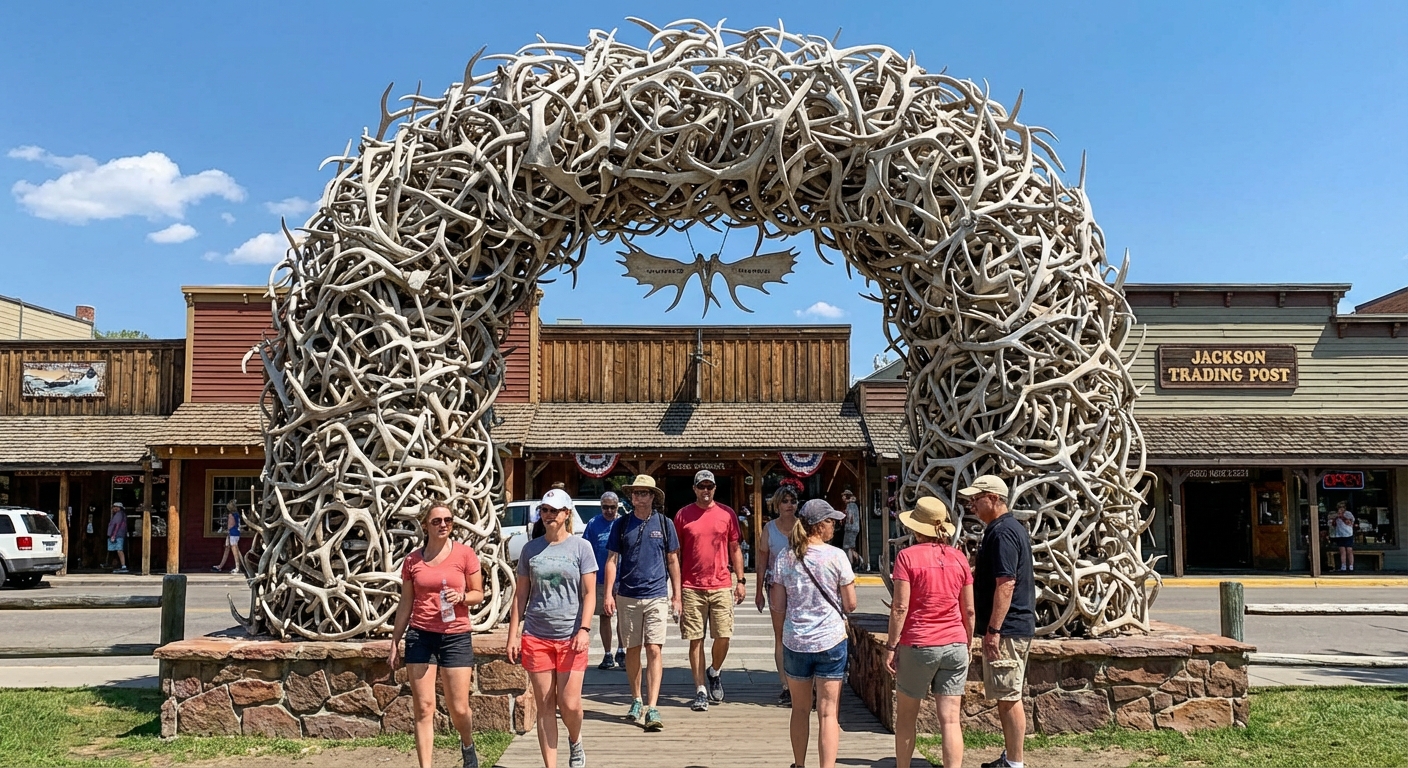
The vibe: Mountain town comforts with a polished edge. Jackson is where you go when you want Yellowstone and the Tetons, but you also want excellent coffee, good cocktails, and an easy place to stroll after dinner. It is also the priciest base on this list, but the amenities are real.
Which entrance it serves
Jackson is the hub for Grand Teton National Park, and from there you reach Yellowstone via the South Entrance. Translation: it is an incredible base if you are planning a Yellowstone + Tetons trip, but it is not the quickest drive to Yellowstone’s central geyser basins.
Where to stay
- Boutique hotels and resorts: Expect strong design, good restaurants on-site, and easy access to town.
- Budget and midrange: They exist, but book early. Prices climb fast in peak season.
- Out-of-town options: Staying in Teton Village or along the valley can trade nightlife for views and quiet.
Where to eat and caffeinate
Jackson is the best food town in this roundup, full stop.
- Coffee: Multiple quality cafes for espresso and solid pastries.
- Breakfast: Everything from quick burritos to sit-down brunch.
- Dinner: Western classics, creative seasonal menus, and places that take cocktails seriously.
Day hikes (Tetons-forward)
Jackson’s superpower is that you can hike a world-class trail in the Tetons, shower, and still have a great dinner.
- Taggart Lake (Grand Teton): One of the best easy hikes in the Tetons, with big scenery for a relatively mellow effort.
- Jenny Lake to Hidden Falls and Inspiration Point (Grand Teton): Classic, busy, and absolutely worth it. Start early.
- Phelps Lake (via Laurance S. Rockefeller Preserve area): A beautiful, quieter-feeling lake hike with a locals-after-work vibe.
Town-to-trail pairing: Spend two days hiking in Grand Teton, then take one long day to Yellowstone’s geyser basins. You will enjoy Yellowstone more when you are not trying to do it all in one exhausting push.
Cody, Wyoming
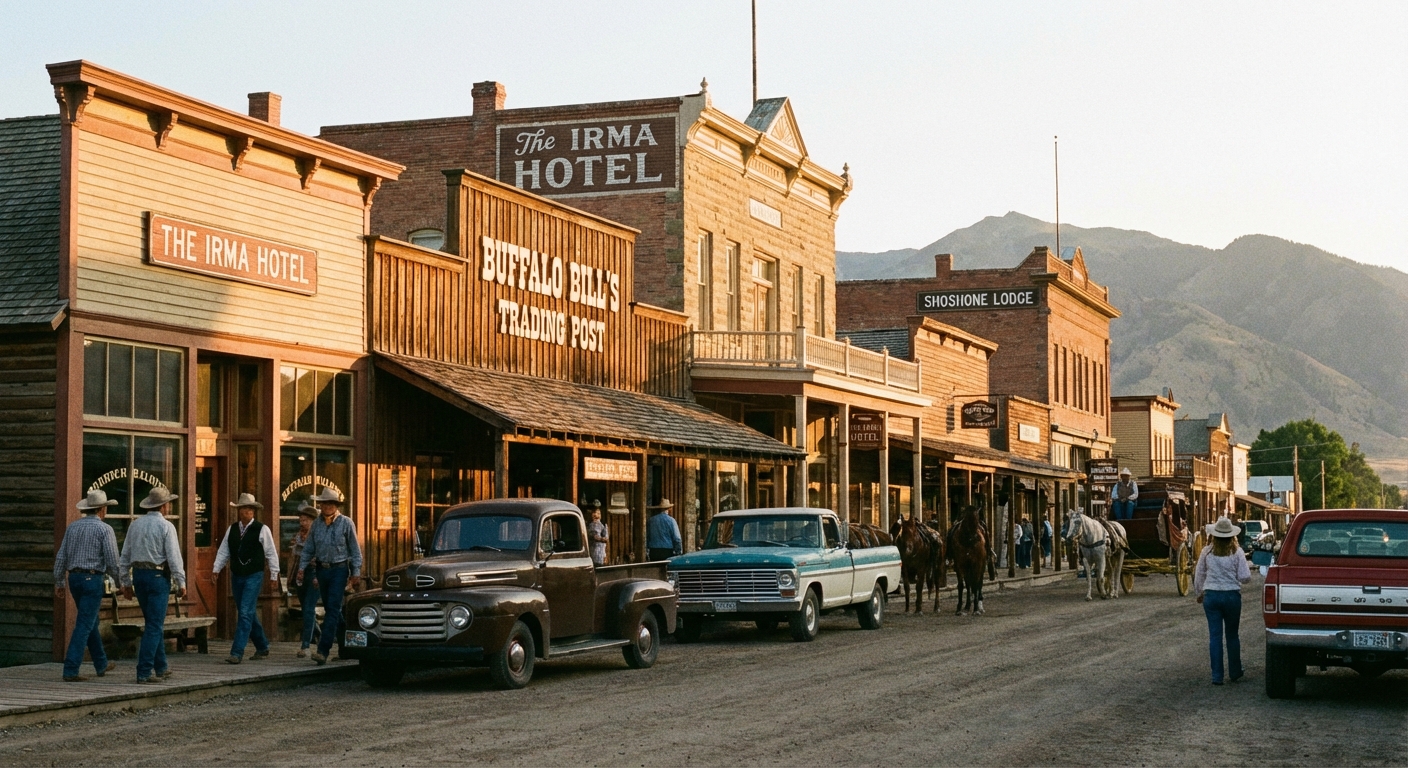
The vibe: Full-on Western road trip energy. Cody is a real town with museums, history, and that “let’s grab breakfast and hit the highway” momentum. If you like your national park trip with a side of Americana, this is the one.
Which entrance it serves
East Entrance. The drive in is gorgeous, running past Wapiti and through the Shoshone area before you pop out near Yellowstone Lake. The tradeoff is simple: it is farther from Yellowstone’s main loops, so it works best if you are comfortable with earlier mornings and you plan your days by region.
Where to stay
- Hotels and motels: More inventory than the tiny park-edge towns, often with better value.
- Cabins and guest ranch stays: Great if you want space, quiet, and a Wyoming backdrop.
Where to eat and caffeinate
- Breakfast: Classic diners and big-plate starts that make long drive days easier.
- Dinner: Steakhouses, casual local spots, and plenty of no-fuss options.
- Plan ahead: If you are relying on dinner after a full Yellowstone day, remember you are driving back out of the park. Build in time.
Day hikes (East-side friendly)
- Storm Point (Yellowstone Lake): A relatively easy loop with water views and a good chance of a breezy, wide-open Yellowstone-lake mood.
- Pelican Creek area walks: Shorter options that pair well with lake day sightseeing. Check current access and any wildlife-related closures.
- West Thumb boardwalks: Not a hike, but an easy, high-reward stop if you are combining the lake area with geothermal sights.
Town-to-trail pairing: Do a lake-focused day: Storm Point in the morning, then a slow roll of viewpoints and short boardwalks. Save the geyser-basin marathon for a different base, or accept that it will be a long day from Cody.
How to choose your base
If this is your first Yellowstone trip
Pick West Yellowstone if your priority is geysers and you want maximum lodging options. Pick Gardiner if you want a more local feel and stronger access to Mammoth and wildlife corridors.
If wildlife is your main goal
Choose Cooke City for the best dawn and dusk access to Lamar Valley, or Gardiner for a balance of wildlife drives and more services.
If you want trail and town
Choose Jackson for hikes in Grand Teton paired with a real food and coffee scene. Then treat Yellowstone as a few focused day trips rather than trying to conquer the entire park at once.
If you want the East Entrance
Choose Cody if you are road-tripping through Wyoming, love a scenic approach, or want to pair Yellowstone with an actual town that has plenty to do after you leave the park.
Planning notes
- Start early: Sunrise is not just prettier, it is calmer. Parking is easier and wildlife is more active.
- Build in buffer time: Wildlife jams are part of the Yellowstone experience. Treat them like an unexpected safari moment, not an inconvenience.
- Pack a cooler: Even if you love restaurants, having lunch and snacks makes your days dramatically smoother.
- Book the big stuff early: In-park lodging and many campgrounds book far ahead. If you want to stay inside the park, plan like it is concert tickets.
- Respect distance: Yellowstone looks compact on a map, but roads curve, traffic slows, and stops multiply. Plan fewer regions per day and enjoy them more.
- Check conditions daily: Roads, construction, and closures change. Verify current status before you drive long distances to a specific trail or viewpoint.
- Go offline on purpose: Download maps and key info ahead of time, especially if you are spending time in Lamar Valley or near Cooke City.
Sample itineraries
Based in West Yellowstone (3 days)
- Day 1: Old Faithful area boardwalks plus Mystic Falls
- Day 2: Grand Prismatic area, Fairy Falls, and a sunset drive
- Day 3: Canyon area viewpoints (longer drive day), then back to town for an early dinner
Based in Gardiner (3 days)
- Day 1: Mammoth terraces and Beaver Ponds loop
- Day 2: Lamar Valley wildlife drive with short walks
- Day 3: Bunsen Peak (or an easier Mammoth-area day), plus a soak in town vibes
Based in Cooke City (3 days)
- Day 1: Sunrise in Lamar Valley, Trout Lake mid-morning
- Day 2: Longer wildlife-focused day with short hikes and pullouts
- Day 3: A higher-elevation local trail near Cooke City (conditions permitting), then an early night
Based in Jackson (4 days, Yellowstone + Tetons)
- Day 1: Taggart Lake
- Day 2: Jenny Lake to Hidden Falls and Inspiration Point
- Day 3: Yellowstone day trip via South Entrance (focus on one region)
- Day 4: Phelps Lake plus a relaxed town evening
Based in Cody (3 days)
- Day 1: East Entrance scenic drive, Yellowstone Lake day (Storm Point)
- Day 2: Pick one: Canyon area viewpoints or a geyser-basin day (early start, commit to the drive)
- Day 3: A shorter park morning, then Cody afternoon (museum time and a real dinner without park logistics)
My honest pick
If you are torn, here is the travel-writer compromise that works surprisingly well: split your stay. Do 2 nights West Yellowstone for geysers, then 2 nights Gardiner or Cooke City for Lamar Valley wildlife. It cuts down on backtracking and gives you two totally different Yellowstone moods in one trip.
And if your version of a perfect vacation includes a craft latte and a mountain-view hike in the same day, tack on Jackson for the Tetons. Yellowstone will still be there, but your legs (and your patience) will thank you for pacing it.
Cody bonus move: If you are entering or exiting from the east, add a night in Cody to break up the drive and turn your Yellowstone trip into a full-on Wyoming road story.