Zion Canyon Shuttle: Stops, Hours, and How to Ride

Maya Lin
Maya Lin is a travel journalist and outdoor enthusiast who believes the best trips combine rugged adventures with urban comforts. After spending six years backpacking across four continents, she founded Trail & Town Guide to help fellow travelers navigate both hidden mountain passes and bustling city neighborhoods with confidence.
Zion is one of those parks where logistics can make or break your day. The canyon is narrow, the trailheads are iconic, and when the Zion Canyon Shuttle is operating, private cars are not allowed on the main Zion Canyon Scenic Drive. The good news is that the Zion Canyon Shuttle is free, frequent, and genuinely easy once you understand the stops, the rhythm of the day, and the handful of gotchas that trip people up.
I have done Zion both ways: showing up late, hungry, and confused about which line is which, and showing up early with coffee in hand, a plan for stops, and zero stress. This guide is to help you be the second version of yourself.
Quick overview: how the Zion Canyon Shuttle works
- It is free and runs on a hop-on, hop-off model inside Zion Canyon.
- You board at the Zion Canyon Visitor Center (near Springdale) and ride up-canyon to trailheads and viewpoints.
- When the shuttle is operating, private vehicles cannot drive Zion Canyon Scenic Drive beyond Canyon Junction.
- You do not reserve a seat and you do not need a separate shuttle ticket. You just need park entry (pass, annual pass, or pay the entrance fee).
- There are two shuttle systems: the Zion Canyon Shuttle (inside the park, the one most hikers mean) and the Springdale town shuttle (in town, to help you reach the park without parking).
Zion Canyon Shuttle stops (and what each one is for)
The canyon shuttle has numbered stops along Zion Canyon Scenic Drive. You can ride to any stop, hike, then hop back on when you are ready to head down-canyon. Below is the practical “what do I do here?” version. Stop names and service can shift with construction or operations, so it is smart to confirm the current stop map on the National Park Service site before you go.
Stop 1: Zion Canyon Visitor Center
Main boarding point for the canyon shuttle. You will find restrooms, orientation exhibits, water fill, and the start of the Pa’rus Trail. The Zion Human History Museum is up-canyon and has its own shuttle stop.
Best for: starting early, bathrooms, last-minute water fill, and grabbing maps. If you are coming from Springdale, this is where your day officially shifts from “town mode” to “canyon mode.”
Stop 2: Zion Human History Museum
Best for: a quieter start or a reset in the middle of the day. If you want a low-effort view and a dose of context about the park’s cultural history, this is a good stop to pair with the Pa’rus Trail.
Stop 3: Canyon Junction
Best for: access to the Pa’rus Trail and river views. This is also a key junction point in the canyon. Many riders pass through without getting off, but it can be a pleasant stroll stop when the main trailheads are packed.
Stop 4: Court of the Patriarchs
Best for: a quick viewpoint stop. Short walk to a classic Zion scene of towering sandstone formations. Great if you are traveling with someone who wants the highlights without the mileage.
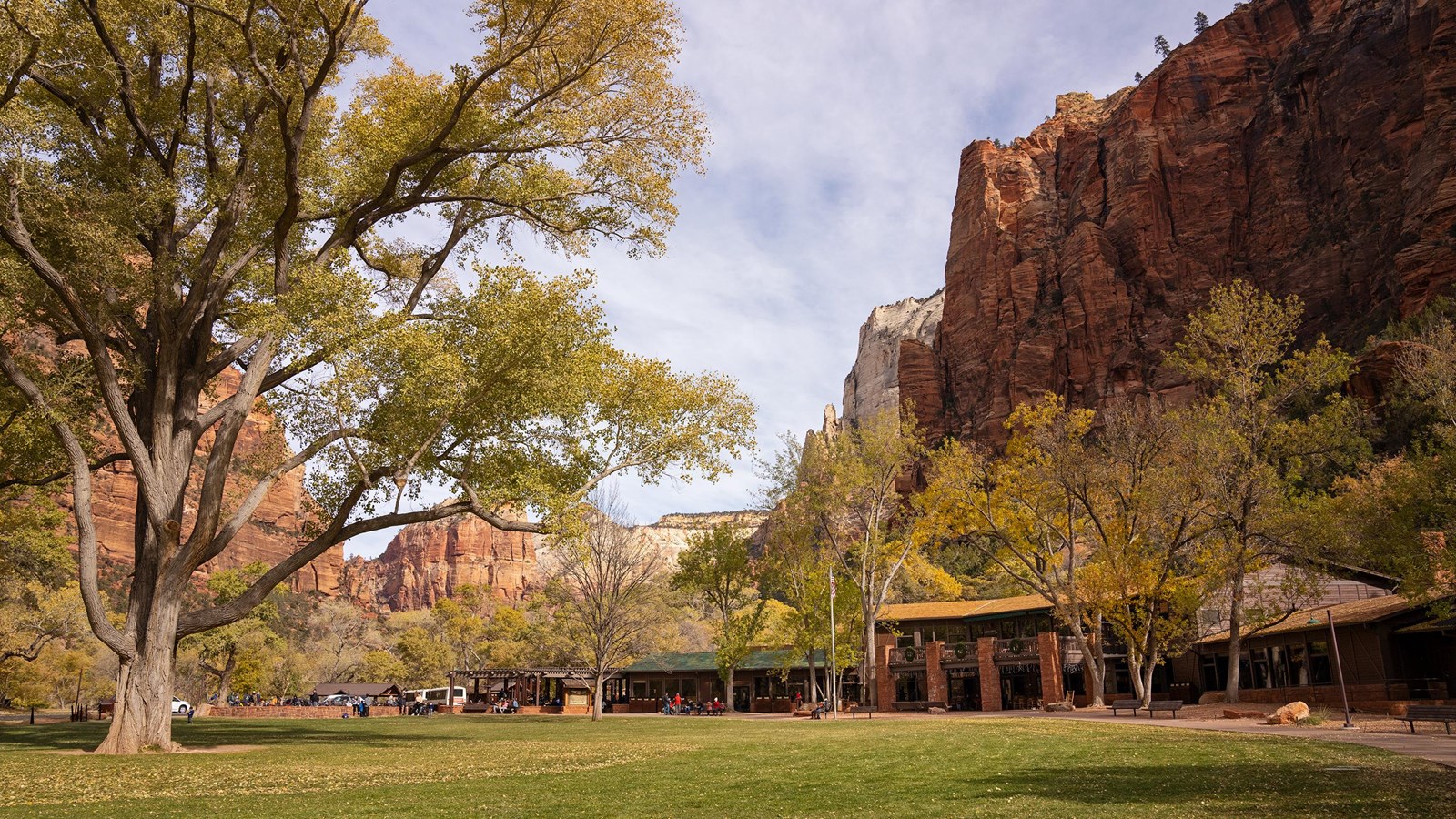
Stop 5: Zion Lodge
Best for: Emerald Pools access, a shaded lawn to regroup, and one of the most useful mid-canyon pit stops. Even if you are not staying here, the lodge area is a smart place to reset with restrooms, water, and a breather.
Trails from here: Emerald Pools (Lower, Middle, Upper depending on current route conditions and closures). Also connects well to scenic wandering around the lodge grounds.
Stop 6: The Grotto
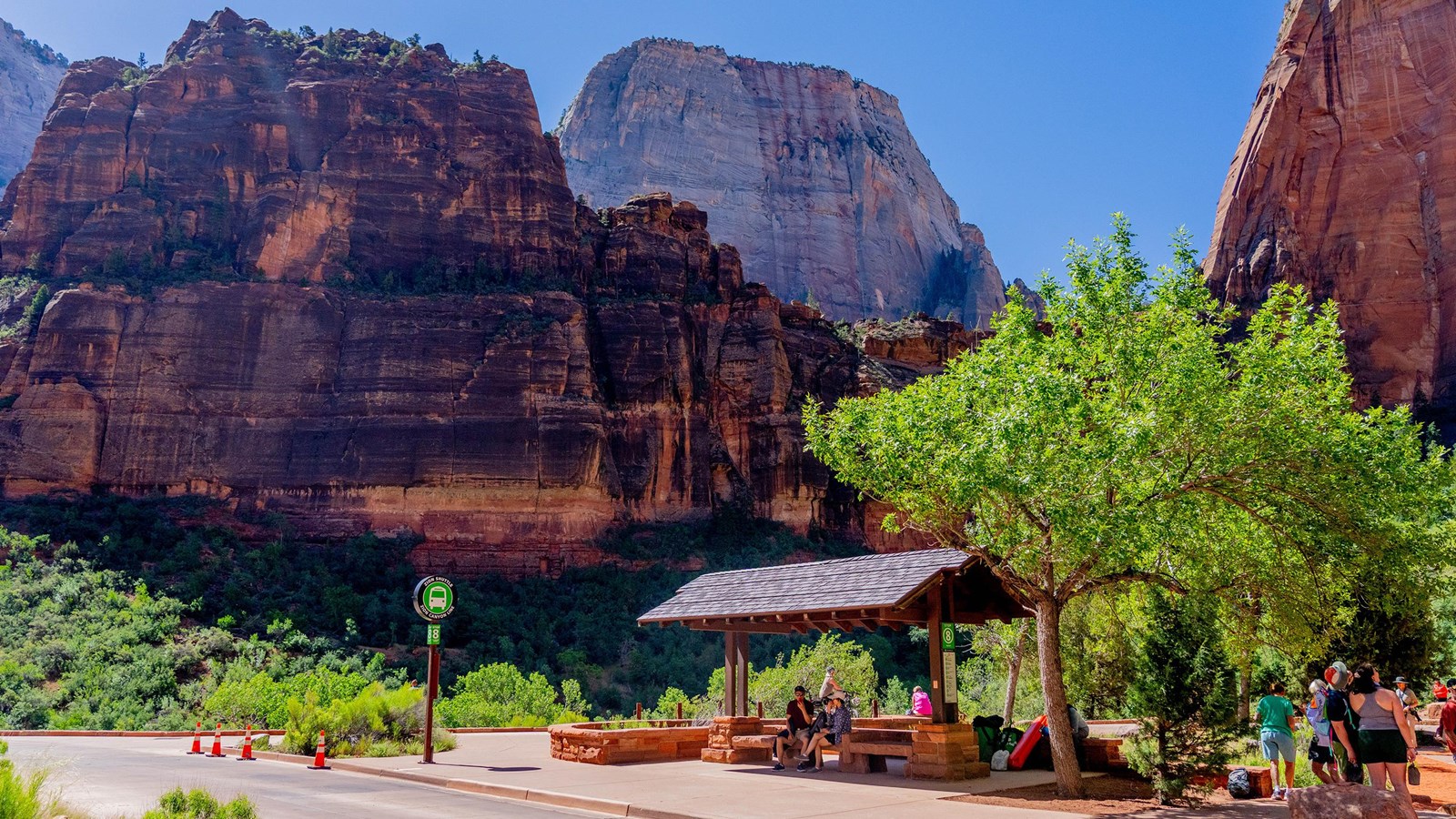
Best for: Angels Landing access and the West Rim Trail. This is the big hiking hub for the classic climb up-canyon walls.
Trails from here: West Rim Trail (Angels Landing spur requires a permit), Kayenta Trail connection when open (often used to link to Emerald Pools routes).
Quick clarification: The usual, practical way to start The Narrows (bottom-up) is Stop 9 at Temple of Sinawava via the Riverside Walk. I do not plan on The Grotto as a Narrows access point.
Stop 7: Weeping Rock
Important: This area has had major rockfall impacts, and it has been closed for extended periods in recent years. Treat this stop as a “maybe” and expect it may be unavailable.
Best for: when open, short scenic paths and access to routes that climb into higher viewpoints.
Stop 8: Big Bend
Best for: one of the most dramatic road-level canyon views and a popular photo stop. It is also a strategic “breather stop” if you want a big payoff without committing to a long hike.
Stop 9: Temple of Sinawava
Best for: The Narrows. This is the up-canyon terminus where you begin the Riverside Walk to reach the Narrows entrance.
Trails from here: Riverside Walk, and then the Narrows bottom-up route if conditions allow.
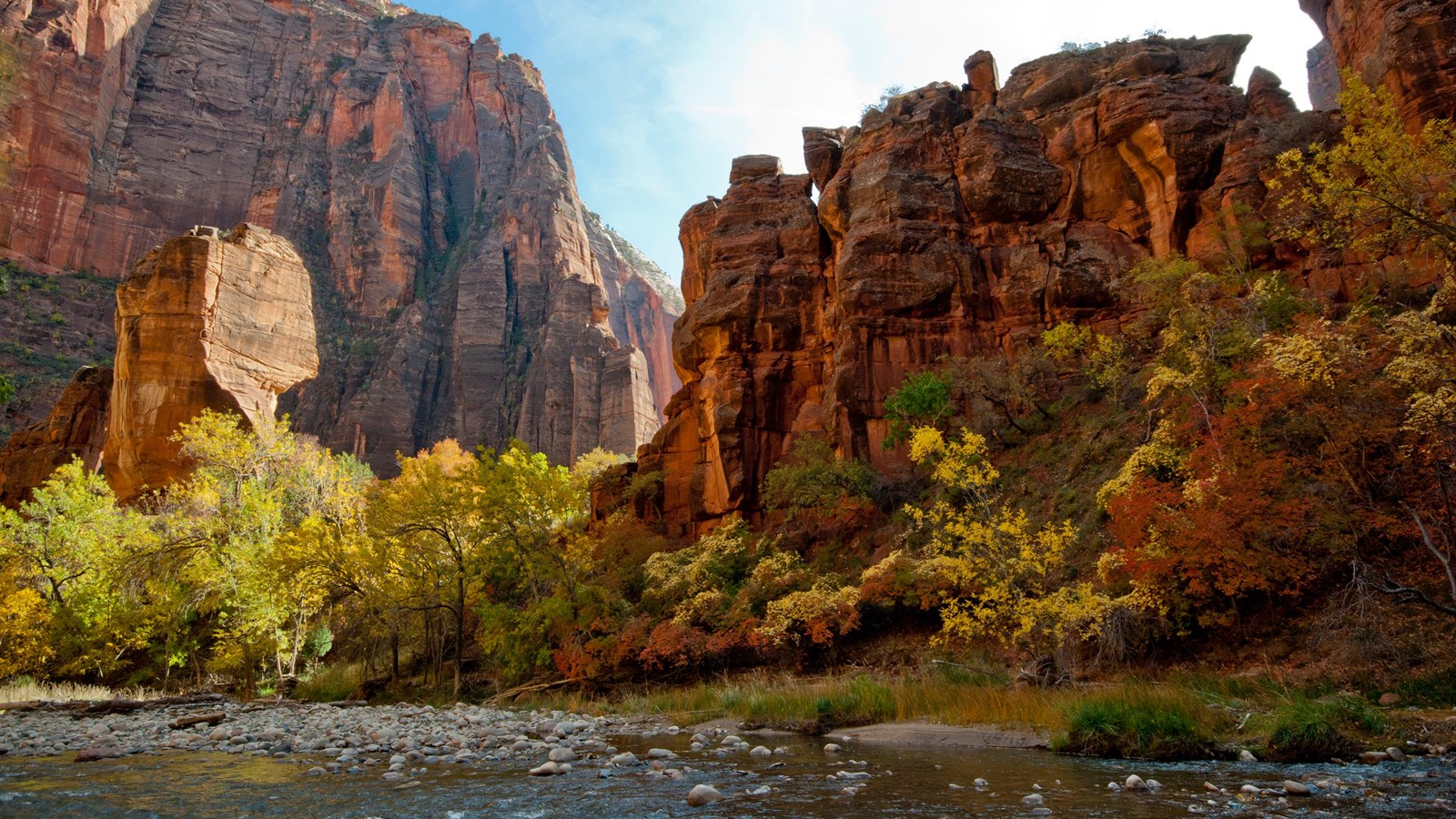
Shuttle hours: first and last bus times (what to know by season)
Zion sets shuttle hours seasonally. Exact first and last departures can change year to year, and sometimes within the season, so I treat times like a plan you verify, not a promise you blindly trust.
The reliable rule: check the current shuttle schedule on the National Park Service Zion page the day before you go, then screenshot it for when cell service gets spotty.
Typical seasonal pattern
- Spring: earlier starts and later last shuttles as crowds build.
- Summer: very early first shuttles to handle heat and high demand, usually the longest service window.
- Fall: still busy, often similar to spring with slightly shorter days as daylight shrinks.
- Winter: limited or reduced service, and some periods may allow canyon driving if the shuttle is not operating.
Practical takeaway: if you are hiking Angels Landing, doing the Narrows, or stacking multiple stops, aim to board in the first hour of service. For relaxed sightseeing, late morning works, but you will trade time for lines.
Last shuttle anxiety (and how to avoid it)
The last shuttle matters because if you miss it up-canyon, you can end up stuck with extremely limited options. In practice, that can mean a very long road walk that is not how you want to finish your Zion day. Build in a buffer for:
- the line to board at Stop 9 after Narrows time
- slow feet at the end of a long hike
- weather delays, especially thunderstorms in monsoon season
I like to set a personal “turnaround alarm” that gets me to the Stop 9 waiting area well before the published last departure from the top of the canyon.
Where to board, which lines to join, and what to expect
Boarding at the Zion Canyon Visitor Center
The main canyon shuttle line forms near the Visitor Center. During peak months, it can look intimidating, but it moves in waves as multiple buses load.
- Go early: the first departures are the calmest.
- Have your group ready: water bottles filled, layers on, permits ready if you need them.
- Know your first stop: it speeds everything up when you are not huddling over a map at the front of the line.
Parking reality at the Visitor Center
The Visitor Center parking lot fills early on busy days. If you roll in late morning during peak season, the lot can be full and it can feel like the whole day starts with a slow-motion stress spiral.
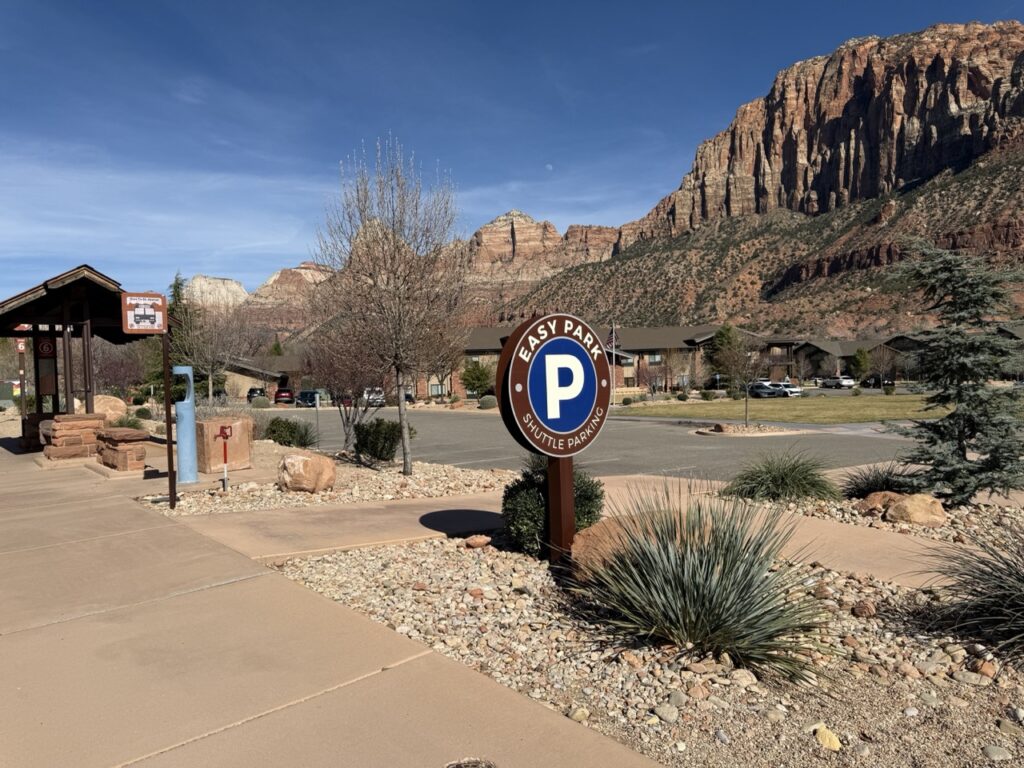
My low-drama approach is to either arrive early enough to park, or skip the lot entirely and use the Springdale town shuttle, paid town parking, or lodging that lets you walk to the pedestrian entrance.
Using the Springdale town shuttle (optional but often brilliant)
If you are staying in Springdale, you can often skip the parking hunt by riding the town shuttle to the park pedestrian entrance, then walking into the Visitor Center area to board the canyon shuttle.
My town-plus-canyon combo is: coffee in Springdale, town shuttle to the pedestrian entrance, quick walk to the canyon shuttle line, then straight to my hiking stop.
If buses are full at your stop
At peak times, you might watch a couple of full buses roll through before you can board, especially at the busiest stops and in the late afternoon down-canyon rush. The system is still the system, you just need patience and a plan.
- Build time into your day: if you have a dinner reservation or a sunset plan, do not cut it close.
- Move earlier when you can: riding up-canyon early and coming back down before the crowd funnel is the easiest win.
- Carry water: some stops have little shade and you might be standing longer than you expected.
Accessibility and strollers
Zion shuttles are wheelchair accessible, and shuttle staff can help with boarding needs. In real life, the main constraint is crowding. If you are traveling with a stroller, plan on folding it when buses are busy and give yourself extra time at the stops.
If someone in your group needs specific accommodations, I always recommend checking the current accessibility notes on the National Park Service site before you go.
When can you drive Zion Canyon Scenic Drive?
This is the question that causes the most confusion: “Can I just drive myself?” Often, no.
When the Zion Canyon Shuttle is operating, private vehicles are typically not allowed on Zion Canyon Scenic Drive beyond Canyon Junction. That restriction is the whole reason the shuttle exists.
Common exceptions
- When the shuttle is not running: some winter periods allow private vehicles, sometimes with limited parking and occasional temporary restrictions.
- Lodge guests: policies can vary by season and operational needs. If you are staying at Zion Lodge, confirm current access rules directly with the lodge and the park before arrival.
- Shuttle-accessible does not mean car-accessible: do not assume you can drive “just to The Grotto” even if the road looks open.
Best move: treat the shuttle as your plan A, and only pivot to driving if the official park update says the scenic drive is open to private vehicles during your dates.
How to avoid the worst crowds (without waking up at 4:00 am)
I love sunrise hikes, but I also love sleep. Here are crowd strategies that work even for normal humans.
1) Pick a direction and commit
If your day revolves around The Narrows, go straight to Stop 9 first. If it revolves around Angels Landing (permit required), go straight to Stop 6. Riding up-canyon later in the day usually means longer lines and fuller buses.
2) Use the middle stops for “micro-adventures”
Stops like Court of the Patriarchs and Big Bend can feel like a pressure release valve. They give you classic Zion views without fighting the biggest trailhead rush at the very top of the canyon.
3) Eat lunch off-peak
If you can, eat early (11:00-ish) or late (2:00-ish). The lodge area and shuttle queues feel noticeably calmer outside the noon wave.
4) Avoid the end-of-day funnel
Late afternoon is gorgeous in Zion, but it is also when everyone tries to go down-canyon at once. If you are finishing at Stop 9, consider leaving slightly earlier than feels necessary to beat the “we all had the same idea” line.
What to bring for a smooth shuttle day
- Water and snacks: lines plus heat can turn “quick” into “hangry.”
- Sun protection: hat, sunglasses, sunscreen. Shade is not guaranteed at stops.
- Layers: mornings can be cool even when afternoons are hot.
- A small daypack: I stick to carry-on only when I travel, and the same minimalist mindset helps in Zion. Bring what you will actually use.
- Offline info: screenshot the shuttle schedule and any permits you need.
Narrows safety notes (do not skip)
The Narrows is incredible, and it is also the place where conditions matter the most. Before you commit, check the current conditions update for flash flood risk, water level, and any closures.
- Flash floods: if there is flood risk, pick a different hike. This is not the place to gamble.
- Footwear matters: wet rock is slick. Many people rent canyoneering boots and a walking stick in Springdale.
- Protect your stuff: a dry bag or at least a solid waterproof plan saves phones, car keys, and sanity.
Frequently asked questions
Do I need tickets or reservations for the Zion Canyon Shuttle?
No. The shuttle is free and does not require a separate reservation. You do need a valid park entry pass or ticket.
How often do shuttles come?
Frequency varies by season and time of day, and it can be affected by crowd volume. In peak times, multiple buses run continuously, but lines can still build. Arriving early is the simplest way to reduce waiting.
Can I get to Angels Landing on the shuttle?
Yes. Ride to Stop 6 (The Grotto) and hike the West Rim Trail. The Angels Landing chain section requires a permit.
Can I get to The Narrows on the shuttle?
Yes. Ride to Stop 9 (Temple of Sinawava), walk the Riverside Walk, then continue into the Narrows if conditions allow.
What if a stop is closed?
Occasionally, stops or trails close due to rockfall risk, flood damage, construction, or seasonal conditions. When that happens, shuttles may not load or unload at that stop. Check the current conditions update before you go, especially for the Weeping Rock area.
Is the shuttle running in winter?
Sometimes yes, sometimes no, depending on the year and the season window. When the shuttle is not operating, private vehicles may be allowed to drive Zion Canyon Scenic Drive, but parking is limited and rules can change. Always verify current status before planning around driving.
My go-to shuttle game plans
Half-day highlights (low stress)
- Board early at the Visitor Center
- Stop 4 for quick views
- Stop 5 to wander Zion Lodge area
- Stop 8 for Big Bend photos
- Head down-canyon before the late afternoon rush
Classic hiking day: Angels Landing or West Rim
- First-hour shuttle to Stop 6
- Hike with an early start to beat heat and crowds
- Return mid-afternoon, then consider a quick Stop 5 break
Classic hiking day: The Narrows (bottom-up)
- First-hour shuttle to Stop 9
- Riverside Walk, then Narrows time
- Leave extra buffer for the return shuttle line at Stop 9