Zion in Summer: Heat, Storms, and Shade

Maya Lin
Maya Lin is a travel journalist and outdoor enthusiast who believes the best trips combine rugged adventures with urban comforts. After spending six years backpacking across four continents, she founded Trail & Town Guide to help fellow travelers navigate both hidden mountain passes and bustling city neighborhoods with confidence.
My favorite way to do Zion in summer is to treat it like two different parks. There is cool, quiet Zion before breakfast, when the canyon is still half in shadow and your water bottle is heavier than your sweat. Then there is midday Zion, when the rock walls turn into a slow-bake oven and you switch to shade, water, viewpoints, and a very real respect for afternoon storms.
From June through September, you can absolutely have an incredible trip here. You just need a plan that matches the heat and monsoon rhythm of southern Utah.
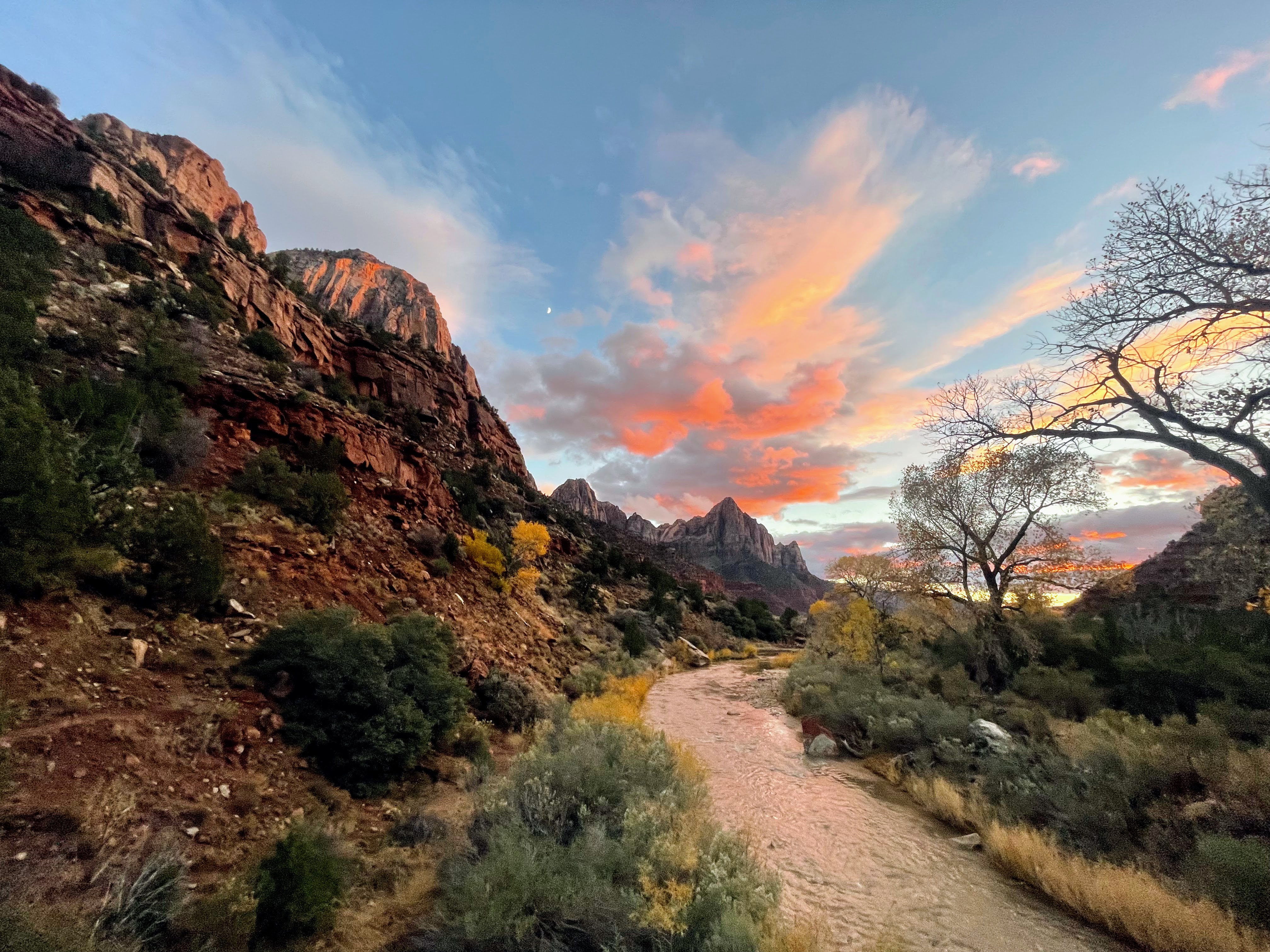
Summer reality check: what changes June to September
Zion’s main canyon is lower elevation and boxed in by sandstone walls, which means summer days can be brutally hot, especially on exposed trails and on the canyon floor where heat reflects and lingers. Nights and early mornings are often much more comfortable, but you only get that window for a few hours.
Later in summer, monsoon moisture can roll in with fast-building thunderstorms. The rain might fall miles away from where you are standing and still send water roaring through a narrow drainage. In Zion, that is the flash-flood problem in one sentence.
How I structure a summer day
- Early morning: big hike, big mileage, big climbs.
- Late morning: scenic shuttle stops, short walks, photos.
- Midday: Springdale shade break, visitor center time, easy riverside walks, or higher viewpoints with airflow.
- Afternoon: only commit to routes that are safe in heat and safe with storms.
- Evening: another short walk or viewpoint as shade returns to the canyon walls.
Getting around: shuttle, parking, bottlenecks
In summer, your schedule is not just about weather. It is also about access. Zion Canyon often uses a shuttle system during peak season, and when it is running, private vehicles are typically not allowed on the Zion Canyon Scenic Drive.
My summer rule is simple: arrive early and assume midday lines. The visitor center parking can fill early, and Springdale parking is its own puzzle. Before you go, check the current NPS shuttle page for dates, hours, and any ticketing or reservation changes, because those details can shift year to year.
Heat strategy that actually works
Heat in Zion is not just uncomfortable. It is a safety issue that sneaks up on strong hikers, especially if you are visiting from sea level, from a cooler climate, or you are stacking back-to-back trail days.
Start earlier than you want to
If you are debating whether to hit the trail at 6:30 a.m. or 8:30 a.m., choose 6:30 a.m. In summer, that two-hour difference can be the difference between pleasant and why am I doing this.
Carry more water than feels reasonable
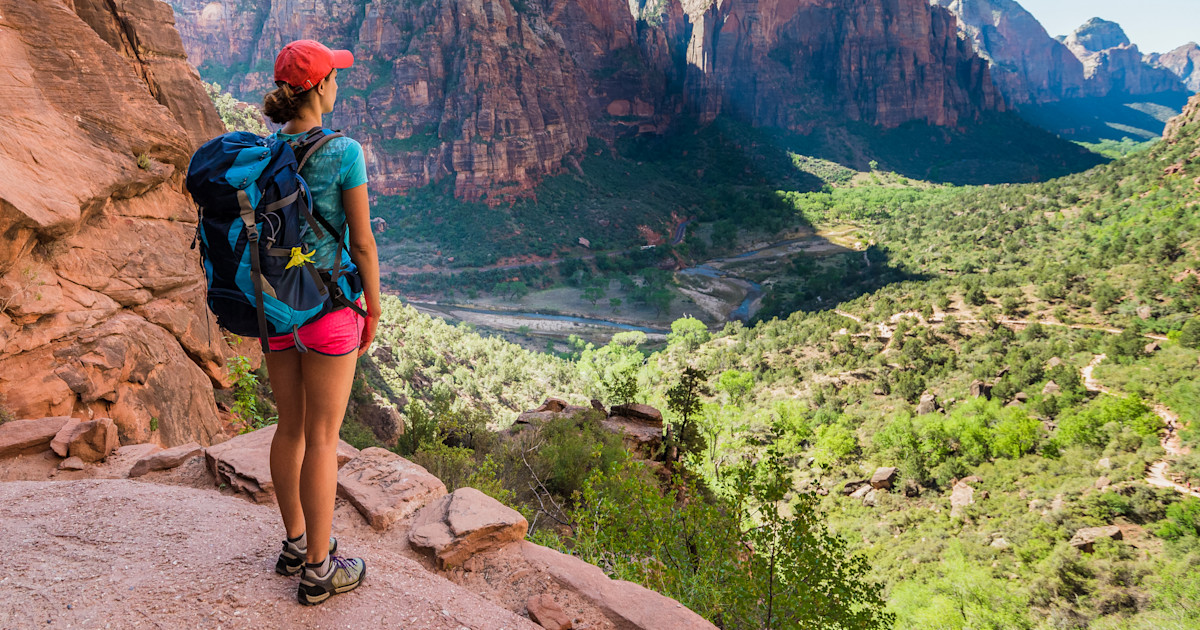
I am a carry-on-only traveler, but Zion summer is where I happily break my minimalism rules: I bring a real daypack and a hydration setup. Many park trails have no reliable water access, and dry heat makes you underestimate how much you are losing.
- Typical range: for a standard morning hike, I plan on at least 1 liter per person every 1 to 2 hours in the heat, then adjust up for sun exposure, effort, and your personal sweat math.
- Electrolytes: add them. Plain water alone can still leave you depleted.
- Refill reality: assume you will not find water on trail. Fill up before you go, and confirm current bottle-fill locations in the park day of.
- Sun protection: wide-brim hat, sunglasses, and sunscreen you will actually reapply.
Plan shade like it is part of the itinerary
In Zion Canyon, shade moves. In the morning, the canyon walls cast long shadows across parts of the Riverside Walk and other low-elevation paths. By midday, many trails feel fully exposed. Build your noon plans around places that stay shaded longer or keep you close to the river.
Know the heat-illness red flags
I keep this basic on purpose. If someone in your group has a headache, dizziness, nausea, chills, stops sweating, or seems confused, treat it as a stop and reassess moment, not a power-through moment. Shade, water, electrolytes, and a fast return can save a trip. A stubborn push can end it.
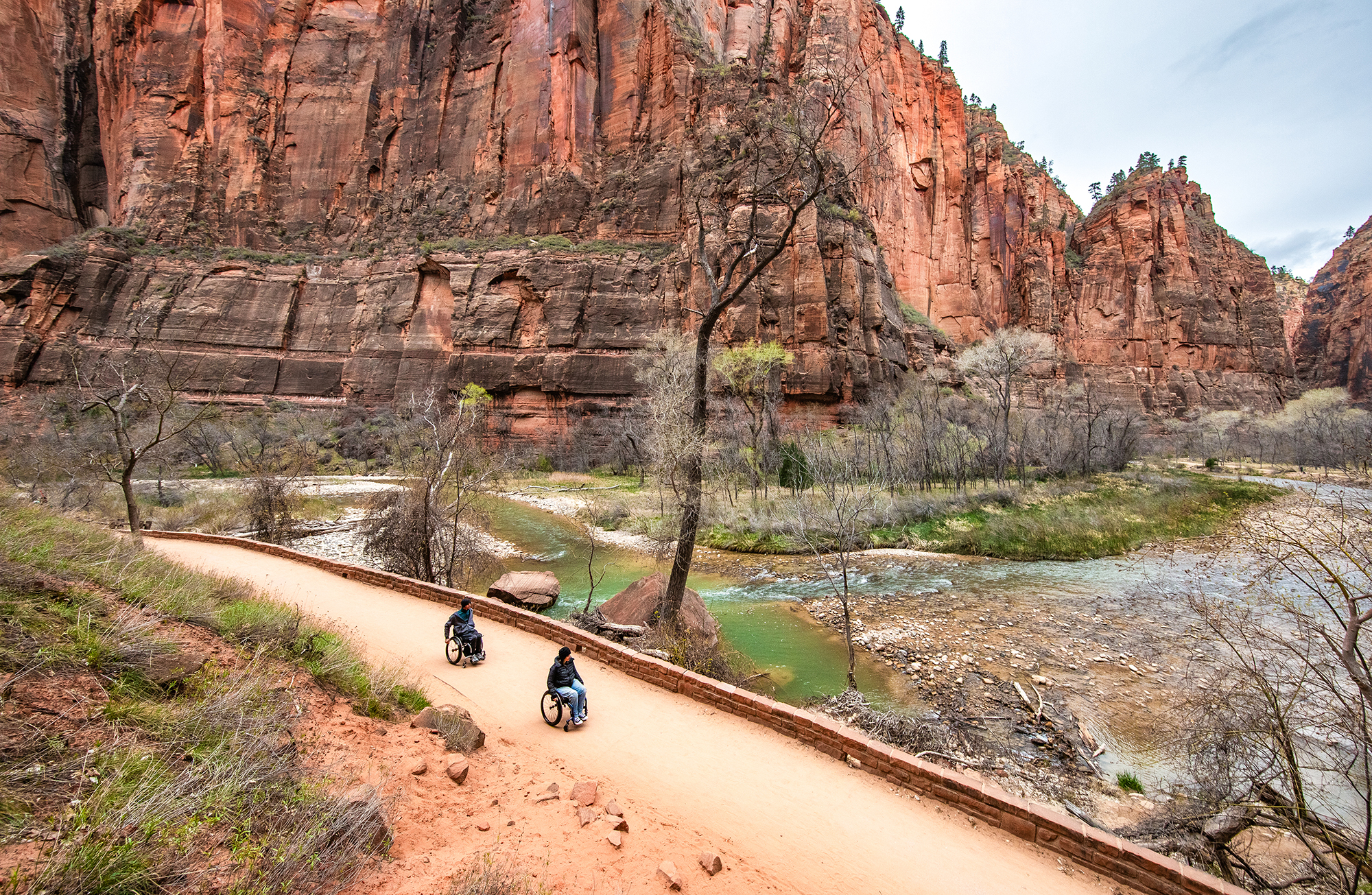
Monsoon season: storms and flash floods
Southern Utah’s monsoon pattern typically shows up in mid to late summer, and in Zion it changes the risk profile of narrow canyons. Thunderstorms can form quickly, and rainfall upstream can surge into slot-like areas even if your patch of sky looks fine.
What to watch for before you hike
- Forecast wording: thunderstorms, heavy downpours, and flash flooding possible are all meaningful.
- Where the storm is: in canyon country, upstream matters as much as overhead.
- Park alerts: Zion posts warnings and closures when conditions spike.
Routes to be cautious about in storms
Any hike that puts you in a narrow drainage, creek bed, or slot-like canyon deserves extra caution during monsoon conditions. If you are unsure whether your route counts, assume it does and ask a ranger before committing.
Red flags on the ground
- Dark clouds building fast, sudden temperature drops, or distant thunder.
- Water turning muddy, rising quickly, or carrying lots of debris.
- Small trickles appearing on rock faces where it was dry earlier.
If thunder is involved, I treat it as a change-plans signal, not a push-harder signal. Zion will still be here tomorrow. Heat exhaustion and flash floods do not care how fit you are.
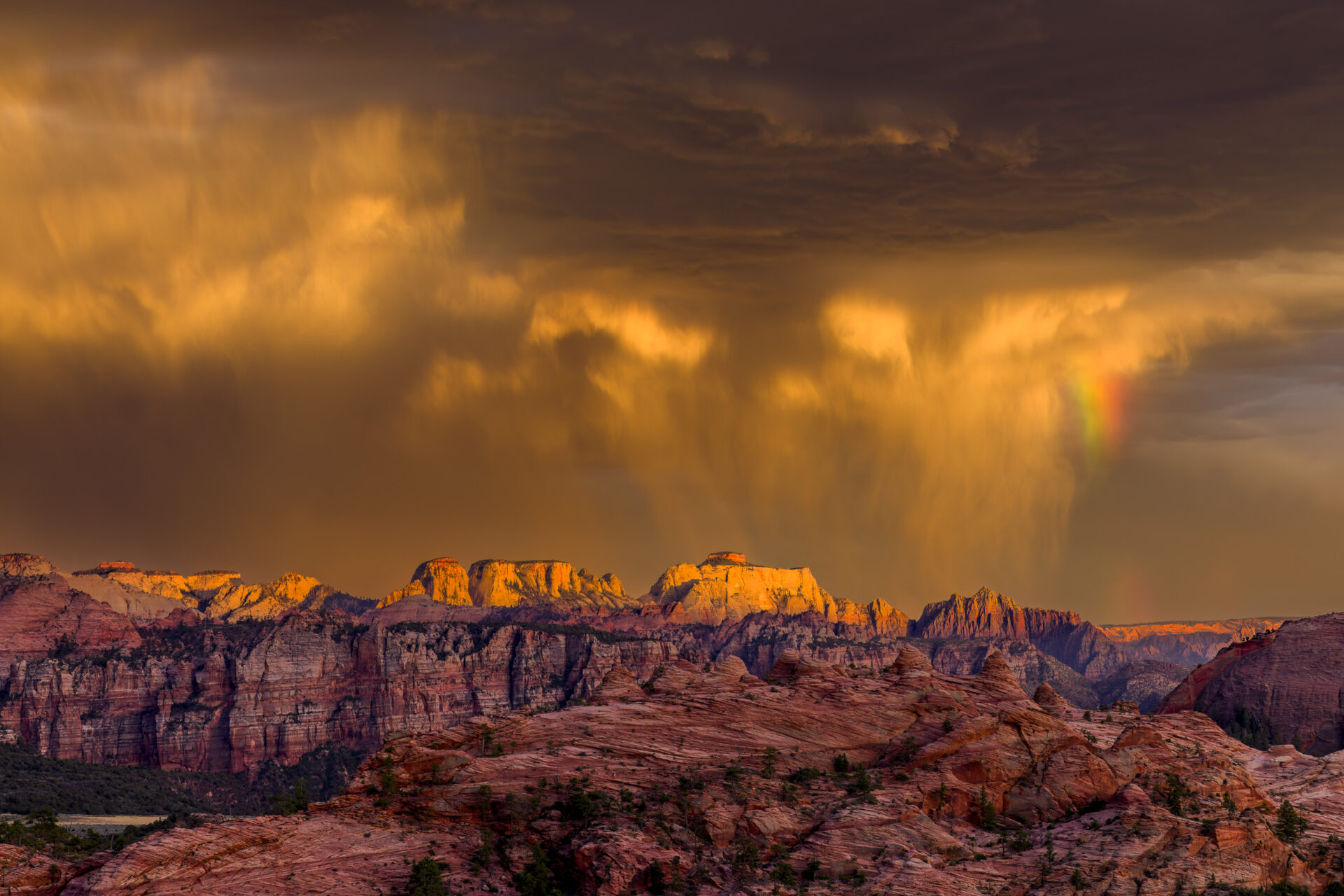
Best summer-friendly hikes
You do not need to spend summer in Zion hiding in your car. You just need to pick hikes that work with the season.
Lower-commitment options in Zion Canyon
- Riverside Walk: paved, family-friendly, and one of the best hot-day strolls thanks to river proximity and partial shade.
- Emerald Pools (check current conditions): can be a good morning option, but parts are exposed. Treat it as an early hike, not a noon hike.
- Pa’rus Trail: accessible and scenic. Go early or late for comfort.
Water-based classic: The Narrows (with big caveats)
Wading the Virgin River is a legitimate summer cheat code: you are in the water, you are in the shade of canyon walls, and the whole experience feels like you discovered air conditioning in nature.
But summer is also when conditions can change fast. If there is any flash-flood risk, this is not the day. Always check the current Narrows conditions and closures with the park before you step in.
Gear note: I strongly prefer closed-toe footwear with grip and a trekking pole for balance. If you did not pack the right stuff, outfitters in Springdale commonly rent Narrows-friendly gear.
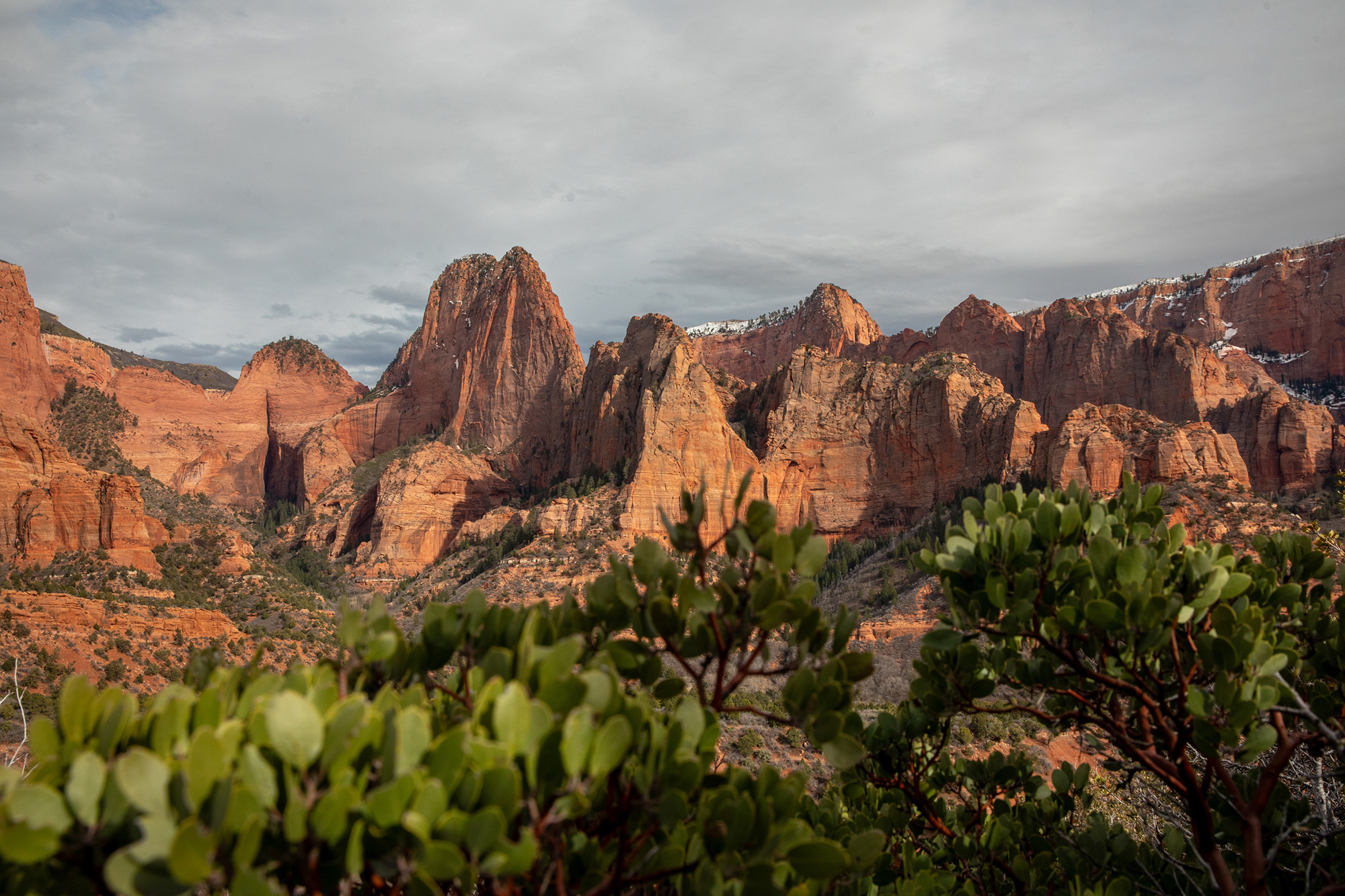
Higher areas: Kolob Terrace and Kolob Canyons
If Zion Canyon feels like an oven, I love escaping to higher areas of the park where you can catch more breeze and, often, cooler temperatures. It is not guaranteed in a heat wave, but the change of scenery alone can feel like relief.
Shade options beyond hiking
Summer Zion is also about pacing. The park rewards travelers who treat rest like a strategy, not a failure.
Use the shuttle stops as mini-viewpoints
Instead of one long exposed hike, you can hop off the shuttle for short, scenic bursts early and late, then ride in between while you cool down and drink water.
Midday reset in Springdale
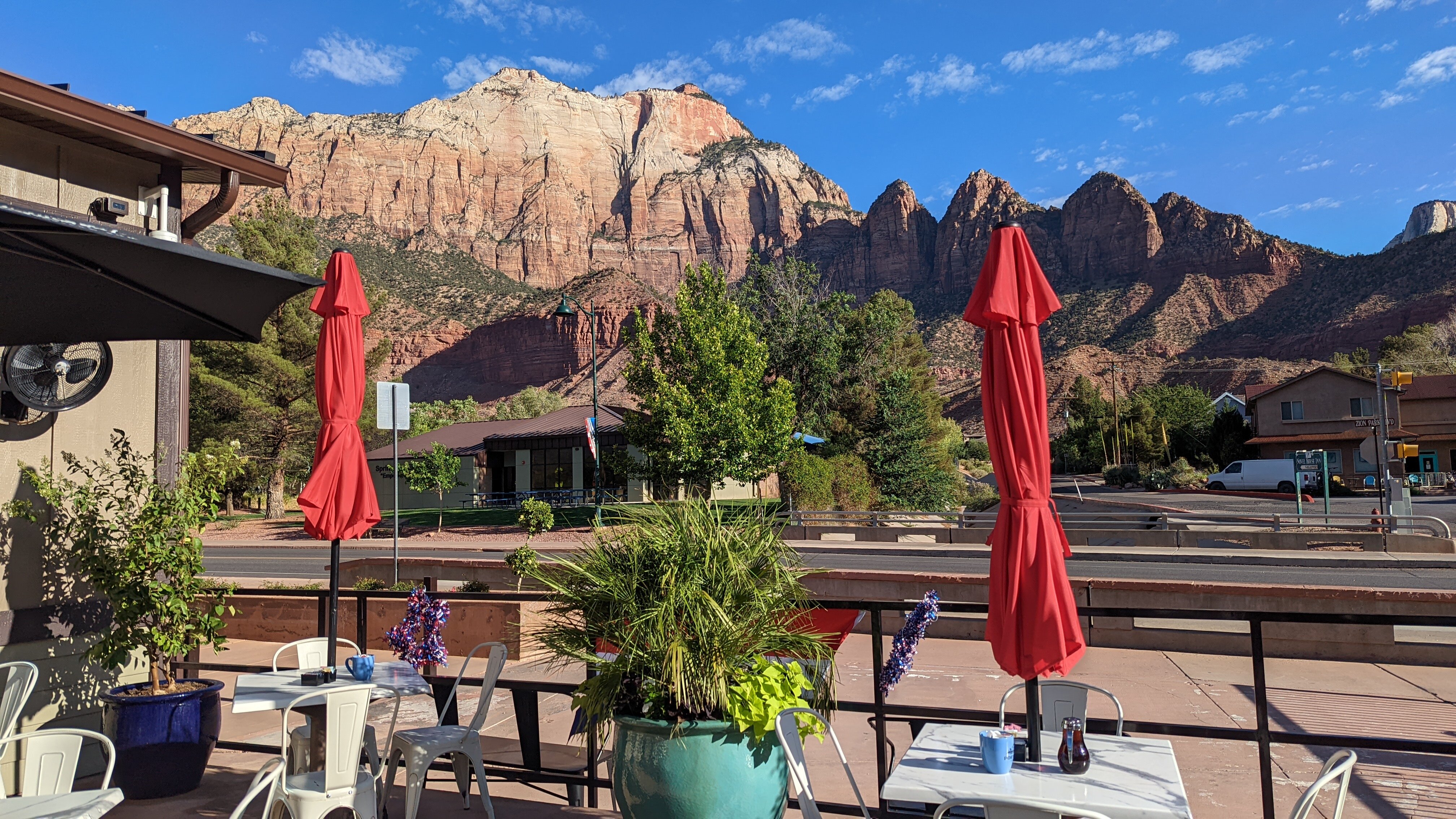
When the canyon is at its hottest, I usually retreat to Springdale for lunch, a good iced coffee, and a little shade. It is also a smart time to check updated weather, trail conditions, and any park alerts before you commit to your afternoon plan.
Visitor center and ranger desk
The Zion Canyon Visitor Center is more than a map stop. It is a solid indoor break and a great place to ask rangers about storm risk, trail status, and current water conditions. Cooling and indoor comfort can vary by building and season, so I treat it as a reliable information stop first, and a temperature reset second.
Swimming and wading: what to know
Zion is not a swimming-holes-everywhere park. Most visitors cool off by wading rather than swimming, and some areas have rules, closures, or safety concerns that make full-on swimming unrealistic or unsafe.
The practical truth about the Virgin River
- Wading is common: especially for The Narrows and riverside areas.
- Current and depth vary: conditions can change quickly after rain.
- Algae advisory: Zion has ongoing advisories about toxic cyanobacteria blooms in the Virgin River. I treat the river as look but do not drink water. I avoid getting water in my mouth, I do not submerge my head, and I keep pets from drinking or playing in it.
Safety-first boundaries I use
- If water is rising or turning muddy fast, I get out early.
- If thunder is audible anywhere nearby, I assume storm runoff is possible and avoid narrow river corridors.
- If I would not be comfortable falling in, I do not wade there.
Rules and advisories can change with conditions. Before you plan a river-heavy day, check current NPS guidance on swimming and wading, and ask at the visitor center about closures and the day’s river advisories.
Permits and reservations to know
Summer Zion is not just a show-up-and-wing-it park anymore. A few of the most famous experiences have permit systems, and they change how you plan your mornings.
- Angels Landing: requires a permit to hike beyond Scout Lookout. It is also brutally exposed in summer heat, so if you do it, I would only do it early.
- The Narrows: the bottom-up day hike is the common summer option, but longer routes like top-down trips typically require permits. Always verify what your exact plan requires.
My approach is to decide what you care about most, then confirm requirements and apply early. For everything else, build your itinerary to be flexible.
One-day and two-day summer game plans
If you have one day
- Sunrise to mid-morning: choose your biggest hike early, based on conditions and any permits you already have.
- Late morning: Riverside Walk and shuttle sightseeing.
- Midday: Springdale lunch and shade break. Check weather and alerts for storms.
- Late afternoon: short trail or viewpoint if storms are not building.
If you have two days
- Day 1: Zion Canyon early, then shade and town reset midday.
- Day 2: consider Kolob Canyons or Kolob Terrace for a different feel, then return to the canyon late for softer light and cooler temps.
Summer packing list: my carry-on-only version
I keep it simple, but I do not skimp on sun and water gear in Zion.
- Hydration bladder or multiple bottles you can actually finish
- Electrolytes
- Sun hat and sunglasses
- Sunscreen and lip balm with SPF
- Lightweight long-sleeve layer (sun protection beats bare arms in desert heat)
- Grippy hiking shoes
- Closed-toe water shoes and a trekking pole if you are doing The Narrows
- Dry bag or waterproof phone protection for river days
- Rain layer if storms are in the forecast
Quick FAQ for Zion in summer
Is Zion too hot in July or August?
It can be very hot, but it is still doable with early starts, shade breaks, and realistic mileage. Plan your biggest hikes for sunrise hours and treat midday as a different activity block.
When is monsoon season in Zion?
Monsoon moisture most often impacts Zion in mid to late summer, but stormy patterns can vary year to year. What matters most is the day’s forecast and upstream rain risk.
Can I do The Narrows in summer?
Yes, and summer is popular because wading keeps you cool. But it is exactly the kind of hike you should skip if storms are possible, since flash-flood risk is the core hazard. Also pay attention to current park advisories about water quality, including toxic cyanobacteria.
Where do I find shade in Zion?
Your best shade tends to be in the canyon bottom early and late, near the river, and along shorter walks like Riverside Walk. Outside the park, Springdale is your midday shade break.
The summer Zion mindset
Zion in summer rewards travelers who move like locals: early alarms, long lunches, and flexibility when the sky changes its mind. If you build your itinerary around shade, shuttle logistics, and storm awareness, you will still get the big canyon views and the wild moments, plus a trip that feels sustainable instead of punishing.