Zion in Winter: What’s Open, What Icy Means, and Quiet Trails

Maya Lin
Maya Lin is a travel journalist and outdoor enthusiast who believes the best trips combine rugged adventures with urban comforts. After spending six years backpacking across four continents, she founded Trail & Town Guide to help fellow travelers navigate both hidden mountain passes and bustling city neighborhoods with confidence.
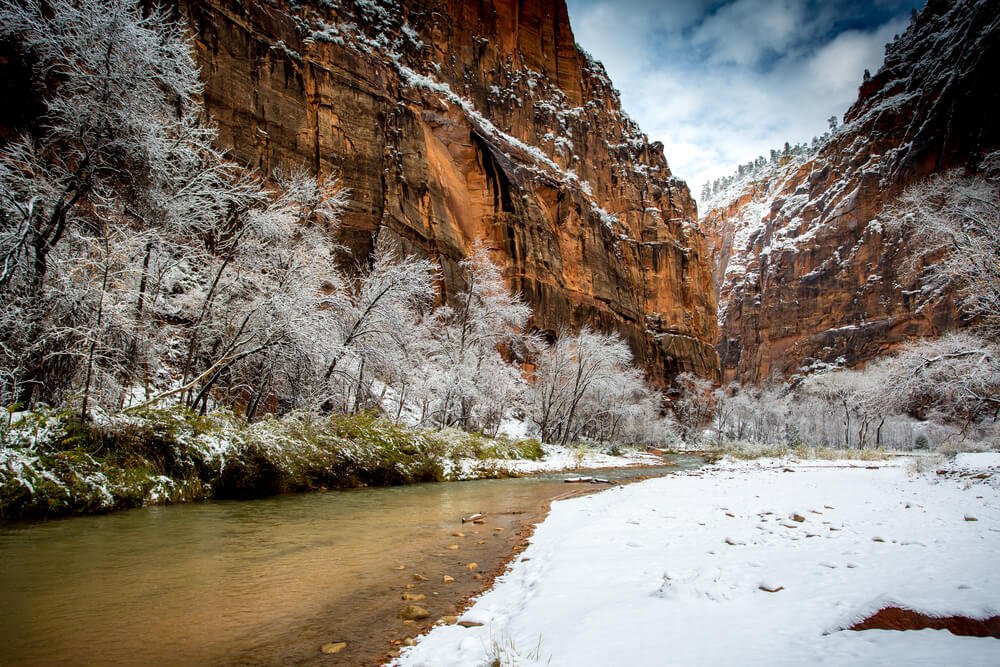
Zion in winter is the park on “low volume.” The cliffs still glow, the air smells like cold sandstone, and Springdale suddenly feels like a real small town instead of a crowded funnel. It is also the season where access rules shift, water turns from playful to dangerous, and the phrase “just a little ice” can change your whole day.
This is my no-drama, plan-it-right breakdown of what typically stays open, what commonly closes, and how to pick trails that feel wild without being reckless.
Winter basics: what changes and why it matters
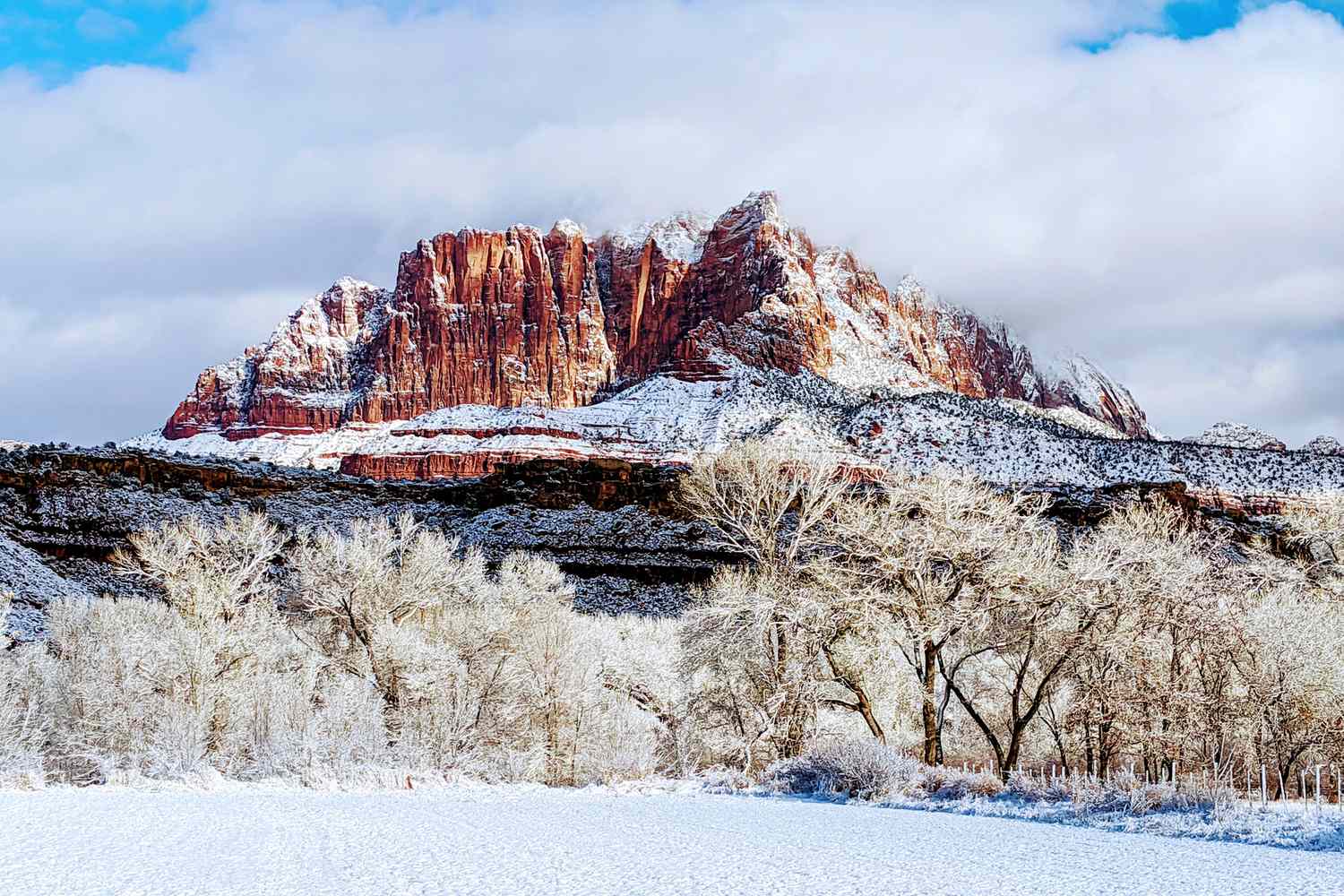
Winter in Zion generally means fewer people, shorter days, colder nights, and more variable trail conditions. One storm can dust the canyon rims while the main canyon stays dry. Another can glaze shady switchbacks with ice for a week.
- Daylight is tight. Expect early sunsets and long canyon shadows. Build itineraries that finish hikes earlier than your summer instincts suggest.
- Shade is colder than the forecast. The main canyon can feel significantly chillier than Springdale midday temps, especially near water.
- Trail conditions are inconsistent. South-facing paths may be dry while north-facing corners stay slick.
- Services can be reduced. Visitor center hours, facilities, and seasonal operations vary by year and weather.
Always confirm current conditions with the National Park Service before you go, especially after storms. Winter closures and road restrictions can change quickly.
Shuttle vs private vehicle: the winter access reality
Zion’s most important winter question is not “Which hike first?” It is “How do I get into Zion Canyon today?” Access is controlled by a shuttle system during the busy season, and in winter the pattern often changes. Exact dates and hours are set seasonally and can shift year to year, so treat any rule-of-thumb as a starting point, not a promise.
When the shuttle may not be running
In the late fall to winter window, the Zion Canyon Shuttle is often reduced or paused, and private vehicles may be allowed on Zion Canyon Scenic Drive. That sounds like freedom, and it can be, but it comes with a catch: parking becomes the bottleneck.
- If private vehicles are allowed, parking at trailheads like The Grotto can fill fast, especially on weekends and holiday weeks.
- If shuttles are running during your visit, private cars are generally not allowed on the Scenic Drive during shuttle operations, with limited exceptions (for example, certain permitted access). Check the current NPS language for your dates.
- Bikes and e-bikes are allowed on the Scenic Drive. In winter, that can be a great Plan B if the shuttle is running or parking is jammed.
Practical winter strategy
- Check shuttle status for your exact dates on the NPS Zion site before you commit to a start time.
- Arrive early if private vehicles are allowed and your hike depends on a specific trailhead.
- Have a “Plan B trail” that starts from the Visitor Center area if canyon parking fills.
My favorite low-stress winter approach is to choose one “must-do” that depends on the canyon drive and one “flex” hike that you can do anywhere in the park if parking or weather changes.
Winter driving: SR-9 and the tunnel
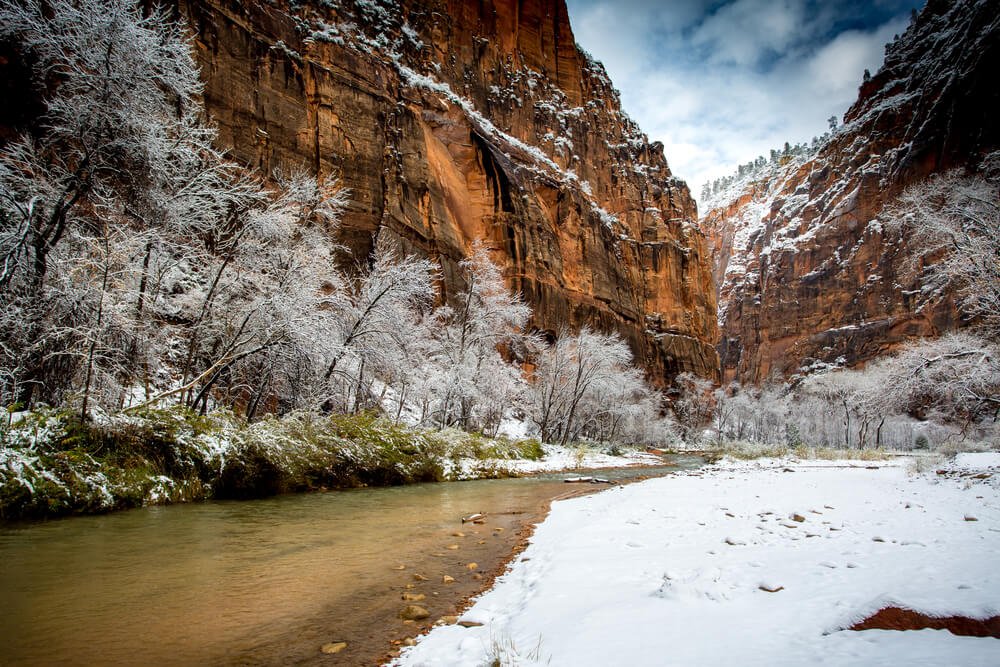
Do not overlook the drive. The Zion-Mt. Carmel Highway (SR-9) and the Zion-Mt. Carmel Tunnel are a major park highlight, and winter is when they can go from postcard-easy to “check conditions first.”
- Road conditions can change fast. Snow and ice are more likely on higher stretches and shaded curves, even if Springdale feels mild.
- The tunnel is a choke point. Traffic can stack up, and oversized vehicles require special handling and often timed assistance. In winter, delays plus early darkness can sneak up on you.
- Check before you drive. Look at NPS alerts for Zion and use UDOT road condition updates for SR-9 and approach routes.
What stays open (and what commonly closes)
Zion is not an “off-season shutdown” park. Most visitors can still have a full winter trip, but you should expect selective closures, shorter hours, and occasional road impacts.
Often open year-round
- Many Zion Canyon area trails (conditions vary, ice is common in shaded spots)
- Scenic driving on open roads not impacted by storms, rockfall work, or maintenance
- Many front-country viewpoints and short walks
- Visitor services (hours can be reduced in winter)
Common winter disruptions
- Trail or route impacts from rockfall, washouts, or maintenance
- Temporary closures after storms for safety assessment
- Higher roads and quieter corners (Kolob Terrace Road and other higher routes) can see snow, ice, and temporary closures more often than the main canyon
- SR-9 impacts are uncommon but possible during heavy storms or rockfall response. Check alerts if the highway is part of your plan.
If a storm is in the forecast, assume rim-adjacent routes will be the first to feel it. If the forecast looks clear but nights are below freezing, assume shady approaches will be icy even if the pavement in Springdale is dry.
Microspikes reality: when they help and when they do not
Microspikes are one of those pieces of gear that feels optional until you are standing on a tilted patch of hard ice with a drop on one side. In Zion winter, they are not always necessary, but they are often the difference between “fun hike” and “turnaround at mile one.”
Where ice tends to linger
- North-facing switchbacks that get little sun
- Shaded canyon corridors, especially near seeps or dripping rock
- Early morning when meltwater refreezes overnight
What microspikes do well
- Provide bite on hard-packed snow and thin ice
- Increase confidence on short icy sections so you do not waste energy “ice skating”
What microspikes do not fix
- Deep snow (this is where you start postholing, meaning you sink knee-deep, and it gets slow fast)
- Slushy mud (you will still slip, plus you will destroy the trail edge trying to avoid it)
- Exposure and fear of heights (traction helps footing, not nerves)
My take: if you are hiking anything with sustained shade, drop-offs, or a history of winter ice, microspikes are a smart carry compromise. They are light, they pack small, and you will be glad you have them when someone ahead of you turns around and says, “It’s solid ice up there.”
Angels Landing in winter: ice and permits
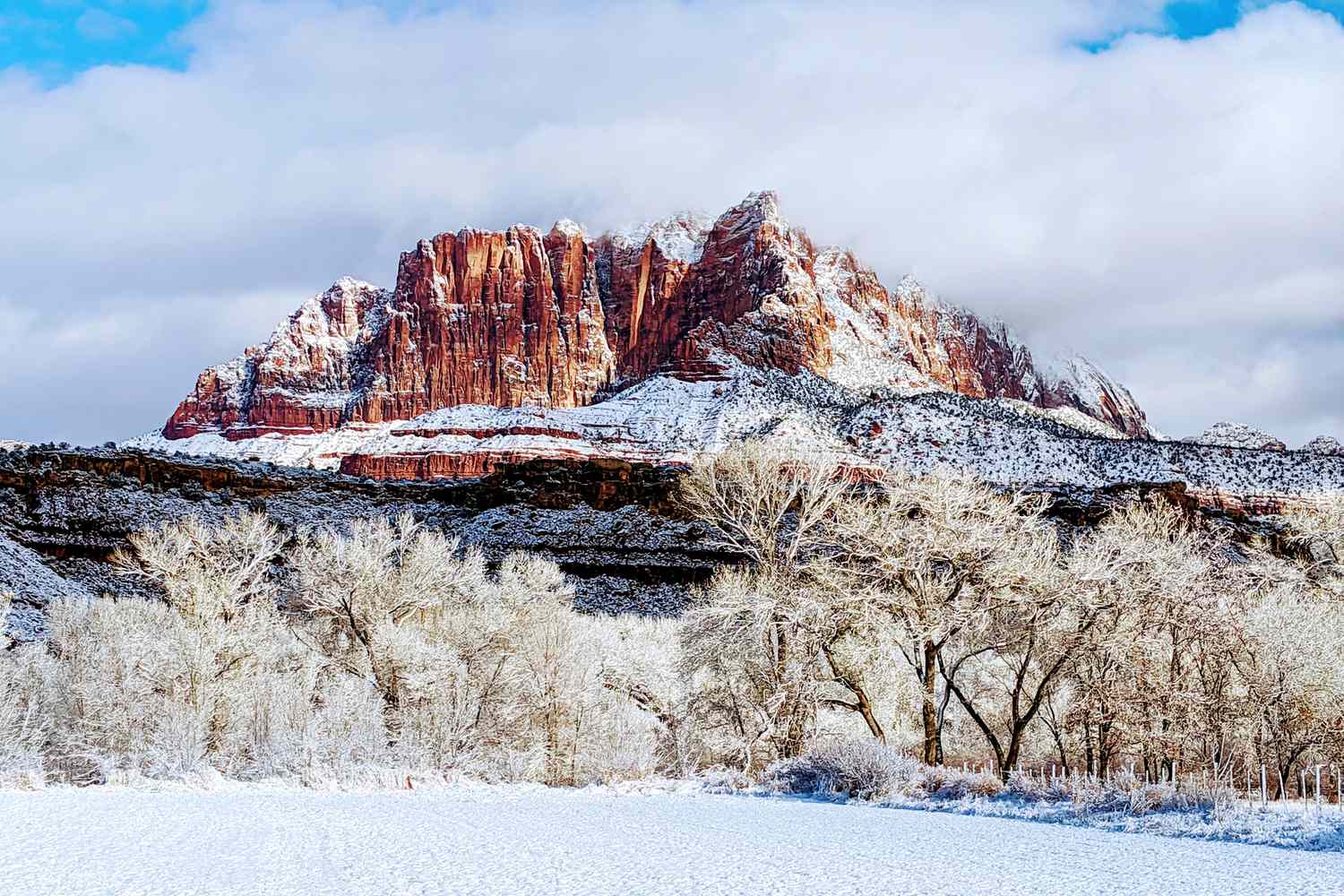
Angels Landing is still Angels Landing in winter. The views are unreal, and the exposure is real. The biggest seasonal difference is that the approach can hold ice, especially on shaded sections of the switchbacks and along narrow benches where meltwater refreezes.
High-level winter considerations
- Expect icy sections even when the canyon floor feels mild.
- Bring traction if recent weather suggests freezing nights, storm leftovers, or persistent shade.
- Turnaround is a valid plan. Winter is not the season to force the chains section if conditions feel sketchy.
Permits: Angels Landing requires a permit. Rules and seasonal details can change, so use the official NPS permits page for the most current requirements and application windows.
If you want a winter “big view” without the same exposure, consider hiking up to Scout Lookout (conditions permitting) and calling it a win. It still delivers a major overlook without committing to the chains.
The Narrows in winter: cold water is the point
The Narrows is iconic for a reason, but winter is when it becomes less of a casual adventure and more of a cold-water decision. The risk is not only air temperature. It is the combination of cold water, shade, and time spent wading.
Why winter Narrows can be serious
- Cold stress adds up quietly. You are wet from the knees down for hours.
- Sun is limited. The canyon blocks light and warmth for much of the day.
- Slip hazard increases. Algae-coated rocks do not care about your boots.
- Flash flood risk still exists. Winter storms can spike flow, and snowmelt can contribute in shoulder seasons.
Gear that actually changes the game
- Dry pants or a dry suit (commonly rented in Springdale in winter) are the standard safety upgrade for longer wades.
- Neoprene socks or canyon boots are often paired with that setup for warmth and traction.
Flow guidance, briefly
The NPS posts current Narrows advisories and flow guidance thresholds (including higher-risk ranges and closure guidance). Those numbers and messages can change, so do not memorize a blog cutoff. Check the current NPS advisory for the day you plan to hike.
Smart winter alternatives
- Riverside Walk for a Narrows “preview” without committing to long, cold wading
- Short out-and-back wades only if conditions, gear, and flow are appropriate and you can bail early
If you are determined to do a deeper Narrows day in winter, you are moving into “specialized gear and conditions check” territory. Watch current flow, weather, and any NPS advisories. Many visitors rent dry pants or a dry suit locally and keep the day conservative.
Quiet trail ideas that shine in winter
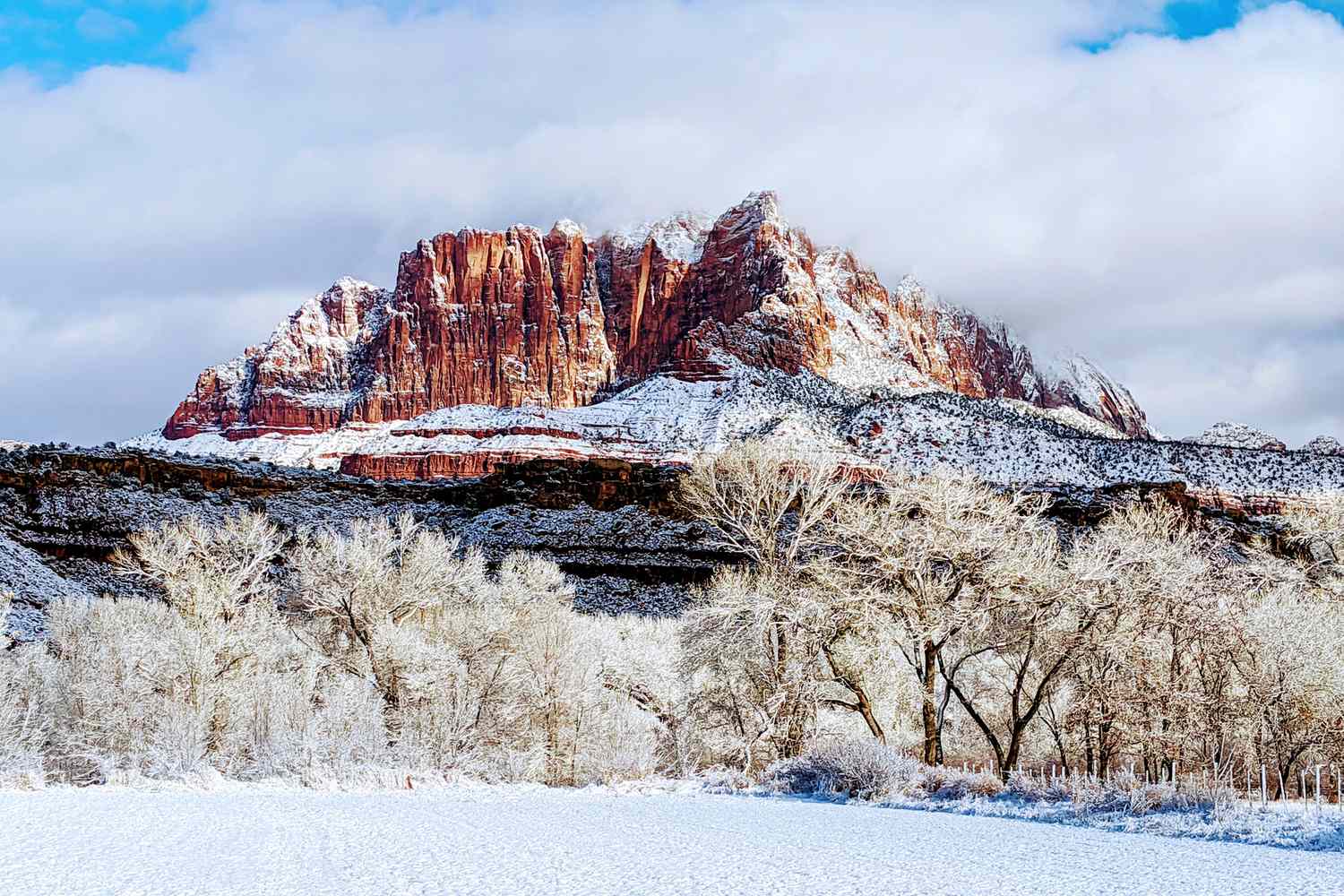
Winter Zion rewards hikers who are flexible and willing to trade famous bottlenecks for steady solitude. These are the kinds of trails where you can hear the river, notice etched textures in the rock, and actually stop for a snack without a line behind you.
1) Watchman Trail
A classic with big payoff and often less chaos than the canyon interior. Winter light can be gorgeous here, and it is easy to time around short days.
- Why it works in winter: Great views with a manageable time commitment.
- Microspikes? Sometimes helpful early morning or after storms, especially in shaded patches.
2) Pa’rus Trail
If you want movement without committing to exposure or icy switchbacks, Pa’rus is a solid winter reset. It is also a great photography stroll when the canyon walls start glowing near sunset.
- Why it works in winter: Low commitment, easy to turn around, good for families and recovery days.
- Microspikes? Usually not necessary, but watch for icy puddles in deep shade.
3) Canyon Overlook (timed right)
This one is popular year-round, but winter crowds can be more manageable if you avoid the late-morning rush. The view is huge for a short hike, and it is a smart pick when you want drama without a full-day hike.
- Why it works in winter: Short-day friendly, big view return on time.
- Heads up: The parking area can be tight, and icy edges are possible after storms.
4) Kolob Canyons: quick overlooks
If the main canyon feels busy, Kolob can feel like Zion’s quieter cousin. Higher elevation can mean more snow, but on clear winter days it can be stunning and calm.
- Why it works in winter: Fewer people, broad views, quick wins.
- Heads up: Check road status after storms and plan for fewer services out there.
5) Timber Creek Overlook (Kolob Canyons)
A short hike with a high payoff when conditions are friendly. It is a great “last stop” option if you are already up in Kolob and want a clean view without a full commitment.
- Why it works in winter: Short, scenic, usually calmer than the main canyon.
- Microspikes? Useful if snow has packed down.
6) Emerald Pools (choose expectations)
These trails can be winter-beautiful, especially if you catch thin ice and trickling water. They can also be muddy or slick in spots. Go with realistic expectations and traction if needed.
- Why it works in winter: Shorter options with scenery, good for mixed-ability groups.
- Microspikes? Helpful when the shaded sections turn to ice.
Photography and daylight: plan your shots
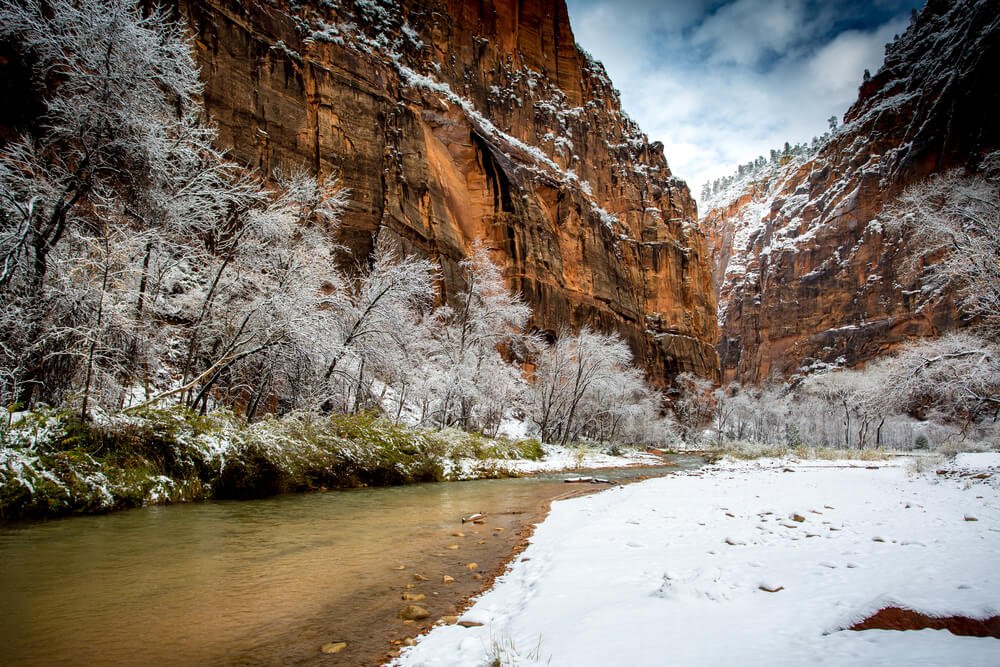
Zion’s cliffs look different in winter, not just because of possible snow, but because the sun angle is lower and the shadows are longer. Translation: the canyon can feel like a light-and-dark chessboard all day.
Golden hour is not your only friend
- Midday can be best for narrow corridors when you need light to reach deeper into the canyon.
- Morning and late afternoon can deliver warm wall glow, but some trails will be in full shade and feel colder.
Plan for earlier finishes
Even if a hike is “only” a few miles, winter slows people down. Extra layers, slick spots, and more photo stops add time. Build in buffer so you are not hustling down icy trail sections at dusk.
A simple winter photo checklist
- Carry gloves that let you use your phone or camera controls.
- Bring a small microfiber cloth for condensation and river spray.
- If it is cold, keep spare batteries warm in an inner pocket.
- Expect high contrast in the canyon and meter carefully, especially with snow patches.
Closures and low-crowd wins
Winter’s magic is quiet. Winter’s cost is unpredictability. Here is the honest trade.
Low-crowd wins
- More parking availability on weekdays
- Less trail congestion and fewer shuttle lines when service is reduced
- Cooler hiking temps for sun-exposed routes
- Better chances of relaxed meals and coffee stops in Springdale
Winter candor
- Ice can shut down your plan even when skies are blue.
- The Narrows can go from “bucket list” to “not today” because of cold water and flow advisories.
- Some viewpoints or higher roads can be impacted by snow events.
- Trail conditions can change faster than guidebooks do.
If you pack traction, keep your plans flexible, and treat water and ice with respect, winter can be the most rewarding season to see Zion.
My winter Zion packing short list
I am carry-on only by nature, but Zion winter earns a few non-negotiables. This is the tight list I actually use for a day-hike focused trip.
- Microspikes (small, light, high reward)
- Warm layers you can vent easily: base layer, midlayer, windproof shell
- Warm hat and gloves
- Headlamp (because winter daylight is not forgiving)
- Traction-friendly shoes with solid tread
- Thermos or insulated bottle for a hot drink if you run cold
- Emergency basics: snacks, water, map or offline GPS, small first aid kit
If you are considering any cold-water canyon time, that is a separate gear conversation. Be realistic about what you own, what you can rent, and what conditions require.
Two sample winter days
Day 1: Canyon classics, low stress
- Sunrise or early morning: Watchman Trail
- Midday: Pa’rus Trail stroll and coffee in Springdale
- Late afternoon: Canyon Overlook timed for light, if roads are clear and parking works out
Day 2: Quiet corners and flexibility
- Morning: Kolob Canyons scenic drive and short hikes (weather permitting)
- Midday: Visitor Center area walk or a shorter canyon trail based on ice reports
- Early finish: sunset viewpoint near town and a warm meal
Winter Zion is best when your schedule has breathing room. Choose one anchor hike per day, then let conditions decide the rest.
Before you go: quick checks
- Confirm shuttle status and Zion Canyon Scenic Drive rules for your dates.
- Check trail conditions and any temporary closures on the NPS site.
- Look at overnight lows, not just daytime highs, to predict ice.
- For Angels Landing, review the official permits page and do not assume last year’s rules.
- For the Narrows, check flow and heed cold-water warnings and NPS advisories.
- If you plan to drive SR-9 and the tunnel, check NPS alerts and UDOT updates for weather impacts.
Do that homework, and Zion in winter becomes what it should be: a quieter, sharper-edged version of the park, where you can still get epic views and still make it back to town in time for a warm drink.