Valley View Overlook in Yosemite: Sunset and Parking

Maya Lin
Maya Lin is a travel journalist and outdoor enthusiast who believes the best trips combine rugged adventures with urban comforts. After spending six years backpacking across four continents, she founded Trail & Town Guide to help fellow travelers navigate both hidden mountain passes and bustling city neighborhoods with confidence.
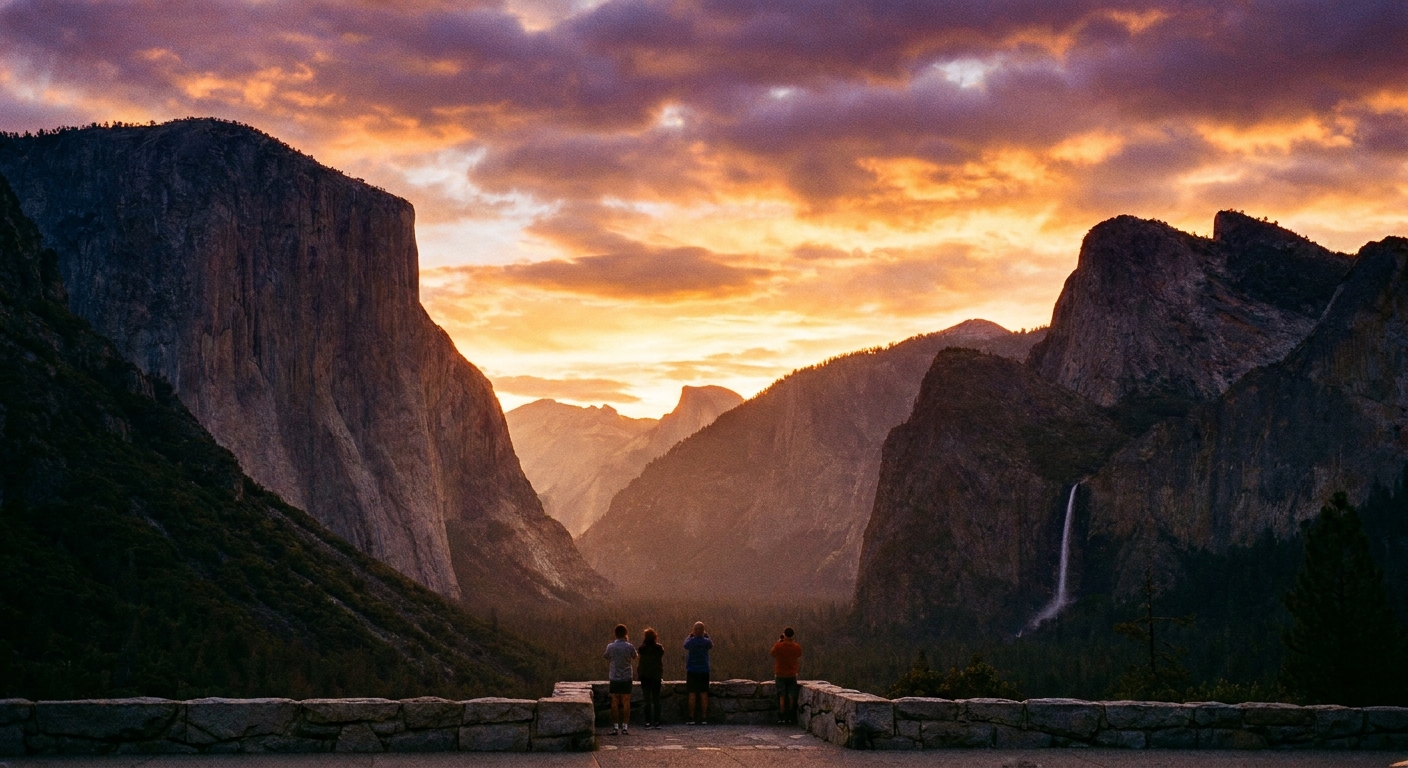
Valley View is my favorite kind of Yosemite stop: low effort, high reward, and shockingly easy to miss if you are focused on the big-name viewpoints. It is a roadside pullout at the west end of Yosemite Valley where the Merced River, El Capitan, and Bridalveil Fall line up in a classic “postcard” frame. At sunset, the light can turn El Cap’s face honey-gold while the river goes glassy and dark. If you catch it on a calm evening, it feels like you got a private show without hiking a mile.
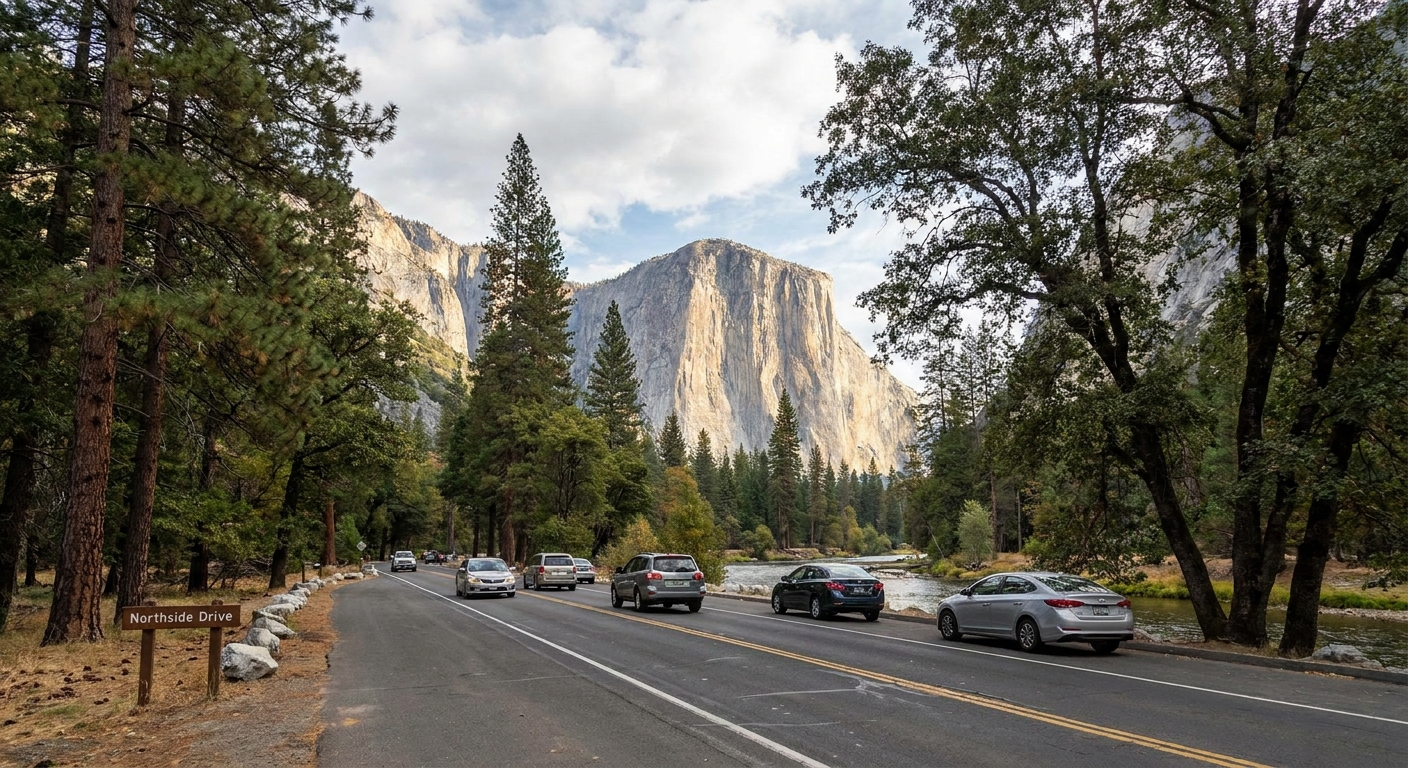
The tradeoff is parking. Valley View is small, popular, and right on Northside Drive, so your whole plan lives or dies by timing. Here is how to do it smoothly.
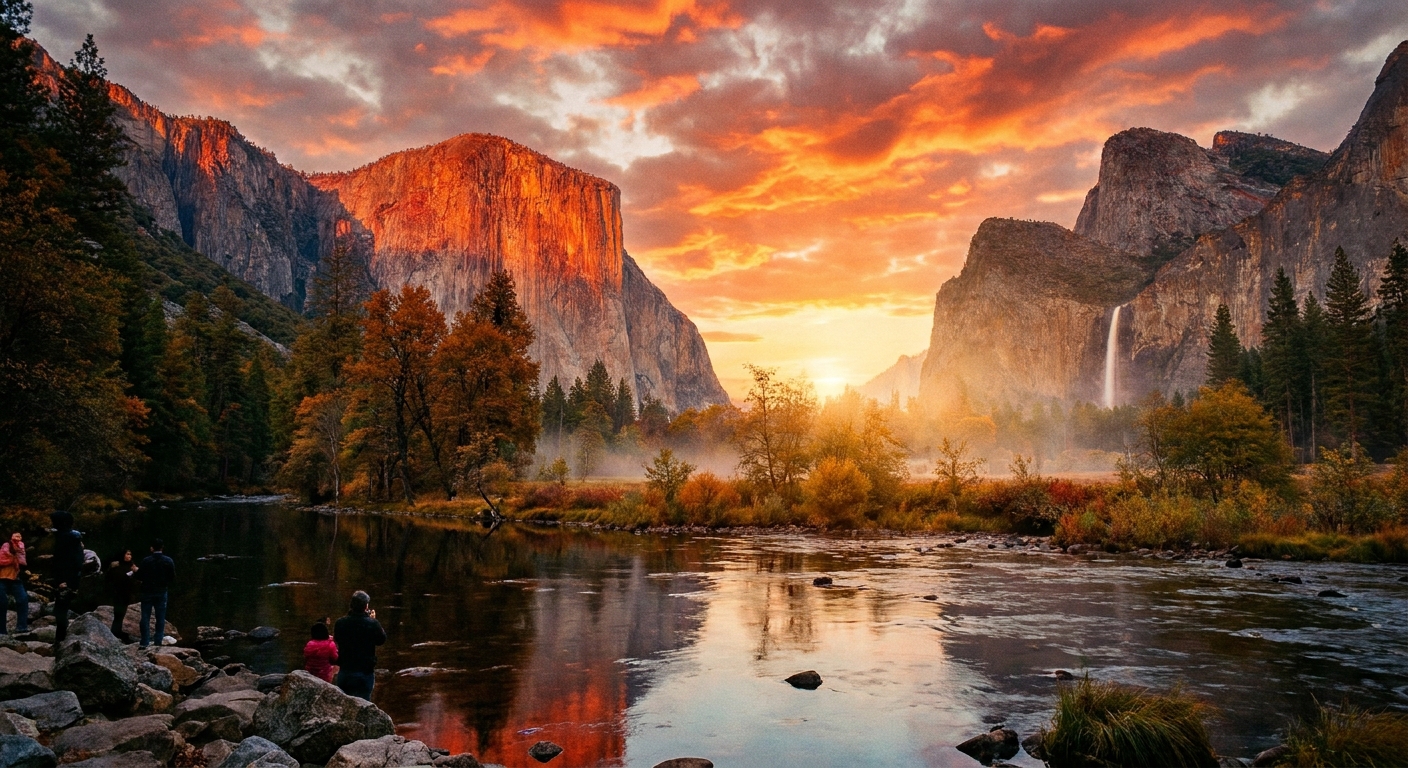
Where it is (and why it feels different)
Valley View sits near the western end of Yosemite Valley along Northside Drive, the road that is typically one-way heading west out of the Valley. Yosemite’s traffic patterns can change seasonally, so if you are building a tight schedule around sunset, it is worth a quick check of current Yosemite National Park road updates and alerts before you go.
What makes it special is the composition. You are not looking down into the Valley from above. You are inside it, at river level, with the big granite walls rising straight up. It feels more intimate and less “panorama,” which is exactly why it photographs so well in softer light.
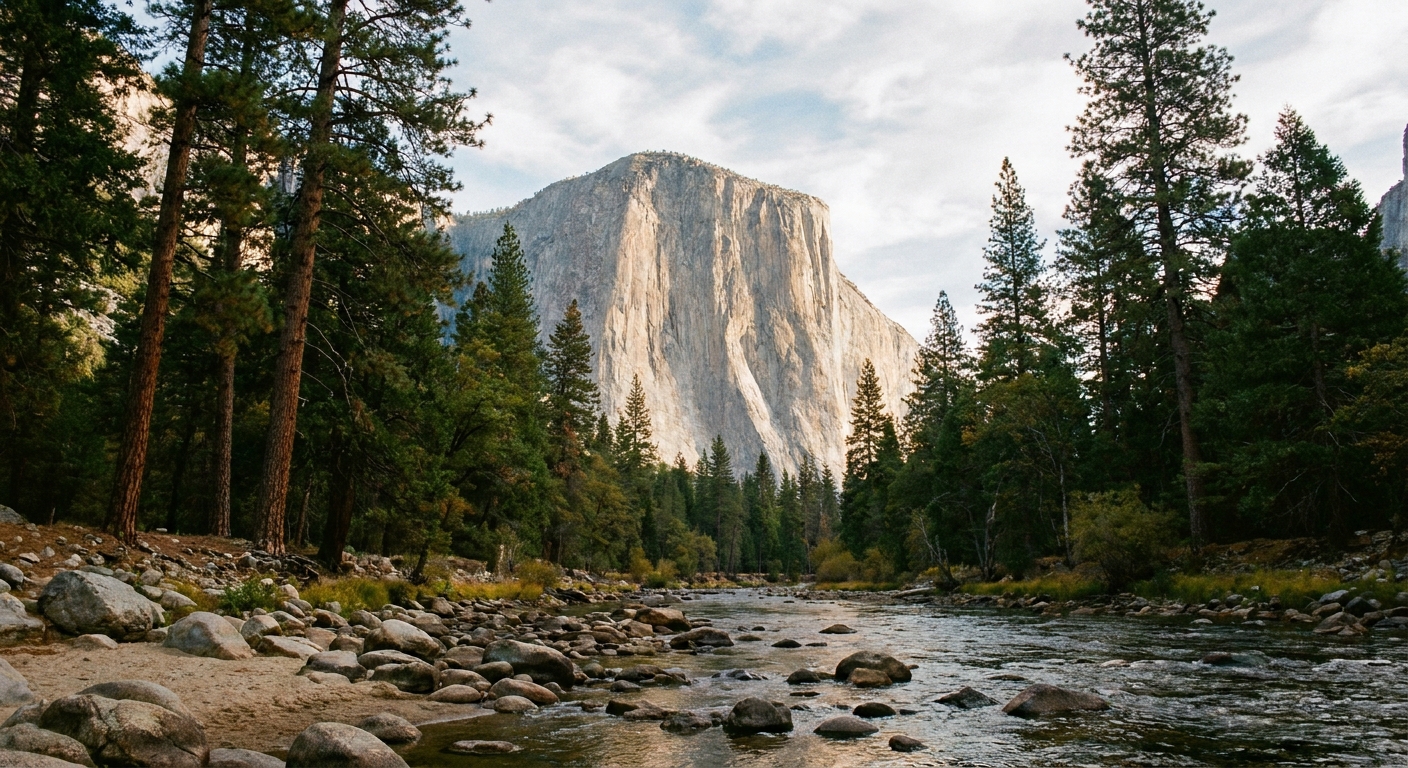
Parking: what to expect
Lot size and turnover
Valley View is a small roadside pullout, not a large viewpoint lot. Spaces fill quickly around golden hour, especially on weekends, summer evenings, and holiday periods. Turnover can be slow because once people get a good river spot, they tend to stay through sunset and a little after.
My rule of thumb for arrival
- Shoulder season weekdays: arrive 45 to 60 minutes before sunset for a decent shot at parking.
- Summer, weekends, and busy periods: arrive 60 to 90 minutes before sunset, or earlier if you want to pick your exact river angle.
How to park safely
Because Valley View is on a busy one-way stretch, the biggest mistake I see is people slowing suddenly or stopping where they should not. If the pullout is full, keep moving and use a backup plan rather than blocking traffic.
- Only park in marked spaces or clearly designated pullout areas.
- Do not stop in the lane to wait for a spot.
- Be extra cautious with kids and pets near the road edge.
If the lot is full: continue west and consider circling later if traffic allows, or pivot to Tunnel View, which has larger parking areas (still busy at peak times) and is usually less timing-dependent than this tiny pullout.
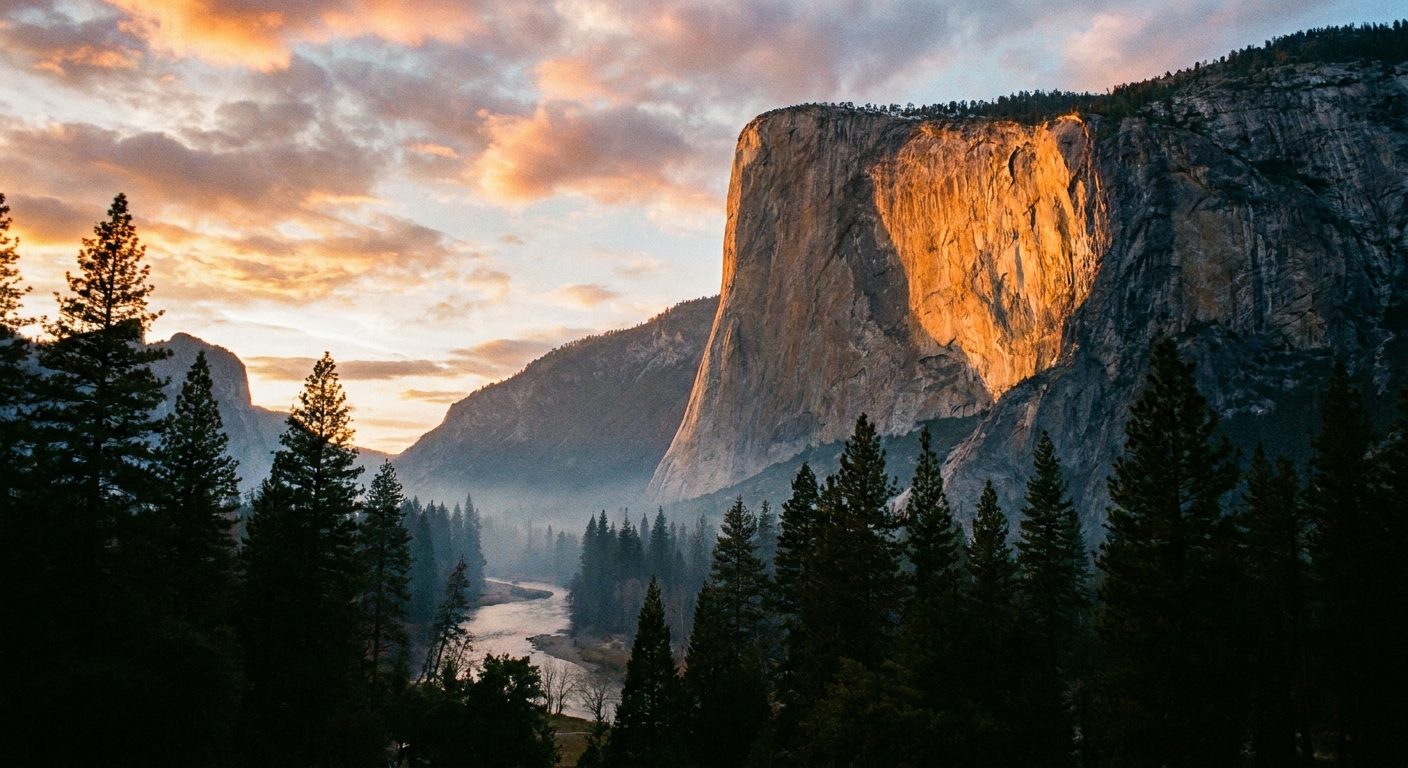
Best timing for glow and afterglow
Valley View is a late-light stop. The west end of the Valley can hold onto warm tones as the sun drops, but the cliffs also throw long shadows that shift quickly.
For the best color
- Arrive: 60 to 90 minutes before sunset (earlier in summer crowds).
- Sweet spot: roughly 30 minutes before sunset through 15 minutes after, depending on season and cloud cover.
- Stay a little longer: the afterglow can be the whole point, especially if the river is calm.
Seasonal reality check
Water flow at Bridalveil Fall changes through the year. In late summer and fall, the fall can be thinner or even reduced to a trickle in dry conditions. The view is still worth it for El Capitan, the river reflection, and the overall mood, but set expectations if you are visiting late in a dry year.
How long to allow
If you are doing this as an end-of-day stop, budget more time than you think. The magic is not the first glance. It is how the light changes minute by minute.
- Quick stop: 10 to 15 minutes if you already have parking and just want a look.
- Golden hour stop: 45 to 75 minutes to settle in, explore a couple angles along the river edge, and stay through the color shift.
- Photographer pace: 60 to 90 minutes if you want to wait for reflections and shoot into blue hour.
Practical note: bring a light layer even in summer. Once the sun dips, that river-cool air shows up fast.
Restrooms and basics
Do not count on restrooms at the pullout itself. I treat Valley View like a quick roadside stop and plan bathroom breaks earlier in the Valley (or at major hubs) so I am not scrambling right when the light gets good.
Valley View vs Tunnel View
If Tunnel View is the famous balcony shot of Yosemite Valley, Valley View is the quiet riverside scene. They are not redundant. They are complementary.
Tunnel View
- Vibe: big, elevated panorama.
- What you see: El Capitan, Half Dome, and Bridalveil Fall in one sweeping frame.
- Parking: larger lots, but still busy at popular times.
- Best for: first-timers, wide landscape photos, dramatic sky moments.
Valley View
- Vibe: intimate river-level perspective.
- What you see: El Capitan and Bridalveil Fall with the Merced River foreground.
- Parking: small pullout, very timing dependent.
- Best for: reflection shots, softer light, a calmer end-of-day stop.
If you only have time for one and you hate parking stress, Tunnel View is often the safer bet. If you can arrive early enough to snag a spot, Valley View delivers that “I cannot believe this is roadside” feeling.
February Horsetail Fall season
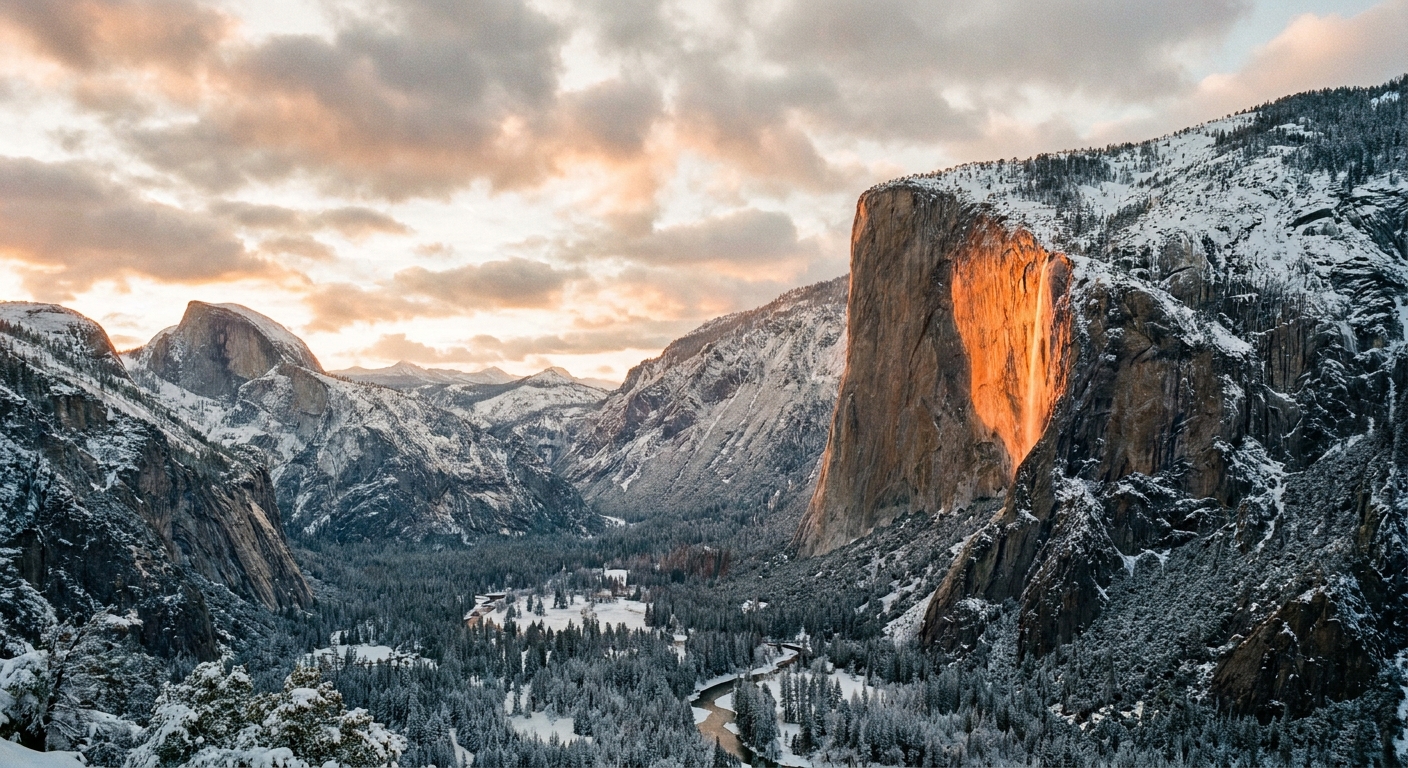
Valley View is not the Horsetail Fall viewing area. Horsetail Fall is on the east end of Yosemite Valley on the face of El Capitan, and the famous February “firefall” effect draws heavy crowds when conditions align.
In February, Yosemite sometimes implements special traffic and parking management to handle congestion near the viewing zones. Even though Valley View is elsewhere, the overall Valley can feel busier in late afternoons and evenings during that period, and travel times can stretch.
Policies and details can change year to year, so if you are visiting in February, check Yosemite National Park alerts before you commit to a last-minute cross-Valley dash.
Pair it with Bridalveil Fall
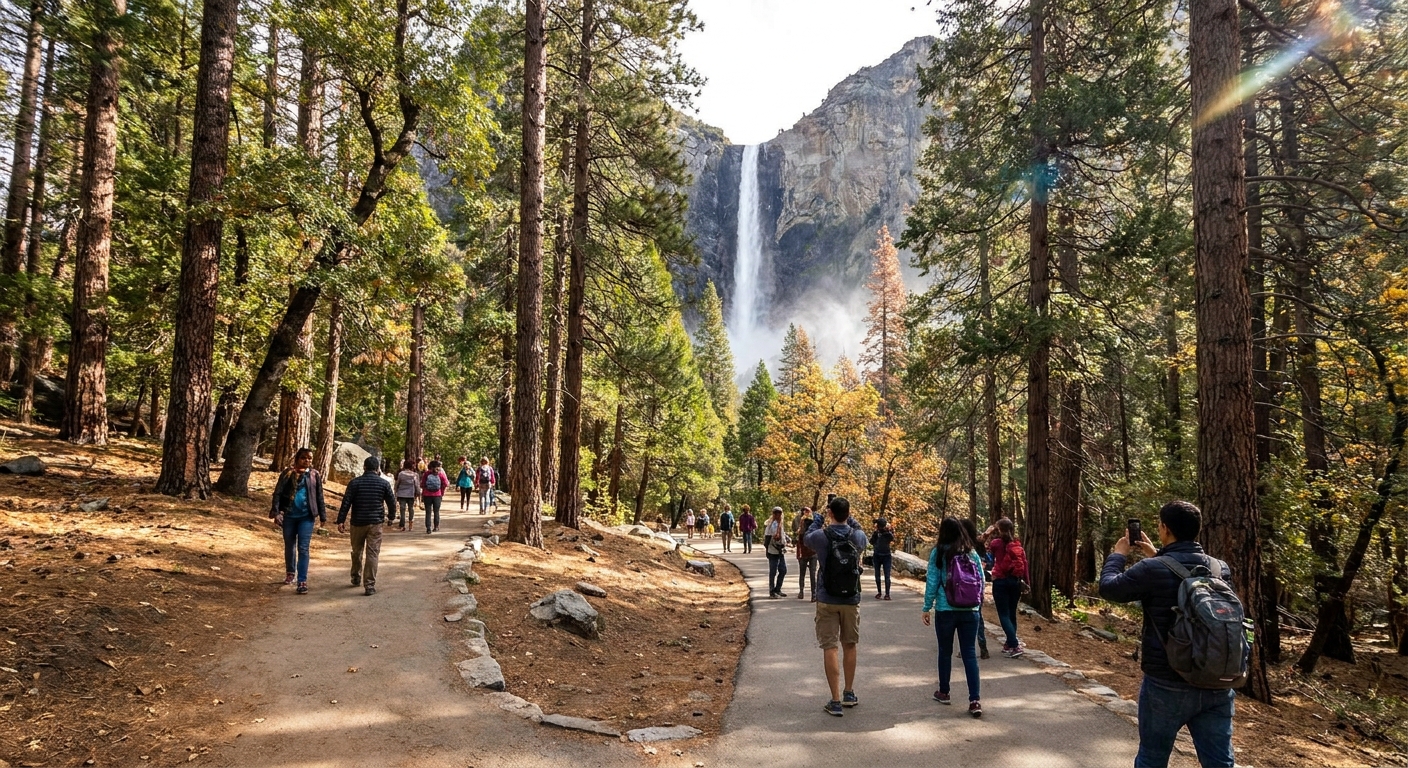
If you want to turn your Valley View stop into a mini-evening itinerary, the Bridalveil Fall area is an easy add nearby when the trail is open. It is one of those stops that feels doable even when your legs are cooked from a bigger hike earlier in the day.
Tips for the walk
- Allow: 20 to 45 minutes total, depending on crowds and how long you linger.
- Footwear: the area can be damp and slick near the fall, especially in spring.
- Spray: expect mist when water flow is strong. A light rain shell helps.
If you are chasing sunset color, do Bridalveil Fall before Valley View. Valley View is the one you do not want to rush.
Accessibility and river safety
Yes, you can do Valley View without hiking. You can step out of the car and be looking at El Capitan in seconds. That said, the best river angles often involve uneven ground, rocks, and informal footpaths near the water. If you want to keep it simple (or you are traveling with anyone who needs stable footing), stick to firm, obvious surfaces and do not feel like you have to scramble for the “perfect” edge.
Also, respect the Merced River. In spring and early summer, water can be colder and faster than it looks. Keep kids close, keep pets leashed, and give the bank a little extra space.
Finally, a quick Leave No Trace reminder: avoid trampling riverside vegetation and pack out every scrap, even the tiny stuff.
A simple evening order
Here is my no-drama sequence when I want an easy Valley night that ends at Valley View.
- Late afternoon: grab an early dinner or picnic supplies in Yosemite Valley so you are not hunting for food at golden hour.
- Early evening: do the Bridalveil Fall walk while the light is still higher (when open).
- Golden hour: head to Valley View and settle in.
- Afterglow: stay 10 to 20 minutes after sunset for the best color and calmer vibes.
- Exit strategy: leave with patience and headlights ready, especially if wildlife is active along the road.
If Valley View parking is full, pivot to Tunnel View as your backup. You will still get an iconic scene, and you will spend less time stressed out behind the wheel.
Quick FAQs
Is Valley View accessible without hiking?
Yes. It is a roadside pullout with minimal walking required to reach viewpoints. The river edge can be uneven and rocky, so the easiest viewing is from stable, obvious ground near the pullout.
Can you see Half Dome from Valley View?
Not in the same dramatic way as Tunnel View. Valley View is more about El Capitan, the Merced River foreground, and Bridalveil Fall in the distance.
Is sunrise good at Valley View?
It can be peaceful and beautiful, but Valley View is most famous for late-day light and afterglow mood. If you are prioritizing sunrise, Tunnel View and other east-facing scenes often feel more consistently rewarding.
Is it worth it if Bridalveil Fall is low?
Yes. Even with minimal water flow, the river foreground and El Capitan’s scale make Valley View one of the best “no hike” photo stops in Yosemite Valley.