When Yosemite Valley Waterfalls Peak

Maya Lin
Maya Lin is a travel journalist and outdoor enthusiast who believes the best trips combine rugged adventures with urban comforts. After spending six years backpacking across four continents, she founded Trail & Town Guide to help fellow travelers navigate both hidden mountain passes and bustling city neighborhoods with confidence.
The first time I rolled into Yosemite Valley after a wet winter, I remember thinking the whole place sounded alive. Not just the Merced River. The granite itself, humming with runoff. Then I came back in late September during a dry stretch and had the opposite experience: golden light, warm rock, quiet air, and a couple of famous waterfalls reduced to dark streaks on the cliff.
That swing is normal here. Yosemite Valley waterfalls are mostly snowmelt-driven, so their “best” season is less about the calendar and more about what the Sierra Nevada did all winter and how quickly spring warms up.
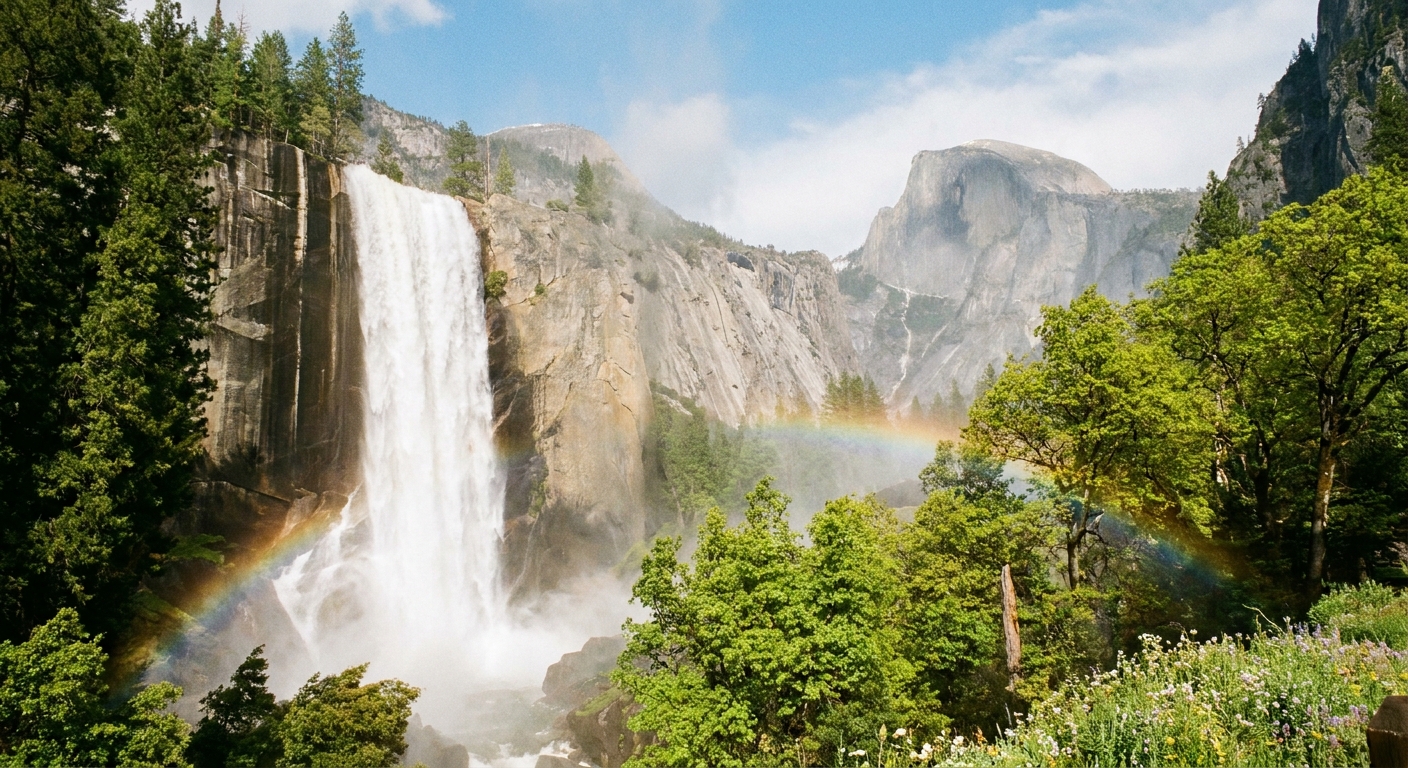
This guide gives you a valley-wide timing calendar for four headline stops: Bridalveil Fall, Yosemite Falls, Vernal Fall, and Nevada Fall. I am keeping trail routes, mileage, and parking details out of this page on purpose, since those belong with each individual hike or viewpoint guide.
The big idea: why Yosemite’s waterfalls are seasonal
Most of Yosemite Valley’s iconic waterfalls are fueled by snowpack. When the high country melts fast, waterfalls peak hard and loud. When the melt is gradual, they can run strong for longer. When winter is dry or spring turns hot early, the show can be brief.
- Peak flow is usually late spring into early summer (often May and June).
- By mid to late summer, many falls shrink dramatically.
- By autumn, several big-name waterfalls may be a trickle or completely dry, even while the Valley remains beautiful.
One more thing: Yosemite’s waterfalls do not all behave the same. Vernal and Nevada are tied to the Merced River, so they tend to hold up longer. Yosemite Falls and Bridalveil are creek-fed, and in many years they fade to a trickle or dry out by late summer.
Valley-wide waterfall calendar (typical year)
If you want one quick rule for trip planning: aim for May or June for the highest odds of “wow” conditions across multiple waterfalls.
January to February: quiet, icy, and storm-dependent
In midwinter, waterfalls can be impressive right after storms, but they can also be partially frozen, wind-blown, or simply not running big. Expect fewer daylight hours, colder spray zones, and occasional icy footing near viewpoints.
- Best bet: Yosemite Falls may be active after storms, but it is not peak season.
- Bring: layers, traction if conditions warrant, and low expectations for volume.
March: the shoulder month that can surprise you
March is where the Valley starts waking up. In a snow-heavy year, it might still feel like winter. In a warmer year, the melt can start early and waterfalls begin ramping up.
- Good for: fewer crowds with a chance at early flow.
- Not ideal for: people trying to guarantee peak waterfalls.
April: ramp-up season
April is when my “maybe we should go now” instincts kick in. Dogwoods often start flirting with bloom, days lengthen, and the melt often gets serious, especially later in the month.
- Good for: strong waterfalls without full summer intensity.
- Expect: variable conditions depending on snowpack and temperatures.
May to June: peak waterfall season
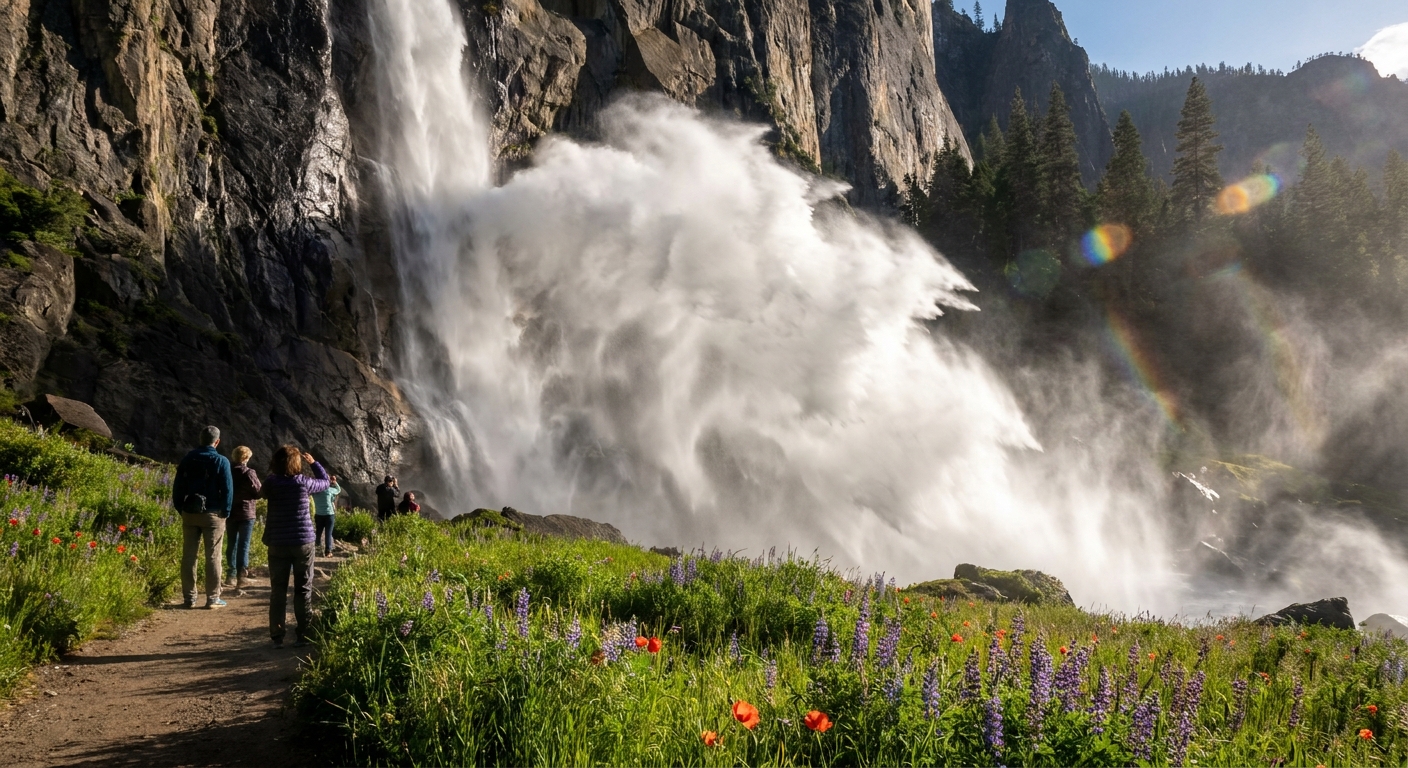
This is the headline window. Snowmelt from the high country typically pours over Yosemite’s cliffs and down its steps. You get mist, rainbows, roaring soundscapes, and that classic “Yosemite is flexing” feeling.
- Best for: Yosemite Falls at full power, Bridalveil Fall at its most dramatic, and big flow on the Merced River at Vernal and Nevada Falls.
- Expect: wet air near the big falls, slick rocks, and heavy crowds, especially on weekends.
July: still beautiful, but many falls start shrinking
Early July can still be strong in a wet year. In a typical year, July is when you start noticing the drop: less roar, less mist, and more exposed dark rock around the flow lines. In a very wet, record-snowpack year, strong flow can hang on deeper into July.
- Good for: pairing waterfalls with swimming holes, scenic drives, and higher-elevation day trips.
- Plan for: hot afternoons and sun exposure.
August: late-summer reality check
By August, some of the Valley’s most famous waterfalls can be thin or intermittent. The Valley is still iconic and worth every minute, but you plan differently: sunsets, granite views, river time, and early starts.
- Best bet: Vernal and Nevada Falls often still have water, but expect reduced spray compared to peak season.
- Often disappointing: Yosemite Falls can be minimal in many years by late summer.
September to October: dry autumn is normal
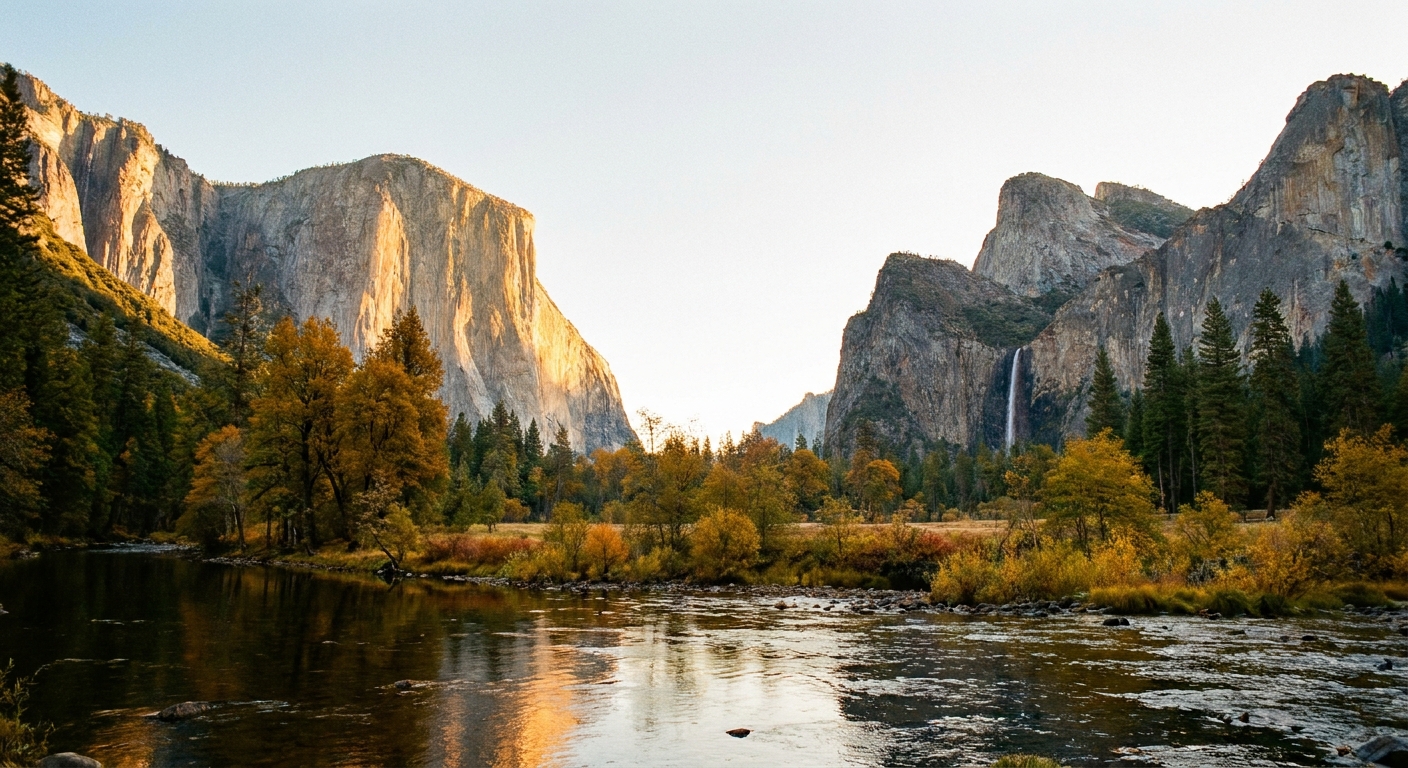
Autumn in Yosemite can feel like a different park: crisp mornings, honey-colored light, and quieter trails once kids are back in school. But if you are coming specifically for waterfalls, this is the season where you need to reset expectations.
- Typical dry-autumn look: Yosemite Falls may be dry or just a trickle, Bridalveil Fall can be faint, and the granite faces show more dark staining than white water.
- Still worth it for: photography, hiking comfort, and Valley views without the springtime crowds.
November to December: first storms can restart the show
Late fall and early winter storms can briefly revive waterfalls. It is not the sustained peak of spring, but after a good rain, you might catch surprisingly lively flows.
- Good for: travelers who want quiet Yosemite with a chance of storm-fed waterfall bursts.
- Reality: conditions can be cold, wet, and unpredictable.
Fall-by-fall: peak months and what “dry season” means
Bridalveil Fall (Bridalveil Creek)
Typical peak months: April through June, often strongest in May.
What it’s like in a dry autumn: Bridalveil can fade to a thin ribbon or an occasional trickle. When it is low, the wind can scatter what little water remains, so you might see wet rock but not much whitewater.
Dry-year note: In a drought year, Bridalveil’s prime photo moment may be early, sometimes concentrated in April and early May.
Yosemite Falls (Upper, Middle, Lower)
Typical peak months: May and June.
What it’s like in a dry autumn: Yosemite Falls is one of the classic “it might be dry” waterfalls by late summer and fall. In September and October, do not be surprised if you see little to no water, especially in a dry year.
Dry-year note: Yosemite Falls can drop earlier than you expect. If your trip is waterfall-motivated in a low-snow year, you prioritize Yosemite Falls viewpoints in late spring or very early summer, not at the end of the season.
Vernal Fall (Merced River)
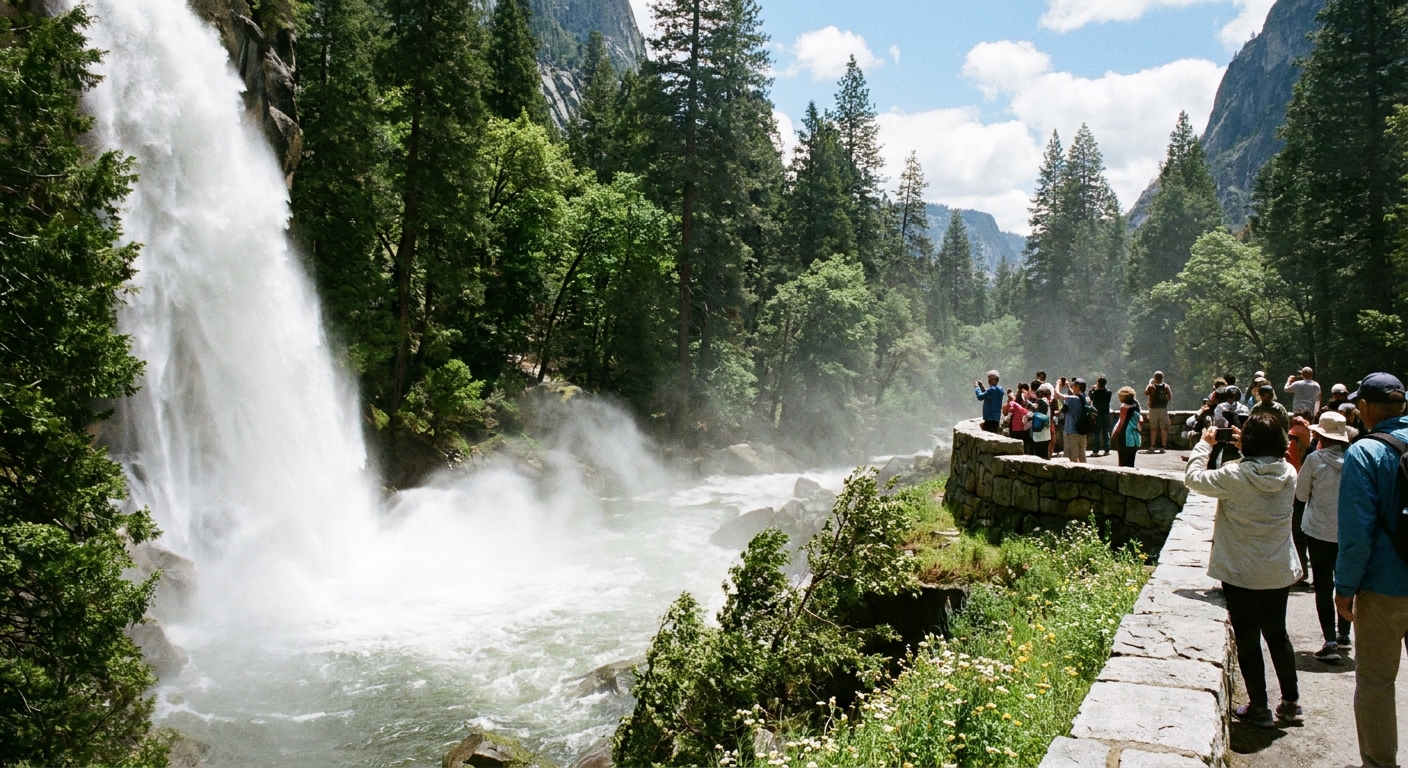
Typical peak months: May through July, with the most dramatic spray generally in May and June.
What it’s like in a dry autumn: Vernal often still has visible water because it is tied to the Merced River, but the famous soak-you-through mist can be much lighter. In fall, it can feel more like a scenic cascade than a roaring wall of water.
Dry-year note: In a dry year, you still might get a decent Vernal Fall earlier in summer, but the “mist trail” experience becomes more of a “damp trail” faster.
Nevada Fall (Merced River)
Typical peak months: May through July, often most impressive in May and June.
What it’s like in a dry autumn: Nevada Fall can remain photogenic even with reduced flow because of its shape and setting, but volume drops, and the thunderous sound softens.
Dry-year note: Nevada often holds up better than creek-fed falls, but in low-water years, late summer and fall will be noticeably reduced.
What dry autumn looks like
If your mental image of Yosemite is pure whitewater, autumn can feel like a plot twist. Here is what I tell friends before they book a September or October trip focused on waterfalls:
- Expect rock first, water second. The cliffs are still jaw-dropping, but the falls might be minor.
- Light becomes the headline. Clear days and angled sun can be incredible for photos and long walks.
- Comfort goes up. Cooler mornings, fewer bugs, and less “spring chaos” energy on popular routes.
If you are flexible, you can still chase water by timing your visit after early season storms. But if you are flying in with fixed dates, it is safer to treat fall waterfalls as a bonus, not the whole point.
How a dry year changes the plan
In a dry year, the calendar compresses. Instead of a long waterfall season, you get a shorter, sharper window. Here is how I adjust my itinerary thinking:
- Move your waterfall priorities earlier. Target late April through early June rather than mid-summer.
- Stack your “must-see” falls on day one or two. If temperatures spike, flow can drop faster than you expect.
- Build your backup list around non-water highlights. Valley viewpoints, meadow loops, granite sunsets, and museum or gallery stops in Yosemite Village become more than filler.
- Start earlier in the day. Less heat stress and better photo light, plus you can pivot if a viewpoint is crowded.
If you want the most practical real-time check, look at recent photos and trip reports from the last week, not last year. For a more official reality check, I also like scanning the National Park Service’s Yosemite conditions updates, and glancing at USGS stream gauges for the Merced River to get a sense of what the water is doing right now.
Quick picks: early summer vs late season
Best bets in early summer (May to June, sometimes early July)
- Yosemite Falls: absolutely worth prioritizing when it is in full flow. This is peak drama season.
- Bridalveil Fall: best in late spring when it has power and presence from multiple Valley viewpoints.
- Vernal and Nevada Falls: the classic big-water experience, with the strongest spray and sound in late spring.
Still worth it late season (August to October)
- Vernal Fall: often remains a solid sight even when reduced, and the river scenery stays beautiful.
- Nevada Fall: commonly holds up better than the purely seasonal creeks, and the viewpoint is rewarding even with lower volume.
Most likely to disappoint late season
- Yosemite Falls: frequently minimal or dry by late summer and fall in many years.
- Bridalveil Fall: can be quite low in dry conditions, especially in September and October.
If your trip is in late season and you only have time for one waterfall-focused outing, I would generally put that time toward Vernal and Nevada Falls for the best odds of seeing real water. If your trip is in May or June, you can happily build a whole day around Yosemite Falls plus Bridalveil, then treat Vernal and Nevada as your “go big” day.
Quick safety note for peak runoff
When Yosemite is thundering, it is also slippery. Mist plus polished granite can turn viewpoint areas into skating rinks, and spring runoff makes river edges feel deceptively powerful. Stay behind railings, give wet rocks a wide margin, and treat fast water with respect even when it looks calm from a distance.