Yosemite Valley in Winter: Which Roads and Walks Stay Open

Maya Lin
Maya Lin is a travel journalist and outdoor enthusiast who believes the best trips combine rugged adventures with urban comforts. After spending six years backpacking across four continents, she founded Trail & Town Guide to help fellow travelers navigate both hidden mountain passes and bustling city neighborhoods with confidence.
The first time I visited Yosemite Valley in winter, I showed up with one big goal and one big mistake: I assumed I could just drive to every famous viewpoint like it was July. Ten minutes later, I was staring at a road-closure sign, my coffee cooling fast, and a fresh dusting of snow turning the Valley into something that looked like a postcard and drove like an ice rink.
Here is the good news: winter in Yosemite is absolutely worth it, but it is a different kind of trip. Think valley-floor walks, waterfall views framed by frost, and cozy breaks in Yosemite Valley Lodge or Curry Village between short adventures. This guide focuses on what typically stays open in Yosemite Valley in winter, what commonly closes, and how to avoid building your itinerary around roads you cannot use.
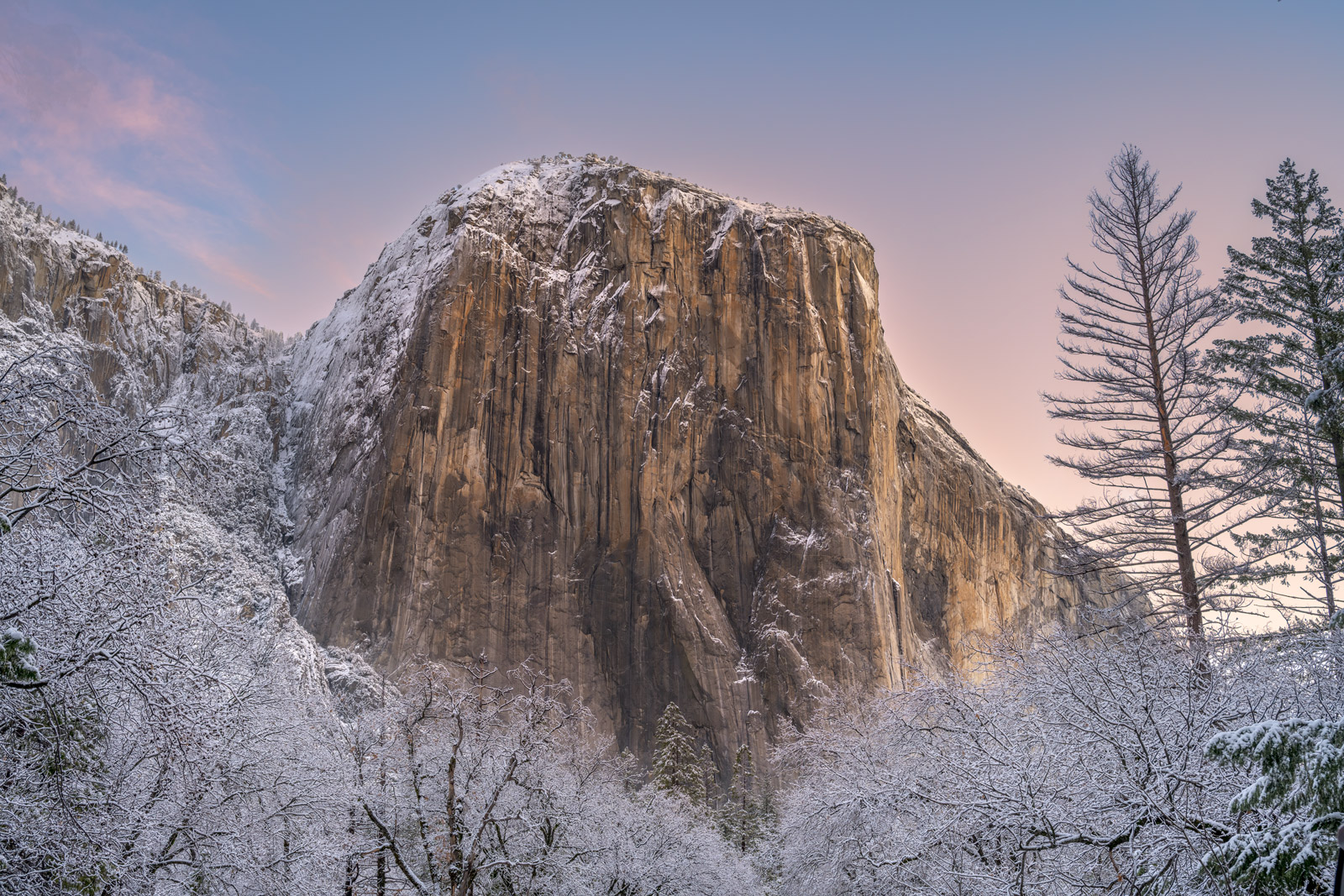
Winter reality check
If you are deciding whether to go, ask yourself one question: are you happy with a trip centered on the valley floor?
- If yes, winter is a dream. You can still access iconic views, easy walks, and plenty of photo stops without needing high-elevation roads.
- If no, and your must-do list is mostly Glacier Point, Tuolumne Meadows, and long high-country hikes, you will probably feel boxed in by winter closures.
In many winters, Yosemite Valley remains accessible by car, but big storms can temporarily shut things down or make certain entrances impractical for a day or two. The changes are about which routes you can drive, how you must drive (chain controls), and what kind of hiking is realistic and safe. Before you commit to an arrival day, check the National Park Service road status plus Caltrans conditions for your approach highways.
Road closures in winter
Tioga Road (Highway 120 through the park)
Tioga Road is typically closed in winter due to snow, often from sometime in November into May or June (it varies a lot by year). This is the road that connects Yosemite Valley to Tuolumne Meadows and Tioga Pass. If it is closed, you cannot drive to:
- Tuolumne Meadows
- Olmsted Point
- Tenaya Lake
- Tioga Pass and the east side exit toward Lee Vining
Trip impact: if your Yosemite vision is alpine lakes and high-country viewpoints, plan a different season. In winter, think Valley and lower elevations.
Glacier Point Road
Glacier Point Road is typically closed in winter, usually around the Badger Pass area. The closure point can vary year to year depending on conditions, but you should assume you will not be able to drive to Glacier Point and there is no public vehicle access to the point itself.
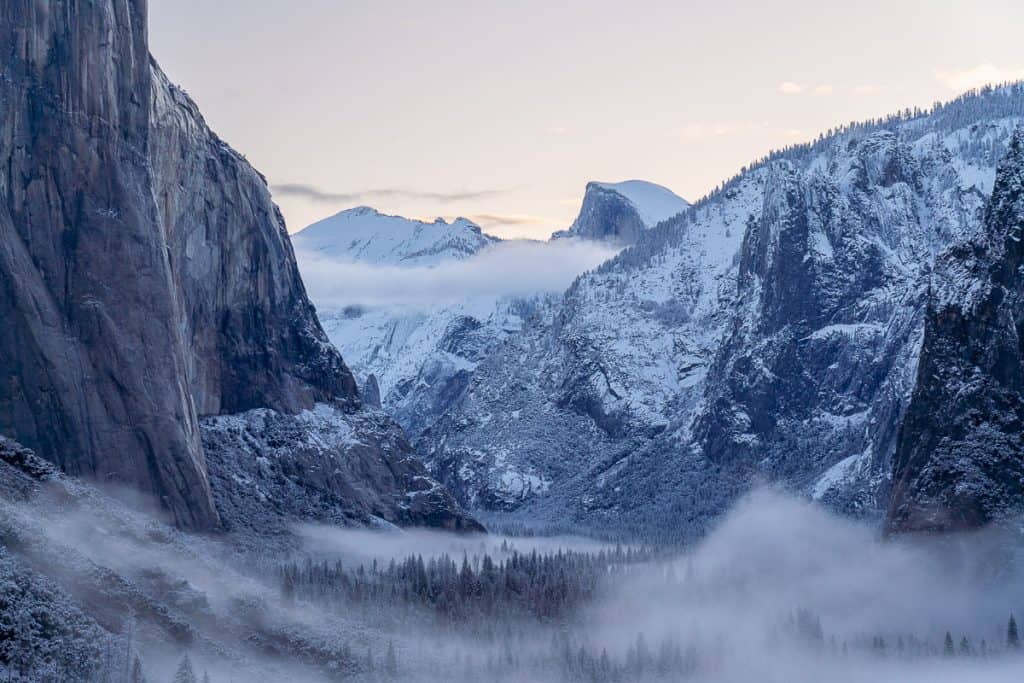
Trip impact: no drive-up Glacier Point sunsets. The good news is that winter still gives you stunning Tunnel View and other valley viewpoints that usually remain open when the Valley is accessible.
Mariposa Grove access
Mariposa Grove can still be a great winter add-on, but the logistics are more weather-dependent than people expect. In some winter conditions, the road into the grove may be closed due to snow or ice. When that happens, you should expect to park at the Mariposa Grove Welcome Plaza and potentially walk in (and shuttle service may be reduced or not operating).
Trip impact: if giant sequoias are your priority, verify access the same day you plan to go and have a Valley-based backup plan in your pocket.
Getting to the Valley
Even when the high country is shut down, Yosemite Valley is often still reachable, especially via lower-elevation approaches. But winter storms can temporarily close or restrict access on any route, and conditions can vary wildly by entrance.
Here is the practical way I think about it:
- Highway 140 (Arch Rock Entrance): often the most reliable in winter because it stays lower in elevation, but it can still see rockfalls, closures, or chain controls during storms.
- Highway 41 (South Entrance): common for people coming from Fresno or Wawona, but it can get snowy and slow in storms.
- Highway 120 (Big Oak Flat Entrance): can be fine on clear days, but it climbs and can turn into a chain-control corridor quickly during weather.
Plan your arrival day with slack. If a storm rolls in, your schedule should allow for delays, temporary closures, or waiting for plows. Check NPS road updates for the park, and Caltrans for the highways feeding your entrance.
Chain controls and traction
In winter, the phrase you will hear constantly is chain controls. This is the park and state’s way of keeping roads safer during snow and ice, and it can apply even when the road looks mostly clear.
What to expect
- You may be required to carry chains even if you never install them.
- You may be required to install chains depending on conditions and your vehicle type.
- All-wheel drive does not guarantee you can skip chains. California uses chain-control levels (often described as R1, R2, R3) and requirements can tighten fast during storms.
- Winter-rated tires help, but do not make you immune. M+S or 3PMSF tires can change what is required under certain control levels, but you still need to follow posted restrictions for that moment.
My minimal winter-driving packing list
- Correctly sized tire chains for your vehicle (practice once at home)
- Warm gloves you can actually grip with (chain installs are cold work)
- A headlamp or small flashlight (chain checks happen at awkward times)
- Windshield washer fluid rated for freezing temps
- Small shovel and an extra layer, just in case you wait out a closure
If you are flying in and renting a car, confirm whether your rental contract allows chains and whether the vehicle has appropriate tires. This is one of those details that can make a winter trip feel effortless or feel like a scramble.
Easy Valley walks in winter
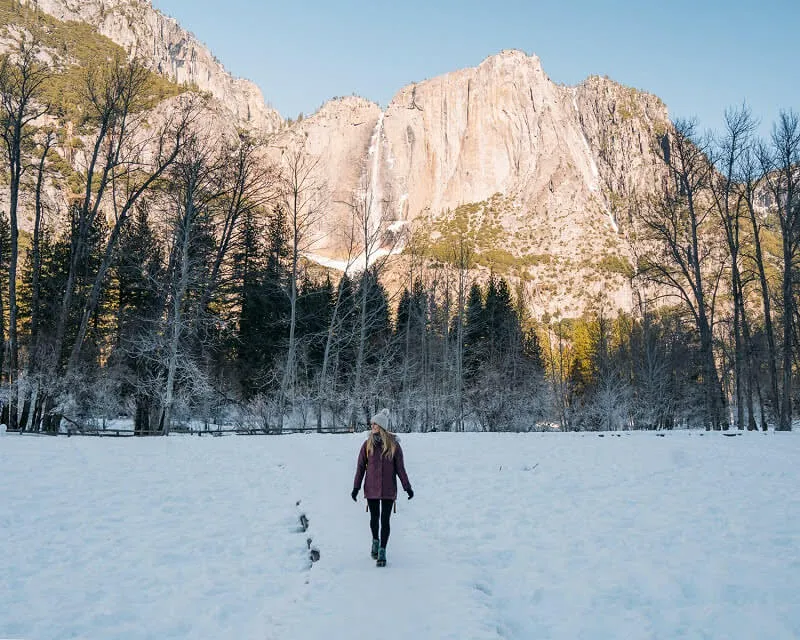
When snow hits, Yosemite’s best move is often to shift from “hike a big trail” to “string together valley walks with maximum payoff.” These routes are typically lower angle, easier to navigate, and less likely to be closed for seasonal reasons. Conditions can still be icy, especially in shade, so treat every winter walk like a traction-required outing.
My single most useful winter add-on is simple traction for boots (like microspikes). I have also regretted not having them.
Yosemite Valley Loop (partial sections)
The full loop is long, but you do not need to commit to the whole thing. In winter, I like doing short out-and-backs from major trailheads and viewpoints, then warming up indoors between segments.
Lower Yosemite Fall Trail
One of the most approachable walks in the park and a classic winter option because you can often access it even when bigger hikes feel questionable. Expect slippery patches after storms and early-morning ice on shaded sections.
Cook’s Meadow Loop
If you want maximum views for minimal effort, this is the one. On a clear winter day, the open meadow views can feel unreal, especially with snow on the valley floor and granite walls glowing in low sun.
Sentinel Meadow and nearby river paths
These mellow riverside paths are ideal for slow travel moments: thermos coffee, binoculars for climbers or birds, and a camera you actually take out because you are not battling wind on an exposed ridge. Watch for black ice near the river and in the shade of trees.
Mist Trail in winter
The Mist Trail is the famous route toward Vernal Fall and Nevada Fall, and it is also one of the trails where winter conditions matter a lot. Ice can turn certain sections into a no-go zone depending on the day, especially where spray, shade, and stairs combine.
If the Mist Trail is on your list, read the winter safety notes in our existing Mist Trail guide and make a decision based on current conditions and your traction gear. The short version is: if spray is freezing, that granite can turn into a skating rink fast, and it is not the place to “see how it goes” without real traction.
Winter pro tip: even if you skip the icier upper sections, a shorter winter outing toward Vernal Fall can still be worthwhile if conditions allow and you are prepared. Just be willing to turn around early, especially with limited daylight.
Badger Pass in winter
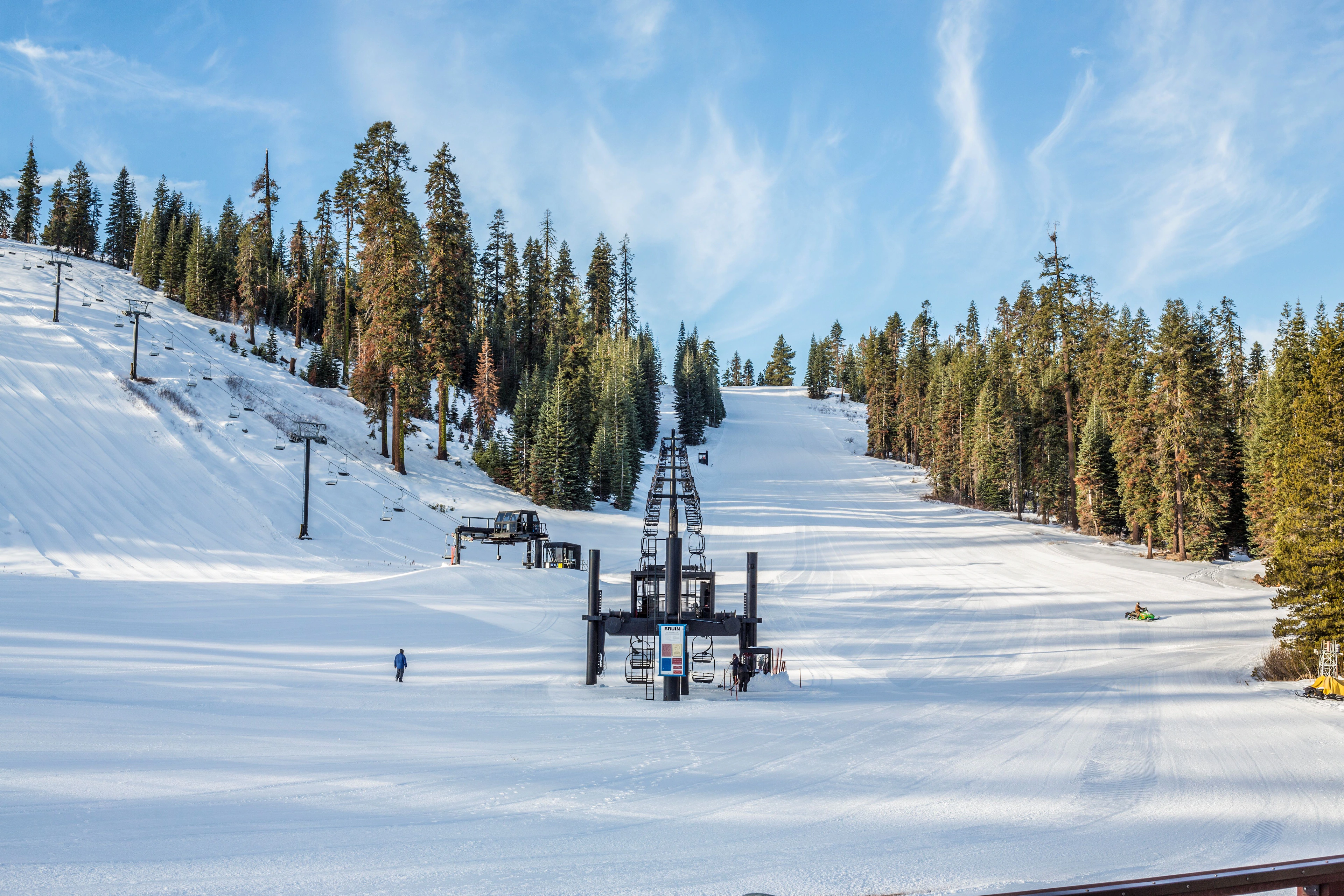
Badger Pass Ski Area is Yosemite’s primary winter hub for downhill skiing and snowboarding when it is operating. Whether it is open on your dates depends on snowfall, operations, staffing, and season timelines, so check current status before you drive up expecting rentals and lifts.
Even when Glacier Point Road is closed beyond Badger Pass, this area is often the closest you will get to a higher-elevation snow experience by car.
How to plan around it
- Make Badger Pass an optional day, not your only reason to visit.
- Start early for better parking and firmer snow.
- Bring chains. The drive can require them even when the Valley floor is clear.
A simple winter itinerary
Day 1: Arrive and collect views
- Drive into the Valley with daylight to spare
- Stop at Tunnel View if roads are clear
- Short walk: Cook’s Meadow or Lower Yosemite Fall
- Early night or a warm drink, depending on your vibe
Day 2: Valley walk day
- Pick 2 to 3 valley-floor walks based on conditions
- Plan a warm-up break between each one
- If conditions are stable and you are equipped, consider a Mist Trail attempt only after reading the winter notes in the trail guide
Day 3: Weather-dependent bonus
- If Badger Pass is open and roads are safe, make it your snow-sport day
- If not, do another Valley Loop segment and chase winter light at viewpoints
Winter planning notes
Shuttles and parking
Winter can feel quieter, but clear weekends can still be busy in the Valley. Parking fills in the usual hot spots, and shuttle service and frequency can change seasonally. Build a little buffer time, and do not assume you will find a perfect spot right at your first-choice trailhead.
Shorter days
Daylight is limited in winter, and the Valley gets shadowy early. Start earlier than you think, and plan your most important walk for the warmest, brightest part of the day.
Services can be reduced
Lodging, dining, and shop hours can shift in winter. If you are counting on a specific dining room, coffee counter, or grocery stop, check hours in advance and keep a simple backup plan.
Decision guide
You should go if
- You want iconic Yosemite Valley views without summer crowds
- You enjoy short hikes and scenic walks with lots of photo stops
- You are okay with flexible plans and checking conditions daily
You should wait for another season if
- You want to drive Tioga Road or Glacier Point Road to the end
- Your dream itinerary is mostly high-country trailheads
- You do not want to deal with chain controls or winter driving
FAQ
Is Yosemite Valley open in winter?
Yosemite Valley is often accessible in winter, but storms can cause temporary closures, delays, and chain requirements. Always check current NPS road conditions and Caltrans updates before you drive in.
Can I drive to Glacier Point in winter?
Typically no. Glacier Point Road is generally closed in winter around the Badger Pass area, with no public vehicle access to Glacier Point.
Can I drive through Yosemite on Tioga Road in winter?
Typically no. Tioga Road is generally closed in winter, often from November into May or June, which means no through-drive to Tuolumne Meadows or the east side via Tioga Pass.
Do I really need chains?
In winter, you should assume you will at least be required to carry chains, and you may need to install them depending on conditions. AWD helps, but it does not automatically exempt you under all chain-control levels.