Glacier Point Road: Sunset Timing, Parking, and Winter Closure

Maya Lin
Maya Lin is a travel journalist and outdoor enthusiast who believes the best trips combine rugged adventures with urban comforts. After spending six years backpacking across four continents, she founded Trail & Town Guide to help fellow travelers navigate both hidden mountain passes and bustling city neighborhoods with confidence.
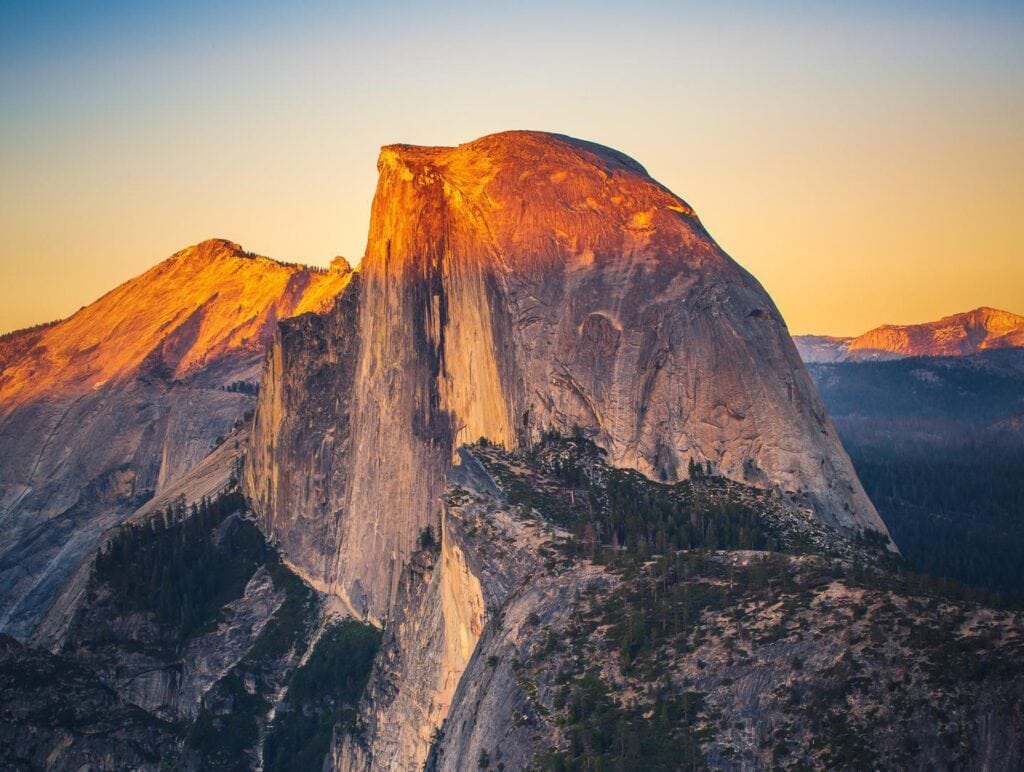
Glacier Point is one of those rare Yosemite experiences that feels almost unfairly easy. You don’t have to earn the view with a roughly 3,000-plus foot climb from the Valley floor. You can drive almost the whole way, step out into cool pine-scented air, and watch Half Dome catch the last light like it’s glowing from within.
But there are two make-or-break details people underestimate: when Glacier Point Road is actually open and how early you need to arrive for sunset parking. Here’s how I plan it when I want rugged scenery without skipping dinner back in Yosemite Valley.
Is Glacier Point Road open?
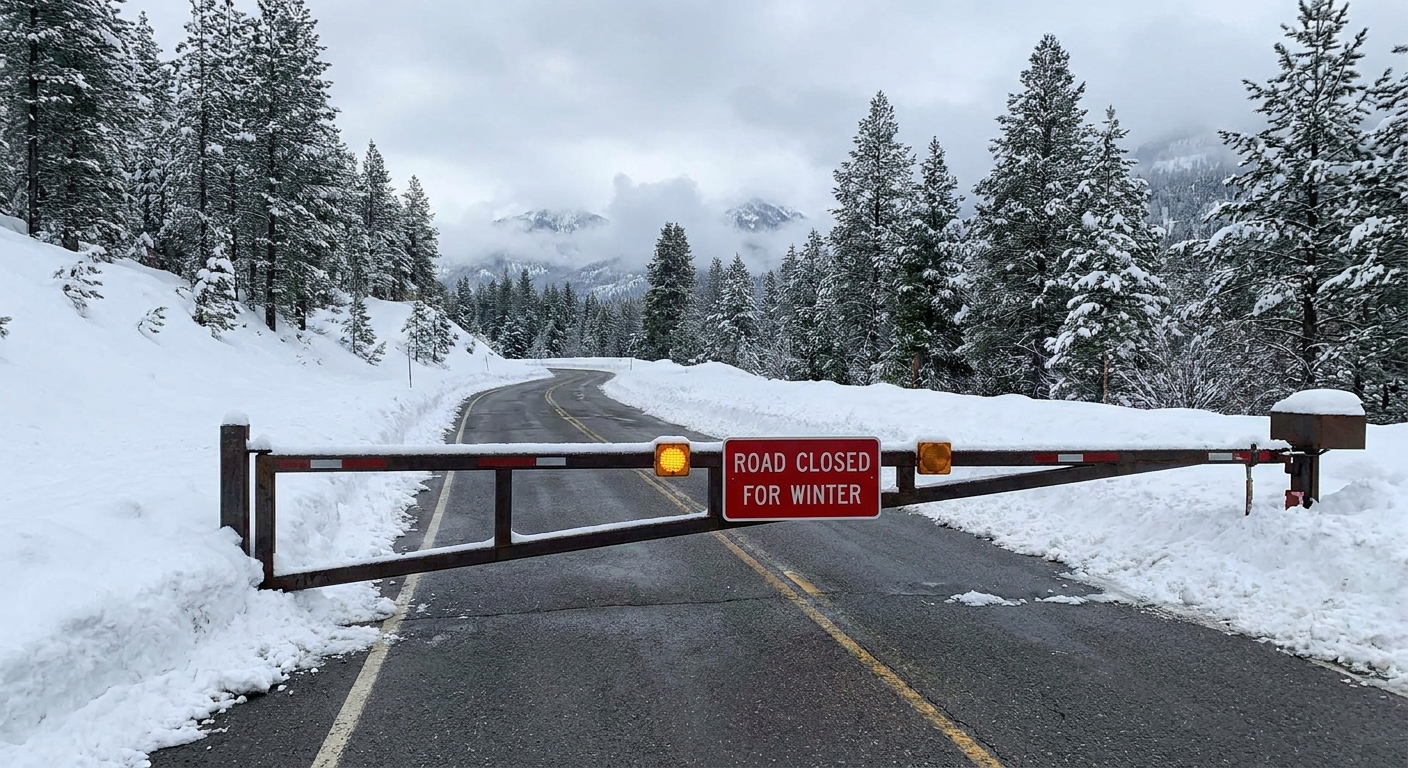
Glacier Point Road is seasonal. In most years, it closes for winter due to snow and ice and reopens when conditions allow. The exact dates change year to year based on snowfall, plowing capacity, and late-season storms.
What the winter closure means
- No driving to Glacier Point once the road is closed. It’s a gate closure, so you can’t “chance it” with chains or 4WD.
- Closures are usually late fall to early winter, depending on the first real snow events. In lighter snow years, the road can stay open later.
- Spring reopening isn’t a fixed date. It’s condition-based.
My rule: check Yosemite’s official road conditions the same day you plan to drive up, especially in shoulder season when a single storm can flip plans fast. Also check park alerts, since temporary closures or traffic control can happen in busy seasons or during road work.
Drive time to Glacier Point
Driving time depends on where you start, traffic, and slowdowns for wildlife crossings, but these are solid planning ranges:
- From Yosemite Valley to Glacier Point: plan about 1 hour 15 minutes in light traffic, and up to 1 hour 30 minutes when it’s busy.
- From Wawona (South Entrance area) to Glacier Point: often about 1 hour to 1 hour 20 minutes, with more buffer on summer weekends.
I always add extra time because I’m the kind of traveler who can’t resist pulling over when the forest opens up and suddenly there’s granite in the distance.
Sunset timing
If you only remember one number, make it this: arrive at the Glacier Point parking area 60 to 90 minutes before sunset. Two reasons:
- Parking becomes the limiting factor more than the drive time.
- The best color often starts before the official sunset time, and the afterglow can be the real show.
Also, sunset timing swings a lot by season. A summer Glacier Point sunset can still get you back late, while an October sunset can feel dinner-friendly if you plan it right.
A sunset plan that works
- About 2.5 to 3 hours before sunset: I leave the Valley so I’ve got margin for traffic and quick stops. In peak summer, I push closer to 3 hours because I hate feeling rushed.
- 90 minutes before sunset: I aim to be parked and walking toward the overlook.
- 60 minutes before sunset: I settle in, take a few wide shots, then put the camera away for a minute and just watch the granite shift colors.
- Sunset to 30 minutes after: I stay for the afterglow. Half Dome and the rim can look unreal when the Valley floor is already turning blue.
If you show up less than 30 minutes before sunset on a busy day, you might still get a spot, but you’re gambling with both parking and the calm, unrushed feeling Glacier Point deserves.
Parking at Glacier Point
Glacier Point parking is finite, and sunset is prime time. In peak season, it’s normal for the area to feel like a small event: families, photographers with tripods, and lots of people chasing the same last light.
When the lot fills
There’s no universal daily “fills by” time, but the patterns are consistent:
- Summer weekends and holidays: heavy demand from late afternoon through sunset.
- Clear days: it fills faster. Smoky or stormy forecasts thin crowds.
- Golden hour: the crush often starts well before sunset as people arrive early to claim space.
My low-stress strategy
- Arrive earlier than you think, then treat the extra time as part of the experience.
- Use the restrooms and organize your layers before the light gets good. You don’t want to be wrestling with a jacket when Half Dome turns pink.
- Be ready to walk a bit from wherever you find a legal spot. Don’t block road edges or create unsafe pullouts.
If the main lot is full, be patient and loop slowly. Spots do turn over as some people come for a quick look and leave. Just don’t count on that on summer evenings.
What you see from Glacier Point
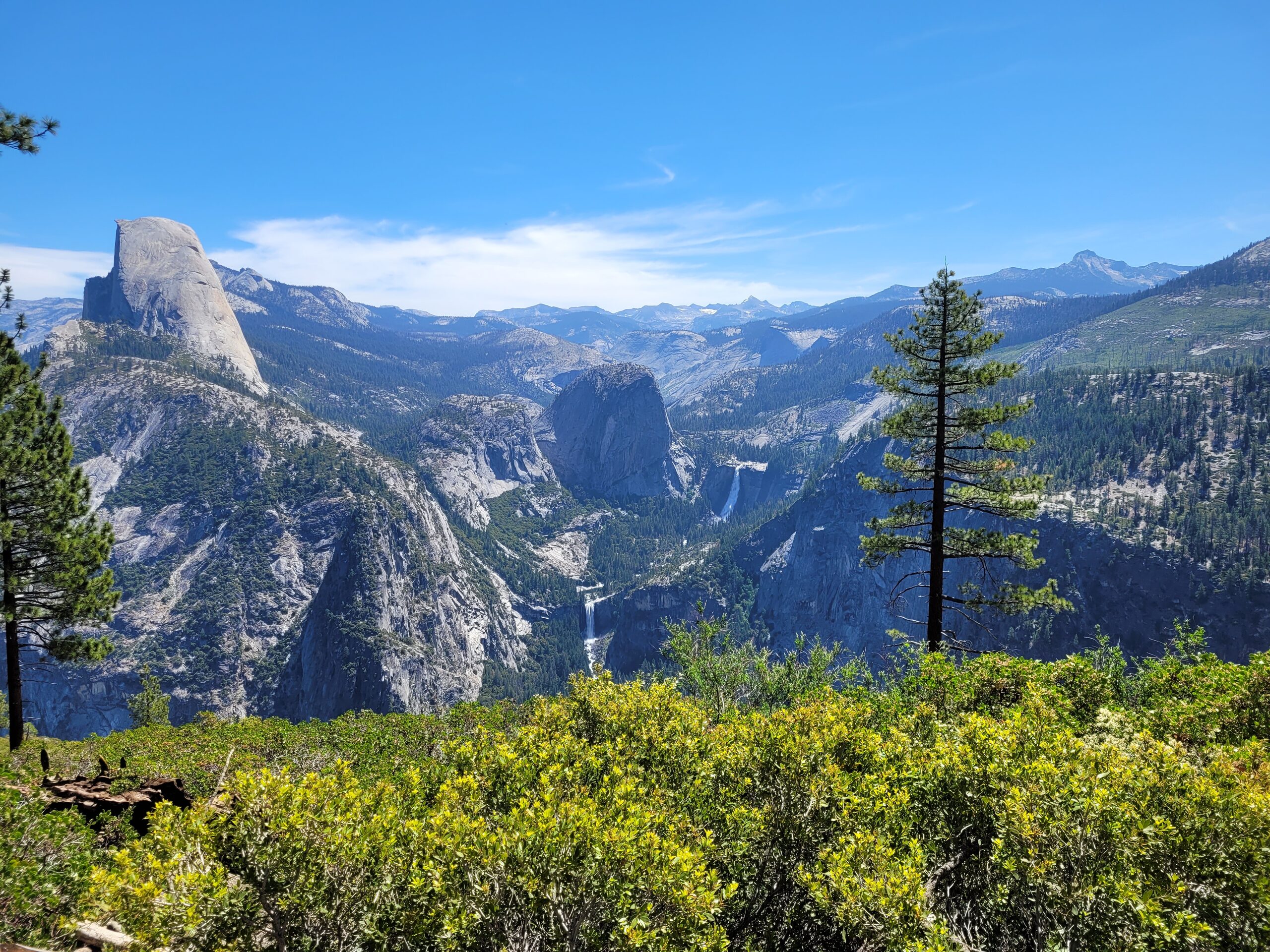
Glacier Point isn’t a subtle viewpoint. It’s a full Yosemite panorama that makes the Valley look like a carefully built diorama.
- Half Dome: the headline act, with an angle that shows off its sheer face.
- Yosemite Valley: the sweeping, glacier-carved trench below you.
- High Country horizons: on a clear day, you can see far across ridges and domes.
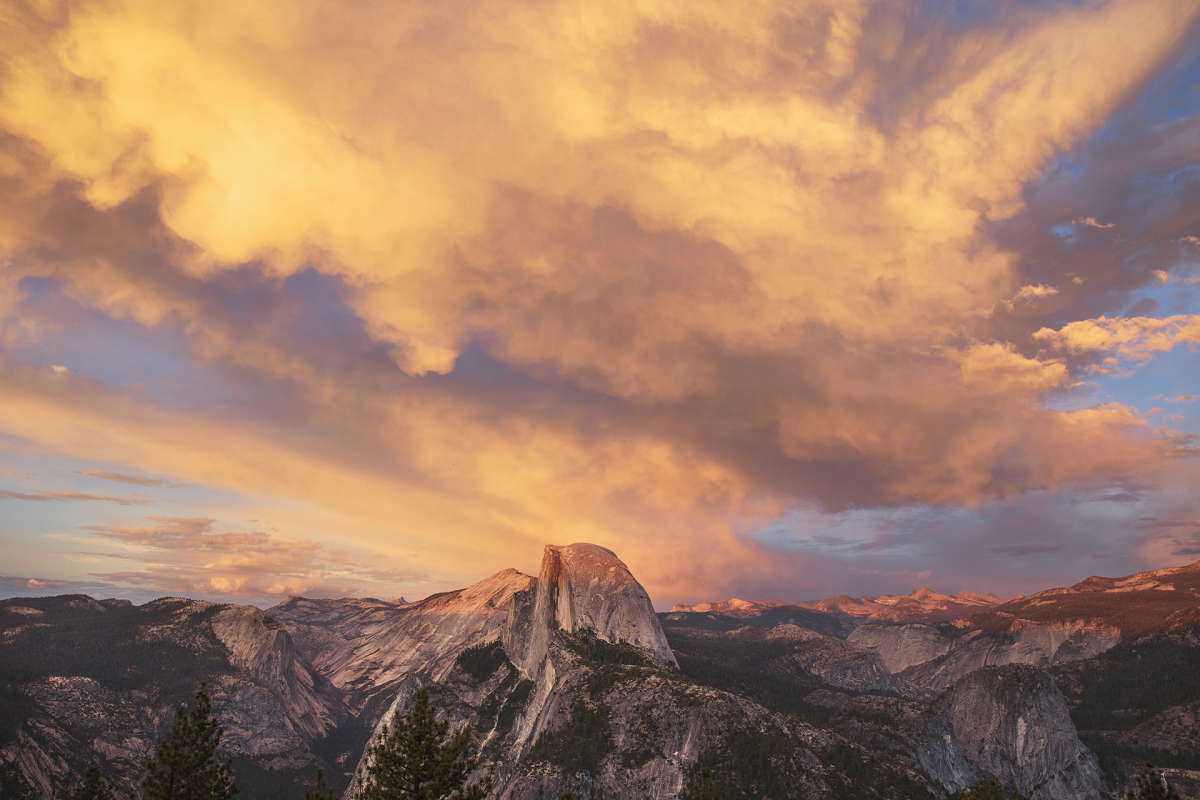
At sunset, the scene changes fast. Granite warms, shadows stretch, and the Valley floor sinks into cooler tones while the rim holds onto light a little longer.
How long to stay
If Glacier Point is part of your arrival day into the park, timing matters because you’re balancing check-in times, food, and fatigue. Here’s what I’d budget once you’re parked.
Quick stop: 20 to 30 minutes
Enough time to walk to the main viewpoints, take a few photos, and read a sign or two. This is the “we just want to see it” version.
Ideal sunset stop: 60 to 90 minutes
This is my sweet spot if you drove up specifically for golden hour. It gives you time to:
- Walk the main paved paths without rushing
- Watch the light evolve
- Find a less crowded angle away from the first railing everyone gravitates toward
Photographer pace: 2 hours or more
If you’re bringing a tripod or want to stay into twilight, plan longer. Temperatures can drop quickly after sunset, even in summer.
Restrooms and accessibility
Two practical notes I always appreciate on drive-up viewpoints:
- Restrooms: there are restrooms by the Glacier Point parking area, which is a big deal if you’re timing sunset and don’t want to lose your spot at the railing.
- Accessibility: the main area is designed for short walks, with paved paths and viewpoints close to the parking lot. If you’ve got limited mobility in your group, Glacier Point is one of the easiest big-view payoffs in Yosemite.
What to bring
It’s a paved, drive-up experience, but sunset makes it feel colder and later than you expect, especially at elevation.
- Warm layer: a fleece or puffy, even in summer
- Headlamp or flashlight: for walking back to your car after dark
- Water and a snack: sunset waits for no one, including your hunger
- Phone battery buffer: photos plus navigation can drain a battery fast
If thunderstorms, heavy wind, or smoke are in the forecast, I adjust expectations. Sometimes the smart move is skipping the drive and choosing a Valley viewpoint instead.
Driving back after sunset
Once the color show is over, you still have a mountain drive ahead of you. Plan on a slow, careful descent with wildlife on the move and plenty of other tired drivers leaving at the same time.
- Expect a darker drive than you’re used to. There are limited lights.
- Drive within your headlights, not for the car behind you.
- Build in time for the return if you’ve got dinner reservations or a long drive to your lodging.
FAQ
Do I need a permit to drive Glacier Point Road?
You’ll need whatever Yosemite requires for park entry on your visit date, which always includes an entrance fee and, in some peak periods in recent years, has included a timed-entry reservation system. Policies can change year to year, so confirm entry rules for your exact dates before you go.
Is Glacier Point worth it if I have one day?
If Glacier Point Road is open, it’s one of the highest reward, lowest effort viewpoints in the park. It pairs well with a Valley day because you can do Valley sights earlier, then drive up for sunset.
Can I hike from Glacier Point to the Valley?
Yes, but it’s a different plan than a simple sunset drive. Common routes include hiking down the Four Mile Trail or linking the Panorama Trail to the Mist Trail or JMT, and all of it depends on trail conditions and closures. If you’re thinking about it, check current trail status before you commit.