Do You Need a Reservation to Drive into Yosemite?

Maya Lin
Maya Lin is a travel journalist and outdoor enthusiast who believes the best trips combine rugged adventures with urban comforts. After spending six years backpacking across four continents, she founded Trail & Town Guide to help fellow travelers navigate both hidden mountain passes and bustling city neighborhoods with confidence.
The fastest way to ruin a Yosemite morning is to arrive at an entrance station feeling confident, only to learn you actually needed a reservation for that day and time. I have watched that happen in real time, with a car full of snacks, an optimistic Mist Trail plan, and exactly zero backup ideas.
The good news: Yosemite’s rules are straightforward once you separate three things that get mashed together online: park entrance fees, vehicle entry reservations (when required), and hike-specific permits (like Half Dome cables, which is a separate system entirely).
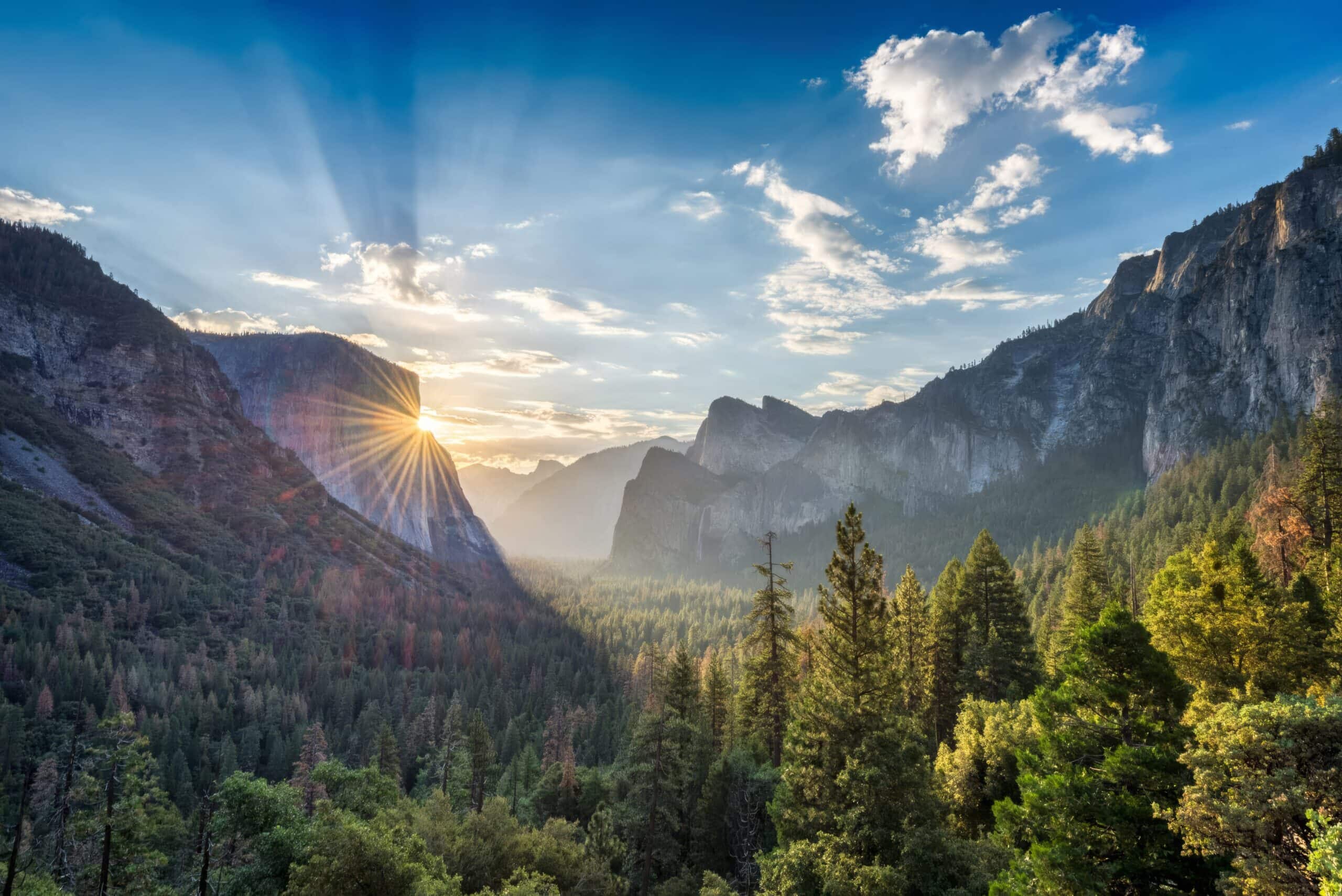
Below is how to figure out whether you need a reservation to drive into Yosemite, which entrances it usually applies to, the most common exemptions, and what to do if your preferred day is sold out.
The short answer
Sometimes you need a vehicle reservation to drive into Yosemite, and sometimes you do not. It depends on:
- Time of year (peak-season crowd management is the usual trigger)
- Day of week (weekends and holidays are the most likely)
- Time of day (reservations are often tied to a daytime arrival window)
- Where you are entering from (most staffed entrances are usually included, but some areas and hours can have different rules)
One clean way to keep yourself out of trouble: for any trip, do a quick check of the NPS Yosemite “Reservations” page and the official booking page on Recreation.gov. Think of it like checking road conditions. Two minutes now beats turning around at the gate later.
What a vehicle reservation is
When Yosemite uses a reservation system, it is typically a timed or day-use vehicle entry reservation designed to limit how many cars enter during the busiest periods.
In plain English: it is permission to bring a vehicle through an entrance station during the period the rule is in effect. It is not the same thing as:
- Your entrance fee (you still pay the standard per-vehicle fee, or use an America the Beautiful pass)
- A campsite reservation (separate)
- A wilderness permit (separate)
- Half Dome cables permit (separate, lottery-based)
If you have a Yosemite vehicle reservation, you are not guaranteed a parking spot in Yosemite Valley. You are simply allowed to enter during the reservation rules window.
When reservations are required
Yosemite has used different versions of reservations in different seasons, but the pattern is consistent: peak months, weekends, and holiday periods are most likely to require a reservation, usually during daytime hours.
Check your day fast
- Step 1: Open the official National Park Service Yosemite page that covers reservations or peak-hours entry.
- Step 2: Find the date ranges and the daily time window when reservations are required.
- Step 3: Click through to Recreation.gov to see live availability for your date.
Important: Outside the reservation window (for example, late evening or very early morning), you may be able to enter without a reservation. The specific hours can change, so treat the official page as the final word for your dates.
Which entrances it covers
When Yosemite requires a vehicle reservation, it generally applies at the staffed entrance stations for day-use vehicle entry, with notable exceptions or special rules depending on the year and area. Always confirm whether your intended entrance and destination are included for your season.
In most seasons, the main entrances include:
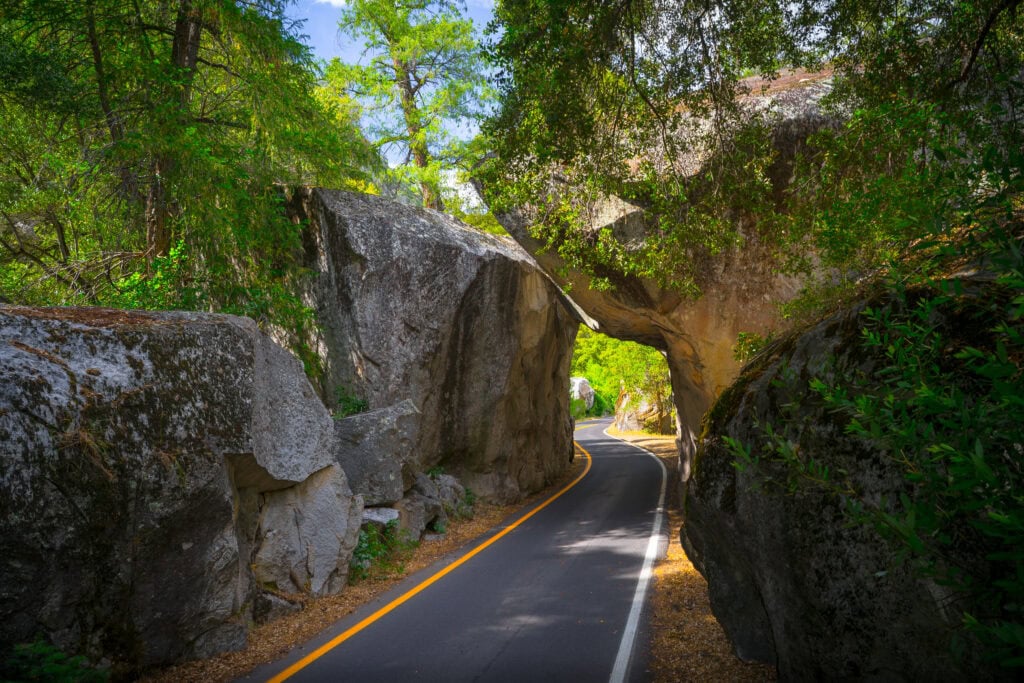
- Arch Rock Entrance (Highway 140, coming from Mariposa)
- South Entrance (Highway 41, coming from Oakhurst)
- Big Oak Flat Entrance (Highway 120, coming from Groveland)
- Tioga Pass Entrance (Highway 120 East, when Tioga Road is open seasonally)
- Hetch Hetchy entrance station (access to the Hetch Hetchy area only, typically with limited daily hours and sometimes different logistics than the Valley entrances)
Two practical caveats:
- Roads are seasonal. Tioga Road and Glacier Point Road can have seasonal closures or delayed openings even when the rest of the park is accessible.
- Construction and fire impacts happen. Temporary closures can change which entrance makes sense for your itinerary.
Common exemptions
Even during seasons when Yosemite requires a vehicle reservation for day visitors, many travelers can enter without one because they already have something that effectively manages their access in the park system.
Exemptions vary by year, so use this as a checklist to verify for your trip. Also, these exemptions are typically valid only for the dates on your reservation or permit, and you should expect to show confirmation and ID if asked.
1) Staying overnight inside the park
If you have a reservation for in-park lodging (like Yosemite Valley Lodge, The Ahwahnee, Curry Village, Housekeeping Camp) or an in-park campground, that booking commonly serves as your entry authorization during the dates of your stay.
Tip: Keep a digital and offline copy of your confirmation. Cell service can be spotty long before you hit the entrance station.
Worth saying out loud: Lodging in gateway towns outside the park (El Portal, Midpines, Mariposa, Oakhurst, Groveland, Lee Vining, and similar) is usually not an entry exemption by itself.
2) A wilderness permit
If you are starting an overnight wilderness trip with a valid permit, that often functions as your entry permission during the dates and conditions of that permit. Make sure your entry day lines up with what your permit allows.
3) Arriving without a private vehicle
In many timed-entry setups, the reservation is tied to vehicles, not people. That means arriving via regional transit or an authorized tour can be a workaround because you are not driving your own car through the gate.
The most common regional transit option people use is YARTS (Yosemite Area Regional Transportation System). Schedules are seasonal and route-dependent, so confirm service for your dates.
You may still need to pay an entrance fee unless your ticket or package explicitly includes it.
4) Area-specific rules
In some years, Yosemite has run area-specific requirements. If you are aiming for a very specific destination, read the fine print on what the reservation covers, and whether a place like Hetch Hetchy has separate access hours or rules.
What is not an exemption by itself: Having an America the Beautiful pass, planning to arrive “quickly,” or saying you are only doing a short hike. Passes cover fees, not reservation requirements.
Where to book and what you need
When reservations are in effect, you typically book them through Recreation.gov. I recommend setting up your account before you need it, especially if you are trying for a weekend date.
What to have ready:
- Your Recreation.gov login
- A payment method
- Basic trip details (date, estimated arrival window if applicable)
At the entrance, you will typically show your reservation confirmation (often as a QR code or confirmation email) plus photo ID if requested. Keep a screenshot stored offline in case your signal disappears at the exact wrong time.
Half Dome permits are separate
If your Yosemite plan includes the Half Dome cables, you need to know this clearly: Half Dome cables permits are a separate lottery-based permit system. A vehicle entry reservation (when required) does not replace a Half Dome permit, and a Half Dome permit does not necessarily replace a vehicle reservation for day visitors.
This page focuses on driving into Yosemite. If Half Dome is your goal, confirm the cables permit rules and dates through the official Half Dome permit process.
If reservations are sold out
This is the moment most people panic and either scrap the trip or attempt a questionable workaround. Do not waste a drive “just to see” if they will let you through during restricted hours. You have better options.
Option 1: Shift your timing
If the rules for your dates allow entry before the reservation hours start or after they end, an early start can be your simplest fix. This works best if you are comfortable driving in the dark and you have a plan for where to park.
My personal rule: if you are doing a popular Yosemite Valley morning, act like sunrise is your appointment time, not an aesthetic bonus.
Option 2: Change the day
If your schedule is flexible, aim for:
- Midweek instead of Saturday or Sunday
- Non-holiday periods
- Shoulder season dates when the park is calmer
Option 3: Stay overnight
Booking in-park lodging or camping can solve entry issues when day-use reservations are sold out, but it is also the hardest thing to secure last minute.
If you cannot find space inside the park, look at gateway towns and plan a very early drive. Popular bases include Mariposa, Oakhurst, Groveland, and Lee Vining (when Tioga Road is open).
Option 4: Use transit or a tour
Depending on the season, entering by transit can bypass vehicle reservation constraints because you are not driving your own car through the gate. Check YARTS schedules or confirm your tour operator is authorized and operating on your dates.
Option 5: Watch for later releases
Some reservation systems release additional inventory closer to the visit date. If you are set on a specific day, keep checking Recreation.gov for new openings or cancellations.
What I do: Set a calendar reminder to check availability daily for the week leading up to the trip, then more often 48 hours out. Plans change constantly.
Mist Trail and Yosemite Valley
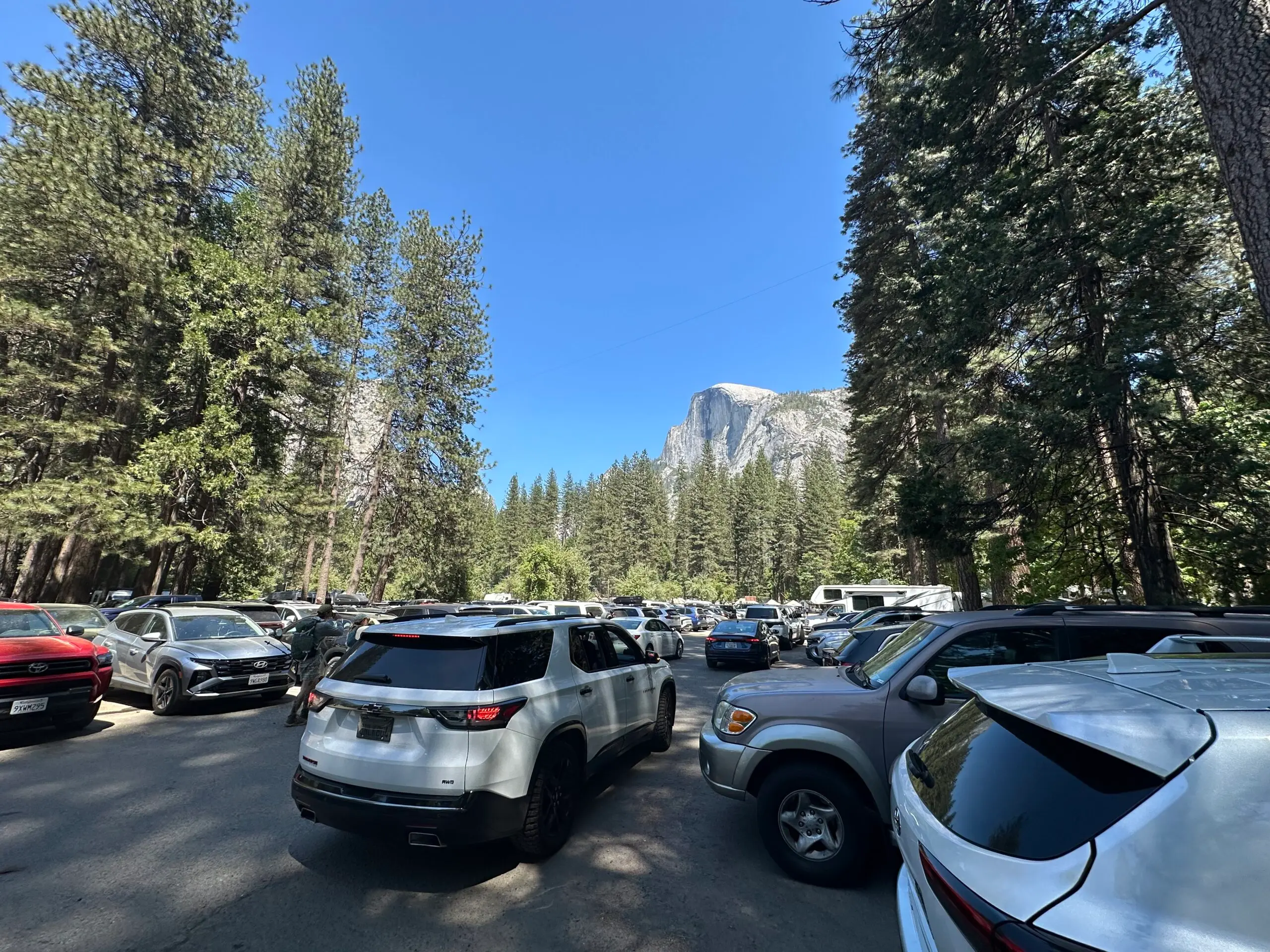
If your goal is Yosemite Valley classics like the Mist Trail to Vernal Fall and Nevada Fall, your main logistical bottleneck is usually not the hike. It is getting your vehicle into the valley and finding parking.
- If reservations are required and you do not have one, you may not be allowed to enter during the restricted hours, which means you cannot reliably reach the Mist Trail trailhead when you planned.
- If you do have a reservation, you still want an early start because Yosemite Valley parking fills fast in peak season.
Once you are in the valley, consider using the shuttle system when it is operating to reduce car time and parking stress.
Quick checklist
- Check if your date requires a vehicle reservation and what hours it covers (NPS Yosemite page, then Recreation.gov)
- Double-check road status for Tioga Road, Glacier Point Road, and any temporary closures
- Save proof of any exemption documents (lodging, campsite, wilderness permit) for the exact dates of your stay or trip
- Download maps offline since service is unreliable
- Have a Plan B if parking is full: alternate trailheads, a shuttle strategy, or a less-crowded area of the park
FAQ
Do I need a reservation if I have an America the Beautiful pass?
No. The pass typically covers entrance fees, not vehicle reservation requirements.
Do I need a reservation if I am only driving through Yosemite?
If your route requires entering the park during a period when reservations are required, you may need one even if you are not planning to stop. Verify your date, entrance time, and route.
Do motorcycles need a reservation?
When Yosemite uses a vehicle reservation system, it often applies to motor vehicles broadly. Confirm vehicle type rules on the official reservation page for your dates.
Is a Half Dome permit the same as a vehicle reservation?
No. Half Dome cables permits are a separate system.
If I enter outside the reservation hours, can I stay all day?
Rules depend on the specific system in effect. In many timed-entry systems, the reservation controls when you enter, not how long you stay, but verify the policy for your season.