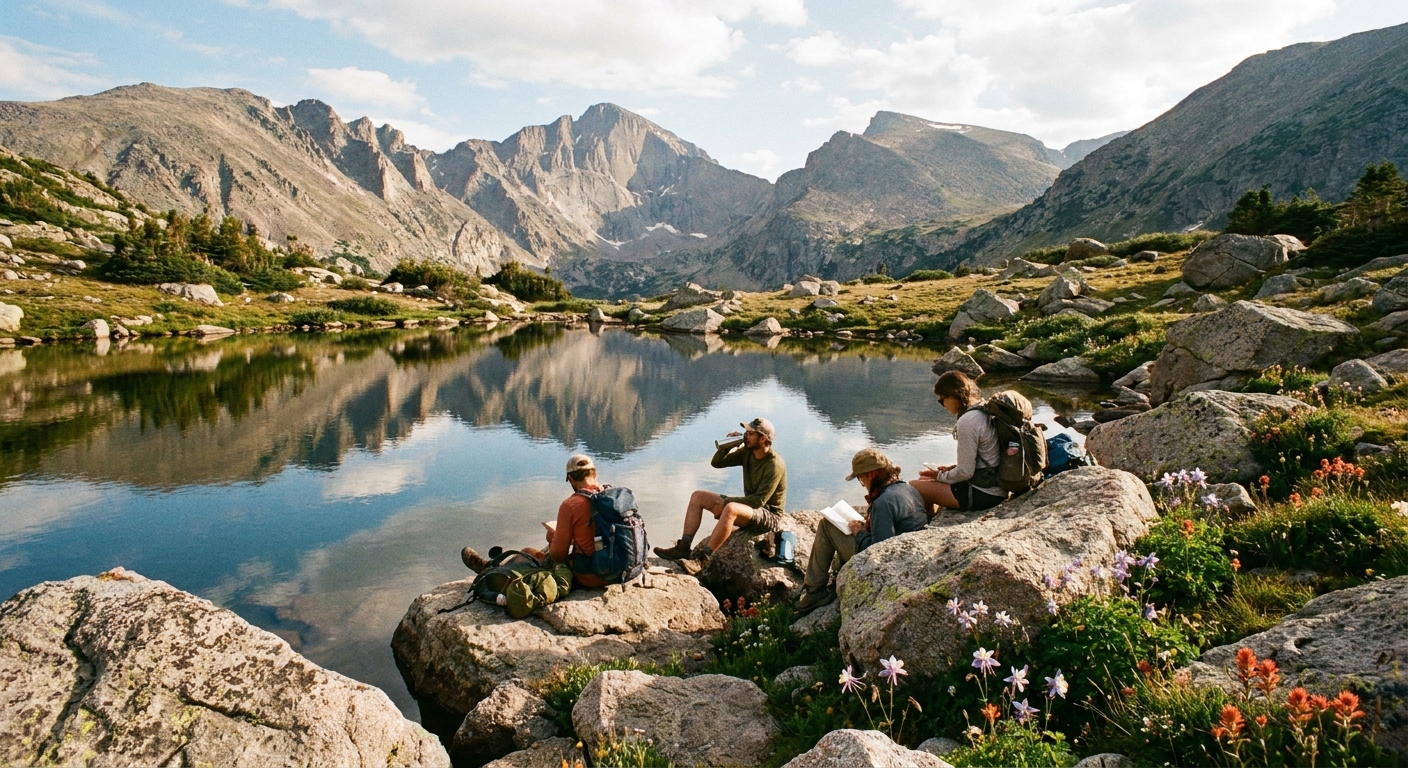
Rocky Mountain National Park Timed Entry
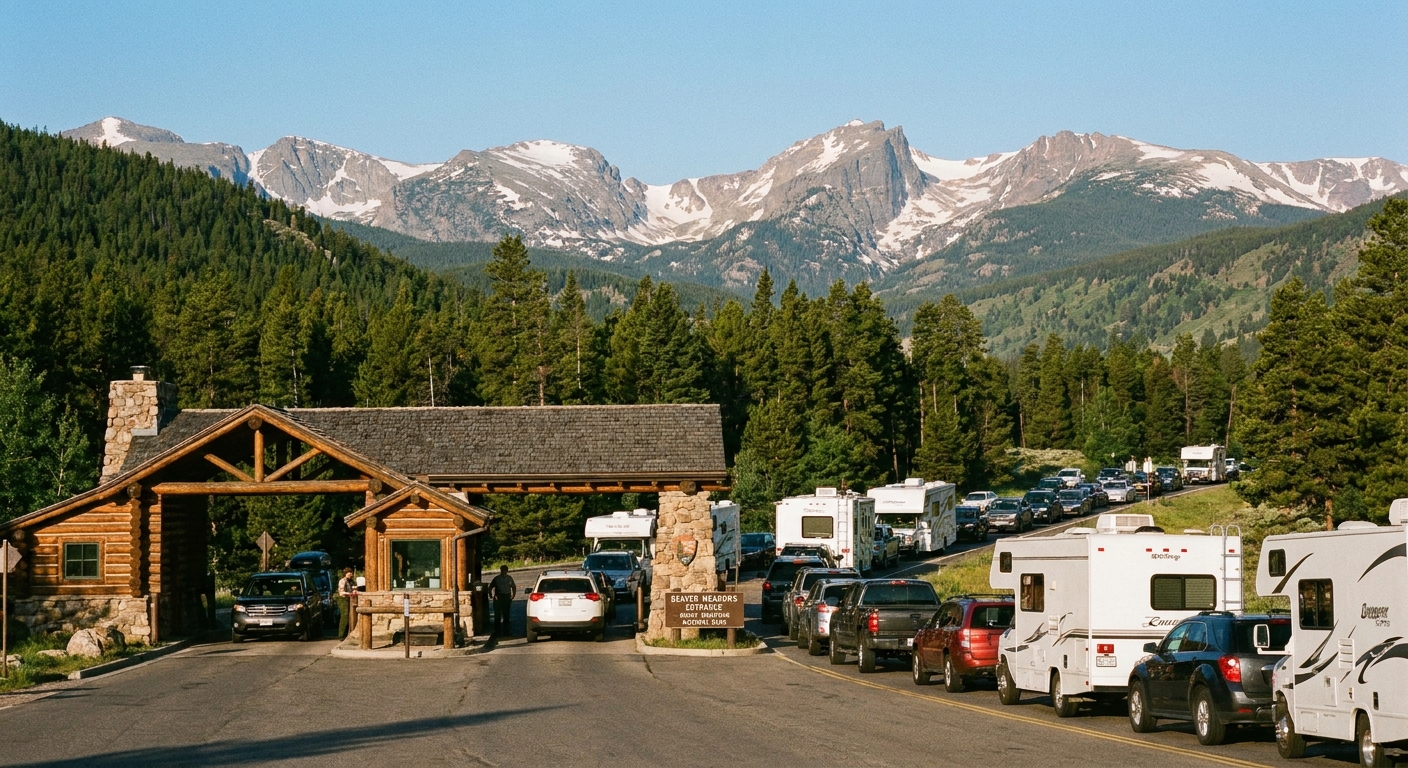
Rocky Mountain National Park (RMNP) is one of those rare places where you can watch alpenglow hit Longs Peak at dawn and still be back in Estes Park for a real espresso and a hot shower by afternoon. The catch is that during busy months, RMNP uses a timed entry reservation system to manage congestion. If you show up without the right reservation at the wrong time, the park can feel less like freedom and more like a closed door.
This guide breaks down how timed entry works (by entrance and corridor), the ways it commonly goes sideways, and the most realistic backup plans when the calendar is already full. I will keep it focused on the reservation mechanics and logistics, then point you toward the right next steps for hikes and town time without re-listing every trail in the park.

Timed entry at a glance
- Where you book: Recreation.gov (website) or the Recreation.gov mobile app.
- What it is: a reservation to enter the park or a specific corridor during a set window.
- What it costs: your timed entry reservation usually has a small processing fee (commonly $2) and it is separate from the park entrance fee.
- What sells out first: anything tied to Bear Lake Road.
- Common extra release: additional slots often drop at 7:00 PM MDT the night before on Recreation.gov (verify each season, since details can change).
Timed entry in plain English
Timed entry is a reservation for entering the park via designated entrances and corridors during controlled hours. It is designed to spread arrivals out, reduce gridlock at entrance stations, and protect visitor experience on crowded roads like Bear Lake Road.
Most visitors still need the usual basics:
- Park entrance fee (or an America the Beautiful pass).
- Timed entry reservation (during the dates and hours the system is active).
Think of it this way: the entrance fee is your ticket to the venue. Timed entry is your scheduled arrival time.
Where to book and what to search
Timed entry reservations are booked through Recreation.gov (or the Recreation.gov app). When you are staring at the listings, use the official RMNP timed entry page as your compass so you pick the right product for your plan. Names can change slightly year to year, but you are generally looking for timed entry options that map to:
- Park-wide access (often labeled something like “Park Access”)
- Bear Lake Road corridor access (often labeled something like “Bear Lake Road” or “Bear Lake Road Corridor”)
My rule: do not assume you grabbed the right one just because the words “Rocky Mountain” are in the title. Confirm the corridor and the date and time window before you pay.
Two reservation types
RMNP often uses two flavors of timed entry during peak season. The official product names and dates can shift year to year, but the structure is consistent:
- Park access: lets you enter most areas of the park during your reserved window.
- Bear Lake Road corridor: includes access to the Bear Lake Road corridor during your reserved window. This is the one that disappears fastest because it controls access to the park’s most popular trailheads and parking areas.
If your goal involves Bear Lake, Glacier Gorge, or any of the high-demand trailheads along that road, you generally need the Bear Lake corridor option, not just park-wide access.
Always confirm the current season’s rules on the official RMNP timed entry page before you travel, especially in late spring or fall when systems and hours can change.
How it works by entrance
Beaver Meadows (Estes Park side)
This is the most common gateway for visitors staying in Estes Park. It is convenient, scenic, and therefore busy. If timed entry is active, arriving here during controlled hours typically requires the appropriate reservation, especially if you plan to continue toward Bear Lake Road.
Fall River (north of Estes Park)
Fall River can be a great option when Beaver Meadows is backed up, depending on your itinerary. It still participates in timed entry when the system is active, so it is not a loophole. It is simply a different front door.
Bear Lake Road (the bottleneck)
Bear Lake Road is where timed entry feels the most intense. Parking fills early, shuttle lines build, and cell service can be unreliable. If you have a Bear Lake corridor timed entry reservation, treat it like a high-value appointment. Plan to be rolling toward the entrance station early enough to absorb lines.
Grand Lake (west side)
Coming from the west through Grand Lake can change the vibe of your day, often with different crowd patterns. It can be a smart strategy if you can overnight on that side or do a two-sided loop using Trail Ridge Road when open. Timed entry requirements can apply here too during the active season.
Release timing and why it sells out
Timed entry reservations are typically released in two waves, but the exact cadence can change by year. In general, expect:
- Advance release: a large batch opens ahead of time (often tied to a posted release schedule on Recreation.gov).
- Short-notice release: a smaller batch often drops at 7:00 PM MDT the night before on Recreation.gov (confirm for the current season).
This creates a predictable pattern: popular summer weekends go quickly in the advance release, then you see a second scramble for the short-notice inventory.
Slots sell out for a few very normal reasons:
- Demand stacks: families, tour itineraries, and day-trippers all target the same morning windows.
- Bear Lake is a magnet: hikers aim for early starts and limited parking, pushing demand into a tight band.
- Some visitors book extra days “just in case”: systems and policies may limit purchases or changes, but when people can hold more than they use, it squeezes inventory.
Common exemptions and special cases
This is the part that can save a trip. Some reservations and permits can change whether you need timed entry, or how it is checked. Policies vary by season, so use the official RMNP timed entry page and look specifically for sections labeled like “Exemptions”, “Do I need a timed entry permit if I have…”, or “Already have a reservation?”.
Common examples that may affect timed entry requirements include:
- Campground reservations inside RMNP
- Backcountry permits
- Commercial use tours with proper authorization
- In-park lodging or other in-park services, if applicable in a given season
Do not assume any of these are an automatic pass. Confirm the current year’s rules and what you will need to show at the entrance.
Common failure modes
1) Booking the wrong type
The most painful mistake is booking park-wide access when your plan depends on Bear Lake Road. Before you click purchase, ask yourself: Do I need Bear Lake trailheads, or am I happy with non-Bear Lake hikes and drives?
2) Confusing your entry window with how long you can stay
Timed entry is about when you enter. It is checked at entrance stations and, in some seasons, at corridor checkpoints. Once you are in, your stay is typically not time-limited, but if you leave and try to re-enter later, you may need a valid window depending on the rules that year.
3) Underestimating lines and parking fill times
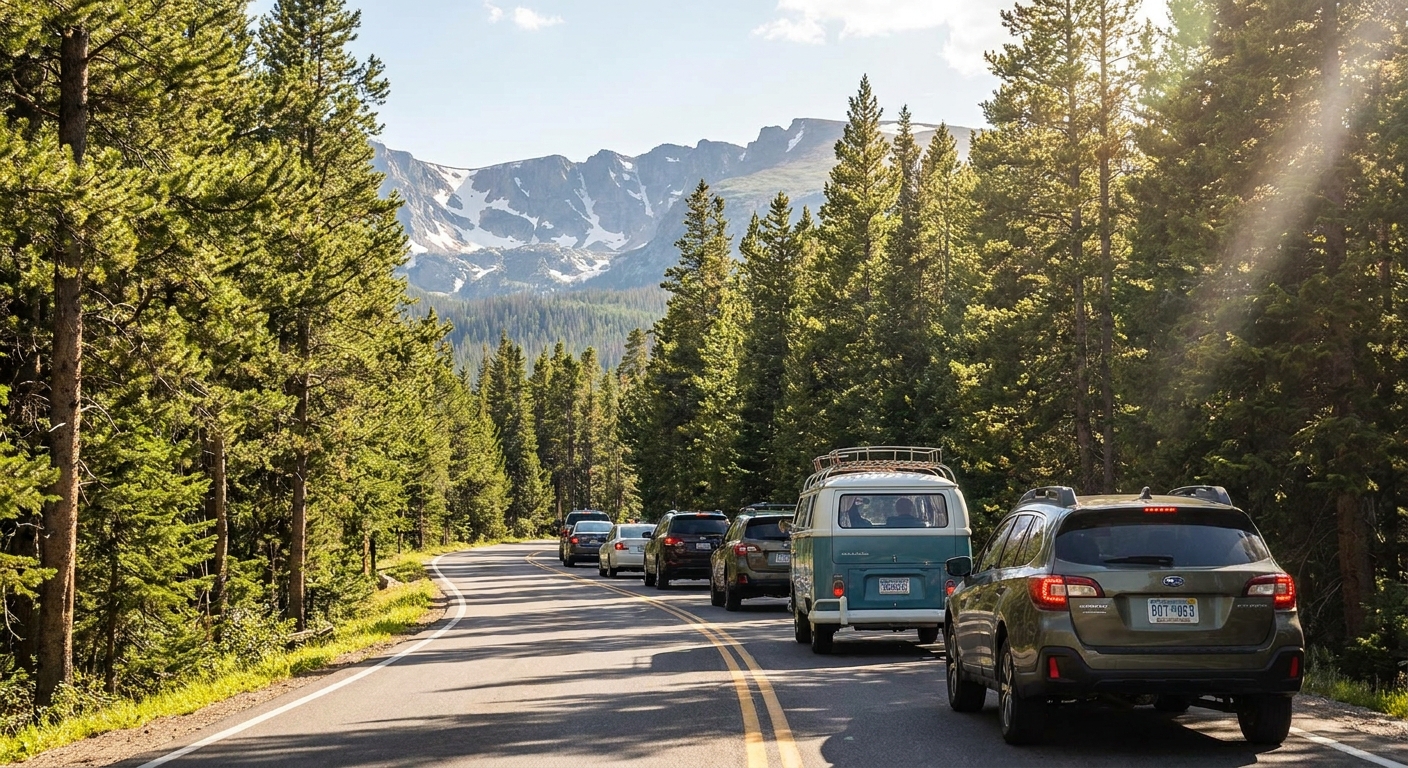
If your timed entry starts at 9:00, arriving at the entrance station at 8:55 on a Saturday can still put you behind a line. Build a buffer. For Bear Lake days, the earliest windows are the easiest to work with.
4) Cell service and screenshot problems
Reception can be spotty. Download your reservation confirmation ahead of time and take a screenshot that shows the date, window, and reservation type.
5) Thinking “I have a pass, so I am good”
An annual or national parks pass covers fees, not timed entry. You typically need both during controlled periods.
6) Assuming every entrance is interchangeable
Your lodging location matters. Staying in Estes Park and attempting a west-side entrance strategy at the last minute can add significant drive time, especially if Trail Ridge Road is closed or weather is active.
Shoulder-season timing
If you can be flexible, shoulder season is the sweet spot for RMNP: fewer crowds, better parking odds, and the kind of crisp air that makes even a short walk feel cinematic.
Here is what to keep in mind:
- Timed entry runs seasonally. Outside those dates, you may not need a reservation at all, though you still pay entrance fees.
- Even within timed entry season, there may be early or late hours when reservations are not required. These off-peak windows are gold if you are willing to start early or pivot to a sunset plan. (Hours vary by season, so verify.)
- Trail Ridge Road conditions can limit cross-park plans in spring and fall. When the road is closed, the park effectively becomes two separate experiences from each side.
My practical suggestion: if your schedule allows, target a weekday in late spring or early fall and build your hiking plan around either an early entry or a late-day entry. Then use the middle of the day for Estes Park’s coffee shops, picnic supplies, or a nap you will not regret.
When slots are sold out
If the reservation calendar looks like a brick wall, you still have options. The goal is to keep your day feeling intentional, not like you are scrambling in a parking lot refreshing your browser.
Option A: Enter outside controlled hours
If the park has hours when timed entry is not required, plan an early start or late entry (confirm the current season’s hours). This pairs well with:
- Sunrise or golden-hour photography.
- Shorter hikes that feel huge when the light is good.
- A split day: park early, town midday, then a second park visit if rules allow.
Option B: Skip Bear Lake Road
Even during peak season, many visitors funnel into the same corridor. If you can adjust your wishlist to a different area of the park, you may be able to use park-wide access more easily, or avoid Bear Lake congestion altogether. This is where having a short list of “secondary” hikes pays off.
If you want a concrete way to think about this without turning it into a trail list: build your day around a scenic drive plus two short stops in a less-congested area, then save your big, iconic Bear Lake corridor day for when you can land the right reservation.
Option C: Try the 7:00 PM MDT drop
Set a reminder for 7:00 PM MDT the night before and be logged into Recreation.gov early. Use a stable connection, have your payment method ready, and be flexible on your entry window. If you are traveling with a group, decide your acceptable time ranges in advance so you are not negotiating at checkout.
Option D: Do Estes Park first, then re-check
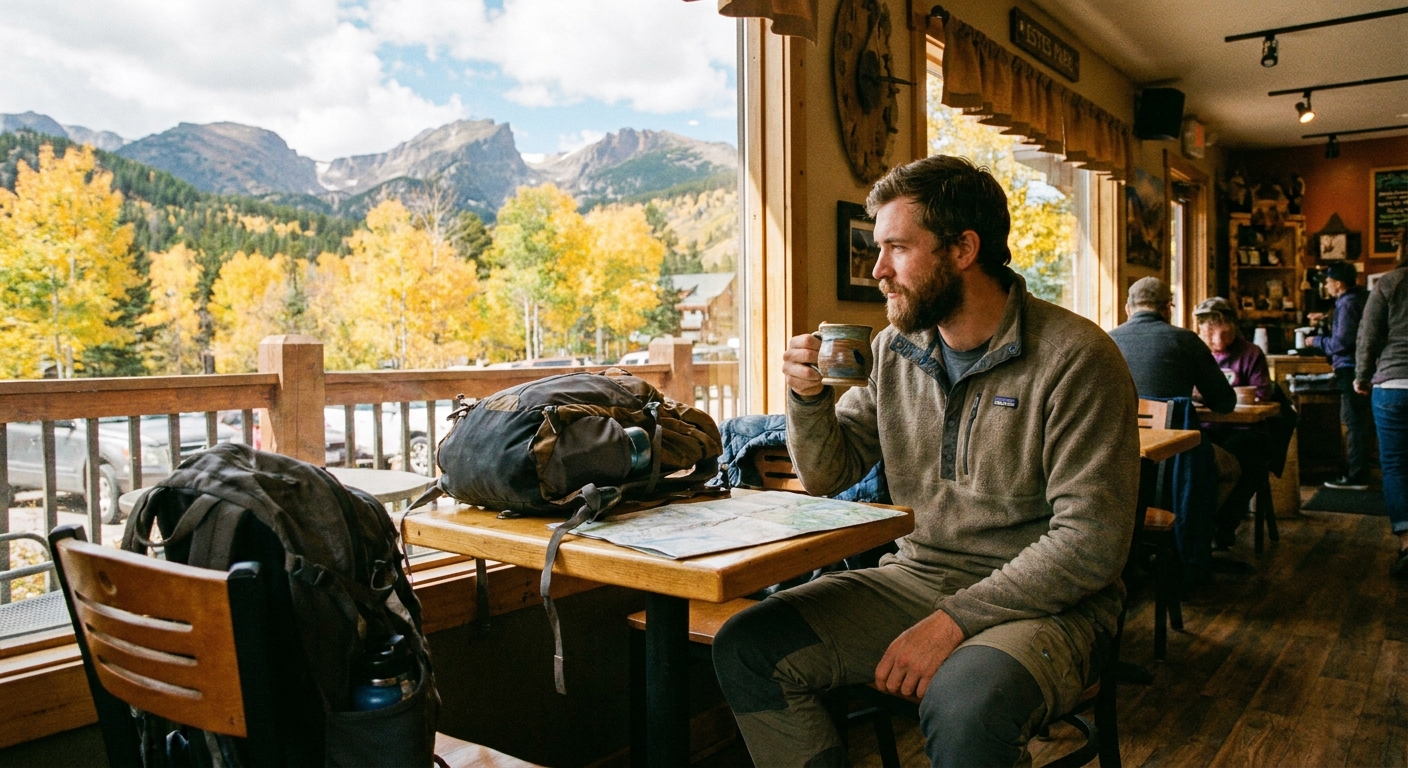
If you are staying in Estes Park, this is an easy save. Plan a town-first day: morning coffee, local breakfast, a museum stop or scenic drive outside the timed entry zone, then check again for openings later. Cancellations do happen.
Option E: Go west via Grand Lake
If you can reposition lodging or you are already looping through Colorado, entering from Grand Lake can be a calmer experience on some days. Just do not treat it as a guaranteed workaround. It is a different approach, not a magic door.
Option F: Guided tours
Some permitted operators may be able to handle certain entry logistics through their authorization or allocations, but policies vary. If you go this route, confirm in writing what the tour includes, what you still need to book yourself, and what happens if timed entry rules change.
Simple decision tree
If you want the fastest way to choose a strategy, use this:
- I must do Bear Lake corridor → prioritize the Bear Lake corridor timed entry product. If sold out, try the 7:00 PM MDT drop or shift to off-hours if allowed.
- I want RMNP, but I am flexible → aim for park-wide access and plan a non-Bear Lake day.
- I hate alarms and lines → travel shoulder season or plan a late-entry day and enjoy Estes Park midday.
- I only have one day and it has to work → book the earliest available window you can, build buffer time, and have a backup itinerary that does not depend on Bear Lake parking.
Logistics that help
Parking and shuttles
Even with the right reservation, parking can be the real limiter. When shuttle systems are operating, they can be a sanity-saver for popular trailheads. Check current shuttle routes, hours, and last-return times and plan your hike so you are not speed-walking the last mile back to the bus stop.
One important nuance: shuttles do not automatically replace timed entry rules. In many seasons, you still need the correct timed entry reservation for Bear Lake access even if you plan to ride the shuttle. Confirm the current year’s setup.
Weather and road status
In the Rockies, weather is part of the itinerary whether you schedule it or not. Afternoon thunderstorms, wind, and sudden temperature drops can change plans quickly. Also check for road construction, Trail Ridge Road status, and temporary closures.
Day-of checklist
- Be early: aim to reach the entrance area with enough buffer to handle lines.
- Have proof ready: reservation confirmation (QR code if provided), plus a screenshot for offline access.
- Bring ID and your pass: especially if you are using an America the Beautiful pass.
- Pack layers: a light insulating layer plus a rain shell.
- Water and snacks: cafeteria lines are not the vibe when you are trying to hit a trail.
- Offline maps: download maps for the area you plan to hike.
Quick FAQ
Do I need timed entry every day?
Only during the dates and hours the timed entry system is active, and depending on where you plan to go in the park. Requirements can vary by season and corridor.
If I have timed entry, does that guarantee parking?
No. Timed entry controls arrivals, but it does not reserve a parking space. Arrive early for the most popular areas and consider shuttles where available.
Can I change my reservation?
Policies can vary by season and product. Many Recreation.gov reservations allow modifications or cancellations up to certain cutoffs. Read the terms when you book so you know your options.
Do campground or backcountry reservations replace timed entry?
Sometimes they can affect what you need, but the details vary by year. Check the official RMNP timed entry page for the current season’s exemptions and what documentation is required at the entrance.
Is it better to stay in Estes Park?
If you want easy access to Beaver Meadows or Fall River entrances, yes. It is also the best place to mix trail mornings with town comforts like restaurants, coffee shops, and a warm bed.
Connect the dots
My favorite RMNP itineraries are not the ones where you sprint from trailhead to trailhead. They are the ones with breathing room: a timed entry plan that actually matches your energy, a backup option that does not feel like failure, and an Estes Park dinner reservation that you are genuinely excited about.
If you already have a hike in mind, use this page to make sure your timed entry choice supports it. If you are still deciding, start with the reservation you can realistically get, then pick hikes that fit that access. Your future self, the one not stuck in a midday entrance line, will thank you.