Cologne Cathedral
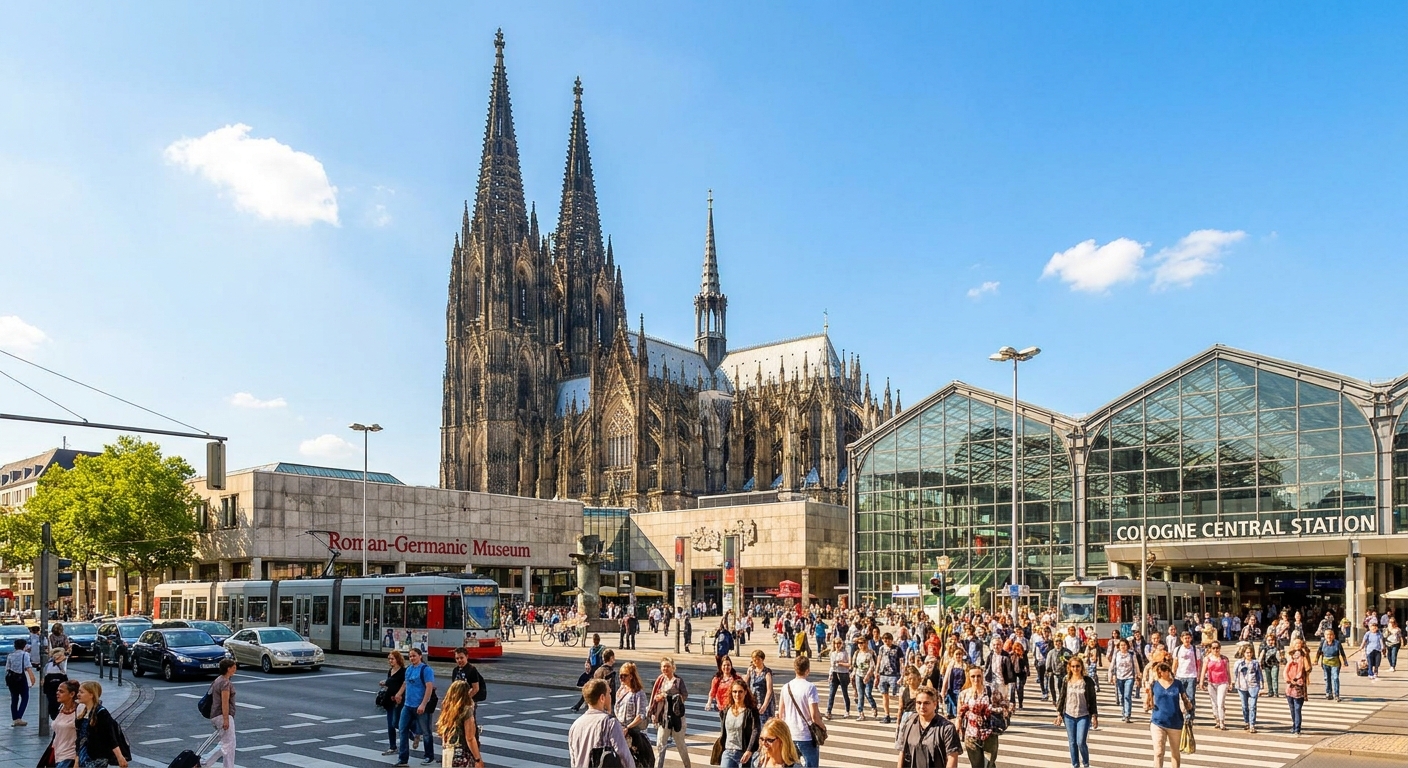
There are landmarks you expect to be impressive, and then there is Cologne Cathedral (Kölner Dom), which somehow still manages to blindside you. You step out of Cologne Central Station, look up, and the Gothic façade fills the sky like a stone mountain. At 157 meters, it does not just look tall, it is tall. For a brief stretch after its completion, it was even the tallest building in the world, which helps explain the jaw-drop moment.
The best part is that it is not a “drive-by photo” kind of sight. The cathedral rewards slow travel: linger inside, track down a few specific details, climb for the city views, then balance all that grandeur with a normal, very human ritual: finding a great coffee nearby.

Know before you go
Location: Next to Köln Hauptbahnhof (Cologne Central Station), at the cathedral complex around Domkloster 4 and Am Dom. If you arrive by train, you are basically already there.
Time needed: 45 to 90 minutes for the cathedral interior. Add 60 to 90 minutes if you climb the tower. Add more if you like museums or want to slow-walk the Rhine.
Cost: Visiting the cathedral is generally free. The South Tower (Südturm) climb requires a ticket, and the Cathedral Treasury (Domschatzkammer) is a separate paid visit. Hours and ticketing can change (including last entry times), so check the official Dom website before you go.
Respectful visit tips: This is an active church. Dress reasonably, keep voices low, and avoid blocking aisles, especially during services. Photography rules can vary by area and event.
- Best time for fewer crowds: early morning on weekdays, or later afternoon outside peak summer and December weekends.
- Best time for photos: morning light for crisp exterior details, golden hour for warm stone tones around the cathedral plaza.
- Security: expect occasional bag checks. Travel light if you can, especially at busy times.
- Accessibility: The interior is more accessible than the tower. The tower climb involves many steps and is not ideal if you have knee issues, mobility limitations, or vertigo.
A backstory you will remember
Cologne Cathedral is one of Europe’s most celebrated Gothic cathedrals, and it earned UNESCO World Heritage status for good reason (inscribed in 1996). Construction began in 1248, driven in part by Cologne’s desire to create a worthy home for the Shrine of the Three Kings, a dazzling reliquary associated with the Biblical Magi. Like many medieval mega-projects, construction stalled for centuries and was ultimately completed in the 19th century (finished in 1880), when the twin spires finally rose to the height we recognize today.
That long timeline matters when you are standing there. This is not a single-era building. It is a layered record of ambition, faith, politics, craft, and restoration work that continues because soot, weather, and city air never stop testing the stone.
What to look for inside
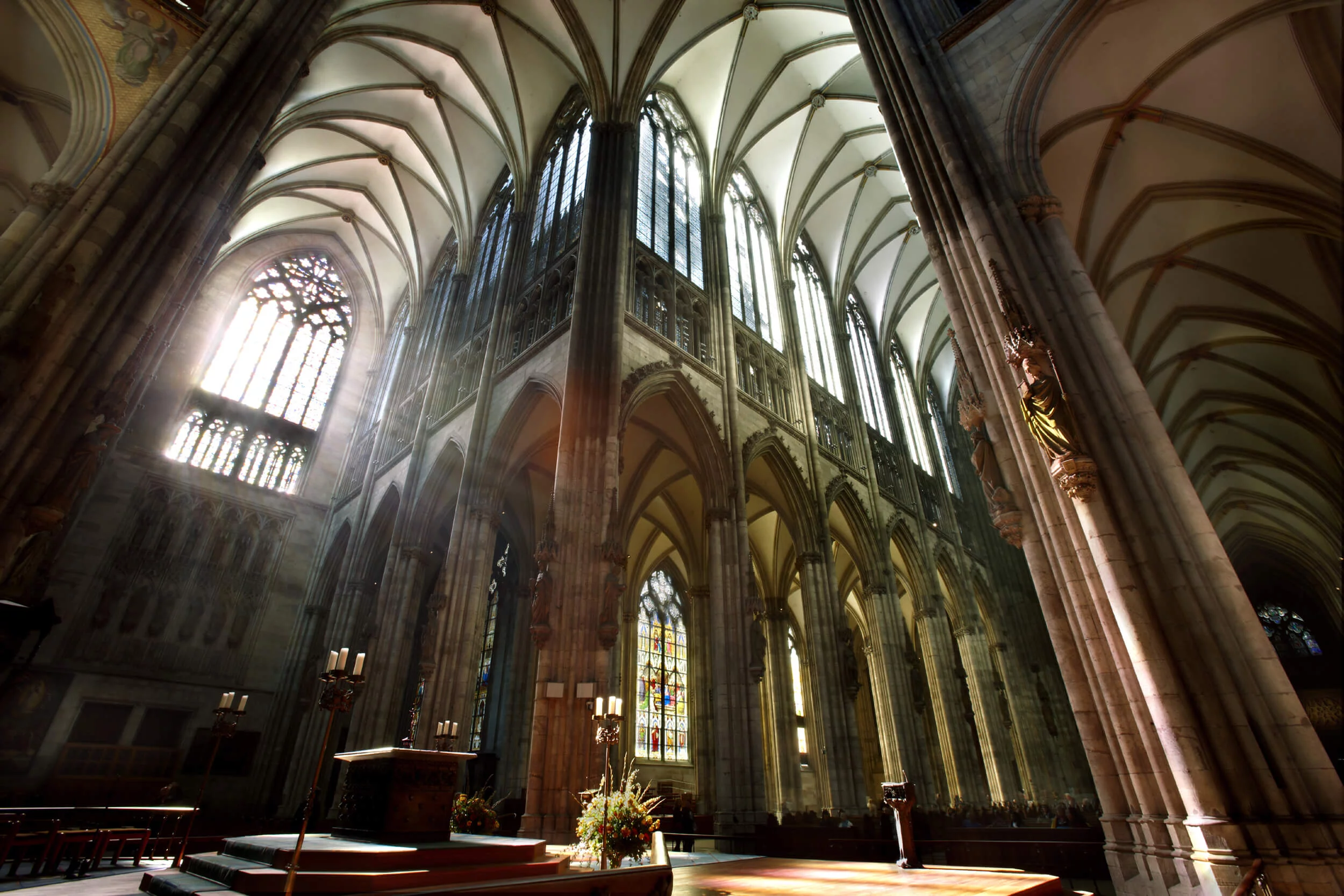
The first sensory hit is the light: dim, cool, and colored. Step in from the bustle of the station and the temperature drops, the echoes stretch, and your eyes adjust to stained glass that looks like it has been steeping in centuries.
The Shrine of the Three Kings
If you see one specific object, make it this. The shrine is ornate in a way that still feels unreal even if you are not particularly religious. It is a key reason the cathedral became such a magnet for pilgrims and prestige.
The Gero Cross
Make time for the Gero Cross (Gero-Kreuz), one of the oldest large crucifixes in Europe. It has a quiet gravity that cuts through the scale of the building, and it is the kind of historic artifact you only fully appreciate once you are standing in front of it.
Stained glass, old and new
Cologne Cathedral’s windows span different eras. Some are traditional narrative stained glass, while others are modern, including the pixel-like window by artist Gerhard Richter (installed in 2007). Whether you love it or side-eye it, it is a fascinating reminder that “historic” places keep evolving. If you want to actually find it, ask a steward once you are inside, or scan the side aisles and transepts slowly until the modern grid of color clicks into view.
Gothic details at human scale
Look down as much as you look up. Side chapels, small carved figures, candles, and worn stone steps bring the cathedral back to earth. These are the details that make the Dom feel lived-in rather than museum polished.
The tower climb
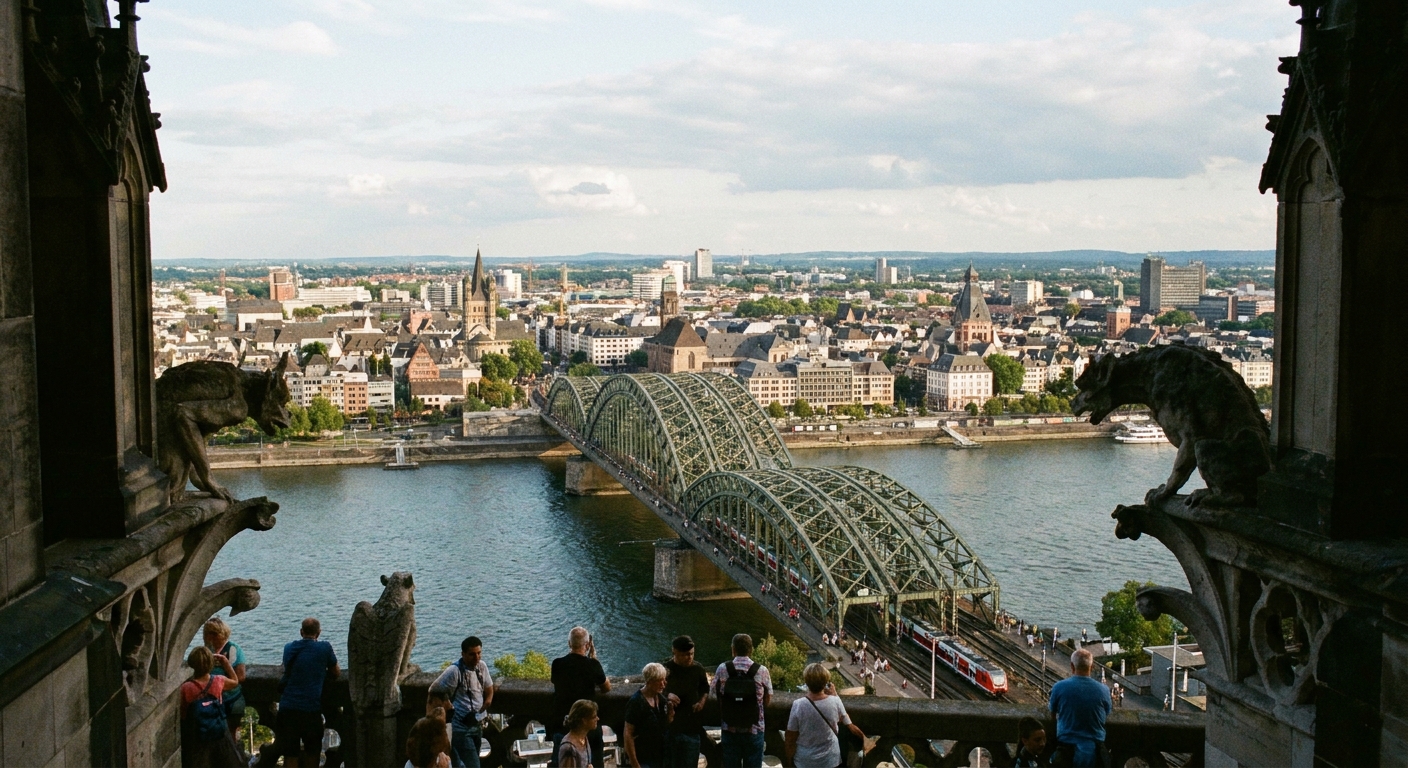
If you like viewpoints and you are okay with a serious stair climb, yes. Visitors climb the South Tower (Südturm), and it is a commitment: 533 steps. The reward is one of my favorite ways to understand Cologne’s layout: the Rhine cutting through the city, the bridges like stitches, and the cathedral sitting confidently at the center.
- Bring: water, shoes with grip, and a layer if you get cold easily.
- Skip if: you have mobility limitations, claustrophobia, or you are traveling with very small kids who will not enjoy long stair sections.
- Timing tip: go earlier in the day for shorter lines, and avoid squeezing it in right before closing. Last entry times can change, so confirm on the official site.
Best photo spots
Cologne Cathedral is dramatic from almost every angle, but a few vantage points consistently deliver.
- Right outside Köln Hauptbahnhof: classic “first look” shot, especially if you catch it with morning light.
- Domplatte (the cathedral plaza): great for people-in-place photos and wide framing of the façade.
- Hohenzollern Bridge area: for Rhine context shots with the cathedral rising behind the riverfront.
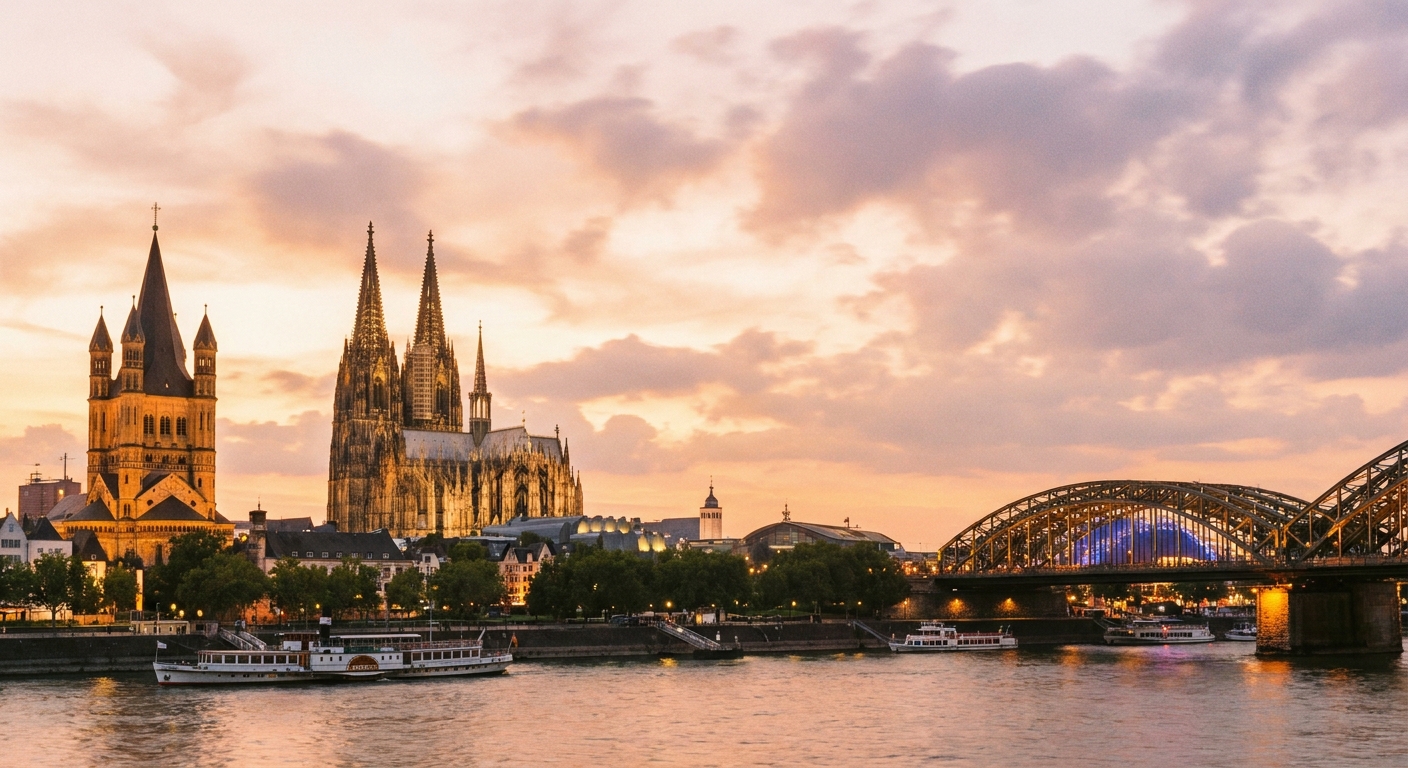
- Across the Rhine (Deutz side): if you want a skyline-style view with breathing room.
A half-day plan
This is my favorite way to do the Dom if you want a satisfying visit without turning it into an all-day mission.
Stop 1: Start early at the cathedral
Arrive early, walk one slow lap inside, then circle back to your must-sees: the shrine, the Gero Cross, standout stained glass (including the Richter window), and a few side chapels. If you are climbing the tower, do it now while your legs are fresh.
Stop 2: Coffee reset nearby
I always schedule a coffee stop after the cathedral. It is the perfect palate cleanser after so much visual intensity. The area around the station can be hectic, so I usually walk a few blocks into the Altstadt or toward the Belgian Quarter for a calmer café vibe. I am not naming specific spots here since favorites change, but aim for somewhere independent and a little removed from the station rush.
Stop 3: Rhine promenade walk
Head toward the river and take a low-effort, high-reward stroll along the Rhine. You will get open views, breezes, and a more relaxed sense of Cologne beyond its biggest monument.
Optional: Treasury or a museum
If you want to tack on culture without overloading your brain, pick one add-on and commit. The Cathedral Treasury (Domschatzkammer) is the obvious choice if you are leaning into sacred art and objects. If you want a clean contrast, the Museum Ludwig is nearby and well-known for modern art, and it pairs beautifully with the cathedral’s medieval architecture.
Seasonal tips
Summer
Expect crowds and heat on the plaza. Carry water, and aim for early entry. The cathedral interior can feel wonderfully cool, but lines outside do not.
Winter
Short daylight hours make timing important. If you are visiting during Christmas market season, the area is magical and busy. Go early for a calmer cathedral visit, then come back later for evening lights and market snacks.
Slow-travel notes
- Arrive by train: Cologne is one of those rare cities where the main sight is literally at the station, which makes low-carbon travel easy.
- Stay longer than a selfie: Even 30 extra minutes inside changes the experience. Let your eyes adjust. Let the building quiet you down.
- Support local: Pick an independent café or bakery a few blocks away rather than defaulting to the first chain near the station.
Common mistakes
- Only seeing the exterior: The façade is iconic, but the interior light and scale are the real emotional punch.
- Underestimating the tower: It is a workout. Treat it like a short hike up a stair trail.
- Arriving at peak times with no plan: Midday weekends can mean lines and shoulder-to-shoulder moments. Shift your timing and you will feel like you got your own cathedral.
- Forgetting it is a sacred space: Be mindful during services and in quiet areas.
One last thing
Cologne Cathedral is a reminder that cities can do both: raw, ambitious human engineering and everyday comfort just steps away. Stand under the vaults, feel tiny for a minute, then go find that coffee and watch Cologne move around you. That mix is the whole point of travel, at least the way I like it.