Arizona-Sonora Desert Museum: How Long to Stay and What to See

Maya Lin
Maya Lin is a travel journalist and outdoor enthusiast who believes the best trips combine rugged adventures with urban comforts. After spending six years backpacking across four continents, she founded Trail & Town Guide to help fellow travelers navigate both hidden mountain passes and bustling city neighborhoods with confidence.
The Arizona-Sonora Desert Museum is one of those Tucson-area attractions that sounds like a quick stop until you’re actually inside, walking through a living Sonoran Desert neighborhood of cactus gardens, shaded paths built into the hills, indoor galleries, and animal habitats that reward you for slowing down. It’s part zoo, part botanical garden, part natural history museum, and it feels more like an easy desert walk with exhibits than a traditional indoor museum.
If you’re trying to pair it with other plans, here’s the honest answer: you can do the highlights in about two hours, but the museum is best as a half-day to nearly full-day visit, especially in cooler months when you actually want to linger outside.
Quick note before we get into routes: the museum’s daily schedule, dining hours, and special-event evenings can change seasonally. I like to check the daily schedule board at the entrance (and the museum website the morning I go) if I’m trying to catch a talk, an animal presentation, or time lunch.
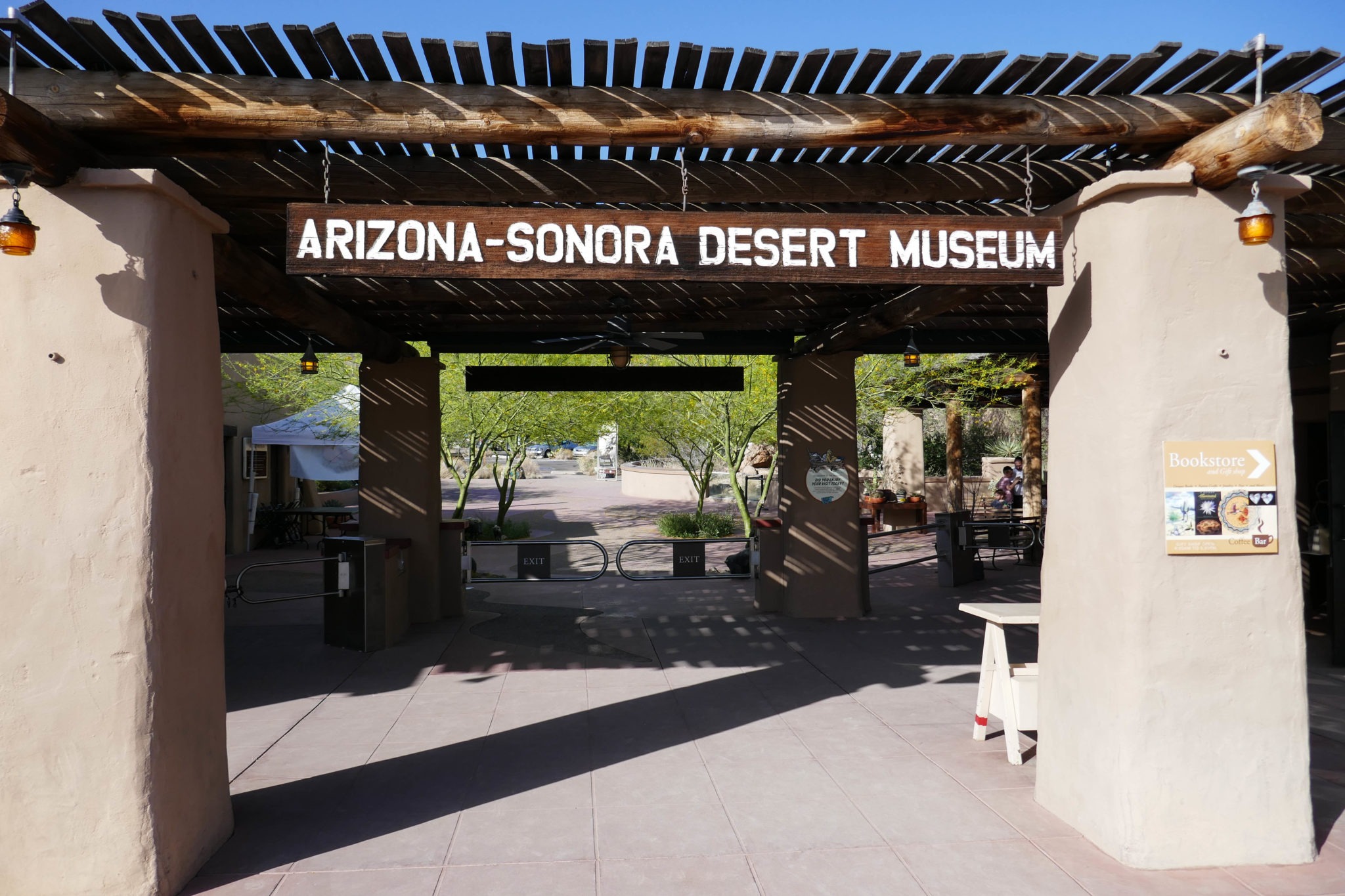
Know before you go
- Hours (seasonal): the Desert Museum adjusts hours for heat and daylight. As a useful planning baseline, expect a shorter summer-hours window (often posted as 7:30 AM to 2:00 PM) and a longer cool-season window (often posted as 8:30 AM to 5:00 PM). Shoulder-season weeks can shift, so confirm the exact hours for your visit date on the official site or the entrance signage.
- Tickets (baseline, dated): ticket pricing changes, and there can be differences by season and purchase method. For planning purposes only, adult general admission is sometimes listed around $34.95 in peak season and around $29.95 in summer. If you are quoting numbers for a tight budget, verify on the official ticket page for your date before you buy.
- Location and drive time: it’s west of Tucson near the Tucson Mountains. From downtown Tucson, it’s about 30 minutes in normal conditions, with longer drive times possible depending on traffic and where you start.
- Parking: parking is on site. Mornings in peak season and holiday windows can feel busiest, so arriving earlier helps.
- Same-day re-entry: policies can change. If you think you might leave and return, ask at the admission desk when you enter whether same-day re-entry is available and what you need to show (stamp, receipt, or scan) on the way back in.
- Accessibility: this is a lot of outdoor walking with hills, uneven paths and occasional steep slopes. If you’re using a wheelchair, pushing a stroller, or managing limited mobility, plan extra time and breaks and check the museum’s accessibility notes before you go.
How long to stay
Quick visit: 1.5 to 2 hours
This is the move if you are passing through or you want one standout desert experience without committing your whole day. In two hours, focus on one main outdoor loop plus one indoor anchor.
- Best for: families on a schedule, travelers who want a strong “desert greatest hits” walk, warm days when you want to be strategic about shade.
- What you will miss: quieter paths, slower habitat viewing, extra indoor galleries, and the “sit and watch” moments that turn this place from good to great.
Classic visit: 3 to 4 hours
This is my sweet spot for first-timers. You get time for the main outdoor areas, a real indoor cool-down, and at least one program or deep-dive stop if it lines up.
- Best for: most travelers, photographers, and anyone who likes reading signs and picking up context as you go.
Full visit: 5 to 6 hours
If the weather is pleasant, this place can fill a day. The museum grounds are meant to be wandered. The small moments add up: a lizard warming on a rock, a hummingbird at a feeder, a shady bench when you realize you have been learning without trying.
- Best for: cool-season trips, serious wildlife and plant lovers, and anyone who wants a slower pace.
My rule of thumb
If it’s your first visit and you can choose, plan for at least 3 hours. If it’s hot and you know heat changes your mood, plan for 2 to 3 hours and treat indoor stops as planned breaks, not an afterthought.
One summer-specific reality check: if the museum is on a summer-hours schedule with an early afternoon close, a “half-day” visit usually means a morning block, not an afternoon.
Best time to go
Because so much of the experience is outside, timing matters. If you can, arrive earlier rather than trying to power through the warmest part of the day.
- More comfortable walking: mornings are typically cooler and feel easier on exposed paths.
- Better animal viewing: you often catch more movement earlier in the day before everything settles into shade mode.
- Smoother entry: earlier arrival often means easier parking and fewer bottlenecks.
Heat-smart strategy
I treat this like a short desert hike that happens to have exhibits, water stations, and indoor galleries. A smart rhythm makes the whole place feel easier.
What I bring
- Refillable water bottle (and I actually drink it).
- Sun protection: hat, sunscreen, sunglasses.
- Comfortable walking shoes. This is not a quick indoor stroll.
- A light layer in cooler seasons. Desert mornings can feel surprisingly crisp.
How I pace it
Alternate outdoor and indoor on purpose. Do your biggest outdoor loop early, then take an indoor break, then go back out for round two if you still feel good. If you feel yourself rushing because you are hot, that is your cue to step inside and reset. You will see more by walking less aggressively.
A route that works
The biggest mistake I see (and have personally made) is wandering without a plan, then realizing you spent your coolest energy on the least memorable corners. The fix is simple: start outside, hit the signature habitats while you feel fresh, then use an indoor stop as your reset.
Step 1: pick a direction
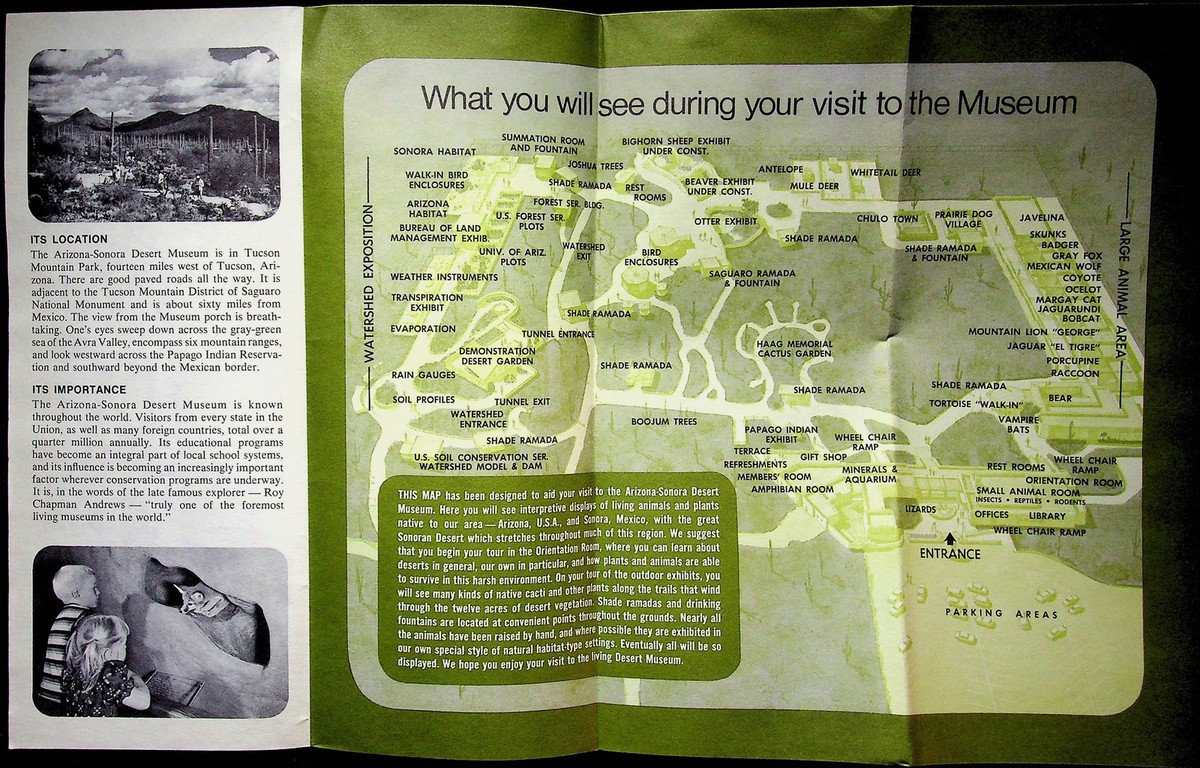
Once you enter, take 60 seconds with the map and commit to a direction. The paths branch in ways that can quietly add distance and backtracking.
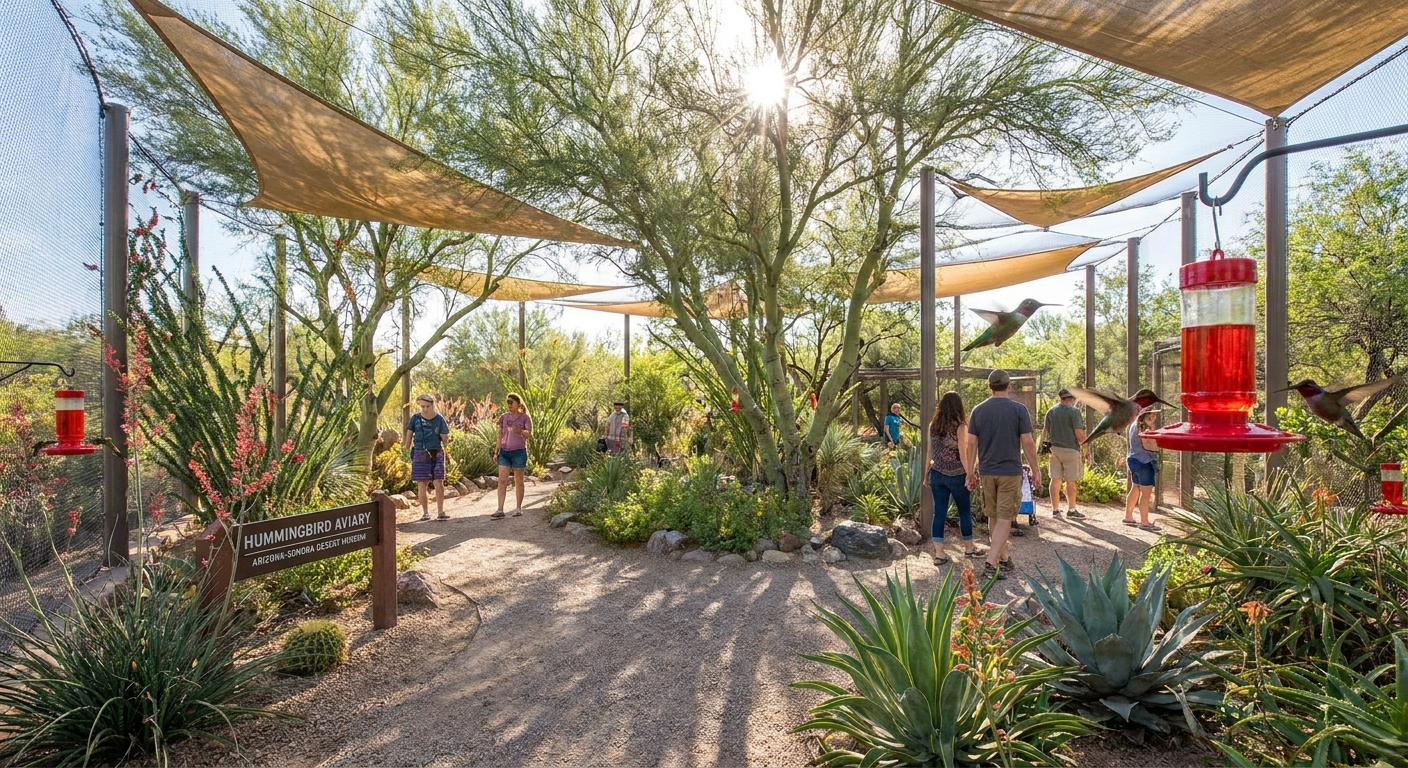
Practical cue: I like to start with the Hummingbird Aviary early because it is high reward and tends to be lively. From there, I build my loop outward.
Step 2: hit priorities first
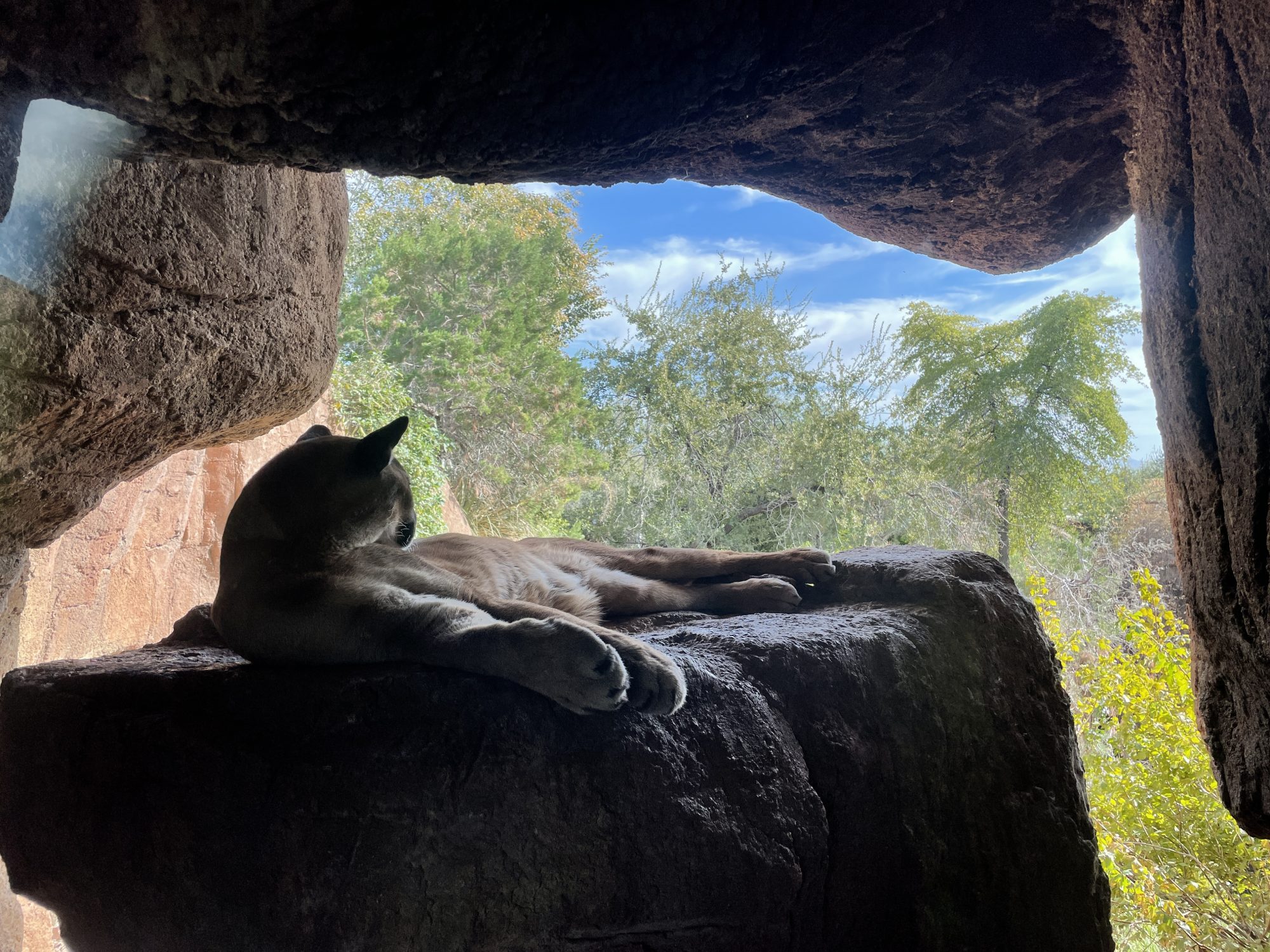
If you want the museum to feel like the Sonoran Desert in one visit, build your loop around the museum’s current, map-labeled anchors (the names can evolve). The ones I look for first are typically Hummingbird Aviary and Cat Canyon, plus a couple of personal-interest stops.
Two other labels that are often easy wins for first-timers are the Warden Aquarium and the Desert Loop Trail. If any of those labels are slightly different on your visit day, follow the current visitor map and treat these as category cues: hummingbirds, big-cat habitat, aquarium, and an easy desert walking loop.
Step 3: choose one indoor anchor
For an easy, satisfying indoor anchor, I plan time for the Earth Sciences Center. It is cool, focused, and it gives you a clean mental reset before you head back out. It’s also the kind of stop that works well mid-visit because you can cool down without feeling like you “left the museum.”
Make it executable: when you get the map, circle 4 or 5 labeled stops you care about (for many people that is Hummingbird Aviary, Cat Canyon, Warden Aquarium, Earth Sciences Center, plus one program if offered). Use those circles to create your loop instead of trying to cover everything.
If you only have two hours
Two hours goes fast here. The goal is not to see everything. The goal is to leave feeling like you truly met the Sonoran Desert.
Do this
- Start with Hummingbird Aviary: it sets the tone fast.
- Keep your outdoor loop tight: work toward a signature stop like Cat Canyon without taking long spur trails that force you to retrace your steps.
- Choose one indoor cool-down: use the Earth Sciences Center as your reset.
- Add one compact indoor stop if you have time: the Warden Aquarium is a great temperature break that still feels very “Sonoran Desert.”
- Take one real sit break: five minutes on a bench is the simplest way to make a short visit feel like a real experience.
Skip this
- Backtracking to chase every exhibit.
- Long gift shop time at the start. Save it for the end.
- Any route choice that sends you far out without a clean loop back.
If you have half a day
With more time, the museum shifts from “attraction” to “wander.” You can take the longer paths, linger at habitats, and notice how the desert changes from open cactus garden to tucked-away rocky pockets.
Worth adding with 3 to 6 hours
- More indoor exhibits: the indoor areas are not just filler. Think geology, desert ecology context, and aquarium time that lets you cool down while still learning. On hot days, indoor galleries are the difference between enjoying the museum and just trying to get through it.
- More habitat patience: some animals are masters of hiding. A few extra minutes often pays off.
- Quieter paths: the less-trafficked corners can feel like a short nature walk without leaving the museum grounds.
- Programs if available: if there is a scheduled animal presentation that day, it can be a highlight. I look at the schedule board near the entrance and then plan 30 to 45 minutes if I want to attend one program without making the rest of my loop feel rushed.
Parking and arrival
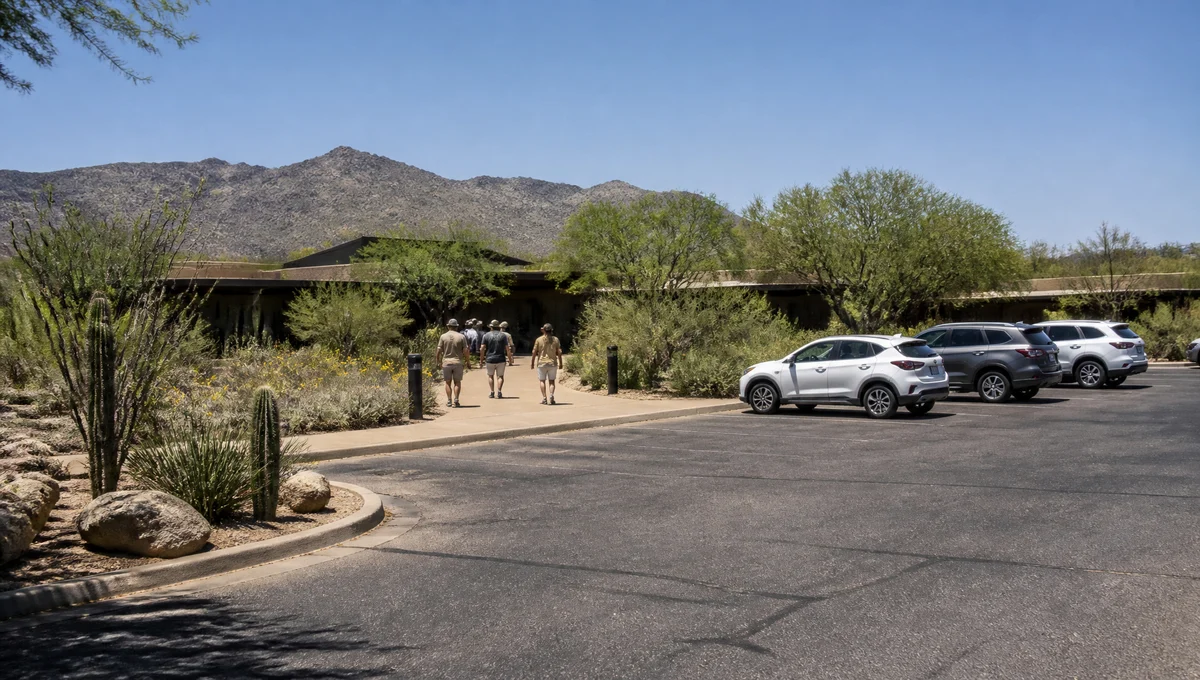
Parking is on site and usually straightforward, but it can feel busy during peak season and popular arrival windows.
- Arrive earlier if you want the easiest parking and the most comfortable walking temperatures. On summer-hours schedules, early arrival also keeps you safely ahead of an early close.
- Do a quick trunk check before you head in. Water, hat, sunscreen, and sunglasses are easier to grab now than halfway through your loop.
- Build in exit time if you are visiting on a weekend or holiday. A relaxed departure is part of a good day here.
Food on site
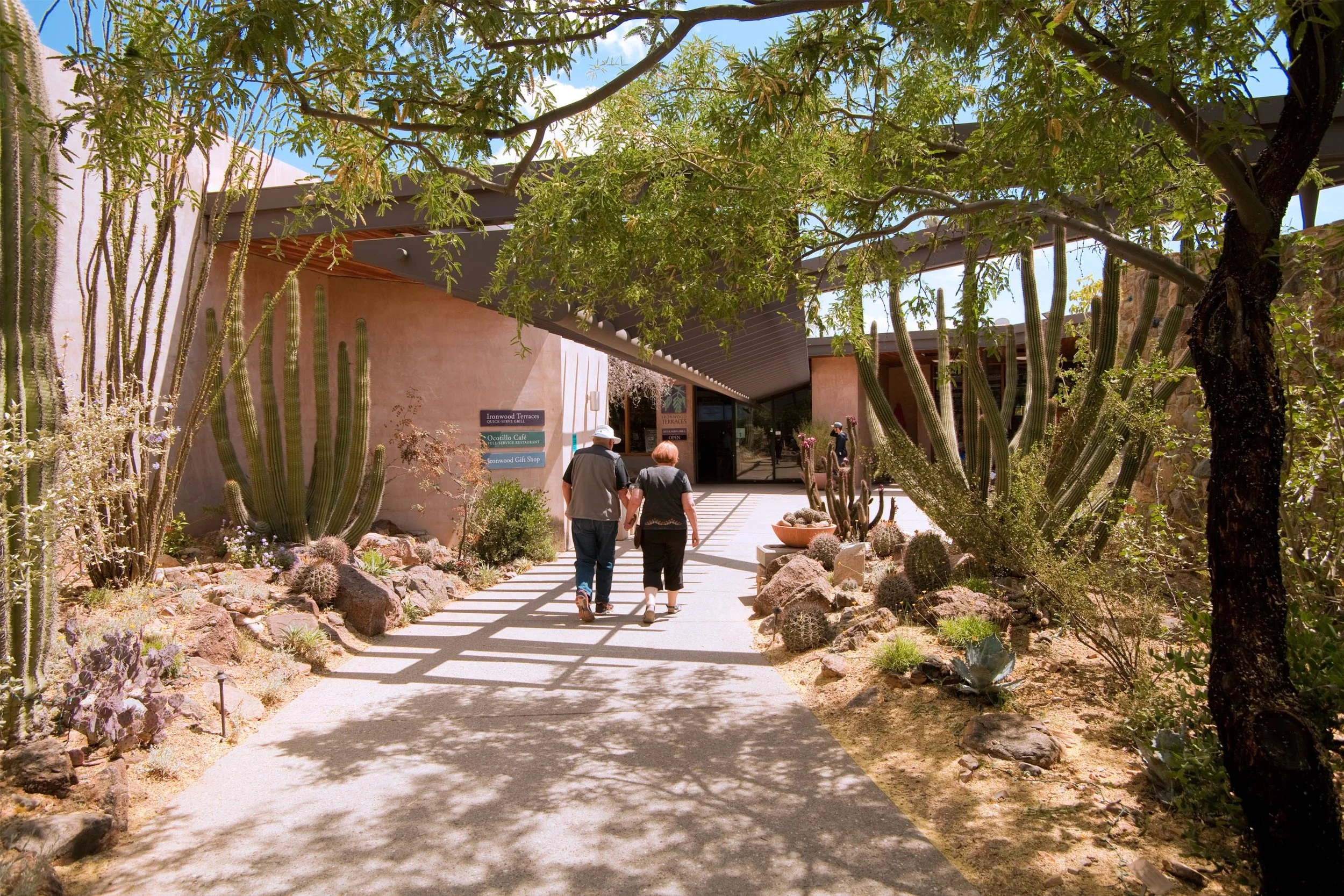
Eating on site can be a smart move because leaving and coming back can break the flow, and in warm weather it can mean extra time in the sun. Dining hours can vary seasonally, so I check what is open when I arrive if I have a specific lunch plan in mind.
Naming note: on-site dining names and which counters are open can shift by season. If you see a café name on an older blog post, trust the museum’s current signage and website over the internet.
When to eat
- After your main outdoor loop: you will enjoy your food more once the biggest walking block is done.
- Before your final indoor stretch: lunch, then a cooler indoor wander is a good rhythm.
Snack strategy
If you are doing a shorter visit, grab something quick and keep moving rather than committing to a long sit. If you are doing a longer visit, a real break can be the difference between “I am overheating” and “I have one more loop in me.”
Concrete summer tip: on days with early closing hours, dining can wind down earlier too. If lunch matters to your plan, check food options as soon as you arrive.
Mini itineraries
These are pacing outlines, not guarantees. Wildlife visibility, crowd levels, and scheduled talks can all change how long things take.
2-hour plan
- 0:00 to 0:10 Entry, map check, commit to a loop direction, quick look at the day’s program schedule near the entrance.
- 0:10 to 0:35 Hummingbird Aviary and nearby outdoor habitats.
- 0:35 to 1:20 Outdoor loop toward Cat Canyon and the Desert Loop Trail or adjacent core paths on your map, minimizing detours.
- 1:20 to 1:45 Earth Sciences Center indoor reset.
- 1:45 to 2:00 Quick final stop near the entrance, then exit.
4-hour plan
- 0:00 to 0:20 Entry, map check, circle your top labeled stops (Hummingbird Aviary, Cat Canyon, Warden Aquarium, Earth Sciences Center, plus one or two personal priorities). Check the day’s schedule board and decide whether you are committing to one program.
- 0:20 to 2:05 Outdoor habitats and gardens, with two short sit breaks and at least one wait-and-watch moment.
- 2:05 to 2:50 Lunch or a longer snack break on site.
- 2:50 to 4:00 Warden Aquarium plus indoor exhibits, then any missed highlights close to the entrance.
6-hour plan
- 0:00 to 2:45 Outdoor loops at a relaxed pace, including longer pauses at signature habitats like Cat Canyon and the Hummingbird Aviary.
- 2:45 to 3:30 Meal break.
- 3:30 to 4:15 One scheduled program if offered (plan 30 to 45 minutes including walk time and a good seat).
- 4:15 to 5:30 Indoor exhibits (including the Earth Sciences Center and Warden Aquarium) plus additional outdoor paths you skipped earlier.
- 5:30 to 6:00 Gift shop browse and one last short walk if temperatures are pleasant.
Pair it with other stops
If you are building a day around the west side, the Desert Museum pairs naturally with other nearby desert scenery. Just do not try to cram everything into one rushed block. This visit is best when you give it room.
- Saguaro time: pair it with Saguaro National Park (West) for a full desert day, especially if you are already on that side of town.
- Sunset add-on: if you still have energy, a sunset drive toward Gates Pass can be a beautiful capstone to a museum day.
- Mission visit: San Xavier del Bac is more of its own half-day, especially if you like to take your time and look closely.
Quick FAQ
Is two hours enough?
Enough for highlights, yes. Enough to feel unhurried, usually not. If two hours is what you have, commit to Hummingbird Aviary, one clean outdoor loop including a signature stop like Cat Canyon or the Desert Loop Trail, and one indoor reset like the Earth Sciences Center.
Is it mostly outdoors?
Yes. There are indoor exhibits, but much of the experience is walking the grounds.
Is it worth it in the heat?
It can be, as long as you plan for it: arrive earlier, hydrate, use indoor exhibits as intentional breaks, and keep your route efficient. In extreme heat, a shorter visit is often the smarter call.
Can I leave and come back the same day?
Sometimes, but it depends on current policy. If re-entry matters to your plan, ask at entry whether it is available that day and what you will need to show when you return.
How do I avoid backtracking?
Pick a loop direction at the beginning, build your route around a few labeled priorities on the current visitor map (often Hummingbird Aviary, Cat Canyon, Warden Aquarium, Earth Sciences Center), finish that loop, then add optional paths only if you still have the time and energy.