Avalanche Lake and Trail of the Cedars

Maya Lin
Maya Lin is a travel journalist and outdoor enthusiast who believes the best trips combine rugged adventures with urban comforts. After spending six years backpacking across four continents, she founded Trail & Town Guide to help fellow travelers navigate both hidden mountain passes and bustling city neighborhoods with confidence.
I love hikes that let you pick your own adventure. In Glacier National Park, the Trail of the Cedars is the choose-your-own-adventure champion: you can keep it short, shady, and stroller-friendly on the cedar loop, or you can tack on the steady forest climb to Avalanche Lake for one of the best west-side payoffs in the park.
The key is knowing where the accessible loop ends and where the longer hike begins, because they share the same starting point and the same parking crunch. Here’s how I plan it, especially when I’m traveling with a mixed group that includes both “let’s get to a lake” hikers and “I just want a boardwalk and big trees” wanderers.
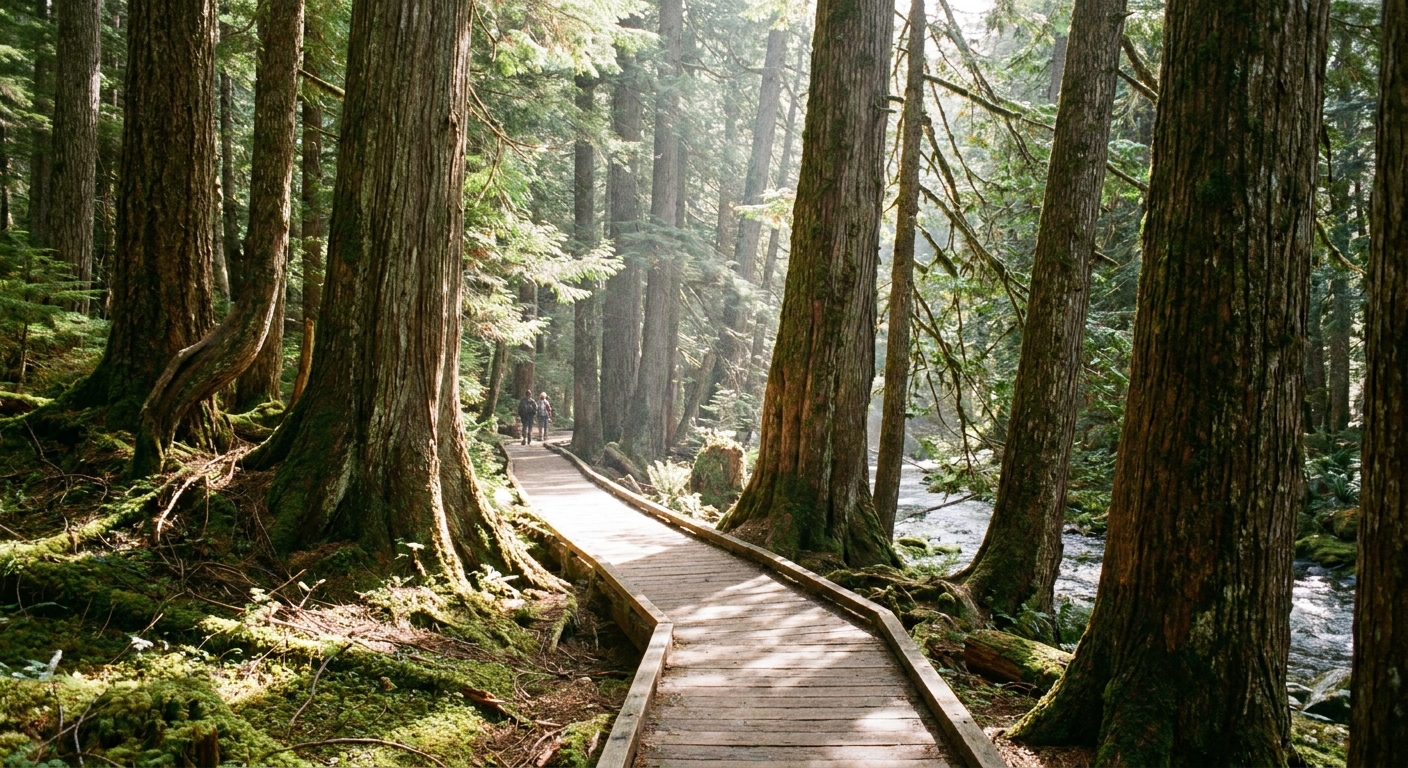
Quick overview
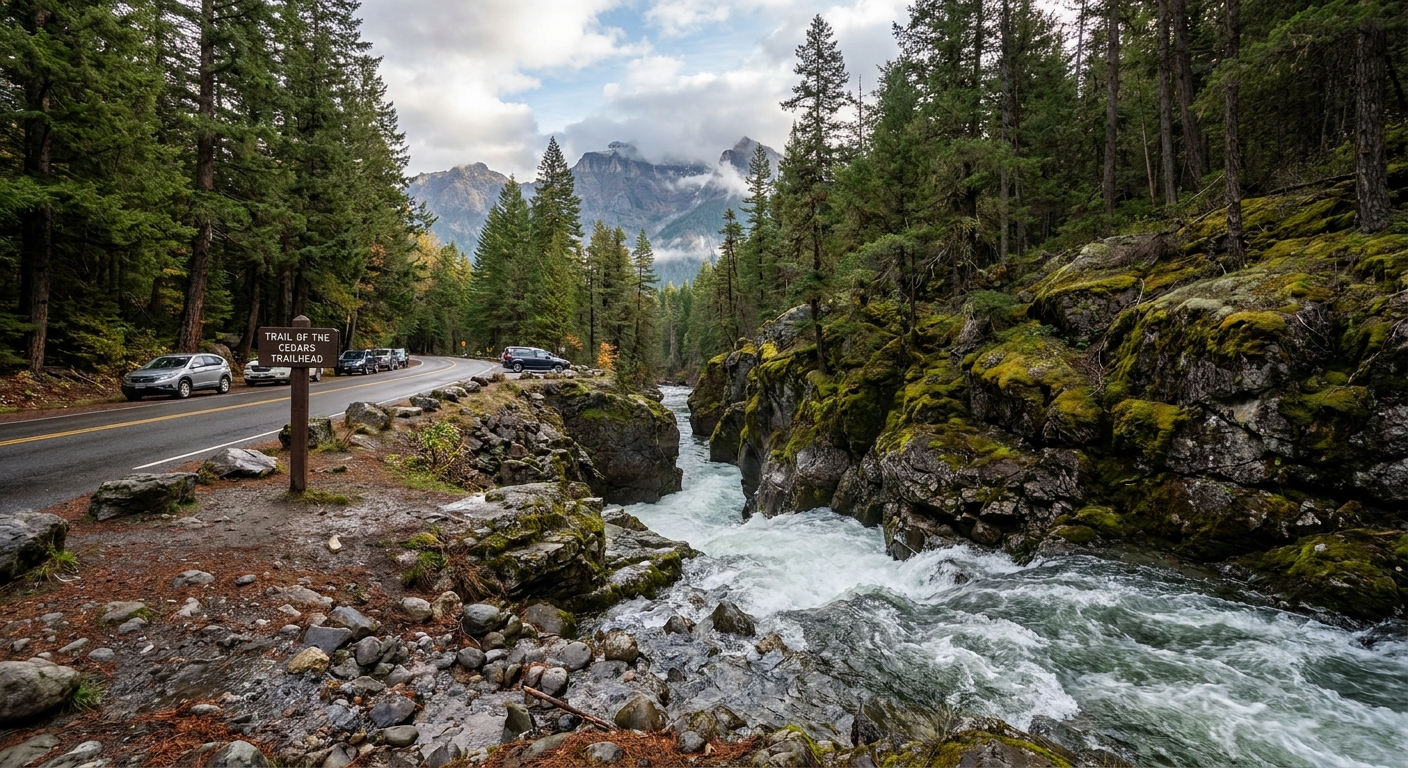
- Start point for both hikes: Trail of the Cedars trailhead at Avalanche Creek on the west side of Going-to-the-Sun Road
- Option 1: Trail of the Cedars loop (short, mostly boardwalk, more accessible in sections)
- Option 2: Continue onto the Avalanche Lake Trail (a longer out-and-back to the lake)
- Time estimate: Cedars loop 30 to 60 minutes with photo stops; Avalanche Lake 2 to 3.5 hours hiking time plus lake lounging
- Terrain vibe: Mossy rainforest feel, rushing water, then a forested climb to a glacial lake framed by cliffs and waterfalls
Getting there and parking (west side)
The Trail of the Cedars is one of the most popular quick stops on Going-to-the-Sun Road. That popularity is well-earned, but it also means parking can be the hardest part of your day.
One more practical note before you commit: access rules in Glacier change year to year. Going-to-the-Sun Road also opens seasonally, and timed entry or vehicle reservation requirements can affect your plans. I always check current NPS updates the night before I go.
Where to park
Avalanche Creek parking area serves:
- Trail of the Cedars
- Avalanche Lake
- Quick access to Avalanche Creek and gorge viewpoints
If the main lot is full, you may find limited roadside parking nearby when permitted, but do not count on it during peak hours. I plan to arrive early in the morning or later in the afternoon if I want an easier time finding a spot.
Drive-time expectations
On the west side, it’s very common for short distances on Going-to-the-Sun Road to take longer than you expect due to wildlife sightings, road construction, and slow scenic traffic. Build in buffer time if you have a reservation, a shuttle connection, or dinner plans back in West Glacier or Apgar.
Trail of the Cedars loop
This is the part of the outing I recommend for nearly everyone, even strong hikers, because it’s pure Glacier magic with minimal effort. Think gigantic trees, cool air, and that constant soundtrack of water moving through the gorge.
What it’s like
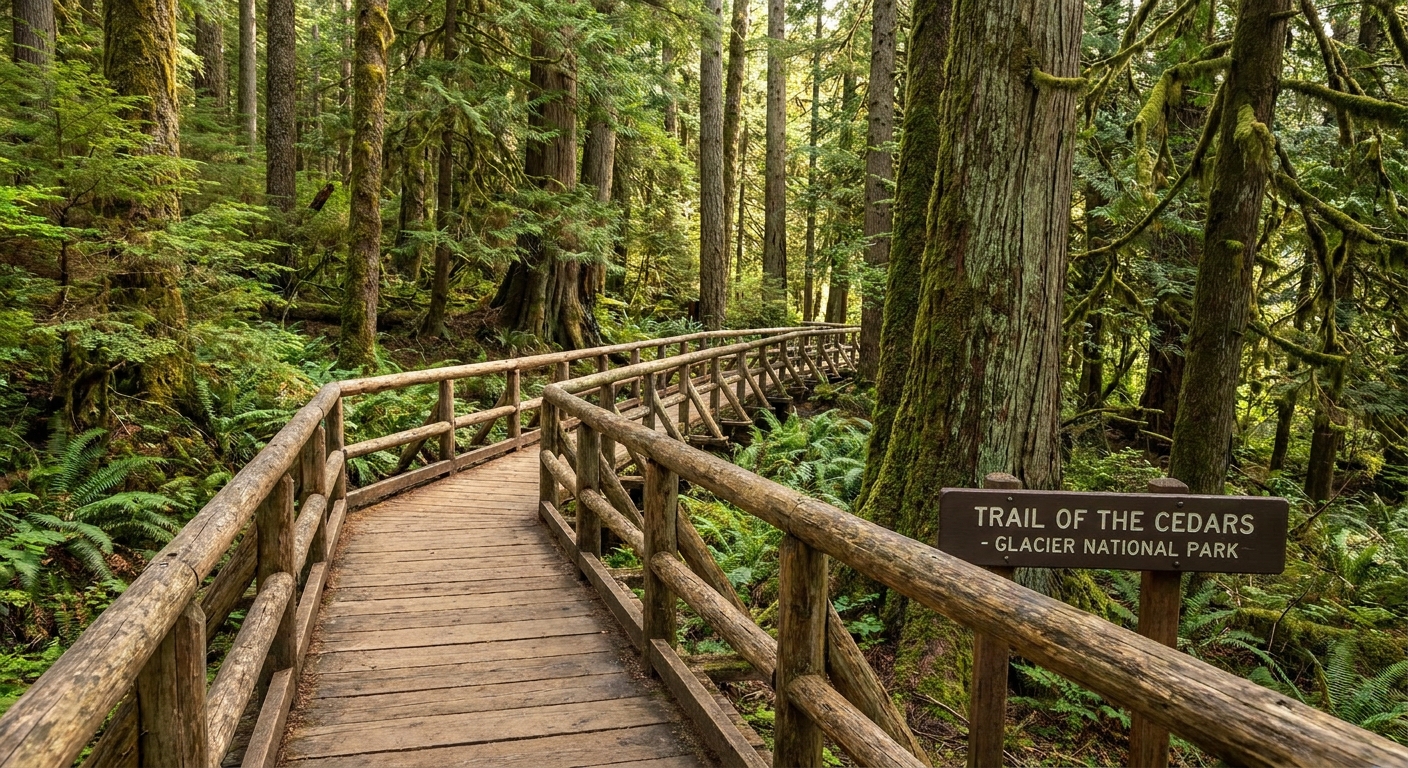
- Surface: Mostly boardwalk and well-built trail
- Grade: Generally gentle, with short sections that can feel more sloped
- Scenery: Old-growth cedars and hemlocks, mossy trunks, and side views toward the gorge
Accessibility note: this is widely considered one of Glacier’s more accessible walks, but it is not “perfect in every condition.” The boardwalk can be wet, narrow, or crowded, and early-season snow or debris can change what feels doable for your group. If accessibility details matter, check the latest park updates and be ready to adjust on the spot.
Gorge boardwalks and viewpoints
The boardwalk sections are where you get those iconic “Glacier rainforest” photos. The gorge is loud, cold, and dramatic, especially in early summer when snowmelt feeds the creek. If you have little kids or anyone in your group who gets nervous near edges, this is a good place to keep hands held and pace unhurried.
This is also where patience pays off. It’s a popular stop, and the boardwalk can bottleneck. I treat it like a scenic sidewalk: move with the flow, step aside for photos, and keep it friendly.
Where the loop ends
Here’s the simple mental map: the cedar loop is the boardwalk-centered loop that brings you back around. The Avalanche Lake Trail continues straight from the shared area near the gorge, leaving the boardwalk behind for a standard forest trail. If you are unsure, look for the posted Avalanche Lake signs and follow the main hiker flow heading uphill.
Who should turn around here
If you’re hiking with a family group, this is a very natural and satisfying place to split plans:
- Turnaround group: Do the full cedar loop, enjoy the gorge, then picnic at the trailhead area.
- Continuing group: Head to Avalanche Lake with the understanding that it’s a real hike, not just more boardwalk.
I’ve done this “everyone wins” split with multi-generational groups, and it keeps the day fun instead of turning into a forced march.
Continuing to Avalanche Lake
The Avalanche Lake Trail branches off from the Trail of the Cedars area and becomes an out-and-back hike through thick forest, following Avalanche Creek much of the way. It’s shaded, cool, and busy, with a steady grade that feels very manageable until you remember you have to hike back out.
Mileage and effort
Expect a moderate hike in terms of effort. The most commonly cited distance is about 5.9 to 6.0 miles round trip from the Avalanche Creek trailhead area, with small variations depending on exactly where you start and where you stop at the lake.
The walk out is generally faster and less cardio-heavy, but downhill can be harder on knees for some people. If your group has tender joints, trekking poles and a steady pace help.
If you’re hiking with kids, the distance is usually more important than the incline. Snacks, water, and a “lake break” plan go a long way.
Trail conditions to expect
- Footing: Dirt trail with roots and rocks in places
- Moisture: Can be muddy after rain or during snowmelt season
- Shade: Lots of it, which is wonderful on hot days but can keep the trail damp and slick
What you’ll see at the lake
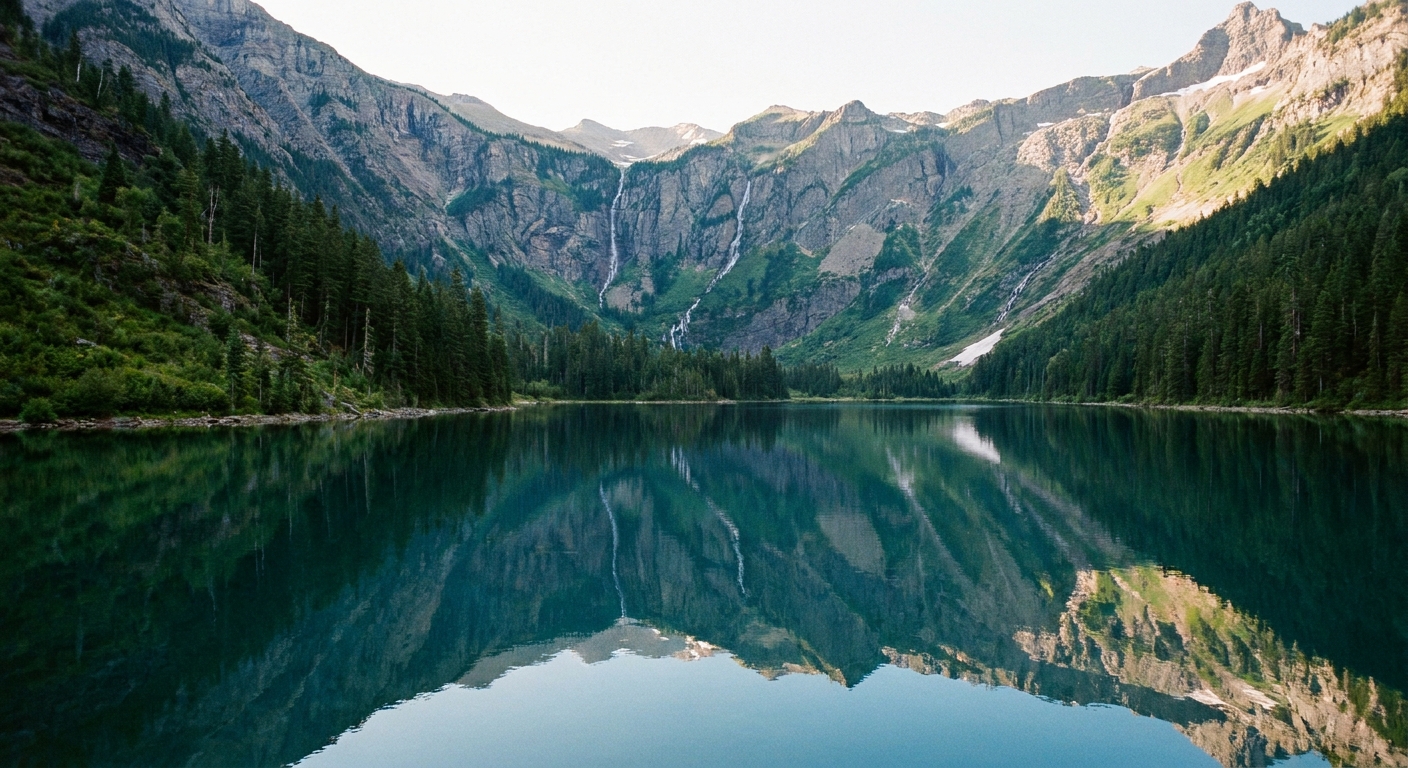
Avalanche Lake sits in a steep, dramatic bowl. On a clear day, the far end of the lake is lined with cliffs and waterfalls, and the water can look impossibly teal. This is one of those Glacier spots where I always end up lingering longer than planned.
Pro tip from a carry-on-only overpacker: bring one extra warm layer even on a sunny forecast. The lake area can feel noticeably cooler than the trail, especially if there’s wind coming off the water.
Bear and wildlife notes
This is Glacier. You are hiking in active bear country, even on popular trails with lots of people. I treat Avalanche Creek and the cedars area like any other backcountry zone: alert, respectful, and prepared.
My baseline safety habits
- Follow current NPS guidance for the trail and for any closures or alerts.
- Carry bear spray where you can reach it quickly, not buried in a backpack, and know how to use it.
- Make noise in quieter stretches, especially if you’re hiking early or late.
- Hike in a group when possible.
- Give wildlife space, even if other visitors are crowding.
- Do not run if you see a bear. Follow park instructions, and back away slowly if advised.
Also keep an eye out for trail signs about recent bear activity. Conditions and advisories can change quickly, and Glacier does an excellent job updating closures and alerts when needed.
Choose your plan
1) Quick stop: Cedars loop only
Perfect if you’re building a day around scenic drives, short walks, and overlooks on the west side. You still get big trees and that gorge energy, with a minimal time commitment.
2) The classic: Cedars loop + Avalanche Lake
This is the most satisfying version if you have the time and the legs for it. You get the boardwalk atmosphere up front and a real lake objective to work toward.
3) Family compromise: Split and regroup
One group loops the cedars and relaxes at the trailhead while the other continues to the lake. It’s one of my favorite strategies when you have kids, grandparents, or mixed hiking abilities traveling together.
What to pack
- Bear spray and knowledge of how to use it
- Water, plus extra on warm days because the return hike can feel hotter
- Snacks that won’t turn into mush
- Rain layer for sudden mountain weather
- Warm layer for the lake breeze and shady forest
- Traction-aware shoes since the trail can be slick when wet
If you’re doing Trail of the Cedars only, you can go lighter. If you’re committing to Avalanche Lake, pack like you mean it, especially with kids.
When to go
In Glacier, timing is everything. For this area, the sweet spot is when the trail is clear enough to be comfortable and the waterfalls are still lively from snowmelt.
- Early morning: Best for parking and calmer trail vibes
- Midday: Busiest, but also the most social and often the warmest
- Late afternoon: Good light in the forest and sometimes easier parking, but watch your turnaround time so you’re not rushing out
If you’re chasing a quieter feel, choose shoulder times rather than expecting solitude. This is a beloved trail for a reason.
FAQ
Is Trail of the Cedars accessible?
It’s widely known as one of Glacier’s more accessible options thanks to boardwalk and generally gentle grades. That said, conditions and crowding matter. Wet boards, debris, snow, and narrow pinch points can affect usability, so check current park updates and be ready to pivot if needed.
Do you have to do Trail of the Cedars to reach Avalanche Lake?
You start from the same trailhead area and share the early corridor. The cedar loop is its own experience, while Avalanche Lake continues beyond the boardwalk zone on a standard forest trail.
How hard is Avalanche Lake?
Moderate for most hikers: steady uphill, lots of shade, and a reward-to-effort ratio that feels very fair. The main challenge is the round-trip distance, especially with kids or anyone new to hiking.
Can you bring kids?
Yes, and I see families here constantly. My favorite strategy is to make Trail of the Cedars the guaranteed win, then decide at the junction whether everyone continues or part of the group turns around.
Are there bathrooms at the trailhead?
Pit toilets are usually available at or near the Avalanche trailhead area, but seasonal operations and maintenance can change what’s open. I treat it like a “use it if you see it” situation before heading to the lake.