Crane Flat Campground or a Night in Groveland?

Maya Lin
Maya Lin is a travel journalist and outdoor enthusiast who believes the best trips combine rugged adventures with urban comforts. After spending six years backpacking across four continents, she founded Trail & Town Guide to help fellow travelers navigate both hidden mountain passes and bustling city neighborhoods with confidence.
I love a Yosemite day that starts with pine-scented cold air and ends with a hot shower and a real cup of coffee. Highway 120 gives you a classic fork-in-the-road decision: pitch a tent at Crane Flat Campground inside Yosemite, or sleep in Groveland and drive in at dawn through the Big Oak Flat Entrance.
Both can be excellent. They just create different kinds of mornings, different levels of comfort, and very different odds of actually having a place to sleep when you pull in.
The quick answer
If you want maximum inside-the-park immersion and a true Yosemite night, Crane Flat is the move, as long as you can secure a site and you plan ahead for food, fuel, and cold temps.
If you want reliable beds, easy meals, and a no-stress arrival after dark, sleep in Groveland and drive in early. You will trade some convenience at sunrise for comfort and flexibility the night before.
- Choose Crane Flat if: you are comfortable camping, you can lock in a site, and you want to start your day already inside the park.
- Choose Groveland if: you are arriving late, traveling with light sleepers, want generally better cell service than in-park, or want restaurants and gas within minutes.
Elevation and nights
Crane Flat sits higher than Groveland, and you feel that immediately after sunset. In summer, Groveland can stay surprisingly warm into the evening, while Crane Flat usually cools down fast once the sun drops behind the trees.
That temperature difference changes your whole experience:
- At Crane Flat: plan for cold mornings, especially if you are used to low-elevation Sierra foothill weather. A warm layer for making coffee and walking to the restroom is not optional.
- In Groveland: you get a more moderate overnight temperature and climate control. If you are sensitive to cold or sleeping with kids, this can be the deciding factor.
I am a carry-on only traveler, but Yosemite makes me break my own “minimal” tendencies just a little: if you camp at Crane Flat, pack a real insulating layer and sleep setup. The chill is part of the magic, until it keeps you awake.
What you are booking
Crane Flat Campground
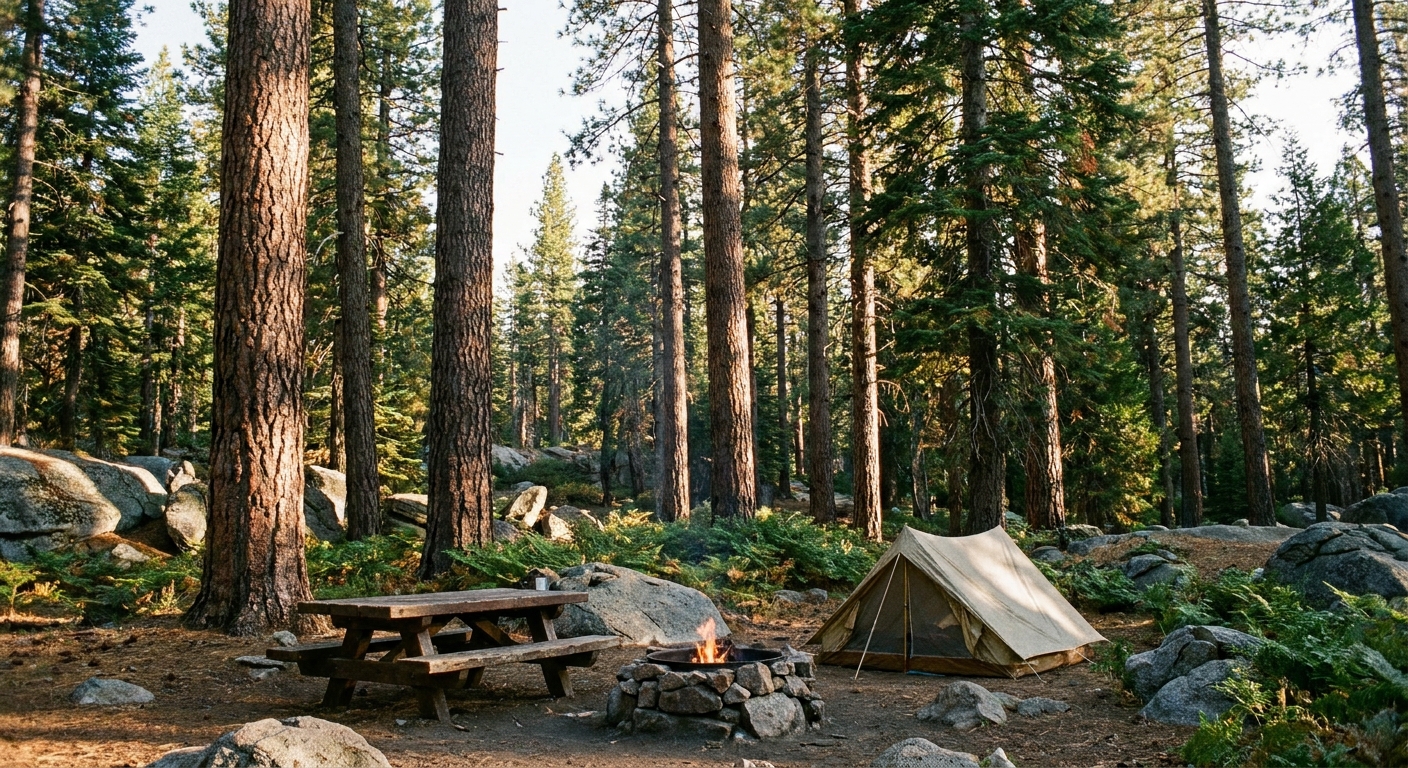
Crane Flat is classic car camping in the forest: defined sites with a picnic table and fire ring, plus shared restrooms. You are camping, not glamping.
A few practical notes that matter more than the brochure copy:
- You are in bear country. Use the food storage rules seriously. Keep the car clean. Do not leave scented items out.
- The forest setting is the point. It feels quiet and removed compared with town, even when the campground is full.
- Evenings are dark. A headlamp makes the whole experience calmer and safer.
One important reality check: Yosemite campground operations and reservation rules can change year to year. Before you plan your whole trip around Crane Flat, confirm opening dates, which loops are operating, and whether it is reservation-only for your season on the official Yosemite National Park campground page.
Groveland hotels and inns
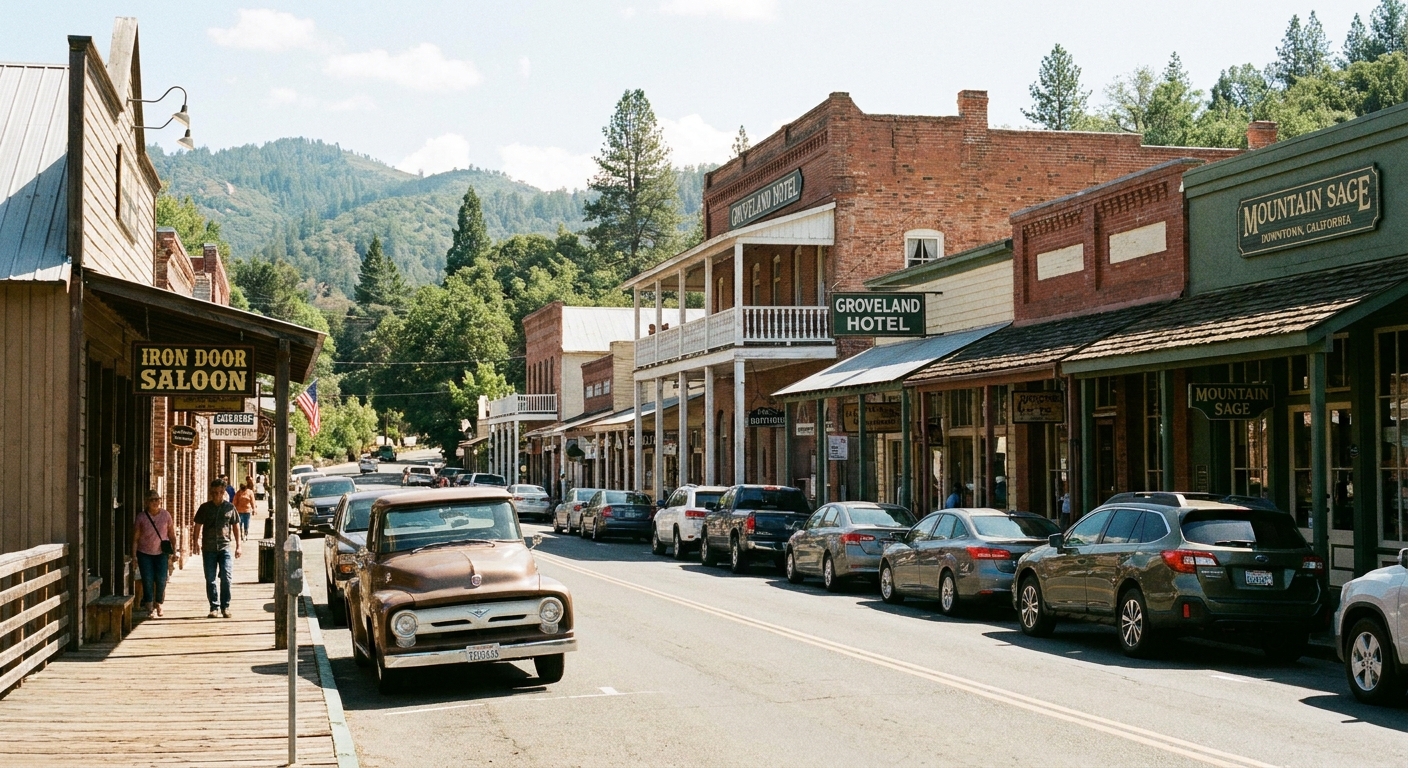
Groveland is a small, historic gateway town with a real main street rhythm. A hotel stay buys you the basics you miss most after a long driving day: an easy check-in, a shower, a real sink, and a guaranteed flat surface for repacking your day bag.
In town, you also get something campers often underestimate: the ability to pivot. If your plans change, you are not trying to solve dinner in the dark with a half-melted cooler.
Food and gas
This is where Groveland tends to win, especially for first-timers.
What Groveland makes easy
- Gas: Top off in town so you are not hunting for fuel after you enter the park.
- Breakfast and coffee: If you have ever tried to make a good pour-over while shivering, you know why I care about this.
- Dinner options: A sit-down meal before a big hiking day is underrated, especially if you are arriving in the evening.
What Crane Flat changes
At Crane Flat, you are committing to a more self-sufficient night. Once you are settled in, you will not want to drive back out for supplies.
- Shop before you enter Yosemite. Groveland is a smart place to do it if you are coming in on 120.
- Bring water and a tight dinner plan. Even if campground water is available in your season, I would not treat it as your only plan. Arrive with what you need.
- Pack a simple breakfast. Something you can eat even if you wake up colder than expected.
Reservations and availability
Here is the straight talk: do not roll into Yosemite expecting to stumble into a Crane Flat campsite. In most peak-season scenarios, you should assume you need an advance reservation.
Booking details shift, but the general pattern is consistent: sites go fast when they are released, and cancellations do happen. If you are aiming for Crane Flat, keep an eye on the official Yosemite National Park campground info for the current season and book through the platform the park is using for that year, which is often Recreation.gov.
If you need certainty, Groveland is your friend. Book a room, stop refreshing campground pages, and use that energy to plan a hike you are actually excited about.
Drive time reality check
This is the part people underestimate. Crane Flat is inside the park, but it is not Yosemite Valley. Groveland is close, but you still have an entrance station and mountain roads between you and the classics.
- Groveland to Big Oak Flat Entrance: roughly 30 to 45 minutes, depending on traffic and where you stay in town.
- Big Oak Flat Entrance to Yosemite Valley: often about 45 to 75 minutes.
- Crane Flat to Yosemite Valley: often about 30 to 45 minutes.
Those ranges can stretch on busy weekends, during road work, or when everyone has the same “let’s go at 9 a.m.” idea. Staying at Crane Flat usually gives you a head start versus coming from town, but it does not magically remove Valley choke points.
Best for what you want to see
If you like decisions that feel concrete, anchor your choice to what you want to do first.
- Crane Flat is especially convenient for: early access to the Tioga Road corridor when it is open, Tuolumne Grove, and anything where being already inside the park helps you start earlier with less friction.
- Groveland is especially convenient for: late arrivals, early-morning entry through Big Oak Flat, real dinners the night before, and a trip rhythm that includes comfort and an easier reset.
The dawn drive
Here is the part that can make Groveland feel like a compromise, until you do it once and realize it is its own kind of magic.
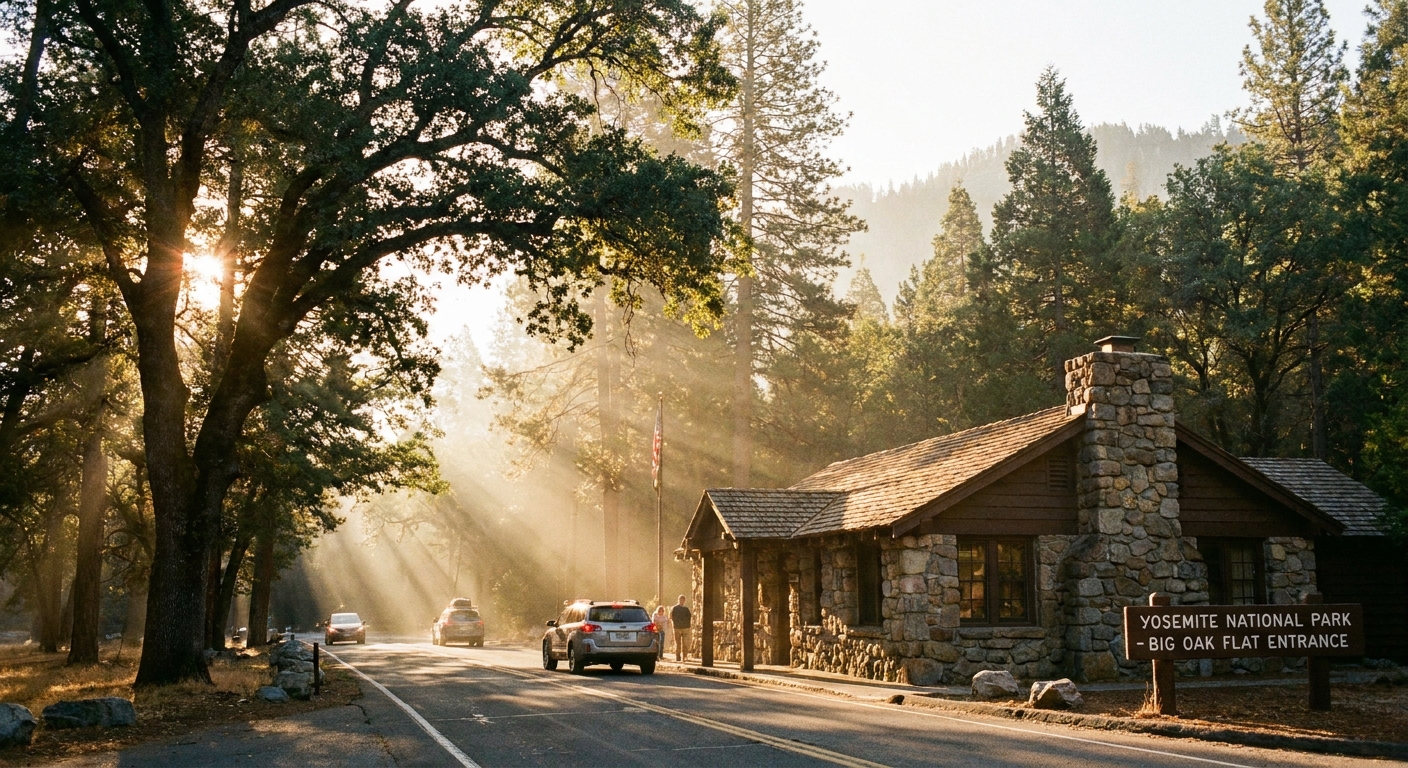
Leaving Groveland before sunrise means you are on Highway 120 while the foothills are still dim and cool, when deer are more active and the trees feel extra dramatic against the early sky. As you approach the Big Oak Flat Entrance, the light changes quickly and you start climbing into that unmistakable Yosemite pine-and-granite mood.
Which fits your trip?
Choose Crane Flat if
- You want to sleep inside Yosemite and wake up surrounded by forest.
- You are comfortable with cold nights and shared restrooms.
- You like early starts and want to be positioned for a morning plan already inside the park.
- You are good at packing food smart and following bear-safe routines.
Choose Groveland if
- You are arriving after dark and do not want to set up camp in a headlamp bubble.
- You want restaurants, gas, and last-minute supplies close by.
- You are traveling with kids, first-time campers, or anyone who sleeps better with a door that locks and a thermostat.
- You want a trip that mixes big nature days with small-town comfort.
My tie-breakers
When I am choosing for myself, I run through these questions:
- Am I arriving late? If yes, I sleep in Groveland. I have learned the hard way that “we will set up quickly” is a fantasy after a long drive.
- Do I have my food dialed? If not, I sleep in town, eat well, and enter the park rested.
- Is my goal an early start inside the park? If yes, camping at Crane Flat is hard to beat, as long as I am prepared for cold.
- Do I need to be functional tomorrow? If I have a long hike planned, quality sleep matters more than sleeping inside the boundary line.
Who should sleep in town
Even if you love camping, there are times when Groveland is the smarter call. You should still sleep in town if you are doing any of the following:
- Landing late from the Bay Area, Sacramento, or a flight connection and you want a low-stress night.
- Traveling in shoulder season when temperatures can dip and you do not have a truly warm sleep setup.
- Traveling with non-campers who will tolerate one rough night but resent you for it all weekend.
- Planning a Yosemite plus trip where the evenings matter, like dinner, a drink, and a slow unwind before another early day.
My favorite compromise is simple: sleep in Groveland the first night to settle in, shop, and reset. Then, if you have a campsite secured, camp at Crane Flat for the second night when you are already in Yosemite mode and can arrive with daylight, calm, and snacks that actually make sense.
One last sanity saver: Yosemite sometimes uses peak-season entry reservations or other access rules. Before you commit to any plan, check the official Yosemite National Park website for whether you need an entry reservation for your dates.