Dragontail Peak via Aasgard Pass: Is the Walk-Up Non-Technical?

Maya Lin
Maya Lin is a travel journalist and outdoor enthusiast who believes the best trips combine rugged adventures with urban comforts. After spending six years backpacking across four continents, she founded Trail & Town Guide to help fellow travelers navigate both hidden mountain passes and bustling city neighborhoods with confidence.
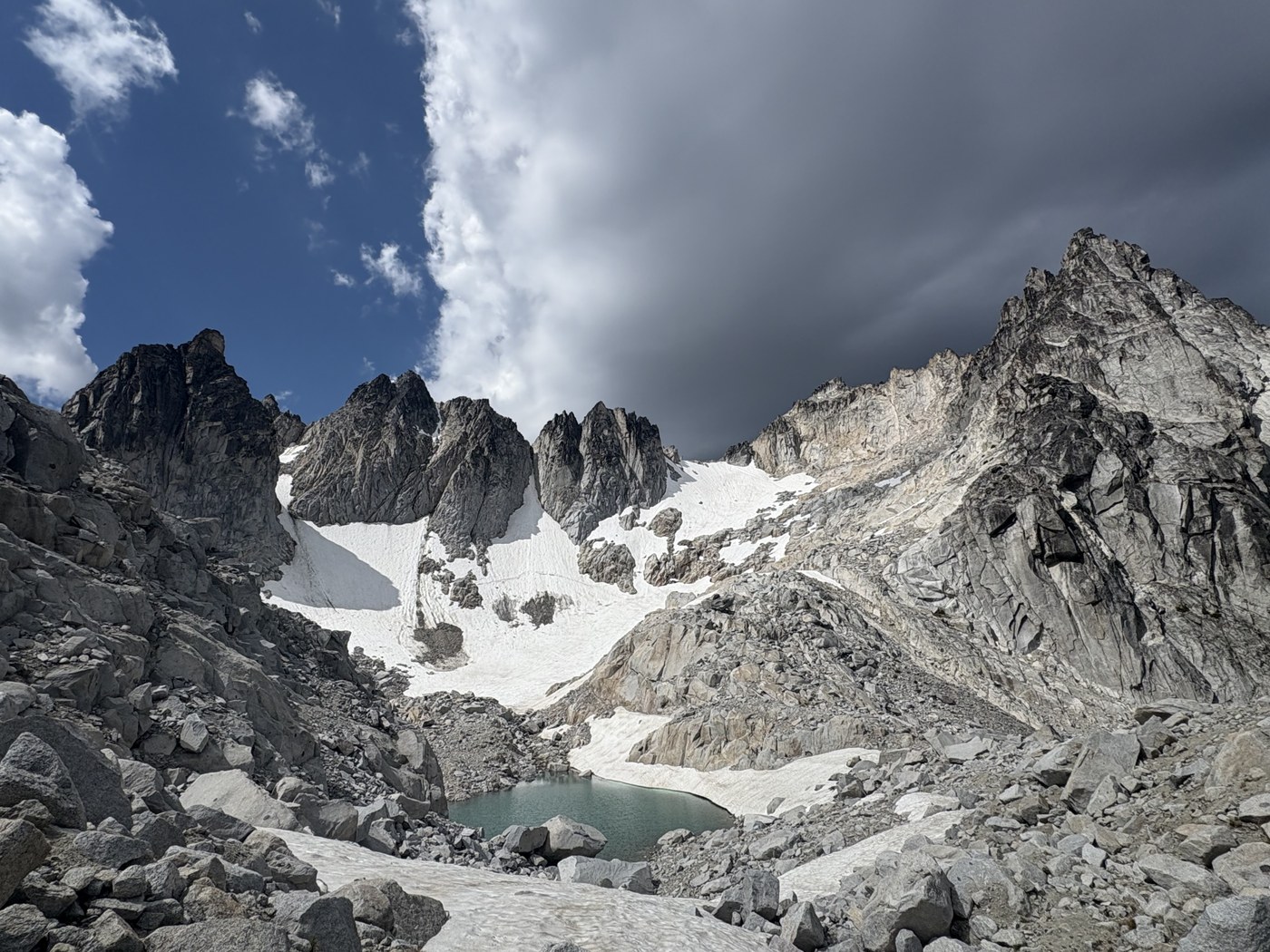
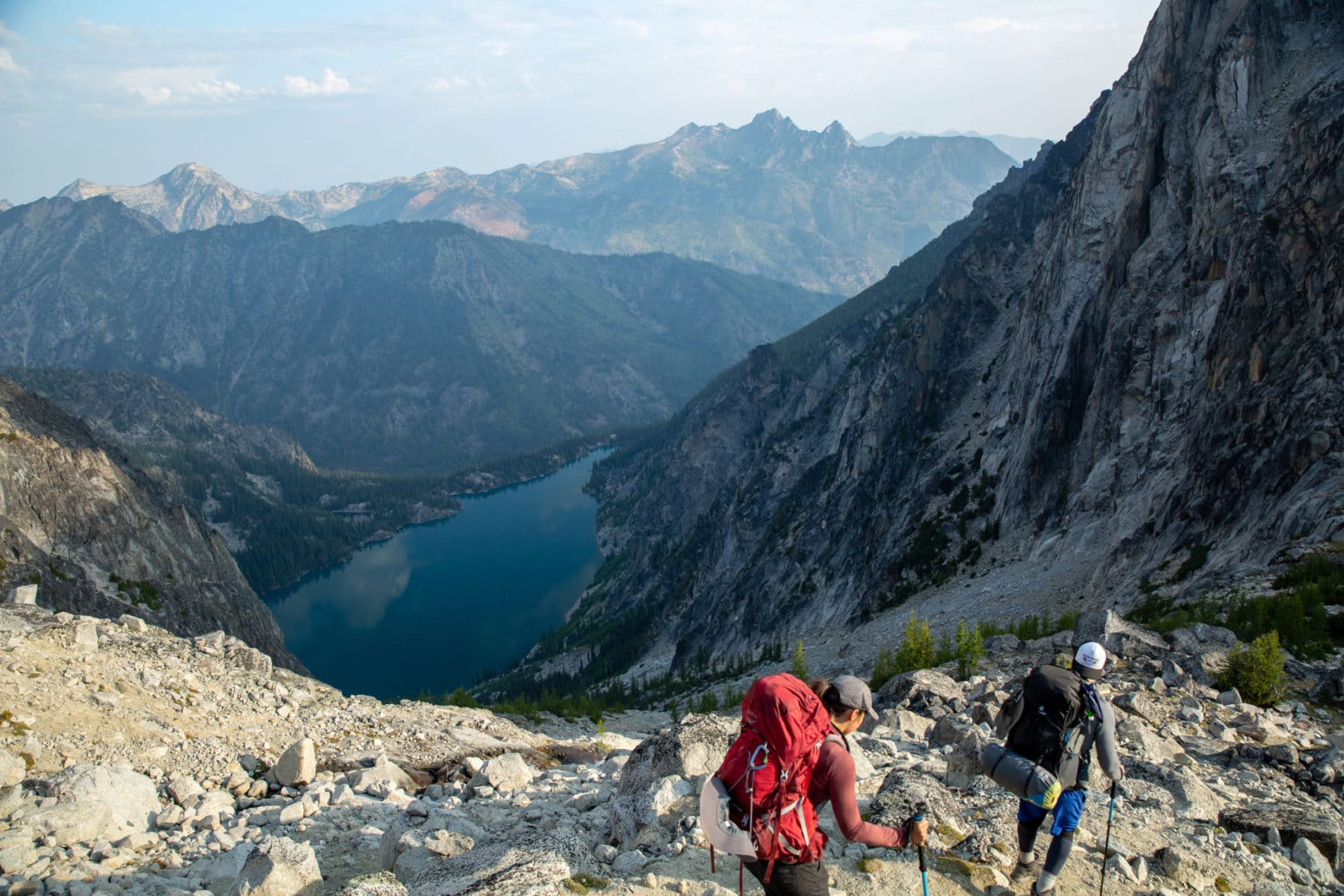
At the top of Aasgard Pass, it is tempting to look left at Dragontail Peak and think, It’s right there. It’s basically a walk-up. I have had that exact thought while catching my breath on that windy saddle, looking back at Colchuck Lake like a blue coin far below. The reality: the standard scramble to Dragontail from Aasgard is often non-technical in the roped-climbing sense, but it is not “non-technical” in the everyday hiking sense.
If you are a strong hiker with solid scrambling comfort, good route-finding, and the judgment to turn around when conditions shift, Dragontail can be a reasonable add-on. If you are tired, new to exposed scrambling, or dealing with firm snow, it can become a very serious place to make a small mistake.
The short answer
The common “walk-up” from Aasgard Pass to Dragontail’s summit is typically done without a rope by experienced scramblers in summer conditions. That said, the route is best described as:
- Steep, blocky granite scrambling with sections where hands are used constantly.
- Route-finding dependent. Being off-route can push you into harder, looser, or more exposed terrain fast.
- Real exposure in spots. Not a constant knife-edge, but there are places where a slip has consequences.
So yes, it can be “non-technical.” But the better question is: Is it within your personal technical comfort on that specific day, with that specific snow, fatigue level, and weather window?
What route this covers
This article is about the scramble route from Aasgard Pass, the one many hikers consider after topping out from Colchuck Lake. Dragontail also has technical climbing routes, including the NE Buttress, and those are a different category of objective entirely.
Route character
Where you actually start
From Aasgard’s high point, most parties trend toward Dragontail on obvious granite and talus, generally angling toward the broad upper slopes rather than dropping deep into gullies. You will often see multiple use paths and cairns, but there is still room for bad choices, especially when you are tired.
What it feels like underfoot
Think clean granite, talus, and boulders that invite hands-on movement. In dry conditions, the rock can be wonderfully grippy. In shoulder seasons, early melt, or cold mornings after a freeze cycle, thin ice can show up in shaded spots and turn easy steps into careful ones.
The “walk-up” reputation mostly comes from the fact that the terrain is scrambleable and not a technical rock climb. But it is still steep enough that you will be using three points of contact often, and your pace will be slower than hiking.
Route-finding is part of the difficulty
The easiest line is not always obvious from above Aasgard. You will see multiple tracks and cairns in places, but do not count on them. On Dragontail, a small navigation error can turn a manageable scramble into:
- harder moves that feel above your pay grade
- more exposure than you expected
- looser rock, especially later season in gullies
A useful self-check: if you find yourself thinking, this is getting sketchy fast, you might be off-route, over-tired, or both. Either way, that is a great time to reassess.
Also, remember that the descent is often the crux. Downclimbing steep blocks and re-finding the easiest line back toward Aasgard tends to feel more serious than the ascent.
Difficulty class
In typical summer conditions, many experienced parties describe the scramble as Class 2 to Class 3, with sections that feel solidly Class 3 for a lot of people. If you drift onto a steeper or more exposed line, it can feel harder very quickly.
- Class 2: mostly steep hiking and boulder hopping, hands used occasionally for balance.
- Class 3: consistent hands-on scrambling, steeper steps, and more consequential falls in places.
If you are comfortable on airy Class 3 terrain when you are fresh, remember you are attempting this after climbing Aasgard. Fatigue turns “fun scrambling” into “slow-motion problem solving” quickly.
Snow hazards
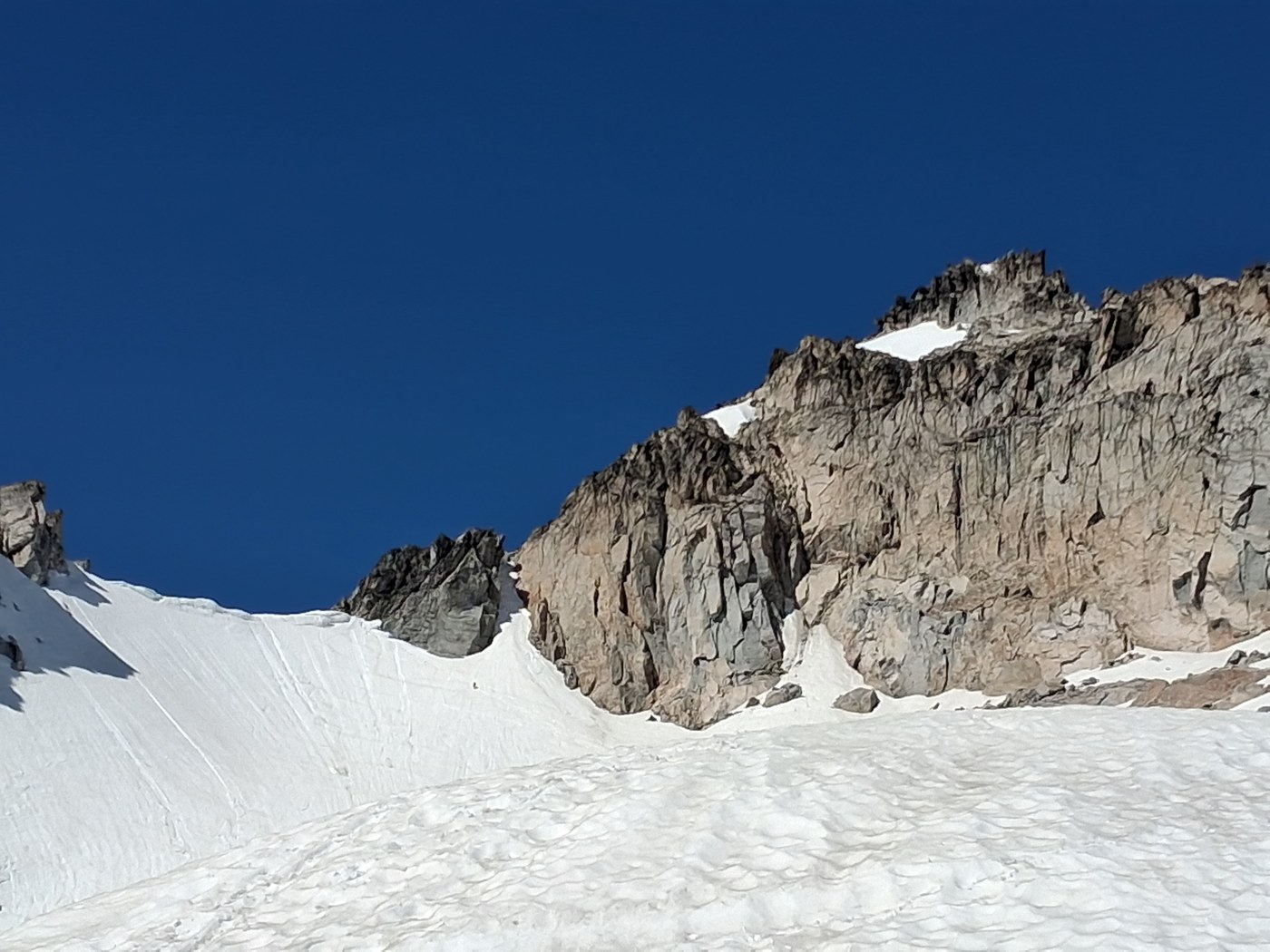
The biggest surprise for many strong hikers is that Dragontail can be straightforward on rock, then suddenly complicated by a lingering snowfield. The hazard is not fancy climbing. The hazard is an uncontrolled slide on steep, firm snow, with a runout that can be ugly.
When snow is a deal-breaker
- Firm morning snow that is icy under a thin soft layer.
- Steep angle with a long runout toward rocks.
- No obvious safe bypass on rock without getting into harder scrambling.
- Booting steps feels insecure or you cannot kick steps effectively.
When an ice axe matters
An ice axe is not about looking alpine. It is about being able to arrest a slip on firm snow. If the route requires crossing steep snow and you do not have an axe, and the skill to use it, the safe choice is usually to turn around.
Microspikes can help on low-angle, well-traveled snow, but they are not a substitute for an axe on steep, firm slopes. In some conditions, spikes plus an axe can be an appropriate combo if you know how to use both. Crampons can be the right tool in early season, but they require compatible footwear and competency, and early season is also when the consequences of a slide tend to be highest.
Time and effort
Time is where Dragontail quietly gets people. The summit is close as the crow flies, but scrambling pace plus route-finding plus breaks adds up.
Key stats from Aasgard
Plan on roughly 2,000 feet of additional elevation gain round trip from Aasgard Pass to the summit and back, plus a lot of hands-on movement that does not translate cleanly to trail mileage.
How long it can take
From the top of Aasgard Pass, a realistic estimate for many strong hikers is:
- 3 to 6 hours round trip to tag Dragontail and return to Aasgard, depending on conditions, route choices, comfort, and traffic.
- Faster for very efficient scramblers on dry rock with clean route-finding.
- Slower for cautious parties, in snow, or when you are downclimbing carefully and double-checking the line.
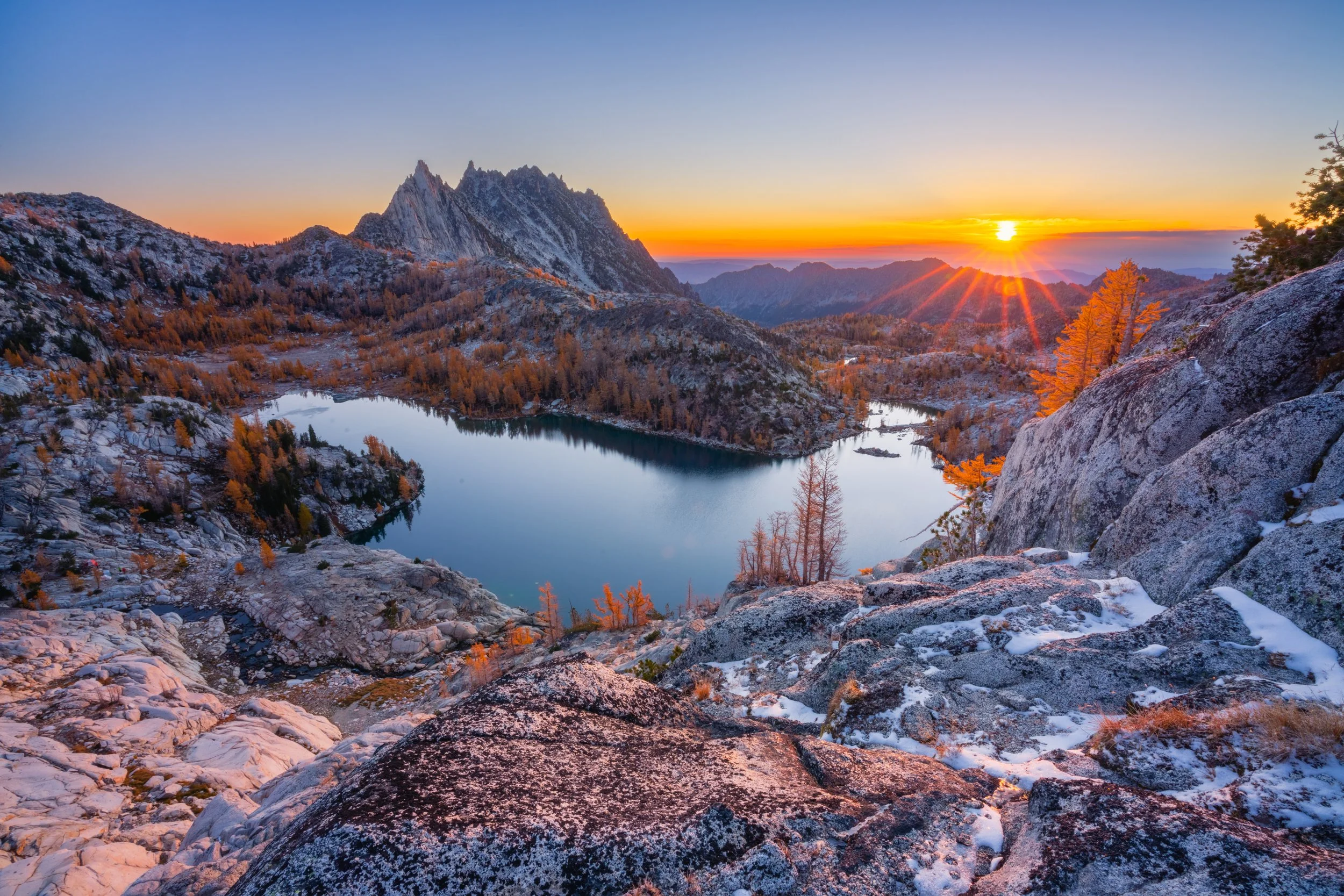
If you are doing a longer Enchantments itinerary the same day, treat Dragontail like a separate objective, not a casual detour. The summit scramble can be the difference between hiking out in golden-hour glow and hiking out by headlamp on tired legs.
Season and conditions
Dragontail from Aasgard is highly conditions-dependent. Early season often means snow that can linger on the route and in the basin, while later season tends to mean more dry rock but also more loose debris in gullies where people knock things down. Before you commit, check recent trip reports, look hard at overnight lows, and take the wind seriously on that pass.
When to turn around
I love ambitious days, but I love boring rescues even more, as in not needing one. These are my personal turnaround triggers on Dragontail from Aasgard, especially when I am already deep into an Enchantments day.
Turn around if any of these show up
- Weather shifts: building clouds, wind ramping up, or that metallic smell of an incoming storm.
- Rock is wet or you are getting graupel or hail. Granite friction disappears fast.
- You are relying on “don’t fall” rather than solid movement, especially near exposure.
- Snow crossing feels like a coin flip and you do not have an axe, or you do but do not feel confident using it.
- Route-finding feels confusing and you keep trending into steeper terrain.
- Fatigue is changing your decision-making: tripping more, sloppy foot placements, irritability, or tunnel vision.
- Time cutoff: set a hard turn time at Aasgard before you start up and honor it.
One of the most mature mountain skills is calling it when the mountain still looks “doable.” Dragontail will be there later. Your knees and your partners will also appreciate you tomorrow.
Moving with other parties
Dragontail is a place to think about the people around you, not just your own feet. If another party is above you, spread out and avoid lingering directly under them in gullies or below stacked blocks. If you are above other climbers, move one at a time through looseness, do not kick rocks, and call out if anything goes. A helmet is not just for your mistakes. It is for everyone else’s too.
Who this is for
Good fit
- Strong hikers who are comfortable with Class 3 scrambling and mild exposure
- People who can downclimb calmly (descending is often the mental crux)
- Parties that start early, move efficiently, and keep a close eye on weather
- Anyone willing to turn back without summit fever
Not a great fit today
- If Aasgard already felt like your absolute limit
- If you are uncomfortable using hands on steep rock, or you freeze near drop-offs
- If there is steep, firm snow and you do not have an axe and the skill to self-arrest
- If you are trying to squeeze it in late in the day or racing daylight
Gear notes
Even when you leave the rope at home, Dragontail still rewards thoughtful gear choices.
- Helmet: strongly consider it. Scrambling terrain plus other parties above you is straightforward rockfall math.
- Footwear: sticky approach shoes or solid trail runners with confident edging help. Worn-out soles do not.
- Layers: Aasgard can be breezy and cold even on a warm forecast.
- Navigation: offline map, plus the ability to actually use it when you are tired.
- Ice axe: bring it when snow is likely and you know how to arrest. If you do not, consider choosing a different objective.
- Headlamp: non-negotiable on any big Enchantments day.
FAQ
Is Dragontail from Aasgard a hike?
Not really. It is a scramble. Expect hands-on movement, route choices, and some exposure.
Do I need a rope for the walk-up?
Most competent scramblers do not use a rope on the standard summer scramble. That does not mean it is safe for everyone or in all conditions. If you need a rope to feel secure, listen to that instinct and either bring proper technical equipment and partners, or choose a different goal.
What is the biggest risk on the route?
For many hikers, it is not the rock. It is snow when it is steep and firm, plus fatigue and route-finding errors that put you in steeper terrain than expected.
How do I know if I should stop at Aasgard?
If you topped out on the pass feeling wobbly, time-crunched, or mentally done, treat Aasgard as your high point for the day. There is zero shame in making your “summit” the saddle and spending your extra energy enjoying the views and getting down safely.