The Enchantments: Permits, Day Hikes, and Overnight Tradeoffs
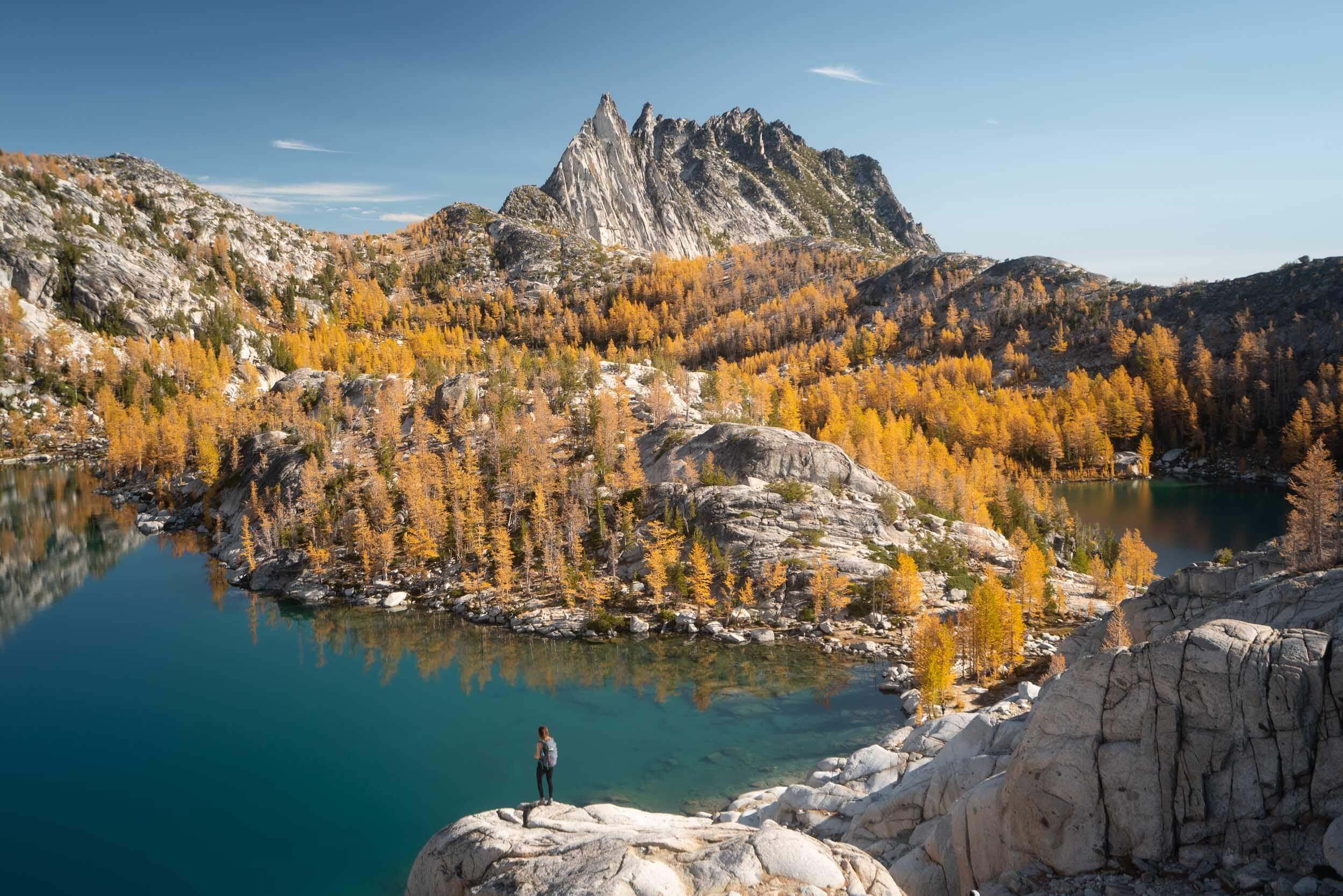
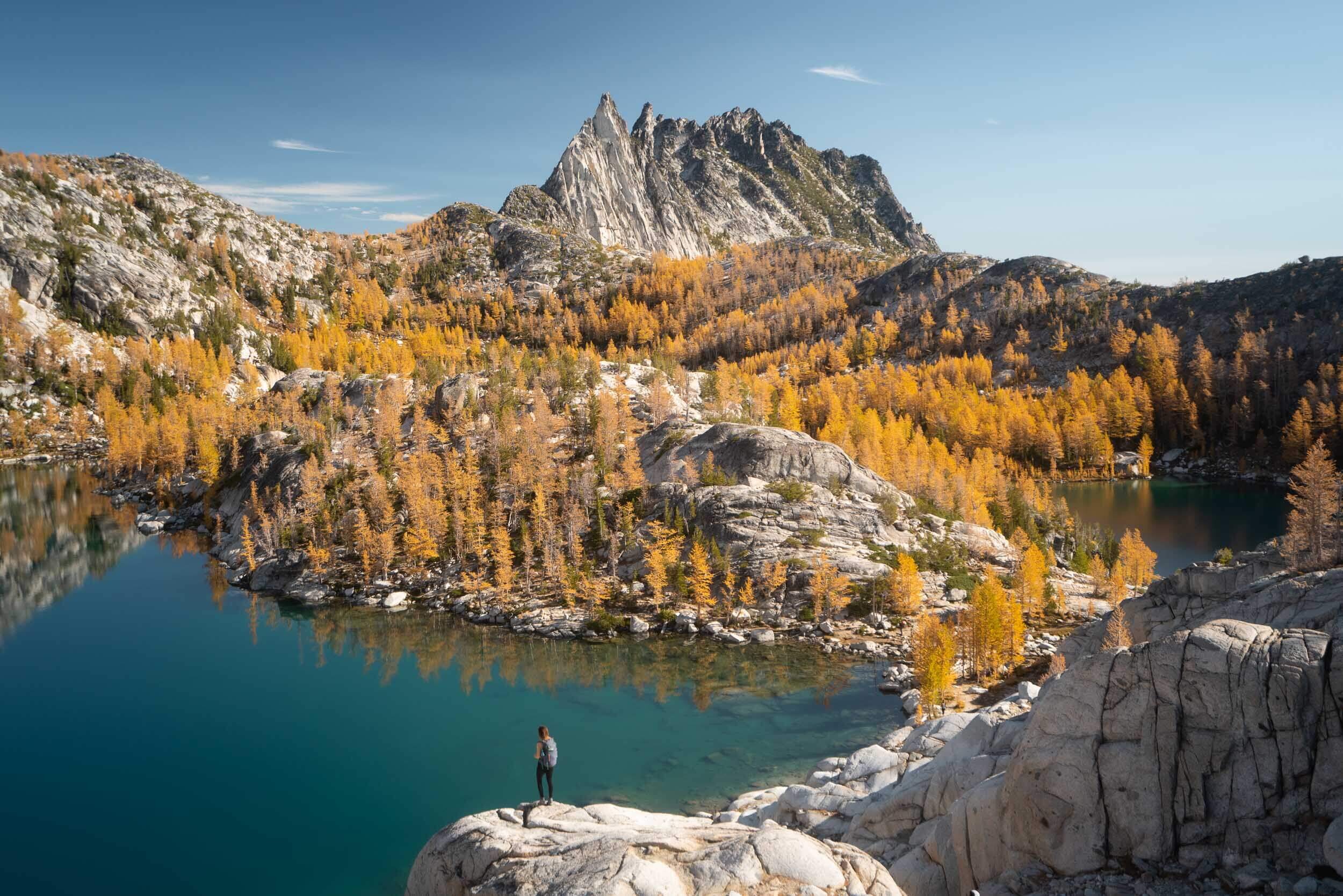
The Enchantments are the kind of place that makes even seasoned Pacific Northwest hikers go quiet for a second. Granite basins stacked with sapphire lakes. Larches that glow like lanterns in fall. A skyline that looks carved. It is also a place where logistics matter almost as much as fitness: permits, trailhead strategy, timing, and a brutally honest assessment of what you can see in a single day.
This guide walks you through the permit system, when access is realistic, what a motivated day hiker can actually do, what you gain and give up by going overnight, and where to go instead if the Core Zone is full or conditions are sketchy.

Enchantments basics in plain English
The Enchantments are in the Alpine Lakes Wilderness near Leavenworth, Washington. Most of the iconic photos come from the Core Enchantments Zone, a high alpine basin system between Aasgard Pass and Snow Lakes. Overnight camping is tightly regulated, and day hiking is allowed without winning the Enchantments overnight lottery, but there is still a required day-use form.
Know the main zones
- Core Zone: The high basin most people mean when they say “the Enchantments.” Overnight access requires a permit specifically for the Core.
- Colchuck Zone: Around Colchuck Lake. Overnight requires a Colchuck permit. Popular base for Aasgard attempts.
- Snow Zone: Upper Snow Lakes area. Overnight requires a Snow permit.
- Stuart Zone: Around Mount Stuart approaches and lakes outside the Core. Overnight requires a Stuart permit.
- Eightmile/Caroline Zone: The Eightmile Lake and Caroline Lakes area. Overnight requires an Eightmile/Caroline permit.
Permits: day use vs overnight
Overnight permits for the Enchantments zones are limited and allocated via the lottery and any later availability.
Day hikers do not need to win the overnight lottery, but you must fill out a free, self-issued Alpine Lakes Wilderness day-use permit at the trailhead. It is quick and easy, and it helps land managers track use. You will also need standard parking access (for example, a trailhead pass) as required where you park.
The permit lottery: what it is and how to play it smart
If you want to sleep inside the Enchantments permit zones, you need to win or obtain an overnight permit. The system is intentionally restrictive to protect fragile alpine terrain.
How the lottery usually works
Permits are allocated through a preseason lottery run by the managing agency. You pick your preferred zone, entry date range, and group size, then cross your fingers. If you win, you book and pay to lock it in. If you lose, you can still try for remaining availability later or pivot to another zone.
- Apply early: Lottery windows are time-bound and fill quickly.
- Be flexible on zone: If your goal is “larches and lakes,” not “exactly Inspiration Lake,” consider applying for Colchuck, Snow, Stuart, and Eightmile/Caroline too.
- Midweek is your friend: Tuesday through Thursday entries typically have better odds than Fridays and Saturdays.
- Smaller groups help: Fewer people means more dates that can accommodate you.
- Shoulder seasons can be easier: Early season can be snowbound, but later season demand spikes around larch color.
When you do not need the overnight permit
Day hiking into the Enchantments does not require the overnight lottery permit. You can hike to Colchuck Lake, attempt Aasgard Pass, or hike the Snow Lakes route as a day trip without a lottery win. You still need to fill out the free, self-issued Alpine Lakes Wilderness day-use permit at the trailhead. The tradeoff is time, suffering, and margin for error.
My rule of thumb: if you are planning a one-day Core Zone push, treat it like a mountain objective, not a “long hike.”
Seasonal access and what conditions feel like
The Enchantments sit high enough that “summer” is a short, moody window. Conditions change year to year, but the pattern is consistent.
Typical seasons
- Early season (late spring to early summer): Snow lingers, Aasgard Pass can be steep and icy, routefinding gets harder, and self-arrest skills may be necessary. Lakes can still be frozen.
- Prime summer (mid-summer to early fall): Most trails are snow-free, days are long, and hazards shift to heat, dehydration, and afternoon thunderstorms.
- Larch season (mid to late fall): The famous golden larches arrive, along with frosty mornings, shorter daylight, and the first real chances of early snow. This is also peak demand.
- Late fall to winter: Snow, avalanche terrain, and serious consequences. Most visitors should choose other destinations unless trained and equipped for winter travel.
Weather risks to respect
- Cold at altitude: It can be sunny at the trailhead and near-freezing in the Core.
- Wind exposure: Open granite basins offer little shelter.
- Thunderstorms: Lightning plus exposed ridges and slabs is a bad mix.
- Early darkness: In fall, your “plenty of time” plan can collapse fast.
Day-hike realities
Here is the honest part: the Enchantments are not a casual day hike if your goal is the Core. Many people do it in a day, but it is a long, steep, high-consequence day. Your experience depends heavily on which trailhead you start from and whether you are attempting an out-and-back or a through-hike.
From Stuart Lake trailhead: Colchuck Lake
If you want a big payoff with a more reasonable day, Colchuck Lake is the classic move. The lake is stunning, the trail is well-traveled, and the logistics are straightforward.
- Realistic goal for most fit hikers: Hike to Colchuck Lake and spend time along the shoreline.
- Stretch goal: Push a bit above the lake for views toward Aasgard Pass, then turn back.
- Very ambitious goal: Climb Aasgard Pass and touch the lower Core before returning the same way. This is where “day hike” starts behaving like a mountaineering day, especially in heat or lingering snow.
From Stuart Lake trailhead: up Aasgard
Aasgard Pass is steep, rocky, and unrelenting. It is also the gateway to the postcard basins. If you make it up, you can wander among tarns and larches for a few hours, then you have to get back down the same way unless you arranged a through-hike with a second car and an aggressive timeline.
- What a motivated day hiker can see: Once above Aasgard, you can reach lower Core lakes and granite slabs, then turn around before committing too deep.
- What is usually unrealistic: A leisurely tour of multiple lakes in the Core plus a relaxed return. Your time disappears quickly once you factor in ascent, slower travel on talus, and breaks.
From Snow Lakes trailhead: long approach
The Snow Lakes route is typically a longer mileage day with sustained climbing. Many hikers use it as part of a point-to-point traverse if they have a shuttle. As an out-and-back, it is a serious endurance day.
- Realistic day option: Hike to the Snow Lakes viewpoints and turn around before committing to the upper basin.
- Ambitious option: Continue up toward the Core boundary for high views, then return. You will want an early start and a strict turnaround time.
The through-hike: Core to Snow Lakes
The famous one-day traverse is a major undertaking. It is not technically complex in summer conditions, but it is long and punishing. Most point-to-point tracks land closer to 18 to 20 miles, and the steepest move is usually Aasgard Pass. The logistics are the real puzzle: you need two cars, a reliable shuttle, or patient friends.
- Best for: Strong hikers who move efficiently, start in the dark, and are comfortable with routefinding and long descents.
- Not great for: Anyone who wants time for lingering, swimming, photography detours, or a coffee stop in Leavenworth afterward that does not feel like a survival reward.
A day-hike Core push is about restraint. The Enchantments will still be there next year. Your knees and your decision-making might not be.
Overnight tradeoffs
Backpacking the Enchantments is not just “more time.” It changes the entire character of the place. The basins feel quieter at sunrise. The crowds thin after day hikers turn around. The light gets softer, and you can actually sit by a lake long enough to notice how quickly mountain weather rewrites the scene.
What you gain
- Golden hours: Sunrise and sunset in the Core are the magic that day hikers rarely see.
- More margin: You can move slower, take safer breaks, and avoid rushing steep terrain when you are tired.
- Better exploration: Side trips to multiple lakes, higher viewpoints, and longer photo time become realistic.
- Less hurry stress: You are not watching the clock every minute.
What you give up
- Permit uncertainty: Your trip depends on a competitive lottery.
- Heavier pack: More weight on steep trails, including Aasgard if that is your entry.
- More exposure time: If weather turns, you are committed to managing it in the backcountry, not sprinting back to your car.
- Camping restrictions: You must camp in designated areas for your zone and follow strict Leave No Trace rules.
A practical compromise
If you cannot snag a Core permit, consider an overnight permit for Colchuck, Snow, or Eightmile/Caroline zones. You can still experience a huge slice of the landscape and plan a day push into higher terrain with a lighter pack.
Gear and safety
The Enchantments reward good judgment. Most rescues come down to predictable issues: late starts, underestimating steep terrain, dehydration, and getting caught by weather with the wrong layers.
Day hike essentials
- Headlamp: Non-negotiable, even in summer.
- Water strategy: Carry enough capacity and a filter or purifier. Streams exist, but you need to treat water.
- Warm layer and rain shell: The Core can be cold and windy even on a bluebird day.
- Navigation: Download offline maps. Know your turnaround time. Expect spotty cell service.
- Food that you will actually eat: Long days kill appetites. Bring salty, easy options.
- Trekking poles: Not mandatory, but your knees may write thank-you notes on the descent.
Overnight add-ons
- Bear-resistant food storage: Follow current wilderness rules. Even when bears are not the main issue, rodents are relentless.
- Sleep system for shoulder seasons: Nights get cold early in fall.
- Extra insulation: Hanging around camp at 7,000 feet is different than moving uphill.
- Toilet system knowledge: Know the regulations for human waste. Alpine zones are fragile and heavily impacted.
Terrain risks
- Aasgard Pass: Loose rock, steep grade, and potential snow early and late season. Descending tired is when mistakes happen.
- Slabs and talus: Granite is grippy until it is wet or frosted. Move slower than you think you need to.
- Altitude and exposure: Even if you are “not scared of heights,” exposure plus fatigue changes decision-making.
Mountain goats and salt
The Enchantments are famous for mountain goats that have learned to seek salt from sweaty packs, trekking pole grips, and yes, urine. This is not cute behavior. It stresses wildlife and can cause real damage in fragile basins when goats dig and trample to get to salt.
- Give goats space: Do not approach. Do not feed. Back away if they are interested in you.
- Protect your gear: Keep sweaty items close and do not leave packs unattended for long.
- Key LNT detail: If you need to urinate, do it on bare rock (not vegetation, not soil, not near campsites) so goats are less likely to tear up plants trying to reach salt.
If the Core is full or sketchy
Sometimes the right call is a Plan B that still feels like a win. If permits do not work out, wildfire smoke moves in, Aasgard is snowed up, or you are simply not feeling an 18 to 20 mile day, these nearby options keep the alpine magic without the same pressure.
Colchuck Lake
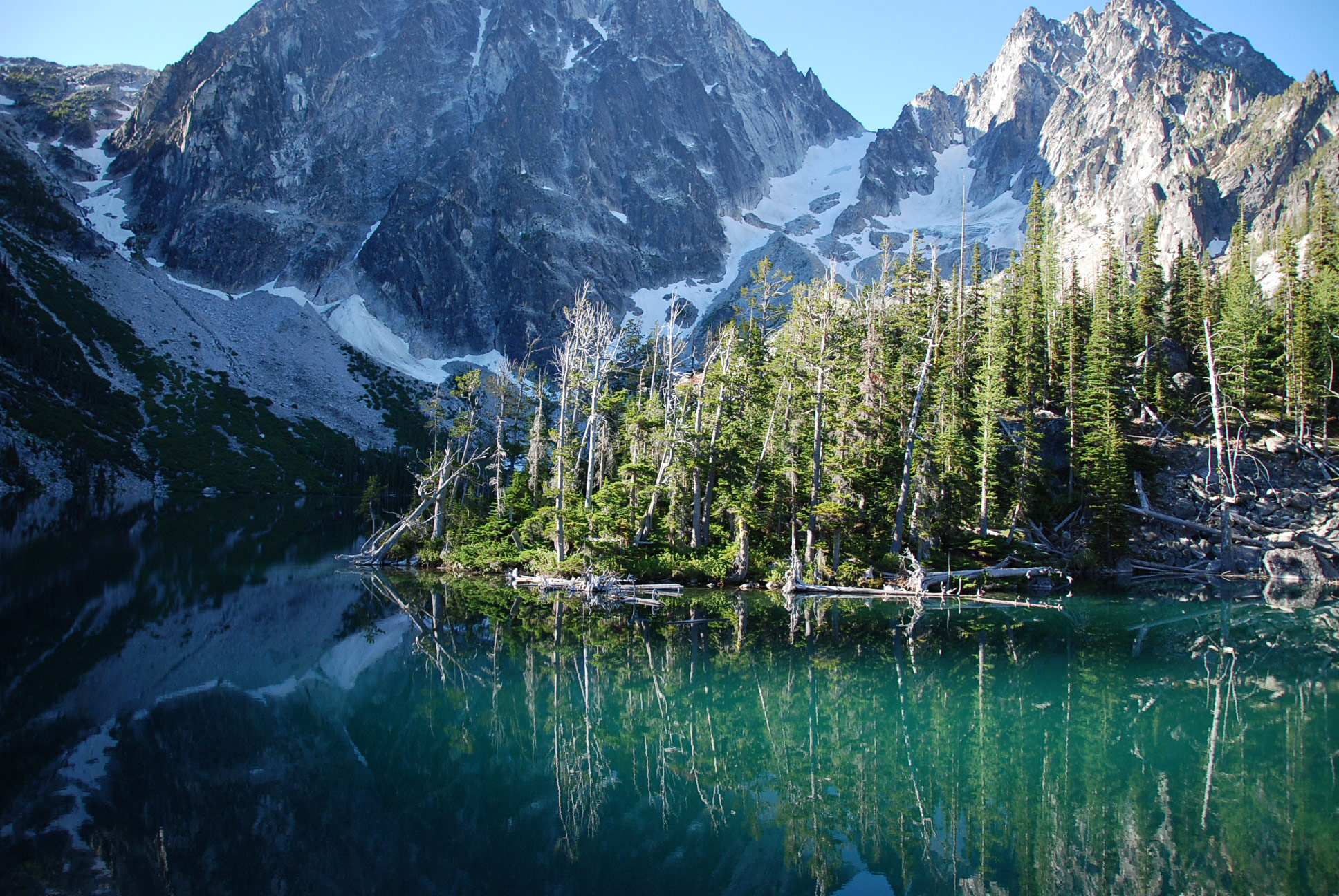
Even without touching the Core, Colchuck Lake is a world-class day hike. Go early for parking, bring a swimsuit if it is warm, and wander the shoreline for different angles.
Stuart Lake
A quieter alternative with big mountain presence. It is a solid day hike when you want forest shade, lake views, and a less chaotic vibe than the Colchuck corridor.
Eightmile Lake and Caroline Lakes
Great for a flexible day where you can decide how hard you want to go. You can keep it mellow to the main lake or push higher for more alpine scenery.
Lake Ingalls
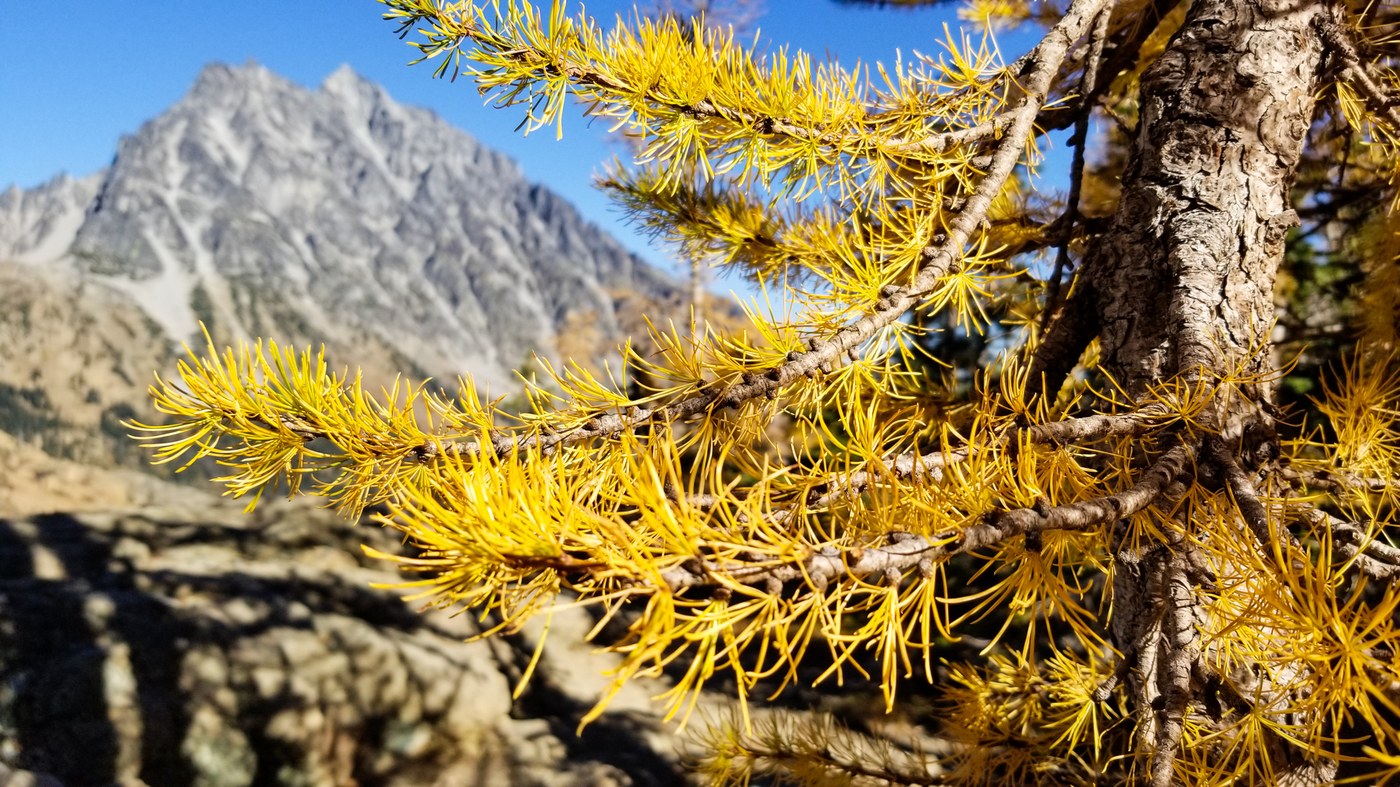
If your dream is golden larches with a mountain backdrop, Lake Ingalls is a classic fall option. Expect crowds in peak larch season, but it spreads out.
Rainy Lake and Lake Ann
If you are willing to drive, the North Cascades deliver alpine drama with less permit friction for day hikes. Rainy Lake is accessible and scenic. Lake Ann adds a satisfying climb and huge views.
Choose your best plan
Use this quick decision filter to match ambition to reality.
Pick a day hike if
- You cannot get an overnight permit this year.
- You can start very early and keep a strong pace.
- You are comfortable turning around even if you are close.
- You want the satisfaction of a big single-day effort.
Pick an overnight if
- You want sunrise, sunset, and time to explore multiple lakes.
- You prefer margin and a calmer pace over bragging rights.
- You can carry a heavier pack safely on steep terrain.
- You are willing to plan around permit odds and strict regulations.
Pick an alternative if
- Conditions include snow, ice, or storms and you are not equipped for them.
- You are traveling with mixed fitness levels.
- You want a high payoff with lower logistical stress.
The Enchantments are enchanting partly because they demand something from you: planning, humility, and respect for a landscape that is both beautiful and fragile. Build the trip around your season, your skills, and your honest energy level, then save some time afterward for Leavenworth. Even the most rugged day feels better with a shower, a pastry, and a coffee that tastes like you earned it.