Housekeeping Camp in Yosemite Valley

Maya Lin
Maya Lin is a travel journalist and outdoor enthusiast who believes the best trips combine rugged adventures with urban comforts. After spending six years backpacking across four continents, she founded Trail & Town Guide to help fellow travelers navigate both hidden mountain passes and bustling city neighborhoods with confidence.
The first time I stayed at Housekeeping Camp, I had that classic Yosemite Valley dilemma: I wanted to wake up inside the park, walk to trailheads like Happy Isles without a dawn drive, and still have a real bed at the end of the day. I also wanted the soundtrack of the Merced River at night. Housekeeping is one of the few places in the Valley that hits that sweet spot, but it is not a hotel and it is not a traditional campground either.
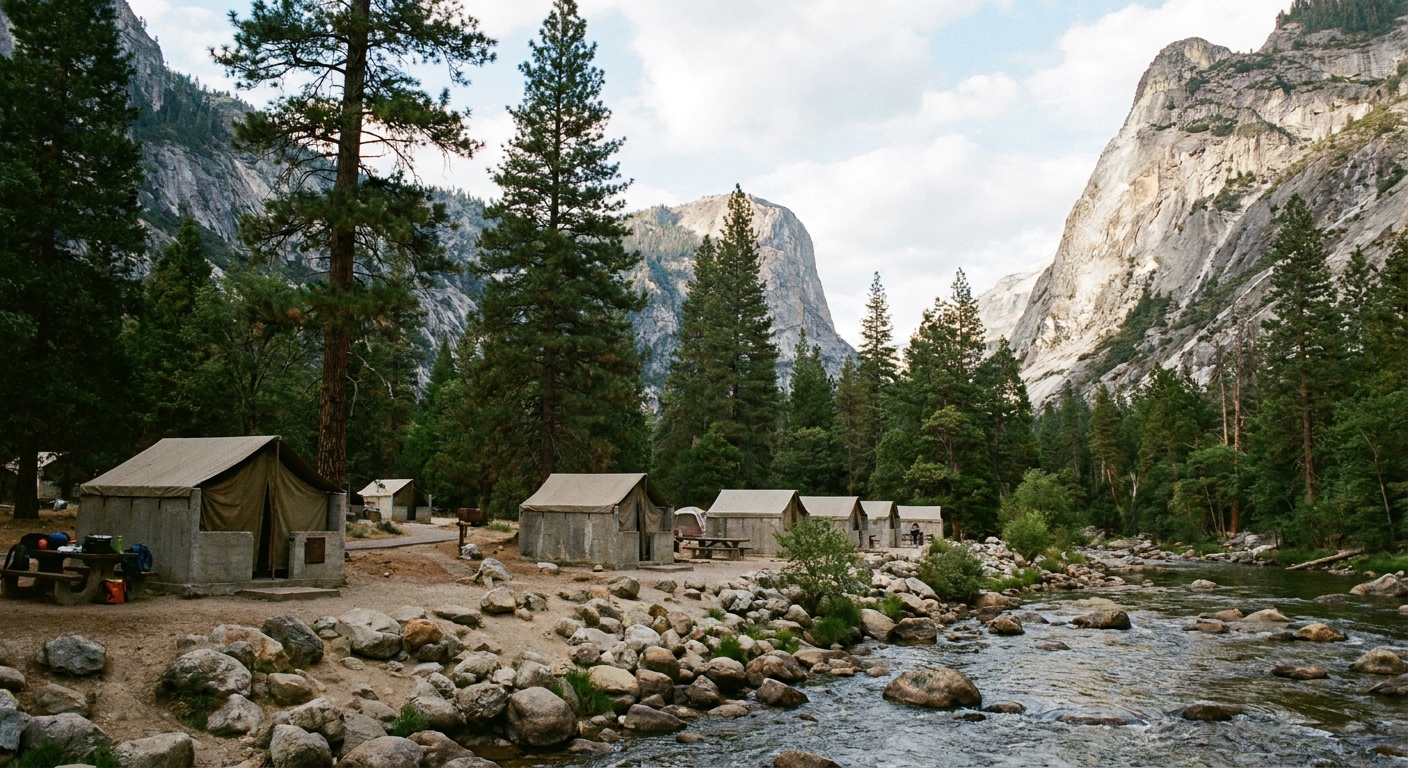
Think of it as a rustic open-air cabin village tucked along the Merced River: three solid concrete walls, a concrete floor, a double canvas roof, and a front canvas curtain for a door. It is wonderfully convenient, surprisingly cozy, and occasionally a little too social, depending on who your neighbors are.
What Housekeeping Camp is
Housekeeping Camp is a collection of “housekeeping units” in Yosemite Valley: three-sided concrete structures with a concrete floor, a double canvas roof overhead, and a front canvas curtain that closes the open side. You get more built-in comfort than a standard campsite, but you are still very much camping.
The vibe
It feels like summer camp for grown-ups in the best way: kids on bikes, hikers rinsing trail dust off their calves at the water spigots, coolers being dragged to food lockers, and that golden evening light bouncing off the Valley walls. Nights can be quiet and river-lullaby peaceful, or a bit loud if you land near an enthusiastic group site vibe.
The location
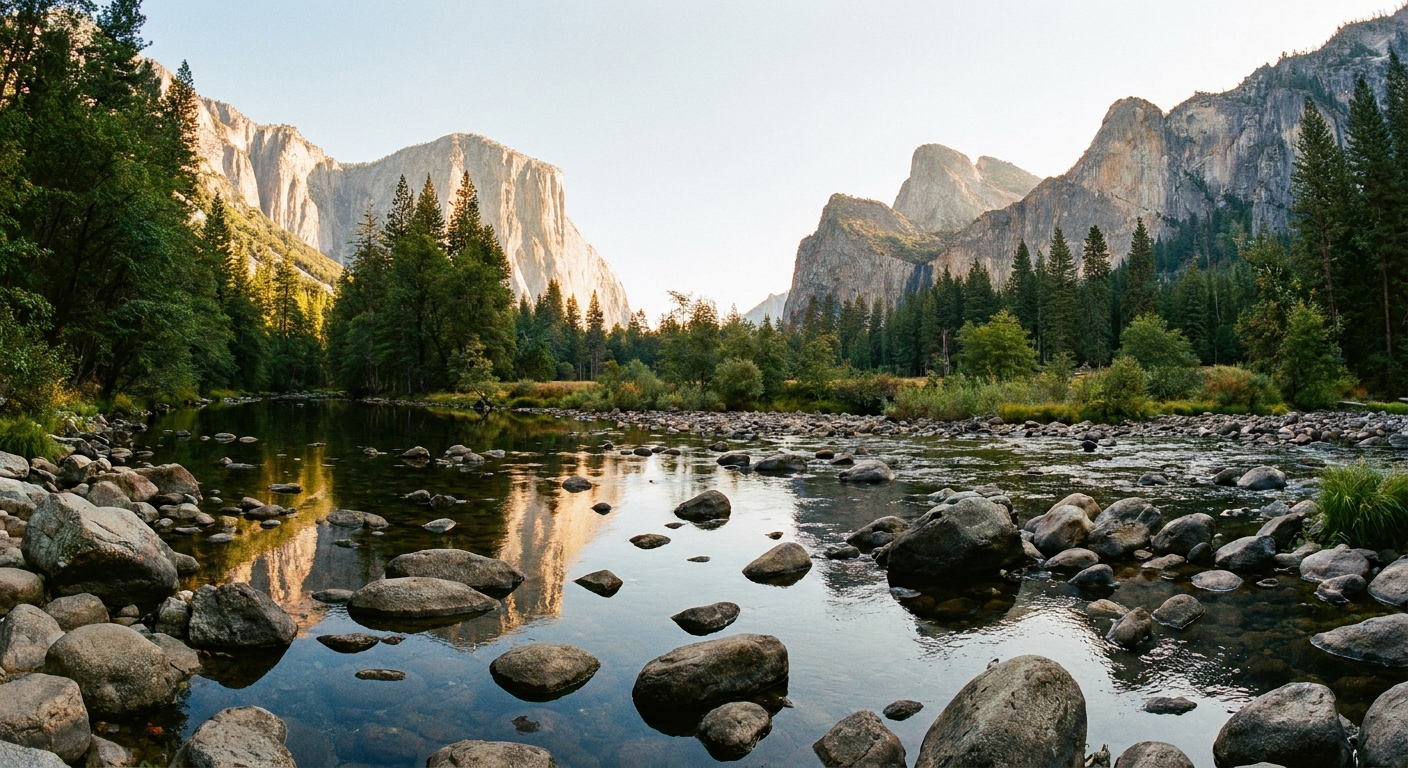
The big selling point is proximity. You are in Yosemite Valley, close enough to the Valley’s shuttle stops, bike paths, and the Happy Isles area that early starts feel realistic even if you are not a morning person.
Concrete walls and privacy
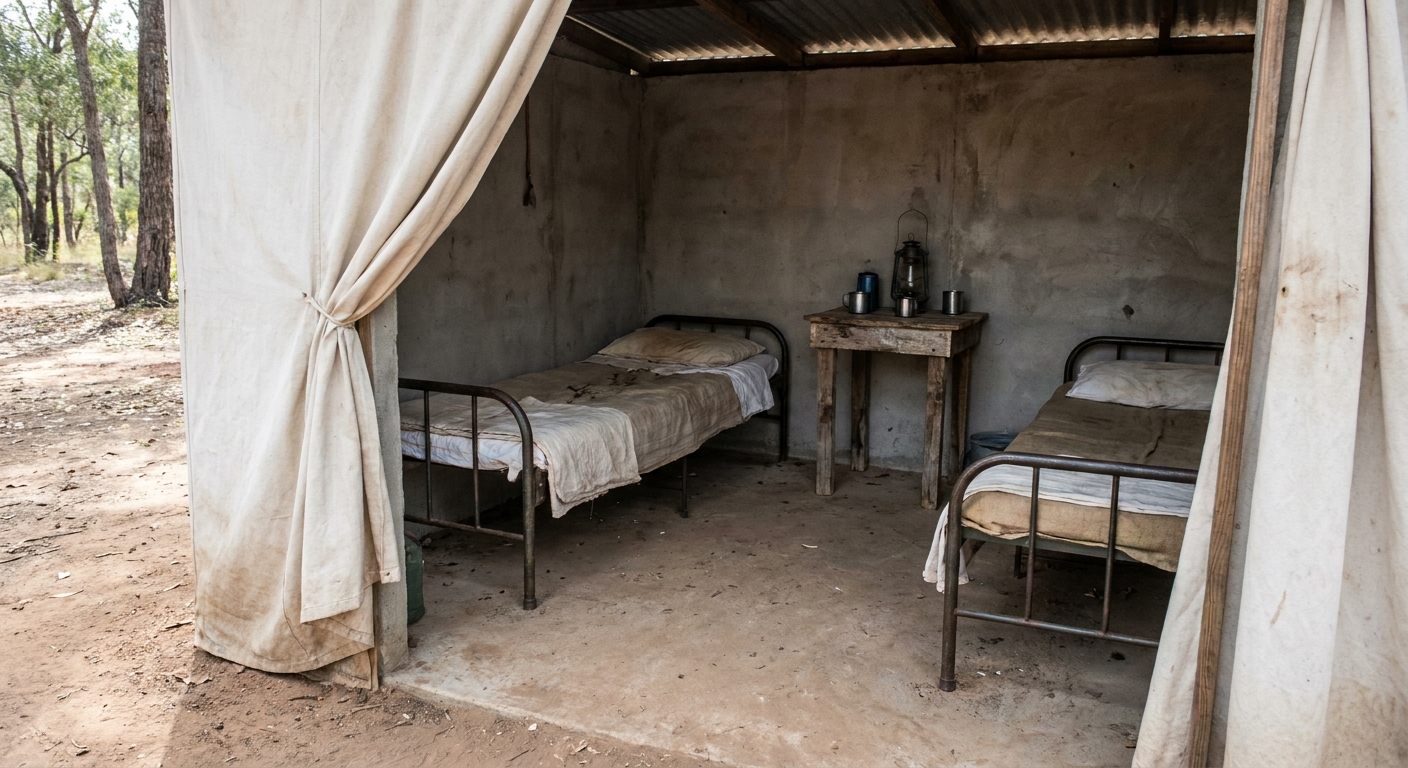
If you have never stayed in a three-sided unit with an open front that closes with a canvas curtain, this is the part to get honest about. Most units are attached in a row and separated by partitions, so sound carries more than it would in a standalone cabin.
Great fit for
- Early-start hikers who want to be close to Valley trailheads and do not want to gamble on morning traffic or parking.
- Families who want beds and a simple home base without the full hotel price tag and without pitching a tent.
- Friends traveling together who treat the unit as a sleep station and spend days outside.
- Travelers who like a social campground feel but prefer a roofline and a real mattress.
Not a great fit for
- Light sleepers who wake easily to voices, footsteps, or a zipper opening at 6:00 a.m.
- Anyone expecting hotel-level privacy including thick doors, quiet hallways, and sealed rooms.
- People sensitive to temperature swings who need consistent heat or air-conditioning. The unit has real walls, but it is still an outdoors-forward setup, and the Valley cools off fast at night.
My rule of thumb: if you are the kind of traveler who packs earplugs automatically for planes, bring them here too. They can be the difference between “rustic dream” and “why am I awake listening to someone’s bear safety lecture again.”
Inside the unit
Housekeeping units are simple, but they are not bare-bones. You are paying for structure, location, and a few key comforts that make Valley camping easier.
Typical basics
- Beds and mattresses are provided. Bring your own sleeping bags or bedding.
- Three concrete walls plus a concrete floor, a double canvas roof, and a front canvas curtain.
- Picnic table for meals and planning tomorrow’s hike.
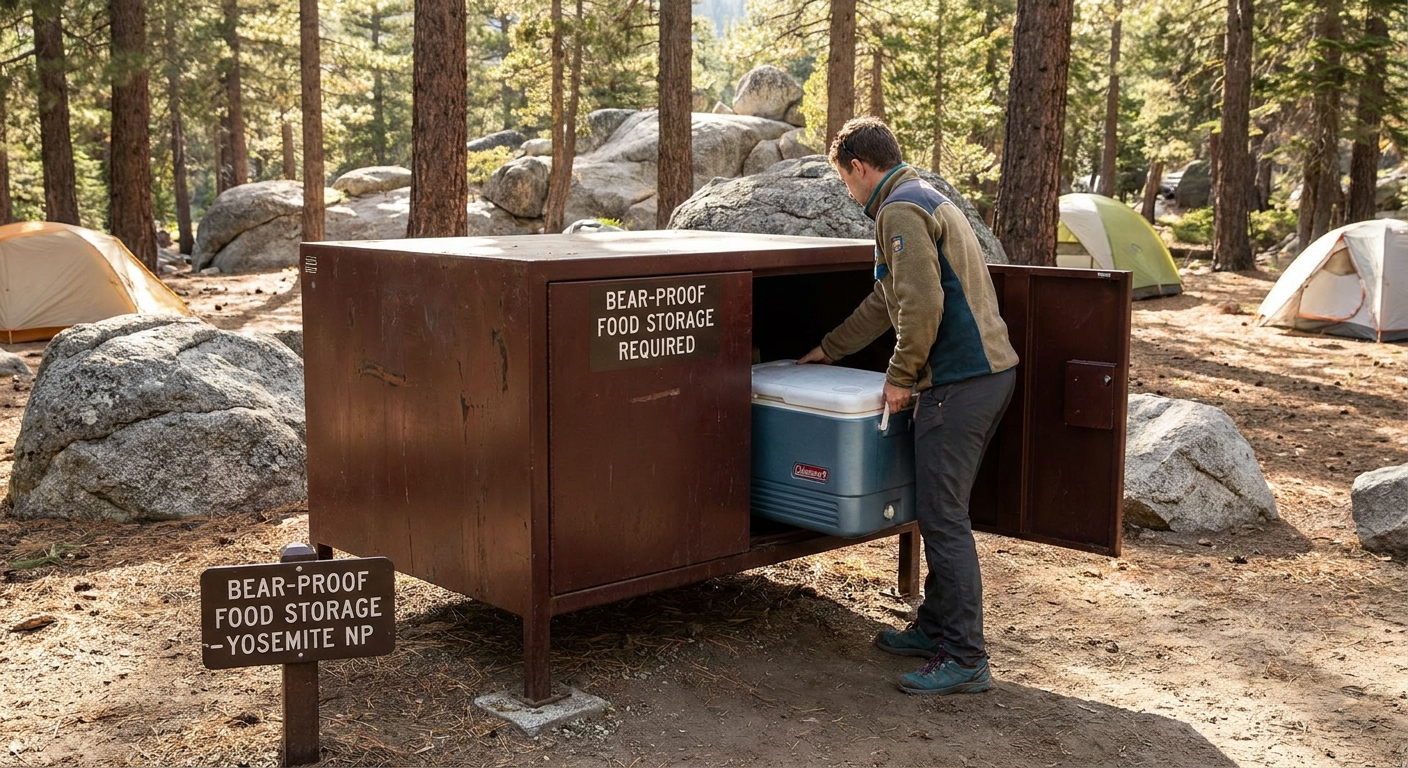
- Bear-proof food storage in the area. Yosemite is strict about food rules for good reason.
- Nearby shared restrooms (not private bathrooms inside your unit).
What to plan for
- No hotel-level climate control. Expect cool nights and warm afternoons depending on season.
- Limited outlets and lighting. Treat charging as a nice-to-have, not a guarantee for powering a whole tech kit.
- You are still camping. Dust happens. Damp towels happen. River air can be chilly after sunset.
Food and bear rules
Yosemite bears are smart, persistent, and very used to humans making mistakes. Housekeeping Camp is not the place to be casual about snacks, coolers, or scented toiletries.
How meals work
Most people keep it simple: breakfast at the unit, packed lunches for the trail, and dinner that is either easy cooking or something you pick up in the Valley. Housekeeping is fantastic for low-fuss eating, but it is not designed for elaborate “let’s sauté and deglaze” evenings.
Bear-safe storage
- Use the provided bear lockers for all food and scented items when you are not actively using them.
- Do not leave coolers unattended outside the locker, even if they are “only there for a minute.”
- Think beyond food: toothpaste, lotion, deodorant, and trash count too.
- Clean up right away after meals. Yosemite staff and signage are not being dramatic.
If you have only done urban travel, this is the big mental shift. The goal is not just to avoid a fine. It is to keep wildlife wild and everyone safe.
Bathrooms and showers
Housekeeping Camp uses shared restroom facilities. Expect a short walk from your unit, especially at night. Bring a headlamp and shoes you can slip on quickly.
My comfort checklist
- Shower kit in a small tote: flip-flops, travel towel, soap, and a change of clothes.
- Headlamp for late-night bathroom runs.
- Hand sanitizer as a backup, even though you should have access to sinks.
If your trip happiness depends on a private bathroom, reliable hot showers on demand, and never sharing a sink area, you will likely be happier in a hotel.
Parking and getting around
One of the biggest differences between Housekeeping Camp and staying outside the park is what your car does all day. Inside the Valley, the best strategy is often to park and leave it parked.
Parking basics
- Parking is limited and can be tight. Arrive patient, drive slowly, and be ready to walk a bit from your spot to your unit.
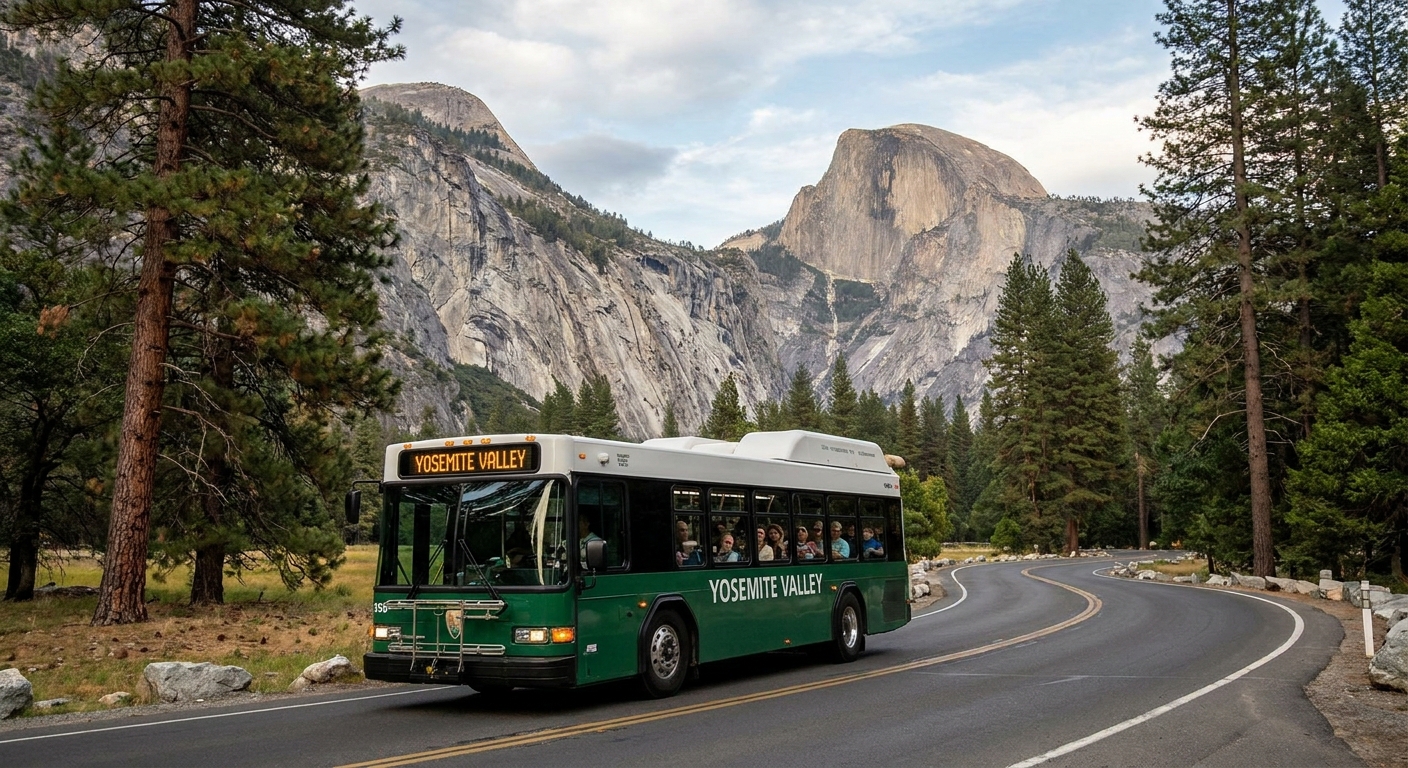
- Once you are parked, use the shuttle and bike paths to move around the Valley whenever possible.
- Do not plan on hopping in the car for every viewpoint. Traffic and parking searches can eat your day.
Booking
Booking Housekeeping Camp feels more like snagging a campsite than reserving a typical hotel room. Availability can be competitive, and the season matters a lot.
What to expect
- Fewer “last-minute” wins. In peak seasons, units can be booked far in advance.
- Different expectations than hotels. You are not choosing between king beds and premium views. You are choosing a specific style of rustic lodging in an unbeatable location.
- Flexibility helps. If your dates are rigid, you may need to pivot to another lodging type.
If you are deciding between Housekeeping and a Valley hotel, the question is not just comfort. It is also lifestyle. Hotels are for travelers who want quiet, private bathrooms, and a more predictable indoor environment. Housekeeping is for travelers who want to sleep close to the river and trailheads and are happy to trade luxury for immediacy.
What to pack
This is one of those Yosemite stays where the right small items matter more than extra outfits. I travel carry-on only whenever I can, and Housekeeping rewards that mindset because you can keep your setup simple.
- Sleeping bag or warm bedding plus a pillow you actually like.
- Layers including a warm layer for evenings and early mornings.
- Headlamp and a small lantern for inside the unit.
- Earplugs if you are a light sleeper.
- Quick-dry towel and shower sandals.
- Refillable water bottle and a small day pack for hikes.
- Soft-sided cooler if you plan to eat a lot at camp, plus easy, low-odor foods.
Optional but worth it: a compact camp chair. The Merced River is basically your evening entertainment, and having a comfortable seat makes sunset feel like a ritual.
Who should skip it
Housekeeping Camp is a sweet spot for a lot of travelers, but it is not universal. I would skip it and choose a different style of lodging if:
- You need quiet and privacy to sleep well.
- You are traveling for a special occasion and want a guaranteed peaceful, polished base.
- You want full campground independence like a true tent site with more personal space and your own setup.
- You dislike shared facilities and do not want to walk to restrooms at night.
- You are highly temperature sensitive and want consistent indoor climate control.
Housekeeping is for people who want an easy-on-rugged stay: a bed and a roofline, but still close to the smells of pine needles warming in the sun and the river running all night.
Quick FAQ
Is Housekeeping Camp more like a hotel or a campground?
It sits in between. You get beds and a pre-set structure, but you share restrooms and follow campground-style rules about food storage, noise, and keeping a low footprint.
Do the units feel private?
They can, but not in a hotel way. You have solid walls on three sides, but you are still close to your neighbors, and the front closes with a curtain. If you treat your unit as a cozy sleep base and spend most of the day outside, it usually feels fine. Earplugs help.
Can you walk to hikes like the Mist Trail area?
That is one of the big perks. Being in the Valley makes early trail starts much simpler, especially compared to commuting in each morning.
Is it a good choice for first-time Yosemite visitors?
Yes, if you are comfortable with rustic lodging and shared facilities. The location is incredibly beginner-friendly for logistics, even if the setup is more outdoorsy than some travelers expect.