How Hard Is the Cracker Lake Trail?

Maya Lin
Maya Lin is a travel journalist and outdoor enthusiast who believes the best trips combine rugged adventures with urban comforts. After spending six years backpacking across four continents, she founded Trail & Town Guide to help fellow travelers navigate both hidden mountain passes and bustling city neighborhoods with confidence.
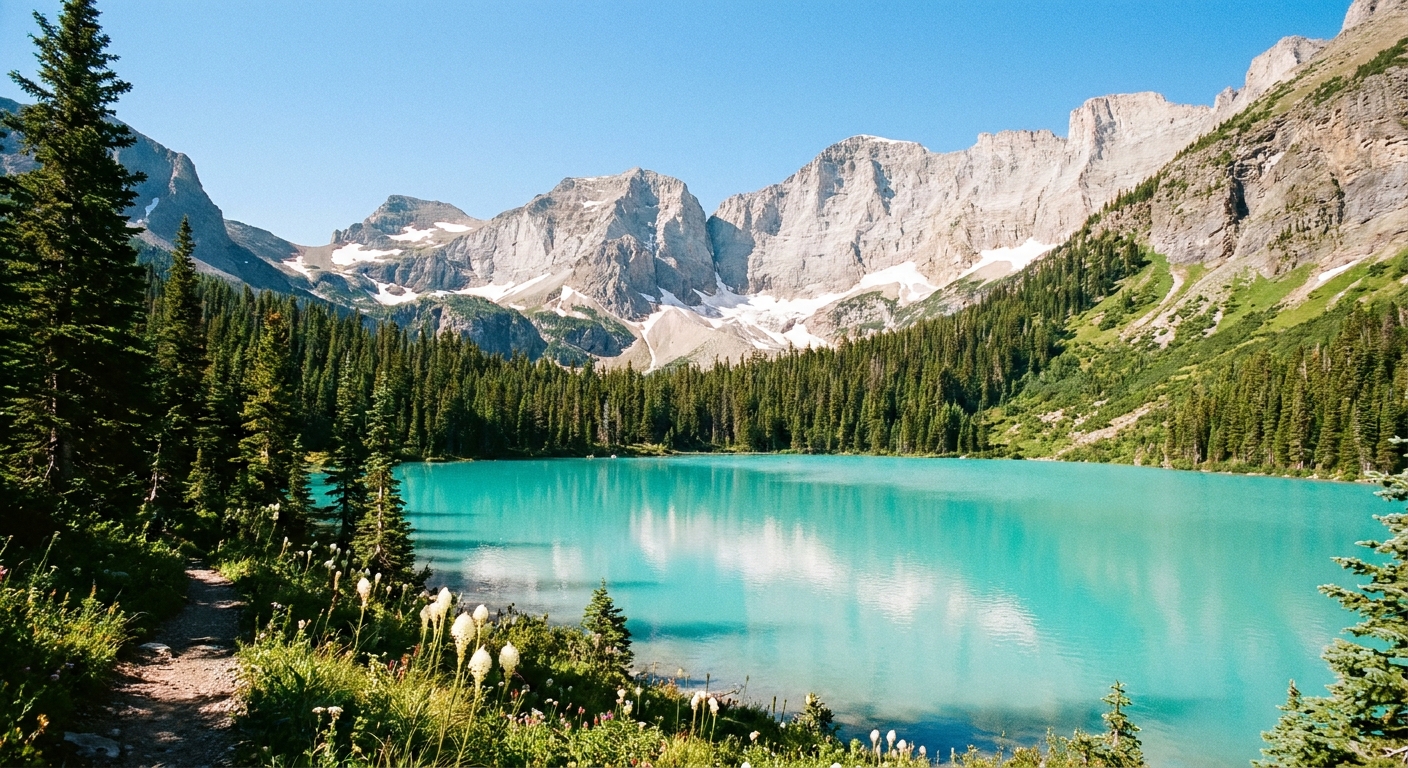
Cracker Lake is one of those Glacier National Park hikes that looks deceptively simple on paper: a steady climb, a wide path, a turquoise lake at the end. Then you do it and realize the “wide path” is often a road-like corridor shared with horses, the “steady climb” adds up over miles, and the “turquoise” is so unreal you start second-guessing your own eyes.
If you are trying to answer one question before you commit your day in Many Glacier, here it is: Cracker Lake is moderately hard because it is long, not because it is steep or technical. For strong day hikers, it is very doable. For casual vacation hikers, it can feel like a grind, especially if you start late or underestimate how much stock traffic and weather can slow you down.
Cracker Lake Trail at a glance
- Trailhead: Many Glacier area. Look for the Cracker Lake Trail sign near the main hiker corridor by the Many Glacier Hotel and Swiftcurrent area parking.
- Distance: roughly 12 to 13 miles round trip, depending on where your GPS starts and any minor routing changes
- Elevation gain: commonly reported around 1,300 to 1,600 feet total, mostly gradual
- Typical time: 5.5 to 8 hours for most hikers, longer with wildlife delays, mud, or heavy stock use
- Primary challenges: long mileage, sun on open stretches, shared trail with stock, and being solidly in bear country
Glacier trail stats can vary across map sources and small reroutes. I plan this one by time and energy rather than chasing a single perfect number. If you want the most current official numbers, check the posted trailhead sign and the National Park Service trail information before you go, then use the range above as your reality check.
Access and timing
Parking and entry rules
Many Glacier logistics can make or break your day. Parking fills early, and the park’s access rules can change by season. Before you go, check the current NPS page for Many Glacier road status, construction, and any entry or reservation requirements. Even when there is no formal requirement, the practical reality is the same: start early if you want a stress-free trailhead.
Trailhead basics
Do not assume you will have reliable services right at the start. Top off water and use restrooms before you commit, and treat any amenities you find at the trailhead as a bonus, not a plan.
Best season for this hike
Most people target mid-summer through early fall when the trail is mostly melted out. Earlier in the season, you are more likely to deal with lingering snow patches, wetter tread, and more churned-up mud where stock has been through. Later in the season, daylight gets shorter and mornings can be cold, which matters on a hike that can quietly eat up a whole day.
How hard is it
Difficulty: moderate, trending hard for new hikers
The Cracker Lake Trail climbs at a friendly grade for much of the route. You are rarely gasping on a steep pitch, which tricks a lot of people into starting too fast. The difficulty creeps in later, when the return miles feel long and you realize you have a lot of trail behind you and a lot of trail still to go.
I describe it like this:
- If you hike regularly: a satisfying, steady day with a wow-factor lake payoff.
- If you mostly walk in the city or do short nature trails: this can feel hard, mainly because of the duration and because you need consistent pacing.
- If you are altitude-sensitive: expect a slower pace and plan extra water and snack stops.
Footing: mostly smooth, sometimes messy
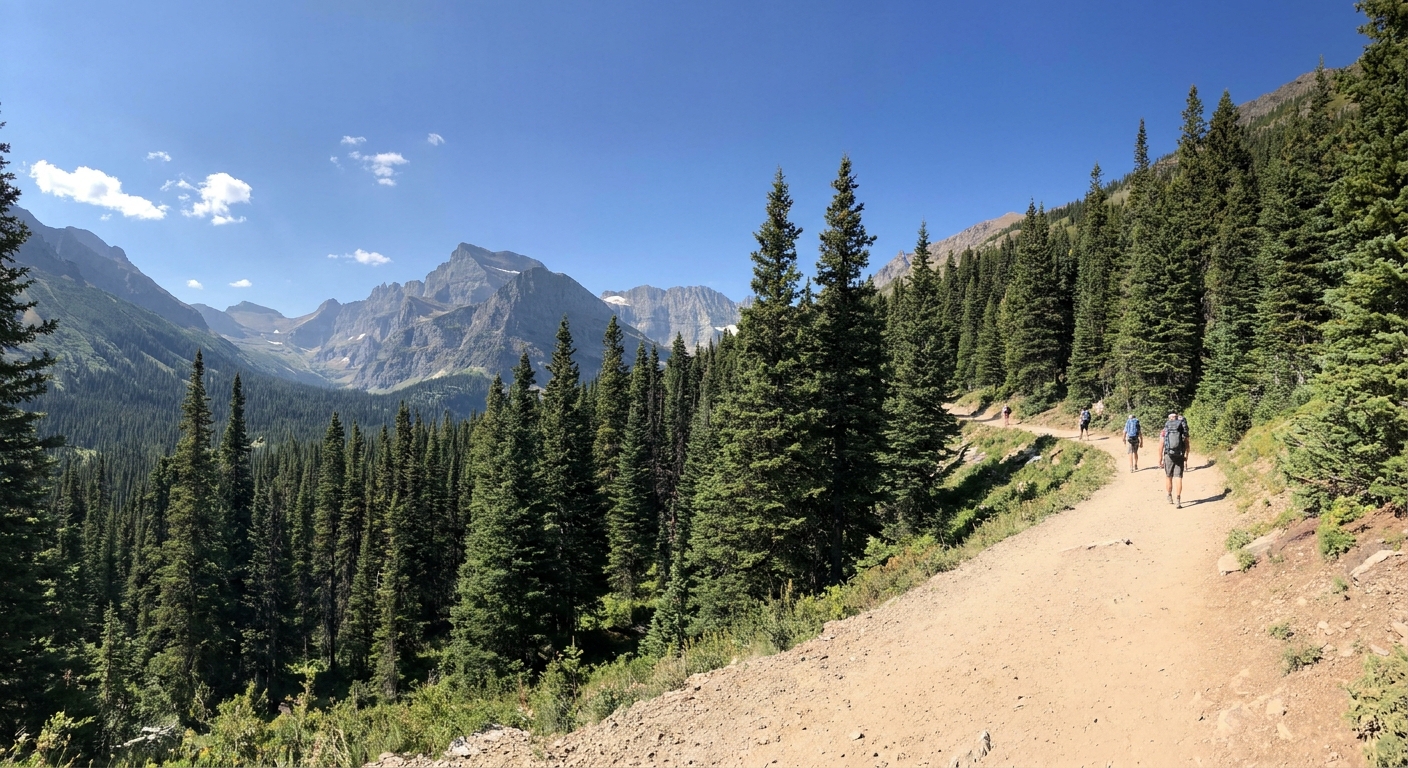
For large chunks, the route follows a wide, road-like corridor. That means fewer rocks and roots than some Glacier hikes. The tradeoff is that the tread can turn into dust, mud, or rutted churn depending on conditions and stock use.
In early season and after storms, expect:
- muddy pockets that can swallow a shoe if you do not pick your line
- wet areas that linger in the trees
- occasional snow remnants in cooler years
Exposure: not scary, but sun adds effort
You will have shaded forest stretches, but there are also open sections where the sun reflects off pale dirt and your water disappears faster than you expect. On hot days, the hike feels harder simply because it is harder to stay cool.
Route notes
How it feels
I think of Cracker Lake as a “slow reveal” hike. It does not deliver constant alpine drama the way Iceberg Lake does. Instead, it gives you long, rhythmic walking, occasional openings to peaks, and then the lake shows up like a punchline.
Staying on track
The trail is generally straightforward and well-used, but I still like having a map downloaded offline. Cell service in Many Glacier is often limited or nonexistent, so offline maps are not a nice-to-have, they are the backup plan that actually works. If you stay on the main Cracker Lake Trail and follow the signs, you are doing it right.
Stock traffic
Cracker Lake is known for stock use. Some days you will see none. Other days, you will share the trail with multiple groups, and the trail surface will tell the story before you even see the horses.
Etiquette that keeps it calm
- Yield to stock. Give them the right of way and plenty of space.
- Follow the handler’s instructions. If a packer or ranger tells you where to stand, do that, even if it means waiting longer than you want.
- Step off on the downhill side when possible. This is the recommendation I follow in Glacier because it reduces the chance of being above the animals on a slope. If terrain makes that unsafe or a handler says otherwise, prioritize the instruction and your footing.
- Stay calm and speak normally so the horses know you are human.
- Do not dart past. Let the entire group clear before you step back on trail.
- Plan for slower travel. If you hit a long train, your pace changes. Starting early helps.
If you are sensitive to dust, pack a buff or mask. This is one of the few Glacier day hikes where I actually use mine.
Bear safety
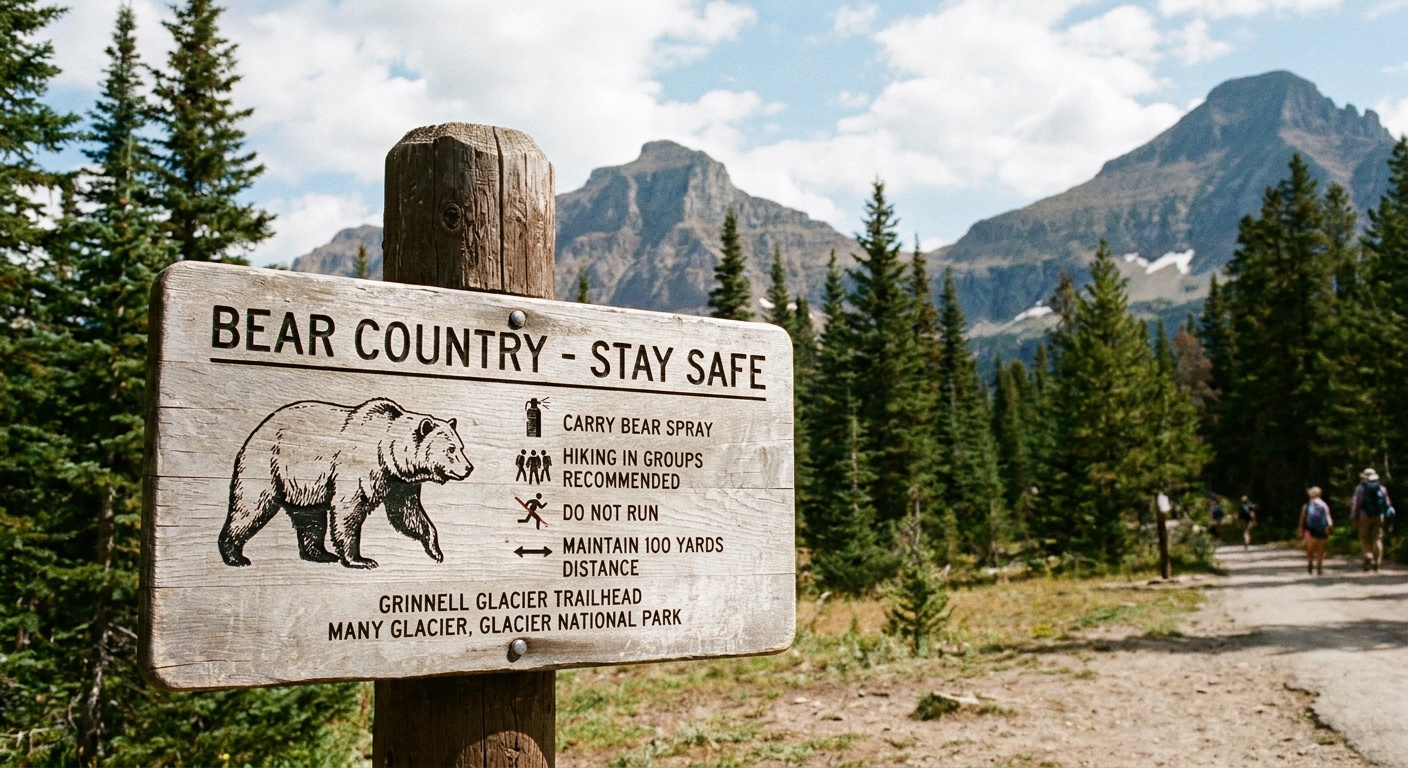
This hike runs through classic bear habitat. The practical implication is not “be scared,” it is “be consistent.” Most bear issues I have seen in the Rockies and up here come from hikers getting quiet, hiking alone, or pushing into dusk because the day ran long.
What I do on this trail
- Carry bear spray where you can reach it fast, not buried in your pack.
- Hike in a group when you can.
- Make noise in low-visibility stretches and around running water.
- Respect closures and any temporary wildlife management areas.
Also, budget time. If you are racing daylight on the way back, you are more likely to take risks, get sloppy with awareness, and end up hiking during the hours when wildlife is more active.
Water and weather
Water strategy
I treat this as a carry-what-you-need hike. You may pass seasonal wet spots or small creeks, but I do not like planning my day around refilling unless I have a filter and I know conditions are good. If you do refill, treat your water and choose a spot with moving water, away from heavy trail traffic and obvious animal activity.
Wet spots and small seasonal creeks
Most of what people call “crossings” on this route are small seasonal creeks, runoff, and muddy low spots, not a dramatic river ford. Conditions change with snowmelt and storms, and stock use can make muddy sections feel worse than you expected.
The rule stays simple: if you reach water on-trail that you do not feel 100 percent safe crossing, you turn around. Cold, fast water plus slick footing is not the place to prove anything.
- If water is above your ankles and moving fast, consider it a no.
- If you cannot clearly see stable footing, consider it a no.
- If weather is deteriorating and you would have to recross later, consider it a no.
Smart turnaround points
- Time-based: choose a hard turnaround time before you start. For most parties, if you are not close to the lake by early afternoon, turning back is the smarter call.
- Energy-based: if anyone in your group is dipping into “quiet and cranky,” turn around before it becomes a bonk.
- Condition-based: thunder, cold rain, or unsafe footing are automatic turnarounds.
Leave No Trace
This trail takes a beating when it is wet and when stock is moving through. If you hit a muddy section, walk through the mud, not around it. Going around widens the trail and makes the problem spread. Keep food packed away, give wildlife space, and leave the lakeshore looking like you found it.
Who this hike is for
- Best for: hikers who like steady endurance days, can keep a pace for hours, and want a unique lake color payoff that feels different from the headline-grabber routes.
- Skip it if: you want nonstop views early, you hate dusty shared-use trails, or you are trying to squeeze in a “quick hike” between Many Glacier sightseeing stops.
Cracker vs Iceberg
If you have done Iceberg Lake, or you are deciding between them, here is the personality difference.
Cracker Lake
- Vibe: steady, rhythmic walking with a big color payoff at the end
- Terrain: wide, road-like trail in many sections, often shared with stock
- Difficulty: moderate because of distance and time on feet
- Crowds: can be busy, but it often feels more spread out along the long approach
Iceberg Lake
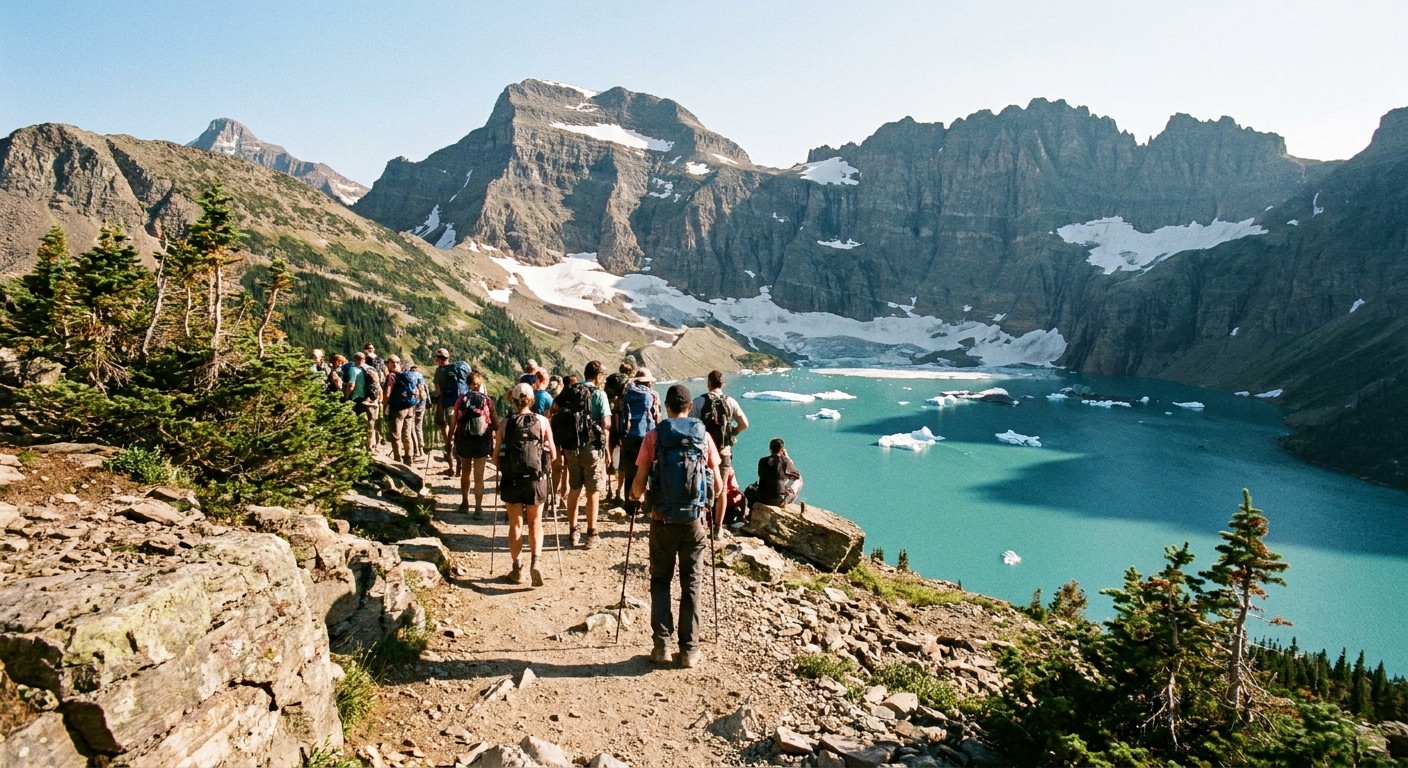
- Vibe: more dramatic scenery sooner, with a big amphitheater finale
- Terrain: narrower hiking-trail feel, with more classic mountain-hike energy
- Difficulty: also moderate, but many people find it feels more worth it per mile because the views stack early
- Crowds: often feels busier because the destination is iconic and the hike is a go-to for Many Glacier
If you want a hike that feels like a steady endurance day with a unique lake color, choose Cracker. If you want a hike that feels like a highlight reel, choose Iceberg.
Cracker vs Grinnell
Grinnell is a different kind of day. Depending on whether you take the boat and what route options are running that day, the mileage, timing, and effort can change a lot. The feel is still not the same.
Cracker Lake
- Profile: gradual climbing, fewer big wow moments until late
- Primary challenge: long approach and shared-use trail realities
- Payoff: turquoise lake in a quieter-feeling basin
Grinnell Glacier
- Profile: more consistently scenic and more alpine in feel, with bigger views through much of the route
- Primary challenge: more exposed and more demanding as a classic Glacier showstopper hike
- Payoff: glacier-fed views and that high-country intensity people come to Glacier for
If you have one big hiking day in Many Glacier and you crave maximum scenery per step, Grinnell usually wins. If you already did the marquee routes and want a different Many Glacier personality, Cracker is the satisfying curveball.
What to pack
This is a day hike, but it deserves a real kit. My packing philosophy is always “light, not flimsy.”
- Bear spray in a holster or quick-access strap
- Water plus a way to treat more if you might refill
- Rain layer even if the morning is perfect
- Warm layer for wind at the lake
- Sun protection: hat, sunglasses, sunscreen
- Snacks you will actually eat when you are tired, not just healthy aspirations
- Extra socks if conditions are wet or muddy
And yes, I always bring a small coffee situation for the trailhead. Many Glacier mornings deserve it.
Make it feel easier
- Start early. You dodge heat, you avoid rushing, and you tend to see more wildlife at a comfortable distance.
- Pace like it is longer than you think. Because it is.
- Plan for stock. Time, dust, and trail texture all change when stock use is high.
- Set a turnaround time. Decision fatigue is real at mile 6.
FAQ
Is Cracker Lake harder than Iceberg Lake
For many people, yes, because it is a longer-feeling day with fewer early payoffs. If you are comfortable hiking all day at a steady pace, Cracker may feel easier because the grade is gentle.
Is the Cracker Lake Trail technical
Not usually. It is generally a straightforward hike on a wide trail, but mud, ruts, and weather can make footing annoying. Stock use also affects the surface.
Can you do Cracker Lake as a half-day
Only if you are moving very fast and you are comfortable turning around well before the lake. If you want the full turquoise payoff without rushing, plan a full day.
Do you really need bear spray
In Glacier, I treat bear spray like a seatbelt. You hope you never need it, but you carry it where you can use it quickly.