Last Supermarkets Before Yosemite Valley

Maya Lin
Maya Lin is a travel journalist and outdoor enthusiast who believes the best trips combine rugged adventures with urban comforts. After spending six years backpacking across four continents, she founded Trail & Town Guide to help fellow travelers navigate both hidden mountain passes and bustling city neighborhoods with confidence.
I have learned this the hungry way: the "we’ll just grab groceries near the park" plan sounds reasonable until you are winding into Yosemite with one bar of service, a cooler full of wishful thinking, and a trailhead in your GPS that refuses to load.
If Yosemite Valley is your base, you absolutely can shop in the Valley. But if you want more normal prices, broader selection, and less stress, your best move is to stock up in the last gateway towns on the road you are taking in.
One important reality check: store names, hours, and what’s actually on the shelves can change seasonally. Before you commit to a long drive, do a quick same-day hours check and, if it’s a holiday weekend, assume the shelves get picked over faster than you’d like.
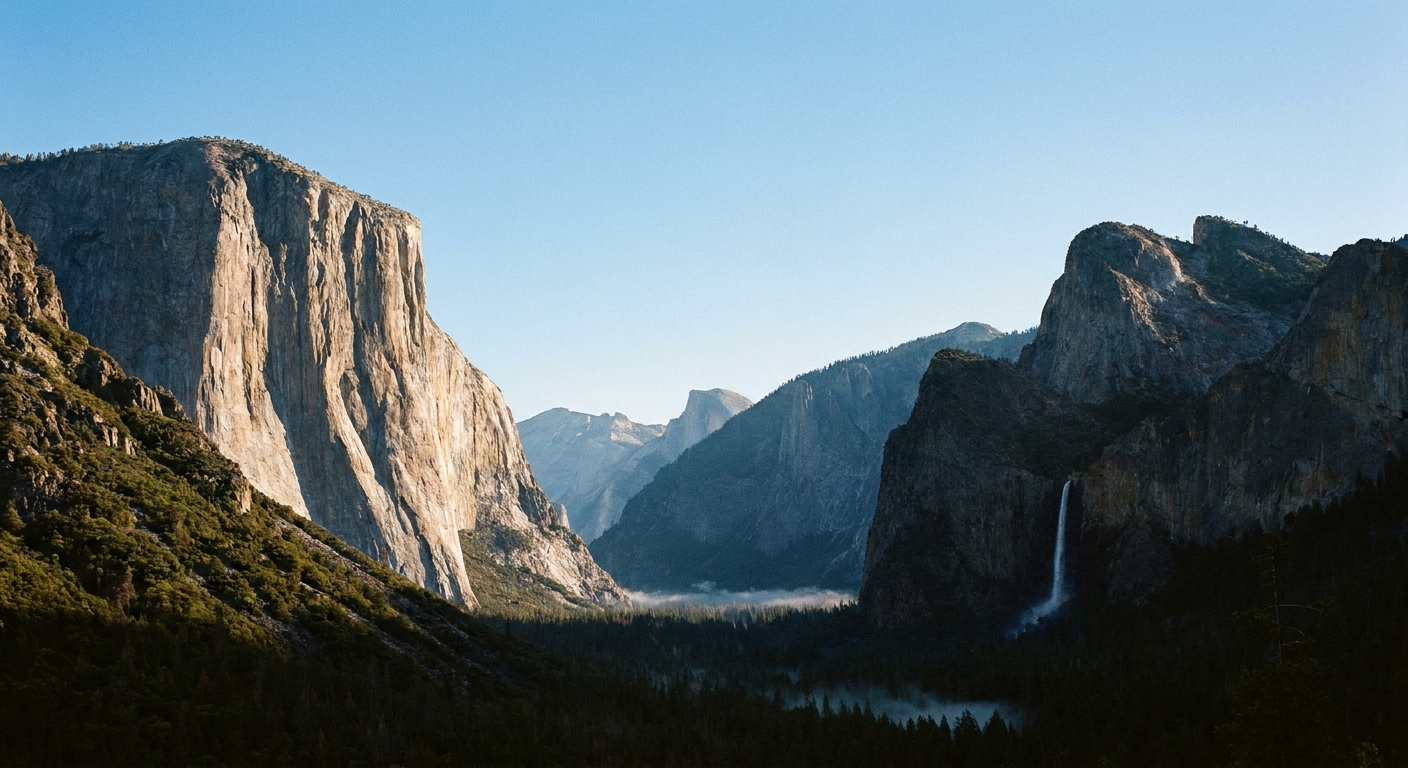
Quick answer: last reliable grocery towns
These are the most dependable “real grocery” options right before the entrances, organized by the three most common approach highways. I’m calling a stop “full grocery” if you can realistically build trail lunches and a simple dinner without relying on gas station snacks.
Highway 140 (Arch Rock Entrance)
- Mariposa is your best bet for a full grocery run before you climb the Merced River canyon toward the gate.
- El Portal has limited options closer to the entrance, but it’s better for fill-ins than a full cart for a multi-day plan.
Highway 41 (South Entrance)
- Oakhurst is the last place I plan on doing a complete shop with lots of choice and decent produce.
- Fish Camp is closer, but shopping options are limited and better for last-minute add-ons than a full menu.
Highway 120 (Big Oak Flat and Tioga Pass)
- Groveland is a practical last stop for a full shop if you are coming in via Big Oak Flat.
- Lee Vining is the most convenient last stop right on the Tioga approach if you are entering via Tioga Pass (when open).
If you are choosing between “shop earlier” and “shop closer,” I nearly always vote shop earlier. Gateway towns closest to the park tend to mean higher prices, smaller selection, and fewer backup options if something is out of stock.
Highway 140: Mariposa to Yosemite
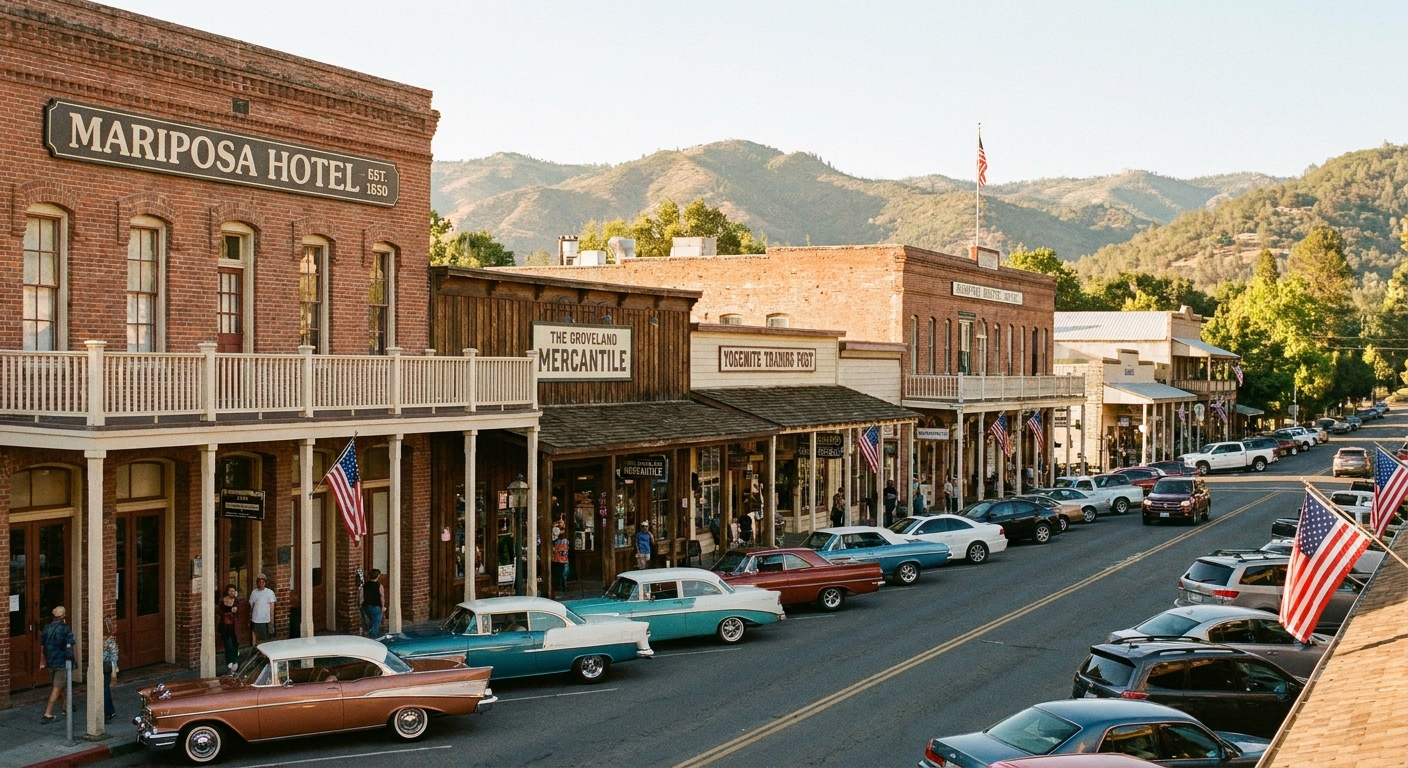
Highway 140 is my favorite approach when I’m in slow-travel mode because the drive along the Merced River is genuinely beautiful. It is also a route where it’s easy to get lulled into thinking you’ll find “one more store” later. In reality, once you leave the more built-up parts of Mariposa, choices thin out fast.
Last reliable full grocery stop: Mariposa
Mariposa is the last place on 140 where you can reliably build a complete trip grocery haul: proper produce, real sandwich supplies, a range of proteins, and the little things that make camp or cabin meals feel normal.
Closer fill-ins: El Portal
El Portal is very close to the Arch Rock Entrance, and it can save you in a pinch. I treat it like a place for ice, extra water, a forgotten head of lettuce, or one more bag of chips, not a place I want to depend on for several days of balanced meals.
My move on 140: do the big shop in Mariposa, then stop again later only if you need ice or you realize you forgot something truly essential.
Highway 41: shop in Oakhurst
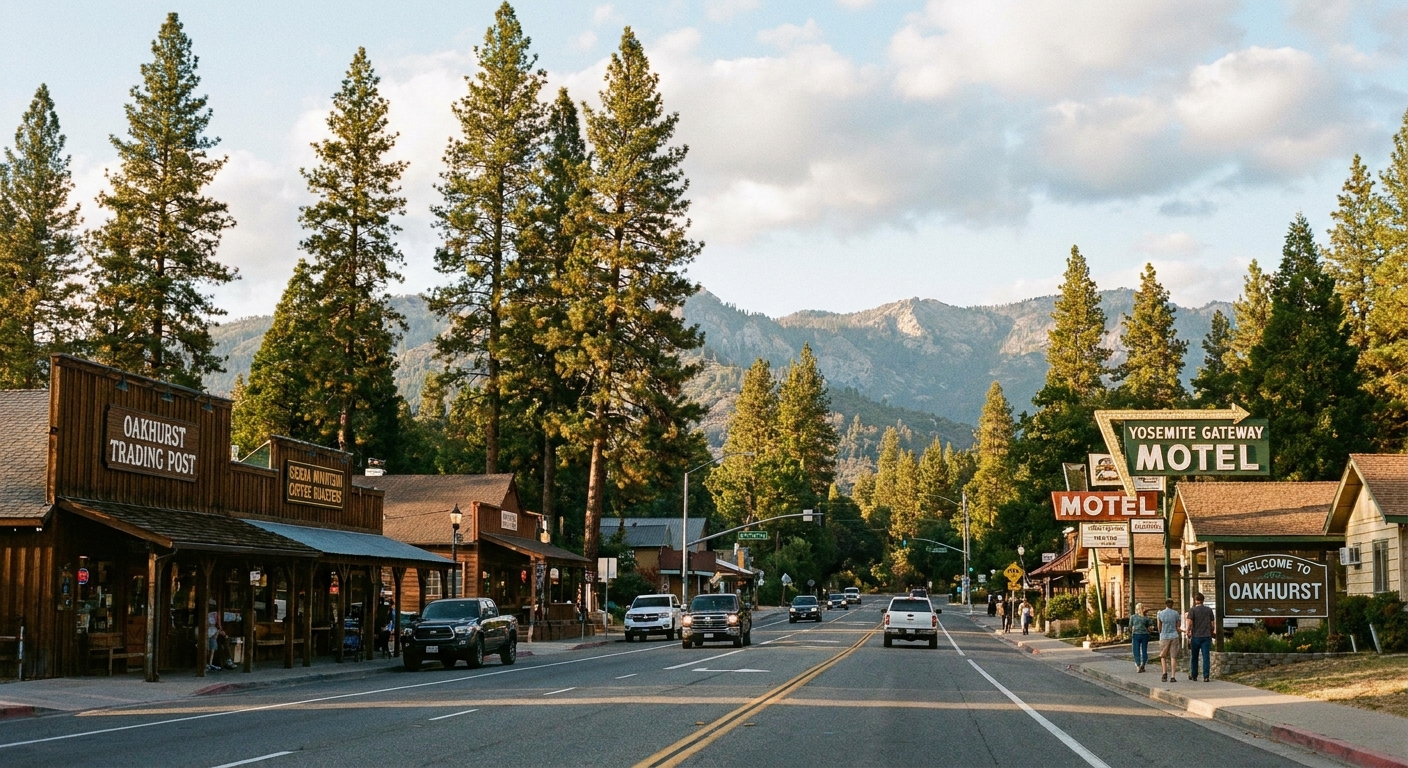
Highway 41 is the classic South Entrance route, especially if you are pairing Yosemite with Mariposa Grove. It’s also a route where you can get pulled into tourist convenience stores that look well-stocked until you try to put together dinner.
Last reliable full grocery stop: Oakhurst
Oakhurst is the place to do a standard grocery run before heading into the park. You will typically find better selection for:
- Fresh fruit that can handle a day in a pack (apples, oranges, grapes)
- Actual lunch proteins (deli turkey, tofu, tuna packets, hummus)
- Camp-friendly meals (pasta, sauce, rice bowls)
- Cooler staples (yogurt, cheese, tortillas)
Closer fill-ins: Fish Camp
Fish Camp is a convenient last-minute area, but it is not where I’d want to build a full menu from scratch. Think of it as your “oops” stop, not your main grocery plan.
Highway 120: Groveland or Lee Vining
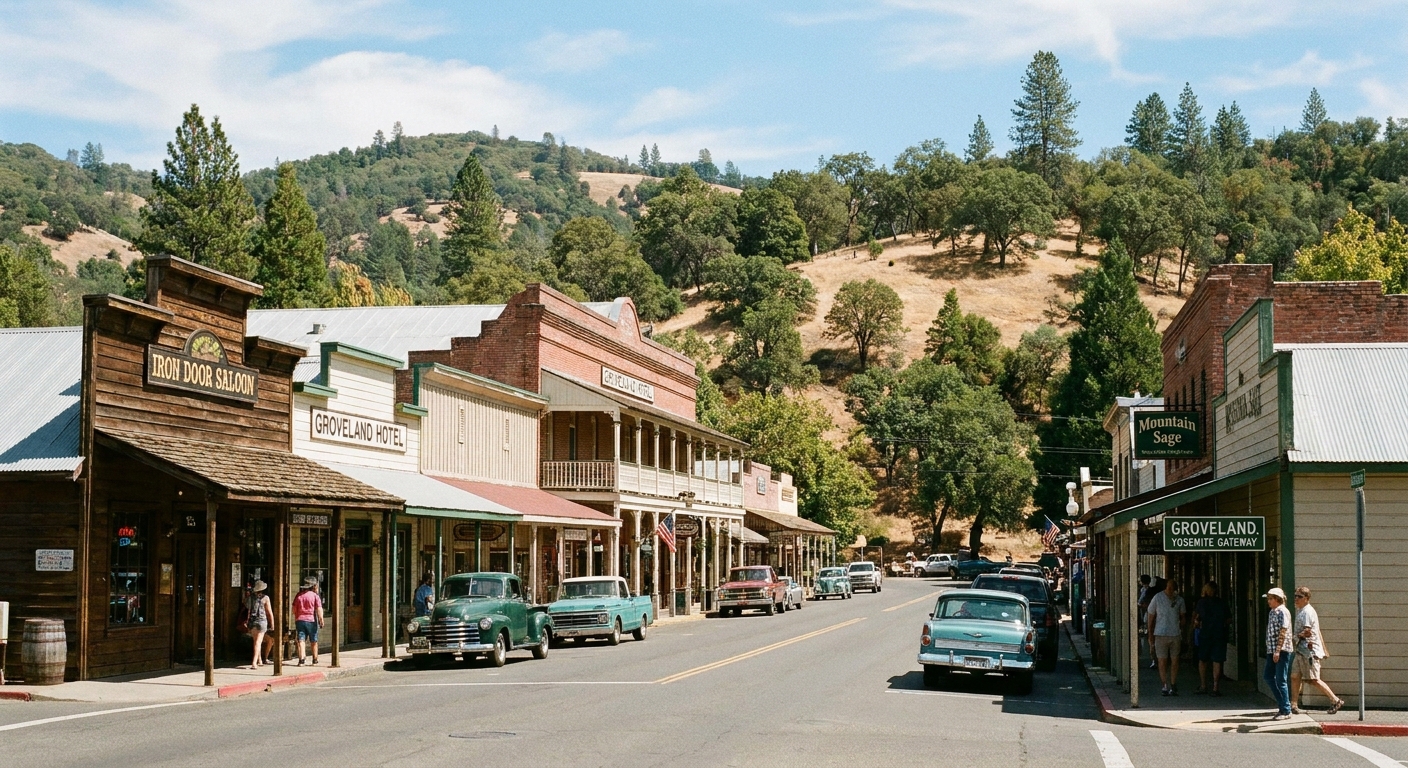
Highway 120 is really two different shopping stories depending on where you are coming from.
Big Oak Flat Entrance: last reliable stop is Groveland
Groveland is a true gateway town. It’s a solid place to stock up, especially if you are coming from the Bay Area or Central Valley and want to avoid doing a frantic grocery run after a long drive.
If you are towing gear, traveling with kids, or trying to keep the trip calm, Groveland is one of the easiest “final reset” towns: fill the tank, top off water, and finish your grocery list before you commit to park roads.
Tioga Pass Entrance: last convenient stop is Lee Vining
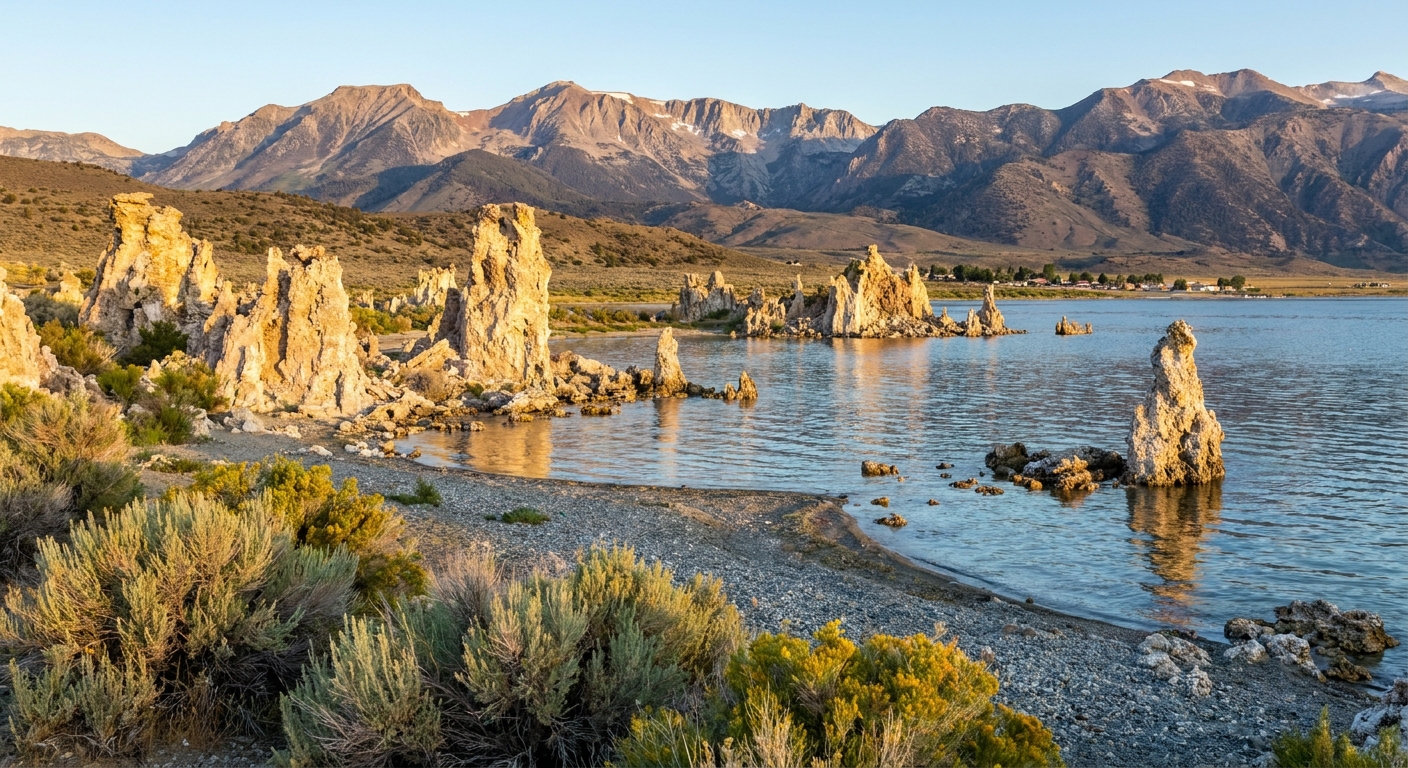
When Tioga Pass is open, the east-side approach is spectacular. It is also high, remote, and not the place to realize you forgot coffee or lunch.
Lee Vining is the last convenient place to stock up right before you climb toward Tioga Pass and enter a stretch where cell service can be spotty and stops are limited. Depending on your direction of travel, you may pass bigger towns earlier on the east side, but Lee Vining is the classic practical stop that sits right where you want it.
Seasonal note: Tioga changes everything
Tioga Pass is seasonal and can close due to snow, storms, or road conditions. If Tioga is closed, that entire east-side approach and its “last stop” logic changes, and you will be routing in from the west side entrances instead. Before you plan your shopping around Highway 120 over Tioga, confirm current road status for the dates you are traveling.
Can the Yosemite Valley store replace a supermarket?
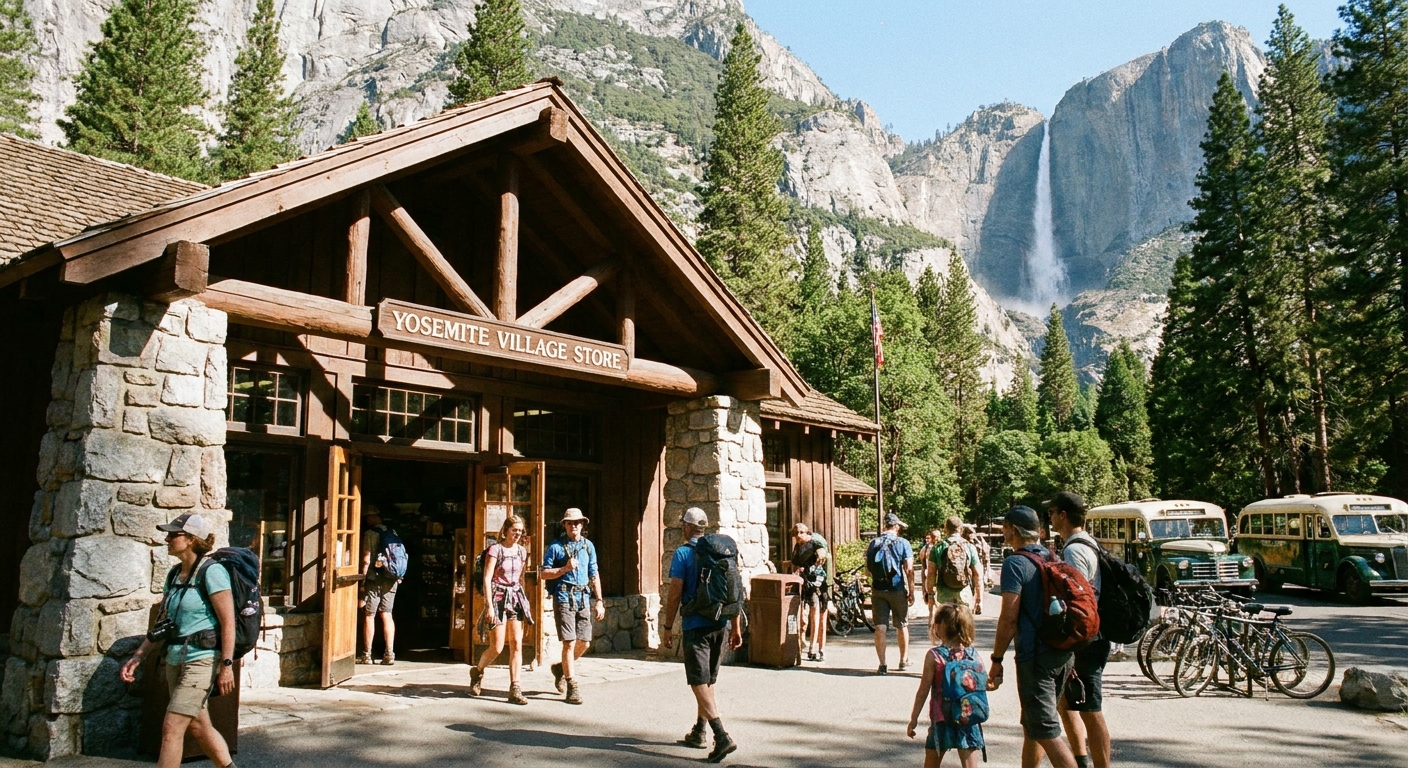
Yosemite Valley has a main village store that can absolutely save your trip. It is also not a full replacement for shopping in a gateway town, and the exact offerings can vary by season.
What it replaces well
- Picnic and trail basics: bread, tortillas, peanut butter, snack bars, chips, nuts
- Grab-and-go items: pre-made sandwiches, fruit, simple salads
- Cooler support: ice and drinks
- Simple breakfast help: cereal, oatmeal, milk, coffee basics
- Emergency gear: sunscreen, bug spray, basic toiletries, simple kitchen items
What it does not replace well
- Selection and price: if you need specific ingredients or want to keep costs down, shop outside the Valley
- Special diets: gluten-free, vegan, low-sodium, and allergy-friendly items can be hit or miss
- Fresh produce variety: you can find fruit and some vegetables, but it is not the same range or quality as a larger grocery store
- Full cooking plans: building several nights of dinners is possible, but you will have fewer options and pay more
My rule: rely on the Valley store for top-offs and cravings, not for your entire trip food strategy.
What to buy before service drops
Once you are inside the park, you will likely have stretches with limited or no service. Even when you do have service, you do not want your dinner plan depending on it.
Prioritize these before the gates
- Water and electrolytes: enough for the drive, plus your first hike day
- Ice: if you are using a cooler, buy it as late as practical, but do not count on finding it exactly when you need it
- Protein you will actually eat: deli meat, hard cheese, hummus, tofu, tuna packets, jerky
- Filling carbs: tortillas, bagels, rice packets, pasta
- Fruit that travels: apples, oranges, grapes, blueberries
- Trail snacks: bars, nuts, dried fruit, crackers
- Coffee you like: plus filters or whatever your setup requires
Bear reality: do not buy more scented food than you can store properly. In Yosemite, that usually means fitting it all in your bear locker (or otherwise following the park’s current food storage rules for where you’re staying). If it will not fit, scale back, or switch to less bulky packaging.
If you are arriving late, buy breakfast and tomorrow’s lunch before you lose easy shopping options. Waking up in the Valley with nothing but a single granola bar is a mood killer.
Shopping list: Yosemite day hike
This list assumes a classic Yosemite day hike: 4 to 10 hours with sun exposure and lots of elevation. Adjust for your appetite, but do not skimp on salt and calories. Yosemite climbs are sneaky.
- Water: 2 to 3 liters per person, more on hot days
- Electrolytes: packets or tablets
- Main lunch: tortillas + nut butter and honey, or tortillas + hummus + hard cheese
- Protein snack: tuna packet, jerky, or roasted chickpeas
- Salty crunch: pretzels or crackers
- Fruit: apple or orange (durable), plus grapes if you have a cooler
- Quick sugar: dried mango, sour gummies, or a small chocolate bar
- Calorie backup: 1 extra bar per person beyond what you think you need
I like to pack the “backup bar” in a side pocket and pretend it does not exist until mile eight. It is amazing how often it becomes the best thing I’ve eaten all day.
Shopping list: simple Valley dinner
This list is designed for a common Yosemite setup: you have a small fridge or cooler, minimal prep space, and maybe a microwave or a single burner. It aims for low mess, high comfort.
- Protein: rotisserie chicken (if you can grab one outside the park), or pre-cooked chicken sausage, or tofu
- Carb base: microwave rice packets, tortillas, or pasta
- Vegetables: bagged salad kit, baby carrots, and a bell pepper
- Sauce or flavor: jarred salsa, pesto, or a small bottle of soy sauce
- Breakfast for next morning: instant oatmeal cups or yogurt and granola
- Hot drink comfort: tea bags or instant cocoa
- Simple dessert: cookies or dark chocolate
Easy dinner combo: rice + chicken sausage + salsa + salad kit on the side. If you have tortillas, it turns into instant burrito bowls with zero drama.
Small habits that help
- Screenshot your list before you lose service. I keep a note with meals and quantities, not just “snacks.”
- Pack a soft cooler bag. Even if you are staying indoors, it buys you flexibility for picnic lunches.
- Assume you will be hungrier than usual. Yosemite air plus elevation plus sun equals snack mode.
- Plan your first 24 hours. If you do nothing else, make sure you have dinner and the next day’s hike food locked in before you enter the park.
FAQ
Is there a big supermarket in Yosemite Valley?
No. Yosemite Valley has a main village store that covers basics and some fresh items, but it is not the same as a full supermarket in selection or price.
Can I buy everything at the Yosemite Valley store?
You can make it work, especially for a short stay. For multiple days, special diets, or budget-conscious trips, you’ll have a smoother experience shopping in Mariposa, Oakhurst, Groveland, or Lee Vining first and using the Valley store for fill-ins.
What should I prioritize if I only have time for a fast stop?
Water, electrolytes, lunch items for tomorrow, and an easy dinner you can assemble without much cooking. Add ice last if you are using a cooler, and double-check the store hours before you count on a late arrival run.