Pine Creek Canyon in Zion: Permits, Rappels, and Who It Suits

Maya Lin
Maya Lin is a travel journalist and outdoor enthusiast who believes the best trips combine rugged adventures with urban comforts. After spending six years backpacking across four continents, she founded Trail & Town Guide to help fellow travelers navigate both hidden mountain passes and bustling city neighborhoods with confidence.
Pine Creek Canyon is one of those Zion experiences that feels wildly “backcountry” even though you are basically stepping off Highway 9. One minute you are dealing with tunnel traffic and tourists with ice cream, the next you are inside a dim slot with cold pools, polished sandstone, and a couple of real rappels. It is short, scenic, and unapologetically technical, which makes it a great pick if you want a canyoneering day without committing to a long approach or an all-day epic.
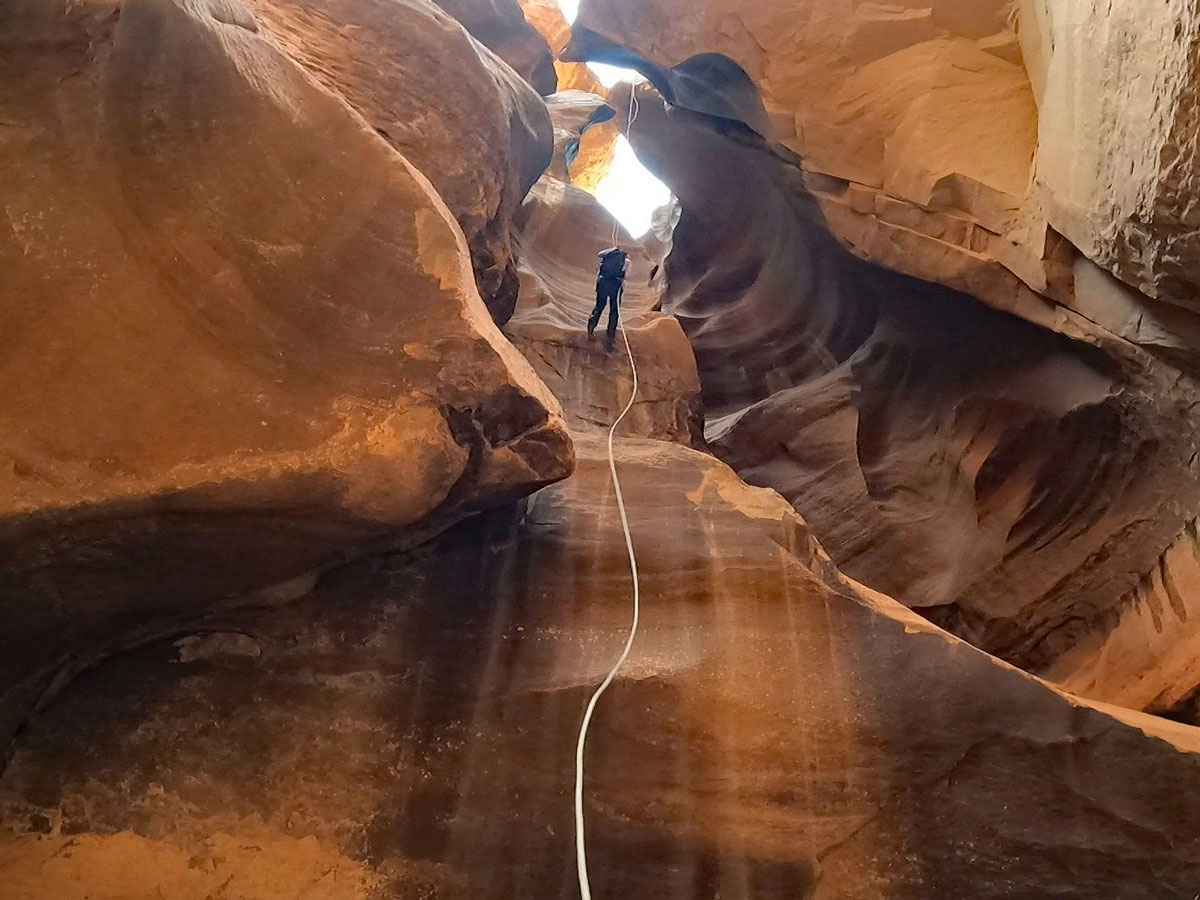
This guide covers Pine Creek Canyon specifically. If you are here for The Subway, know that it has different rules, logistics, and seasonality. Pine Creek has its own permit process, access quirks, and cold-water realities.
What it is like
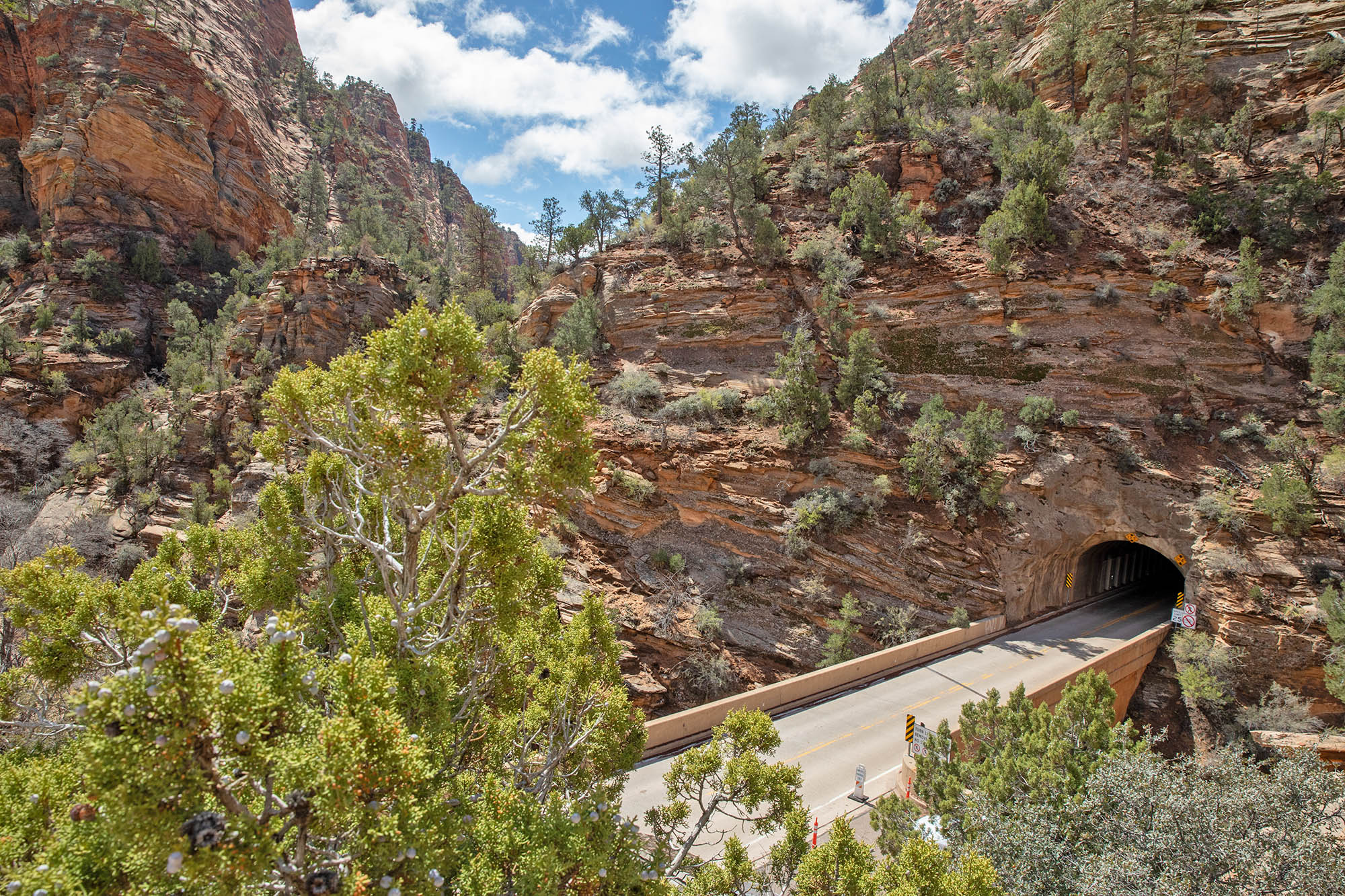
Pine Creek is an east-side Zion slot canyon near the Zion Mount Carmel Tunnel area along Highway 9. The canyon is known for:
- A short approach and exit that keeps the day compact.
- Multiple rappels down sculpted drops.
- Cold pools that can be chest-deep and feel icy even on warm days.
- Classic slot features like narrow hallways, reflected light, and polished rock.
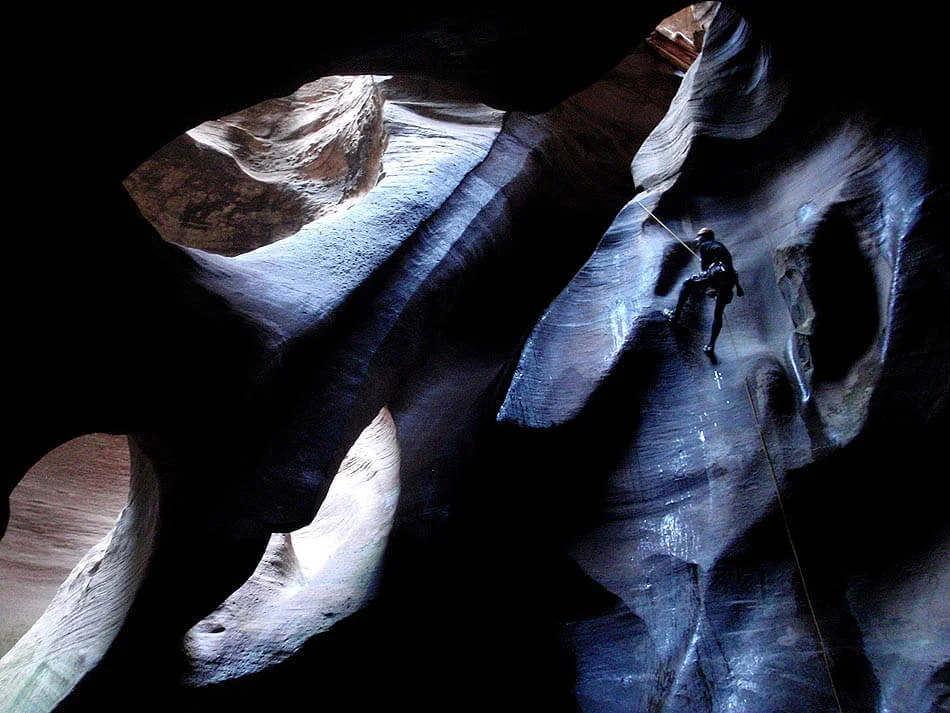
- The Great Cathedral, a massive grotto-like chamber that sets up the canyon’s famous final drop.
Expect a half-day to most-of-a-day outing depending on your group size, transitions at anchors, and how comfortable everyone is with moving efficiently in wetsuits and water. If you have a big group or you are teaching newer canyoneers, Pine Creek can quietly turn into a full-day affair.
Permits
Yes, you need a permit. Pine Creek Canyon is a technical canyoneering route in Zion National Park, and Zion requires a canyoneering permit for technical descents like this.
In plain terms, the permit system is there to manage use, limit crowding in sensitive canyons, and help the park keep tabs on where parties are when conditions turn dangerous.
Permit basics
- Use the Zion canyoneering permit system and select Pine Creek for your date.
- One permit per group, with group size and participant info required.
- Carry proof: have your permit accessible on your phone or printed, depending on how you travel.
- Start when your permit is valid: your permit date matters, and so does being realistic about turnaround times.
Zion’s rules and availability can change season to season, so confirm current requirements directly with the park before you go.
Rappels
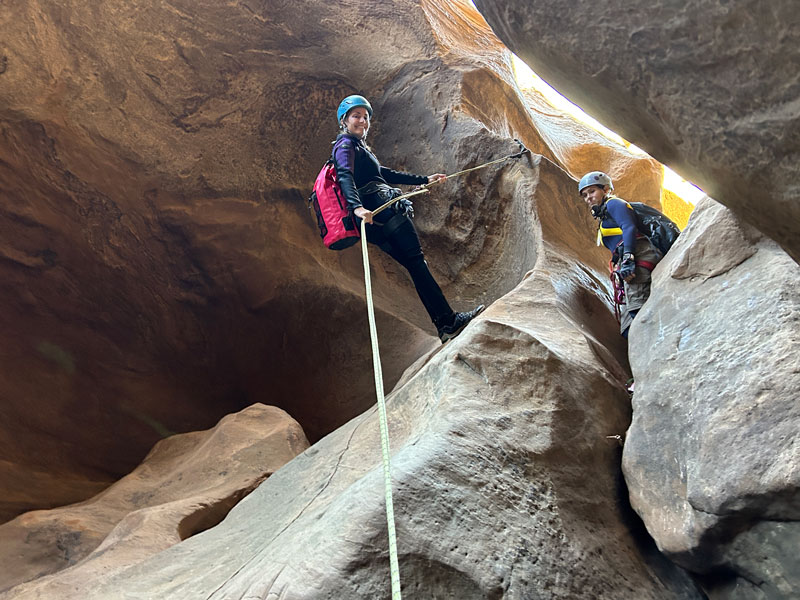
Pine Creek is often described as a short canyon, but it packs a lot into a small space. Most parties should plan for about 5 to 6 rappels, plus a few short downclimbs and awkward little drops where efficiency matters.
Typical rappel profile
- Number of rappels: commonly 5 to 6
- Longest rappel: up to roughly 100 feet (about 30 meters) depending on anchor placement and conditions
- Signature moment: the final rappel often drops from The Great Cathedral, a huge chamber that makes the canyon feel suddenly cathedral-sized before you commit to the last section
- Other rappels: shorter drops that still require clean technique and solid transitions
Rappel lengths can feel different depending on where anchors are set up and how much water is running. Bring ropes and a rigging plan that comfortably cover the longest drop with margin for smoother pulls. If your group is newer to canyoneering, conservative rope choice can turn a stressful day into a fun one.
Cold water
Pine Creek can be surprisingly cold because you are spending time in shadow, moving slowly through constrictions, and swimming or wading through potholes and pools. Even if the parking lot feels like summer, the slot often feels like early spring.
Wetsuits
For most people, yes, especially outside peak summer heat. Many parties choose a wetsuit because:
- Cold pools can be frequent enough that you never fully warm up between them.
- Rappels and transitions mean you are often standing still while wet.
- Wind at the exit or near the highway can chill you fast once you leave the slot.
If you run cold, or if your group includes anyone who does, treat a wetsuit as standard kit. At minimum, plan on strong insulation choices and a way to keep the day moving so you are not shivering at every anchor.
When to go
Pine Creek is doable in a range of seasons, but conditions do not feel the same month to month. Water temperature and flow are the big variables.
- Spring: often the coldest-feeling mix of chill water and shade. Expect to appreciate neoprene.
- Summer: warmer air temps, but cold pools still hit hard. Monsoon storms can raise flash-flood risk fast.
- Fall: a sweet spot for many groups, with cooler days and fewer storms, but water can stay cold.
- Winter: only for properly equipped, highly experienced parties. Hypothermia and icy conditions are real hazards.
No matter the season, check recent conditions and the forecast before you commit. Pine Creek does not need much weather to turn into a bad idea.
Parking
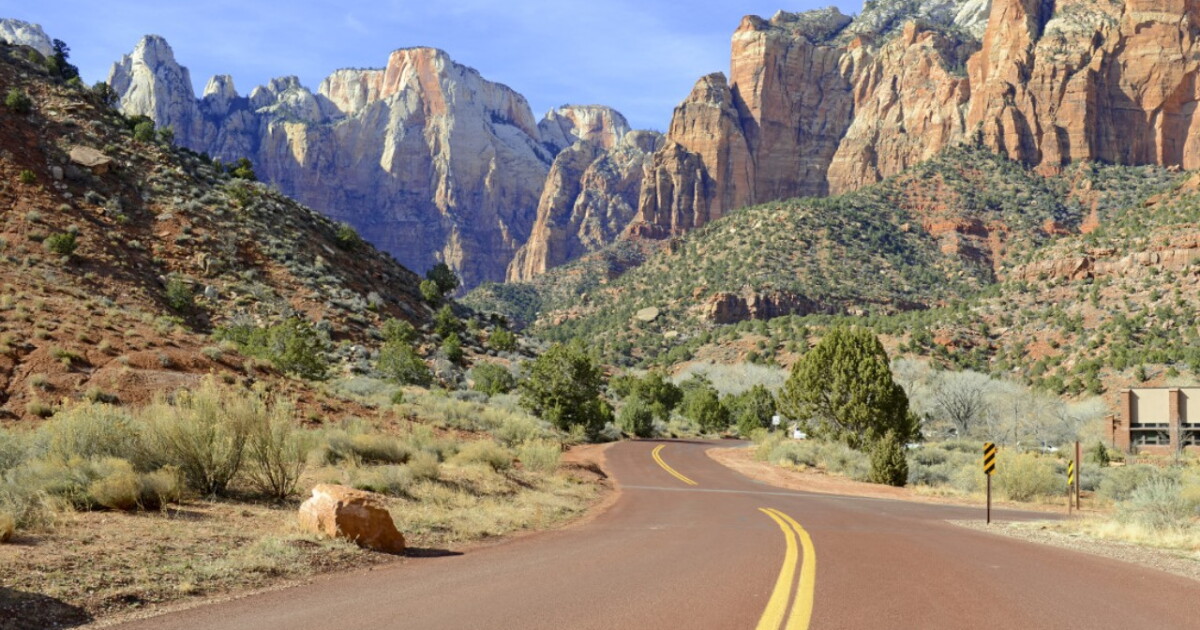
Pine Creek’s convenience comes with one big caveat: Highway 9 is busy, narrow in places, and parking is limited. Your goal is to park legally, stay safe when you are loading packs and wetsuits, and avoid creating hazards for drivers.
Parking tips
- Arrive early to find legal pullouts and reduce stress.
- Use established pullouts only and obey all no-parking zones. Enforcement is real, and the road is unforgiving.
- Do not invent a spot: if the shoulder looks questionable, it probably is.
- Be traffic-aware: doors opening into the shoulder is a real risk on this road.
- Gear up efficiently: have helmets, harnesses, and packs organized so you are not lingering roadside.
Exact pullouts used for entry and exit can change with construction, signage, and seasonal restrictions. Treat any online “park right here” instructions as outdated until you verify what is currently legal on the ground.
Skills
I love Pine Creek because it sits right at that sweet spot between “intro to technical slots” and “this is a serious canyon day.” It is not a casual hike, but it can be a fantastic step up if you already have basic systems dialed.
A good fit if you have
- Comfort rappelling on your own device, including starting cleanly and controlling speed on wet rope.
- Anchor awareness: understanding how to evaluate fixed webbing and rings, and when to back up or rebuild.
- Basic rope management in confined spaces, including stacking, bagging, and avoiding tangles.
- Belay and contingency skills appropriate to your team’s style and risk tolerance.
- Confidence in cold water, including swimming short distances while wearing a pack or managing it safely.
Not a great match if
- You have never rappelled before, or only on dry rock in a controlled gym setting.
- You are uncomfortable with exposure, slippery downclimbs, or being cold for extended stretches.
- Your group cannot move efficiently through transitions, which can increase cold stress and crowding.
If you are newer but motivated, Pine Creek can still be appropriate with a skilled leader or a qualified guide. The canyon’s short length helps, but the technical moments are real.
Group flow
Pine Creek rewards groups that move cleanly. Cold water plus bottlenecks is where “short canyon” days get long and miserable.
- Stage at anchors: the next person should be ready before the current person is off rope.
- Manage warmth: keep your top on, keep moving, and avoid long scenic pauses while wet.
- Control the rope: bag or stack so the pull is smooth and you are not dealing with knots in the cold.
- Communicate clearly: agree on commands before you enter the slot where voices echo and water noise eats words.
Flash floods
Slot canyons and flash floods are a dangerous combination. Pine Creek is narrow, has constrictions, and can funnel water fast. A blue sky above the road does not guarantee safety in the drainage.
Flood risk basics
- Check the forecast for the Zion area and upstream drainages before committing.
- Be extra cautious with monsoon patterns and any day that includes thunderstorm potential, even if chances seem low.
- Watch for red flags: building clouds, sudden temperature drops, wind shifts, or muddy water.
- Turn around early if anything feels off. In canyons like this, waiting for certainty is how people get trapped.
If I only had room for one hard rule in your Zion slot playbook: do not enter a narrow canyon when storms are in the picture. The most experienced person in the group cannot out-skill a flood.
Leave no trace
Zion slots get loved hard, and Pine Creek sits right by the road, which means impacts add up fast.
- Do not add webbing unless you have to: fixed anchors exist for a reason, and extra “tat” piles up quickly.
- If you must replace webbing, keep it clean and minimal and remove the old material when it is safe to do so.
- Stay off fragile edges: avoid trampling plants and cryptobiotic soil near the highway and on slickrock benches.
- Pack out everything: food scraps, tape, and used hand warmers count.
Quick checklist
- Permit: Zion canyoneering permit for Pine Creek
- Technical gear: helmet, harness, rappel device, personal tether, prusik or ascender for self-rescue basics, locking carabiners
- Ropes: sufficient for the longest rappel with margin, plus whatever your team prefers for pulls and backups
- Cold-water protection: wetsuit recommended for many conditions, plus warm layers for before and after
- Footwear: shoes that grip on wet sandstone and stay secure in water
- Safety: headlamp, first aid, emergency insulation, and a conservative weather plan
Finally, if your ideal day in Zion is a long, sunlit hike with lots of dry trail time, Pine Creek might feel more like type-two fun. But if you want a compact technical adventure that still leaves you time for a coffee stop and a sunset viewpoint, it is one of the most satisfying half-day hits on the east side.
FAQ
How long does Pine Creek take?
Many groups finish in a half day, but plan for longer if your team is big, new to transitions, if water is high and cold slows you down, or if you get backed up at anchors.
Is Pine Creek beginner-friendly?
It is not a beginner hike. It can be beginner-friendly for canyoneering only if someone in the group already has solid technical skills and can keep systems efficient and safe.
Do I need to swim?
Often, yes or at least wade through deep pools. Conditions vary, but you should be prepared for cold, chest-deep water and short swims.
Can I do Pine Creek without a wetsuit?
Sometimes in peak heat, strong movers can be okay without one. But many people are happier and safer with a wetsuit because it reduces cold stress, especially when you are waiting at rappels.
Is parking easy?
It can be tricky. Highway 9 is busy and pullouts fill. Arrive early, park legally, and do not force it if the roadside situation feels unsafe.