Ribbon Fall in Spring: Where to See the Water

Maya Lin
Maya Lin is a travel journalist and outdoor enthusiast who believes the best trips combine rugged adventures with urban comforts. After spending six years backpacking across four continents, she founded Trail & Town Guide to help fellow travelers navigate both hidden mountain passes and bustling city neighborhoods with confidence.
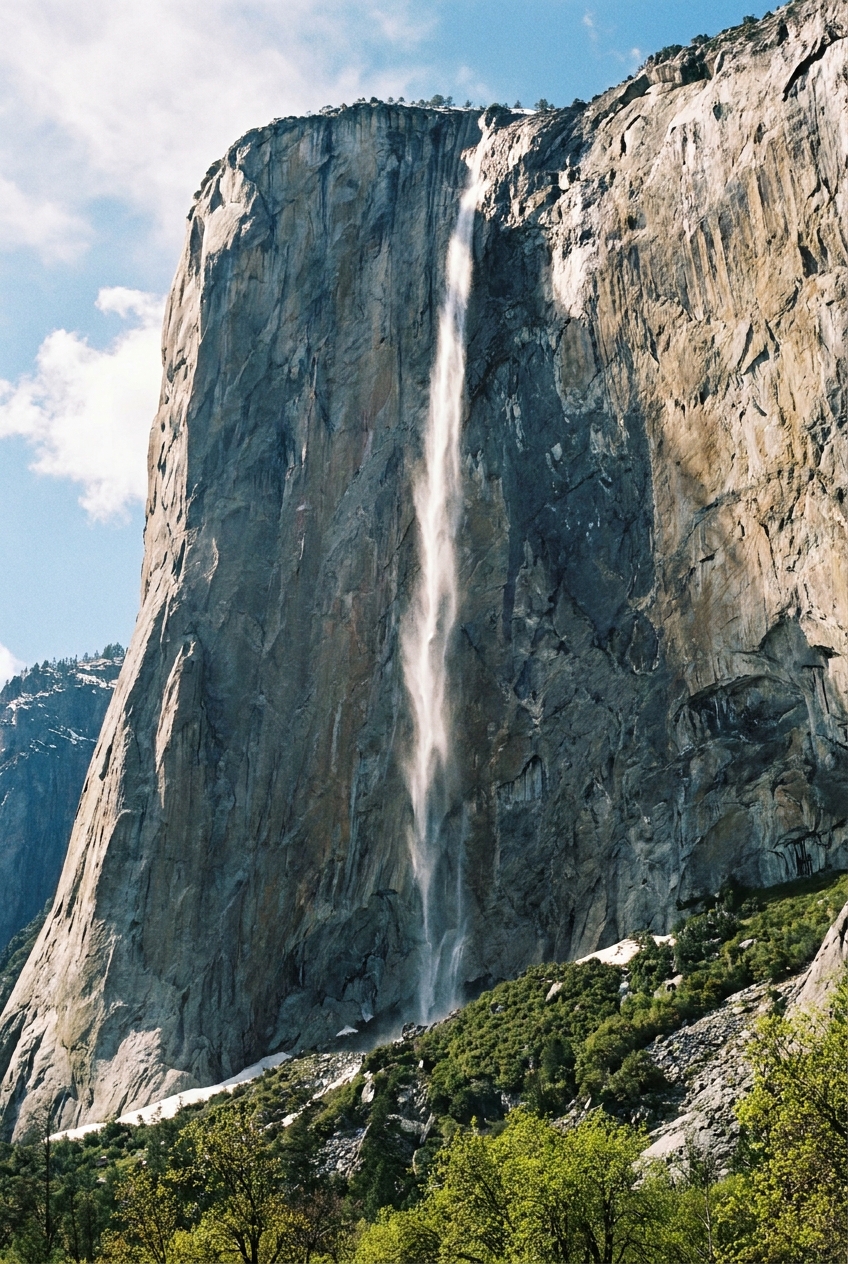
The first time I noticed Ribbon Fall, I was doing what I do best in Yosemite Valley: driving slowly with coffee in hand, pulling over every time the granite walls looked extra dramatic. El Capitan was doing its usual larger-than-life thing and then I saw it, a pale ribbon of water unfurling down the side like someone had tugged a loose thread from the cliff.
Ribbon Fall is not the famous February light show. It is a spring snowmelt waterfall, and when it is “on,” it feels like Yosemite is exhaling after winter. If you are in the Valley in March, April, or early May and want a low-effort, high-reward water view, this is one to put on your windshield itinerary.
What Ribbon Fall is and why it runs in spring
Ribbon Fall is a seasonal waterfall that appears on the El Capitan side of Yosemite Valley when snowmelt starts moving. You will often see it described as an exceptionally tall, mostly single-drop waterfall when it is really running, but for trip planning the key detail is simpler: it depends on snowmelt, and it is not an all-year thing.
In winter, the drainage above the cliff is locked up as snow and ice. As temperatures rise, meltwater starts feeding the fall. Some years it shows up in bursts, some years it runs strong for weeks, and in low-snow years it can be faint or short-lived.
Timing varies a lot year to year based on snowpack, cold snaps, and how quickly spring warms up. Think of the windows below as a realistic starting point, not a promise.
When Ribbon Fall is usually visible
- Most likely: late March through May
- Often still good: early June in bigger snow years
- Less reliable: February (it can show up, but it is not the point of the season)
- Often dry or very thin: mid-summer into fall
If you are trying to time it, think in terms of warm days after a snowy winter. A sunny afternoon after a cool night can be a sweet spot because the day’s melt has had time to work its way down.
Where to see Ribbon Fall in Yosemite Valley
You do not need a strenuous hike to see Ribbon Fall. In spring, you can spot it from multiple Valley viewpoints, especially as you move along Northside Drive and look up at El Capitan.
The key is angle and patience. The fall is slender, and depending on light and cloud cover it can blend into the granite. I like to stop, let my eyes adjust for a minute, then scan the cliff face slowly.
How to confirm you are actually seeing it: look for motion or sparkle in the sun. If you are unsure, zoom in with your phone and record a few seconds of video. Movement is the giveaway, especially on hazy days when pale streaks in the rock can fool you.
1) El Capitan Picnic Area
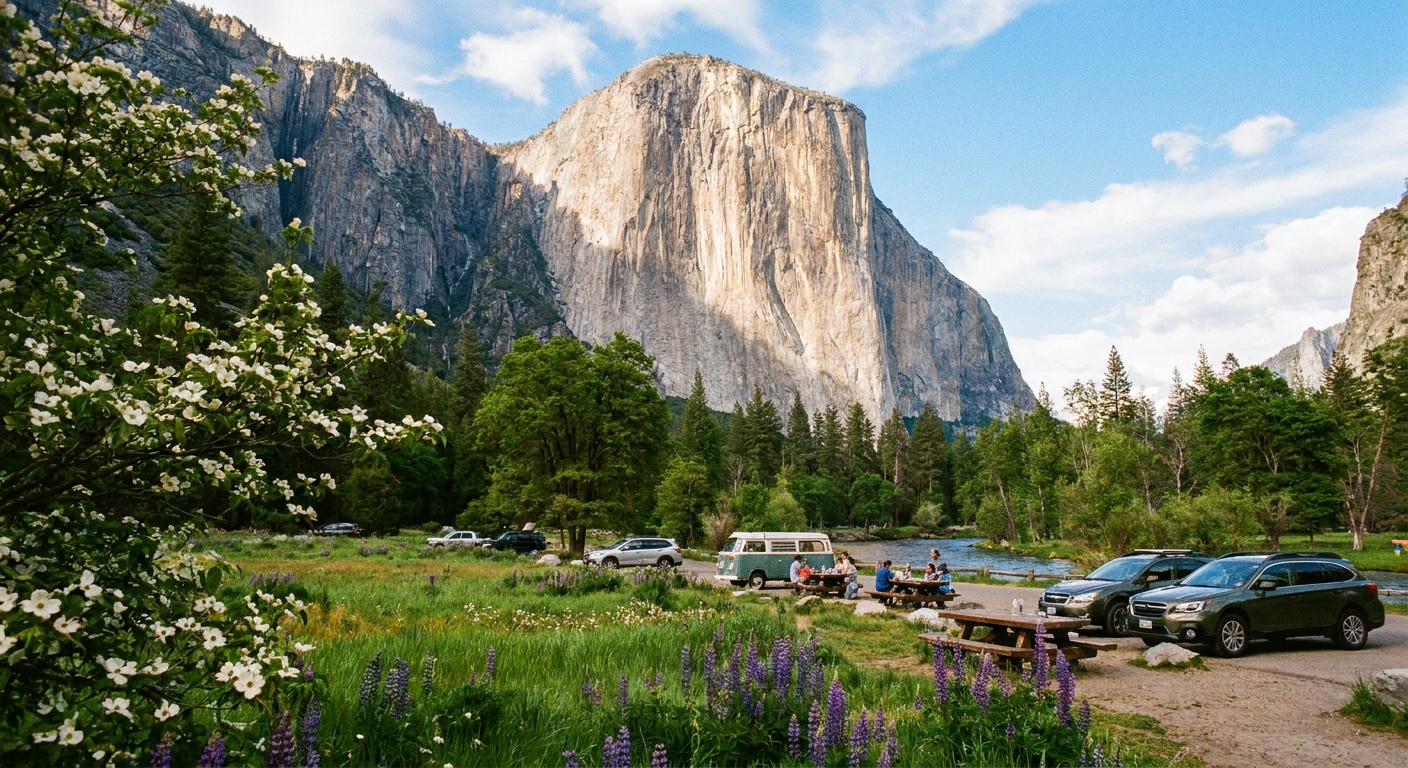
If you want the easiest “park and stare up” option, start here. The El Capitan Picnic Area sits along Northside Drive and gives you a classic view of El Capitan’s broad face.
Spotting cue: from the picnic area, look up at El Capitan and scan the cliff for a thin, bright vertical line. When it is flowing, Ribbon Fall reads like a white stitch against darker streaks on the rock.
- Why it works: direct sightline, plenty of room to linger
- Best time: late morning through afternoon when the cliff face is easier to read
- Tip: bring binoculars if you have them, especially on hazy days
2) Pullouts near El Capitan Meadow
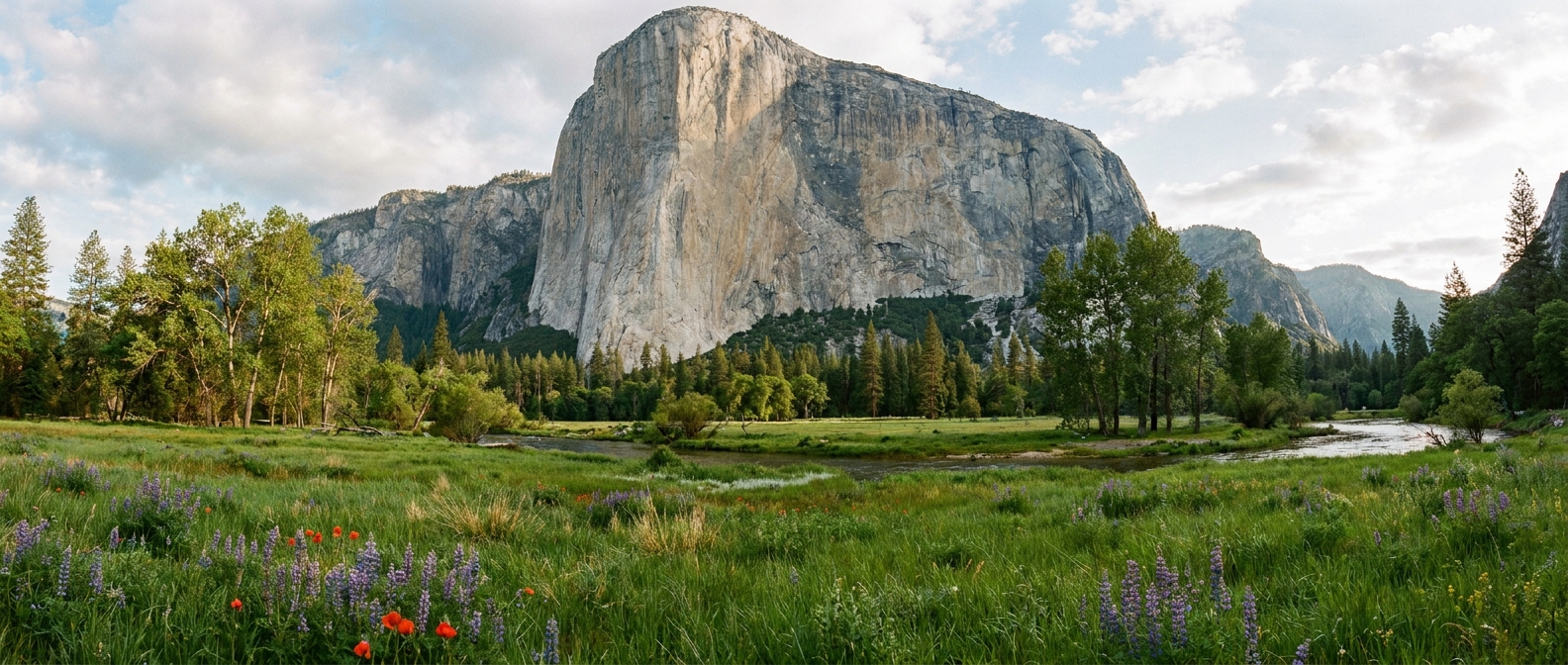
There are several roadside pullouts that face El Capitan and the meadow area. In spring, when the meadow is bright and the river is lively, this stretch is a beautiful place to slow down and look up.
Spotting cue: park, step fully out of the travel lane, and scan the El Capitan face slowly from top to bottom. Ribbon Fall is usually a narrow, clean-looking line when it is active.
- Why it works: multiple angles, easy to adjust your position if trees or glare get in the way
- Tip: use a long lens if you are photographing. To the naked eye, Ribbon Fall can look like a white thread on gray granite.
3) Valley View
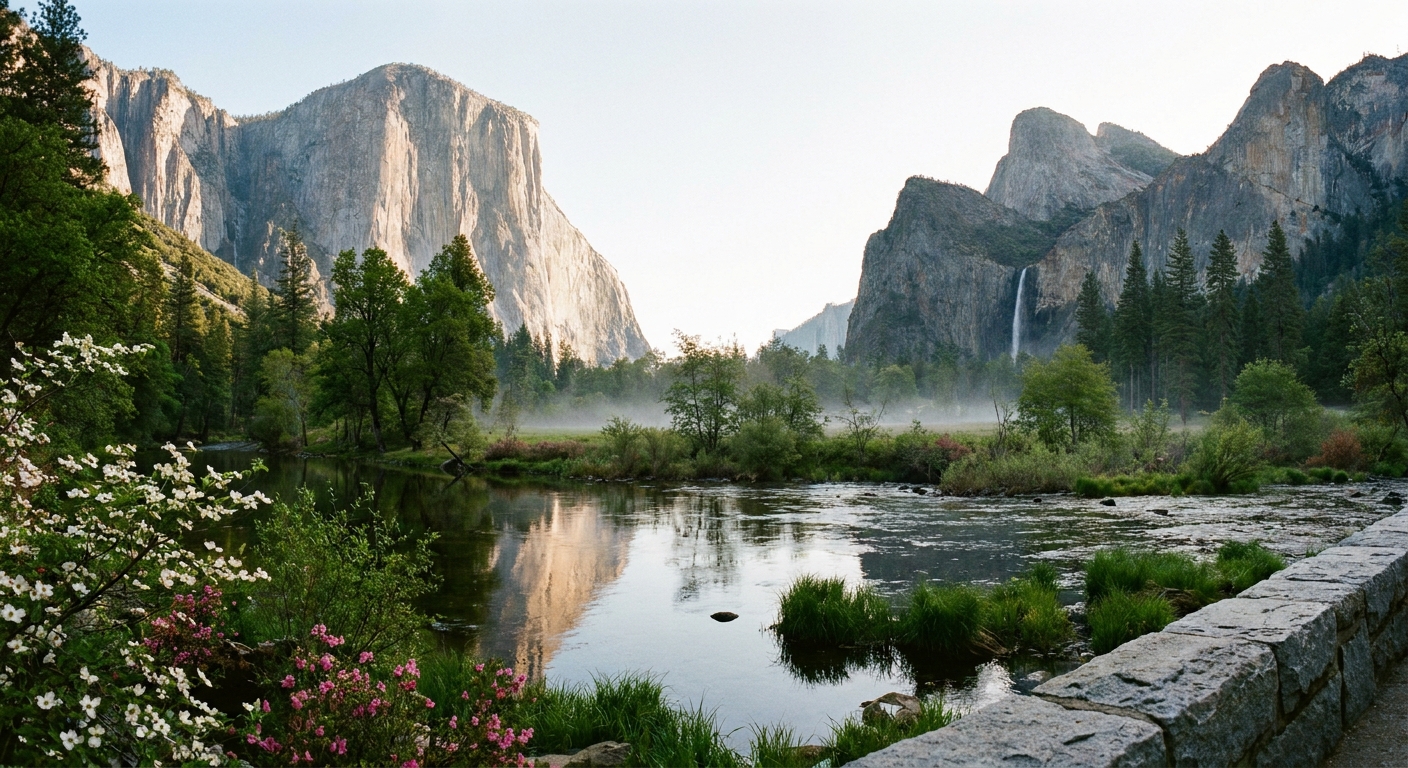
Valley View is famous for a reason: the whole scene lines up. You are looking at the Valley with El Capitan on one side and Cathedral Rocks on the other, often with the Merced River in the foreground. From here, you may be able to spot Ribbon Fall as a faint vertical streak on El Capitan when flows are strong and visibility is good.
- Why it works: iconic scenery even if the fall is subtle
- Best time: late afternoon into early evening for warm light on granite
- Reality check: Ribbon Fall can be harder to pick out here than at closer El Capitan viewpoints
4) Tunnel View
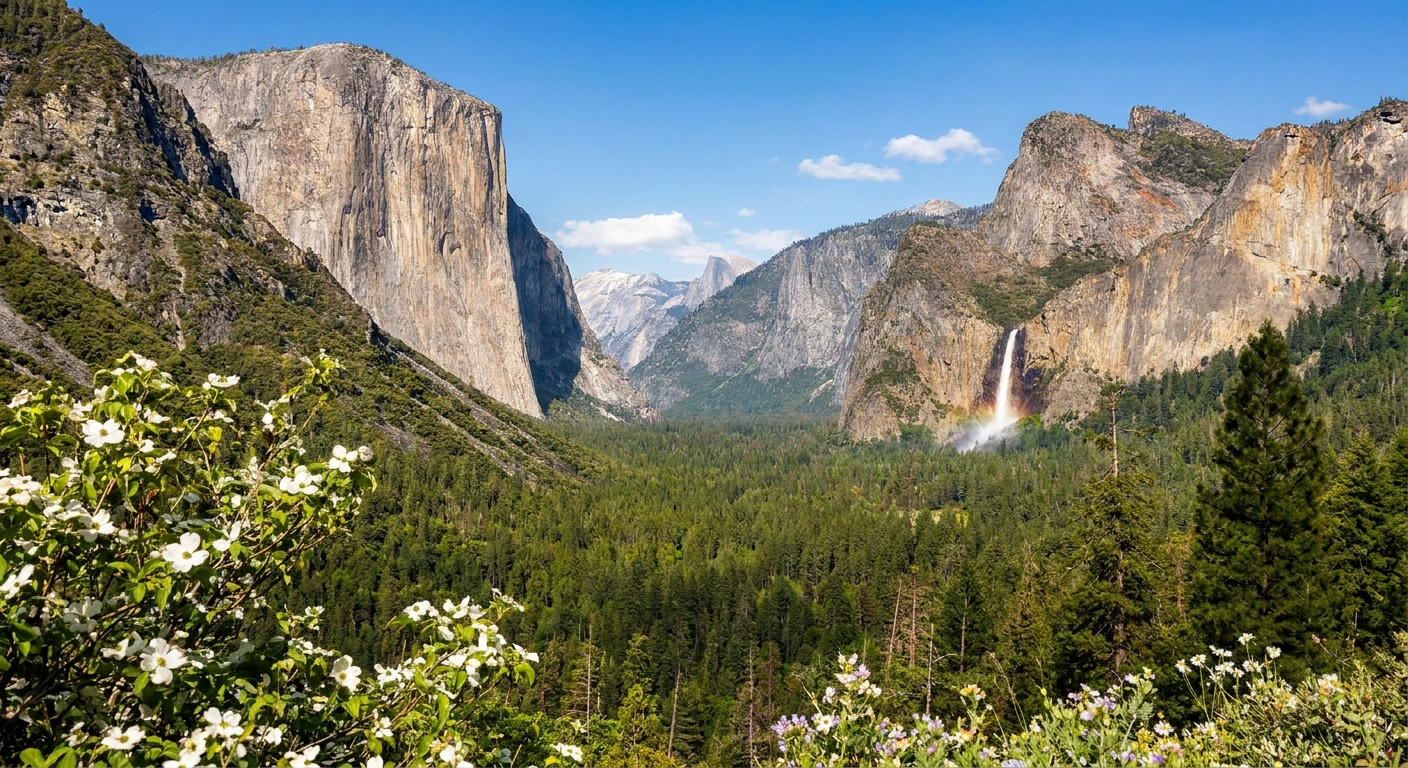
Tunnel View is a must-do panorama, but it is also farther away, which makes Ribbon Fall a small detail. If you are already stopping for the view, scan the El Capitan side of the scene. In strong flow years, you might catch it.
I consider this a bonus sighting, not the primary plan.
Ribbon Fall vs Horsetail Fall
People sometimes lump “waterfall on El Capitan” into one mental bucket, but Ribbon Fall and Horsetail Fall are completely different experiences.
Ribbon Fall in spring
- What you are hoping for: a visible, flowing stream fed by snowmelt
- Timing: flexible. You can stop by on a casual Valley day.
- Vibe: low-stress, spontaneous, often quiet once you step away from the busiest pullouts
- Photography: telephoto helps; bright conditions can make the water stand out against dark streaks on the granite
Horsetail Fall in February
- What you are hoping for: a short-lived orange glow effect when sunset light hits Horsetail Fall just right
- Timing: extremely specific and weather-dependent
- Vibe: event-like, with crowds, tripods, and structured viewing habits
- Parking and access: may involve temporary traffic or parking restrictions during peak dates, depending on the year
In other words: Ribbon Fall is a spring nature sighting. Horsetail Fall in February is a precision sunset spectacle. If you are visiting in spring and someone tells you they are “going to see the firefall,” gently confirm which waterfall they actually mean.
Best time of day to look
Because Ribbon Fall is thin and high on a massive rock face, lighting matters more than you might expect.
- Late morning to mid-afternoon: often easiest for simply spotting the water, especially if you are close (El Capitan Picnic Area and nearby pullouts).
- Later in the day during melt periods: flow can be stronger after a warm afternoon.
- After spring storms clear: air clarity improves, which makes fine details like Ribbon Fall easier to see.
If you are trying to photograph it, consider a faster shutter speed to freeze the ribbon-like texture, or a stabilized longer exposure if you are using a tripod and want a softer water line. Either way, a longer focal length is your friend.
Practical tips
Set expectations
Ribbon Fall is not Yosemite Falls. It is delicate, seasonal, and sometimes fleeting. If you treat it like a treasure hunt, it is more fun and less frustrating.
Bring a small spotting kit
- Binoculars: optional but genuinely helpful
- Polarized sunglasses: can cut glare when scanning the cliff face
- Long lens or phone zoom: useful for confirming you are seeing water, not a pale streak in the rock
Be pullout-smart
- Only stop where it is legal and safe. Do not stop on road shoulders or in travel lanes to “just hop out for a second.”
- If a pullout is full, keep going. There are usually multiple places to try.
- Pack patience. A two-minute wait often opens a space without drama.
Accessibility and basics
These are mostly roadside stops on flat ground, but conditions vary by pullout and season. Do not count on restrooms at every viewpoint. If you need a guaranteed restroom stop, plan around the main developed areas in the Valley.
Leave no trace
Stay on durable surfaces, do not trample meadow edges for a slightly better angle, and pack out everything. Spring is when the Valley feels most alive, and it is also when it is most tender.
Quick FAQs
Is Ribbon Fall the same as Horsetail Fall?
No. Both are associated with El Capitan, but Ribbon Fall is a spring snowmelt waterfall. Horsetail Fall is a separate waterfall known for the February sunset glow when conditions align.
Do I need to hike to see Ribbon Fall?
No. In spring, you can usually see it from Valley viewpoints and roadside pullouts, especially near El Capitan.
What months are best?
Most years, April and May are the sweet spot. March can be good in warmer spells, and early June can still work after big snow years. The exact timing varies significantly with snowpack and temperatures.
What if I cannot see it?
Try a closer viewpoint near El Capitan, wait for different light, or come back after a warmer day. In low snow years, it may be very faint or short-lived.
A simple spring plan
If you want an easy Valley day with maximum spring payoff, here is my favorite low-effort flow:
- Start with coffee and a slow loop through Yosemite Valley.
- Stop at El Capitan Picnic Area to look for Ribbon Fall.
- Continue to Valley View for the panorama and river reflections.
- End with golden light at Tunnel View if you have the time and patience for a classic sunset crowd.
You will get granite, water, meadows, and that specific spring feeling Yosemite does so well, all without committing to a major hike.