Staying in Fish Camp for Yosemite’s South Entrance

Maya Lin
Maya Lin is a travel journalist and outdoor enthusiast who believes the best trips combine rugged adventures with urban comforts. After spending six years backpacking across four continents, she founded Trail & Town Guide to help fellow travelers navigate both hidden mountain passes and bustling city neighborhoods with confidence.
Fish Camp is one of those blink-and-you-miss-it mountain communities that feels purpose-built for early Yosemite mornings. It sits on Highway 41 a few miles outside Yosemite National Park’s South Entrance, which means you can trade long dawn drives for a slower coffee, a calmer pack-up, and a short hop to the gate.
I love staying here when my plan is split between giant sequoias, Wawona’s quieter corners, and a couple of long days in Yosemite Valley. It’s not a “town” in the walkable, lots-of-restaurants sense. It’s more like a forest neighborhood with lodging clusters, a few eateries, and a lot of pine-scented quiet.
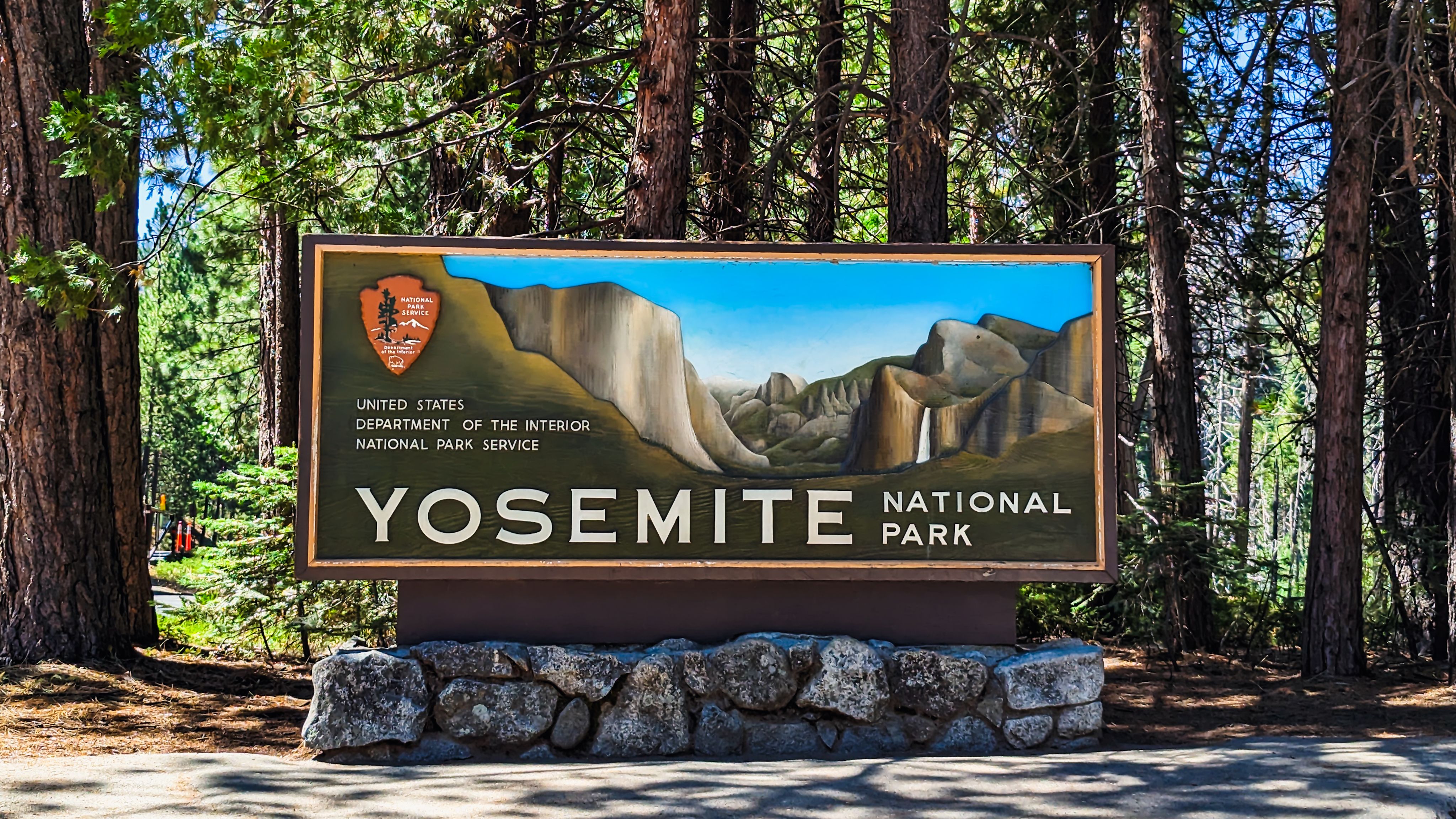
Why Fish Camp works so well
Fish Camp’s biggest advantage is distance. You’re close to the South Entrance and positioned well for the park’s southern sights, so you spend less time commuting and more time hiking, driving the Valley loop, or lingering at viewpoints.
- Best for: early Mariposa Grove visits, Wawona-area exploring, Glacier Point Road days (seasonal and weather-dependent), and travelers who want quiet nights outside the Valley.
- Not ideal for: nightlife, lots of dining variety, or visitors who want to walk to shops and cafes.
- Vibe: woodsy, low-key, and very “gateway to the park.”
One reality check: Fish Camp makes early starts easier, but park entry rules can still shape your morning. Yosemite sometimes has seasonal reservation requirements and always has parking constraints in popular areas, so it’s worth checking current NPS updates before you commit to a plan.
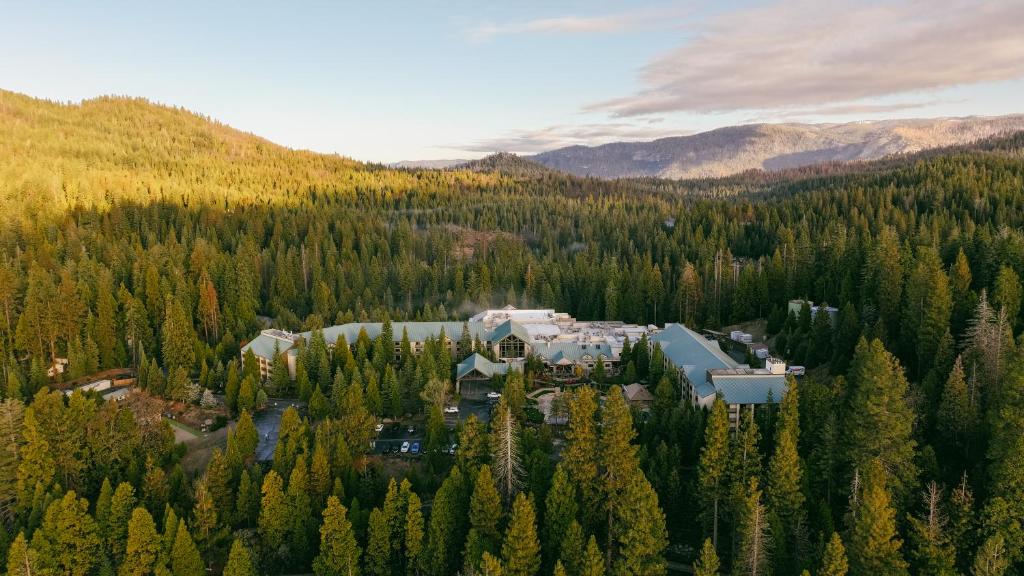
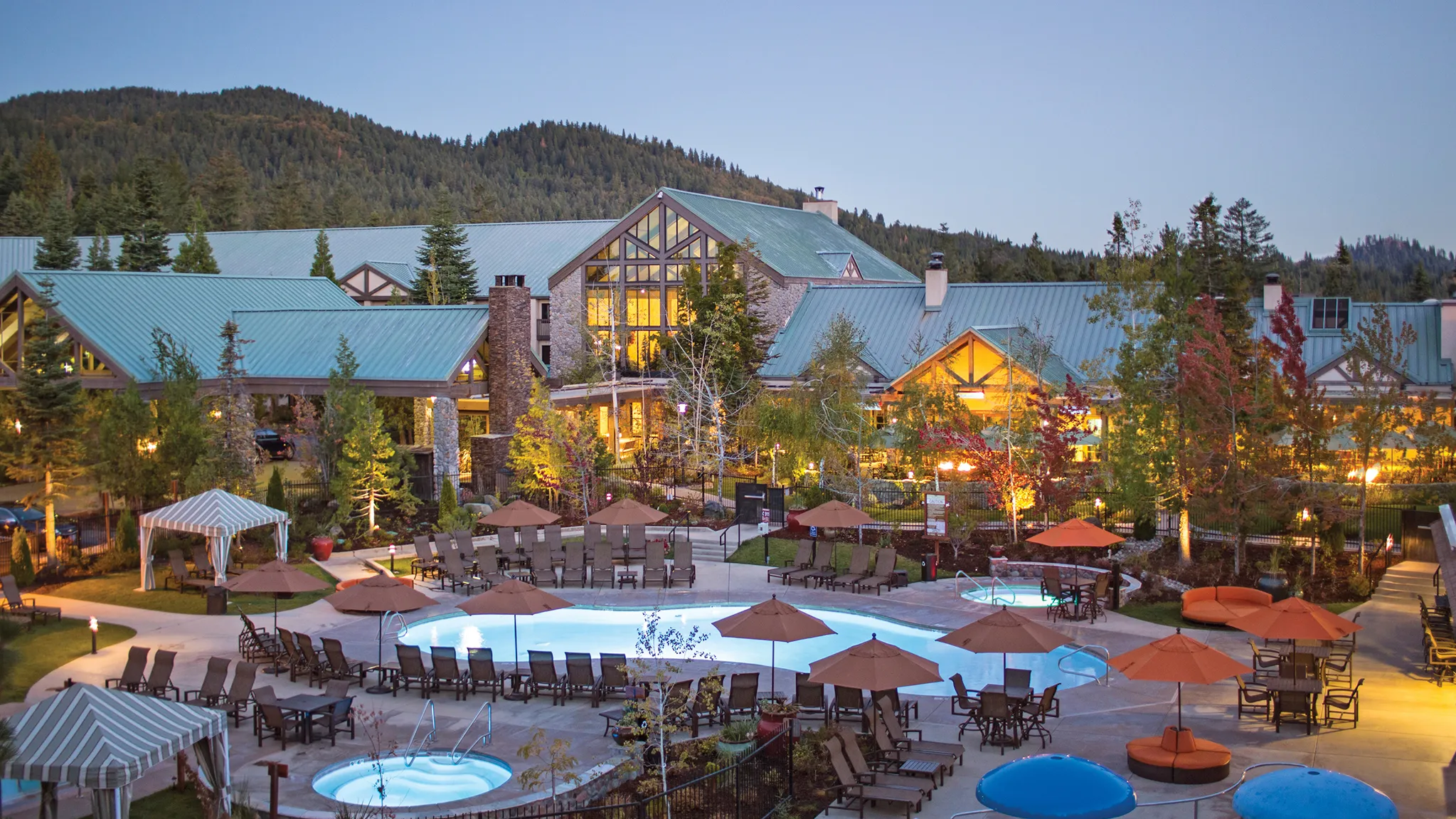
Lodging in Fish Camp
Most stays here fall into a few categories. The good news is you can match the lodging to your trip style, whether you’re a carry-on-only couple or a family with coolers and hiking poles everywhere.
Quick expectation: Fish Camp is spread out and you’ll want a car. Even if something looks “nearby” on the map, it rarely feels walkable, especially at night.
1) Full-service resort style
If you want a strong “town comforts” counterweight to Yosemite days, Fish Camp’s resort properties are the easiest plug-and-play option: front desks, on-site dining, predictable parking, and a more complete amenity set.
- Who it fits: travelers who value convenience, on-site meals, and a smoother late-night arrival.
- What to look for: room types that match your group size, whether you’ll want a kitchenette, and whether you care about having an on-site bar or store.
2) Cabins and vacation rentals
This is the sweet spot if you want space to spread out and cook breakfast before an early entrance line forms. Cabins also make it easier to pack and repack hiking gear without feeling like you’re living out of a suitcase.
- Who it fits: families, friend groups, and travelers staying multiple nights.
- Practical tip: confirm air conditioning and heating details. Summer afternoons can be warm, and shoulder seasons can be chilly at night.
3) Budget-leaning motels and simpler lodges
Fish Camp is generally more limited than larger gateway towns, but you can still find simpler rooms that prioritize location over bells and whistles.
- Who it fits: early risers who plan to spend almost every daylight hour inside the park.
- What to check: cell service expectations, Wi-Fi reliability, and how late check-in is available.
4) Camping nearby
If you’re committed to sleeping under the stars, Fish Camp puts you in range of a few camping options in the broader area. In peak season, reservations are everything. If you’re flexible, shoulder seasons can feel calmer and more spontaneous.
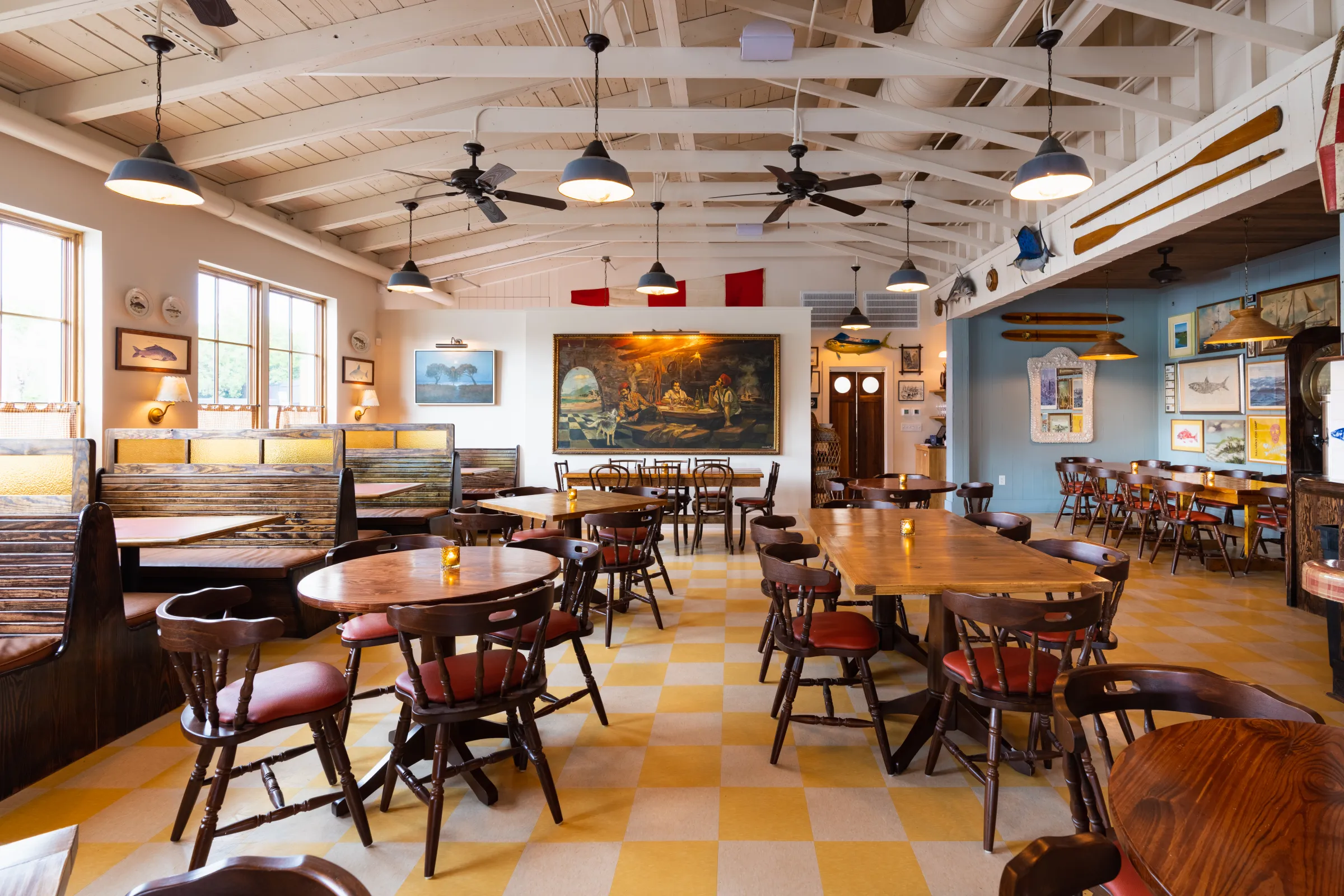
Food and coffee
Fish Camp isn’t a destination dining town. Think hearty breakfasts, quick dinners after a long day, and a small set of places that understand hikers show up hungry and dusty.
- On-site hotel or resort restaurants: often the easiest dinner plan, especially if you don’t want another drive after sunset.
- Quick bites: convenient for picnic assembly before entering the park.
- Groceries: selection can be limited, so if you need specialty items, consider shopping earlier in your route or in a larger gateway town.
Hours can be seasonal and shorter than you’d expect, especially outside summer. If you have your heart set on a specific dinner plan, it’s worth checking hours earlier in the day.
My go-to routine here is simple: eat breakfast where I’m staying, build a lunch in the room, then plan one reliable dinner I don’t have to think about. Yosemite days have a way of expanding, and decision fatigue is real.
Drive times from Fish Camp
These ranges assume normal dry-road conditions and typical entrance traffic. In peak summer weekends, you can add meaningful delay at the entrance station and along Valley roads.
| From Fish Camp to… | Typical drive time | Why you’d go |
|---|---|---|
| South Entrance station (Highway 41) | About 5 to 15 minutes | Fast access to the park, especially early |
| Mariposa Grove Welcome Plaza area | About 15 to 30 minutes | Giant sequoias and one of the best “early win” mornings |
| Wawona | About 20 to 35 minutes | A quieter hub for south-end exploring and a breather from Valley crowds |
| Yosemite Valley (Valley floor) | Roughly 1 hour 15 minutes to 2 hours, sometimes longer | Valley icons: waterfalls, meadows, Tunnel View, big hikes |
Timing note: these are to the general area. Add extra time for parking, shuttles, and slow Valley traffic.
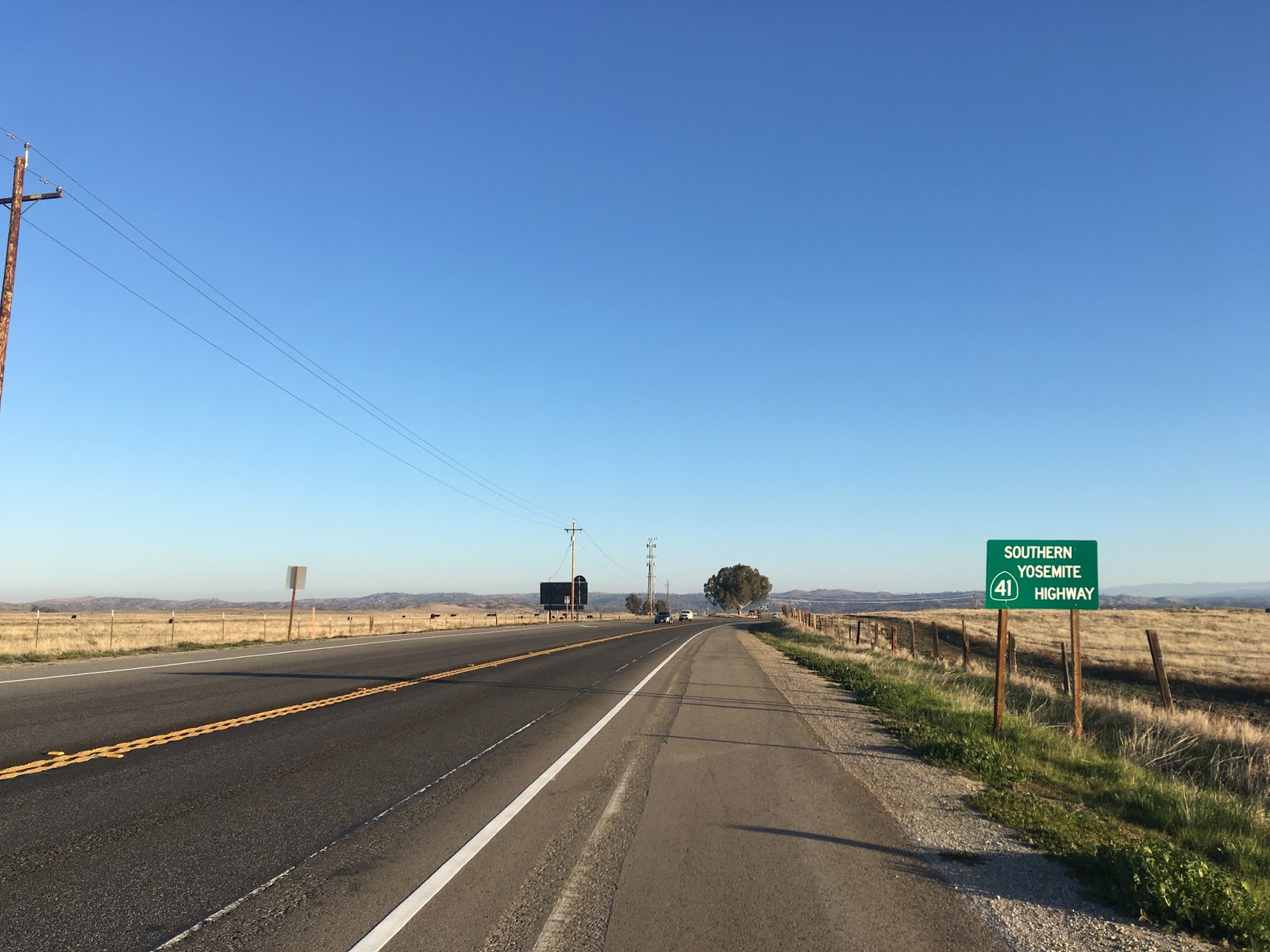
My timing rule of thumb: if you want Yosemite Valley to feel sane, aim to be past the entrance and moving toward the Valley early. Fish Camp makes that easier than staying farther down Highway 41.
Mariposa Grove basics
Mariposa Grove is close enough from Fish Camp that it’s my favorite first morning move. It’s also the spot where people get tripped up on logistics.
- Start early: the closer you get to mid-morning, the more time you can lose to parking and lines.
- Expect a shuttle or added walking: depending on season and access rules, you may park at the Welcome Plaza area and ride a shuttle, or you may have a longer walk to reach grove trailheads.
- Build buffer time: even if the drive is short, the overall door-to-trees timeline can stretch.
Winter and shoulder season
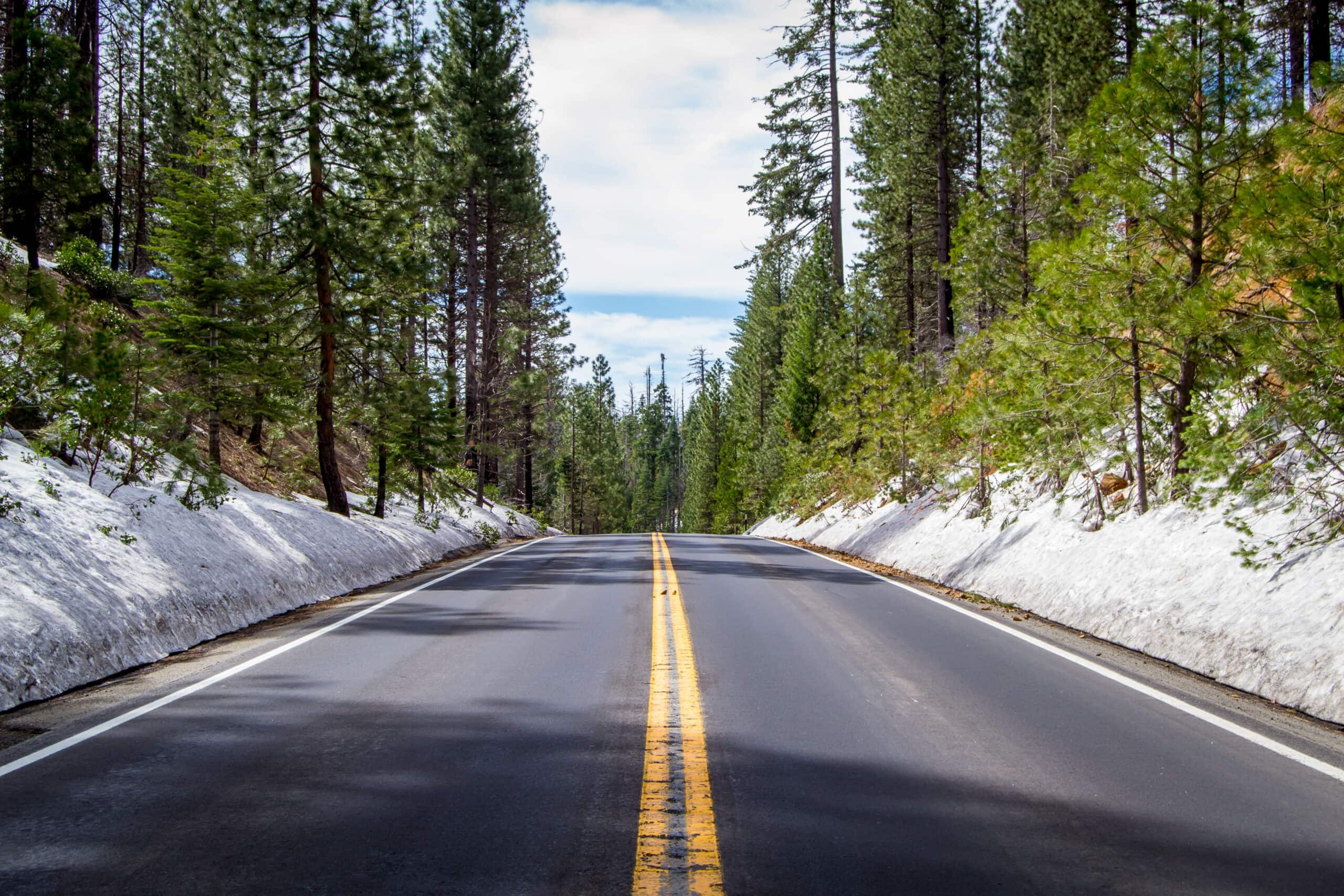
Fish Camp sits at higher elevation than many Central California towns, so winter weather can be a real factor. Even when Fish Camp itself looks clear, shaded sections of Highway 41 can hold ice early and late in the day.
- Carry chains when required: Yosemite’s chain requirements can apply quickly after storms, and you may be required to have them in your vehicle even if roads are clear. Make sure they fit your exact tires, and double-check any rental car restrictions.
- Plan for slower drives: fog, rain, and snow all stretch drive times.
- Check road status daily: closures and restrictions change fast in winter, especially around storm cycles.
- Fuel up earlier: services are more spread out up here.
If you’re visiting in winter mainly for a quieter Valley experience and you want maximum flexibility when storms roll through, staying farther down the hill can sometimes reduce weather stress. But for clear winter stretches, Fish Camp is a cozy base that feels like you’re already in the forest.
Fish Camp vs Oakhurst
Oakhurst is the larger, more service-heavy gateway town south of Yosemite. I stay there when I need errands and variety. I stay in Fish Camp when I want proximity and quiet.
Pick Fish Camp if you want:
- The shortest morning drive to the South Entrance corridor
- More forest feel and less “main road” energy
- Easier early starts without adding extra Highway 41 time
- A low-effort trip rhythm where you come back to the same small pocket of calm each night
Pick Oakhurst instead if you need:
- More restaurants and more consistent late-night options
- Bigger grocery stores and supplies for multi-day picnics
- More budget choices and broader availability during busy weeks
- Lower elevation when winter storms make higher areas unpredictable
A simple itinerary rhythm
One of the best things about Fish Camp is how naturally it supports a balanced trip: big outdoor days, then a softer landing at night.
- Day 1: arrive, unpack once, eat somewhere easy, and go to bed early.
- Day 2: sequoias in the morning, then a slower afternoon exploring the south end, then dinner close to your lodging.
- Day 3: Yosemite Valley day. Pack lunch, leave early, and commit to staying in the Valley until late afternoon so the long drive feels worth it.
- Day 4: choose-your-own: another Valley day, a Glacier Point Road day (when open), or a lighter morning then check out.
This is the version of Yosemite I like most. Rugged, yes, but not so rugged that you’re too tired to notice the way the light hits the pines at dusk.
Know before you book
- Book early for peak season: Fish Camp’s footprint is small, so availability disappears faster than in bigger towns.
- Cell service can be spotty: download maps and any reservation details ahead of time.
- Bring your own snacks: whether you’re hiking or just stuck in entrance traffic, having food on hand makes everything nicer.
- Expect to drive for most things: lodging is spread out, and you’ll likely be hopping in the car for meals, supplies, and all park exploring.
- Respect quiet hours: sound carries in the woods, and many stays here lean toward a peaceful, cabin-in-the-trees vibe.
Fish Camp FAQ
Is Fish Camp inside Yosemite National Park?
No. Fish Camp is outside the South Entrance on Highway 41, a few miles from the gate. That’s why it can be a smart base: you’re close to entry without taking on the tradeoffs of staying in the Valley.
How far is Fish Camp from Yosemite Valley?
Plan roughly 1 hour 15 minutes to 2 hours in light traffic, and 2 plus hours isn’t unusual during peak congestion. Where you’re headed on the Valley floor also matters.
Is it worth staying in Fish Camp if I only care about Yosemite Valley?
If your trip is Valley-only and you want the shortest commute, you’ll generally prefer staying closer to the Valley corridor. Fish Camp shines when your plans include the South Entrance area and you like quieter evenings.
What is the biggest downside of staying in Fish Camp?
Limited dining and shopping variety. It’s perfect for a low-decision, nature-forward stay, but it’s not great if you want lots of restaurant choices every night.