Talapus Lake and Olallie Lake Hike

Maya Lin
Maya Lin is a travel journalist and outdoor enthusiast who believes the best trips combine rugged adventures with urban comforts. After spending six years backpacking across four continents, she founded Trail & Town Guide to help fellow travelers navigate both hidden mountain passes and bustling city neighborhoods with confidence.
Some hikes feel like a choose-your-own-adventure book, and Talapus Lake to Olallie Lake is one of my favorites for that. You get a classic I-90 forest climb that pays off quickly at Talapus, then you can decide whether you are happy with one lake or want the quieter, slightly higher encore at Olallie. Either way, you are back in time for a warm drink in North Bend, which is basically my definition of a perfect Seattle-area half day.
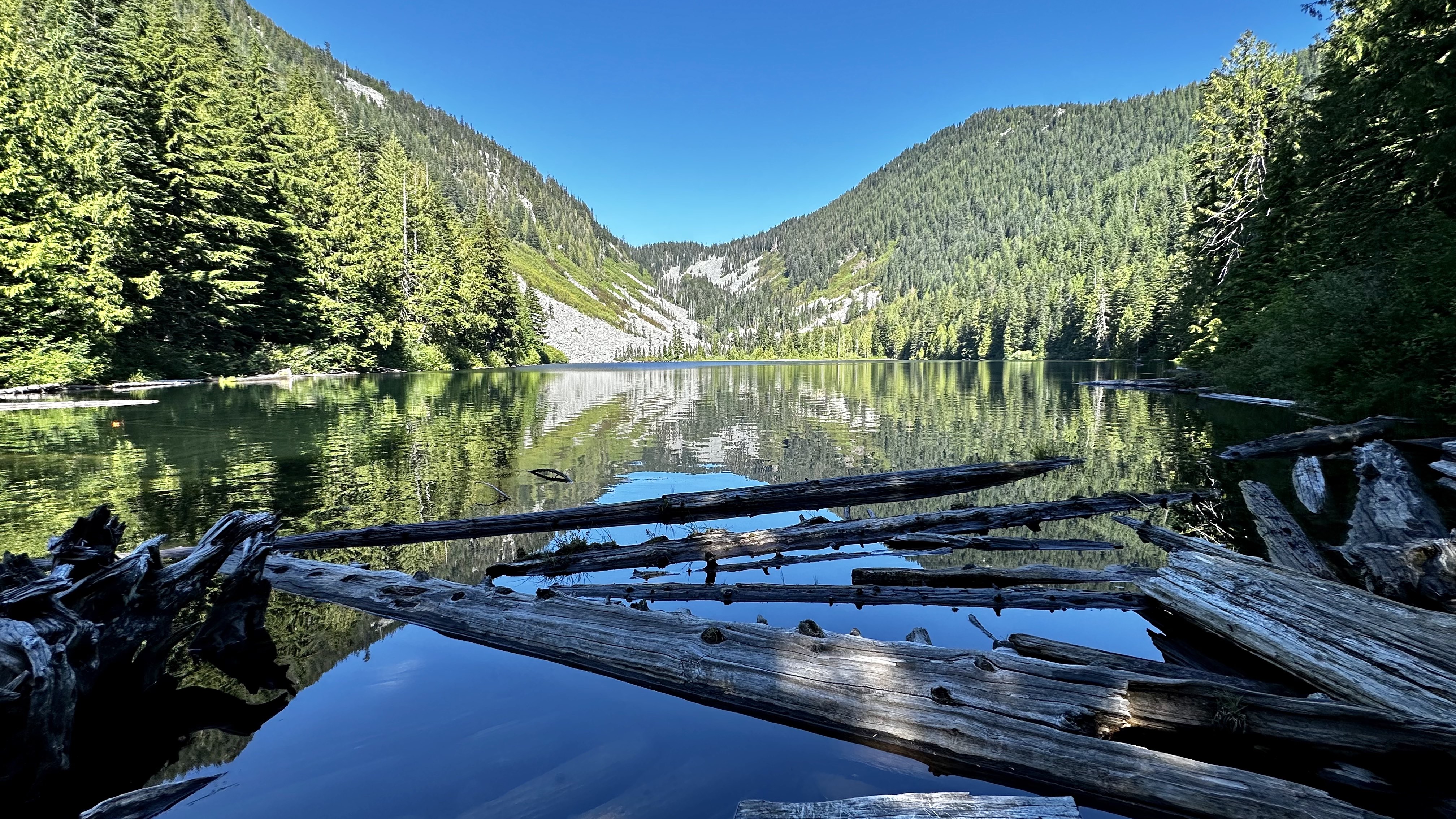
Trail basics
- Trailhead: Talapus Lake Trailhead (off I-90 near Snoqualmie Pass, Washington)
- Talapus Lake distance: about 2.0 miles one way (about 4.0 miles round trip)
- Olallie Lake distance: about 2.6 miles one way (about 5.2 miles round trip)
- Elevation gain: about 1,100 feet to Talapus, and about 1,300 feet to Olallie
- Typical time: Talapus only 2.5 to 4 hours; both lakes 3.5 to 5.5 hours depending on breaks
- Difficulty: Moderate (steady uphill, sometimes muddy, roots and rocks)
- Dogs: Allowed on leash
- Restrooms: Expect a vault toilet or basic facilities at the trailhead. Do not count on services once you start hiking.
Important clarification: This Olallie Lake is not the Olallie area at Olallie State Park near Twin Falls. Different trailheads, different destination, different vibe.
Getting there and parking
The Talapus Lake Trailhead sits just off I-90, a short drive from North Bend and the Snoqualmie Pass corridor. Most people access it from I-90 Exit 45 (check current signage and directions before you go). Because it is so close to Seattle and the hike is rewarding without being all-day, parking can fill fast on summer weekends.
- Arrive early: If you want easy parking in peak season, think morning rather than midday.
- Have a backup plan: If the lot is full, do not block gates or squeeze onto unsafe shoulders. It is worth shifting to a different nearby hike rather than risking a tow.
- Passes and fees: This trailhead is typically on Mount Baker–Snoqualmie National Forest land where a Northwest Forest Pass (or America the Beautiful Interagency Pass) is commonly required. Requirements can change, so I still recommend confirming the current rule right before you go.
Hike to Talapus Lake
What it feels like
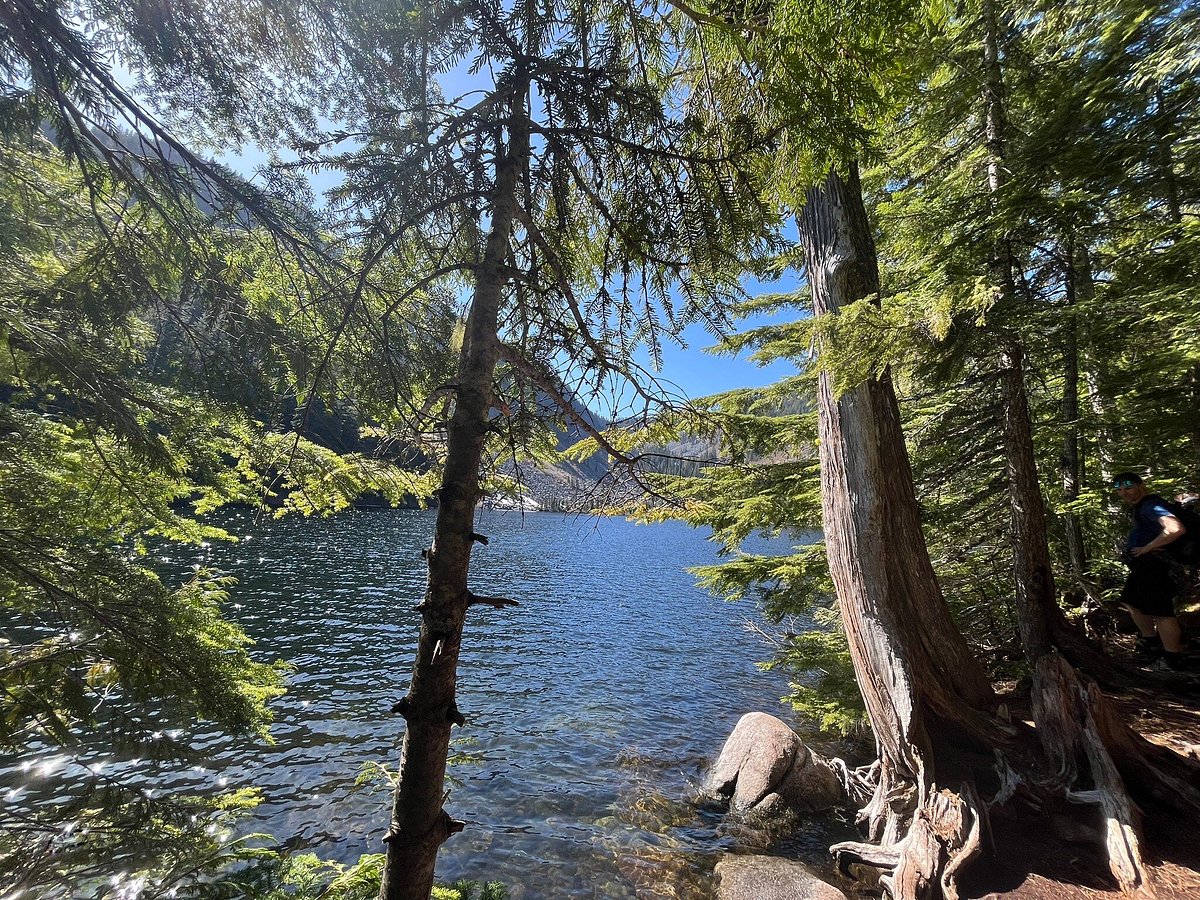
From the start, the trail commits to the climb. It is classic Cascade low-elevation forest: damp earth, mossy trunks, and that green tunnel feeling that makes the air smell like cedar and soil. The grade is steady and efficient rather than gently meandering, so pace yourself early.
Expect stretches of roots and rocks, plus muddy sections in shoulder seasons or after rain. Trekking poles are genuinely helpful here, especially for the descent when the trail can feel slick.
Reaching the lake
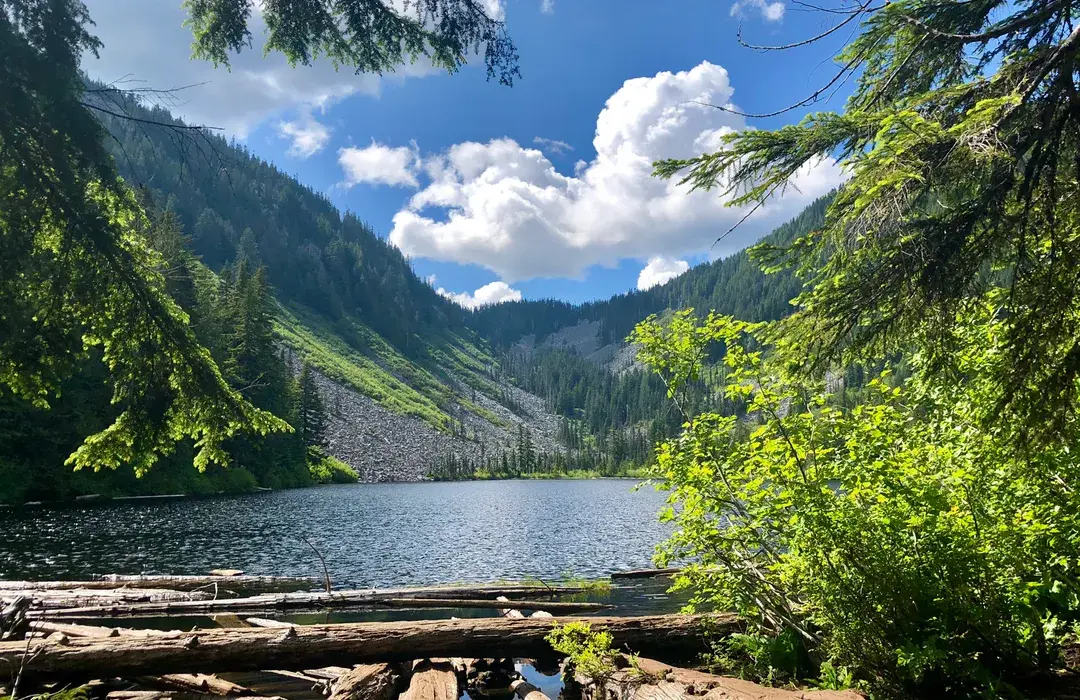
Talapus Lake is the first payoff and, for many hikers, the main event. You will pop out at a shore that can be peaceful on weekdays and lively on weekends, with plenty of spots to sit, snack, and watch light move across the water.
Continue to Olallie Lake
If Talapus feels busy or you are craving a little more solitude, keep going. The connector to Olallie adds a modest amount of distance and elevation, but it often changes the whole mood of the outing.
Junctions to watch
The biggest navigation moment is simply not turning around at Talapus. After you reach Talapus Lake, look for the continuation of the trail that heads onward through the trees toward Olallie. Signage is usually present, but I still like to have an offline map saved because this whole corridor can be spotty for cell service.
The in-between stretch
The trail continues through forest with a bit more breathing room. You are still climbing, but it tends to feel less like a straight workout and more like you are traveling to a second destination. Because fewer people go past Talapus, you may notice the quiet almost immediately.
Olallie Lake payoff
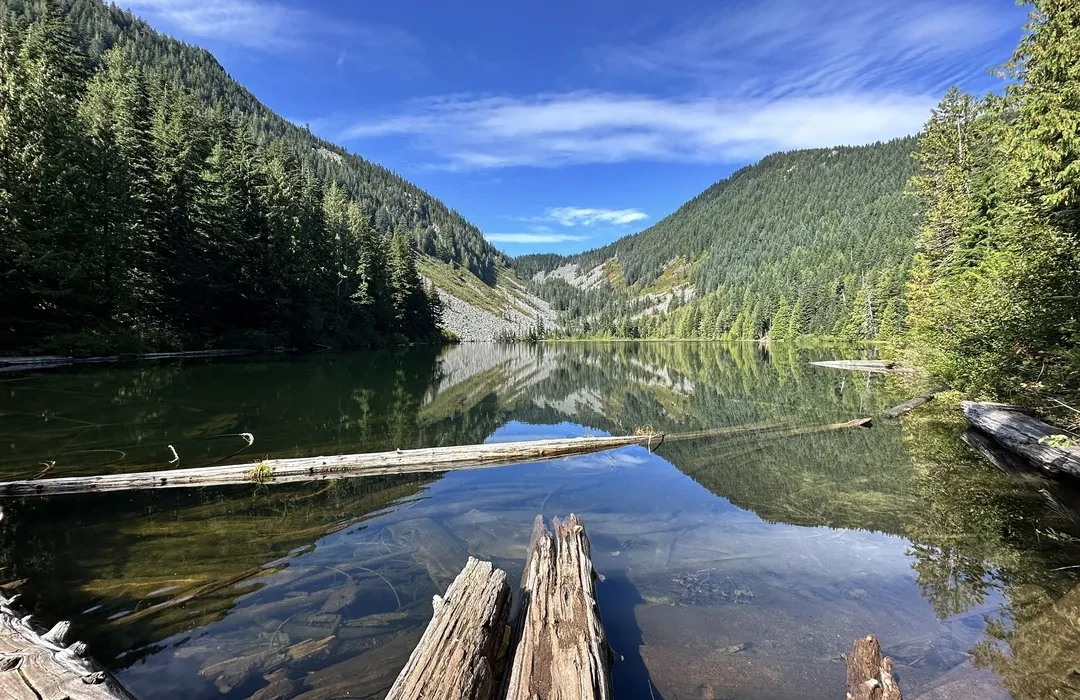
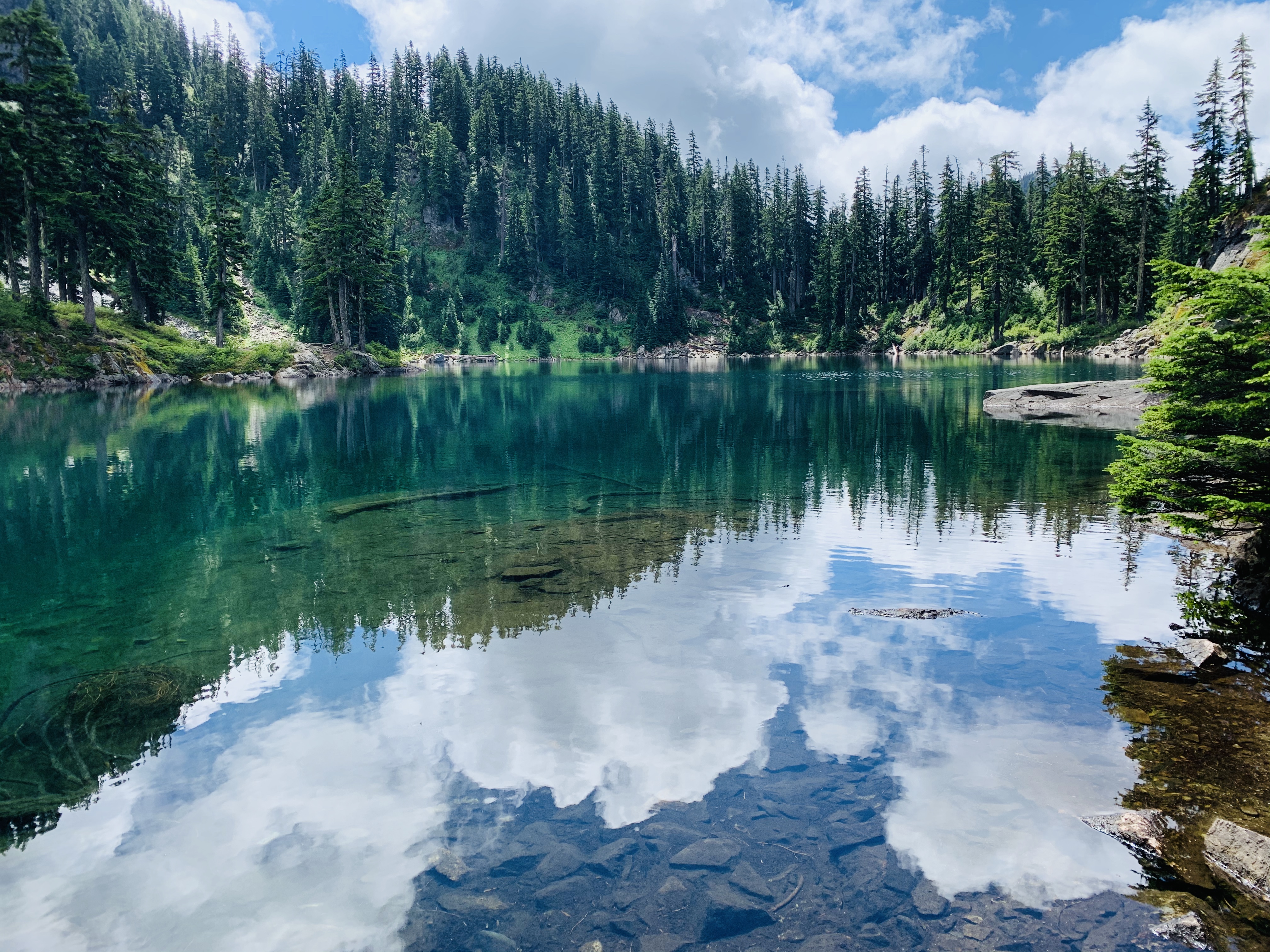
Olallie Lake is smaller and can feel more tucked away. On a calm day, it has that glassy, reflective look that makes you want to linger longer than planned. If you packed a thermos of coffee or tea, this is the spot where it tastes unfairly good.
When Talapus is enough
I am a big fan of the two-lake combo, but I am also a realist. Here are the moments I stop at Talapus and feel completely satisfied:
- You are hiking with kids or newer hikers: Talapus is a rewarding destination without turning the day into a bigger push.
- You are short on time: Talapus is the great-value option when you want a real lake and a real workout in a half day.
- The weather is iffy: If clouds are dropping, the extra distance can mean more time hiking in rain or fog. Talapus still feels worth it even on gray days.
- The trail is extra slick: In mud season or after heavy rain, the descent can be the crux. Adding Olallie can tip fun into type two.
- You want a mellow out-and-back: Talapus has enough shoreline to spread out, snack, and call it a win.
My personal rule: if I reach Talapus feeling strong, dry, and ahead of schedule, I go on to Olallie. If I arrive already thinking about my knees on the way down, I make Talapus the turnaround point.
Seasons and conditions
Summer and early fall
These are the easiest months for most hikers: longer daylight, more predictable footing, and warmer breaks at the lakes. Expect crowds on weekends. Go early for quieter shores.
Spring
Snow can linger higher up depending on the year, and the trail can be muddy and slick. Early season can also mean downed branches or the occasional blowdown across the trail. If you are not into the mud, wait a bit longer.
Late fall and winter
Conditions can shift quickly near Snoqualmie Pass. Snow and ice are possible, and daylight is short. If you go in winter or during shoulder-season freeze and thaw, pack traction like microspikes and be comfortable making conservative decisions. Even on forested routes, winter travel still deserves respect.
What to pack
My carry-on-only philosophy, applied to hiking: I bring what I will actually use, skip the just-in-case clutter, and make sure the basics are solid.
- Footwear with grip: The descent is where you will appreciate traction most.
- Trekking poles: Optional, but they make the downhill safer in wet conditions.
- Layers: The forest climb can feel humid, then you cool fast at the lake.
- Water and snacks: There are no services en route.
- Bug protection: Mosquitoes can be intense in warm months.
- Water treatment: If you plan to drink from streams or the lakes, filter or treat it.
- Leave No Trace essentials: Pack out all trash, including food scraps. Bring a bathroom kit just in case.
Rules and safety
- Accessibility: This is a rooty, sometimes muddy mountain trail. It is not wheelchair or stroller accessible.
- Keep dogs leashed: It is better for wildlife, other hikers, and your own sanity on narrow tread.
- Fires and camping: Rules vary by season and land designation in the Snoqualmie Pass corridor. If you are thinking about an overnight, check current regulations for campfires and any permit requirements before you go.
Tips for a smoother day
- Start earlier than you think you need to: It solves parking and gives you calmer lakes.
- Take breaks before you need them: The climb is steady, so small pauses keep it enjoyable.
- Be shore respectful: Give other groups space, keep music off, and let the soundscape do its thing.
- Do not rely on cell service: Coverage can be spotty in the corridor.
FAQ
Is Olallie Lake worth it past Talapus?
If you want a quieter lake experience and have the energy, yes. The extra distance is not huge, but the crowds often drop off noticeably after Talapus.
How steep is the Talapus Lake trail?
It is a steady uphill climb rather than a gentle grade. The elevation gain comes quickly, which is why it feels like a workout even though the mileage is relatively short.
Is this the same Olallie as Twin Falls at Olallie State Park?
No. This hike is off I-90 near Snoqualmie Pass to two lakes named Talapus and Olallie. Olallie State Park is a separate area near North Bend known for waterfalls and the Twin Falls trail.