Teneriffe Falls Hike

Maya Lin
Maya Lin is a travel journalist and outdoor enthusiast who believes the best trips combine rugged adventures with urban comforts. After spending six years backpacking across four continents, she founded Trail & Town Guide to help fellow travelers navigate both hidden mountain passes and bustling city neighborhoods with confidence.
Teneriffe Falls is my kind of North Bend hike: you get that lush, ferny Cascade forest vibe, a legit waterfall payoff, and you can still be back in town in time for a warm pastry and a good coffee. It is a solid choice when you want a real trail day without committing to an all-day sufferfest.
Trail stats at a glance
- Trail: Teneriffe Falls Trail (near North Bend, Washington)
- Distance: roughly 5 to 6 miles round trip to the waterfall (varies a bit by start point and GPS track)
- Elevation gain: roughly 1,500 to 1,600 feet
- Time: 3 to 5 hours for most hikers
- Difficulty: moderate to moderately strenuous (easy start, steep finish)
- Dog friendly: leashed dogs are commonly seen, follow posted rules
- Best seasons: year-round if you are prepared for winter conditions, with the most dramatic flow in late fall through spring
This hike is a little sneaky: the first portion lulls you into thinking it is going to be a mellow cruise, then the upper switchbacks remind you that you are in the Cascades. The waterfall is still a real destination, but it is not a flat stroll.
Getting there and parking
The trailhead is in the North Bend area, just off I-90, which means it is convenient and popular. On weekends and any sunny break in the weather, the lot can fill fast and the surrounding roads often have signed no-parking zones for a reason. I aim for an early start if I am going on a Saturday, especially in shoulder season when everyone has the same idea: chase a waterfall, then head home before dark.
Parking tips
- Go early: arriving in the morning reduces the chance you will be circling, frustrated, with wet boots and no plan.
- Have a backup plan: if the lot is full, be ready to come back later or pick a different nearby walk in town.
- Respect signage: do not block gates or driveways, and do not squeeze into signed no-parking areas.
Permits and passes can change by lot and land manager, so I always do a quick check when I arrive and follow the current signage at the trailhead.
Cell service can be patchy once you are close to the trailhead, so I like to load a map ahead of time and take a quick screenshot of the driving directions.
What the trail is like
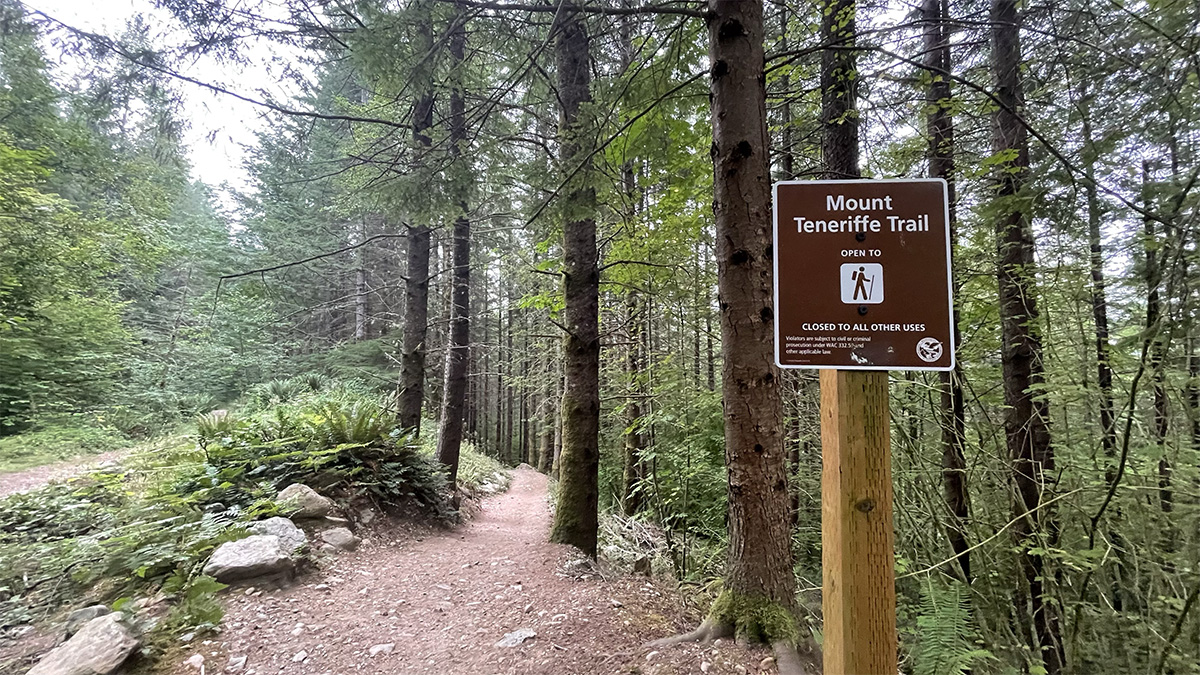
The Teneriffe Falls route wastes no time getting you into classic Western Washington forest. Think mossy trunks, sword ferns at knee height, and that earthy, rain-on-cedar smell that makes you instantly breathe a little deeper.
Terrain and pacing
The big thing to know is that the hike has two distinct moods.
- Lower section: you start on a wide, old road grade that is pretty forgiving. This part is a great warm-up and it is easy to settle into a steady rhythm.
- Upper section: once you turn onto the falls trail, it gets noticeably steeper. Expect rocky tread, roots, and tighter switchbacks that can feel relentless, especially if you are not used to climbing.
I treat this like a “save a little in the tank” hike. Cruise the lower road, then plan on slowing down for the final climb near the end. That pacing makes the whole thing feel more fun and less like a surprise workout.
Water and mud notes
- In wet months, expect muddy sections and puddles. Waterproof shoes help, but even trail runners are fine if you do not mind getting a little gritty.
- On the steep, rocky finish, slick rock and wet roots are the main issue. Take smaller steps and give yourself extra time on the way down.
- After storms, downed branches can show up. Give yourself a bit of extra time.
The waterfall payoff
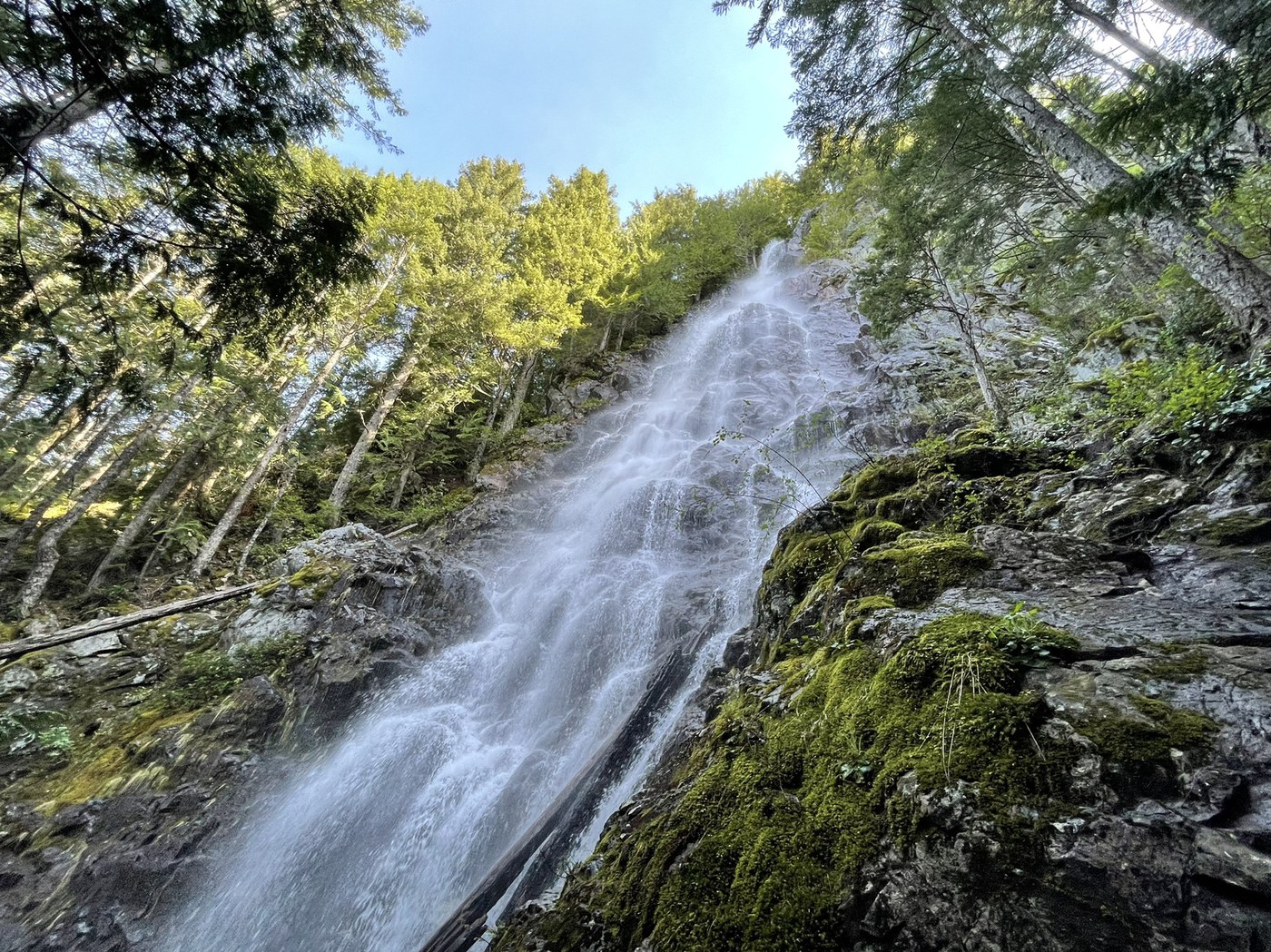
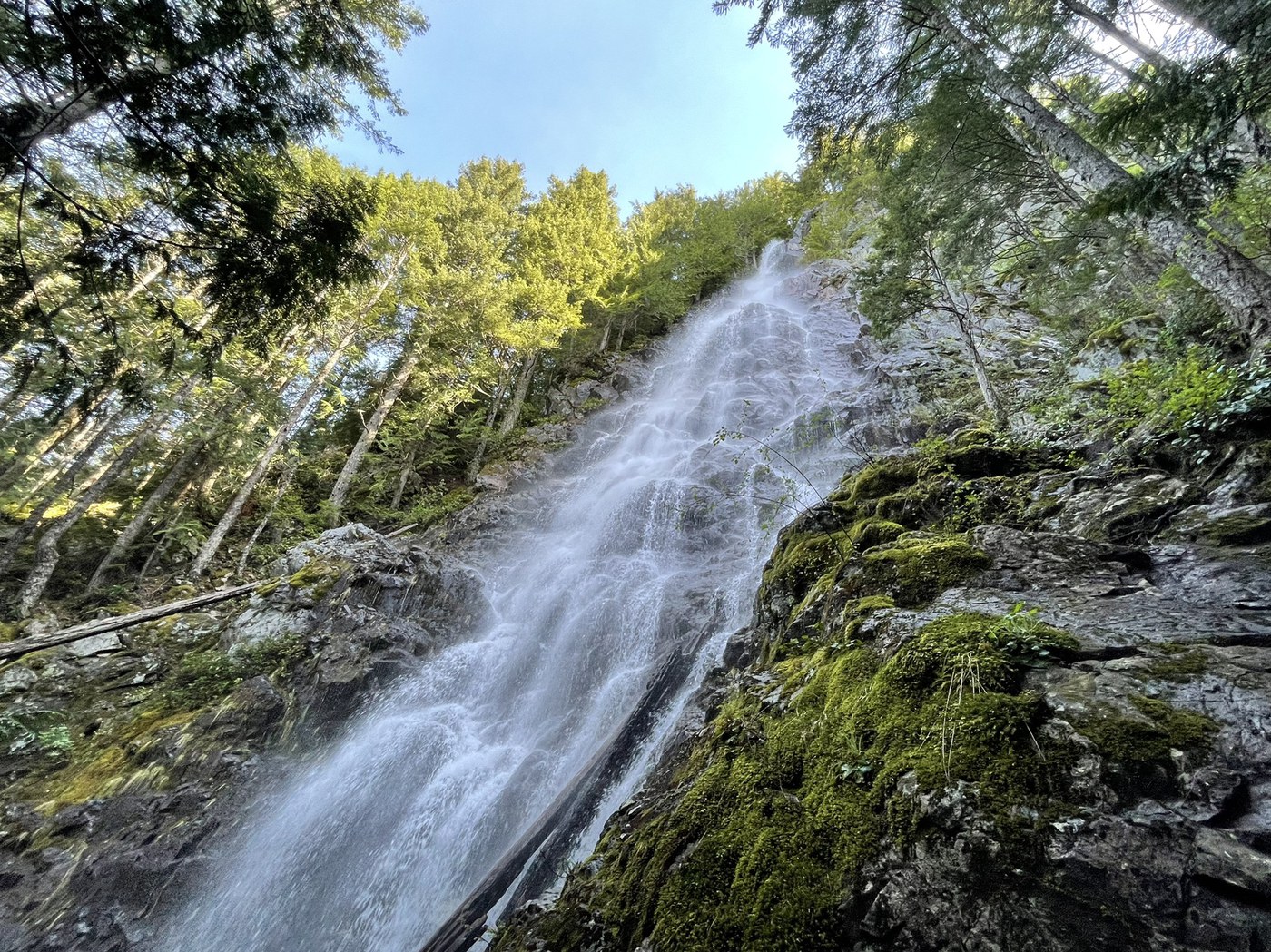
Teneriffe Falls is the main event. The cascade drops down a rocky face in a narrow chute, framed by dense forest. In high flow seasons, the sound reaches you before you see it, and the air around the viewpoint can feel cooler and damp with spray.
The viewing area is more “forest opening with a view” than a wide open amphitheater. It is a great place for a snack break, a few photos, and that satisfying feeling of having earned your scenery.
One safety note I take seriously here: resist the temptation to scramble closer to the base or edge for a better angle. Slick rock, undercut edges, and strong flow are a rough combo.
Best turnaround
If you are here for the waterfall and a pleasant half day, the simplest plan is: hike to Teneriffe Falls, take your break, then turn around the same way you came.
My falls-only strategy
- Turn around at the falls: it is the clearest, most satisfying stopping point.
- Skip side paths that feel unofficial: around popular waterfalls, social trails can pop up. They often lead to fragile areas or slick rock near water.
- Budget time for a careful return: the steep switchbacks can be harder on the way down than the way up, especially when they are wet.
This turnaround keeps the day clean and uncomplicated, especially if you are hiking with kids, newer hikers, or anyone who mainly wants the waterfall photo and the forest stroll.
What to pack
This is not an expedition, but it is still the Cascades. I pack like the weather will change because it often does.
- Footwear: trail shoes with decent grip, or light hikers if it is wet
- Rain layer: even when the forecast looks fine
- Warm layer: especially in fall through spring
- Water: at least 1 liter per person
- Snack: something that feels like a treat at the falls
- Navigation: offline map or a downloaded route
- Ten essentials basics: headlamp, small first aid, and a fully charged phone
If you are chasing that moody waterfall vibe in winter, add microspikes if there is any chance of snow or compact ice at the trailhead or on shaded stretches. Trekking poles also make the steep descent feel a lot more controlled.
When to go
For maximum waterfall drama
Late fall through spring is typically when the falls are most powerful. Expect wetter trails and a more misty, atmospheric viewpoint.
For the driest trail
Summer brings firmer footing, but the waterfall can be less impressive late in the season. It is still a lovely forest hike, just with a quieter finish.
For fewer people
Go early in the morning, aim for a weekday, or pick a drizzly day. A light rain can actually make this hike feel more Pacific Northwest in the best way.
Leave no trace notes
This trail gets a lot of love, which means it also needs a lot of care.
- Stay on the main trail: avoid widening muddy areas by walking around them
- Keep dogs leashed: for wildlife, other hikers, and fragile vegetation near the falls
- Pack out everything: yes, even compostable snacks and orange peels
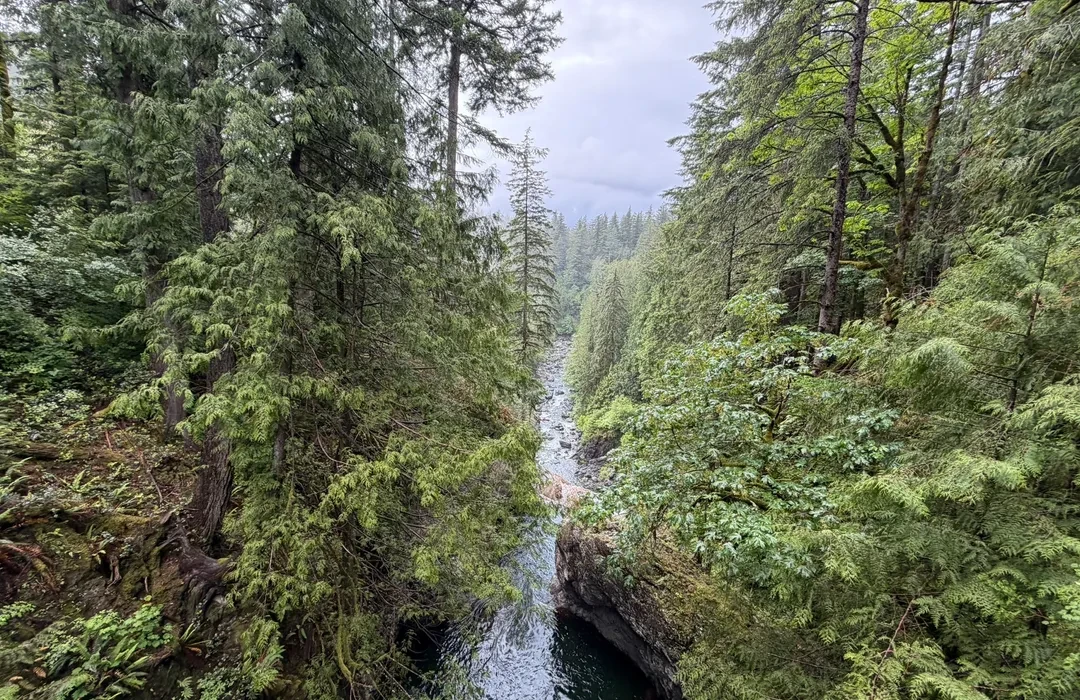
- Be cautious near water: wet rock is slick, and the edges can be undercut
Quick FAQ
Is Teneriffe Falls good for beginners?
Yes, for active beginners who are comfortable with a sustained climb and a steep, rocky finish. Take it slow, bring water, and plan breaks. If you are brand new to hiking, just know the last stretch can feel like a workout.
How long does it take to reach the waterfall?
Most hikers reach the falls in about 1.5 to 2.5 hours, depending on pace and trail conditions.
Is it worth it in summer?
It can be, especially if you want a shady forest walk. Just know the falls may be less dramatic later in the dry season compared to spring.
Can I turn around early if time is tight?
You can, but the most satisfying turnaround is at the waterfall. If you need a shorter outing, set a firm “time turnaround” and head back when your alarm goes off.
Post-hike comfort in North Bend
This is the part I love about hiking near a real town: you can trade wet socks for a warm drink quickly. After the falls, I usually go straight for coffee, then something filling enough to count as a late lunch. North Bend is set up for exactly this kind of half-day adventure.
If you want to keep the day mellow, plan a little buffer time after the hike so you are not inhaling your pastry while still wearing a damp shell.