Where to Stay in Lee Vining

Maya Lin
Maya Lin is a travel journalist and outdoor enthusiast who believes the best trips combine rugged adventures with urban comforts. After spending six years backpacking across four continents, she founded Trail & Town Guide to help fellow travelers navigate both hidden mountain passes and bustling city neighborhoods with confidence.
Lee Vining is the kind of town you pick on purpose. It is small, windswept, and perfectly positioned on the east side of Yosemite for early Tioga Pass starts and sunrise or sunset at Mono Lake. If you are the type of traveler who wants a real bed, a strong coffee, and a head start before the day-trippers arrive, Lee Vining is your move.
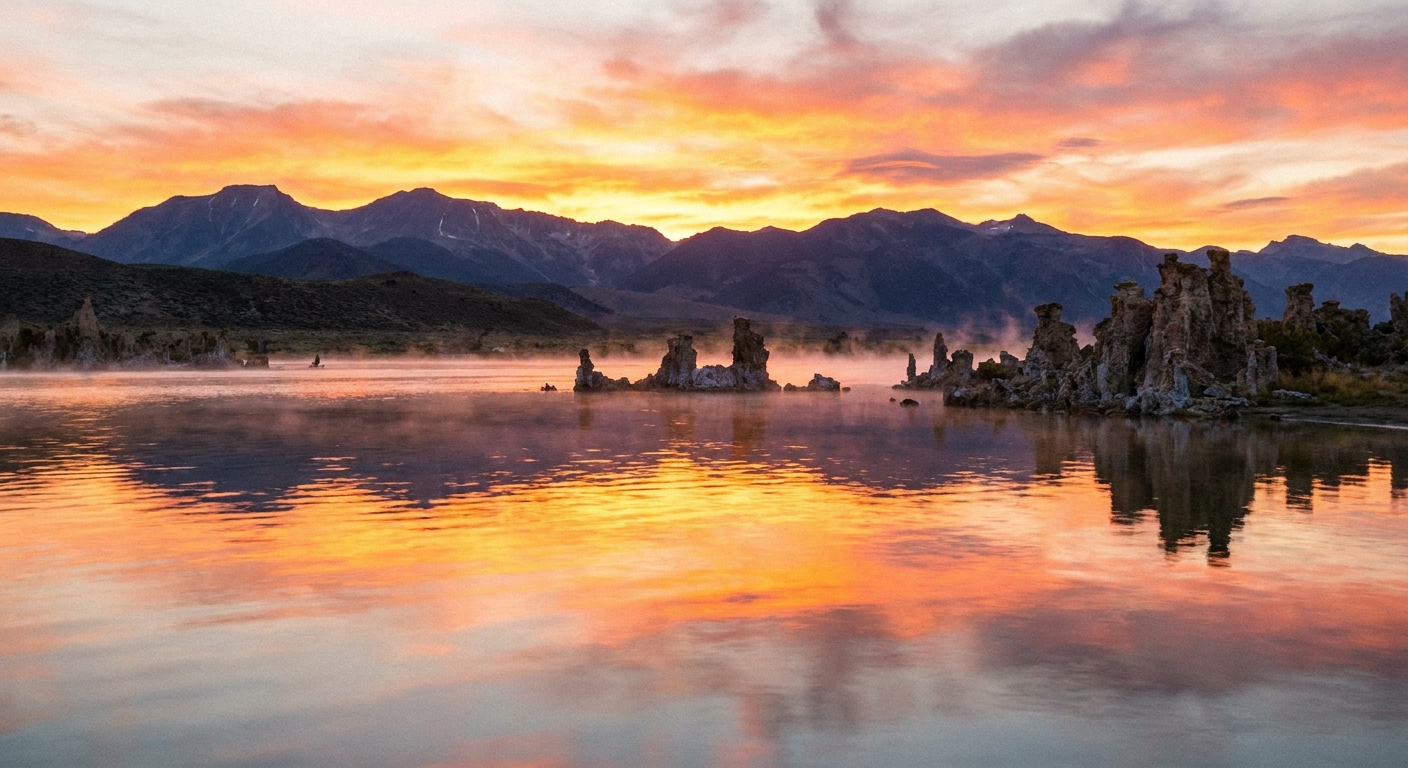
I have stayed here on trips where my plan was simple: wake up early, cross Tioga Road as soon as conditions allow, hike hard, and still be back on the east side in time to watch the sky turn pink over the lake. Lee Vining makes that kind of itinerary feel effortless, as long as you respect two realities: Tioga Pass can be closed well into the season, and dinner options can shut down earlier than your hiking legs want to admit.
Why base in Lee Vining
Lee Vining sits at the junction of US-395 and CA-120, right where the Sierra rises sharply behind Mono Lake. That location is the whole point. You are close to Mono Lake viewpoints and an easy hop to the Tioga Pass Entrance Station (Yosemite National Park) when the road is open.
- Best for: early Tioga Pass crossings, sunrise and sunset at Mono Lake, travelers who want a quieter base than Yosemite Valley, and anyone road-tripping US-395.
- Not ideal for: people who need lots of nightlife, abundant dining late at night, or guaranteed easy access into Yosemite year-round.
Think of Lee Vining as a high-desert trailhead town with just enough comfort to keep you happy: motels, a few lodges, a tiny cluster of restaurants and markets, and that dramatic escarpment view every time you step outside.
One seasonal reality to keep in mind: Tioga Road is snowpack-dependent. In big snow years it can stay closed into late spring or early summer. That date changes every year, so check current conditions and do not plan your whole trip on a hope.
Drive times that matter
On paper, everything around Lee Vining looks close. In real life, wind, weather, wildlife, and summer traffic can stretch your day. These are the drive times I plan around when I am setting alarms and making dinner decisions.
- Lee Vining to Tioga Pass Entrance Station (Yosemite National Park): roughly 15 to 25 minutes, depending on where you are staying in town and how many sunrise pullouts you cannot resist.
- Lee Vining to Tuolumne Meadows (when Tioga Road is open): often about 1 hour, and easily longer in peak summer with construction, traffic, or slow scenic driving.
- Lee Vining to Yosemite Valley (when Tioga Road is open): commonly 2.5 to 3.5 hours one way in summer, and it can creep beyond that on peak weekends.
- Lee Vining to Mammoth Lakes: about 30 to 45 minutes south on US-395, which matters for food backup and lodging overflow.
My rule: if your goal is a Yosemite Valley hike that starts at dawn, staying in Lee Vining is usually not the play. If your goal is Tioga Road scenery, Tuolumne-area trailheads, and Mono Lake golden hour, Lee Vining shines.
Lee Vining vs Yosemite Valley
Yosemite Valley is unbeatable for waking up under El Capitan and walking to trailheads. But it is also expensive, competitive to book, and often crowded. Lee Vining is a smart alternative for a specific kind of trip.
Stay in Lee Vining if you:
- want to explore Tioga Road highlights and Tuolumne-area hikes as early as possible
- are doing a US-395 road trip and Yosemite is a side quest, not the entire mission
- care about sunrise or sunset at Mono Lake without a long drive back afterward
- prefer a simple motel and calm evenings over the Valley’s logistics
Choose a west-side base instead if you:
- have a Yosemite Valley permit, tour, or must-do hike that starts early
- want to avoid the extra time crossing the park each day
- are visiting when Tioga Road is likely closed and you still want Yosemite access
Also: Yosemite rules shift. Depending on when you visit, you may need an advance reservation for entry, parking, or specific hikes. Before you lock in lodging, check the current National Park Service updates so you are not surprised at the gate.
If your trip centerpiece is a Yosemite Valley classic, staying closer to the Valley usually buys you sleep. If your centerpiece is Tioga Pass and the east-side Sierra vibe, Lee Vining is exactly where you want to be.
Best areas to stay
Lee Vining is compact, so “areas” are more like micro-zones. Where you sleep mostly affects your morning ease, your evening wind exposure, and whether you can walk to food.
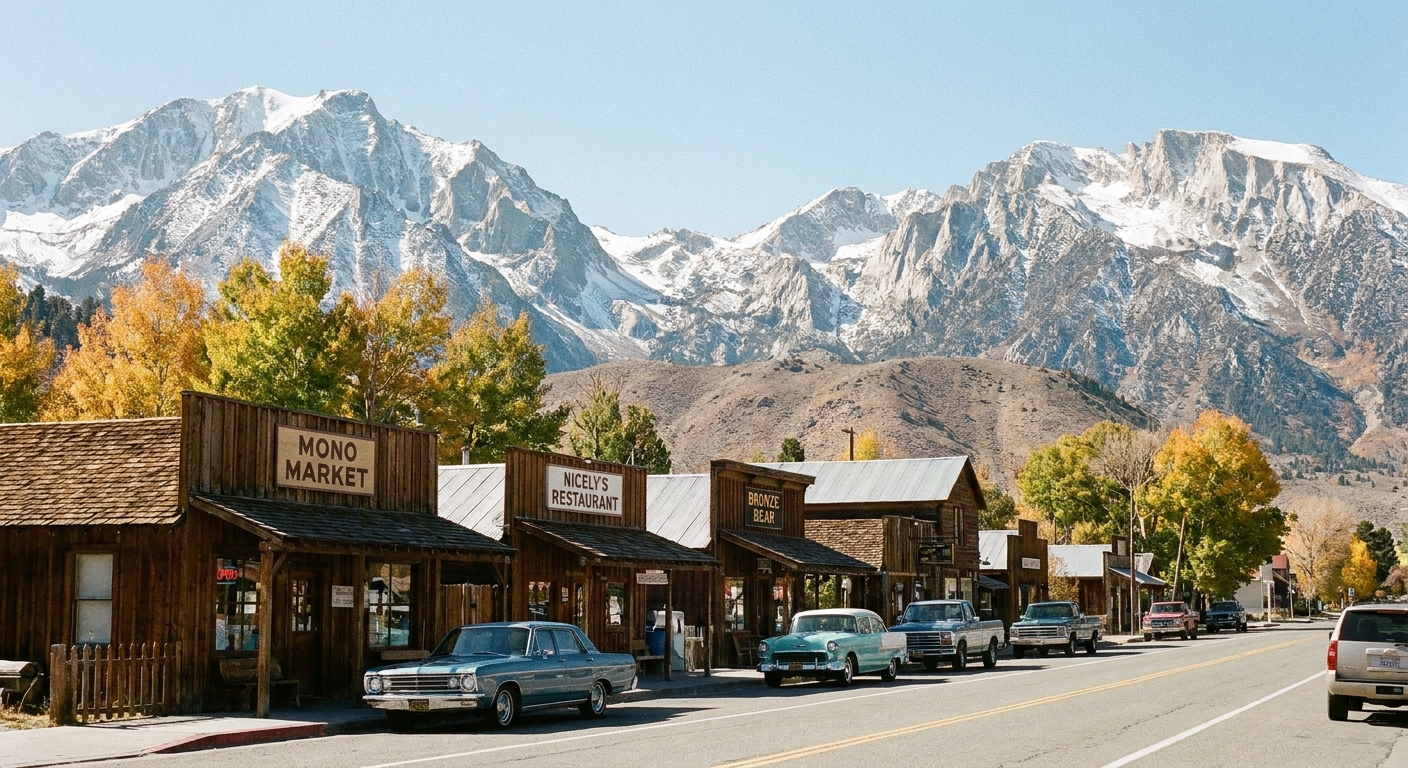
In town near US-395 and CA-120
This is the most practical base. You are close to restaurants, markets, and the turn onto Tioga Road. If you are arriving late or leaving early, this is the least stressful choice.
- Good for: one-night stays, early starts, travelers without time to fuss.
- Tradeoff: you will hear some highway noise at certain properties.
Mono Lake side
If you can snag a room with a lake view, you will understand why people fall hard for this landscape. Evenings can be spectacular, and mornings feel like you woke up inside a postcard.
- Good for: photographers, couples, anyone who wants to linger outside with a cup of coffee.
- Tradeoff: the wind off the lake can be intense, and some places feel more exposed.
Near the June Lake Loop turnoff
If Lee Vining is booked out, look at lodging near the June Lake Loop (CA-158) turnoff. You will still be well-positioned for Tioga Pass drives, plus you get that pine-and-lake mountain feel.
- Good for: longer stays, people who want a cabin vibe, travelers prioritizing quiet.
- Tradeoff: you will drive a bit more for meals and quick errands.
Backup radius along US-395
On summer weekends, Lee Vining can fill up. If you are booking late, expand your search north along US-395 (limited options in tiny communities) or south to Mammoth Lakes. Mammoth is more built-up, but it is a reliable plan B with more open restaurants and grocery options.
What to do nearby
Lee Vining is not a town you “do” so much as a base you use, but there are a few nearby stops that consistently make the stay feel complete, even if Tioga is the main draw.
- Mono Lake South Tufa: the classic tufa towers. It is not far, but it is more of a drive than a quick roadside peek, so plan it intentionally.
- Mono Lake County Park: an easy viewpoint and a simple way to catch sunrise or sunset without committing to a longer walk.
- Panum Crater: a fun, short hike with big geology payoff and wide-open Mono Basin views.
- Bodie State Historic Park: a longer day trip, but worth it if you want something completely different from granite and alpine lakes.
If you do nothing else, do one Mono Lake golden hour. It is the kind of light that makes you forget you were ever stressed about reservations and drive times.
Food strategy
Lee Vining runs on mountain time. That means some kitchens close earlier than you expect, especially outside peak summer weeks. The easiest way to have a good evening here is to plan dinner like you plan your trail water.
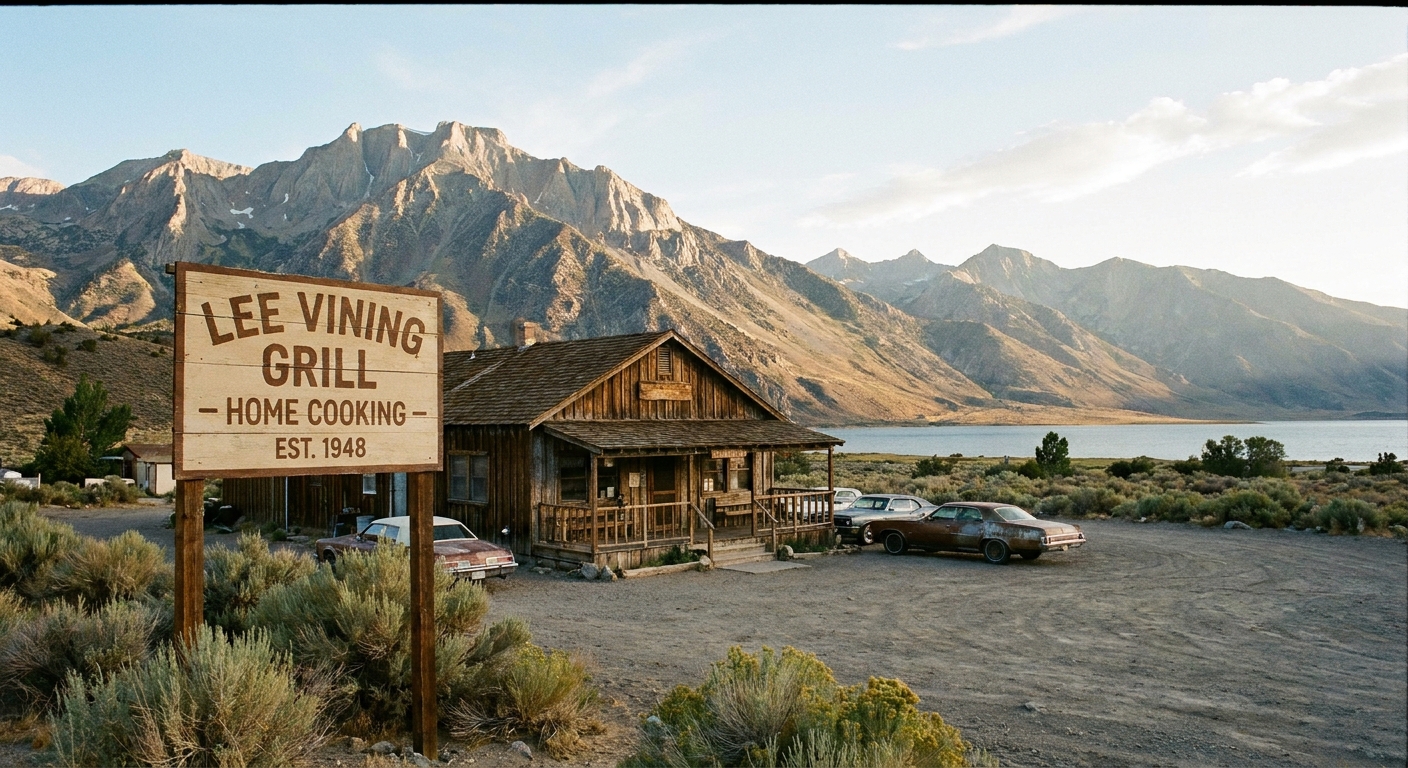
- Eat earlier than you think. If you finish a hike at 7 pm, assume you might be pivoting to snacks and groceries rather than a full sit-down meal.
- Check hours seasonally. In the shoulder season, the same place can run shorter hours or be closed certain days. A quick same-day check saves a lot of frustration.
- Keep a picnic dinner kit. I always travel with something that turns a parking-lot sunset into a meal: tortillas, nut butter, tuna packets, a bag of oranges, and a chocolate bar.
- Use nearby towns as your pressure release valve. If you truly need a later dinner or more choices, Mammoth Lakes is often the most dependable nearby option.
- Morning fuel matters here. If you want to beat the Tioga Pass line, have breakfast planned the night before, whether that is a quick cafe stop at opening or your own oatmeal in the room.
My favorite Lee Vining evenings are the simplest ones: grocery store picnic, a hot drink in hand, and a short drive to a viewpoint. It is not “big night out” energy, and that is the charm.
What to look for in lodging
Because this is a small high-desert town, the details that matter are slightly different than they are in bigger gateway communities.
- Check-in window: If you are arriving after a long US-395 day, confirm late check-in policies.
- Heating and AC: Shoulder seasons can swing wildly in temperature. You want a room that can handle chilly nights and surprisingly warm afternoons.
- Parking ease: You will likely be loading a cooler, hiking gear, or a daypack. Simple, close parking is a real quality-of-life upgrade.
- Wi-Fi expectations: Service can be variable in the Eastern Sierra. If you need to work, ask directly about reliability.
- Views vs. wind: Lake views are dreamy, but wind exposure is real. If you are a light sleeper, consider a room that is sheltered from the worst gusts.
If you are traveling with hiking gear that needs to dry out, prioritize a place with decent ventilation and enough space to spread things out. A tiny room can feel very small after a day of dust and sweat.
When Tioga is closed
Tioga Road typically closes for winter and can stay closed into spring or early summer depending on snowpack and conditions. If you built your whole trip around crossing into Yosemite from the east, you need a Plan B that still feels worth the drive to Lee Vining.
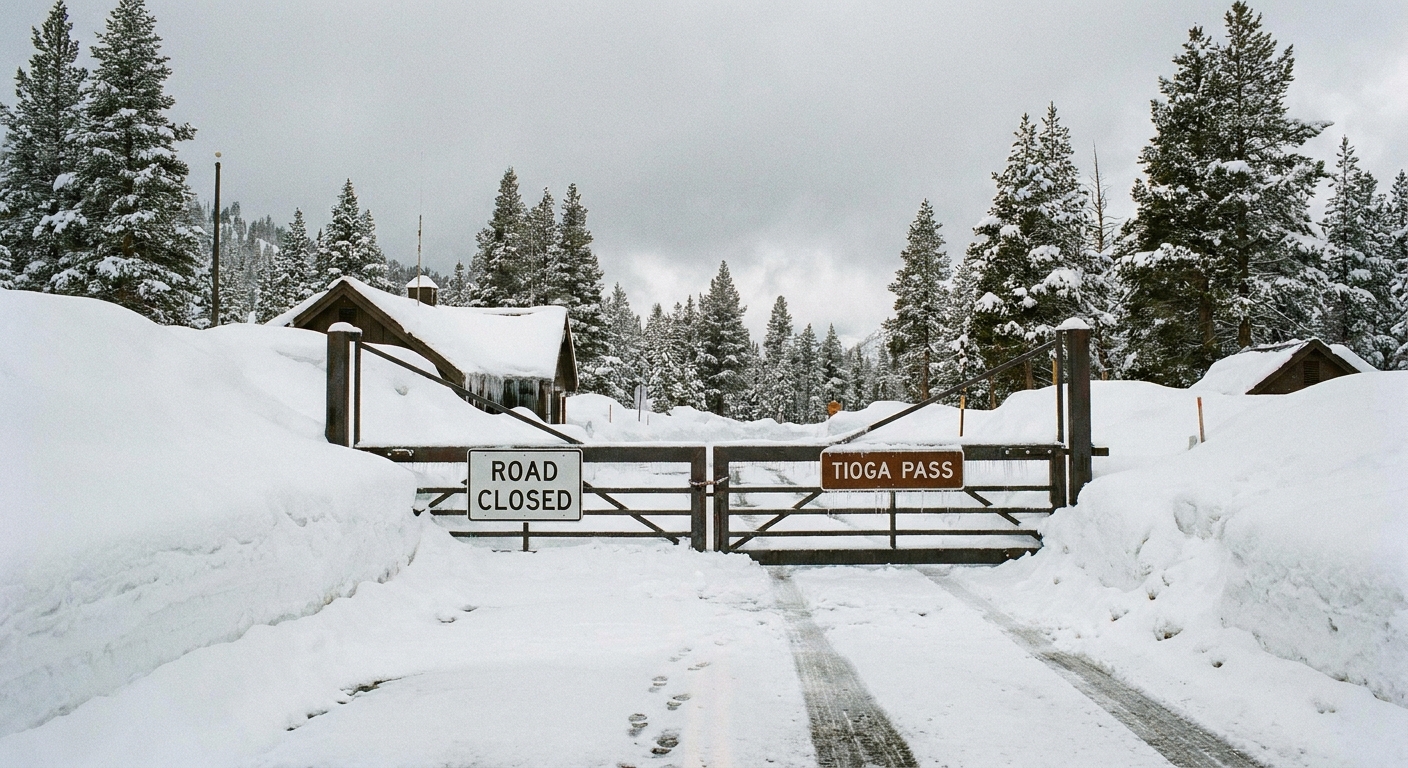
Plan B itinerary
- Morning: Explore Mono Lake viewpoints and the Mono Basin scenery, then warm up with a long coffee stop in town.
- Midday: Drive the US-395 corridor for big views and quick pullouts. If weather is good, aim for lower-elevation walks and short nature trails.
- Afternoon: Spend time around June Lake Loop or head south toward Mammoth Lakes for more services, hot food, and easy scenic drives.
- Sunset: Come back to Mono Lake for the light. This is one of the best places in California to do absolutely nothing except watch the sky change.
Important note: if Tioga Road is closed and your priority is Yosemite Valley specifically, it is usually smarter to relocate to the west side of the park for at least part of your trip. The long way around is not a casual day trip.
Quick logistics
A few small moves make Lee Vining much easier, especially if you are doing dawn starts.
- Fill your gas tank on US-395. Do not assume you will feel like hunting for fuel at 6 am.
- Pack layers. Wind plus elevation can turn a pleasant forecast into a cold surprise. Even in summer, mornings can feel sharp.
- Bring a headlamp. If you are leaving before sunrise, you will use it in parking lots and trailheads, even if you are “not a headlamp person.”
- Download maps. I do not like depending on signal in mountain corridors. Offline maps reduce stress.
Also, do yourself a favor and plan one unhurried hour in Lee Vining. Sit with your coffee. Look at the ridge line. Let the trip feel like a trip, not just a logistical bridge to somewhere else.
FAQ
Is Lee Vining a good base for Yosemite?
It is a great base for Yosemite’s east side access via Tioga Pass when Tioga Road is open, and for exploring the Tuolumne Meadows region. It is not the best base for quick, early access to Yosemite Valley.
How early should I leave Lee Vining for Tioga Pass?
If you want a low-stress morning, plan to be on the road shortly after sunrise in peak season. The drive to the Tioga Pass Entrance Station (Yosemite National Park) is short, but traffic and stops inside the park add up quickly.
Will I find food late at night in Lee Vining?
Sometimes, but do not count on it. Check hours the same day, have a grocery backup plan in your car or room, and consider Mammoth Lakes if you need more late-evening options.
What if Tioga Road is closed during my trip?
Treat Lee Vining as an Eastern Sierra hub instead: Mono Basin scenery, June Lake Loop, and Mammoth area exploring can easily fill a long weekend. If Yosemite Valley is your must-do, you will want to switch to a west-side base.