Zion in Fall: Cottonwood Color, Weather, and Best Hikes

Maya Lin
Maya Lin is a travel journalist and outdoor enthusiast who believes the best trips combine rugged adventures with urban comforts. After spending six years backpacking across four continents, she founded Trail & Town Guide to help fellow travelers navigate both hidden mountain passes and bustling city neighborhoods with confidence.
Fall is my favorite kind of Zion daydream: cool air that makes uphill miles feel easier, cottonwoods turning the canyon floor into a ribbon of gold, and that first sip of coffee in Springdale when the sun finally clears the rim. If you love the idea of big nature with a soft landing at the end of the day, Zion in October and November is your season.
This guide covers where the best color happens (and when), what the weather really feels like, how crowds and shuttle hours change as summer fades, and which hikes make the most sense when the river is lower and the mornings are cold.
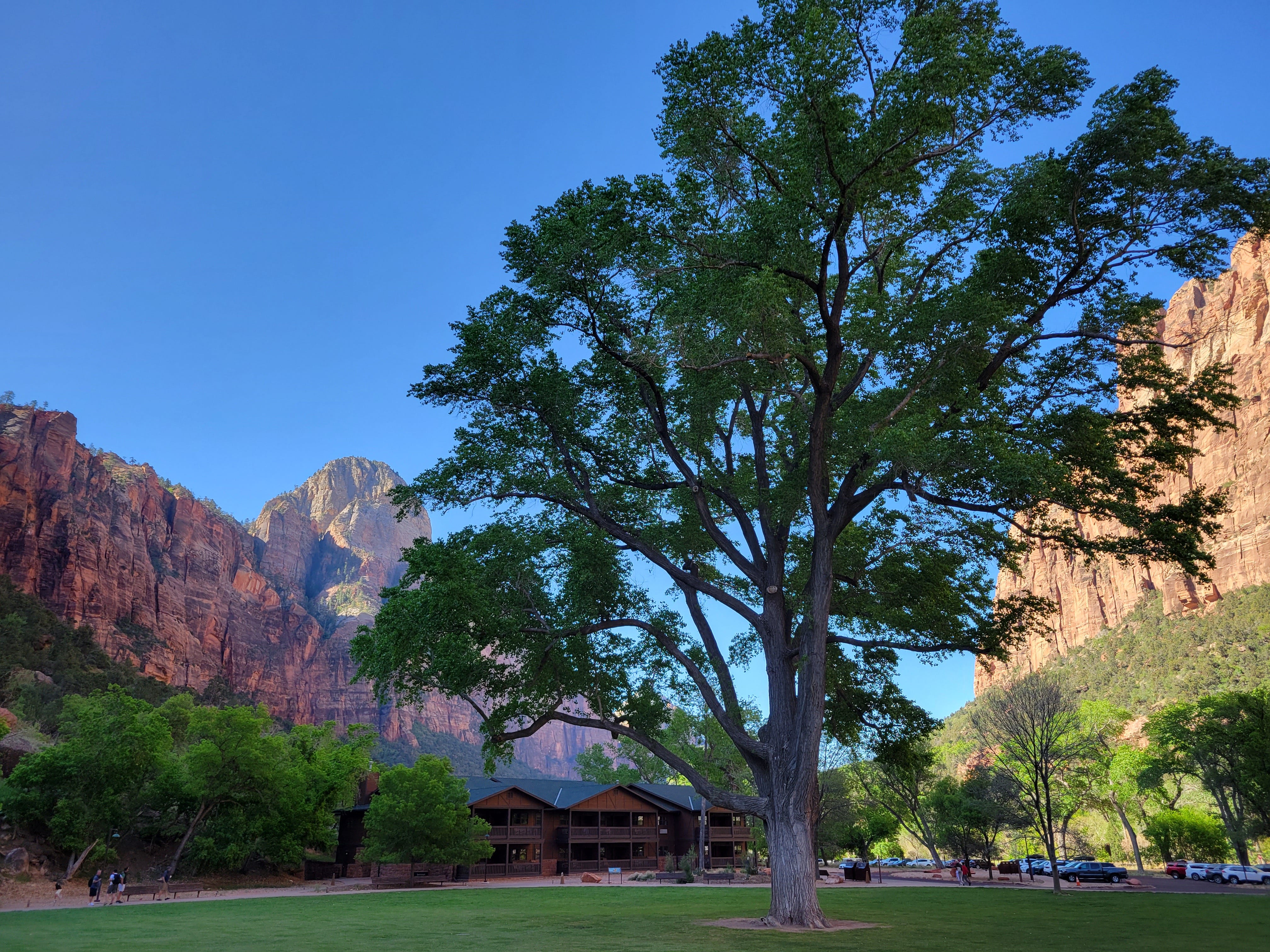
When fall colors peak in Zion
Zion’s fall color is not the New England kind of all-over blaze. It is more like a curated exhibit that pops along water and in pockets of shade. In Zion Canyon, the stars are Fremont cottonwoods along the Virgin River and canyon floor, with bigtooth maple, oak, and sumac color mixed in around side canyons and higher elevations.
One important note: peak timing can swing year to year. A stretch of warm nights can delay color, and wind or an early cold snap can drop leaves fast.
Zion Canyon peak color
In most years, Zion Canyon’s best cottonwood color hits sometime in late October into early November. Cooler nights trigger the change, and a cold snap can speed up leaf drop fast. The canyon is deep and shaded, so color can linger longer than you expect, especially along the river corridor.
- Best places to see it: the Virgin River corridor near the Zion Lodge area, the Pa’rus Trail, and the Riverside Walk.
- Best time of day for photos: mid-morning to early afternoon when sunlight reaches the canyon floor.
Kolob Canyons: earlier peak
Kolob sits higher, which usually means earlier color. Expect peak foliage earlier than the main canyon, commonly in early to mid October, with variation depending on elevation and early storms. You will see more mixed species color here, and the cooler temps make it feel properly “fall” even when Springdale is still in light-jacket mode.
- Best places to see it: viewpoints along Kolob Canyons Road and the Taylor Creek area.
Higher elevations: Kolob Terrace and the east side
If you drive up toward Lava Point or explore the higher Kolob Terrace area, you can catch earlier aspen and oak color in late September through October. On the east side of the park, near the Zion Mount Carmel Highway, you will see pockets of color in drains and along washes, but the most consistent “wow” is still down by the river in the main canyon.
Maya’s timing tip: If you can only pick one week and you want cottonwoods, aim for the last week of October. If you want cooler hiking and don’t care as much about leaves, early November can be magical and calmer.
October and November weather in Zion
Zion in fall is all about swingy days. You can start in gloves on the shuttle platform and end up in short sleeves on a sunny overlook. Conditions also vary a lot between Springdale, the canyon floor, and higher areas like Kolob.
Typical October conditions
October usually brings crisp mornings and comfortable afternoons. As a rough anchor, daytime highs in Springdale and the Zion Canyon area are often in the 70s to low 80s°F, with mornings and nights commonly in the 40s to 50s°F. Up higher in Kolob, it is typically cooler.
- What it feels like: sunny and mild mid-day, chilly in shade and at sunrise.
- What to pack: light puffy or fleece, a shell for wind, and layers you can peel off fast.
Typical November conditions
November is when Zion starts flirting with winter, especially in the shade. Days can still be gorgeous, but the margin for error is smaller. Expect many days with highs around the 50s to 60s°F on the canyon floor, with mornings and nights often in the 30s to 40s°F. Shorter daylight matters too. Plan earlier starts and earlier finishes.
Also, the early-November time change makes evenings feel like they drop off a cliff. If you want sunset light, you will want to be in position earlier than your internal clock thinks you do.
- What it feels like: cold mornings, cool afternoons, and more time spent in shade on canyon trails.
- What to pack: warmer insulating layer, gloves, beanie, and a headlamp for safety.
Storms, flash floods, and shoulder-season surprises
Fall often feels calmer than peak summer monsoon season, but storms still happen. Early fall can see lingering monsoon-style weather, and later fall can bring frontal systems. Flash floods are possible any time heavy rain hits the drainage. If you are doing anything in or near a narrow canyon or the river, check the forecast and heed closures. NOAA forecasts and the NPS park conditions updates are worth a quick look before you commit.
Also note that early snow or ice can show up at higher elevations or on shaded trail sections even when the canyon floor feels mild. If you are driving up toward Kolob Terrace or Lava Point, check road conditions first.
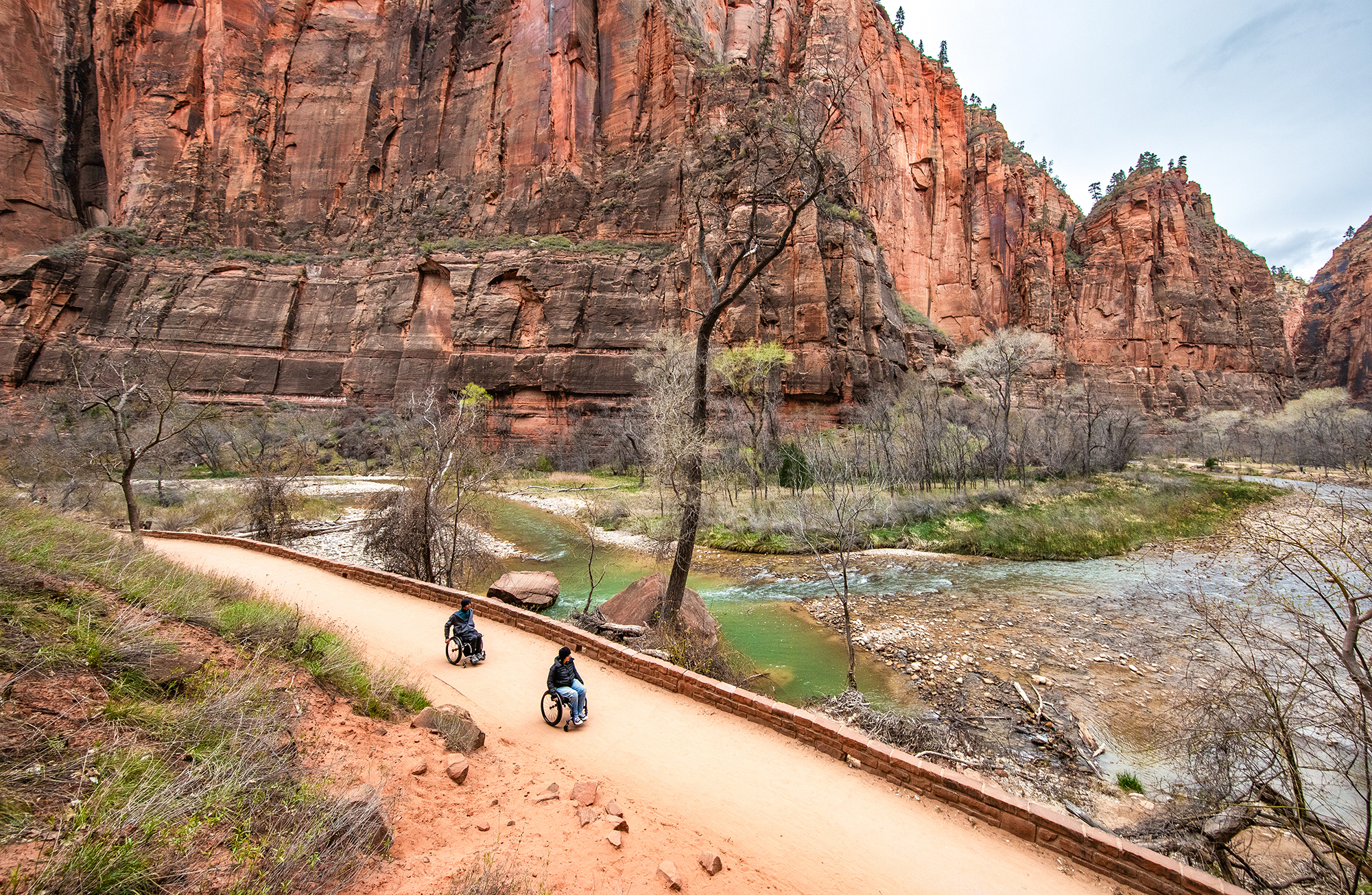
Crowds and shuttle hours in fall
If summer Zion felt like a theme park line at times, fall is the exhale, with a big caveat. October is still popular. The difference is that crowds are less constant, and you can find quiet pockets by hiking early, lingering late, or spending time outside the main canyon.
October crowds
- Weekends stay busy, especially mid to late October when color ramps up.
- Midweek is noticeably calmer and is my go-to if you can swing it.
- Early morning is still the cheat code, particularly for Angels Landing and The Narrows entry area.
November crowds
November often feels quieter, especially after the first week or two. You will still see plenty of visitors on classic stops, but you are more likely to get breathing room on trails and at viewpoints.
Shuttle service in fall
Shuttle schedules change seasonally, and the park adjusts frequency as demand drops. In fall, that can mean fewer buses per hour and earlier last runs than peak summer. The practical takeaway is simple: do not assume you can casually finish late and still catch a shuttle. Check the current seasonal shuttle hours on the NPS Zion operations page before you commit to a long out-and-back.
- Plan for earlier last shuttles later in the season.
- Build a buffer if you hike anything that can run long, like West Rim to Scout Lookout or a deep Narrows day.
Best fall hikes in Zion Canyon
Cooler weather makes Zion’s classics feel more doable, but fall is also when shade and cold water become bigger factors. Below are hikes that pair especially well with October and November conditions.
Pa’rus Trail
If you want maximum color with minimum effort, this is it. The paved path follows the Virgin River with frequent cottonwoods, open views, and easy turnaround points.
- Why it shines in fall: best foliage payoff for the least elevation gain.
- Good for: arrival day, rest day, families, runners, sunset walks.
Riverside Walk
This is your autumn river promenade. In fall, the air is crisp, the canyon walls glow, and the cottonwoods tend to frame the water beautifully.
- Why it shines in fall: bright foliage and reflective water, with a cozy, sheltered feel.
- Note: it is popular because it is accessible, so go early.
The Narrows (bottom-up day hike)
Fall can be an excellent time for The Narrows because water levels are often lower than in spring runoff, but it can also be downright cold. If you run cold like I do, November especially can feel like a full-body ice bath.
- Why it can be great in fall: fewer summer storms, often lower flows, stunning reflected light and glow on the walls.
- What can change fast: storms can spike flow and flash flood risk, and the NPS may close the route based on conditions.
- Practical gear note: closed-toe canyoneering footwear and a sturdy walking stick make a big difference. When temps drop, many people rent dry pants or a wetsuit package in Springdale. Always check current flow conditions, water quality advisories, and closures before you go.
Emerald Pools
These are classic, scenic, and often more pleasant outside of summer heat. In fall, the pools area feels quieter and the light is softer.
- Why it shines in fall: comfortable temps for the climb and lingering under cottonwoods.
Watchman Trail
For a relatively short hike with a big visual reward, Watchman is a fall favorite. You get warm light on the towers and a bird’s-eye view back toward Springdale.
- Why it shines in fall: ideal temperatures for an exposed trail.
- Best time: late afternoon for golden light, but watch your daylight in November.
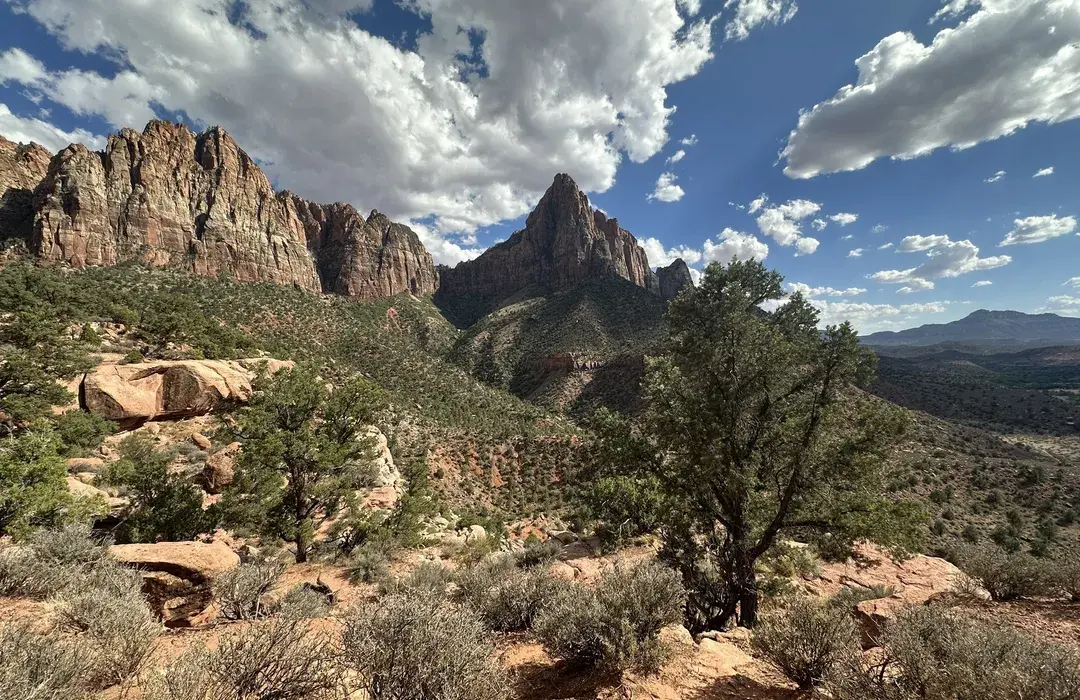
Best fall hikes outside the main canyon
If you want Zion’s scenery without Zion Canyon’s busiest nodes, fall is the time to explore beyond the shuttle corridor. You still get huge sandstone drama, plus more solitude and easier logistics.
Kolob Canyons: Taylor Creek Trail
Taylor Creek is a great shoulder-season hike with creek crossings, shade, and a satisfying destination at the Double Arch Alcove. It also tends to feel pleasantly cool in October.
- Why it shines in fall: comfortable temps, earlier color at higher elevation, fewer crowds.
- Bring: water-friendly shoes or sandals if flows are up, plus a dry pair for after.
Kolob Canyons viewpoints
Even if you do not hike, Kolob’s scenic drive and viewpoints are worth the detour. The light in fall makes the red rock look extra saturated, especially after a storm clears.
Canyon Overlook Trail (east side)
This short hike is one of the best effort-to-view ratios in the park. In fall, it is a great sunrise or late-day option when you want a quick win without committing to a long trek.
- Why it shines in fall: cooler temps for exposed rock and big sky views.
- Timing tip: arrive early for parking, especially in October.
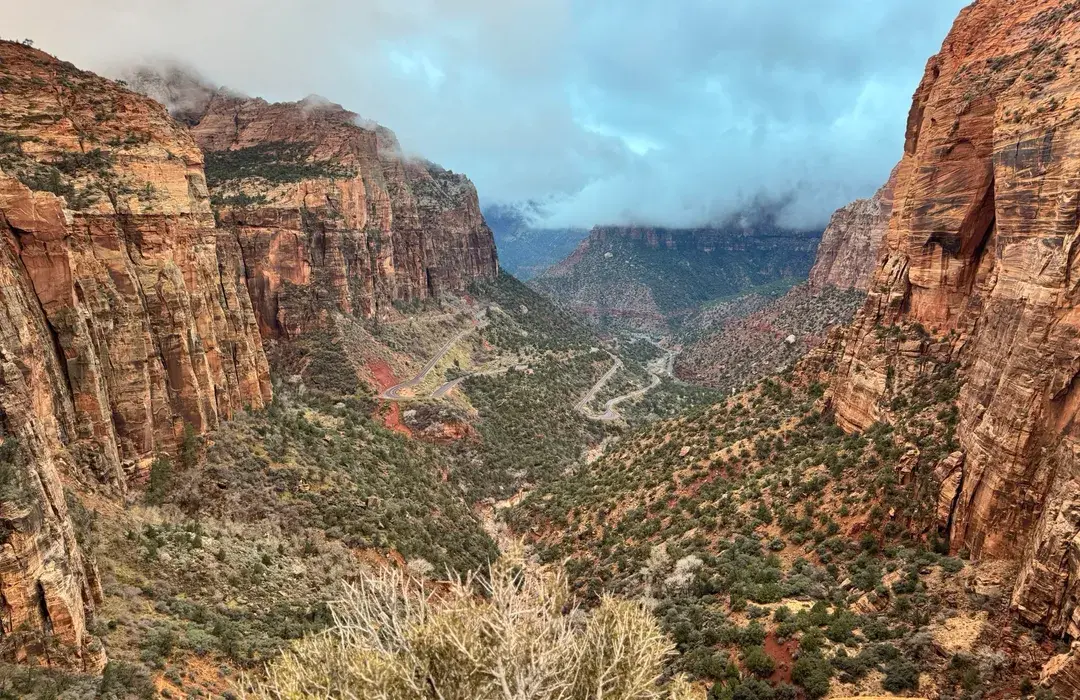
What the Virgin River looks like in autumn
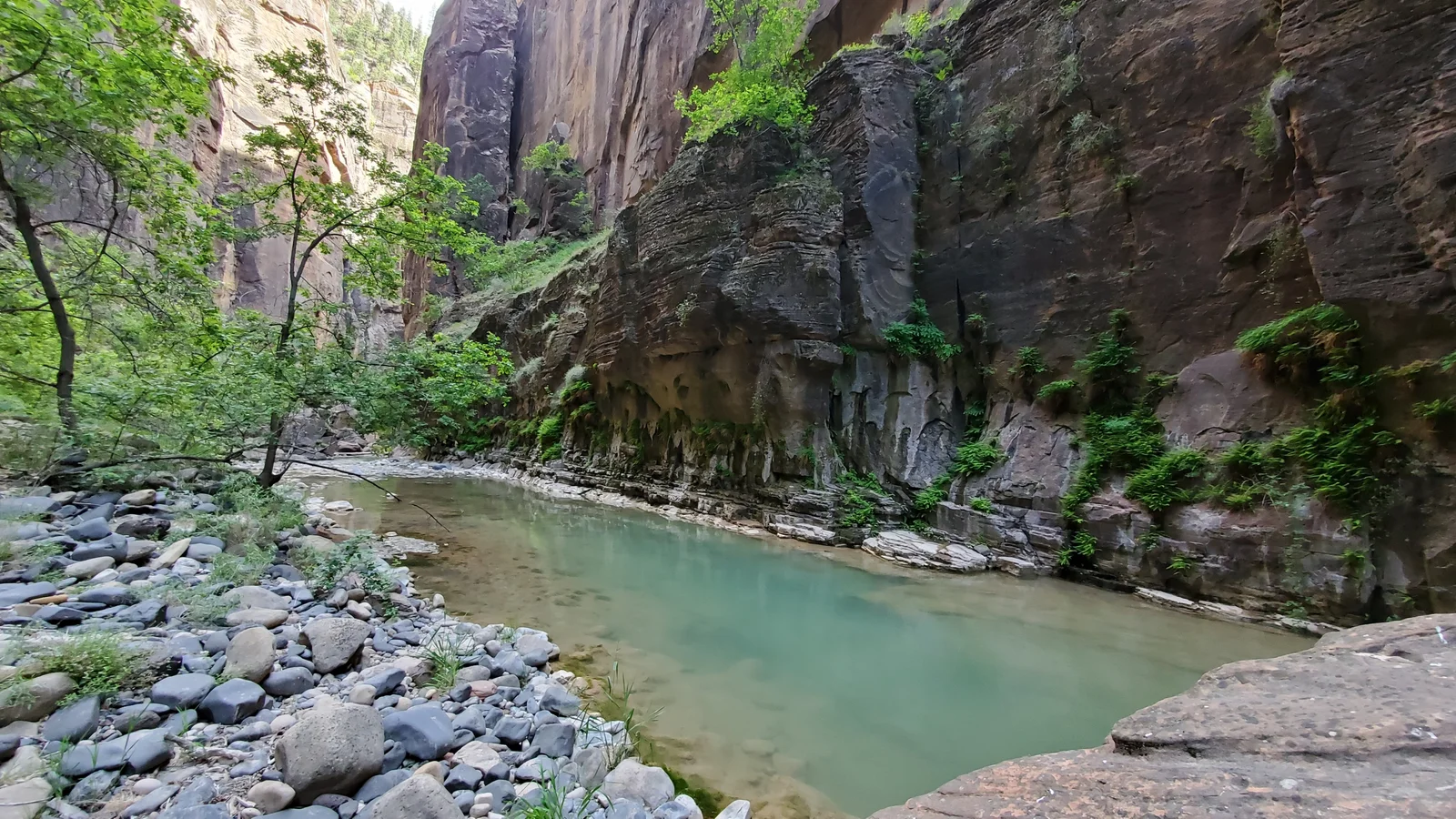
In fall, the Virgin River often looks clearer and calmer than it does during spring snowmelt, with less of that muddy surge you sometimes see after heavy rain. The banks are lined with cottonwoods turning yellow, and the river becomes a mirror in the gentler light. It is also when you notice the sound of water more, because the canyon feels quieter once the summer rush thins.
Along the lower sections near Springdale and the Pa’rus corridor, you will see a mix of glowing leaves, pale grasses, and reddish rock. It is a color palette I always associate with Zion: warm stone, cool water, and a brief, perfect gold season in between.
My fall Zion game plan (2 to 4 days)
If you want a simple plan that balances iconic hikes with breathing room, here is a fall-friendly outline I have used in some form for years.
Day 1: Ease in, chase cottonwoods
- Pa’rus Trail walk and river views
- Sunset on the Watchman Trail if you have daylight
- Early night, especially in November
Day 2: Big Zion classic
- The Narrows bottom-up or Emerald Pools, depending on temperature and comfort with cold water
- Leave time for shuttle logistics and earlier fall sunsets
Day 3: East side views
- Canyon Overlook Trail
- Scenic drive stops along Zion Mount Carmel Highway
Day 4 (optional): Kolob day
- Taylor Creek Trail
- Kolob Canyons viewpoints and a slower-paced afternoon
What to pack for Zion in fall
Fall is Zion’s layering season. I pack for warm sun, cold shade, and the possibility that I will end up ankle-deep or thigh-deep in water.
- Layers: moisture-wicking base, warm midlayer, windproof or waterproof shell
- Warm accessories: light gloves and a beanie for early starts
- Footwear: grippy hiking shoes; for The Narrows, plan for closed-toe canyoneering shoes or rentals when it is cold
- Safety: headlamp, small first-aid kit, and extra calories
- Hydration: water capacity you actually use, even when it is cool out
Fall FAQs
Is October or November better for Zion?
October usually wins for reliable mild weather and prime hiking comfort. November often wins for quieter trails, but it is colder and days are shorter. If fall color is your priority, late October into early November is the sweet spot for cottonwoods in the main canyon, with the usual year-to-year variability.
Where is the best fall color in Zion?
For the most consistent color, head to the Virgin River corridor in Zion Canyon: Pa’rus Trail, Zion Lodge area, and Riverside Walk.
Can you hike The Narrows in November?
Often yes, but it depends on current water flow, weather, and closures. The bigger issue is comfort. Cold water plus cold air can be intense. If you go, start early, monitor conditions, and consider renting cold-water gear in Springdale. Also check the NPS for any temporary closures tied to flow, flood risk, or other safety advisories.
Do I need a permit for Angels Landing?
Yes, Angels Landing requires a permit for most hikers. If it is on your fall wish list, apply ahead of time and have a backup hike ready in case you do not get a slot.
Are mornings colder in the canyon than in Springdale?
They can feel colder because of shade and the river corridor. Even when Springdale is comfortable, the canyon can stay chilly until the sun reaches the floor.