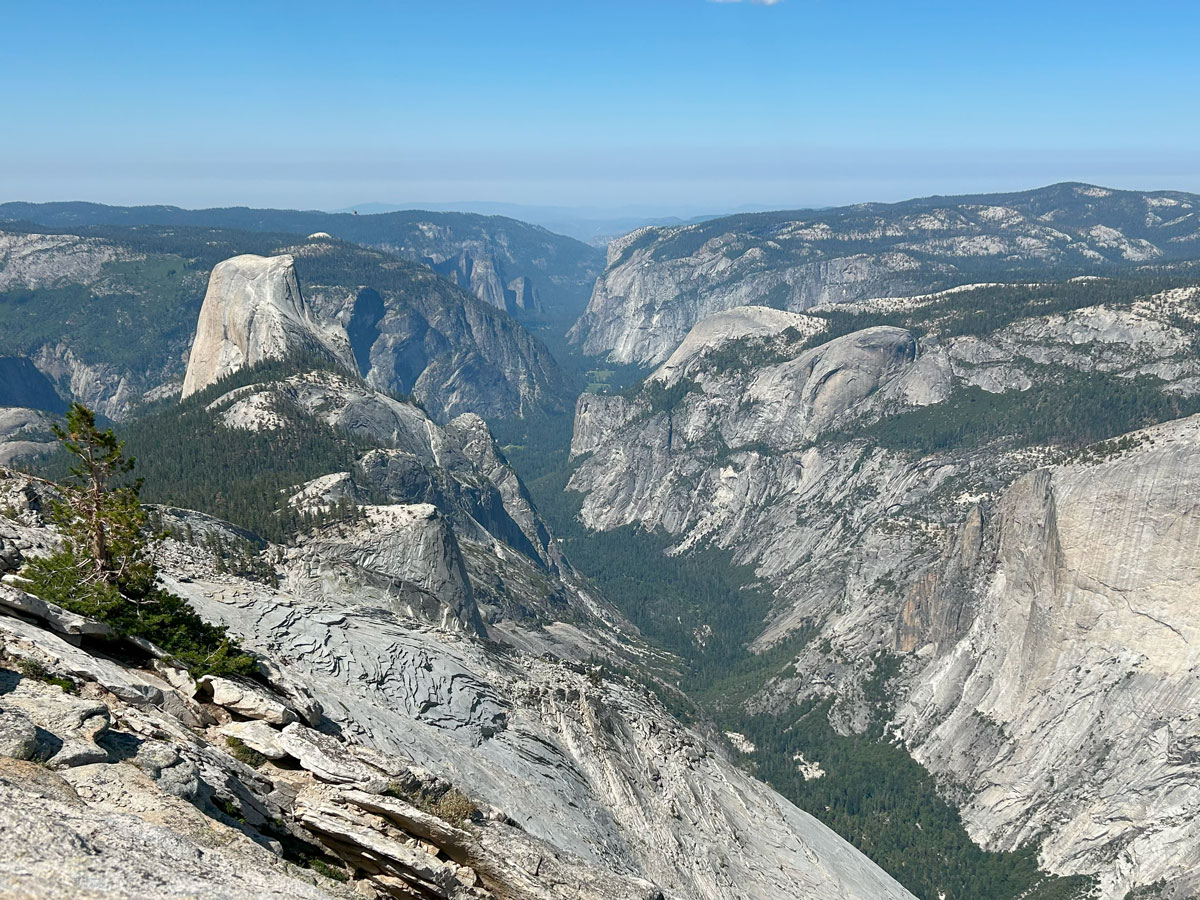
Clouds Rest from Tenaya Lake

Maya Lin
Maya Lin is a travel journalist and outdoor enthusiast who believes the best trips combine rugged adventures with urban comforts. After spending six years backpacking across four continents, she founded Trail & Town Guide to help fellow travelers navigate both hidden mountain passes and bustling city neighborhoods with confidence.
Clouds Rest is the kind of Yosemite summit that makes you feel like you got away with something. You stand higher than Half Dome, look straight down into Tenaya Canyon, and watch the whole granite world of the Valley stack up in layers. The Tenaya Lake approach is one of the most efficient and popular ways to day hike it, but it comes with two realities: Tioga Road controls your season, and the final ridge is exposed enough that you should decide your turnaround point before adrenaline votes for you.
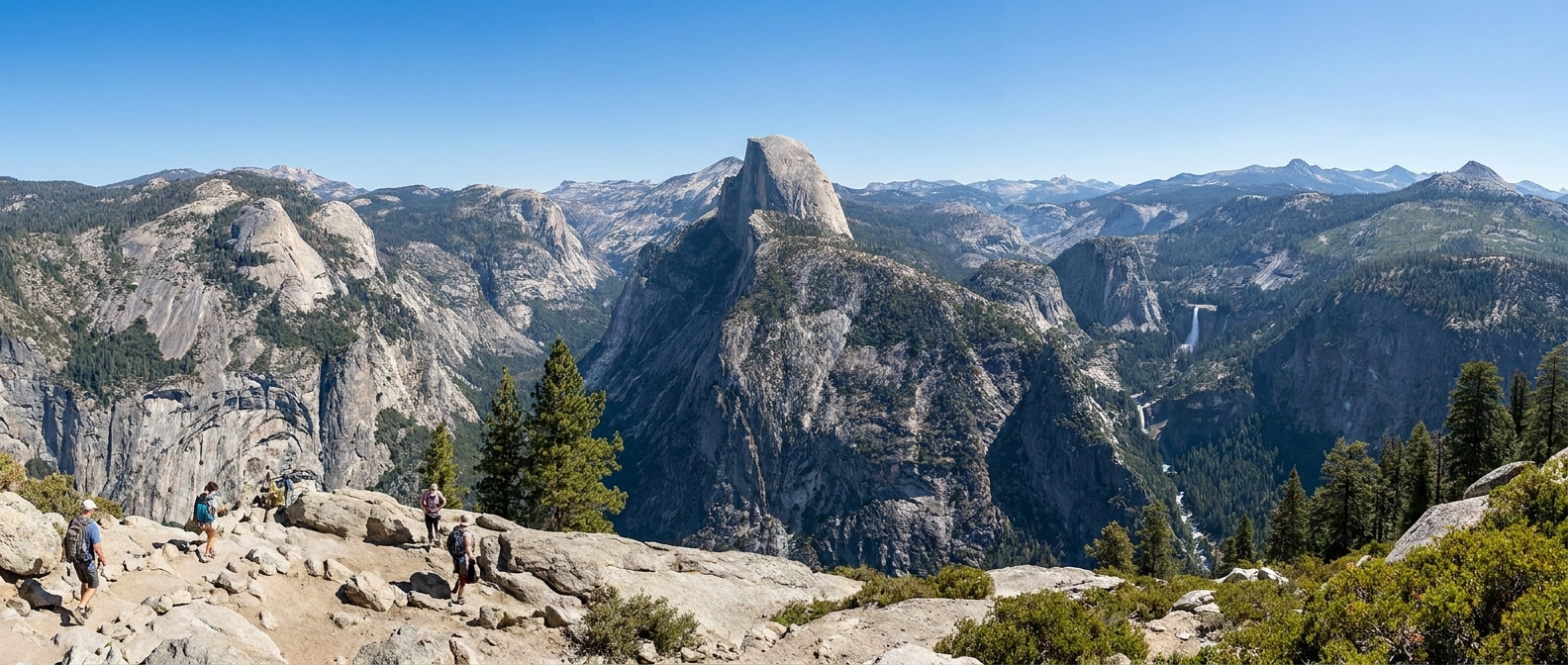
At a glance
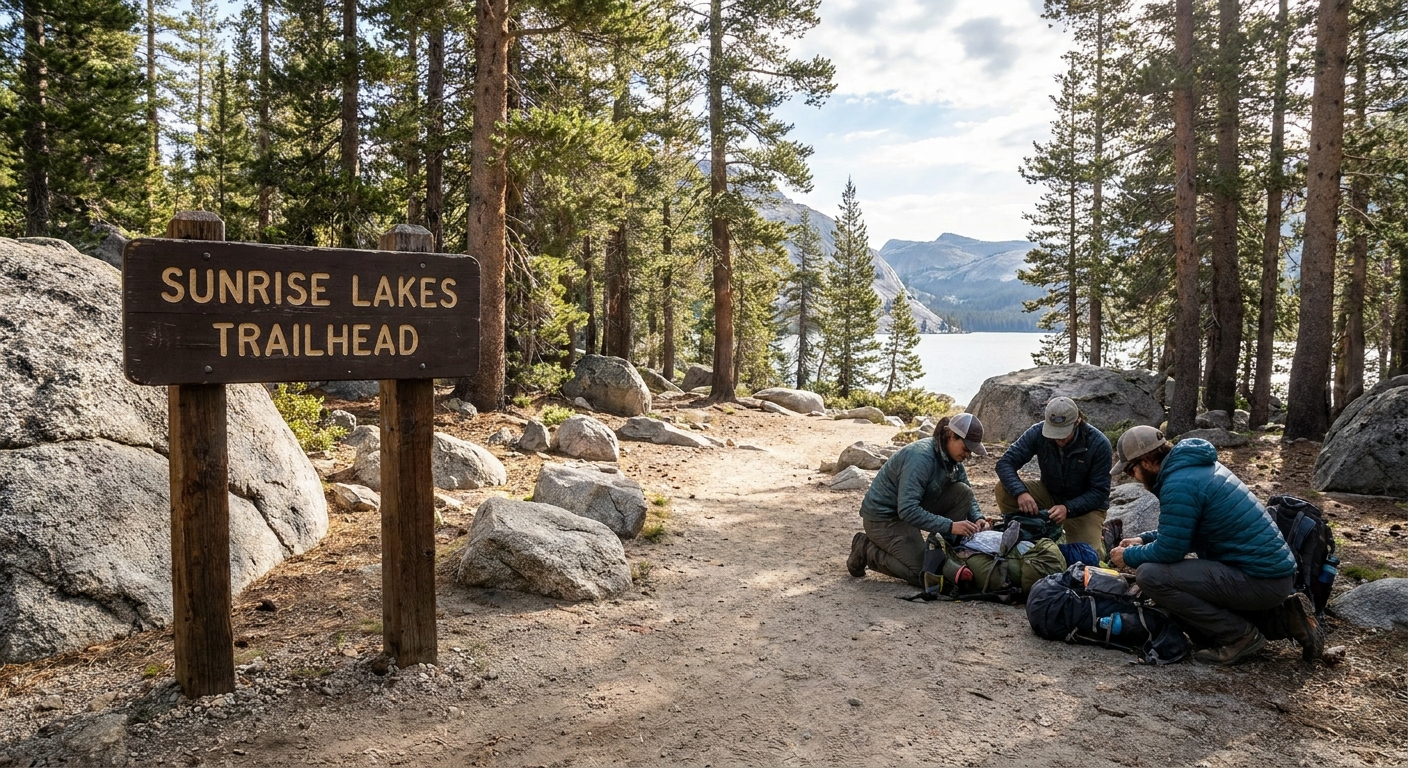
- Trailhead: Sunrise Lakes trailhead near Tenaya Lake on Tioga Road (Highway 120)
- Distance: about 15 miles round trip from the signed Sunrise Lakes trailhead, with most day hikes landing in the 14 to 16 mile range depending on your exact start (signed trailhead vs roadside parking) and how you record small spurs and wander
- Elevation gain: about 3,000 feet total, commonly experienced as roughly 2,800 to 3,200 feet depending on start point, GPS smoothing, and how you count the rolling terrain
- Highest point: Clouds Rest summit around 9,926 feet
- Time needed: most day hikers take 7 to 11 hours
- Main challenges: altitude, sun exposure, and the exposed summit ridge
Getting there
This hike starts off Tioga Road, Yosemite’s high-country highway. That makes the logistics easy when it is open and impossible when it is not.
- Tioga Road is seasonal. It typically opens sometime in late spring and closes in fall, but exact dates vary year to year based on snowfall and plowing progress.
- Start early. Parking near Tenaya Lake and the Sunrise Lakes trailhead fills quickly on summer weekends. If you roll in late morning, you might spend your first hour just hunting a legal spot.
- Altitude matters. Tenaya Lake sits around 8,150 feet. If you drove up from the Valley the same morning, expect your breathing and pacing to feel different than usual.
Best season: the sweet spot is usually mid-summer through early fall, once Tioga Road is open and most snow has melted off the route. Early season can mean lingering snowfields and slower route finding, which also makes the exposed ridge less forgiving.
Before you commit, check current road status and trail conditions through official Yosemite National Park updates. Yosemite’s rules can shift season to season, including possible day-use or vehicle reservation requirements during peak periods. Even for a simple day hike, you still have to comply with whatever the park is requiring for entry that week.
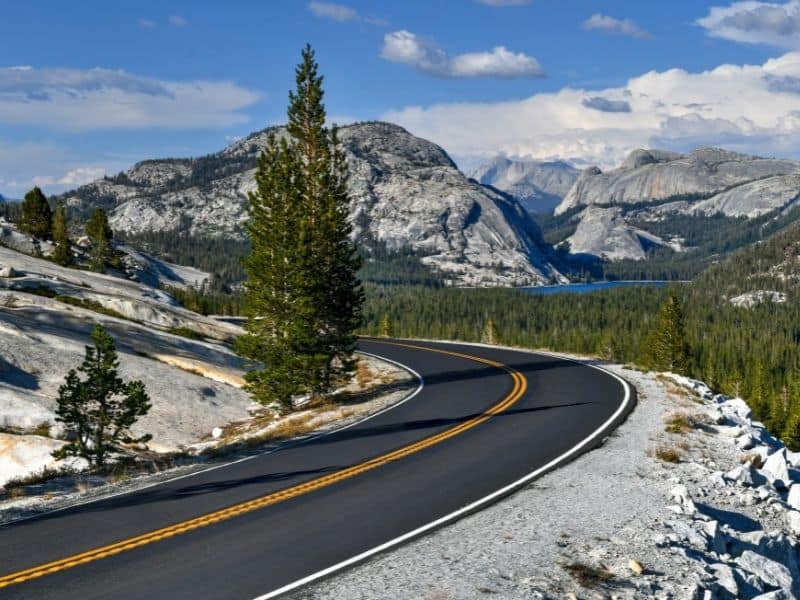
The route
1) Trailhead to the Clouds Rest junction
From the Sunrise Lakes trailhead, you start on a well-established path through lodgepole pines and classic Tuolumne granite. The grade is steady but not punishing. This first stretch is where I like to settle into a pace I could maintain for hours, because you will need it later.
You will pass signed junctions for Sunrise Lakes. Stay oriented for Clouds Rest. Signage exists, but I never rely on signs alone in the high country. Pay attention at intersections, keep an eye on the tread, and expect to slow down if patches of snow linger into early summer.
Practical timing note: you will usually hit the Clouds Rest junction in the first few miles, after the Sunrise Lakes junction. This is one of the few spots where I deliberately stop, confirm my route, and only then keep moving.
2) Rollers and the long approach
One of the sneaky parts of this route is that it is not a simple up, then down. There are gentle climbs and dips that add up over the day, which is why elevation gain estimates can surprise people. The payoff is constant scenery: open slabs, views into forested basins, and that feeling of moving through Yosemite’s quieter backcountry while the Valley gets the crowds.
You will also feel the sun more than you expect. Between the elevation and the granite, exposed sections can cook you even when the air feels mild.
3) The final climb and the ridge
As you near Clouds Rest, the terrain becomes more dramatic. The trail climbs toward the crest, and eventually you are on a narrow, airy spine of granite with steep drop-offs. This is the famous exposure section. It is not technical climbing, but it is very real exposure.
One thing to keep in mind: this ridge comes late in the day, when people are tired, a little dehydrated, and mentally ready to be done. That is not the moment to discover you hate exposure. Treat the ridge as its own decision point, not a formality on the way to the summit.
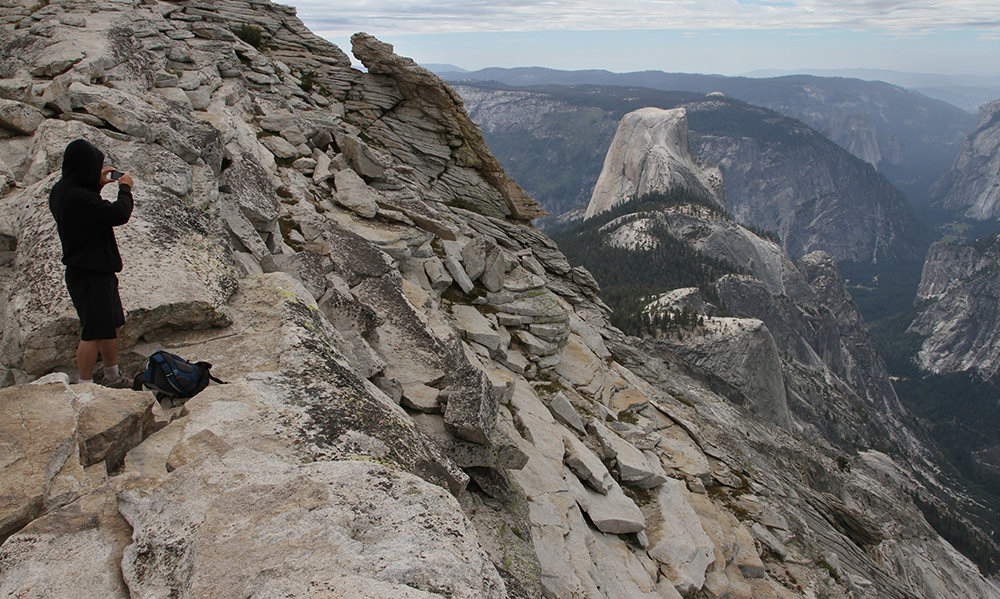
Exposure and safety
If you have any discomfort with heights, this is the part of the hike to take seriously. The final ridge to the summit is narrow in places with significant drop-offs. Plenty of hikers do it and feel fine. Plenty of hikers get there, look ahead, and decide they are done, which is a smart call.
When the ridge is a no-go
- Wind: even moderate gusts can feel aggressive on the ridge.
- Storms: Clouds Rest is highly exposed, and lightning risk is real when summer thunderstorms build.
- Snow or ice: early season snow patches on the ridge can turn a hike into a different category of risk.
- Crowding: when people bunch up, it can feel harder to move at your own pace and comfort level.
- Smoke: late summer and early fall wildfire smoke can turn “high views” into a headache and a lung workout. If air quality is sliding, I treat that like a serious conditions change, not an inconvenience.
I also treat this ridge like a one-at-a-time mental exercise. Give people space. Let faster hikers pass in safe wider spots. And if you are hiking with someone nervous, plan to keep your group calm and unhurried. Rushed decisions are the ones you regret.
Smart turnaround
If you want the views without committing to the narrowest section, set a turnaround rule before you start. The best practical option for many hikers is to turn around at the point where the trail first reaches the broad crest and you can see the knife-edge ridge ahead. You will know it when you arrive because the world opens up and the remaining route looks dramatically narrower.
From that pre-ridge crest, you can often get a huge, satisfying panorama into Tenaya Canyon and toward Half Dome without stepping onto the most exposed spine. It is an excellent high reward, lower risk finish, especially if wind picks up or anyone in your group feels shaky.
Permits and rules
Day hike vs overnight
For most visitors, a wilderness permit is only required if you plan to camp overnight in the wilderness. If you are hiking in and out in a single day, you generally do not need a wilderness permit for the hike itself.
However, Yosemite can have additional entry rules in some seasons such as reservations for driving into the park during peak times. Always confirm current park entry requirements before you go, even if your plan is “just a day hike.”
Day hike means day hike
If you are not holding an overnight wilderness permit, treat this as a true day hike: start and finish the same day, and do not camp along the route. Yosemite is strict about protecting the backcountry, and rangers do patrol popular corridors in the high country.
Half Dome permits are separate
Clouds Rest and Half Dome are different hikes with different rules. A Half Dome cables permit is separate and is required if you plan to ascend the cables when they are up. Hiking Clouds Rest does not grant any Half Dome cables access, and having a Half Dome cables permit does not replace backcountry rules for overnight camping.
One more rule to remember
Even as a day hiker, you still need to follow Yosemite’s food storage rules. Do not leave food in an unattended pack, do not feed wildlife, and do not assume chipmunks are harmless just because they are tiny and bold.
What to pack
This is where my carry-on-only brain meets my big-hike reality: keep it simple, but do not under-pack essentials. Clouds Rest is long enough that small mistakes compound.
- Water: plan for a hot, dry day. Many hikers carry 2 to 4 liters depending on temperature and personal needs. Do not count on filtering along the way. Seasonal creeks or seeps can appear in early season, but they are not something I would bet my day on, especially later in summer and fall.
- Food: bring more than you think you will want. Aim for steady snacks plus a real lunch.
- Layers: a light insulating layer and a shell. Weather shifts fast at 9,000 to 10,000 feet.
- Sun protection: hat, sunglasses, sunscreen. The granite reflects light and the air is thinner.
- Navigation: download an offline map before you leave. Cell service is unreliable up here, so assume your phone is in airplane mode for most of the day. I like an offline map on my phone plus a backup plan, and I keep an eye on battery since cold mornings drain it faster.
- Headlamp: non-negotiable for long days when “just one more photo” turns into hiking out at dusk.
Timing
My favorite way to hike Clouds Rest from Tenaya Lake is to start early enough that I reach the ridge before midday heat and afternoon thunderstorms. In peak summer, that often means being on trail around sunrise.
- Early start: cooler temps, better parking odds, and fewer people on the ridge
- Turnaround time: set one before you begin, then honor it
- Storm watch: if cumulus clouds start building fast, do not negotiate with yourself
And a practical note: the last miles back to Tenaya Lake can feel endless when you are tired. Save something in the tank for the return hike, especially if you are hiking with anyone new to high altitude.
Leave No Trace
This route sits in Yosemite’s high country where recovery is slow. A few habits make a big difference:
- Stay on trail to protect fragile alpine vegetation.
- Pack out all trash, including food scraps.
- Use bathrooms when available before starting, and know proper backcountry waste practices if nature calls.
- Keep wildlife wild. Do not feed anything, no matter how cute or confident it looks.
Quick FAQ
Is Clouds Rest harder than Half Dome?
From Tenaya Lake, Clouds Rest is usually long but with less steep pounding than some Valley routes. Many hikers find the mileage and altitude more challenging than the climbing. The ridge exposure, though, can feel more intimidating than expected if heights are not your thing.
Can I combine Clouds Rest and Half Dome in one day?
It is possible for very fit, very experienced hikers with the right permits, but it is a massive day and not something I recommend as a casual add-on. Treat each as its own objective unless you are truly prepared and conditions are ideal.
Do I need a wilderness permit if I am just day hiking?
Generally no, wilderness permits apply to overnight stays. If you plan to camp, you need the appropriate wilderness permit for your trailhead and itinerary.
My final tip
Clouds Rest is one of those hikes where the summit is the headline, but the ridge is the real decision point. Go in with a clear plan, a conservative turnaround time, and the confidence to enjoy the best views you can safely reach that day. Yosemite will still be here next season, and the mountain does not hand out extra credit for pushing past your comfort zone.