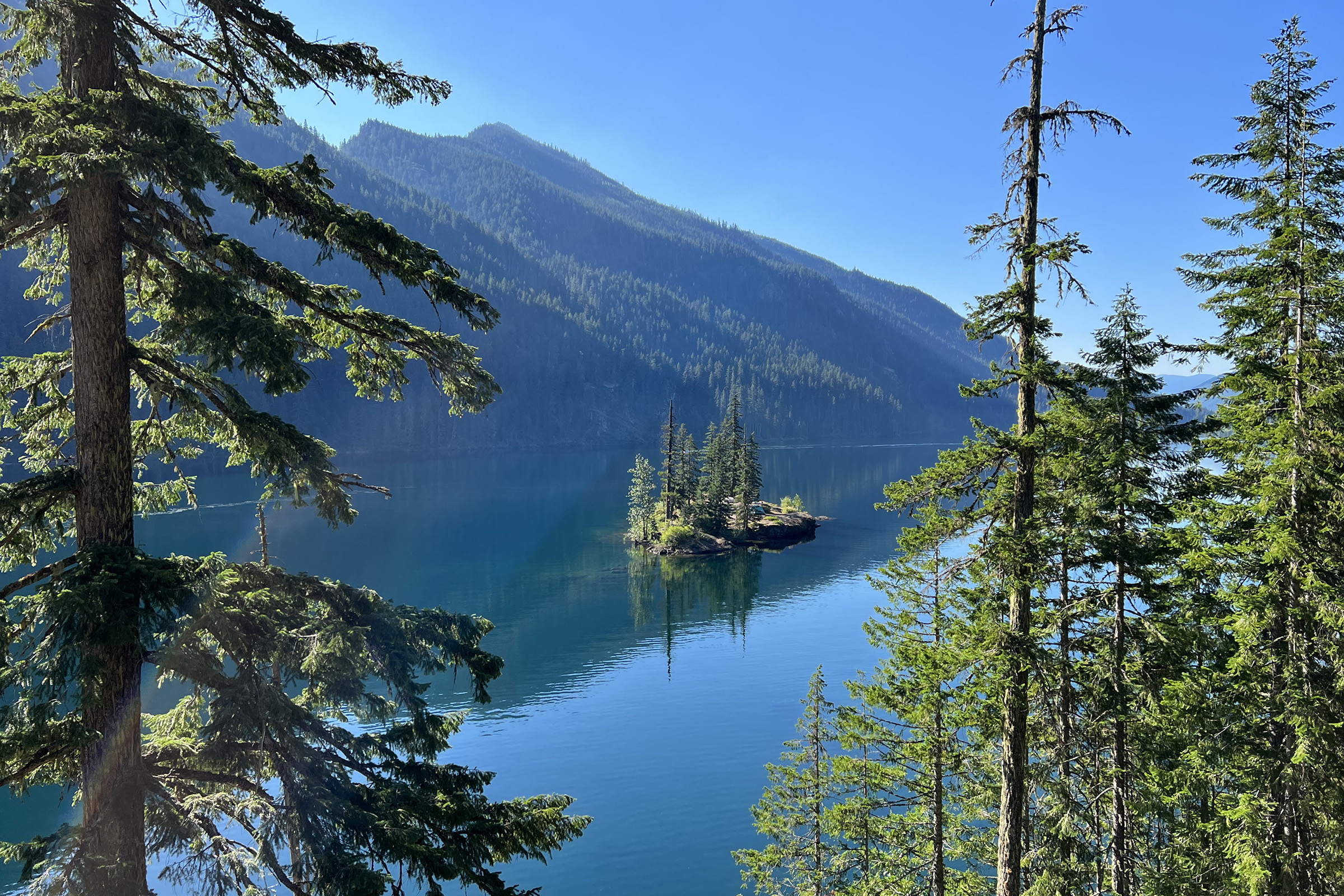
Rachel Lake to Rampart Lakes Day Hike

Maya Lin
Maya Lin is a travel journalist and outdoor enthusiast who believes the best trips combine rugged adventures with urban comforts. After spending six years backpacking across four continents, she founded Trail & Town Guide to help fellow travelers navigate both hidden mountain passes and bustling city neighborhoods with confidence.
Some Washington hikes feel like a choose-your-own-adventure in the best way. Rachel Lake is the friendly, lakeside classic: wide appeal, big payoff, easy logistics off I-90. Add Rampart Lakes and it turns into a longer alpine wander with more solitude, more elevation, and that satisfying feeling of “we kept going.”
This is my Trail & Town sweet spot: you can be back in civilization for an espresso and a hot meal the same afternoon, but still earn it on trail.
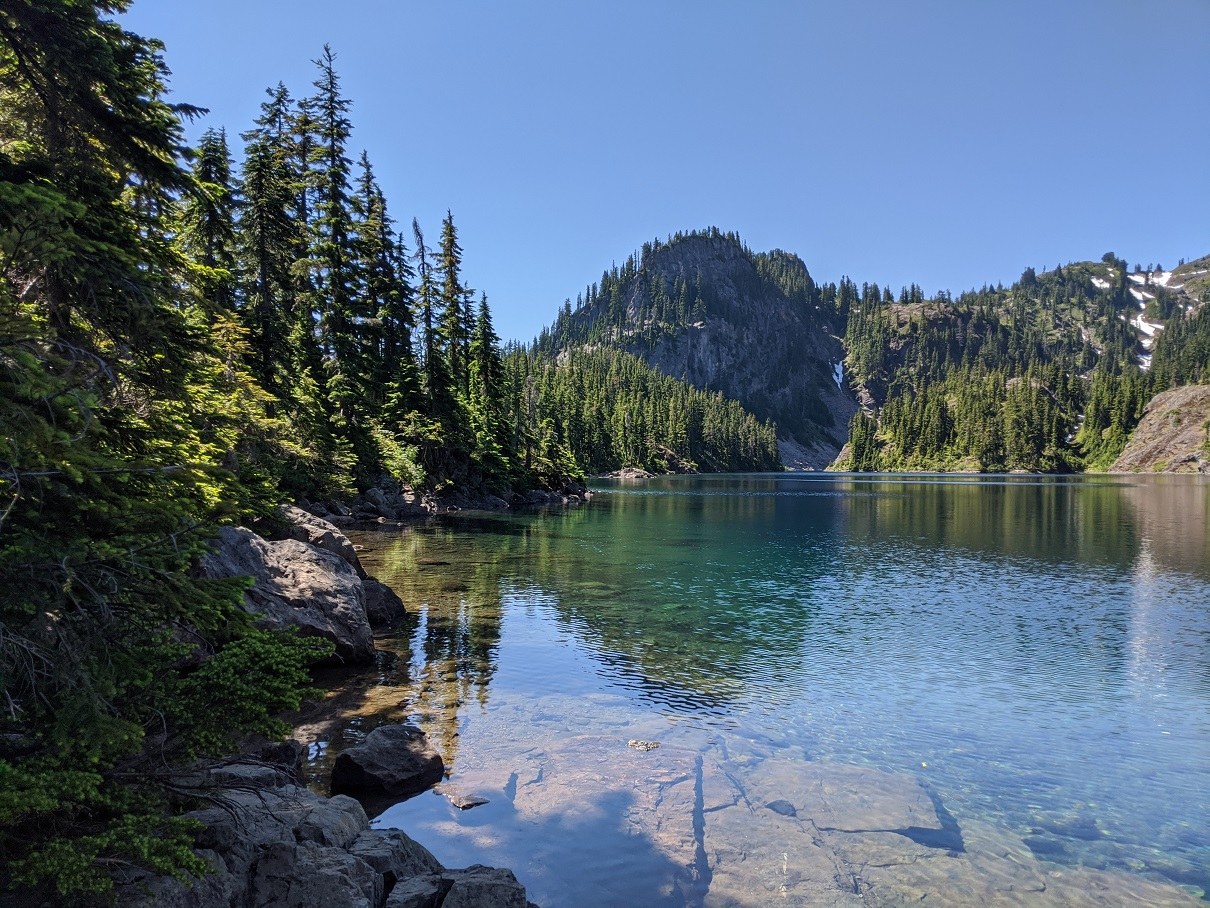
At a glance
- Trailhead: Rachel Lake Trailhead (Lake Kachess side of I-90, near Snoqualmie Pass)
- Route: Out-and-back to Rachel Lake, with an option to continue to Rampart Lakes
- Distance: Rachel Lake only is typically 7.5 miles round trip (roughly 7 to 8, depending on your GPS). Continuing to Rampart Lakes is typically 12 miles round trip (roughly 11 to 13, depending on which lake(s) you visit and how far you roam).
- Elevation gain: Rachel Lake is typically around 1,900 feet (roughly 1,800 to 2,000). Rampart Lakes is typically around 3,000 feet total (roughly 2,800 to 3,200). As always, it varies with your exact turnaround point and GPS track.
- Time: Rachel Lake: 4 to 6 hours. Rampart Lakes: 6.5 to 9.5 hours.
- Difficulty: Moderate overall, with one very steep section before Rachel Lake. Moderately hard to hard if you continue to Rampart Lakes (mostly due to length and sustained climbing)
- Best season: Summer through fall. Rampart Lakes often holds snow later and turns wintery earlier than Rachel Lake, but aspect and microclimates can flip the script year to year.
Quick reality check: If you want a mellow day with a guaranteed lake payoff, plan Rachel Lake as your destination. If you have strong legs, a full day of daylight, and decent trail fitness, Rampart Lakes is an excellent extension.
Getting there and parking
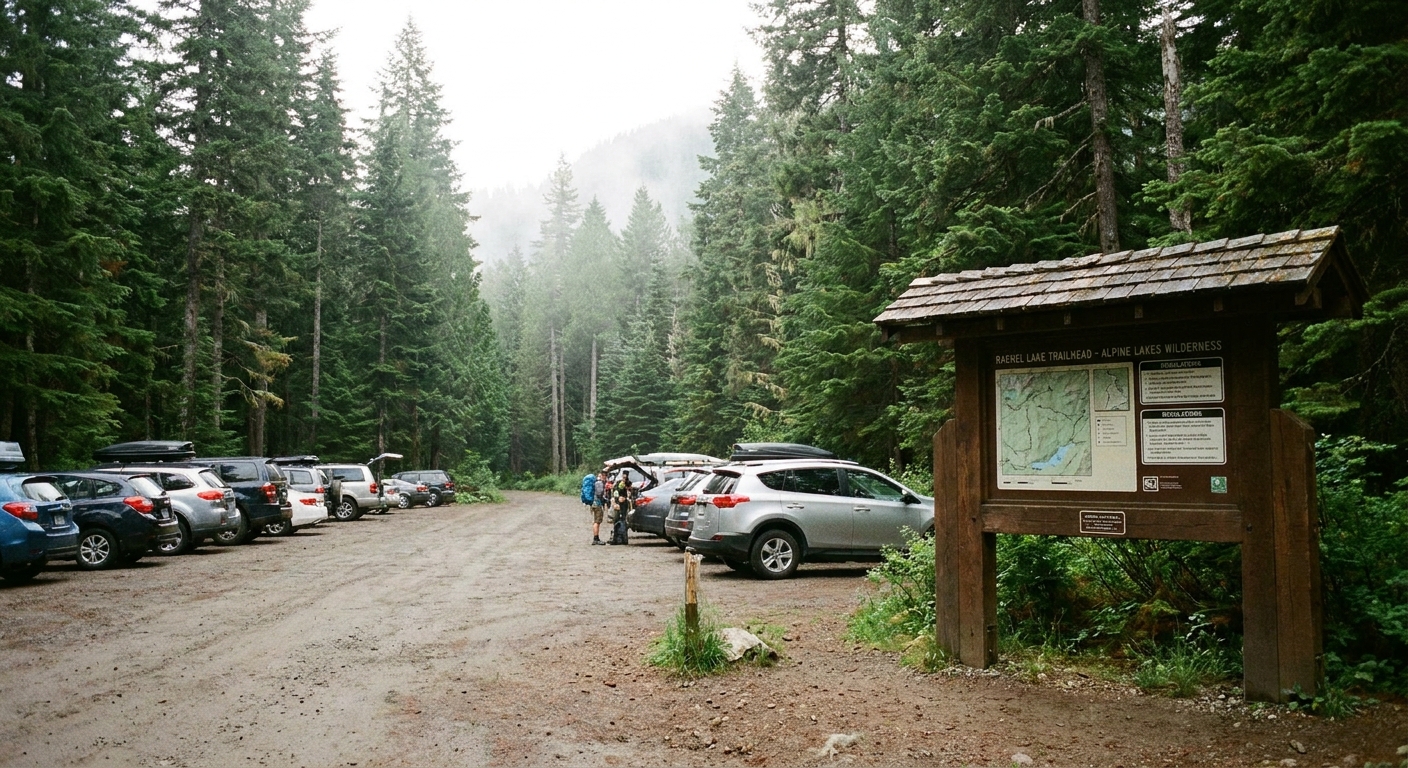
The Rachel Lake Trailhead sits just off I-90 near Lake Kachess. It is a popular launch point, especially on warm weekends, so an early arrival makes the whole day calmer.
Parking tips
- Arrive early on weekends: mid-morning can mean a full lot and roadside overflow.
- Pass: This is National Forest land and it is typically a Northwest Forest Pass situation (Interagency passes are often accepted too). Requirements can change, so confirm current rules for the Rachel Lake Trailhead before you go.
- Restrooms: Expect basic trailhead facilities, but do not assume they will be stocked. Bring your own hand sanitizer and a small trash bag.
The hike to Rachel Lake
Rachel Lake is popular for a reason. The navigation is simple, the destination is classic Cascades, and the route has a very specific personality: it lulls you into thinking it is easy, then it asks you to pay up.
What the trail feels like
- First miles: For the first stretch, the trail is famously gentle, cruising along Box Canyon Creek with modest grade. It is the kind of walking that lets you chat, warm up, and wonder what everyone was complaining about.
- The headwall: Then the trail tilts up hard. The final push to Rachel Lake is steep, rooty, and rugged, with a lot of gain packed into a short distance. This is the section that earns the lake.
- Terrain: Forest trail with roots and rocks. Expect mud in shoulder seasons and slick footing after rain.
- Crowds: Rachel Lake is a magnet for hikers and families. If you want quiet, start early or aim for a weekday.
When you reach the lake, most people naturally drift to the shoreline. Take a breath, filter water if you need it, and look around. The basin walls and the way the light moves across the water are a good reminder that you do not need a permit lottery to find beauty in the Cascades.
The steep part
Most people think Rachel Lake is going to be a steady climb all the way in. It is not. The route saves its biggest punch for the end.
The steepest effort on the way to Rachel Lake is the headwall climb right before the lake. It can feel abrupt because you have been cruising for a while, and then suddenly you are hauling yourself up roots and rock steps. If you only hike to Rachel Lake, this is the crux.
One more thing: for some hikers, the descent is the real crux. The headwall can be muddy, slick, and hard on knees, especially late day when legs are tired. Trekking poles help a lot here.
My pacing strategy
- Do not get tricked by the easy start: Treat the first flatter miles like a warmup. Drink water early and snack before you feel like you need it.
- Break the headwall into chunks: Pick a nearby landmark, hike to it, then take a short standing breather. Tiny resets add up.
- Keep breaks short: Thirty to sixty seconds is often enough to bring your heart rate down without letting your legs stiffen.
If you are carrying a lot of gear “just in case,” this is also where you will feel it. I am a carry-on-only traveler for a reason, and I hike the same way: pack light, pack smart.
Continuing to Rampart Lakes
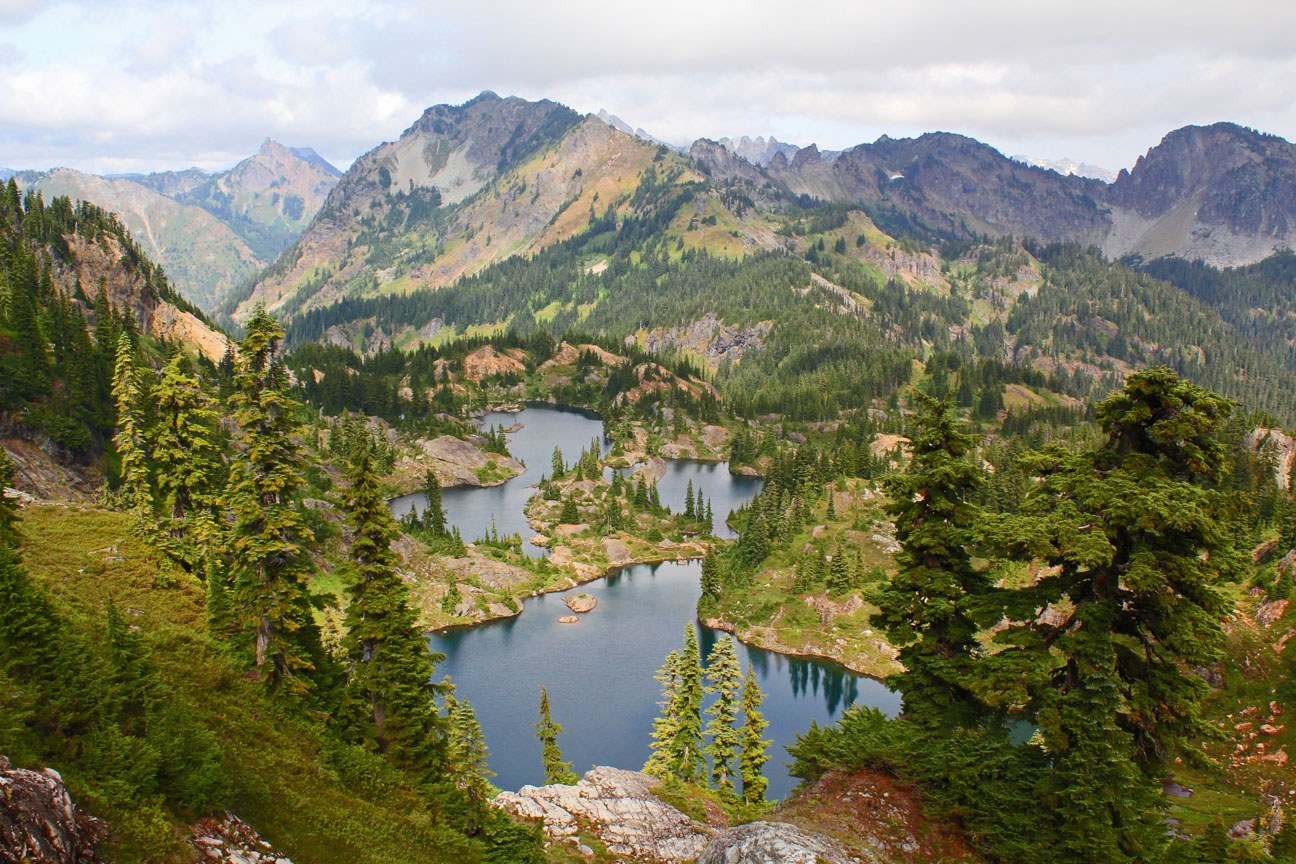
Think of Rampart Lakes as the more alpine, less crowded sequel. The vibe shifts from a single destination lake to a higher basin with multiple water pockets and more open views when conditions are clear.
What to expect
- More climbing after Rachel: After you leave the shoreline, expect another sustained climb into the higher basin.
- More solitude: Many hikers stop at Rachel Lake, so the trail often thins out beyond it.
- More exposure to weather: Higher elevation means wind, colder temperatures, and quicker changes.
- Navigation: The main trail is generally easy to follow, but in shoulder season snow can obscure tread. Bring an offline map.
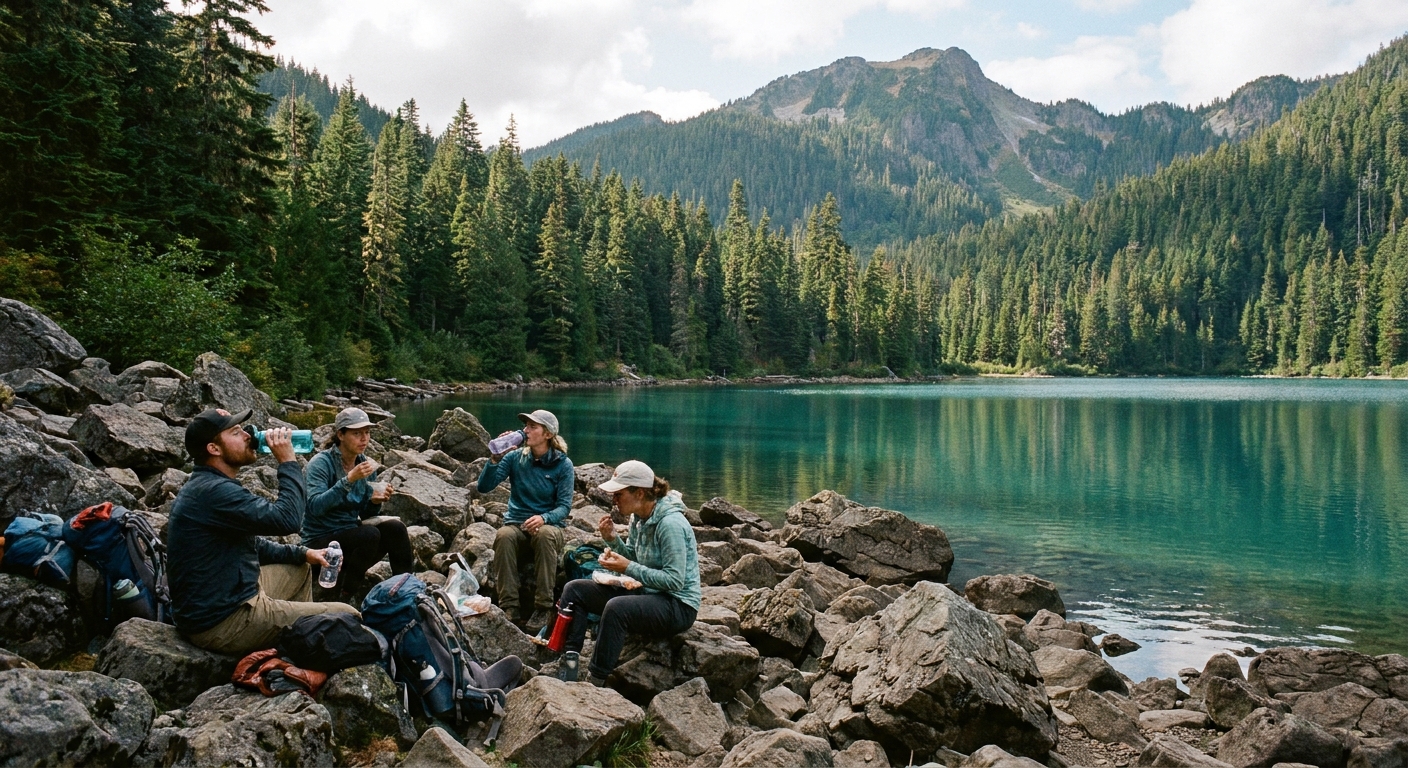
Once you reach the Rampart Lakes area, the most enjoyable part is wandering responsibly: find a comfortable rock, eat lunch away from the most fragile vegetation, and give yourself time to look at the ridgeline shapes. This basin rewards lingering.
Larch timing
If you are coming specifically for fall color, here is the key detail: Rampart Lakes larch timing does not always match other nearby basins. Elevation, aspect, and early storms can push the peak earlier or later from year to year.
Planning window
In most years, the best chance for golden larches around Rampart Lakes is late September into mid-October. Earlier can be mostly green, and later can be hit-or-miss if strong wind or early snow strips needles quickly.
How to dial it in
- Go by elevation and recent weather: A cold snap speeds color change. Warm, stable weather can stretch the season.
- Watch trip reports close to your date: Look for notes about “mostly turned,” not just a single golden photo.
- Aim for a weekday if you can: Larch season concentrates crowds on many routes. Rampart Lakes can still be busy, but it is often calmer than the most famous larch hotspots.
If larches are your whole mission, pack microspikes in late season and start early. Shorter days plus a longer route is not the combo you want to underestimate.
When to turn around
I love ambitious itineraries, but I love finishing hikes even more. Rachel Lake is a satisfying endpoint, and turning around there is often the best call if any of these apply:
- You are on a half-day schedule: Rachel Lake fits neatly into a morning-to-early-afternoon window.
- You are hiking with kids, new hikers, or a mixed group: It is a great “everyone wins” destination.
- Weather is iffy: If clouds are building or you hear thunder, do not commit to higher, more exposed terrain.
- You are already tired at the lake: If your legs feel shaky or you are behind on water and food, stop at Rachel.
- Daylight is tight: In fall, the Rampart Lakes extension can push you into a headlamp return, especially with photo stops.
My simple rule: If you reach Rachel Lake later than planned, or you feel like you have to force the extension, call it at Rachel. You will still have an excellent day, and you will come back for Rampart with better conditions.
What to pack
This is a straightforward day hike, but the headwall to Rachel Lake and the extra miles to Rampart Lakes can turn small mistakes into a long slog. Here is what I actually carry for this route.
Essentials
- Navigation: offline map on your phone plus a backup battery
- Water: enough capacity for a long day (and a filter if you plan to refill)
- Food: lunch plus extra snacks you actually want to eat
- Layers: a warm midlayer and a rain shell, even on “nice” days
- Sun protection: sunglasses and sunscreen (higher basin light is intense)
- Headlamp: especially outside peak summer daylight
- First aid basics and blister care
Nice-to-haves
- Trekking poles for the steep headwall, and for the sustained downhill back to the trailhead
- Microspikes in late fall or anytime you expect early morning ice or lingering snow
- A small sit pad for lake breaks without soaking your pants
Water notes
There is usually plenty of water on this route, but do not treat it like a guarantee. Late season can mean lower flows, and lake and creek water should always be treated. I bring a filter and still carry enough that I am not forced into a sketchy, last-minute refill.
Leave No Trace
Rachel Lake and Rampart Lakes get loved hard. A few small habits keep these shorelines from turning into trampled, fragile rings.
- Stay on durable surfaces: rocks, dirt, and established tread are your friends.
- Keep breaks off fragile vegetation: especially around the Rampart basin where plants recover slowly.
- Pack out every scrap: including food micro-trash like bar wrappers and tear-off corners.
- Give wildlife space: and do not feed anything, even the “cute” chipmunks.
FAQ
Is the Rachel Lake trail good for beginners?
Yes, for strong beginners who are comfortable with a long day and a steep final climb to the lake. The early miles are friendly, but the headwall section can feel intense if it is your first real uphill grind. Take your time, bring enough water, and plan to stop at Rachel Lake.
Is Rampart Lakes worth it?
If you have the daylight, fitness, and weather, absolutely. The extension adds a more alpine feel and usually fewer people. If you are short on time or energy, Rachel Lake is already a full, rewarding day.
Do I need special permits?
For a standard day hike, it is usually about the parking pass at the trailhead, typically a Northwest Forest Pass (often with Interagency passes accepted). Rules can change, so confirm current requirements before you drive out.
When is the best time for fall color?
Most years, late September into mid-October is your best bet for larches near Rampart Lakes, but it varies with weather. Always sanity-check close to your hike date.
How I end the day
If you are hiking this from the Lake Kachess side of I-90, you are set up perfectly for the post-hike comfort ritual. I like to keep a clean shirt in the car, swap shoes, then stop for a warm drink on the way home. Rachel Lake gives you that classic Cascades reset without turning the whole day into a logistics project. And if you tag Rampart Lakes, you earn every sip.