Tumacácori National Historical Park and a Tubac Stop

Maya Lin
Maya Lin is a travel journalist and outdoor enthusiast who believes the best trips combine rugged adventures with urban comforts. After spending six years backpacking across four continents, she founded Trail & Town Guide to help fellow travelers navigate both hidden mountain passes and bustling city neighborhoods with confidence.
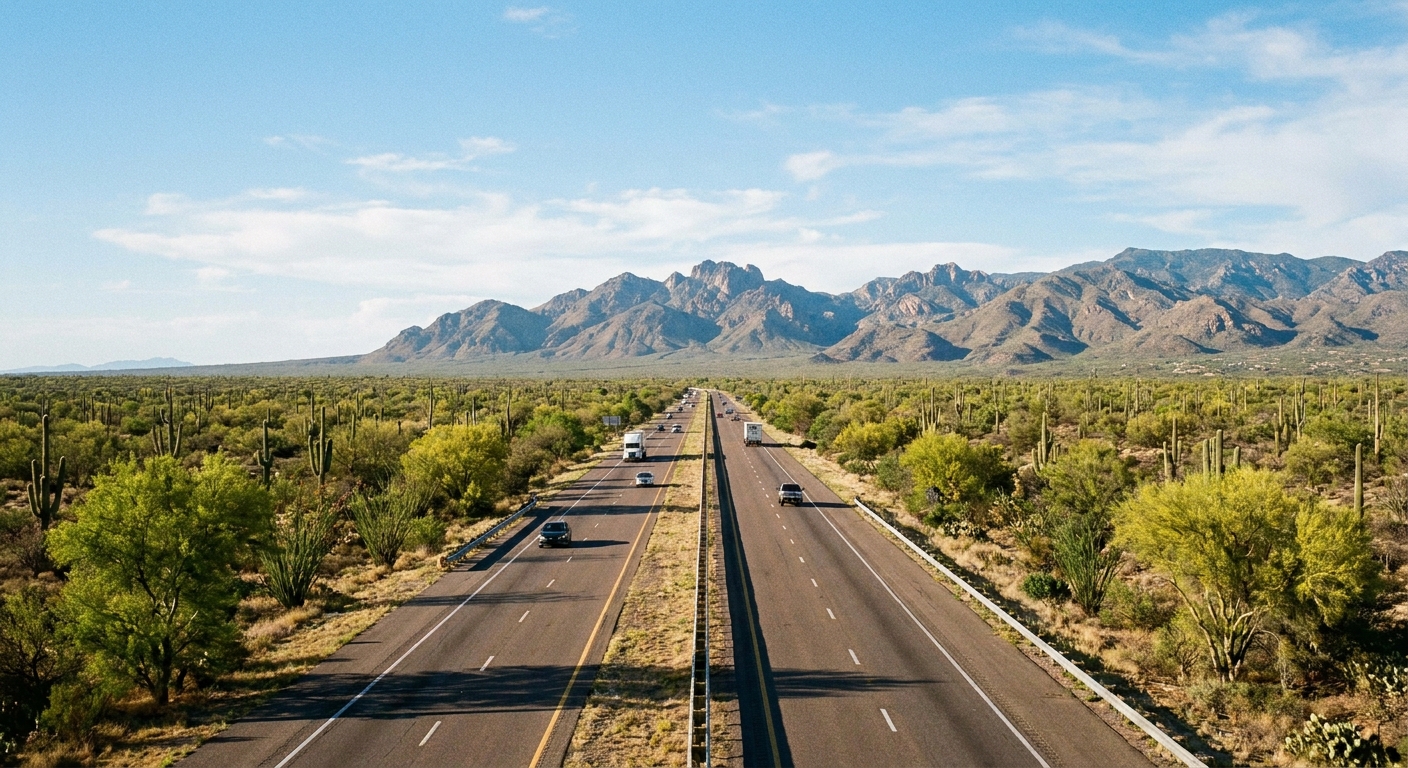
If you want a quick hit of Southern Arizona history that still feels like you got out of the city, point your car south on I-19 and aim for Tumacácori National Historical Park. It is one of those rare sites that works for a lot of travelers: the history-forward traveler, the family with antsy kids, and the outdoorsy type who wants to stretch their legs without committing to a full-day hike.
My favorite way to do it is as a relaxed half-day: start at Tumacácori for the visitor center context and the mission ruins walk, then roll into Tubac for coffee, gallery browsing, and an easy lunch before driving back to Tucson.
At a glance
This is a straightforward out-and-back from Tucson with minimal logistics, which is exactly why it is such a good anchor when you only have a morning or afternoon free.
- Tucson to Tumacácori: roughly 45 to 60 minutes by car, depending on where you start in Tucson and traffic on I-19 (some south-side starts are faster).
- Tumacácori to Tubac: roughly 10 to 15 minutes.
- Tubac back to Tucson: roughly 45 to 60 minutes.
Stable reference: Tumacácori is about 45 miles south of central Tucson.
Ideal pacing (half-day): 75 to 120 minutes at Tumacácori, then 60 to 120 minutes in Tubac. If you linger in galleries or sit down for a longer lunch, it can easily become a comfortable 5 to 6 hour outing.
What Tumacácori is
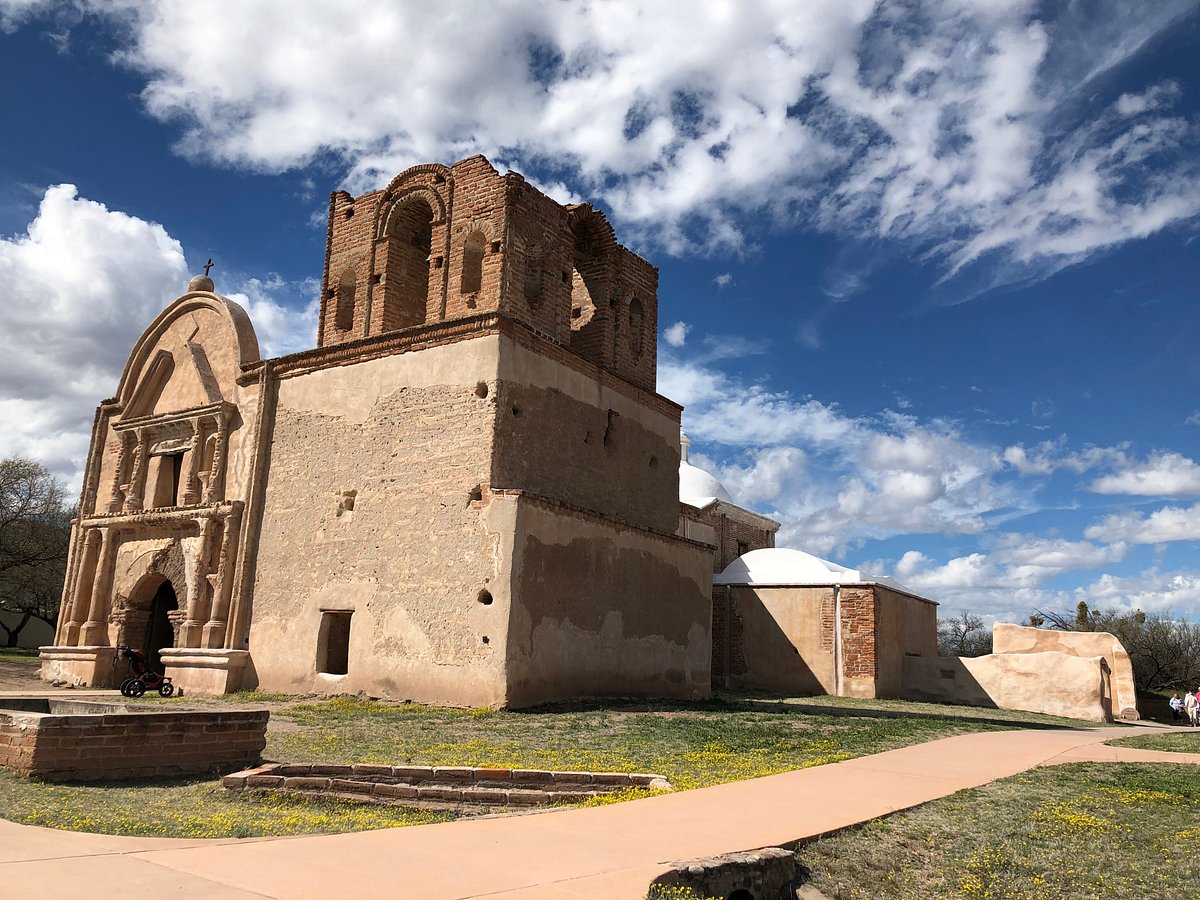
Tumacácori is an NPS site centered on the preserved ruins of a Spanish colonial mission complex along the Santa Cruz River corridor. The headline is the stabilized mission church shell and surrounding grounds. It is best experienced as a ruins and landscape visit with historical interpretation, not as a parish-style stop.
In practice, that means you are visiting a historic site with exhibits and walking paths, not showing up for services or an active church campus vibe.
Come expecting:
- Mission ruins you can walk around and view up close
- A visitor center with exhibits that give the site real meaning in about 15 minutes
- Short, easy walking on mostly flat paths
- Big sky, desert light, and those quiet moments where you realize how much of Arizona’s story happened along this river corridor
Visitor center first
I always start inside. The visitor center is small enough that it does not derail your time, and it gives you the historical scaffolding so the ruins are not just photogenic walls.
What to do in order:
- Scan the exhibits for a quick timeline and the mission system context.
- Ask a ranger what is best today if you are short on time or visiting in extreme heat. Rangers often flag what is newly open, what is shaded, and what to prioritize.
- Use the restrooms and top off water before you head out. If bottle filling is important to you, ask at the desk where the best refill spot is that day.
Good to know: Cell service along I-19 is usually fine near towns, but can be inconsistent in pockets depending on your carrier. I still like to screenshot the NPS page with current hours and any temporary notices before leaving Tucson.
Ruins walk
The walking here is easy and intuitive, which makes Tumacácori perfect for travelers who want a history stop that still feels like fresh air.
Mission church shell
This is the iconic view: white walls, arched openings, and details that pop in the desert sun. Take a slow lap. I always pause at the arched doorways because they frame the blue sky like a clean postcard, especially late morning when the shadows are crisp.
Courtyard and grounds
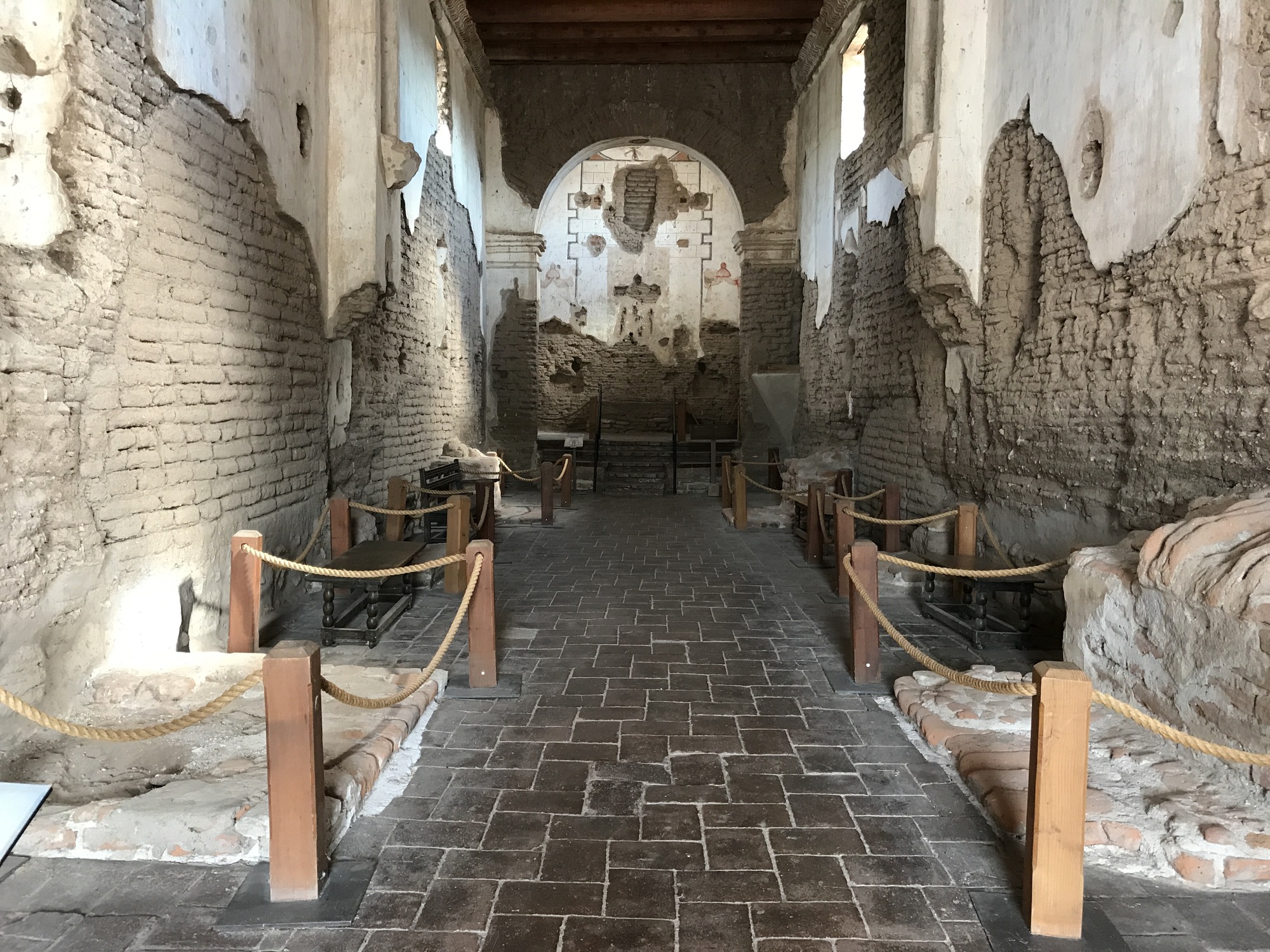
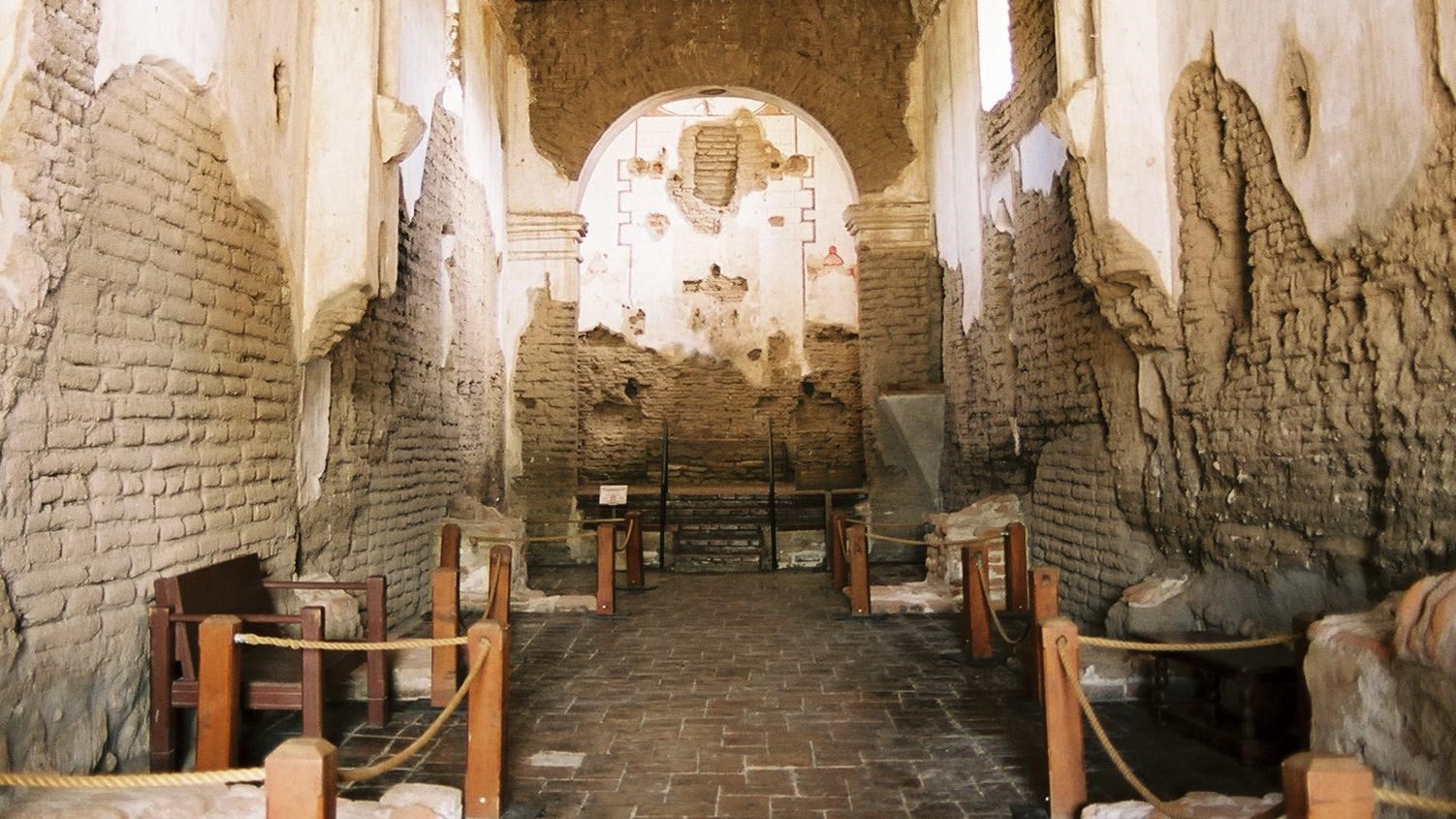
Beyond the main facade, you will see remnants and outlines that hint at daily life around the mission complex. This is where the site feels less like a single building and more like a place people moved through, worked in, and lived around. If you like photo texture, this is the zone: worn plaster, softened edges, and the contrast of white walls against mesquite green.
Short trails
There are short walking paths on the grounds, including the Anza Trail segment that runs by the park. Access and conditions can change with weather or maintenance, so I treat this as a bonus loop if it is open and comfortable that day.
History with context
The mission story here is tied to the larger Spanish colonial mission system in the region, and it also sits within a much older Indigenous landscape along the Santa Cruz River. You will see interpretation that touches on Native communities and mission-era change. I find the visit lands best when you hold both realities at once: this was a religious outpost and a community center for some, and it was also part of a colonial system that brought disruption, coercion, and profound long-term impacts.
If you have time, ask a ranger what they recommend for understanding the Indigenous history connected to the site. The best answers are often a quick exhibit pointer that changes how you read the ruins outside.
Hours and fees
Entrance fee: $10 per person (age 16 and older). America the Beautiful passes are accepted.
Hours can shift seasonally or due to staffing and special conditions, so it is still smart to check the official NPS site the day you go for current hours, closure days, and any alerts.
- Arrive earlier in the day if you are visiting in warmer months. The sun can feel intense fast, even on a short walk.
- Budget a little buffer if you want to read exhibits, browse the bookstore area, or ask questions.
If you are planning this around lunch, I like a late morning Tumacácori visit, then an early afternoon Tubac meal when things are lively but not slammed.
What to pack
This is not a gear-heavy outing, but small choices make a big difference in Southern Arizona.
- Water: more than you think for the season. Even a short ruins walk adds up in direct sun.
- Sun protection: hat, sunglasses, sunscreen. Shade exists, but not everywhere.
- Good walking shoes: sneakers are fine. You are on paths and compacted ground, not technical trails.
- Light layer: mornings can be cool, and winter shade can feel surprisingly crisp.
- Plan for wind and monsoon: spring winds kick up fast, and in monsoon season a quick storm can change the feel of the paths. If the sky looks dramatic, it is smart to keep an eye on the forecast.
- Camera or phone battery: the textures and doorway frames are catnip for photos.
Getting there
Tumacácori is directly off I-19 at Exit 29. From the freeway it is the kind of simple, confidence-boosting NPS turnoff you want on a half-day outing.
On-site reality: parking is set up like a classic NPS stop with a clear entrance flow. Food is not the point here, so I plan on eating in Tubac (or packing a snack) rather than expecting a full meal at the park.
Tubac stop
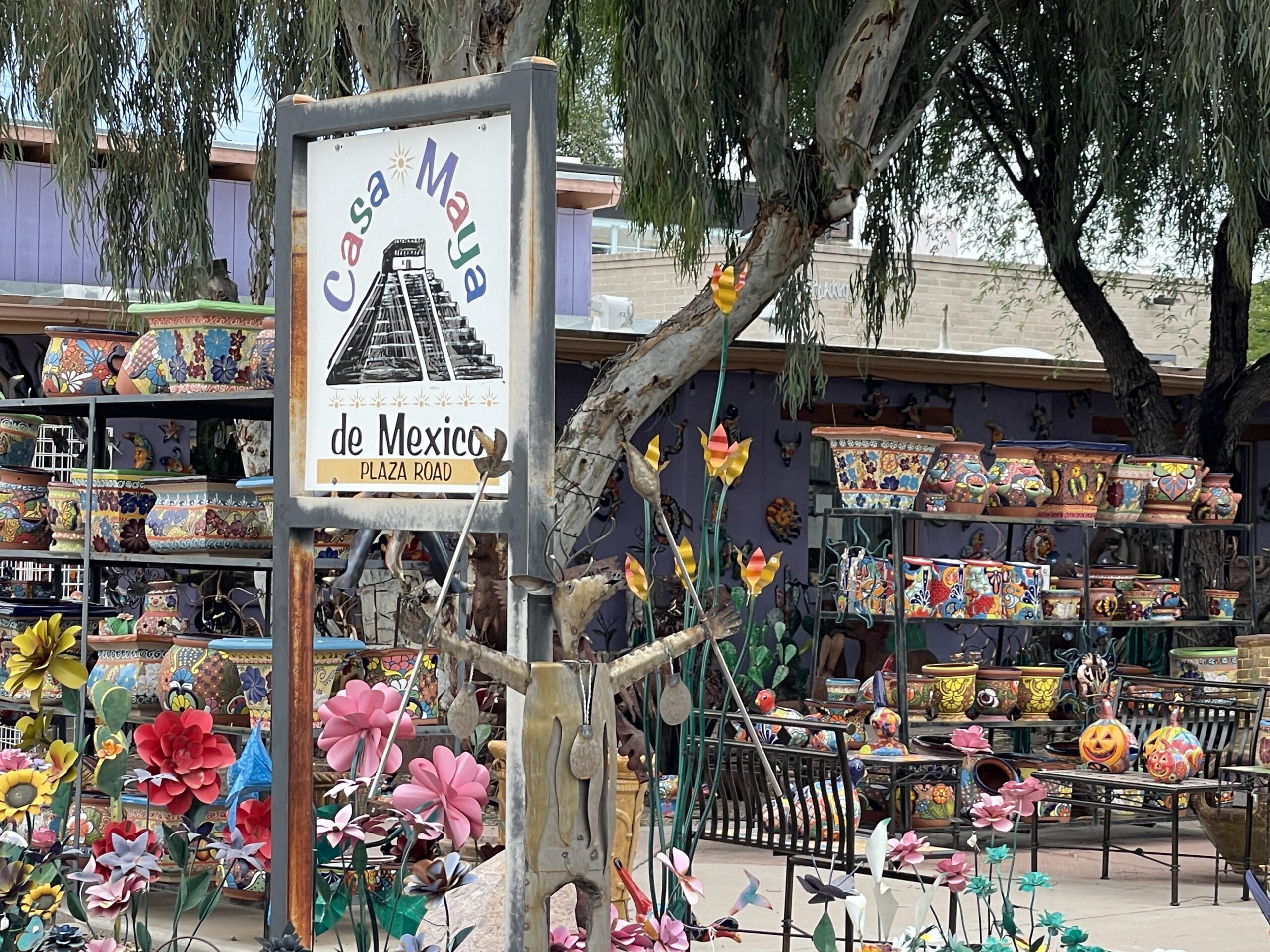
After ruins and quiet, Tubac is the perfect contrast: a small, arts-forward town where you can sip something iced, browse studios, and decompress. I think of it as the town half of this trail-and-town combo.
What to do in Tubac
- Find a coffee shop and linger for 20 minutes. Tubac is made for slow travel energy, even if you are only there briefly.
- Gallery hop with no agenda. Let one piece of art pull you into the next room.
- Browse local crafts for high-quality souvenirs that are actually useful or meaningful.
- Stretch your legs on a short walk around the core streets. Even minimal wandering turns up courtyards, shade trees, and hidden patios.
Lunch strategy
If you want a sit-down meal, aim for off-peak times. If you would rather keep moving, grab something quick and spend more time wandering. My personal rule is: if the weather is beautiful, prioritize patio time over a long drive back to Tucson with a half-finished plan.
Parking note: In town, parking and any paid lots can vary by area and season. I usually assume I may need to circle once, then adjust, rather than expecting a perfect spot at the front door.
Half-day plans
Option A: Classic (4 to 5 hours total)
- Drive Tucson to Tumacácori
- Visitor center and exhibits (15 to 25 minutes)
- Mission grounds walk and photos (60 to 90 minutes)
- Drive to Tubac
- Coffee plus galleries and a light lunch (60 to 120 minutes)
- Drive back to Tucson
Option B: Hot-day plan
- Start earlier at Tumacácori and keep the outdoor portion efficient
- Spend more time indoors in Tubac galleries during peak heat
- Head back to Tucson before the afternoon sun peaks
Option C: Slow plan
- Take your time with ranger guidance and exhibits at Tumacácori
- In Tubac, commit to a long patio lunch and unhurried browsing
- Build in 15 minutes of doing nothing but sitting somewhere pleasant
Practical tips
- Accessibility: Much of the experience is on relatively flat, maintained paths, making it approachable for a wide range of visitors.
- Weather: Southern Arizona sun is the main factor. Plan around it, not against it. Wind is the runner-up.
- Time of year: Cooler months are especially pleasant for lingering on the grounds and in Tubac courtyards.
- Monsoon season: If storms are in the forecast, I aim for an earlier visit and keep shoes that can handle a little wet grit.
FAQ
How long do you need at Tumacácori National Historical Park?
Plan on 1.5 to 2 hours for a satisfying visit that includes the visitor center and a slow walk around the mission ruins. You can do a quicker 60 to 75 minute lap if you are tight on time.
Is Tumacácori an easy stop from Tucson?
Yes. It is roughly 45 miles south of Tucson via I-19, with an easy add-on to Tubac afterward. The park is right off the freeway at Exit 29.
How much does it cost to get into Tumacácori?
$10 per person (age 16 and older), and America the Beautiful passes are accepted.
Can you do Tumacácori and Tubac in one morning?
Absolutely. If you start early and keep Tubac focused, you can fit both comfortably in a morning and still be back in Tucson early afternoon.
Is the walk at Tumacácori strenuous?
No. The visit is mostly flat, short, and approachable. The main challenge is usually sun and heat, not terrain.
Is there food at Tumacácori?
I plan as if there is not. I treat Tumacácori as a walk-and-learn stop, then I save coffee and lunch for Tubac.