Yosemite With Kids: Easy Hikes, Junior Ranger, and What to Skip

Maya Lin
Maya Lin is a travel journalist and outdoor enthusiast who believes the best trips combine rugged adventures with urban comforts. After spending six years backpacking across four continents, she founded Trail & Town Guide to help fellow travelers navigate both hidden mountain passes and bustling city neighborhoods with confidence.
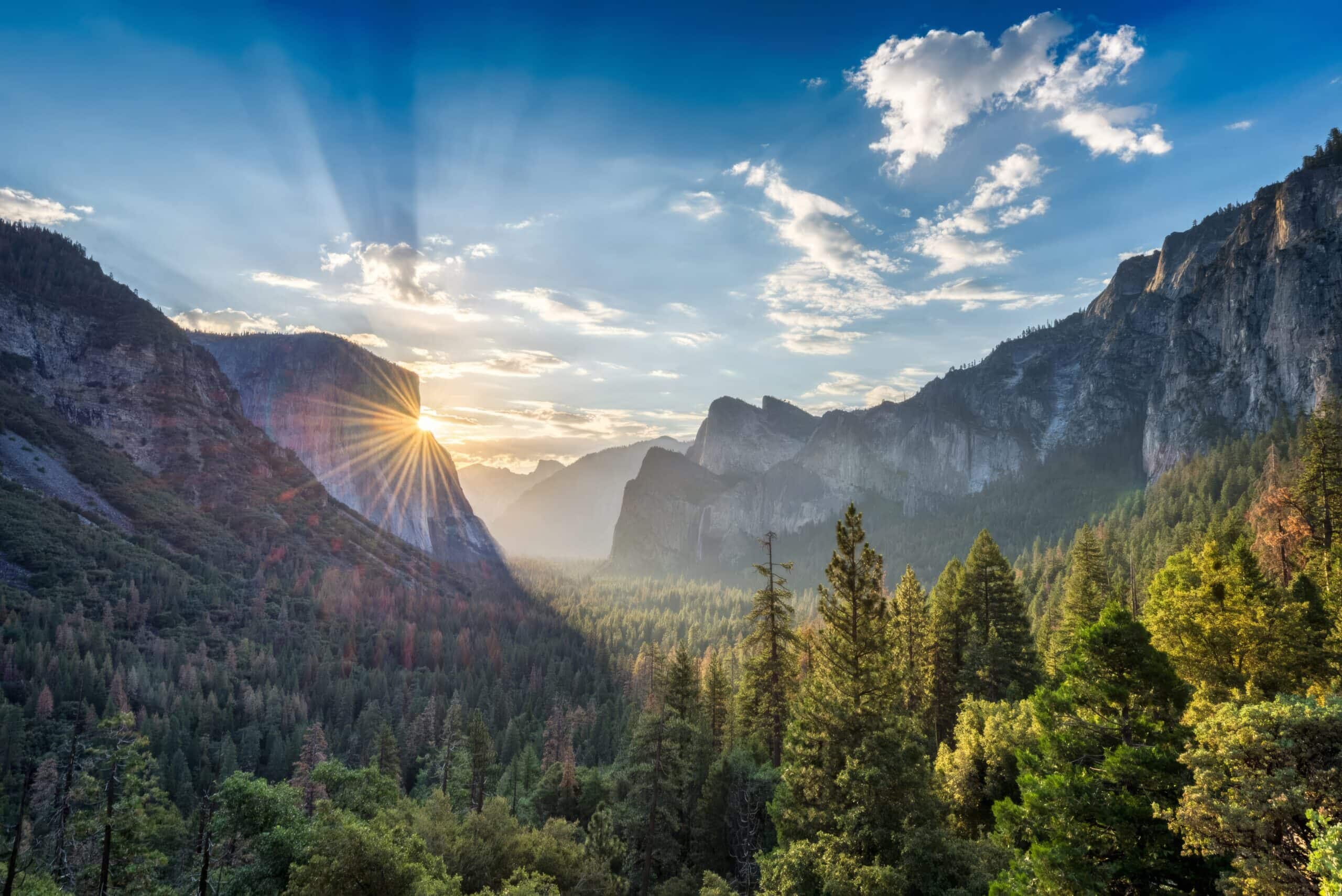
Yosemite is one of those places where adults arrive with a mental montage of epic granite and thundering waterfalls, and kids arrive with one urgent question: “Are we there yet?” The good news is Yosemite is surprisingly family-friendly if you treat it less like a peak-bagging destination and more like a choose-your-own-adventure park where the payoff is constant.
I grew up hiking in Colorado, and I still love a big day in the mountains. But with kids in Yosemite, I plan for small wins stacked together: a flat walk with a waterfall, a shuttle ride as a “break” (when it is running), a picnic with a view, a Junior Ranger badge as the trophy. This is the Yosemite plan that keeps everyone happy, including you.
Before you go: pace and expectations
Yosemite is not the place to schedule dawn-to-dusk activities with no buffer. Between traffic, parking, bathroom runs, snack negotiations, and the gravitational pull of riverside rocks that must be thrown, a “simple hike” takes longer than you think.
A realistic family rhythm
- Plan one main outing per half-day. One hike or one big viewpoint, then keep the rest flexible.
- Build in unstructured time. Aim for at least 60 to 90 minutes a day for creek play, meadow wandering, or just letting kids be wild.
- Use the Valley shuttle strategically. When it is operating, it saves steps and turns transit into a novelty.
- Quit while it is still fun. Ending a hike before the meltdown is a Yosemite superpower.
When to visit (kid comfort edition)
- Spring (April to early June): Best waterfalls and cooler temps. Crowds tend to ramp up in late spring, especially around holiday weekends and into June.
- Summer: Long days and warm river time. Expect heat, traffic, and packed trailheads.
- Fall: Quieter, pleasant hiking weather. Waterfalls can be lower by late season.
- Winter: Magical and calmer in the Valley, but some areas and roads can close with snow.
Know the rules: reservations and access
Yosemite logistics change often enough that I treat them like weather: always check before you commit. Depending on the season, you may need an entry reservation or encounter peak-hour access controls. Road work also happens, and it can affect your best-laid plans.
- Before you leave: Check the current Yosemite National Park alerts and any reservation requirements for your dates.
- Build a Plan B: Have one easy Valley walk in your pocket in case a trailhead lot is full or a route is temporarily closed.
Where to stay: the real family trade-off
If you can stay in Yosemite Valley, you buy yourself what families need most: midday breaks. Naps, quiet time, and an easy reset are the difference between a dreamy day and a dinner-table meltdown.
- Staying in the Valley: Less driving, easier early starts, easier to pivot.
- Staying outside the park: More options and sometimes more availability, but you pay in drive time and parking roulette.
My personal bias with little kids: if you have the choice, prioritize fewer car miles over a nicer room.
Stroller-friendly Yosemite: what works
Yosemite Valley is one of the most stroller-possible national park hubs in the U.S., as long as you pick the right surfaces. Think paved paths and wide compacted routes. Think twice about rocky, rooty trails where you will end up carrying the stroller like an awkward piece of camping furniture.
Top stroller routes in Yosemite Valley
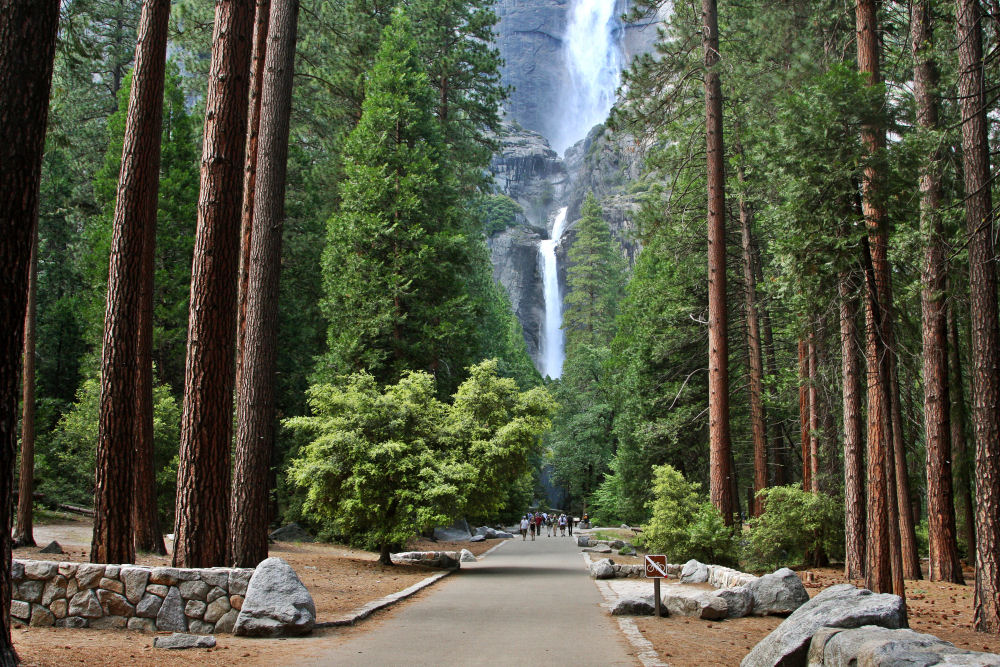
- Lower Yosemite Fall trail: A short, paved loop with a huge payoff. In peak runoff, the mist alone can turn kids into laughing chaos.
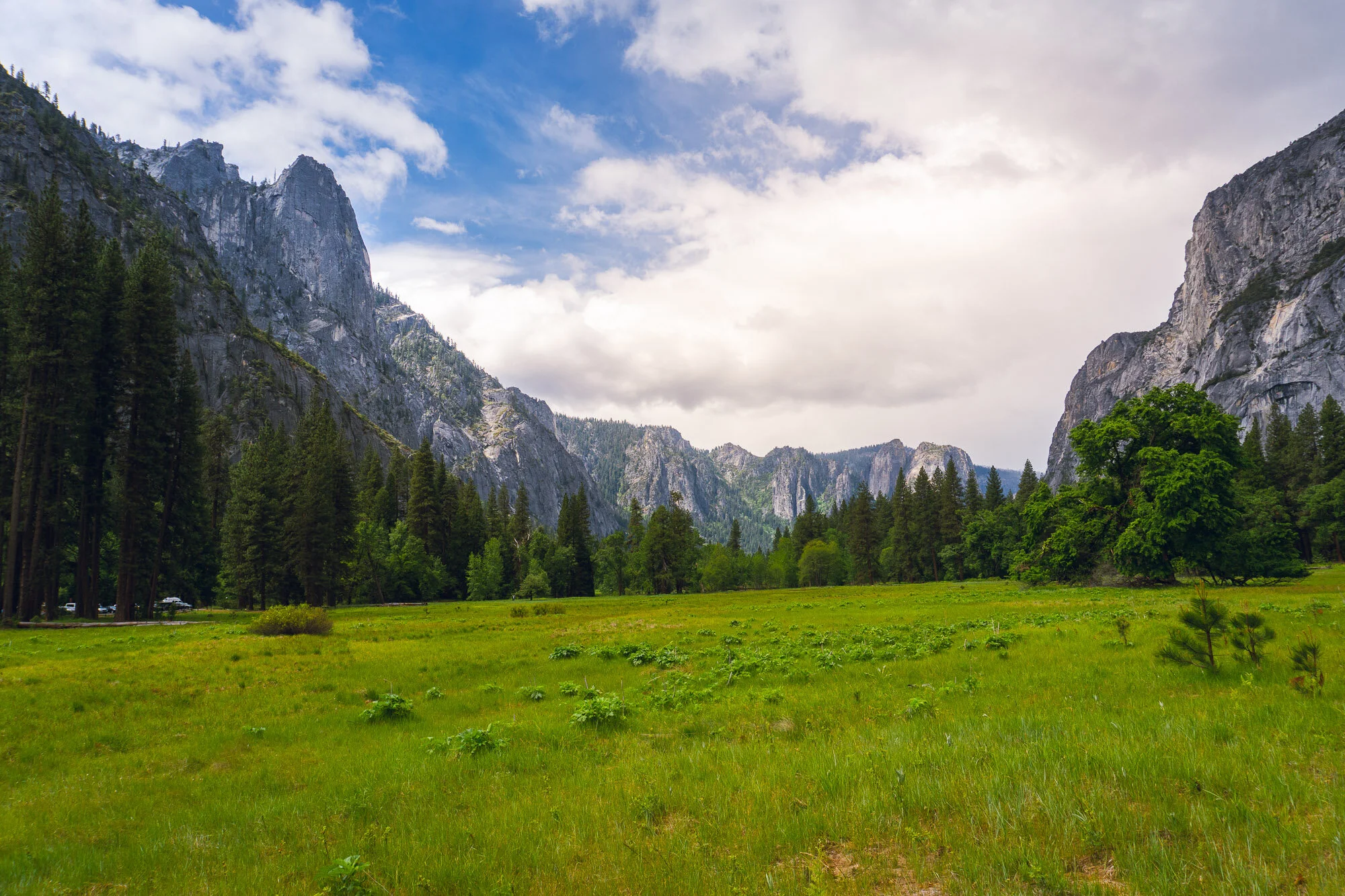
- Cook’s Meadow Loop (sections): Mostly flat, with postcard Valley views. Do this in pieces from shuttle stops instead of committing to the full loop if attention spans are short.
- Mirror Lake to the first bridge area: Often doable with a sturdy stroller when conditions are good, but expect some uneven bits. If it feels annoying early, turn it into a riverside wander and call it a win.
Stroller note: A jogging stroller with decent wheels is the sweet spot. If you are using a compact travel stroller, keep your ambitions simple and stick to paved paths.
Easy hikes with big payoffs
These are my go-to kid-friendly walks in the Valley and nearby areas. They deliver fast scenery without scary exposure or a thousand steep steps.
Lower Yosemite Fall
Why it works: Short, paved, and dramatic. You get the Yosemite scale with minimal effort.
- Best for: Toddlers to tweens
- Tips: Go early or late for easier parking and fewer crowds. In spring, pack a light rain layer for the mist.
Bridalveil Fall (quick stop)
Why it works: A waterfall stop that feels like an event. If you are entering Yosemite Valley from the west, it can be a perfect “first stop” to burn off car energy.
- Best for: All ages, especially when you need a quick win
- Tips: Access and parking here have changed at times due to ongoing improvements. Check current conditions before you promise the kids a fast in-and-out. Near the base it can be slippery, so hold hands and go slow.
Sentinel Meadow and Merced River paths
Why it works: You can tailor the distance to your family and stop whenever someone spots a cool rock. The Valley feels huge here, and kids tend to do better when the route is wide and visually interesting.
- Best for: Kids who dislike “hiking” but love wandering
- Tips: Bring a picnic and make it a loop between scenic stops and snack stops.
Mirror Lake (go early, stay flexible)
Why it works: River views, sandy spots, and lots of places for kids to explore near the start. If you make it all the way to the lake, great. If you only make it to a good rock-skipping spot, also great.
- Best for: Preschoolers and elementary kids who need frequent breaks
- Tips: In late summer, it can feel more like a meadow than a lake. Set expectations accordingly.
Tuolumne Grove (sequoias + uphill finish)
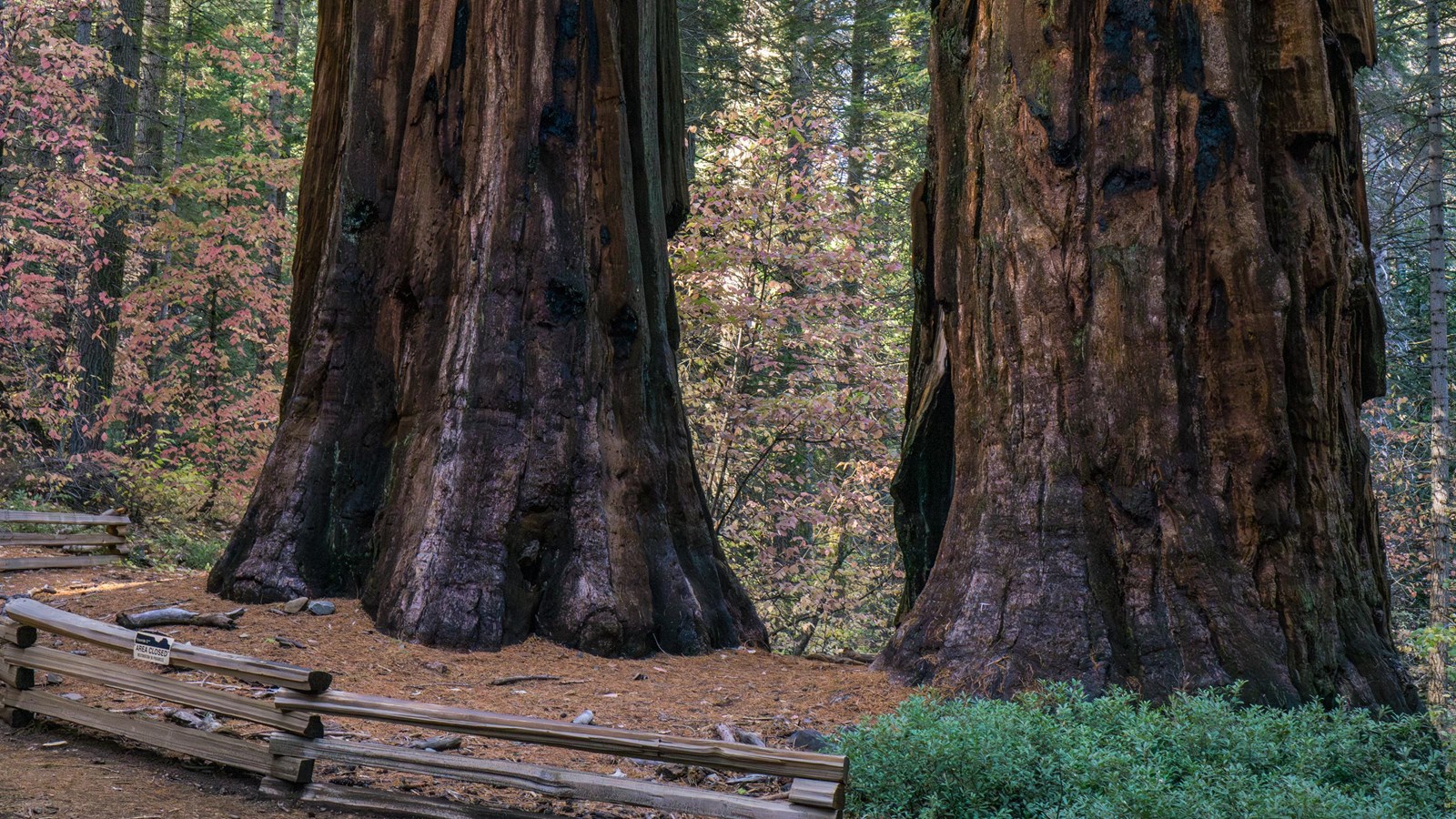
Why it works: Giant trees are kid catnip, and the grove is genuinely impressive.
The catch: The hike starts downhill, which means it ends uphill. For small kids, that final climb back can feel long.
- Best for: Families with a child carrier or older kids who can handle a climb
- Tips: This is off Tioga Road, which is seasonal and can close due to snow. Check road status. Bring more water than you think, take breaks on the way back up, and treat it like a game.
Junior Ranger: fun, not stressful
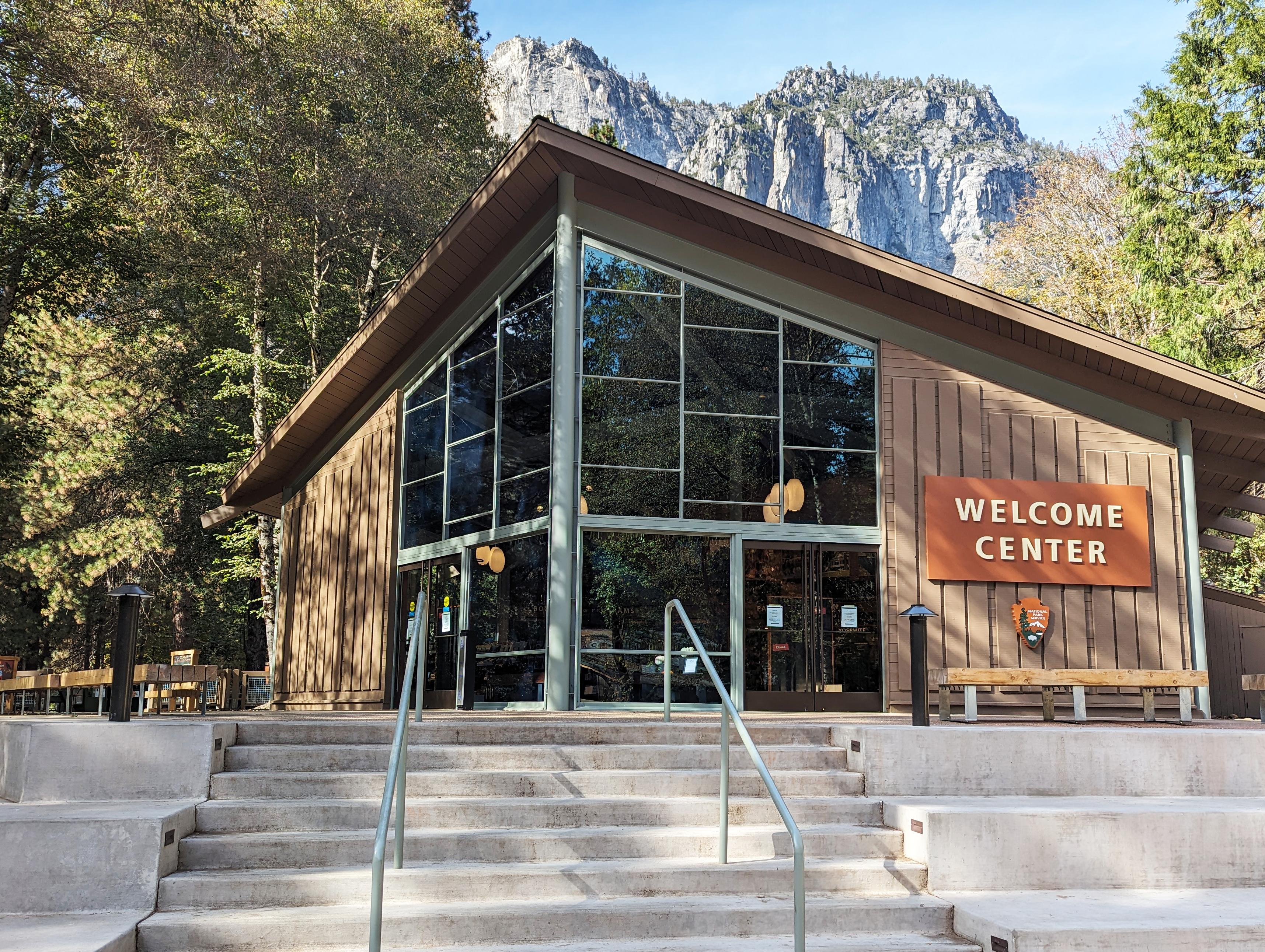
If you do one structured kid activity in Yosemite, make it Junior Ranger. It gives kids ownership of the trip, slows you down in a good way, and turns learning into a scavenger-hunt vibe. I love it because it quietly nudges everyone to notice the small stuff: animal tracks, meadow ecology, how people have lived here for generations.
What to expect
- Pick up the Junior Ranger booklet at a visitor center in Yosemite Valley or other staffed locations.
- Kids complete age-appropriate activities in the booklet. The number of required pages can vary by age group.
- They get sworn in by a ranger (or staff member) and earn a badge.
My low-stress strategy
- Do it in small bites. Aim for a few activities at breakfast, a few during a quiet break, and one or two on the trail.
- Let the park do the teaching. Ranger programs, exhibits, and short walks often make the booklet easier.
- Use it as a reset. If your kid hits a mood slump, sitting in the shade to draw or answer questions can be the calm pivot you need.
What to skip with little kids
Some Yosemite classics are incredible, but they are also steep, exposed, or simply not enjoyable with a toddler or a cautious preschooler. Skipping them is not “missing Yosemite.” It is choosing Yosemite that works for your family right now.
Mist Trail to Vernal Fall (the stairs)
Why to skip: It is steep, crowded, slick, and has big drop-offs. When it is wet, it is a lot, even for confident adults.
Do this instead: Consider the Vernal Fall Footbridge route if conditions and your kid situation feel right, or stick with Lower Yosemite Fall for a waterfall payoff with minimal risk.
Upper Yosemite Fall
Why to skip: Long, steep, and exposed in sections. It is a serious climb.
Do this instead: Get the view with a meadow walk and a picnic, then spend the saved energy on a bike ride or a shuttle hop (when operating) to a different viewpoint.
Half Dome (save it for later)
Why to skip: Massive mileage, big elevation gain, and the cable route is not a little-kid activity.
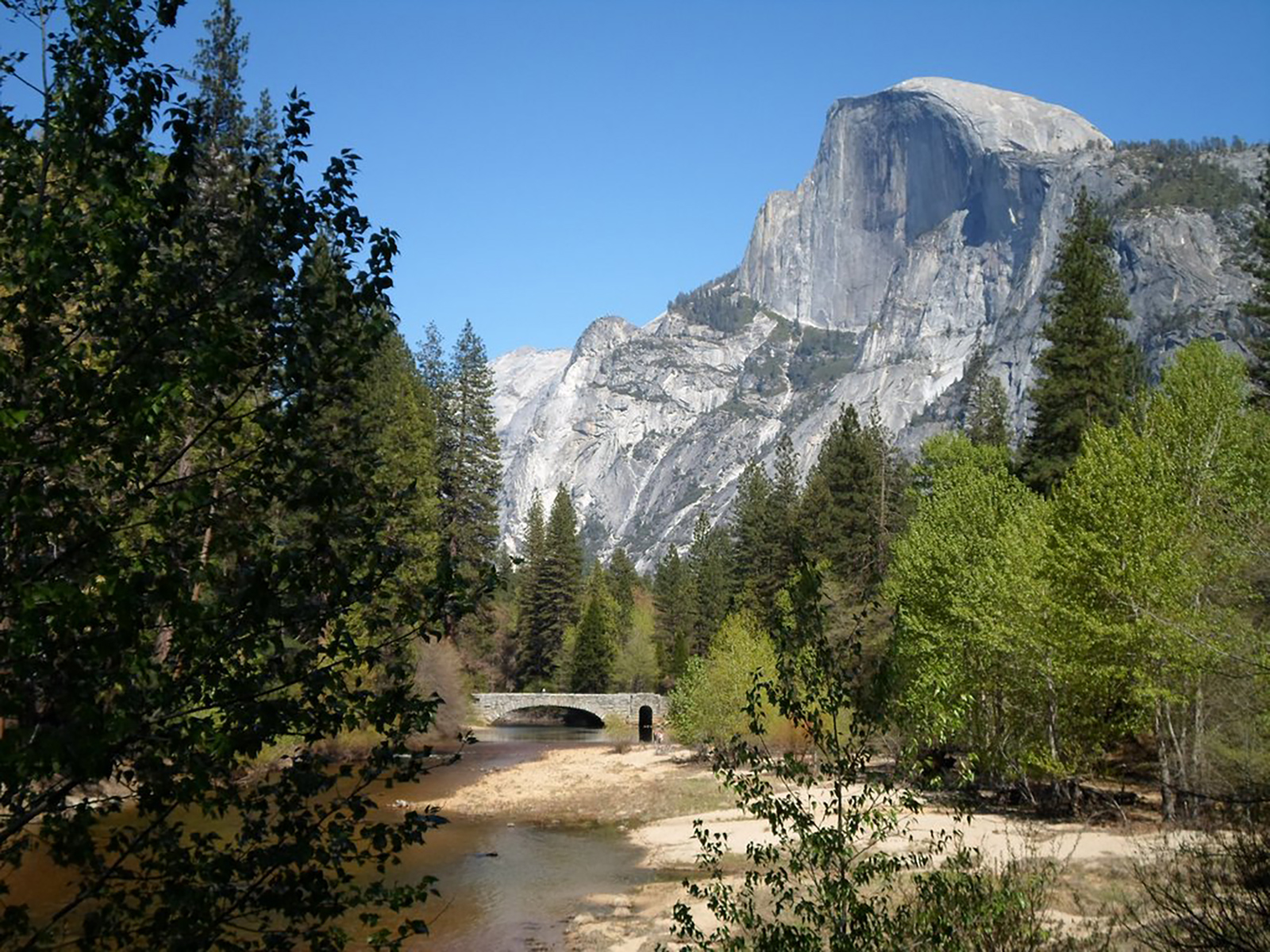
Do this instead: Choose experiences that still feel iconic: Tunnel View, Glacier Point (when road access is available), and time in the Valley where Half Dome looms overhead.
Sentinel Dome and Taft Point (exposure alert)
Why to skip: Stunning, but there are cliff edges that can be terrifying with toddlers who move like pinballs.
Do this instead: Prioritize safe viewpoints with rails or wide, controlled spaces, and keep your big views to drive-up or short-walk overlooks where you can manage distance from edges.
If your child is in the “sudden sprint” phase, treat cliff-edge viewpoints like you would a parking lot. Hold hands early, not after you feel nervous.
A 2-day Yosemite plan
This assumes you are spending most of your time in Yosemite Valley. It is designed for kids who do best with a mix of movement and downtime.
Day 1: Valley highlights + waterfalls
- Morning: Lower Yosemite Fall (early), then stroll part of Cook’s Meadow
- Lunch: Picnic with Valley views
- Afternoon: Junior Ranger booklet time at a visitor center, short shuttle ride if it is operating
- Late afternoon: Merced River play time, easy wander along the river paths
- Evening: Early dinner and an early night. Yosemite days hit hard.
Day 2: Choose your own adventure
- Option A (trees): Tuolumne Grove of Giant Sequoias (when Tioga Road is open), then a mellow Valley stroll afterward
- Option B (water + flexibility): Mirror Lake, but treat it as an out-and-back with frequent stops
- Option C (big views, minimal walking): Tunnel View at sunrise or late day, then a flat Valley walk and Junior Ranger wrap-up
My rule: If you do a morning that feels like real hiking, schedule the afternoon as “wander and snack.” Your future self will thank you.
Kid safety: water and wildlife
A quick reality check that is especially important with kids: Yosemite is gorgeous, and it can also be deceptively dangerous.
- River safety: The Merced can be shockingly cold and fast in spring and early summer, even when it looks calm from shore. Stick to safe edges, skip slick rocks, and treat wading like a deliberate choice, not a default activity.
- Granite is slippery: Polished rock near water acts like a slip-and-slide when wet. If a spot makes you tense up, it is not worth it.
- Wildlife rules: Give animals space, and never feed them. Keep food secured so you do not accidentally create a “kid snack equals bear snack” situation.
What I always pack
I am a carry-on-only person, even for outdoorsy trips, so I keep this list tight. These are the items that genuinely change the day with kids in Yosemite.
- Layers: Even in summer, mornings and shaded areas can feel cool
- Sun protection: Hats, sunscreen, and sunglasses. The Valley sun can be intense.
- Plenty of snacks: Twice what you think. Rotate salty and sweet.
- Refillable water bottles: Hydration issues show up fast with kids
- Closed-toe shoes: For slippery granite and poky pine debris
- Band-Aids and blister care: Small cuts happen, and a quick fix prevents spirals
- Baby carrier for toddlers: Even if you bring a stroller, a carrier is your backup plan
- Light rain layer: Waterfall mist and quick weather shifts are real
Food, bathrooms, and sanity breaks
One reason Yosemite works with kids is that you can blend nature with creature comforts. Use developed spots and predictable facilities as your pressure valves.
Sanity-saving moves
- Schedule bathrooms, not emergencies. When you pass facilities, ask everyone if they need a break. You will be amazed how often the answer becomes “yes” when you phrase it early.
- Assume food lines. Dining options can be limited and busy at peak times. If you want less waiting and more playing, pack picnic lunches and keep a simple dinner plan.
- Pick one treat stop a day. A special snack or hot chocolate can motivate a short walk and reset moods.
- Plan shade time. Meadows are gorgeous, but midday sun can wipe kids out. Balance open viewpoints with forested walks and riverside breaks.
FAQ: Yosemite with kids
Is Yosemite doable with a toddler?
Yes, especially in Yosemite Valley. The key is choosing flatter routes, using a carrier when needed, and treating waterfalls and meadows as the main attractions instead of long summit hikes.
Can you do Yosemite without strenuous hiking?
Absolutely. Between viewpoints, short paved walks, river paths, and ranger programming, you can have a full Yosemite experience with minimal elevation gain.
Are there cliffs right next to the trails?
Some iconic spots include exposure, and certain hikes have drop-offs or slick rock near water. With small kids, prioritize paved loops, meadow paths, and viewpoints where you can keep a comfortable distance from edges.
What is the one kid-friendly hike you would not skip?
Lower Yosemite Fall. It is short, stroller-friendly, and feels like classic Yosemite in a single stop.