Royal Caribbean Cruise Cancellations: What’s Affected and How to Rebook
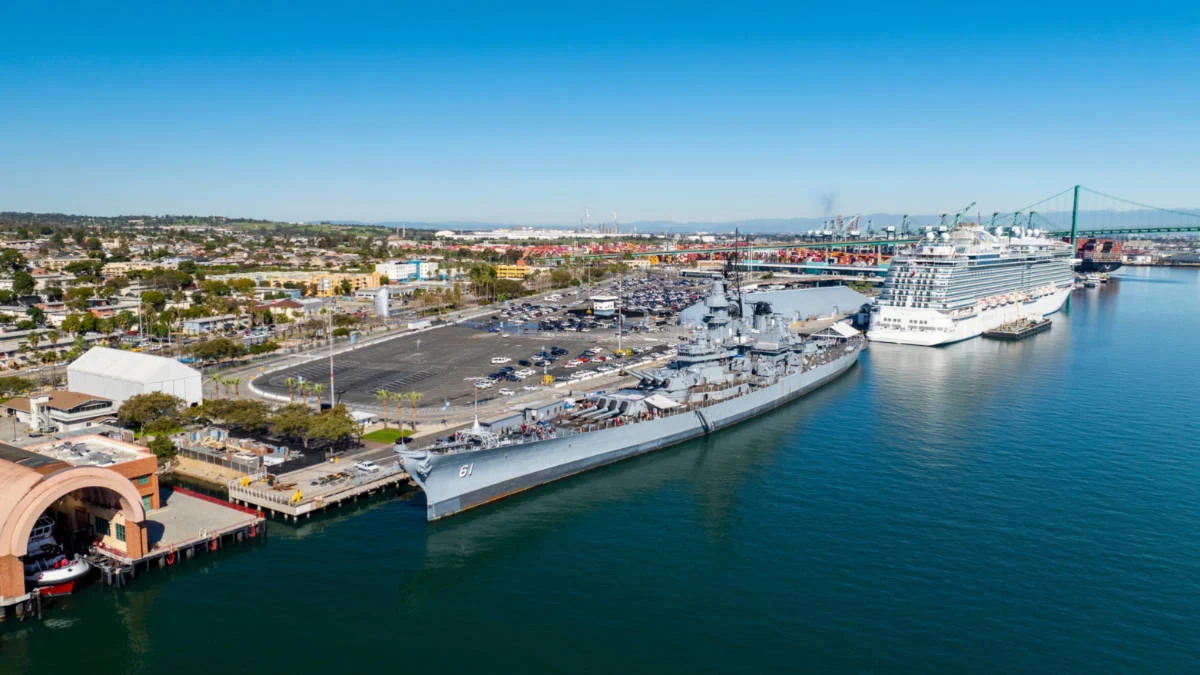

Cruise cancellations hit differently than a flight cancellation. A flight is a few hours and a backup is usually one more click. A cruise is a floating itinerary with flights, hotels, shore excursions, vacation days, and a whole group chat counting down.
Royal Caribbean does occasionally cancel sailings, and the uncertainty can feel louder when it overlaps with broader ship and route changes. If you were counting on easy Mexico runs from Los Angeles, a rare Hawaii sailing, or specific dates that fit school breaks, it can feel like the floor moved under your plans.
Here’s the durable, non-panic version of what to do next: how to confirm whether your sailing is affected, what refunds or credits usually look like, and how to rebook a trip that still feels like a vacation.
What’s happening
Like every major cruise line, Royal Caribbean occasionally cancels or adjusts sailings. Common reasons include schedule changes, ship repositioning between regions, maintenance adjustments, and wider deployment strategy.
The detail that matters for travelers is less the corporate “why” and more the chain reaction: your booking may be canceled, your ship may no longer sail that route, and your preferred homeport may have fewer options for a while.
What’s affected
Royal Caribbean often communicates sailing-specific updates directly to impacted guests rather than maintaining one traveler-friendly master list in a single place. In practice, the most reliable source is your own booking record and the notice tied to your reservation.
Confirm in a few minutes
- Check your email and spam folder for a message from Royal Caribbean or your travel advisor with “canceled,” “cancellation,” “important update,” or “itinerary change.”
- Log into your Royal Caribbean account and open “My Cruises.” Look for a cancellation status, a missing sailing, or itinerary changes. If something looks off, confirm with a human since account mismatches and IT glitches happen.
- Verify with your travel advisor if you booked through an agency or a wholesale portal. Advisors may see alerts quickly in their system and can translate what it means for your specific booking.
- Check the ship’s schedule on Royal Caribbean’s website for your date and departure port. If that sailing is no longer listed or for sale, it may have been canceled or replaced.
If you want one simple rule: confirm first, then act. If the cruise line cancels the sailing, you should receive a formal notice with refund and/or future cruise credit instructions. If you cancel before you’ve confirmed the line canceled your sailing, standard cancellation penalties may still apply.
Cancellation vs change
Not every “big update” is a true cancellation, and the difference matters for compensation.
- Sailing canceled: the entire voyage is pulled. You are typically offered a refund and/or a future cruise credit, but the exact options and deadlines come from the notice tied to your booking.
- Itinerary change: the sailing still happens, but ports, times, or even the ship can change. In those cases, refund rights and any onboard credit or perks (if offered) can be more limited and are handled case by case under the cruise contract and the specific change notice.
Translation: read the subject line, then read the fine print. “Canceled” and “changed” are not the same sentence.
Refunds or credits
When a cruise line cancels a sailing, guests are commonly offered options such as a refund back to the original form of payment and/or a future cruise credit (FCC) that can be applied to a new booking. The exact choices, deadlines, and fine print vary by cancellation reason, timing, booking channel, and the offer attached to your specific reservation.
How to choose
- Choose a refund if your dates are rigid (weddings, school calendars), you need money back for flights or hotels, or you want the freedom to book another line.
- Consider an FCC if you are confident you will cruise within the credit window and the cruise line is offering extra value (sometimes a bonus amount on top of what you paid).
Timing and payments
- Before final payment: if you had only a deposit down, the refund or credit is usually focused on what you have actually paid so far. Your notice will spell out the path.
- After final payment: expect more moving parts (fare, taxes and fees, and any prepaids). Refund processing can still take days to weeks depending on payment method, bank timelines, and whether an agency is involved.
Details people miss
- Refund timing: refunds can take days to weeks depending on payment method and bank. Save screenshots of confirmation pages and emails.
- Prepaid add-ons: ask how prepaid gratuities, drink packages, dining, Wi-Fi, and shore excursions will be handled. When the sailing is canceled, cruise-line-purchased add-ons are often refunded and may be processed automatically, but it can take time and there can be exceptions (bundles, promotions, third-party items). Your Cruise Planner cancellation terms and invoice usually spell this out.
- Travel insurance: if you bought third-party insurance, you may need a cancellation letter from Royal Caribbean to support claims for hotels, flights, or other nonrefundable costs tied to the cruise.
- Airfare: if you booked air through Royal Caribbean, follow their instructions. If you booked independently, contact the airline quickly to reprice or cancel under your fare rules.
What to have ready
- Reservation (booking) number
- Ship name and sailing date
- Lead guest name exactly as booked
- Payment method used (card, points, agency, gift card)
- Any travel insurance policy number and provider
Direct vs advisor
This is the part that trips people up, because the right move depends on who “owns” the booking.
- If you booked direct: Royal Caribbean typically emails you the cancellation or change notice and the refund or FCC selection steps. Refunds go back to the original payment method once processed.
- If you booked through a travel advisor or agency: the advisor usually receives the official notification in their system and can process your choice. Your refund still goes back to the original form of payment, but timing and paperwork may route through the agency workflow.
- Where FCCs live: FCCs are usually tied to the lead guest and the booking number and have specific terms (expiration, eligible sailings, whether they can be moved to a different reservation). Ask for the FCC terms in writing.
Tip: if you are unsure which channel applies, look at your invoice. It will usually show whether the booking is direct with Royal Caribbean or issued through an agency.
Rebooking steps
I rebook trips the same way I repack a carry-on after TSA explodes it: start with the non-negotiables, then rebuild the rest.
Step 1: Pick must-haves
- Exact dates vs flexible dates
- Departure port (drive-to port vs flight required)
- Cabin needs (accessible rooms, connecting rooms, solo, balcony)
- Trip style (Mexico beach time, Alaska scenery, Hawaii sea days)
Step 2: Cruise first
For most travelers, the cruise is the anchor. Once you have a new sailing confirmed and paid or credited, then change flights and hotels around it. This reduces the chance you pay multiple airline change fees while your cruise options are still shifting.
Step 3: Ask about protections
- If you have an FCC, confirm what it can be applied to (ship, date range, cabin category) and whether it is transferable.
- Ask whether Royal Caribbean is offering reaccommodation on an alternate sailing at the same fare, or incentives to move.
- If you used a travel advisor, have them check for group space or promotions that are not always obvious on the consumer site.
West Coast options
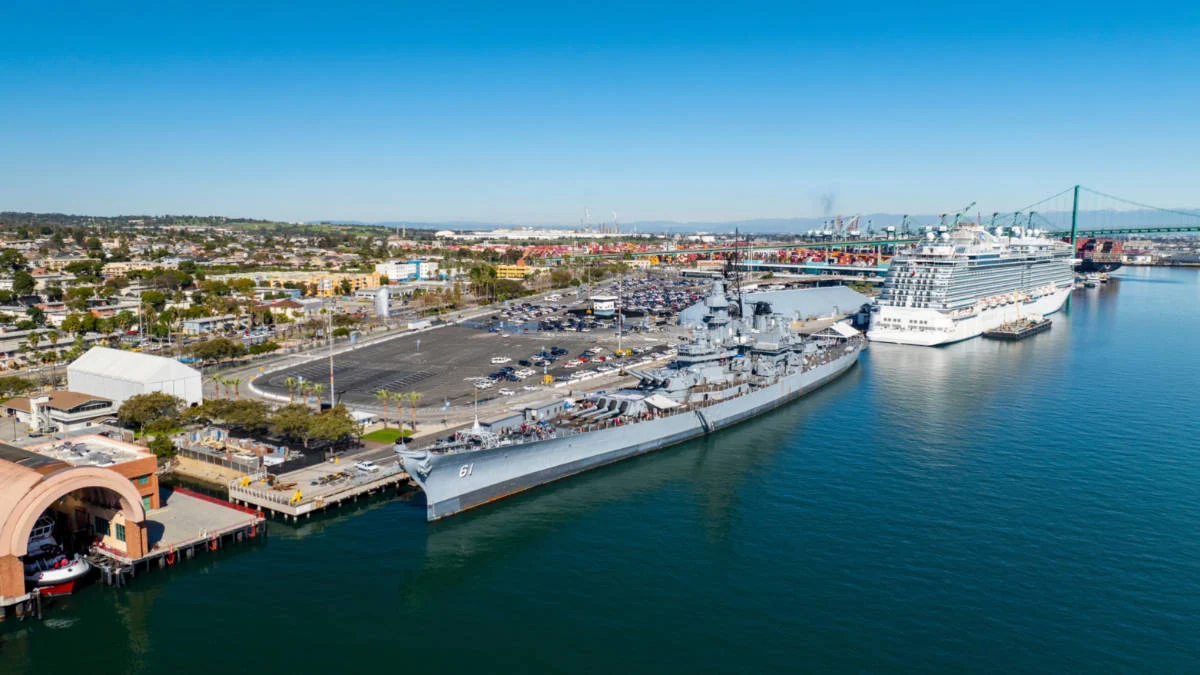
Separate from cancellations, you may see chatter about ships shifting in and out of California by season. The practical takeaway is simple: when fewer ships sail from Southern California in a given season, drive-to cruise swaps get harder and the best dates can sell out faster.
Smart swaps
- Stay West Coast but change the ship or dates: if you can flex by even one week, you often unlock better cabin availability and pricing.
- Consider a nearby departure port: for some itineraries, San Diego or San Francisco can reduce the headache versus flying across the country, but availability can be limited and seasonal, and it may be on another cruise line.
- Flip it to cruise plus city: if you end up flying to a different port, build in one or two nights in that city so the trip feels intentional, not like a scramble.
Backup itineraries
If your original plan was a Royal Caribbean Mexico run, an Alaska sailing, or a longer Hawaii trip, here are realistic alternatives that preserve the vibe, even if the ship and port change.
Mexico
- Shorter Baja cruise, same beach payoff: prioritize itineraries with an overnight or long port day so it feels less like a touch and go.
- Land swap option: use the refund to book a long weekend in Puerto Vallarta or Cabo with a beachfront hotel and a few planned excursions. It can be cheaper and more relaxing than you expect.

Alaska
- Prioritize glacier time: when rebooking, look for itineraries with major glacier days and longer port calls, then choose the line and ship that fits your budget.
- Sea plus trail extension: tack on a couple nights in Seattle or Vancouver for city comfort, coffee culture, and an easy day hike.

Hawaii
- Go shorter but deeper: fly to one island and stay put for a week. You trade sea days for more hiking, beach time, and local food.
- If you rebook a different line, check port order: itineraries that maximize time in Maui or Kauai can feel very different from those that lean heavier on Oahu.

Hotels and PTO
Cruises create a web of reservations. The fastest way to reduce financial damage is to work outward from the cruise date.
- Hotels: check the cancellation window immediately. Even nonrefundable rates sometimes allow a credit if you call and explain the cruise was canceled.
- Shore excursions: if booked through Royal Caribbean, they are often canceled and refunded when the sailing is canceled, and it may happen automatically. If booked independently, reach out to the operator with your documentation and their cancellation terms.
- Time off: if you can, hold your PTO dates until you confirm a rebook. If you cannot, pivot to a land trip that fits the same dates so the vacation still happens.
If you switch ports or countries: take 60 seconds to recheck entry requirements (passport validity, visas if applicable). A simple port swap can change what you need.
Chargebacks
If your sailing was canceled and you are eligible for a refund, a credit card dispute is usually not the first move. Disputes can complicate a clean refund process, especially if you already accepted an FCC or a replacement sailing.
When it can make sense: you have written confirmation of a refund due, reasonable time has passed, and you have exhausted the cruise line or agency resolution process. If you go this route, keep your documentation tight and consistent.
Protect next time
No one books a cruise expecting a cancellation, but you can make your next reservation more resilient.
Quick checklist
- Book refundable flights or use points when possible, especially for cruises far from home.
- Add a buffer night before embarkation if you are flying. It turns delays into an inconvenience, not a disaster.
- Consider third-party travel insurance if your trip includes nonrefundable hotels, tours, or expensive flights. Read the covered reasons carefully.
- Save every confirmation as a PDF and screenshot key policy pages at the time you book.
- Book with a good travel advisor if you want a human to quarterback changes when things get messy.
If you are comparing options, the most useful fine print to pull up is Royal Caribbean’s Future Cruise Credit terms, Cruise Planner cancellation policies, and the current contact options for your region.
FAQ
How will I know if Royal Caribbean canceled my cruise?
You should receive an email notice from Royal Caribbean or your travel advisor. Your reservation will typically show a cancellation status or reflect an itinerary change in your online account under “My Cruises.” If you are unsure, call Royal Caribbean or have your advisor verify in their system.
If my cruise is canceled, do I automatically get a refund?
In many sailing cancellation scenarios you will have a refund option, but you may also be offered an FCC. Follow the instructions in your cancellation notice and keep documentation of what you select.
What happens to my drink package, dining package, or shore excursions?
Add-ons purchased through the cruise line are often refunded when the sailing is canceled, and it may be processed automatically, but policies and timing vary. Third-party excursions are outside Royal Caribbean’s control, so you will need to work with the operator directly. Check your Cruise Planner terms and your invoice, and confirm in writing if you had multiple add-ons or a bundled promotion.
Should I rebook now or wait?
If you have fixed dates and limited departure options, rebooking sooner can help you secure cabins before availability tightens. If you are flexible, you can compare multiple itineraries and choose the best value. Either way, confirm your cruise status before you cancel other reservations.
Do ship changes mean fewer cruises from Los Angeles?
Sometimes. If a ship is redeployed elsewhere for a season, capacity can shrink and certain dates and cabin types can get harder to find. Look at the current Los Angeles schedule for your target months and build flexibility into your plan if you can.