Yosemite in Summer: Heat, Crowds, and Where to Cool Off

Maya Lin
Maya Lin is a travel journalist and outdoor enthusiast who believes the best trips combine rugged adventures with urban comforts. After spending six years backpacking across four continents, she founded Trail & Town Guide to help fellow travelers navigate both hidden mountain passes and bustling city neighborhoods with confidence.
I love Yosemite in summer for one reason: the park goes full postcard. Waterfalls might be thinner than spring, but granite glows, the high country opens up, and you can finish a dusty hike with a cold drink and a real meal instead of another crushed trail bar.
I also love it because it forces you to travel smarter. Yosemite Valley in July can feel like standing inside a warm hair dryer. The good news is that summer in Yosemite is completely manageable if you treat your day like a desert hike and your logistics like a city weekend: start early, know your backups, and don’t improvise parking at noon.
Before you go
Summer Yosemite plans live or die on logistics, and those rules can change year to year. Before you commit to a sunrise entry plan, do a quick reality check.
- Confirm entry requirements for your dates: Yosemite sometimes uses peak-season day-use reservations or timed entry. Check the official NPS site for the current system, exemptions, and any early-entry windows that affect “show up at 6 am.”
- Check road status: Tioga Road and Glacier Point Road can be limited by seasonal closures, construction, or other projects. Verify what is actually open before you build a high-country day.
- Check shuttle status: Service can vary by season and year. If the Valley shuttle is operating during your visit, it can save your sanity.
- Scan current park alerts: Closures, trail conditions, heat advisories, and fire impacts show up there first.
What summer feels like in Yosemite
June through August is peak season, and the park’s two biggest challenges are simple: heat in the Valley and density on the roads and at the marquee viewpoints.
Yosemite Valley temperatures
Yosemite Valley sits low compared to the rest of the park. On a clear day it can feel much hotter on the Valley floor than you expected when you packed based on “mountain weather.” Midday heat is most intense from late morning through early evening, especially on exposed trails (anything without tree cover or reflected heat off granite).
- Plan for hot afternoons in the Valley and bring more water than you think you need.
- Expect cooler mornings and evenings, especially near the river or in shaded campgrounds.
- If you go higher (Glacier Point area or Tioga Road high country), temperatures usually drop and breezes pick up.
When crowds peak
In summer, Yosemite has predictable surge moments:
- Weekends are busier than weekdays.
- Late morning to mid-afternoon is when day-trippers concentrate in Yosemite Valley.
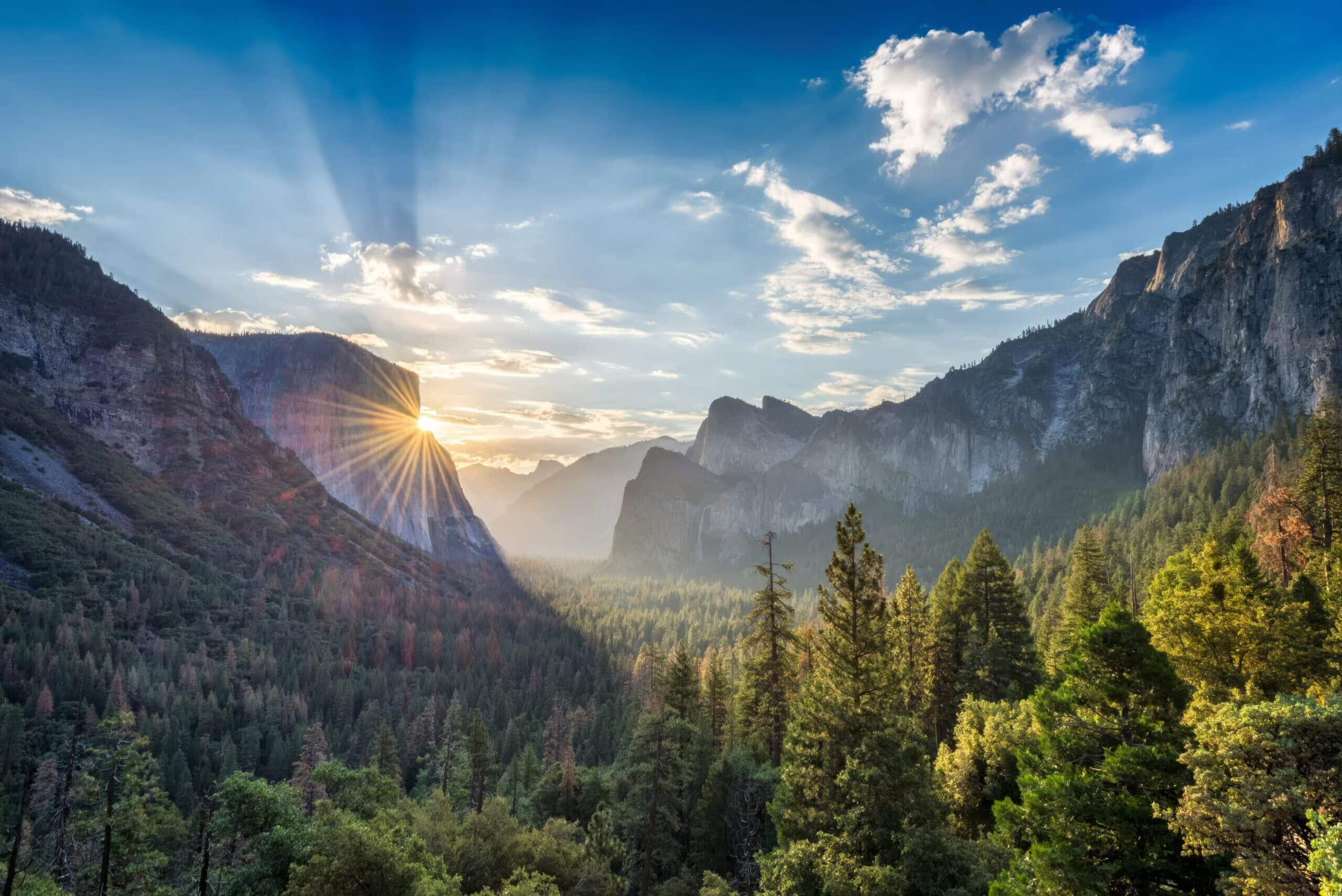
- Iconic stops (Tunnel View, Bridalveil Fall area, Yosemite Falls trailheads, El Capitan Meadow pullouts, Glacier Point when accessible) draw steady crowds all day.
If your Yosemite day begins at 10 am, you are competing with everyone. If it begins at 6 am, you feel like you got invited to a private showing.
The early-start strategy that actually works
My favorite Yosemite summer “hack” is not a hack. It is a bedtime.
A realistic summer schedule
- 5:30 to 6:30 am: Enter the park, grab a sunrise viewpoint, or start a hike (as long as it works with current entry rules for your dates).
- 7:00 to 10:30 am: Do your highest effort or most exposed activity (big climb, long loop, Glacier Point viewpoints).
- 11:00 am to 4:00 pm: Switch to shade, water, visitor center exhibits, or higher elevations where it is cooler.
- 4:30 pm to sunset: A second, gentler outing and your classic golden-hour Valley views.
What to pack for heat and crowds
- Two ways to carry water: one bottle for sipping, one larger reserve (or hydration bladder) so you are not rationing.
- Electrolytes: especially if you sweat heavily or you are hiking exposed trails.
- Sun protection: hat, sunscreen, sunglasses, and a light long-sleeve layer can be cooler than bare skin.
- Food you can eat in a traffic jam: nuts, fruit, sandwiches, salty snacks.
- A small trash bag: Yosemite is not the place to “temporarily” stash wrappers.
If you need a low-effort midday reset, I’m a fan of the Yosemite Valley Visitor Center area. You can duck into exhibits, check conditions, and mentally rehydrate in the shade. If it’s open, the Ansel Adams Gallery is also a great air-conditioned detour when the Valley feels like a skillet.
Where to cool off in Yosemite
Cooling off in Yosemite is about three things: shade, elevation, and water. Ideally you get at least two at once.
1) Follow the shade
When it is blazing, I look for short, mostly flat routes with tree cover and river access.
- Lower Yosemite Fall trail: short and convenient. Go early or late to dodge both heat and crowds.
- Valley Loop (choose a segment): you do not need to commit to the full loop. Pick a river-adjacent stretch for shade.
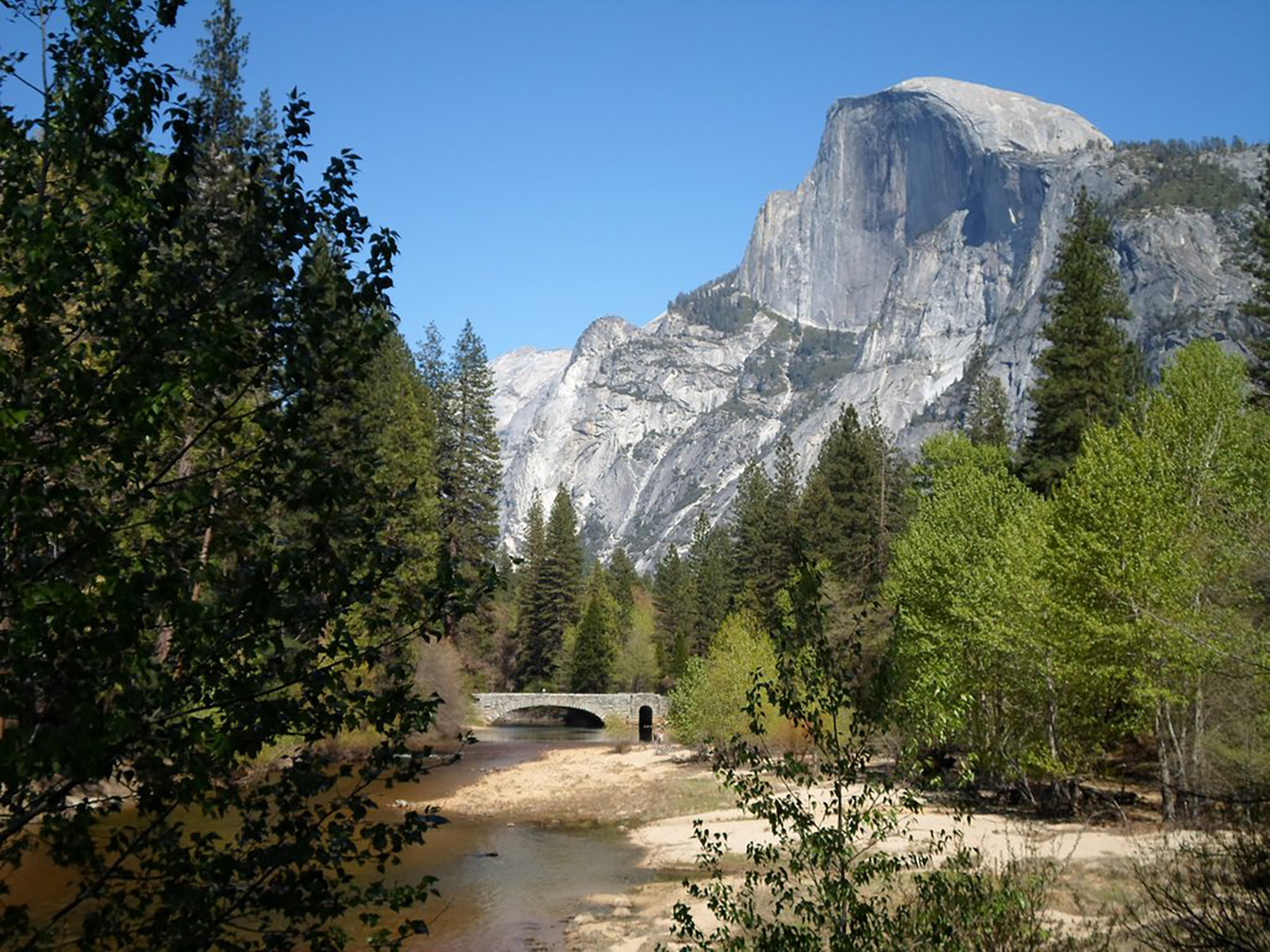
- Swinging Bridge and nearby riverbanks: a good “reset” spot when your group needs a break.
2) Get near water (safely)
The Merced River is the Valley’s natural air conditioner. On hot days, even sitting near it helps. If you plan to wade, be conservative. Current, depth, and submerged rocks can change quickly, and slippery granite is not forgiving. Early summer can still mean cold, fast water, even when the air feels toasty.
- Best approach: look for calm, shallow edges for a quick foot soak.
- Avoid risky behavior: skip swift water, rapids, and slick rock jumps. If you wouldn’t want to fall there, don’t climb around on it.
- Wear grippy footwear: bare feet on algae-slick granite is a classic bad idea.
- Keep food secured: use bear boxes where provided and never leave coolers or snacks unattended.
3) Gain elevation
If Tioga Road is open, you have one of the best summer escape routes in the Sierra. The high country is typically cooler, breezier, and feels less compressed than the Valley.
- Tuolumne Meadows area: big-sky views, alpine air, and trail options that range from gentle walks to serious days.
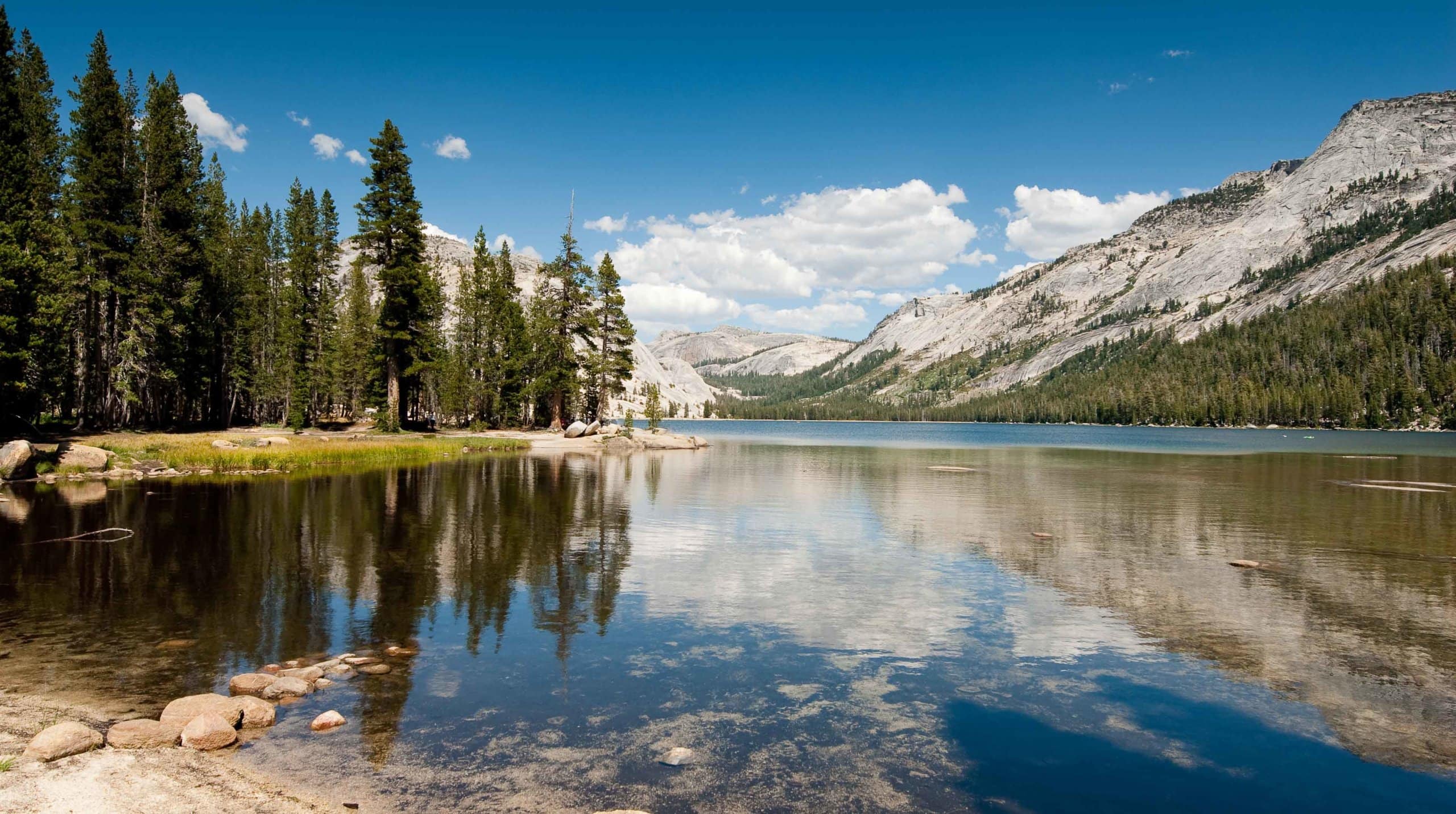
- Tenaya Lake: clear water, granite slabs, and a temperature reset the moment you step out of your car.
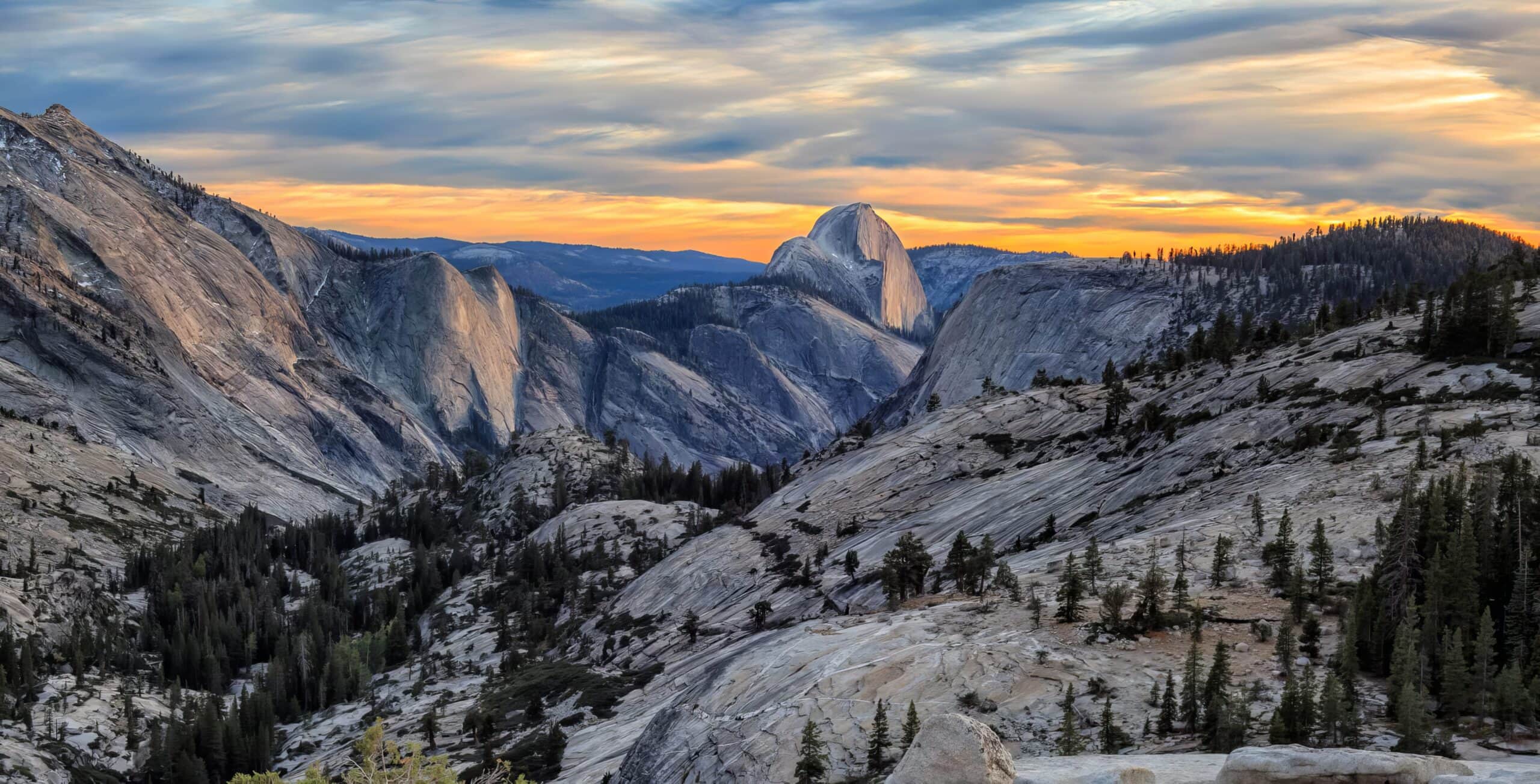
- Olmsted Point: an easy stop with a completely different view of Half Dome and a nice breeze when the Valley is roasting.
Tioga Road and high country
In summer, Yosemite is not just Yosemite Valley. If you want a trip that feels spacious, build at least one day around Tioga Road and treat the Valley like your evening stroll zone.
Best uses of a Tioga Road day
- Short scenic stops: stack quick viewpoints and lakeside breaks, then add one moderate hike.
- Picnic day: bring your lunch and eat somewhere cooler rather than hunting for shade in a Valley parking lot.
- Meadows and granite wandering: the high country is perfect for slower travel days.
Thunderstorms and lightning
Summer afternoons can bring thunderstorms, especially at higher elevations. If clouds start building and you hear thunder, treat it like a real warning, not background noise. Start early, aim to be off exposed domes and ridgelines by early afternoon, and do not wait for “one more viewpoint” if the weather is shifting.
If you can’t do Tioga Road
Access changes year to year, and sometimes you will have a summer trip where you can’t rely on every route. If Tioga Road is not in play, use elevation and shade where you can:
- Glacier Point area (when accessible): cooler than the Valley with big views. Access can change due to seasonal closures or road work, so check status before you drive up.
- Mariposa Grove: giant sequoias plus shade. Even when it is warm, it often feels calmer under the trees.
- Valley evenings: plan your classic photo stops for late day when the heat drops and the light gets soft.
Summer hike ideas
I avoid promising a one-size-fits-all hike because Yosemite conditions change fast. But if you want a short list of summer-friendly ideas to plug into the schedule above, these are solid starting points. Always confirm current trail conditions and closures.
- Easy and shaded: Mist Trail to Vernal Fall Footbridge (go early, bring water, and expect crowds).
- Easy Valley classic: Lower Yosemite Fall trail (best early or late).
- Moderate with big payoff: Sentinel Dome (shorter, exposed in spots, go early and bring sun protection).
- High-country moderate: Cathedral Lakes (requires more effort and time, but the elevation usually feels like cheating in summer heat).
Wildfire smoke
Late summer can mean wildfire smoke in the Sierra. Some days are perfectly clear. Other days, the views are muted and your lungs notice.
My smoke-check routine
- Check official park alerts for closures and fire impacts.
- Look at air quality readings for Yosemite Valley and nearby communities before you drive in.
- Use live webcams to see visibility in real time, especially for viewpoint-driven itineraries.
Adjusting your plan on smoky days
- Choose shorter, lower-exertion activities, especially if you have asthma or are traveling with kids.
- Prioritize riverside shade and gentle walks over long climbs.
- Be flexible with viewpoints, since far-off vistas are the first thing smoke steals.
Traffic and parking
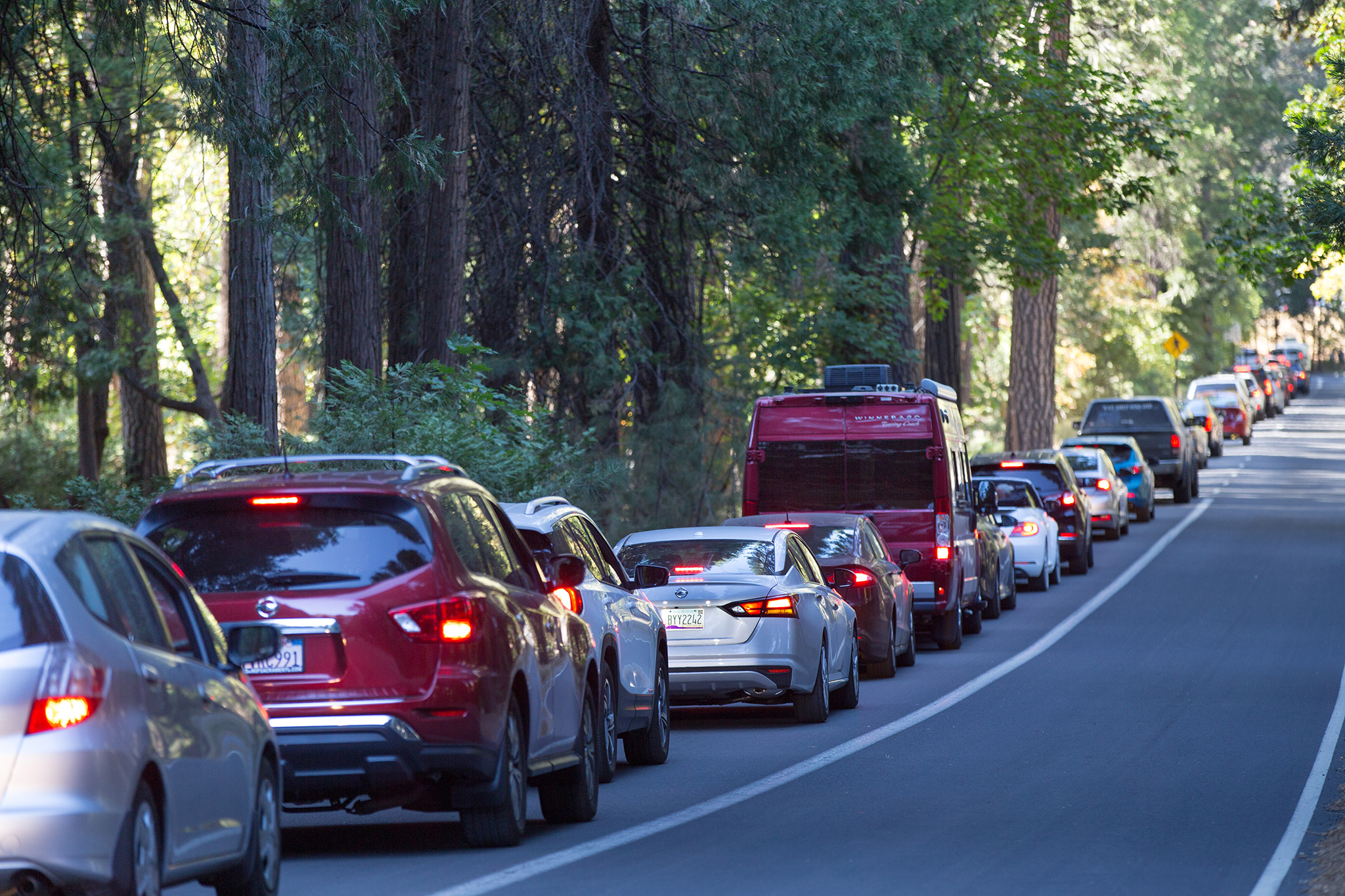
Yosemite Valley summer traffic is not a moral failing. It is physics. Too many cars, too few spaces, one narrow loop of road. The best strategy is to reduce how many times you move your car.
One parking rule
Park once, then stay put for a while. If you move your car at midday, you are gambling your parking spot for a slightly different angle of the same granite wall.
Practical parking tips
- Arrive early: early morning is when you can still choose a convenient lot instead of circling.
- Use shuttles when operating: if the Valley shuttle is running during your visit, it can be the difference between a relaxing day and a steering-wheel death grip.
- Consider bikes: the Valley is flat and bike-friendly in many areas, and it can be faster than driving between crowded stops.
- Pick one “must-do” trailhead: get there early, hike, then transition into low-movement Valley time.
- Have a Plan B: if your first lot is full, know the next two you will try so you are not decision-making in heat.
Driving etiquette
- Let faster drivers pass when safe. Yosemite roads can be stressful enough without a rolling standoff.
- Use pullouts correctly and never stop in the lane for a photo.
- Expect delays and build them into your day so you are not rushing trail starts.
A simple 2-day plan
If you want an itinerary that dodges the worst heat and crowds, this is my go-to structure. It keeps the Valley highlights while making room for cooler terrain.
Day 1: Valley classics
- Early morning: Tunnel View, then a short walk like Lower Yosemite Fall.
- Mid-morning: one main hike (choose based on your fitness, heat tolerance, and current conditions).
- Afternoon: Merced River time and shaded Valley Loop segments, or visitor center exhibits when the sun is at its loudest.
- Evening: El Capitan Meadow for golden light and a slower pace.
Day 2: High country reset
- Early morning: drive Tioga Road before the day heats up.
- Late morning: Tenaya Lake or Tuolumne Meadows area exploring.
- Afternoon: choose one moderate hike or a series of short stops. Keep an eye on building clouds.
- Evening: return to the Valley only if you want sunset views, otherwise keep it mellow.
My summer Yosemite rules
These are the little habits that make the trip feel less like a contest and more like a vacation.
- Do hard things early. Heat turns a pleasant climb into a sufferfest.
- Eat lunch in shade or at elevation. A midday picnic under trees is the most underrated Yosemite luxury.
- Build in “do nothing” river time. It is not wasted time. It is how you make summer Yosemite feel human.
- Keep one flexible day. Road access, smoke, storms, and crowds all reward travelers who can pivot.
- Store food correctly. Use bear boxes where provided and follow all posted rules. Yosemite wildlife is not a side character.
- Leave no trace, even in parking lots. Yosemite’s wildness starts right where the pavement ends, and it stays wild only if we act like guests.
Summer Yosemite FAQ
Is Yosemite too hot in July and August?
It can be hot in Yosemite Valley, especially midday. If you plan early starts, use shade and water breaks, and spend time on Tioga Road or other higher areas, summer is very doable and often gorgeous.
What time should I enter Yosemite in summer?
If you want easy parking and quieter trails, aim to enter around sunrise or shortly after. Also check current NPS entry requirements for your dates, since reservation systems and peak-hour rules can affect when and how you can enter.
Where is the best place to cool off in Yosemite Valley?
The Merced River corridor is your best friend. Choose calm, shallow edges for wading and pair it with shaded walks nearby. Avoid swift water and slick rock jumps, and remember the river can run cold and fast earlier in summer.
How do I deal with summer smoke?
Check park alerts, air quality readings, and webcams before you drive in. On smoky days, reduce exertion, pick shorter shaded walks, and temper expectations for long-distance viewpoints.