Zion in Spring: Waterfalls, Wildflowers, and Crowd Timing

Maya Lin
Maya Lin is a travel journalist and outdoor enthusiast who believes the best trips combine rugged adventures with urban comforts. After spending six years backpacking across four continents, she founded Trail & Town Guide to help fellow travelers navigate both hidden mountain passes and bustling city neighborhoods with confidence.
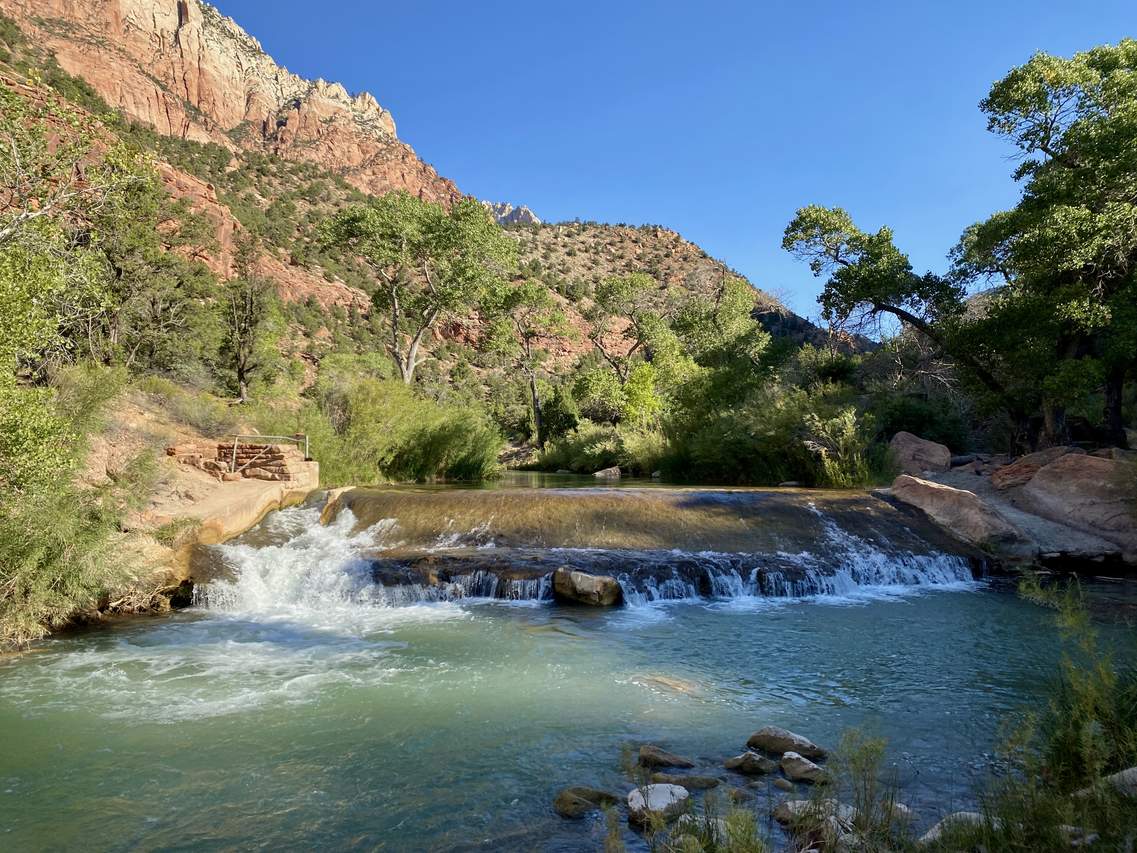
Spring is my favorite season in Zion because the park feels like it is waking up in real time. The cottonwoods start to glow, sandstone warms from winter pink to spring apricot, and the Virgin River turns loud and cold with snowmelt. You can have a morning that feels like summer in the sun, then watch a squall roll through the canyon like someone pulled a gray curtain across the cliffs.
If you plan it right, March through May is the sweet spot where you can chase waterfalls and wildflowers and still end your day with a real dinner in Springdale. If you plan it wrong, you will spend half your trip refreshing shuttle schedules, getting surprised by a river closure, or shivering through a hike you packed for like it was June.
Spring at a glance
Here is how Zion typically behaves in spring. Conditions can swing fast, so consider this your planning baseline rather than a promise.
- March: Cool mornings, snow possible, and the best odds for hard-running water. Great for big waterfall energy and quieter viewpoints, less reliable for river hikes.
- April: Classic shoulder-season Zion. Warmer days, chilly shade in the canyon, and changing river levels. This is when the park starts to feel busy again.
- May: Often the most comfortable month for longer hikes. Wildflowers can still be going strong, and crowds build toward summer. Heat is more noticeable on exposed trails.
My quick rule: If The Narrows is your trip priority, plan for late April into May and still keep a backup day. If waterfalls and fewer crowds are your priority, March into early April is hard to beat.
Runoff and The Narrows
The Narrows is the spring wild card. Snowmelt and storms can push the Virgin River high enough that the hike is unsafe and access closes. Even when it is open, water is cold, current is stronger, and footing is trickier than in late summer.
How closures work
Zion closes the bottom-up Narrows route (from Temple of Sinawava) when river flow at the Virgin River gauge reaches the park’s safety threshold. The exact benchmark and decisions can change, but the practical takeaway is consistent: in spring, you need a flexible plan and you should verify conditions close to your hike day.
- Check the day before and the morning of. A storm or warm spell can change the river quickly.
- Use the official sources. Start with the NPS Current Conditions page for Zion, then cross-check the Virgin River flow on the USGS gauge near Springdale.
- Do not treat “open” as “easy.” Cold water and swift current can make a short Narrows outing feel like a full-body workout.
- If you are traveling with kids or anyone unsure on uneven terrain, spring Narrows days are not the time to push limits.
What to pack for a spring Narrows attempt
I am a carry-on only traveler, but I make room for the things that keep me warm and steady. For spring Narrows, that means warmth and traction first, everything else second.
- Warm layers: synthetic base layer, insulating mid layer, and a waterproof shell for wind and spray
- Dry bag or waterproof pouch: for phone and car keys
- Extra socks: you will thank yourself afterward
- Hiking pole or sturdy stick: balance matters in moving water
- Sun protection: canyon shade tricks you, but UV still bounces off water and sandstone
Footwear matters more than people think. In cold, higher water, many hikers are more comfortable renting canyoneering shoes, neoprene socks, and either waders or a drysuit setup in Springdale. It is one of the few rentals I consider worth it because it can reduce the risk of getting dangerously cold and turn a miserable slog into a fun half-day adventure.
If The Narrows is closed
- Canyon Overlook: short, big payoff, great at sunrise if you can start early
- Watchman Trail: quick access near the visitor center, reliable year-round, lovely at golden hour
- Emerald Pools: see the waterfall section below for timing and what to expect in spring
- Kolob Canyons scenic drives and short hikes: often feels quieter than main Zion Canyon
Spring waterfalls
Zion’s waterfall experience is seasonal. In late summer, many flows shrink to a trickle. In spring, snowmelt and storms can bring them back to life. The tradeoff is that wet trails, splash zones, and occasional rockfall closures can be part of the deal.
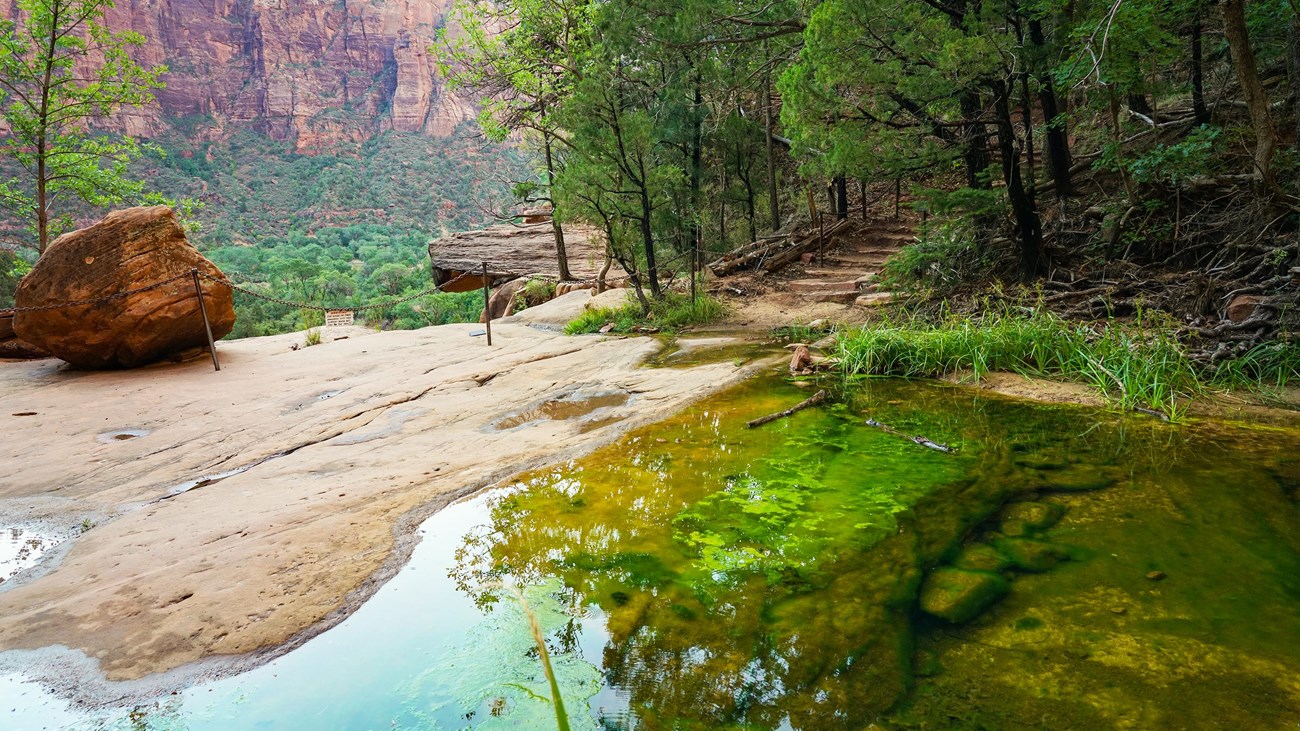
Emerald Pools
The Emerald Pools area is one of the best spring picks because it delivers on that “water in Zion” feeling without committing you to a cold river hike. In a good runoff week, you will see more active drips and falls and more saturated greens along the route.
- Best spring moment: after recent rain or during strong runoff
- Crowd note: this is popular and can feel busy by mid-morning, especially in April and May
- Practical tip: bring a light rain shell even on bluebird days. Spray plus breeze can chill you fast in the shade.
Weeping Rock area
Weeping Rock is one of Zion’s iconic “walk behind the water” experiences when it is accessible, and spring is when it makes the most sense. But here is the honest status note: the Weeping Rock Trail has been closed for extended periods since the 2019 rockfall, and access in that corridor can change. Treat this as a bonus if it reopens and always check the NPS Current Conditions page before building a day around it.
If the Weeping Rock trail is closed, I still like the Zion-Mount Carmel Highway for spring drama: wet cliffs, temporary seeps, and moody canyon light that makes photos look like you planned them.
Canyon wall seeps and seasonal drips
In spring, Zion is full of small, blink-and-you-miss-it waterfalls. You will see them from shuttle windows and pullouts: thin silver threads spilling off ledges, darkened rock faces, and cottonwood branches flickering in wind. I like to schedule one “slow day” to simply ride the shuttle, hop off for viewpoints, and let the park be a little less performance-based.
Wildflowers
Wildflower timing in Zion is less about a single peak week and more about elevation, exposure, and rainfall. Spring blooms start lower and warmer first, then move up in elevation as temperatures rise. In practice, that means you can often find something blooming somewhere, even if the park is not in a full-on carpet-of-flowers moment.
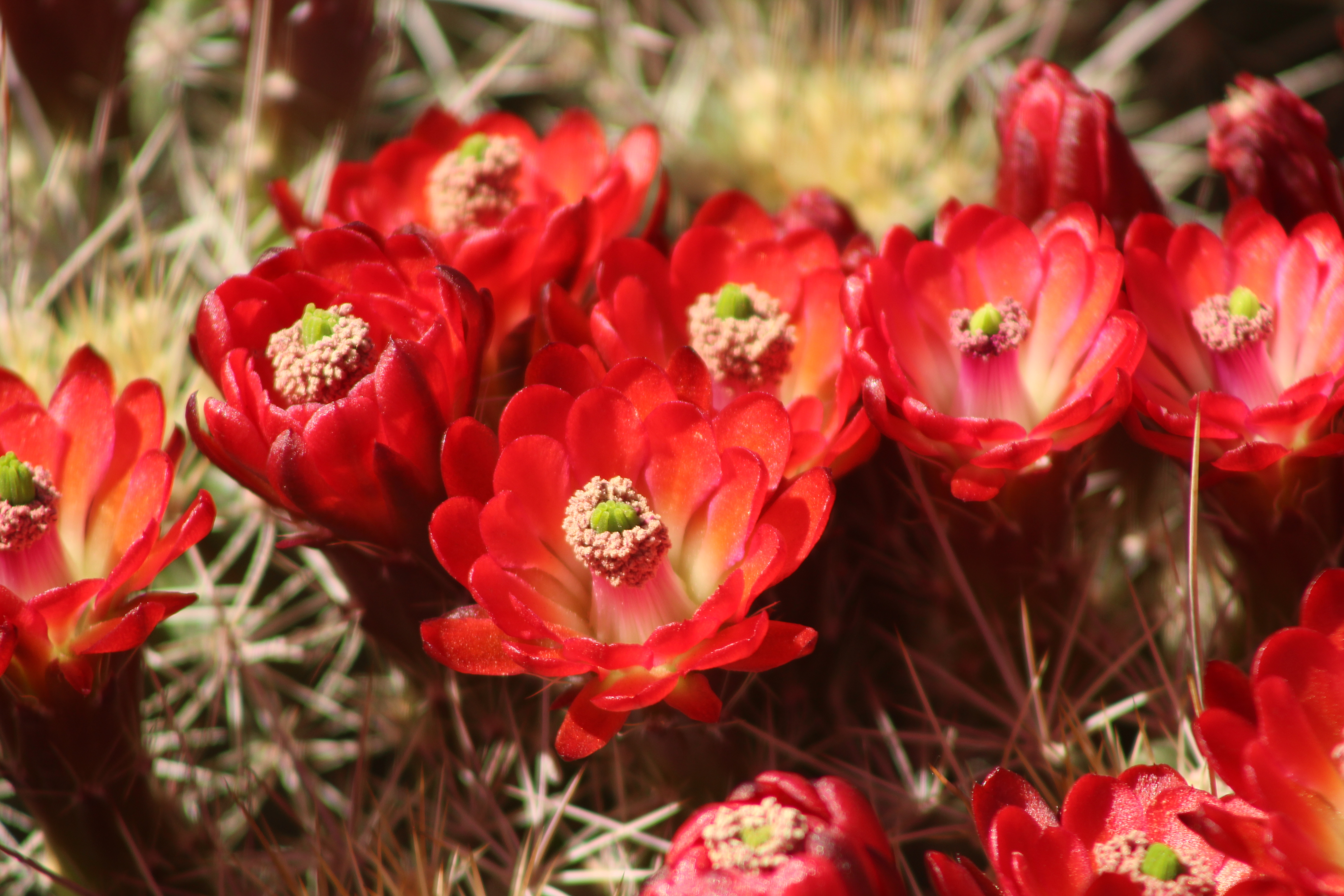
Bloom timing
- March: early desert blooms can start in warmer pockets. Think small flowers close to the ground, especially on sun-facing slopes.
- April: the most consistent month for noticeable blooms across more trails, especially lower canyon areas and along roadsides.
- May: blooms can continue, with better odds at slightly higher elevations and on less-baked exposures. Heat starts to shorten the show in the canyon bottom.
Where I look for color
- Pa’rus Trail: easy walking, great for casual spotting, and perfect if your legs need a recovery morning
- Watchman Trail: sunny and exposed, good for early blooms and wide open views
- East side pullouts: slickrock and pinyon-juniper landscapes with spring texture and fewer people lingering
Flower ethics note: I know it sounds obvious, but it matters in Zion. Stay on trail, do not pick, and avoid stepping onto fragile soil crust. Spring is when the desert is most vulnerable to a single careless shortcut.
Spring weather and packing
Spring in Zion is basically a negotiation between sun and shade. In the sun, you can feel overdressed quickly. In the shade, especially near water, you can go from comfortable to cold in minutes. This is where my carry-on only philosophy gets tested, and the answer is always the same: layers that mix and match.
- Base layer: breathable top you can hike in
- Mid layer: fleece or light puffy for mornings and canyon shade
- Shell: lightweight rain jacket that also blocks wind
- Pants option: I like hiking pants over shorts in March and April, then decide day by day in May
- Sun gear: hat, sunglasses, sunscreen. Spring sun is sneaky.
- Footwear: grippy hiking shoes for wet sandstone and sandy trails
One practical reality: storms can roll in fast in spring. Earlier starts reduce both weather stress and crowd stress, especially on days with uncertain skies.
Road note: early spring can still bring snow, ice, and temporary travel impacts. Before you drive the Zion-Mount Carmel Highway or head toward higher elevations, check NPS alerts for road updates.
Crowds and shuttles
Zion’s main canyon is shuttle-managed for much of the year, and spring is when those lines start to look like summer again. The park can feel peaceful at 8:00 a.m. and fully saturated by 10:30 a.m., especially on weekends and around spring break windows.
Because shuttle operations and access rules can change by season and year, confirm the current Zion Canyon shuttle details on the NPS plan-your-visit page before you arrive.
My crowd-avoidance playbook
- Start early: be at the visitor center area before the day heats up and before the longest lines form.
- Hike while others brunch: late morning is often peak congestion for easy stops. If you are already on-trail, you barely notice it.
- Use the edges of the day: golden hour on the Watchman Trail or Pa’rus Trail can feel calm even on busy days.
- Consider the east side and Kolob Canyons: they can feel like a different park when Zion Canyon is packed.
Spring break reality
If your trip overlaps spring break weeks, plan for lines, full parking lots, and less elbow room at classic viewpoints. The good news is that spring break crowds tend to be time-compressed. Early mornings and late afternoons still deliver, and mid-day is the easiest time to pivot to a scenic drive, a longer hike, or a café stop in Springdale.
Best spring hikes
Zion in spring is about choosing hikes that match the season’s strengths: flowing water, cooler temps for steep climbs, and shoulder-season light. Here are my go-to picks.
Big views, short commitment
- Canyon Overlook: short trail, huge payoff, ideal at sunrise
- Watchman Trail: steady climb with iconic canyon views near the entrance
Classic canyon scenery
- Pa’rus Trail: easy, scenic, great for bikes or a relaxed walk
- Riverside Walk: a spring-friendly alternative when you want water vibes without committing to The Narrows
Wildflowers and breathing room
- East side rambles: use pullouts along the Zion-Mount Carmel Highway and pick short, respectful explorations where allowed
- Kolob Canyons: scenic, quieter, and often breezier. Great when Zion Canyon feels too busy.
Harder hikes
Spring can be an excellent time for Zion’s more strenuous routes because temperatures are often manageable. The caution is weather. Wind, rain, and cold shade can raise the difficulty fast.
- Angels Landing: a permit is required. Plan ahead, enter the lottery, and do not assume you can hike it on a whim. Also be honest about your comfort with exposure and wind.
- Longer canyon hikes: aim for early starts and carry layers, water, and traction-ready footwear.
One more closure reality check: the Hidden Canyon Trail has also been closed long-term due to rockfall. If you see older guides recommending it, treat them as outdated and confirm trail status on NPS Current Conditions.
Where to stay
This is where my rugged-adventure-meets-urban-comforts bias shows. In spring, I like staying in or near Springdale so I can start early, grab coffee without a long drive, and end the day with something better than a protein bar eaten in the car.
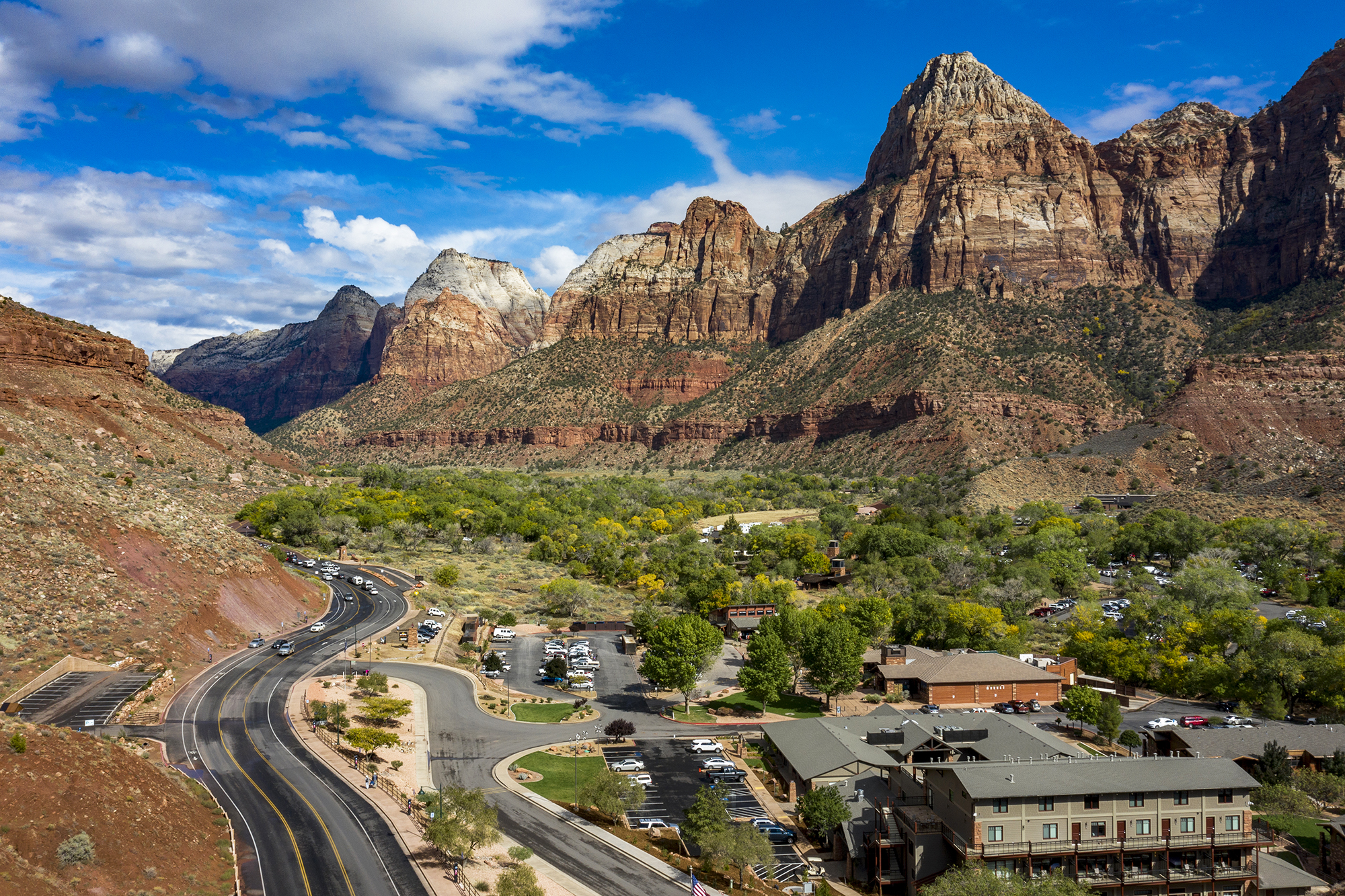
Springdale
- Best for: easy shuttle access, walkable meals, and flexible mornings
- Good to know: prices rise quickly as April and May fill up
St. George and nearby towns
- Best for: bigger lodging inventory and lower nightly rates
- Tradeoff: longer daily drives and less spontaneous early-morning access
Sample itineraries
2 days
- Day 1: early Canyon Overlook, then Emerald Pools. Sunset walk on Pa’rus or Watchman for softer light.
- Day 2: check Narrows conditions on the NPS Current Conditions page and the USGS Springdale flow gauge. If open, do a shorter out-and-back and keep it conservative. If closed, do Riverside Walk plus an east side scenic drive and pullouts.
3 days
- Day 1: Zion Canyon classics early, then a relaxed Springdale afternoon
- Day 2: bigger hike day based on weather, closures, and your comfort level
- Day 3: Kolob Canyons for quieter trails and a different landscape
Spring safety notes
- Do not underestimate cold water. Even if the air feels warm, the river is snowmelt-fed.
- Watch the sky. Spring storms can bring heavy rain and fast-changing conditions.
- Wet sandstone can be slick. Slow down on shaded sections and after rain.
- Be flexible. Zion rewards the traveler who can swap a plan without getting stubborn about it.
FAQ
Is March too early for Zion?
No, as long as you pack for cold mornings and accept that The Narrows may be closed. March is excellent for waterfalls, photography, and fewer crowds.
When is the best month for wildflowers in Zion?
April is usually the most reliable month for noticeable blooms across more of the park, but timing varies year to year depending on rain and temperature.
Can I count on hiking The Narrows in April or May?
You can plan for it, but you cannot count on it. Spring runoff and storms can close access, so build a backup day and keep an alternate hike list ready. For the most reliable call, check NPS Current Conditions and the USGS Virgin River gauge near Springdale right before you go.
What is the best way to avoid Zion shuttle lines in spring?
Start early, hike through mid-day peak congestion, and use late afternoon for scenic walks and viewpoints. If Zion Canyon feels saturated, pivot to the east side or Kolob Canyons.