48 Hours in Salt Lake City
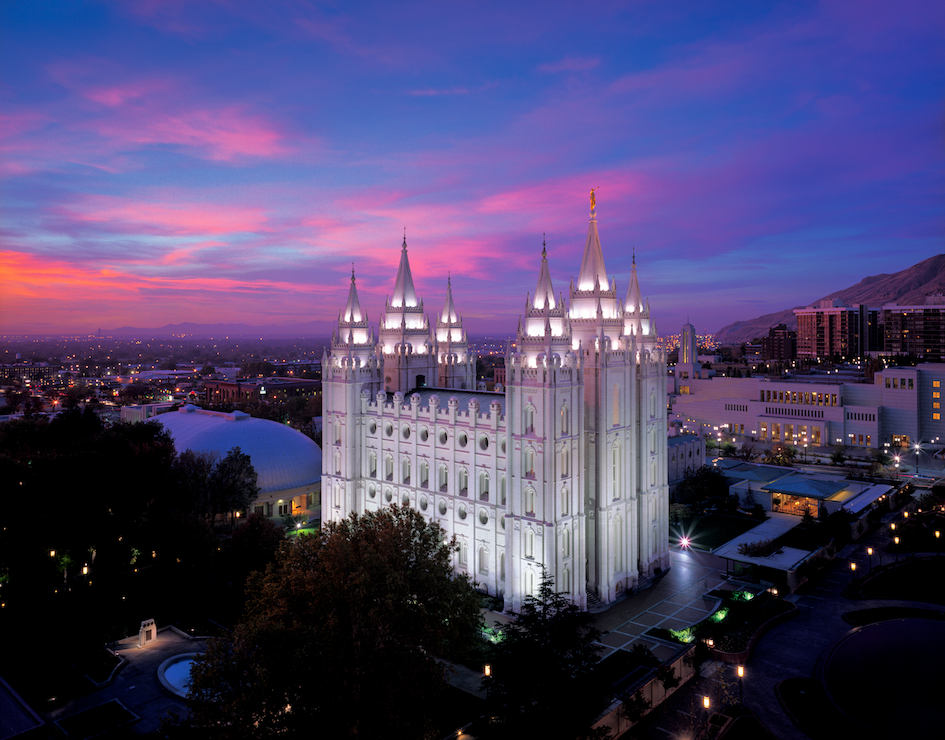
Salt Lake City is at its best when you let it be both things at once: a surprisingly walkable, artsy, caffeine-fueled city and a mountain town with a skyline of peaks. This 48-hour plan keeps the focus urban first with the Wasatch always in the background, then ends one evening with a viewpoint that delivers the “wait, this is downtown?” kind of panorama.
Everything here is designed to fit a carry-on weekend: minimal backtracking, plenty of great meals clustered together, and enough flexibility to swap museums for patios if the weather is doing that bright, high-desert thing.

Before you go
Getting around (keep it simple)
Downtown is easy without a car. TRAX light rail connects the airport to downtown (Green Line) and links major stops like Temple Square and City Creek. Buses help if you venture to Sugar House, and TRAX + the S-Line streetcar can get you there too, but it usually involves a transfer. Rideshares fill the gaps, especially for an evening viewpoint and for museums up by the University of Utah.
- From the airport: TRAX Green Line to downtown (simple, budget-friendly).
- On foot: Temple Square, City Creek, Main Street, and many downtown attractions are comfortably walkable.
- To the University of Utah museums: Take TRAX Red Line to Stadium Station, then either rideshare or bus up to campus. For the Natural History Museum of Utah, many visitors use UTA bus 228 from Stadium (check current routes and times). Walking is possible but it’s a real uphill: roughly 20 to 35 minutes depending on pace and the exact stop.
- For viewpoints: Plan on a short rideshare or drive to keep the evening relaxed.
When to visit
Spring and fall are the sweet spot for patio weather and clear mountain views. Summer is sunny and lively, but mid-day can feel hot and bright. Winter brings ski energy and crisp air downtown, plus a decent chance of inversion haze.
Quick packing notes
- Comfortable walking shoes for sidewalks and museum floors.
- A light layer for evenings, even in summer.
- Sunglasses and a water bottle. High elevation sun is not subtle.
- If you plan to add the optional higher-elevation canyon add-on: a windbreaker and a warmer layer.
Small Sunday note
Depending on the season, Sunday can mean shorter hours for some shops and cafes, and certain museums may have limited entry times. If your 48 hours includes a Sunday, it’s worth a quick hours check before you commit to a tight schedule.
Day 1: Temple Square, downtown walks, and a market-style dinner
Morning: Temple Square and the city core
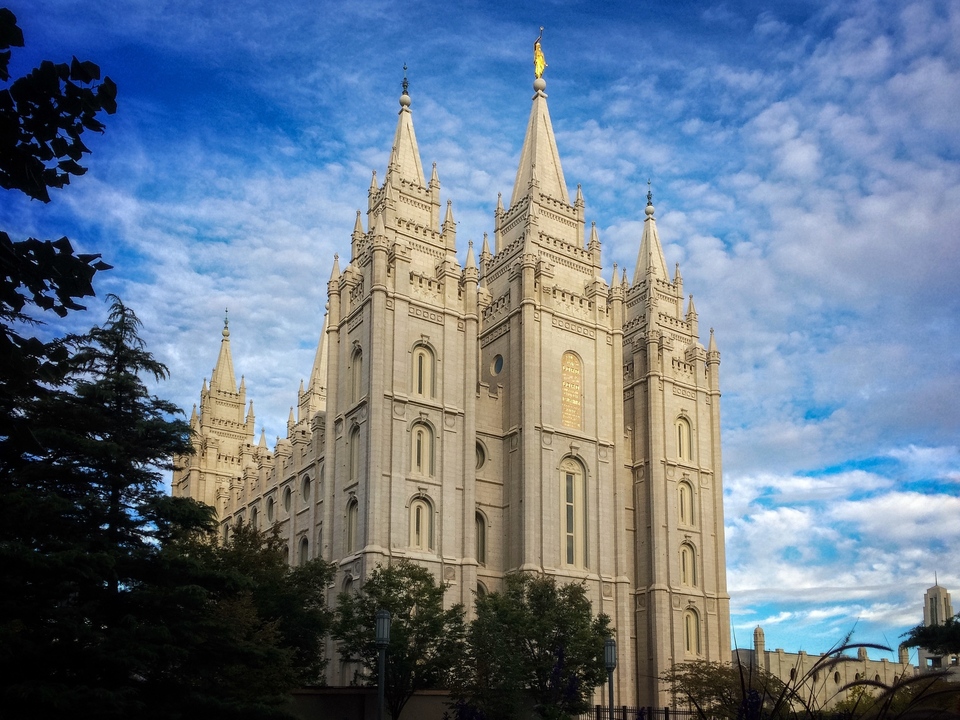
Start where Salt Lake’s story is easiest to read. Temple Square is the iconic anchor, and even if you’re not here for religious history, the surrounding blocks are an architectural and cultural snapshot of the city.
- Temple Square area: Stroll the landscaped grounds and take in the historic buildings from the outside. Restoration work and access can shift, so think of this as a “walk and orient” stop more than a fixed tour.
- City Creek Center: Steps away, it’s useful for a quick drink, a snack, and people-watching when you want a city pulse.
My move: Walk slowly, look up at the stonework and spires, then pivot into something warm nearby. Salt Lake takes its morning ritual seriously, and it’s one of the fastest ways to feel the local rhythm.
Plug-and-play stop: If you want a reliable downtown caffeine reset, Publik Coffee Roasters is a solid, easy-to-love option (check locations and hours).
Late morning: Pick one museum (and plan the transit)
Salt Lake’s museum lineup is better than many people expect for a weekend city break. Pick one anchor museum so you don’t spend the whole trip rushing between galleries.
- Utah Museum of Fine Arts (UMFA): Ideal if you want a calm, art-forward reset with strong regional context. Location note: It’s on the University of Utah campus, so plan on TRAX Red Line to Stadium Station, then a short rideshare or bus.
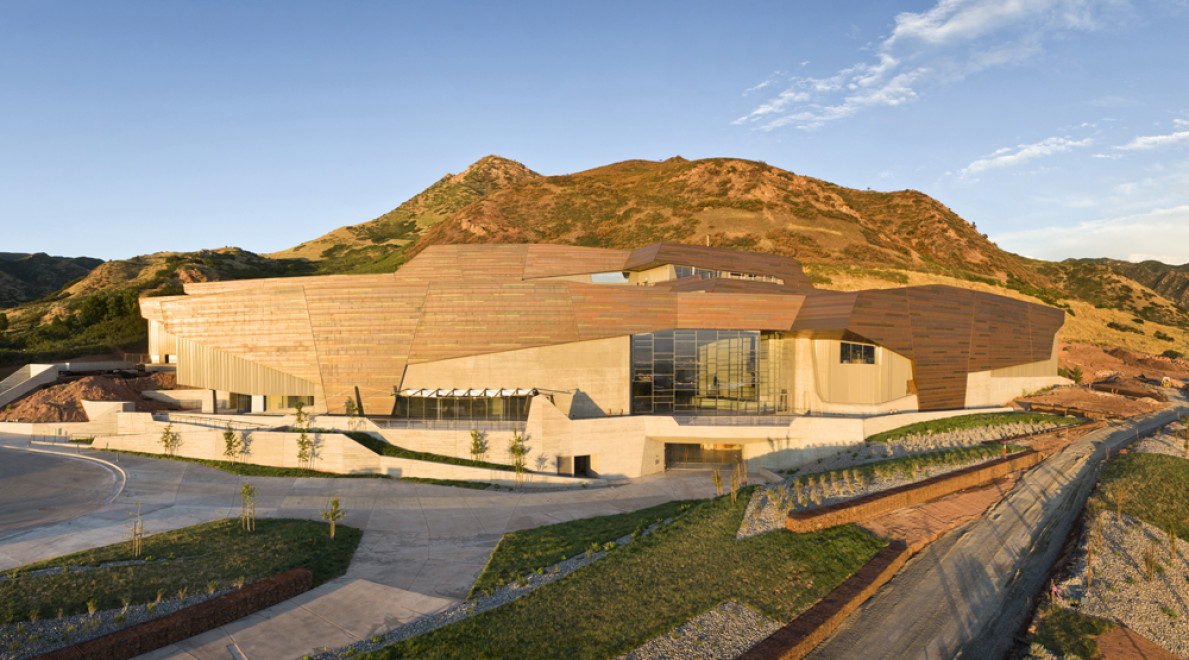
- Natural History Museum of Utah: Great for big, visually engaging exhibits and a deeper sense of the landscapes you can see from the city. Location note: Also up at the University of Utah. The last stretch is uphill, so plan on TRAX Red Line plus rideshare or UTA bus 228 (check service). Walking from Stadium is roughly 20 to 35 minutes.
- The Leonardo: A hands-on, science-meets-creativity option that’s fun if you want something interactive, and it’s much closer to downtown.
If you pick Natural History, you’ll also score a built-in Wasatch-view moment from the museum’s setting. It’s still city-adjacent, not a hike, and it frames the valley beautifully.
Ticket note: Some museums use timed tickets or have peak-day capacity. A quick reservation check can save you a lot of weekend friction.
Afternoon: Capitol and Avenues stroll
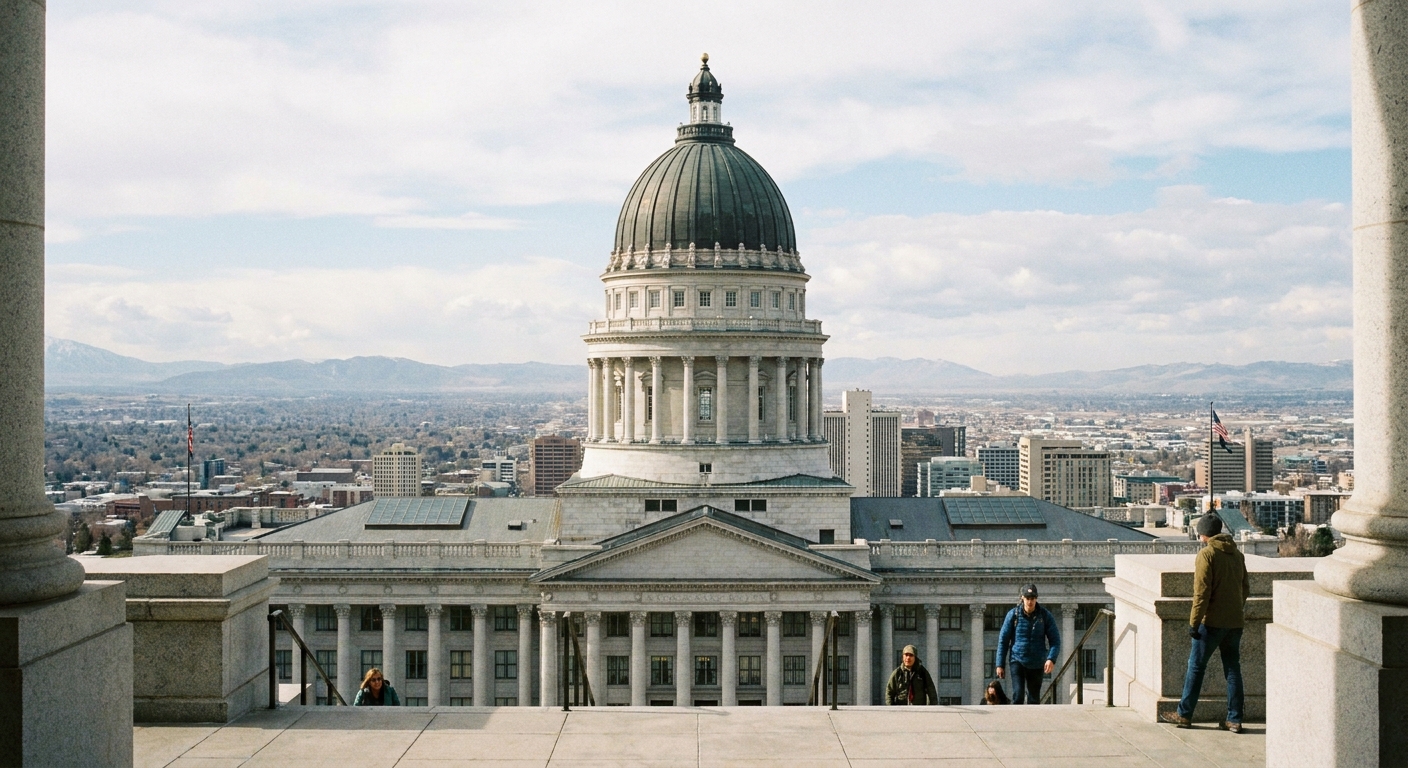
After lunch, go for the kind of walk that feels like a neighborhood conversation. The area around the Utah State Capitol is classic Salt Lake: wide streets, big views, and an easy transition from downtown blocks to quieter residential pockets.
- Utah State Capitol: The grounds are the main event here, with open views over the valley.
- The Avenues: Nearby streets are lined with older homes and small parks, perfect for a mellow wander.
Pace note: Keep it light. You’re saving your “big view” for evening when the mountains turn soft and golden.
Evening: Market-style dinner, then a skyline stroll
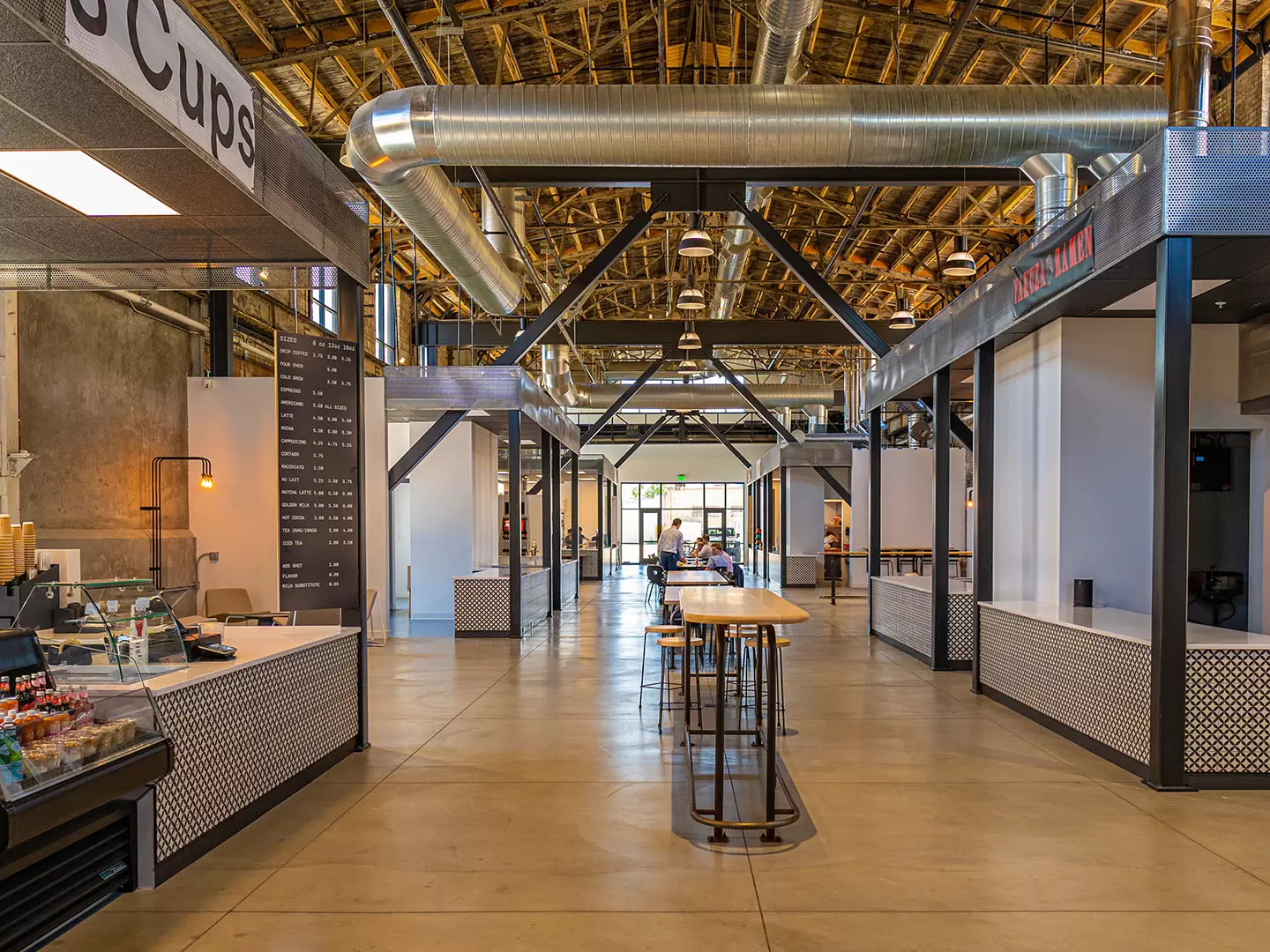
Salt Lake does “cluster dining” well, which is exactly what a 48-hour itinerary needs. Aim for a market-style spot where everyone can pick their own adventure, then finish with a short walk downtown.
- Easy dinner pick: HallPass Food Hall (at The Gateway) is a straightforward way to keep logistics low and choices high. Confirm hours and vendor lineup before you go.
- Food hall strategy: Arrive a bit early, do one lap, then commit. Order what you actually want, not what you think you should eat.
- Post-dinner walk: Wander Main Street or around the City Creek area for dessert, a nightcap, or something sweet and fizzy if that’s your thing.
If you prefer a single-restaurant dinner, downtown is packed with solid options, but the market-style format is the easiest way to maximize flavor with minimal planning.
Day 2: Neighborhood time, markets, and a golden-hour viewpoint
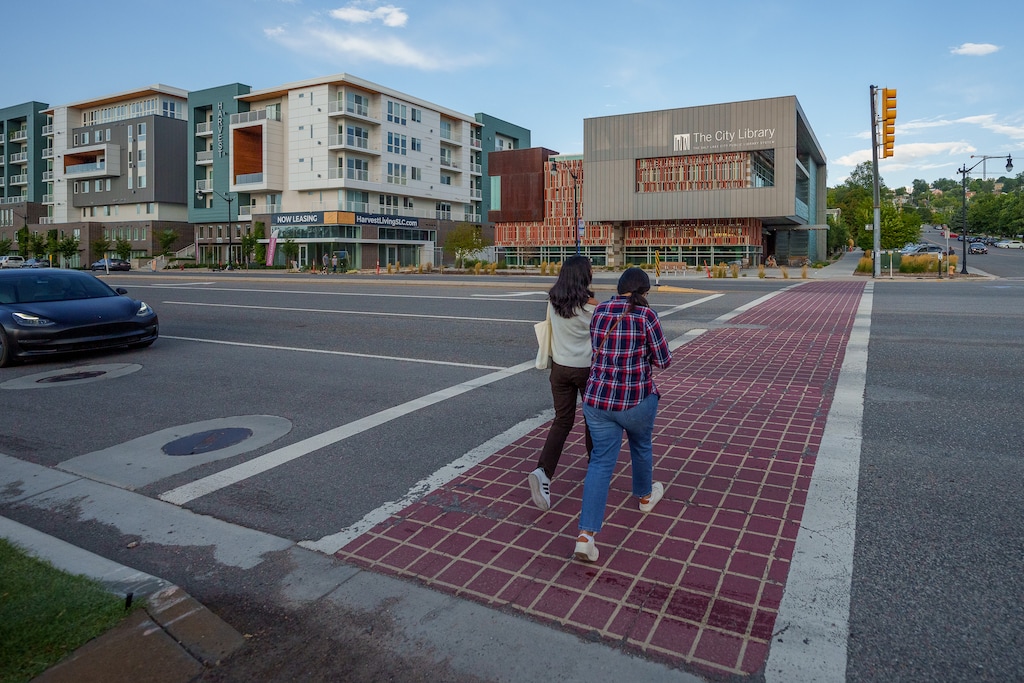
Morning: Sugar House or 9th and 9th
Today is about seeing the city beyond the postcard core. Two easy picks:
- Sugar House: A mix of shops, breakfast spots, and walkable streets that feels lived-in.
- 9th and 9th: A compact neighborhood hub with indie boutiques and great places to linger.
Build your morning around a slow breakfast and something you’ll actually finish. Sit down, write a few notes, and let the day start at a humane pace.
Midday: Market or museum
If your weekend lines up with it, a farmers market is one of the most efficient ways to taste Utah produce and see locals doing their normal Saturday thing. If not, pick a second museum or cultural stop that complements what you did yesterday.
- If it’s market day: Downtown Farmers Market at Pioneer Park is the classic choice (seasonal, check dates and hours). Go hungry, bring a tote, and plan to snack your way through lunch.
- If it’s not: Choose one: a gallery hop, a local history stop, or a second museum that fills in your “why this place?” questions.
Afternoon: Downtown reset and an early dinner
Head back downtown to keep the evening simple. This is a good window for a quick hotel break, then an early dinner so you can time your viewpoint for peak light.
Tip: If you’re visiting during summer, earlier is better. The golden hour can stretch, but the best ridge-and-valley contrast often lands before the last sliver of sunset.
Evening: One easy overlook
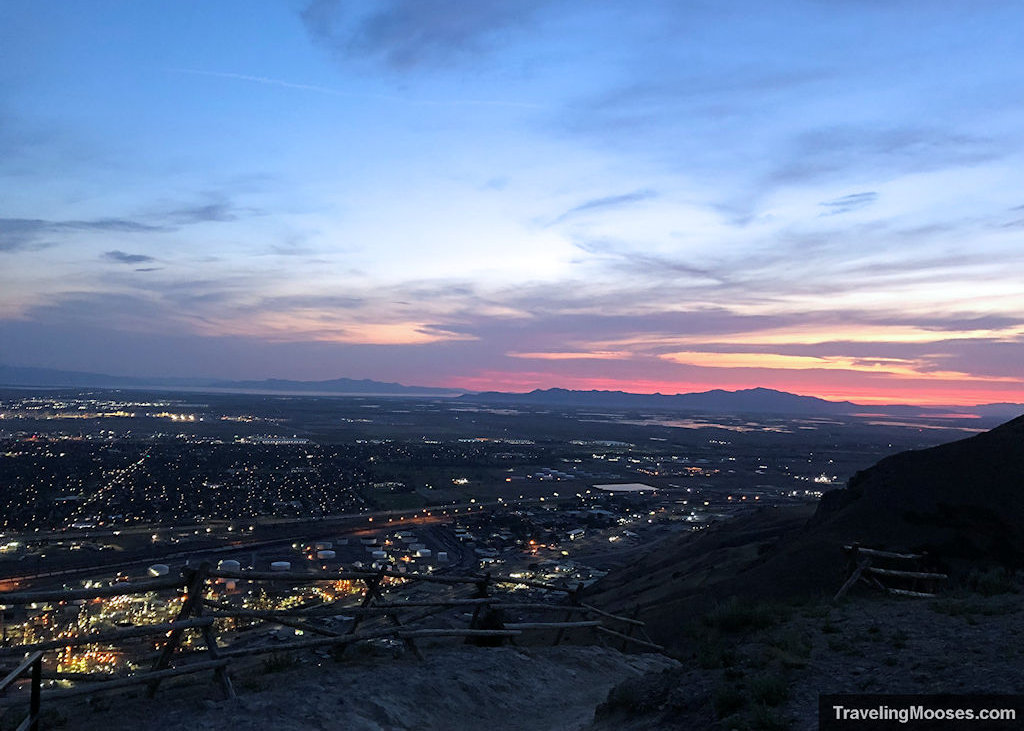
This is the only “mountain” moment in the itinerary, and it stays friendly: rideshare or drive to a close-in scenic overlook, bring a light layer, and watch the city lights start to flicker on beneath the Wasatch.
Three solid options, depending on your vibe and timing:
- Ensign Peak: Short, popular, and close to downtown. It’s a brief walk to a big payoff view. This is the best choice if you’re relying on rideshare.
- Bonneville Shoreline Trail access points: Choose a gentle segment for a slightly quieter feel with broad valley views. Many access points are still rideshare-friendly, depending on where you start.
- Big Cottonwood Canyon pullouts: Beautiful, low-effort, and feels like a true canyon shift. Do this only if you have your own vehicle. Rideshare is a bad plan up-canyon since cell service can drop and getting a return ride can be difficult. Also, it’s a longer drive and conditions can change quickly, especially in winter.
Safety and comfort notes: Bring water, mind your footing if you do a short walk, and don’t underestimate how quickly it cools off once the sun drops behind the ridge.
Where to stay
If you only have 48 hours, location is everything. Aim for downtown or just adjacent so you can walk to Temple Square, restaurants, and transit.
- Downtown core: Best for first-timers, museums, and late-night bites.
- Near TRAX lines: Handy if you plan to rely on light rail for airport transfers and getting around.
- Sugar House: More neighborhood feel, but you’ll likely rideshare more.
Practical tips
- Altitude is real: Even downtown, you may feel it on long walks. Hydrate early.
- Plan quick breaks like landmarks: A pastry stop, a bakery, or a shaded bench keeps the day relaxed and gives you natural pauses between sights.
- Weekend timing: Temple Square area and downtown can feel quiet early in the morning. If you like energy, aim for late morning to early evening.
- Sustainable choices: Use TRAX when you can, walk between clustered neighborhoods, and pick locally owned shops and cafes to keep your spending in the community.
Optional add-ons
Another easy viewpoint
If you loved the overlook and want a second, keep it easy and scenic rather than committing to a full day hike. A short segment of the Bonneville Shoreline Trail or another close-in foothill viewpoint gives you that mountain backdrop without turning your weekend into an endurance event.
One more neighborhood dinner
If you still have room for a final meal, pick a different district than your first night. Salt Lake rewards repeat dinners, especially when you follow your nose into smaller, local spots.
48-hour snapshot
- Day 1: Temple Square area, one museum (downtown or University of Utah), Capitol and Avenues walk, market-style dinner, downtown stroll.
- Day 2: Sugar House or 9th and 9th morning, Downtown Farmers Market at Pioneer Park (if in season) or a cultural stop, early dinner, sunset overlook with Wasatch views.
If you do it right, you’ll leave with two souvenirs that actually matter: a new favorite neighborhood spot and the memory of mountains turning pink behind a city that quietly knows how to host a weekend.