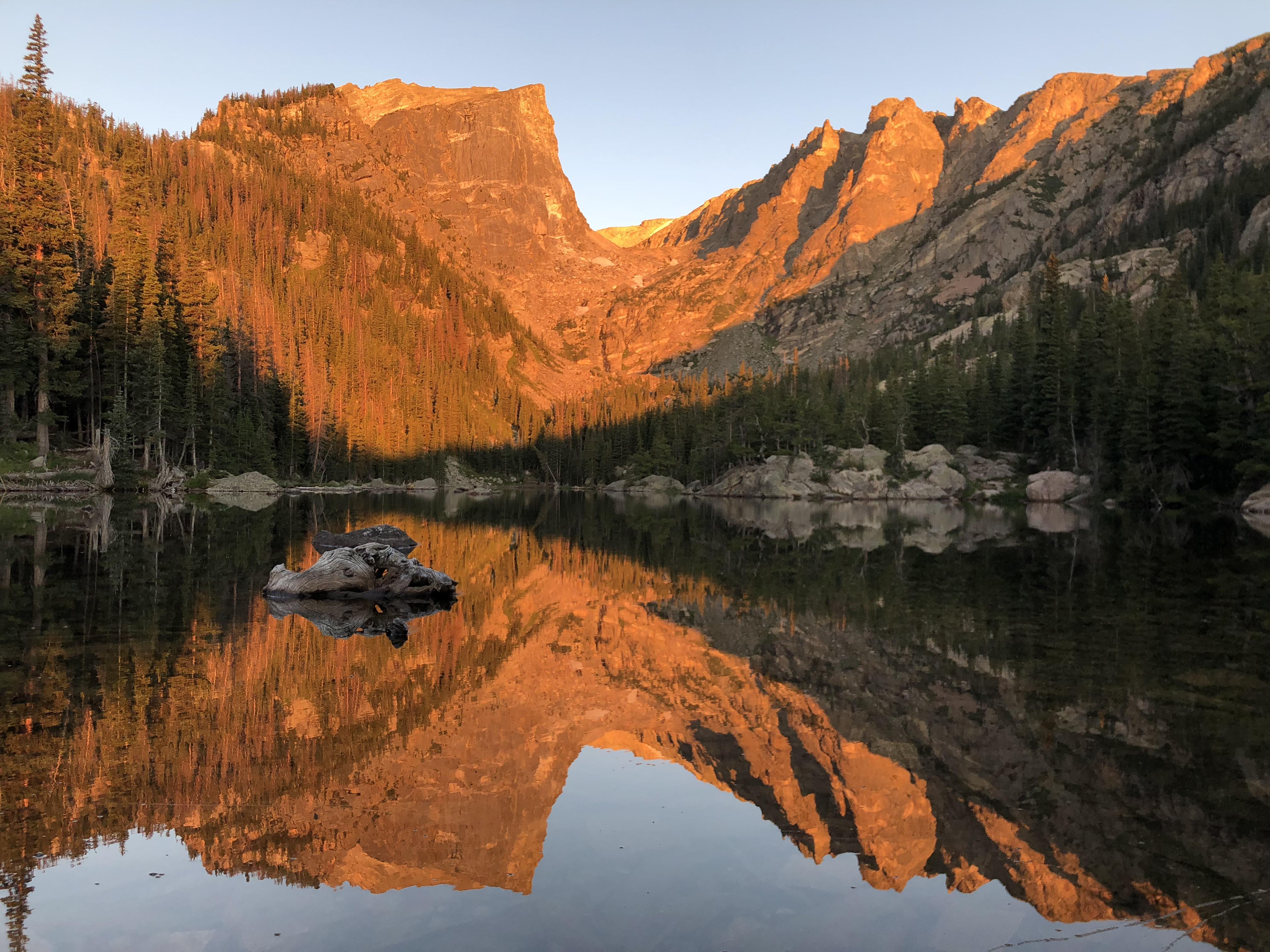
Bear Lake Corridor vs Glacier Gorge: Half-Day Crowd Strategy
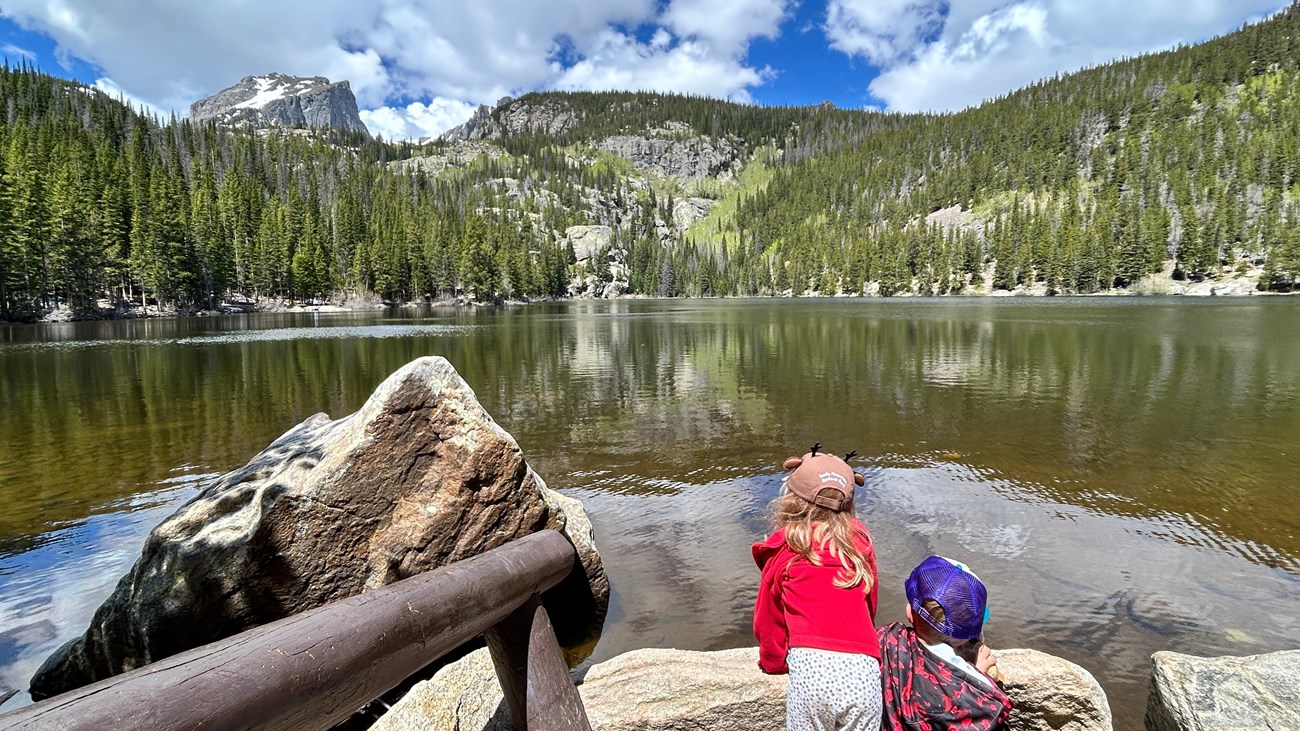
If you have half a day in Rocky Mountain National Park, chances are you will land in one of two orbiting crowd systems: the Bear Lake Corridor (Bear Lake Road) or Glacier Gorge Trailhead (a major trailhead off Bear Lake Road). They are close on a map, but they feel very different on a morning when everyone in Colorado has the same idea.
I’m going to help you pick the better hub for your half-day, then give you a crowd-savvy sequence for each: which short loops to stack first, where the timed entry pressure shows up, and what to do if every lot looks like a Black Friday parking situation.
Quick definition: when I say “half-day,” think 3 to 5 hours on trail, plus whatever time it takes to get in, park, and transition.

The quick decision
Start with this: Bear Lake Corridor is your best bet for a short, scenic, low-commitment hike with lots of route choices and frequent shuttle support when it is running. Glacier Gorge Trailhead is your pick if you want a more “big mountain” feel fast, and you are willing to work a little harder for parking and pacing.
Choose Bear Lake Corridor if you want
- Maximum scenery per mile with short loops and easy turnarounds
- More flexibility when crowds build, because you can pivot between lakes quickly
- Lower stress navigation on well-traveled, easy-to-follow trails with clear junctions
- Better family or mixed-ability options in a half-day window
Choose Glacier Gorge if you want
- A higher-alpine vibe sooner, with dramatic valley walls and waterfall energy
- Fewer “stroller loops” and more hikers who are there to hike
- A single, satisfying out-and-back that feels like a real outing even if you turn around early
Timed entry and parking
Rocky Mountain National Park uses a timed entry reservation system in many peak periods, and the details can shift year to year. It is often in place from late spring through fall, but do not assume the rules are identical every season.
The big thing for a half-day plan is this: the pressure is not just at the park entrance, it is at the Bear Lake Road access and then again at the trailhead parking lots. Even with everything “legal,” you can still lose your whole morning to circling.
Where it pinches
- Getting onto Bear Lake Road: This is the funnel for Bear Lake, Glacier Gorge Trailhead, Alberta Falls access, and several of the most famous short hikes.
- Parking turnover is slow: People linger. That sounds lovely until you need their spot.
- Trailhead-to-trailhead driving adds stress: If you park once, hike, then move your car, you are rolling the dice twice.
My rule for a half-day: plan as if you will park once and stay put. If you want multiple lakes, connect them on foot or use the shuttle rather than hopping lots by car.
Before you go: confirm current timed entry windows, Bear Lake Road requirements, and shuttle operations on the official RMNP site. Timed entry and shuttle seasons, hours, and stops can change.
Bear Lake Corridor plan
Think of Bear Lake Corridor as a choose-your-own-adventure network. You can do a simple loop and be back in time for lunch in Estes Park, or you can stack lakes until your legs vote no.
Quick planning note: mileages and times below are approximate and can vary by source, trail configuration, and where you start. Altitude, crowds, and photo stops can stretch everything.
Altitude reality: if you feel mildly awful in the first 20 minutes, slow down, sip water, and shorten your plan. RMNP is not the place to “push through” a headache.
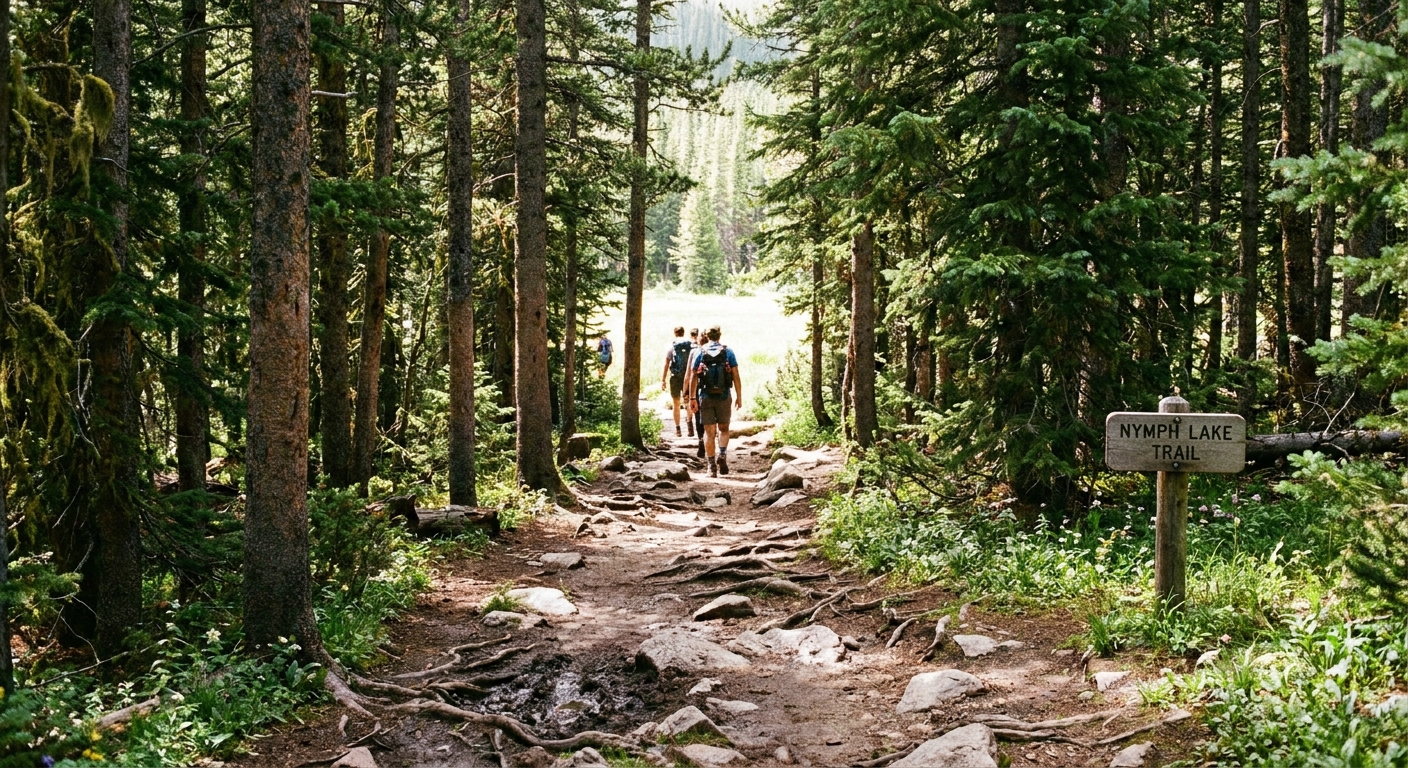
Crowd strategy: go past the first stop
If you begin at Bear Lake, the first half-mile can feel like a parade. The trick is to walk past the obvious first photo stops and get to a destination that thins people out naturally.
Option A: The three-lake stack
This “stack” is really Nymph, Dream, and Emerald. Bear Lake is the bonus loop you can do either at the start (if it is quiet) or at the end (if it is calmer).
- Nymph Lake (about 1.0 mile round trip from Bear Lake Trailhead, about 30 to 45 minutes)
- Dream Lake (about 2.0 miles round trip, about 1 to 1.5 hours)
- Emerald Lake (about 3.6 miles round trip, about 2 to 3 hours)
- Bear Lake loop (optional) (about 0.6 miles, about 20 to 30 minutes)
Sequence tip: If you arrive and the Bear Lake loop is already packed, skip it at first. Head straight toward Nymph, Dream, and Emerald. Do the Bear Lake loop at the end if the energy has settled.
Option B: A calmer lake loop
Sprague Lake is a great “save the morning” choice when the headline lakes are swarmed. You still get mountain reflections and a satisfying loop, just with less shoulder-to-shoulder energy. It is also often a more mobility-friendly option than the steeper, rockier lake trails.
- Sprague Lake loop (about 0.8 mile, about 20 to 40 minutes)
- If you want Dream Lake after Sprague: use the park shuttle if it is running, and plan for seasonal service and possible route changes. If the shuttle is not operating, commit to one trailhead for the rest of your half-day (do not play musical chairs with parking lots).
If the shuttle timing is not working and you are already parked comfortably, lean into it: do Sprague, linger a little, then add an easy nearby walk from where you are. The low-stress win is keeping your spot.
Glacier Gorge plan
Glacier Gorge Trailhead is where a half-day can feel like a real alpine outing even if you keep it reasonable. It is also a magnet for strong hikers heading deeper, so the parking lot can fill early and stay full.
Quick planning note: mileages and times below are approximate. Crowds around the falls and narrow trail sections can slow you down.
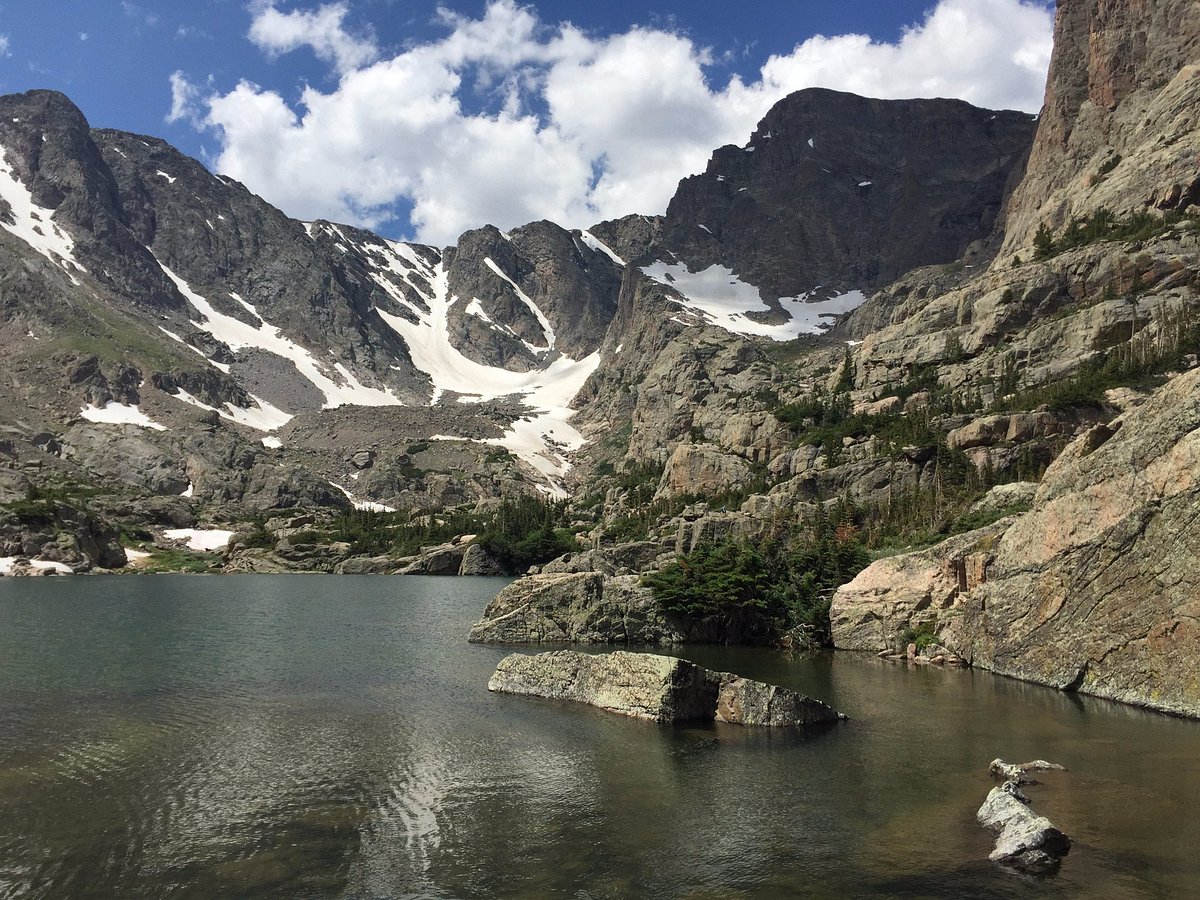
Crowd strategy: pick one objective
Glacier Gorge works best when you choose a single goal and pace for it. If you waffle and keep adding “just one more,” you can burn your half-day window quickly and end up rushing the prettiest sections.
Option A: Alberta Falls turnaround
- Alberta Falls (about 1.6 miles round trip, about 1 to 1.5 hours)
- Turnaround rule: enjoy the falls, then decide quickly. Either head back, or continue a short, quiet stretch and turn around before you feel committed.
Alberta Falls is popular for a reason. The sound, the spray, the granite. The crowd move is to enjoy it, then keep moving or leave before the late-morning surge arrives.
Option B: Mills Lake mindset
Mills Lake is iconic and can be done in a half-day by fit hikers who start early and keep breaks tight.
- Mills Lake (about 5.2 to 5.6 miles round trip, often 3 to 4.5 hours)
Reality check: if your parking start is late or you want a leisurely pace, Alberta Falls is the safer half-day bet.
Best timing
If you can start early
- Do the most popular thing first (Bear Lake loop at sunrise, or Alberta Falls early)
- Then pivot to something calmer once the lots and trailheads are filling
- Leave the corridor by late morning and do lunch or a scenic drive
If you are starting mid-morning
- Assume prime lots may be full and plan for shuttles or backups
- Choose one goal instead of trying to stack everything
- Pick the less famous pretty option and you will enjoy it more
Summer safety note
In summer, afternoon thunderstorms are common. Starting early is not just a crowd strategy, it is a safety strategy. If clouds are building fast, keep your plan lower, shorter, and closer to the trailhead.
When lots are full
This is the moment that makes or breaks your half-day. The key is to have two backup plans that still feel like Rocky Mountain National Park, not like a consolation prize.
Backup 1: Go shuttle-first
If the park shuttle is running, it can be your best friend on the busiest days. The stress shift is real: instead of hunting for a space, you are just waiting your turn. Pack snacks, water, and patience. Just remember it is seasonal, and routes and stops can change.
Backup 2: Switch zones
If Bear Lake Road is gridlocked, pivot to areas that do not depend on that corridor. If they are open and you have the time window, consider:
- Moraine Park for big meadows, elk sightings, and lower-key walking
- Easy riverside trails near the Estes Park side like Horseshoe Park or the Hidden Valley area
- Trail Ridge Road pullouts when the road is open, for big views with short walks from overlooks
Backup 3: Choose a quieter lake loop
If you still want that classic mountain-reflection moment but cannot face Bear Lake crowds, aim for a scenic loop that is beautiful without being the headline attraction. Sprague Lake is the poster child for this strategy.
Half-day itineraries
Itinerary 1: Famous lakes
- Arrive early and park once
- Hike to Dream Lake first (about 2.0 miles round trip), then decide on Emerald (about 3.6 miles round trip total)
- Return the same way and do the Bear Lake loop last (about 0.6 miles) if you want
- Exit before late morning if crowds are peaking
Itinerary 2: Waterfalls and drama
- Start at Glacier Gorge Trailhead
- Out-and-back to Alberta Falls (about 1.6 miles round trip)
- Add a short extension only if your turnaround time still feels comfortable
- Leave time for a calm finish like Sprague Lake (about 0.8 mile), ideally using the shuttle if operating rather than chasing a new parking spot
Itinerary 3: Everything is full
- Take the shuttle if operating, or pivot out of the corridor
- Pick one easy loop (a meadow walk or a quieter lake)
- End with a town comfort reward in Estes Park, like a slow coffee and a proper meal
What to pack
This is carry-on-only energy applied to trails: light, efficient, prepared.
- Layers: even short hikes can swing from sun to wind fast
- Water and salty snacks: altitude makes “fine” turn into “hangry” quickly
- Sun protection: hat and sunscreen, even when it feels cool
- Download maps: cell service can be spotty
- Patience: not gear, but essential
My bottom line pick
If you only have a half-day and you want the highest chance of an enjoyable, flexible outing, pick Bear Lake Corridor and do a smart lake sequence on foot.
If you want a hike that feels more committed and rugged, and you can start early enough to beat the parking crunch, pick Glacier Gorge Trailhead and make Alberta Falls (or a bit beyond) your primary goal.
Either way, the real win is this: park once, hike with intention, and keep one backup plan ready. That is how you get both rugged adventure and a low-stress afternoon back in town.