Canyon de Chelly: Rim Overlooks and Navajo Tours
Canyon de Chelly (pronounced “shay”) is one of the Southwest’s rare places where epic geology and living culture share the same frame. The sandstone walls glow at sunrise, yes, but there are also homes, orchards, grazing areas, and sacred sites tucked into the folds of the canyon. That mix is exactly what makes the monument unforgettable, and it is also why planning matters here more than at many other scenic drives in the region.
This Town Wander guide separates what you can do on your own (rim drives and overlooks) from what requires an authorized Navajo guide (canyon floor access). I will also walk you through photography etiquette around residences and how to weave Canyon de Chelly into a bigger loop with Monument Valley or Page without turning your trip into a windshield sprint.

Quick orientation
What Canyon de Chelly is
Canyon de Chelly National Monument sits within the Navajo Nation in northeastern Arizona, near Chinle. The National Park Service co-manages the monument with the Navajo Nation, and many Navajo families still live in and around the canyon. That “living landscape” reality shapes the rules: you can freely visit most rim overlooks, but the canyon floor is not open to independent hiking or driving in most areas.
South Rim vs North Rim
Both rims have paved, signed scenic drives with pullouts. The South Rim tends to feel easier to navigate and has several classic overlooks with broad views. The North Rim has fewer visitors and a slightly more remote vibe. If you only have time for one, most first-timers choose the South Rim for its concentration of viewpoints.
Where you start
Most visitors base themselves in Chinle for access to both rim drives and tour operators. Services are limited compared with Page or Flagstaff, so plan fuel and meals with a little cushion.
Self-guided: South Rim
The South Rim Drive is a paved route with multiple signed viewpoints. You can tackle it as a half-day out-and-back or stretch it into a slow, photo-heavy morning. Sunrise and late afternoon are the sweet spots for light and heat, especially in warmer months.
How to pace it
- Plan 2 to 4 hours for a relaxed South Rim drive with stops and short walks from pullouts.
- Add time for golden hour if you want that warm sandstone glow. Shadows change quickly as the sun swings across the canyon.
- Expect wind at overlooks. Bring a layer even when Chinle feels mild.
South Rim overlooks to know
Skip the vague map confusion and use the names you will see on official signs. If you are moving slowly, treat these as a loose sequence rather than a checklist.
- Tsegi Overlook: A wide, confidence-boosting first big view that helps you understand the scale of the canyon system.
- Junction Overlook: A dramatic perspective where canyon branches come together. This is a good place to pause and just watch the light move.
- White House Overlook: Your classic “I can see the ruins” viewpoint, especially rewarding with binoculars.
- Sliding House Overlook: Another strong ruins-focused stop where you can spot structures tucked into the rock.
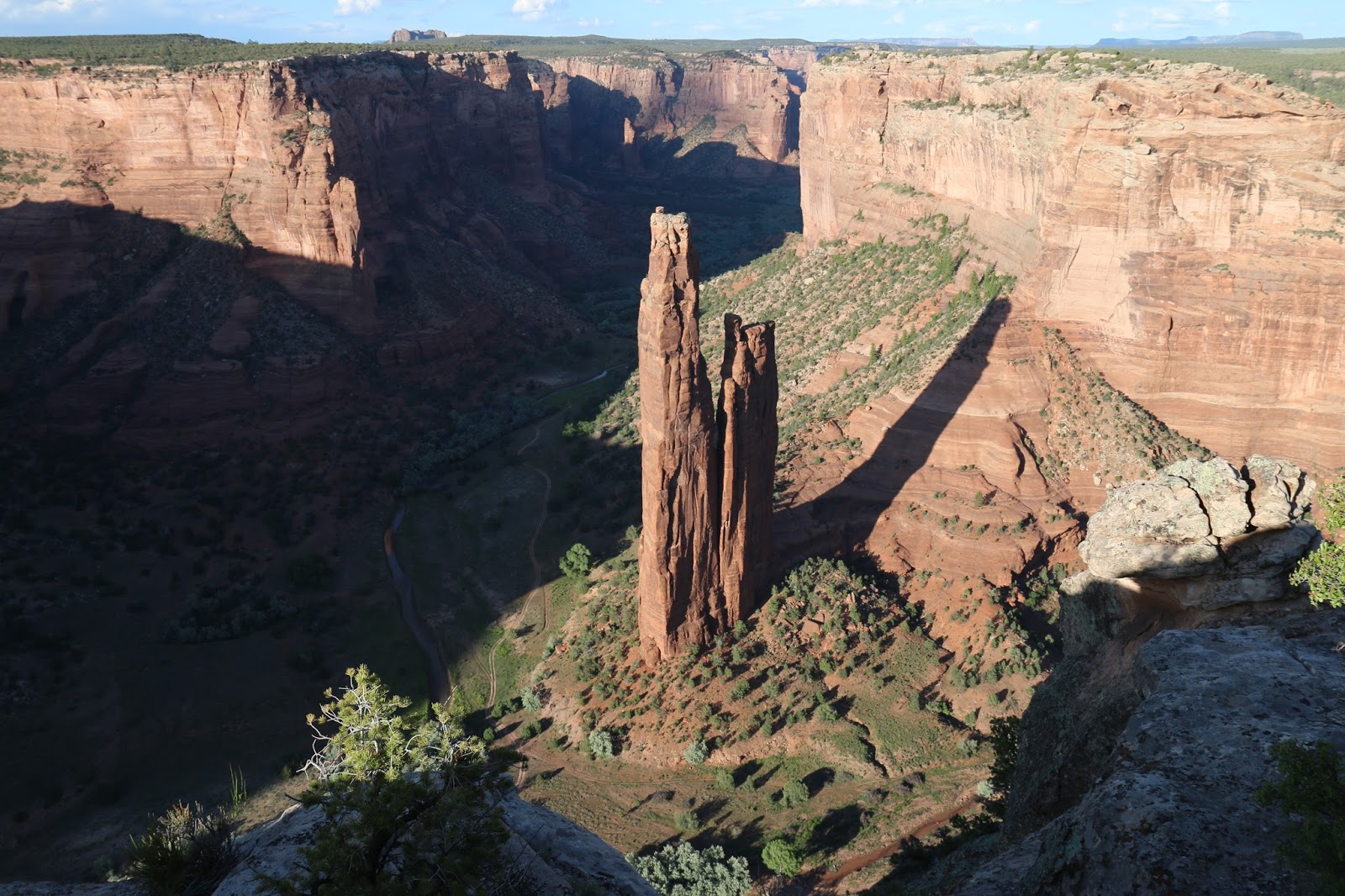
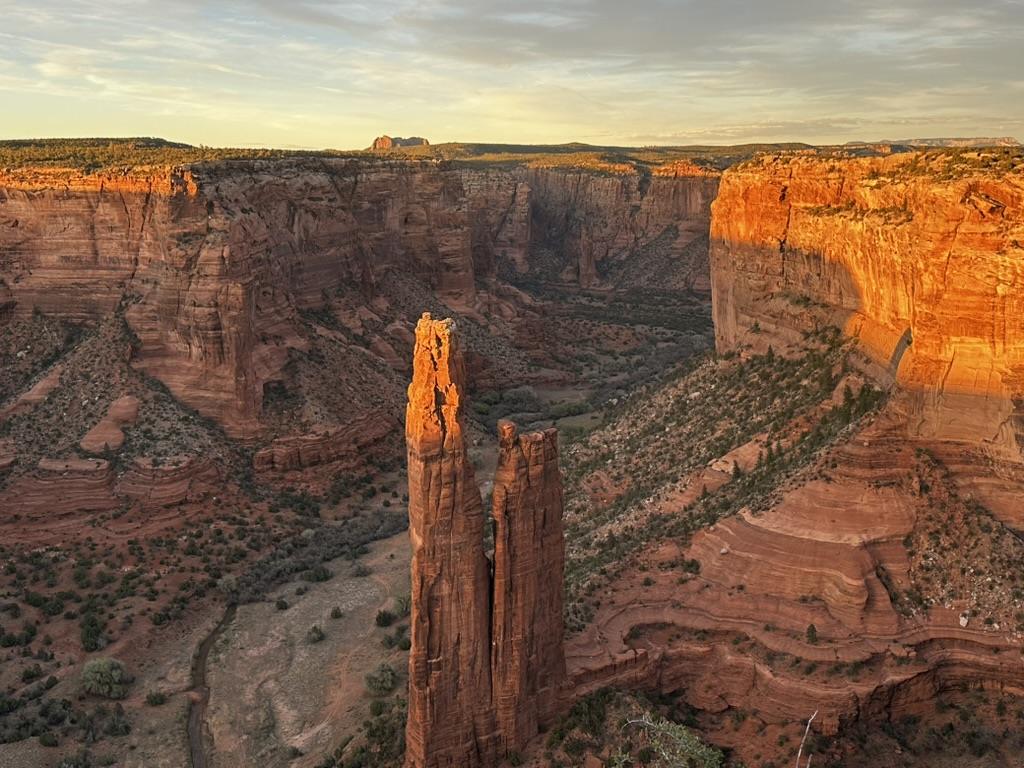
- Spider Rock Overlook: The headline view. If you can time one stop for the best light, make it this one.
If you are traveling with mixed-energy companions, this is a great compromise day: you get dramatic scenery with minimal walking, and you can still carve out a few short strolls near viewpoints for that “legs on trail” feeling.
Self-guided: North Rim
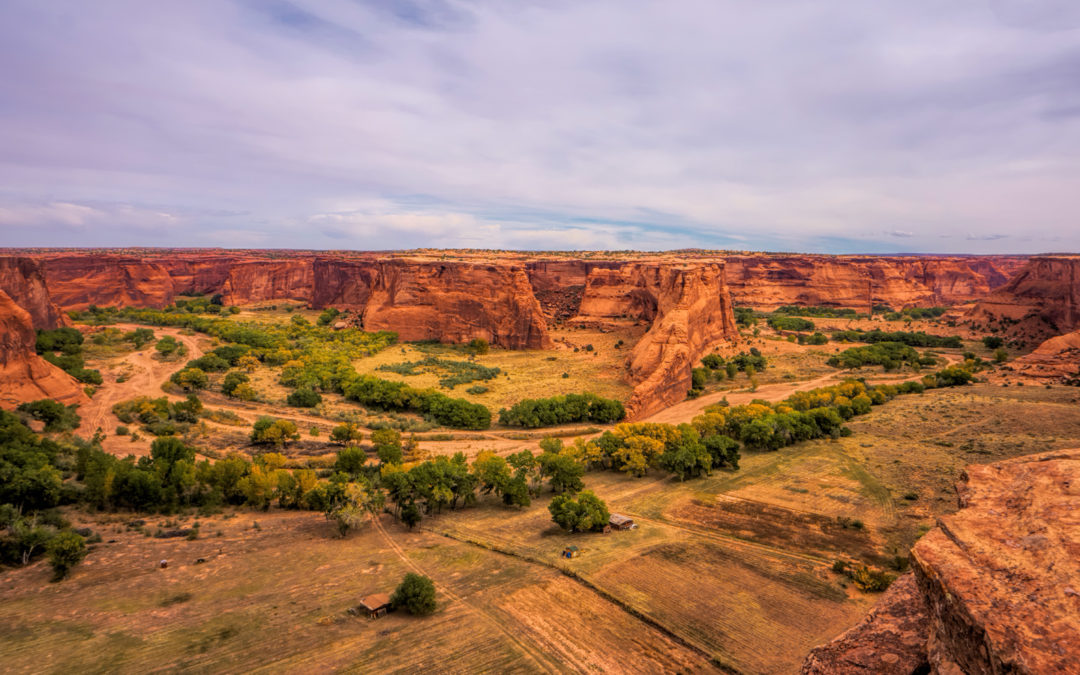
The North Rim Drive is also paved and signed, with a quieter feel and fewer people. If the South Rim is your “greatest hits,” the North Rim is where you go when you want space and a slightly more meditative pace.
North Rim highlights
- Mummy Cave Overlook: One of the most memorable ruins viewpoints in the monument, with a huge alcove presence that reads clearly even from the rim.
- Antelope House Overlook: A classic North Rim stop that adds variety to your ruins viewing and rounds out the story of how people used this landscape.
What you cannot do on your own
This is the line that trips up a lot of travelers who are used to Grand Canyon style access.
No independent canyon-floor hiking (almost always)
The canyon floor includes private lands, active homesites, and culturally sensitive locations. Access is restricted. In practical terms, that means you should not plan a DIY “down into the canyon” hike unless it is specifically designated for self-guided access and you confirm current rules on site.
The one exception to know
White House Ruin Trail has historically been the only trail open to unguided visitors that drops from the rim to the canyon floor. It is also the trail most likely to confuse people because its status can change due to safety, weather, maintenance, or cultural considerations. Before you build your day around it, confirm whether it is currently open with the National Park Service and posted signage at the trailhead.
No driving the canyon floor without authorization
Even if you have a high-clearance vehicle, canyon-floor routes are not a casual backroad adventure here. Authorized Navajo guides have permission and local knowledge, including how conditions change after rain.
If you want the canyon floor experience, book a Navajo tour. The rules are not there to be inconvenient. They exist because this is home.
Authorized canyon-floor tours
Canyon-floor tours are where Canyon de Chelly stops being “a pretty viewpoint drive” and becomes a story-rich place. A good guide will translate the landscape: why certain alcoves matter, how farming works in the wash, what you are looking at when you see a doorway high in the rock, and which details visitors often misunderstand.
Common tour formats
- Half-day jeep or truck tours that focus on major sites and a few short walks. Ideal if you are passing through.
- Full-day tours with more stops, deeper context, and usually more time away from crowds.
- Photography-focused tours where timing and light guide the route, with extra attention to etiquette around homes and people.
- Custom cultural tours that may include artisan visits or broader Navajo Nation context depending on the operator.
What to ask when booking
- Exact meeting location and start time in Chinle, plus how early you should arrive.
- Vehicle type (open-air vs enclosed) and weather expectations for the season.
- Stops and walking level if you have mobility concerns or are traveling with kids.
- Photography guidelines and whether there are areas where cameras should stay down.
- How your fees support the community (many tours are locally owned and operated, which matters).
Best time of day
Morning often brings softer light and cooler temperatures. Late afternoon can be stunning for color, but the canyon’s shadows lengthen quickly. If your priority is photography, ask the operator which start time best matches your goals and the season you are visiting.
Photography ethics
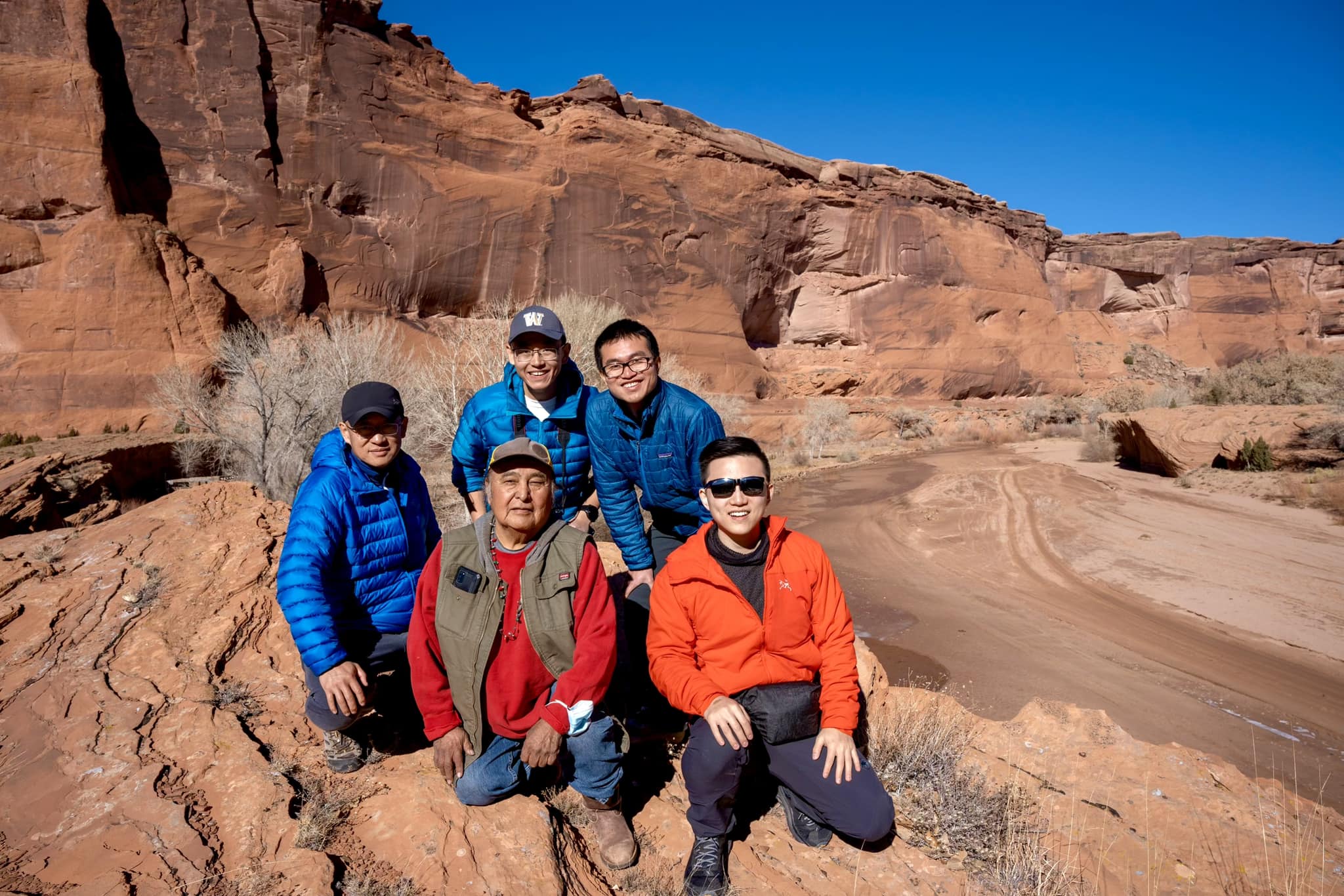
This is the most important section in the entire guide, so I am going to be plain about it. Canyon de Chelly is not an empty park. People live here. There are active fields, sheep, family areas, and places with spiritual significance.
What respectful photography looks like
- Do not photograph people without permission. If you want a portrait, ask. If the answer is no, the answer is no.
- Avoid zooming into homes and yards from overlooks. If it would feel invasive in your neighborhood, it is invasive here too.
- Follow your guide’s cues on the canyon floor. There may be areas where photos are discouraged or not allowed.
- Stay quiet at ruins viewpoints and do not treat them like a set. These are ancestral places, not props.
- Do not post precise locations of sensitive sites or anything your guide indicates should not be geotagged.
If you are unsure, default to restraint. You will still come home with gorgeous landscape images, and you will also leave behind something valuable: trust.
Practical planning
Fees and hours
There is no entrance fee to visit Canyon de Chelly National Monument and drive the rim roads. That said, Navajo-guided tours are paid experiences, and pricing varies by operator, tour length, and season. Operating hours and services can change seasonally, so check current conditions with the National Park Service before you go, and confirm tour details directly with your operator.
Road notes
- South Rim and North Rim roads are paved and generally suitable for standard vehicles.
- Weather can change everything. Wind is common, summer heat is real, and monsoon storms can make dirt routes messy fast.
- Cell service can be spotty. Download offline maps and keep your itinerary simple.
Packing list for a rim day
- Water (more than you think you need), plus a salty snack
- Sun protection: hat, sunscreen, sunglasses
- Wind layer or light jacket
- Binoculars for ruins and rock details
- Camera with a mid-range zoom, plus a strap for gusty overlooks
- Trash bag to pack out every scrap
Pair it with Page or Monument Valley
If you are already planning Monument Valley or Page, Canyon de Chelly can feel like a detour on the map. In reality, it is a different kind of experience. Monument Valley is iconic and cinematic. Page is water, slot canyons, and big-view attractions. Canyon de Chelly is quieter, more intimate, and culturally layered.
Best combos
- Monument Valley + Canyon de Chelly: Pair the wide-open, famous vistas with a more grounded, story-driven day on the canyon floor.
- Page + Canyon de Chelly: Balance high-energy, reservation-heavy attractions (like Antelope Canyon) with an overlook day that does not require constant scheduling.
A realistic 2-day approach
- Day 1: Arrive Chinle, do the South Rim at golden hour, keep dinner simple, and go to bed early.
- Day 2: Take a morning Navajo guided tour on the canyon floor, then drive onward toward Monument Valley or Page in the afternoon.
This rhythm gives you both perspectives: the sweeping rim views and the human-scale canyon floor story. It also keeps you from trying to squeeze a tour into the tail end of a long drive, which rarely feels good.
Leave with more than photos
Canyon de Chelly rewards the kind of traveler who slows down. Sit at an overlook long enough to notice how the light shifts across the walls. Let your guide talk without rushing them to the next “must-see.” Buy locally when you can. Be conservative with your camera around homes. The canyon will still give you drama, but you will also walk away with something rarer: context.
If you are building a Northern Arizona loop, keep Canyon de Chelly on your list not as a quick stop, but as a place to listen.