Florida Springs for First-Timers
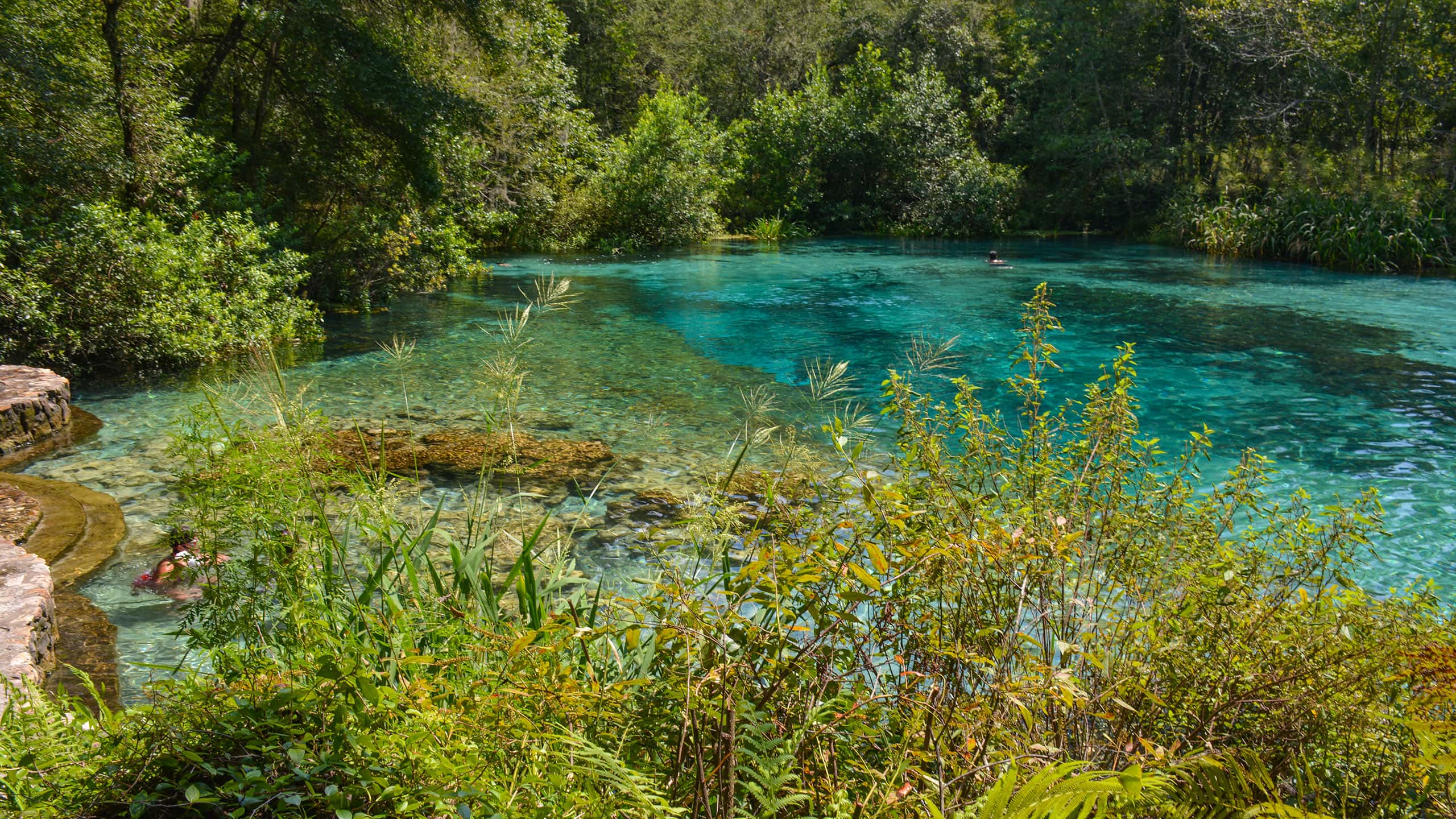
Florida springs are the rare kind of place that can satisfy two very different versions of you in the same afternoon: the person who wants a quiet boardwalk through cypress knees and Spanish moss, and the person who wants to slip into low-70s water so clear you can count the ripples on the sand. The trick for first-timers is knowing what you are actually signing up for. Some springs are all about floating and people watching. Others feel like a shaded river hike with a swim break in the middle.
This guide covers how spring-fed swimming compares to river trail exploring, how to time crowds, and the practical stuff people forget until they are already in the car, like entry fees, reservations, and what “water clarity” really means season to season.

Springs 101: swim bowl vs spring run
Florida’s springs are groundwater pushed up from the Floridan Aquifer. That is why the water stays consistently cool year-round and can look almost unreal on a sunny day. But not all spring experiences feel the same. As a first-timer, it helps to choose your main vibe first.
Spring-fed swimming (the classic “swim spot”)
Think of a spring boil like a natural pool. Many popular parks have a designated swimming area near the headspring, often with a sandy or grassy shoreline, easy entry, and bathrooms close by. These are ideal if you want a straightforward half-day: arrive, claim a spot, swim and snorkel, then picnic.
- Best for: families, casual swimmers, first-time snorkelers, anyone who wants a simple plan
- Expect: more people, more rules, and clearer boundaries like roped swim zones
- Common examples: Weeki Wachee Springs, Alexander Springs, Rainbow Springs, Blue Spring (note: swimming access closes during winter manatee season)
River trails (boardwalk hikes, paddles, and long floats)
Other springs are less “pool” and more “path.” You might hike a boardwalk along a spring run, paddle down a clear river, or float a long stretch where the scenery changes every few bends. This is where Florida springs feel like a trail system, just with water as the main corridor.
- Best for: outdoor folks who get antsy staying in one spot, photographers, paddlers, slow travel types
- Expect: longer distances, fewer convenient amenities once you leave the main area, and more payoff if you start early
- Common examples: Ichetucknee Springs (tubing and snorkeling the run), Juniper Run (paddle trail), Silver Springs (glass-bottom boats and paddling where you might spot wild rhesus macaques along the riverbanks, but sightings are not guaranteed and you should keep your distance)
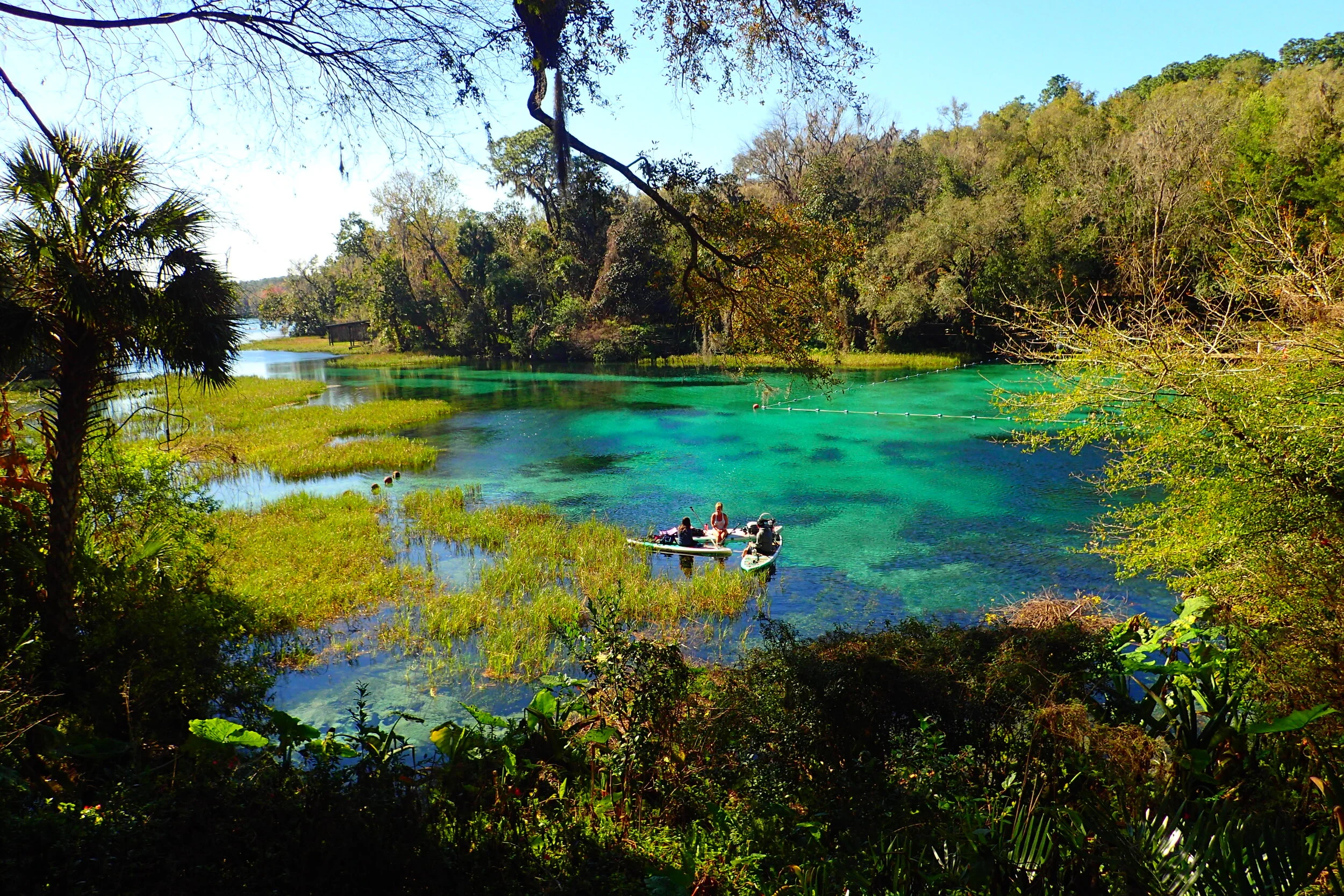
My favorite first-timer combo: boardwalk first, swim second
If you are new to springs, do your walking before you swim. Once you are chilled and relaxed, it is harder to talk yourself into a loop trail. A simple order that works almost anywhere:
- Arrive early and walk a boardwalk or nature trail while the light is soft and wildlife is active.
- Set up a low-key base for your towel, snacks, and dry clothes.
- Swim or snorkel in the late morning before the peak crowd hits.
- Picnic lunch and decide whether you have energy for a second, shorter dip.
Springs are deceptively tiring because the water is cold. Even strong swimmers get chilled faster than they expect, especially if they plan to “just float for a while.” Pack a warm layer for after.
Crowd timing that actually works
Florida spring crowds are not random. They follow weekends, school breaks, and heat waves like clockwork. If you time it right, the exact same place can feel like a serene nature escape or like a very wet block party.
Best times of day
- Arrive at opening if the park is popular or has limited capacity. Many springs stop admitting visitors when lots fill.
- Weekdays are gold for clearer water and easier parking, especially outside school holidays.
- Late afternoon can be quieter, but be realistic about thunderstorms in summer and closing times.
Best seasons for first-timers
- Late fall through early spring: fewer crowds, beautiful light, and in some places, the chance to see manatees in warm-water refuges. Swimming can feel brisk but doable for many people.
- Summer: peak swimming season and peak crowds. The water feels amazing, but popular tubing runs and swim areas can be shoulder to shoulder.
- After heavy rain: some rivers can look darker or tea-colored from tannins and runoff. The headspring itself may stay clear, but downstream visibility can change.
My rule of thumb: if it is a weekend between Memorial Day and Labor Day, treat a famous spring like a concert. Get there early, expect lines, and have a backup plan nearby.
Water clarity: why your photos might not match Instagram
“Crystal clear” is real, but it is not guaranteed in every season and every section of a spring system.
What affects clarity
- Rain and river levels: heavy rain can bring tannins and sediment into connected rivers, especially downstream from the headspring.
- Algae growth: sunlight, warmth, and nutrient levels can increase algae, which can reduce visibility in some areas.
- Human activity: a busy swim area gets stirred up. Sand and silt kick up fast when hundreds of feet are churning in the shallows.
How to maximize your chances
- Go early in the day before the water is disturbed.
- Choose a headspring swim area or a designated spring run known for consistent clarity.
- If you are chasing photo-worthy visibility, aim for cooler months and sunny mornings.
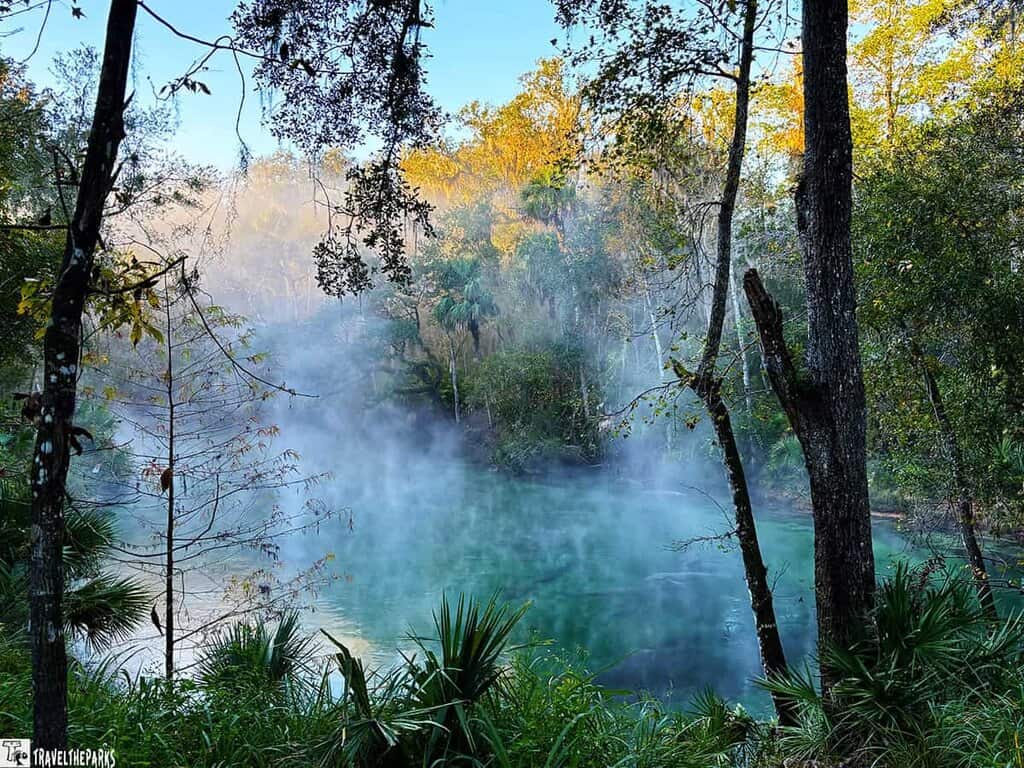
Alligator and water safety basics
You are in Florida. That means wildlife and warm-weather realities, but most spring visits are very safe if you follow park rules and use common sense.
Alligators: what first-timers should know
- Alligators can be present in freshwater habitats, including spring runs and connected rivers. Parks monitor high-use swim areas and will close areas if there is a concern, but wildlife is not a theme park character.
- Swim only where it is allowed. Designated swim zones are generally chosen for good visibility and visitor management, and they are the easiest areas for staff to monitor.
- Do not feed anything. Feeding wildlife is the fastest way to create problem animals.
- Give space at the edges. Avoid swimming at dawn, dusk, or in murky areas outside designated zones. Keep kids close, especially near vegetation and banks.
Bacteria and water quality: the practical checklist
Many state- and county-managed springs test water quality and post advisories when needed. Still, you can lower your personal risk:
- Check the park’s latest alerts before you drive out, especially after storms or flooding.
- Avoid swallowing water, especially for kids.
- Do not swim with open cuts and skip the water if you have a compromised immune system.
- Shower off after if facilities are available, and wash hands before eating.
Heat and lightning note: the water may be cool, but day-use areas can still be hot. Hydrate, take shade breaks, and in summer, get out of the water at the first sign of lightning and wait it out.
Red flag moment: if water looks unusually cloudy, has a strong odor, or the park posts a closure or advisory, pivot to a boardwalk hike and save the swim for another day.
Fees, reservations, and the fine print
Florida springs are managed by a mix of Florida State Parks, county parks, and private operations. That is why the rules feel inconsistent from one spring to the next.
Typical costs
- Florida State Parks: entry is usually charged per vehicle (often in the range of a modest day fee), with lower rates for single occupants, cyclists, or pedestrians at some parks.
- Extras: tubing shuttles, kayak rentals, glass-bottom boats, and snorkeling gear are often separate fees.
Reservations and capacity limits
- Camping and some activities require advance reservations, especially on weekends and holidays.
- Day use can hit capacity at famous springs in summer. When lots fill, gates may temporarily close.
- Arrive early for limited activities like tubing runs that sell out or stop entries once they hit safe limits.
Common restrictions that surprise people
- Some parks restrict or prohibit snorkels, fins, masks, or scuba at the headspring.
- Some springs ban certain floats or require specific styles of life vests for children.
- Many spring runs are strict about what you can bring on the water, especially anything disposable.
What to check before you leave
- Opening hours and last admission time
- Swimming status (some springs close swim areas seasonally or for restoration)
- Whether snorkeling is allowed at the headspring
- Rules on floats, life vests, coolers, and alcohol
- Whether pets are allowed on trails or in day-use areas
What to pack for a springs day
You do not need much, but the right few items make the day smoother.
- Water shoes: helpful on limestone edges, slippery steps, and boardwalk approaches after rain.
- Snorkel mask: even casual snorkelers get more out of the experience with a decent mask.
- Light towel and warm layer: the post-swim chill is real in the low 70s.
- Dry bag or waterproof pouch: for phone, keys, and car pass if you are tubing or paddling.
- Mineral sunscreen and a hat: look for options that avoid oxybenzone and octinoxate, and always follow park guidance.
- Reusable water bottle and snacks: concessions are not guaranteed.
Important packaging rule: at many popular spring runs (including places like Ichetucknee), all disposable packaging is banned on the water. That can include single-use plastic bottles, food wrappers, and zip-top bags. Pack reusable bottles and containers, and keep it simple.
Skip glass containers. Many parks prohibit them near swimming areas.
Spring etiquette and conservation
Springs are beautiful because they are fragile. A few small habits keep them that way:
- Do not stand on plants or grab vegetation to pull yourself along. It damages habitat and stirs sediment.
- Float, do not “walk” the river in shallow areas. Kicked-up silt is a visibility killer.
- Do not touch wildlife, and keep a respectful distance if you see manatees or other animals.
- Respect restoration areas and closures. If an area is roped off, it is usually for a reason.
- Pack out everything, especially tiny trash like tabs, wrappers, and bottle caps.
Easy first-timer spring picks (by vibe)
Florida has more than 700 documented springs, but a few are especially beginner-friendly because of amenities, clear signage, and a strong mix of trails and water access.
If you want a simple swim day
- Rainbow Springs: gorgeous color, strong facilities, and good walking paths.
- Alexander Springs: roomy swim area that is often a comfortable first snorkel spot.
- Weeki Wachee Springs: iconic and fun, with a mix of swimming, paddling, and old Florida energy.
If you want a float plus trail feel
- Ichetucknee Springs: tubing and snorkeling along a spring run that feels like floating through a forest (arrive early in peak season, and follow the no-disposables rule).
- Juniper Springs area: known for paddle-focused adventure and shaded scenery.
If you want manatees (and you are flexible)
- Blue Spring: a classic winter manatee refuge. Swimming and water access closes during manatee season, so plan for boardwalks, overlooks, and wildlife viewing instead.
Choose one anchor spring per day. Trying to do three in a row sounds efficient, but it often turns into a lot of driving, wet gear, and line waiting.
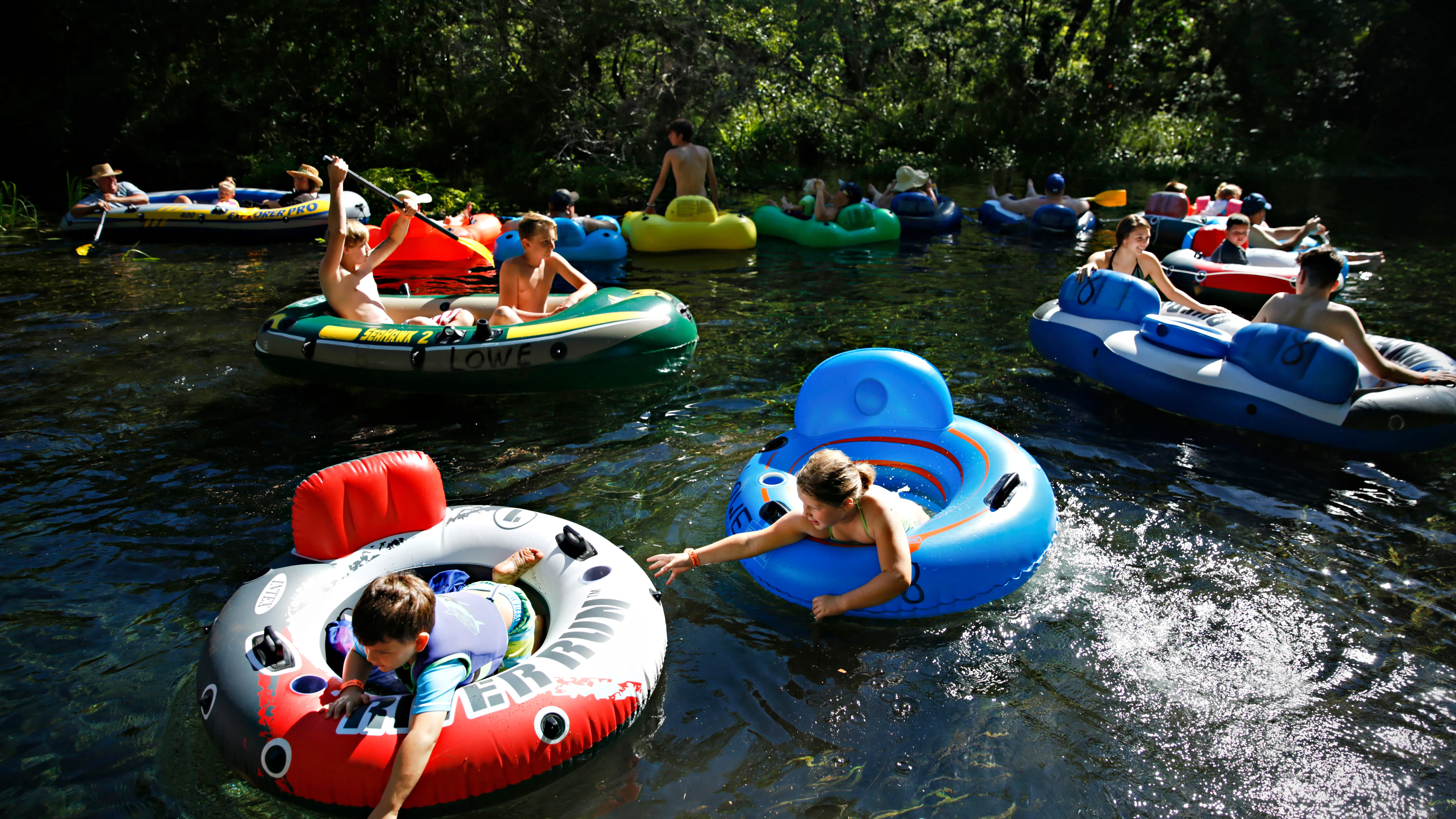
A one-day starter itinerary
Option A: boardwalk + swim
- Arrive at opening and walk the main boardwalk loop.
- Set up a picnic spot, then swim and snorkel mid-morning.
- Lunch break, then a shorter nature trail or scenic overlook.
- Leave before the afternoon peak traffic and storms in summer.
Option B: tubing run day
- Arrive early, confirm tubing tickets or shuttle details, and double-check what is allowed on the water (especially packaging rules).
- Do a short trail first, then tube late morning through early afternoon.
- Change into dry clothes, snack, and finish with a quick boardwalk stroll.
If you are traveling with mixed interests, promise your city lovers a good coffee stop on the way in or out. Springs days are better with a post-swim caffeine reward.
How this differs from the Everglades and Dry Tortugas
If you have been browsing Town Wander’s Florida coverage, here is the quick mental map. The Everglades is a vast wetland ecosystem with big skies, sawgrass, and wildlife watching that often happens from trails, boardwalks, and paddles in darker water. Dry Tortugas is a remote, ferry- or seaplane day focused on a historic fort and open-ocean snorkeling logistics.
Florida springs are their own category: inland freshwater, consistently cool temperatures, and that uniquely clear, aquifer-fed visibility that makes swimming and snorkeling the main event. Less epic in scale, more intimate in experience, and perfect for first-timers who want a nature day that still feels accessible.
Quick decision checklist
- If you hate crowds: go weekday morning, shoulder season, and prioritize boardwalks over famous swim bowls.
- If you want the bluest water: aim for a headspring area on a sunny morning, avoid post-storm days.
- If you want the most adventure per hour: choose a spring run float or paddle plus a short trail.
- If you are traveling with kids: pick a park with lifeguards or clearly designated swim zones and easy amenities.
Pick one spring, arrive early, and let the day be slow. Florida springs reward the kind of travel where you do less, notice more, and leave feeling like you found a secret that was hiding in plain sight.