Glacier National Park: Many Glacier vs East Side Entrances for a Day Hike
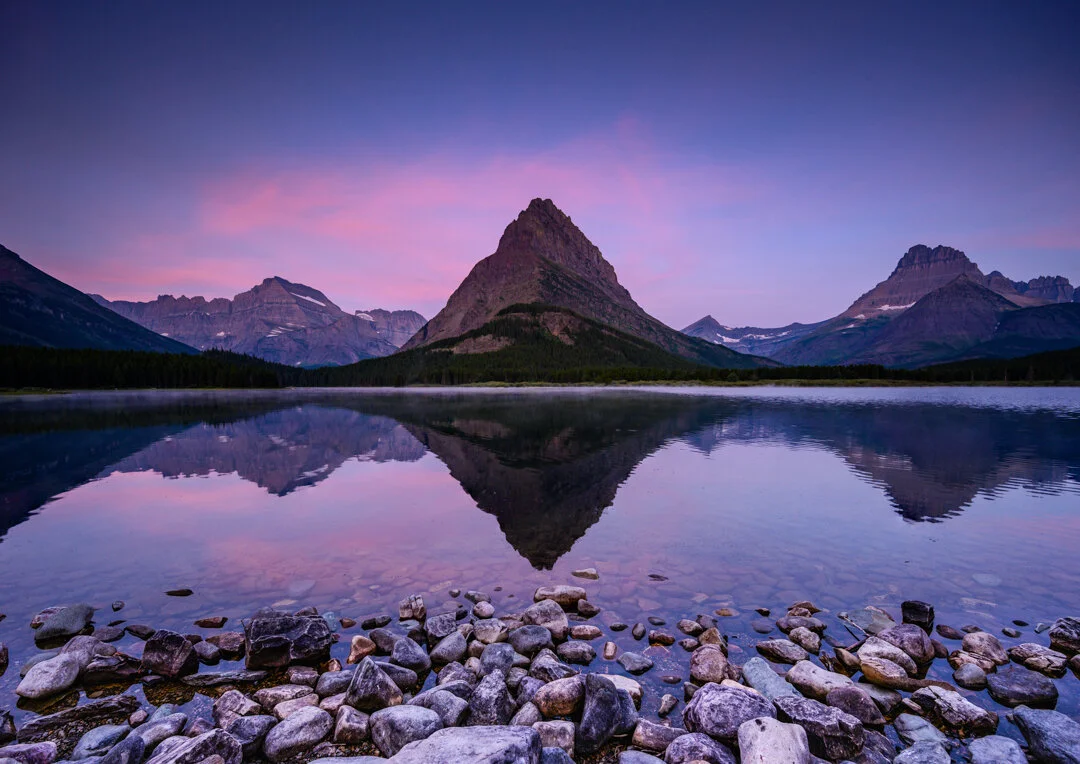
If you only have one day in Glacier National Park, the hardest part is not choosing a trail. It is choosing which side of the park will actually let you hike the trail you want, at the time you want, without a logistics headache.
This guide is intentionally focused on Many Glacier and the east side (St. Mary and Two Medicine) because they are the most straightforward places to build a hiking-first day with big payoffs. Yes, the west side (Lake McDonald) is beautiful, but it tends to shine as a scenic-driving, lodge-and-lake, and Going-to-the-Sun Road access base. If you are trying to squeeze in one day hike with minimal backtracking, these east-side options are usually the cleanest decision.
For day hikes, the decision usually comes down to:
- Many Glacier, the postcard corner with big alpine drama and classic hikes that start right from the valley.
- East side access via St. Mary (Going-to-the-Sun Road east entrance) and Two Medicine (quieter, lake-and-peaks vibe with great half-day options).
This guide mirrors the exact choice you are probably making in your browser right now: Many Glacier vs the east side entrances for a day hike plan, with reservation and shuttle realities, half-day itineraries, and what to do when weather shuts down your first choice.

Many Glacier vs East Side: quick pick
If you want the fastest answer, use these as your decision shortcuts.
Pick Many Glacier if…
- You want Glacier’s most iconic day hikes (big views with relatively direct trail access).
- You can commit to an early start and you are okay with more competition for parking.
- Your top priorities are wildlife chances, lakes, and that “surrounded by peaks” feeling all day.
Pick St. Mary (Going-to-the-Sun Road east) if…
- You want flexibility, especially if you might pivot mid-day.
- You are planning to use the park shuttle or build your day around multiple short stops.
- You want access to classics like St. Mary Falls and Virginia Falls and, when feasible, higher-elevation trailheads along Going-to-the-Sun Road.
Pick Two Medicine if…
- You want a less hectic entrance with strong half-day hiking options.
- You like a “choose your own adventure” lake day: hike a bit, picnic, hike again, maybe add a boat component if available on a seasonal or limited schedule.
- You want solid scenery without fighting the same crowds as the Going-to-the-Sun corridor.
Reservations: reality check
Glacier’s access rules can change by year, season, day, and corridor. Your best move is to confirm the current setup on the National Park Service website right before you go, then build a plan that does not collapse if you cannot get the exact permit or time window you imagined.
Quick link strategy: check the NPS Vehicle Reservations page and the daily Road Status page, then scan for corridor-specific notes (Going-to-the-Sun Road, Many Glacier, Two Medicine, and any construction impacts).
What to expect in general
- Timed entry / vehicle reservation systems may apply to certain corridors during peak season. Requirements can differ between Going-to-the-Sun Road and areas like Many Glacier and Two Medicine.
- Having a lodging or activity reservation (for example, in-valley lodging, a tour, or a boat ticket) can affect how you access certain areas. Policies vary, so read the fine print and confirm what it covers.
- Shuttles can reduce parking stress on the Going-to-the-Sun corridor, but they do not guarantee access if an entry requirement applies that day. Treat the shuttle as a logistics tool, not a loophole.
My planning rule: if you are aiming for Many Glacier or a specific Going-to-the-Sun trailhead, treat your day like a sunrise mission. If you want a calmer start, Two Medicine is often the most forgiving east-side choice.
Parking, shuttles, and early starts
Many Glacier logistics
Many Glacier is famous for a reason, and it can feel like everyone in the park got the same memo. Parking fills early, and once you are in the valley you will want to stay put rather than burning time leapfrogging lots.
- Best strategy: arrive early, pick one main hike, and build a short add-on walk for later if you finish with energy.
- How early is early (peak season): aim to arrive around 6:30 to 7:00 a.m.. Earlier is calmer. Later can still work, but expect parking roulette and a delayed start.
- Best for: one big, satisfying hike with minimal driving once you are there.
St. Mary and Going-to-the-Sun Road east logistics
St. Mary is the east-side hub for Going-to-the-Sun Road access. This corridor offers options, but it also concentrates visitors. Your experience depends on whether you drive-and-park or shuttle-hop.
- Drive-and-park: great if you get an early start, risky if you roll in late morning.
- Shuttle-friendly day: great for chaining a waterfall hike with scenic pullouts, but you need to watch the clock and keep expectations flexible.
- How early is early (peak season): if you want popular stops or anything near Logan Pass, aim for before 7:00 a.m. for the best odds.
- Best for: “menu” days, especially if high-elevation areas are open.
Two Medicine logistics
Two Medicine often feels like Glacier’s exhale. You still want an early start in peak season, but the vibe is typically less frantic than Many Glacier and the central road corridor.
- Best strategy: plan a half-day hike plus lake time. You will feel like you did a lot without sprinting.
- How early is early (peak season): arriving by 8:00 a.m. usually keeps the day smooth. Earlier is still better if you want Scenic Point.
- Best for: families, mixed-energy groups, and anyone who wants a strong day hike without the “battle for a spot” feeling.
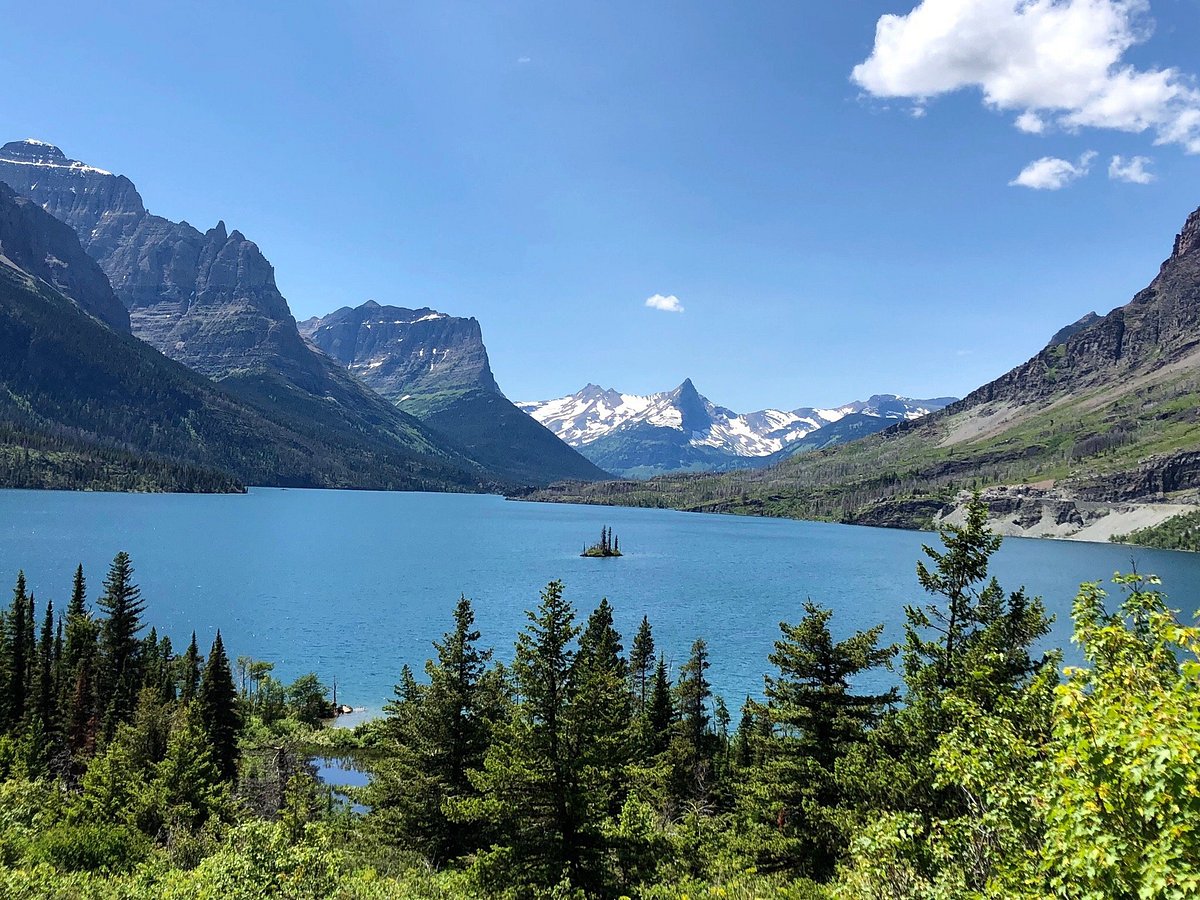
Trail quick stats
These are practical, real-world expectations for the most common picks in this guide. Distances and times can vary by route variation, trail conditions, and how often you stop to stare at everything.
- Grinnell Lake: about 7 to 8 miles round trip, moderate, often 3 to 5 hours.
- Iceberg Lake: about 9 to 10 miles round trip, moderate to hard, often 5 to 7+ hours.
- Swiftcurrent Nature Trail + Fishercap Lake: about 1 to 3 miles depending on how you link it, easy, 1 to 2 hours.
- St. Mary Falls and Virginia Falls: about 3 to 4 miles round trip, easy to moderate, 2 to 3.5 hours.
- Sun Point area walks: typically 1 to 4 miles total depending on segments, easy, 1 to 3 hours.
- Hidden Lake Overlook (Logan Pass): about 3 miles round trip, moderate, 1.5 to 3 hours.
- Highline Trail (Logan Pass): commonly done as an out-and-back (varies), typically harder due to exposure and length, often 4 to 8 hours depending on turnaround point.
- Running Eagle Falls: about 0.6 miles loop, easy, 20 to 45 minutes.
- Scenic Point: about 7 to 8 miles round trip, hard, often 4 to 6.5 hours.
- Aster Park area (via Two Medicine): longer day-hike territory, typically hard, often 6 to 9+ hours depending on route and conditions.
Half-day plans: Many Glacier
Many Glacier is where you go when you want your day hike to look like a calendar photo. These are practical half-day choices that still deliver the goods.
Option A: Grinnell Lake
Why it works: A classic that feels alpine without requiring a full-day sufferfest. You get lakes, valley views, and a satisfying payoff.
- Expect: about 7 to 8 miles round trip, moderate, often 3 to 5 hours.
- Good for: moderate hikers who want a “big Glacier day” without committing to the longest routes.
- Notes: Start early for parking and cooler temps. Expect to share the trail.
Option B: Swiftcurrent Nature Trail + Fishercap Lake
Why it works: Perfect if weather is moody, you have kids in the group, or you want wildlife-and-lake vibes without a major climb.
- Expect: about 1 to 2 hours, easy, flexible mileage.
- Good for: recovery legs, late arrivals, or a “sunset walk” after your main hike.
- Notes: Bring binoculars if you have them and keep a respectful distance from wildlife.
Option C: Iceberg Lake
Why it works: When this trail is accessible, it is one of the most memorable lake hikes in the park. It is longer than the options above, so treat it like your “one big thing.”
- Expect: about 9 to 10 miles round trip, moderate to hard, often 5 to 7+ hours.
- Good for: hikers who can maintain a steady pace and still want time for photos and snack breaks.
- Notes: Snow can linger and wildlife closures can happen. Have a backup.
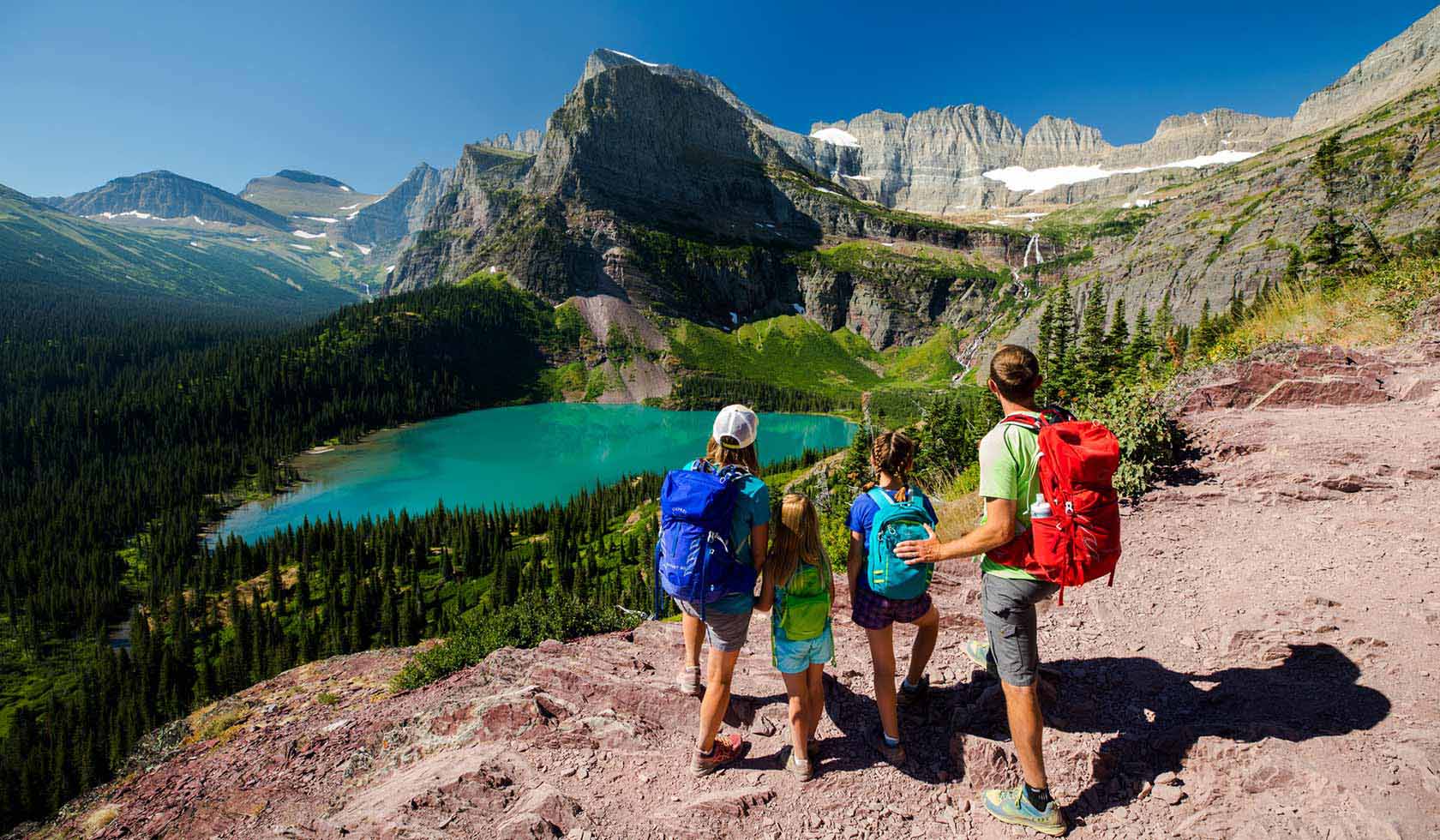
Half-day plans: St. Mary and GTSR east
This is the best zone if you want to pair a hike with scenic stops, a picnic, and the option to pivot depending on wind, smoke, or cloud cover.
Option A: St. Mary Falls and Virginia Falls
Why it works: This is one of the most reliable “yes, we did Glacier” half-day hikes. It is accessible for a wide range of fitness levels and still feels lush and dramatic.
- Expect: about 3 to 4 miles round trip, easy to moderate, often 2 to 3.5 hours.
- Good for: first-timers, families, and anyone who wants dependable payoff even if higher elevations are socked in.
- Notes: If parking is chaotic, consider building the day around shuttle timing.
Option B: Sun Point area
Why it works: If you are short on time or arriving midday, the Sun Point area lets you stack smaller scenic segments into a satisfying afternoon.
- Expect: easy, choose-your-distance hiking, often 1 to 3 hours total.
- Good for: “I want to see a lot, not hike a lot” days.
- Notes: Wind off the lake can be intense. Pack a light layer even on warm days.
Option C: Logan Pass high country (conditional)
Why it works: If Going-to-the-Sun Road is fully open and the weather cooperates, the Logan Pass area is the cleanest way to get big alpine scenery fast. It is also the most parking-sensitive option in this guide.
- Two famous choices: Hidden Lake Overlook (classic viewpoint) and the Highline Trail (legendary, longer, more exposed).
- Expect: high-elevation conditions even in summer. Wind, sudden temperature swings, and lingering snow are normal.
- Notes: If Logan Pass parking is full or clouds roll in, drop to St. Mary Falls and Virginia Falls instead and salvage the day.
Half-day plans: Two Medicine
Two Medicine is the east side’s “quietly excellent” option. It is also a smart pick when you want lower stress and a strong plan that does not rely on snagging the perfect parking spot at the perfect time.
Option A: Running Eagle Falls + lakeshore time
Why it works: Great for mixed groups and for days when you want a low-commitment, high-reward stop.
- Expect: easy, about 0.6 miles, 20 to 45 minutes.
- Good for: families, late starts, smoky days, or a relaxed morning.
Option B: Scenic Point
Why it works: If your crew wants a real workout, this is a classic Two Medicine hike with sweeping perspective.
- Expect: about 7 to 8 miles round trip, hard, often 4 to 6.5 hours.
- Good for: fit hikers who still want to be back for an early dinner in St. Mary or East Glacier.
- Notes: Exposed sections can feel hotter than you expect. Start early and carry more water than you think you need.
Option C: Aster Park area
Why it works: This is for hikers chasing wildflowers and that deep-in-the-basin feeling. It is also more variable depending on snowpack and trail conditions.
- Expect: longer day-hike territory, often 6 to 9+ hours depending on the route.
- Good for: hikers who prioritize meadows and peaks over checking off famous overlooks.
- Notes: Check trail status before committing. If conditions are questionable, pivot to a shorter lake-and-falls day.
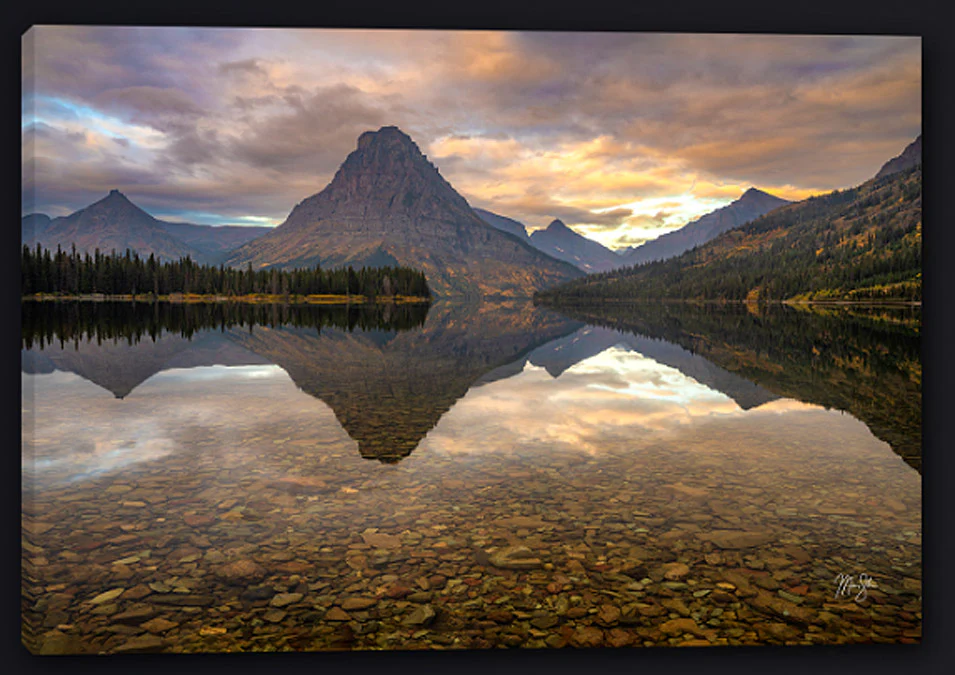
Weather and closures
Glacier is not a “set it and forget it” park. A perfect day can flip fast due to:
- Snow and lingering ice at higher elevations, especially earlier in the season.
- Wind that can turn exposed ridges and lake shorelines into a grind.
- Wildfire smoke that reduces views and can affect air quality.
- Wildlife activity that triggers temporary trail closures.
- Afternoon storms that build faster than you want them to.
My simple strategy
- If high elevations are clear: prioritize your dream hike (Many Glacier classic or Logan Pass access).
- If weather is unstable: choose waterfalls and lower-elevation forest trails (St. Mary Falls and Virginia Falls are a reliable pivot).
- If it is smoky: lakes and waterfalls can still be rewarding, but consider shorter hikes and focus on close-up scenery.
Build your day around a “primary hike” and a “backup hike” in a different corridor. That way a closure does not wipe out your whole day.
Sample one-day itineraries
Itinerary 1: Many Glacier classic
- Early morning: arrive in Many Glacier and start your main hike (Grinnell Lake or Iceberg Lake).
- Late morning: snack break at the turnaround, then hike out steadily.
- Afternoon: easy add-on like Fishercap Lake or Swiftcurrent Nature Trail.
- Evening: drive out before it feels like everyone is leaving at the same time.
Itinerary 2: St. Mary flexible “greatest hits”
- Morning: St. Mary Falls and Virginia Falls.
- Midday: picnic by St. Mary Lake, then choose a short scenic stop based on wind and parking.
- Afternoon: add a second short walk near the lake or along an open stretch of Going-to-the-Sun Road.
Itinerary 3: Two Medicine low-stress
- Morning: Running Eagle Falls plus lakeshore wandering.
- Late morning to afternoon: commit to one longer hike like Scenic Point if conditions look good.
- Late afternoon: lake time, snacks, and a slow drive back with plenty of photo stops.
What to pack
I am a carry-on-only person in cities, and I pack the same way for day hikes: tight, intentional, and ready for a weather plot twist.
- Layers: light insulating layer and rain shell, even if the forecast looks friendly.
- Water and snacks: enough for your full hike, plus a little extra for a detour or slowdowns.
- Sun and wind protection: hat, sunglasses, sunscreen.
- Bear safety basics: carry bear spray and know how to use it. Keep it accessible, not buried in a pack. Hike aware and give wildlife space.
- Offline navigation: downloaded maps or a paper map as backup.
- Basic safety habits: stay on trail, respect closures, and turn around if storms or visibility get sketchy.
So, what should you choose?
If you are chasing a single iconic hike and you can commit to an early, focused day, Many Glacier is hard to beat.
If you want maximum flexibility with waterfalls, lake views, and the option to mix shuttles with scenic stops, base your plan around St. Mary and the Going-to-the-Sun Road east side.
If you want a calmer entrance and a day that still feels distinctly Glacier without the same intensity of crowds, Two Medicine is your best east-side wild card.
And if you take nothing else from this page: pick one “hero hike,” choose a backup in a different corridor, and let Glacier’s weather do its thing without stealing your day.